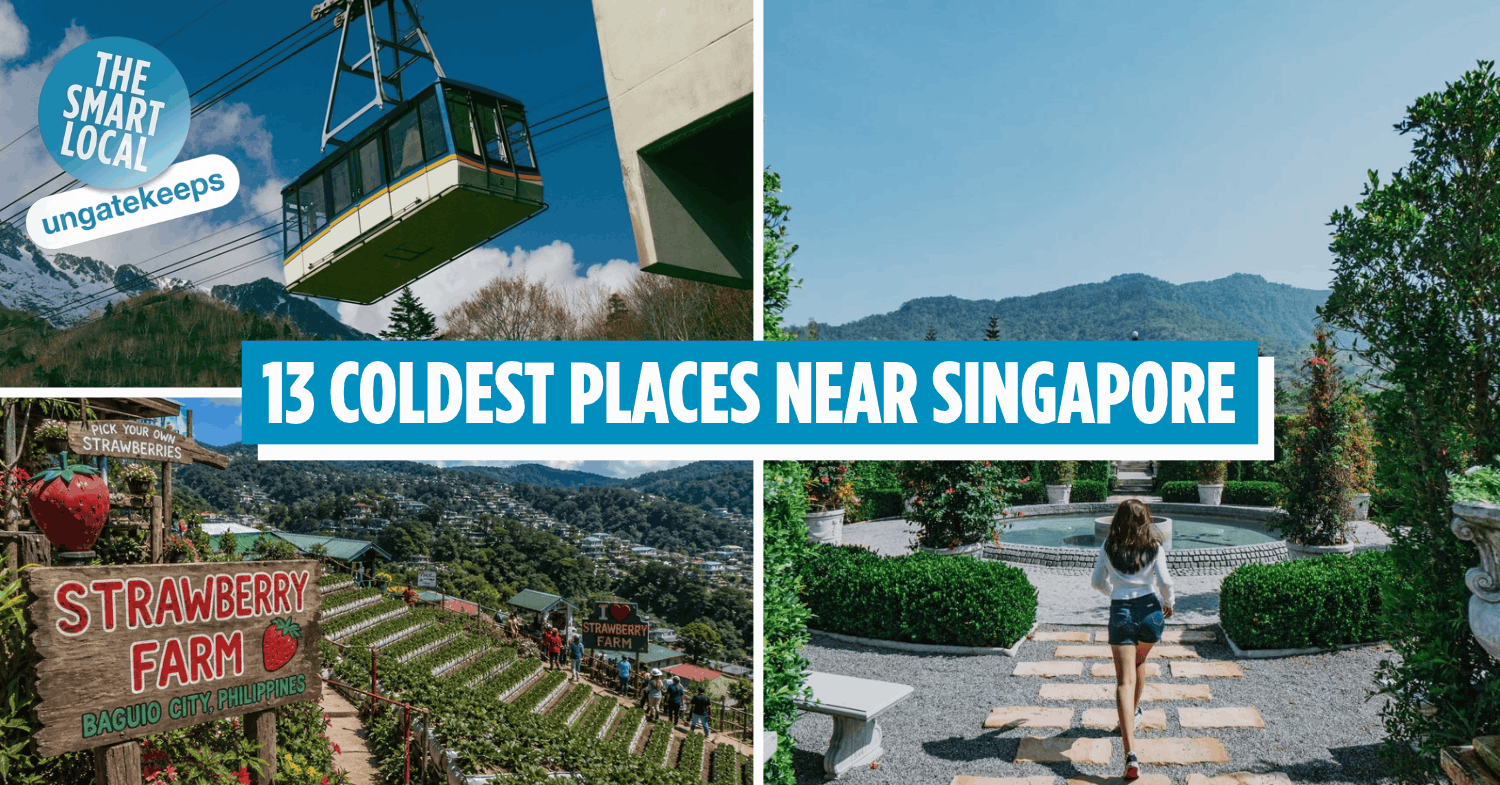


Coldest places near Singapore with direct flights
When you’re living in a country where summer never ends, in all likelihood, you’d want to escape to somewhere with cooler temperatures during the holidays. And by “cold places”, we don’t mean the mall.
We’ve rounded up some of the coldest places near Singapore, as close as 2 hours away. Read on, and you might find yourself booking flights to these cold places for your next short getaway.
Some of these destinations may require a flight connection or two, and we’ve compiled all the information you need if you’re thinking of booking your next vacation that isn’t too far away from home.
Table of Contents
- Coldest places near Singapore with direct flights
- – Southeast Asia –
- 1. Da Nang, Vietnam – Mountain-top theme park
- 2. Kundasang, Malaysia – Dairy farms & adrenaline activities
- 3. Fraser’s Hill, Malaysia – Scenic birdwatching in the mountains
- 4. Bandung, Indonesia – Unwind with tea plantations & flower gardens
- 5. Pai, Thailand – Hot spring & scenic cafes
- 6. Sagada, Philippines – New Zealand-like scenery
- 7. Baguio, Philippines – A cooling mountain retreat
- 8. Doi Mae Salong, Thailand – Discover Oolong tea plantations
- – Asia –
- 9. Kathmandu, Nepal – Explore temples & monasteries
- 10. Tateyama, Japan – Snow walls up to 20m-tall
- 11. Taipei, Taiwan – Witness cherry blossoms in the city
- 12. Pocheon, South Korea – Cycling & lake sledding on an ice rink
- 13. Shirakawa, Japan – Traditional village in the snowy mountains
- Fly to the coldest places near Singapore
– Southeast Asia –
1. Da Nang, Vietnam – Mountain-top theme park
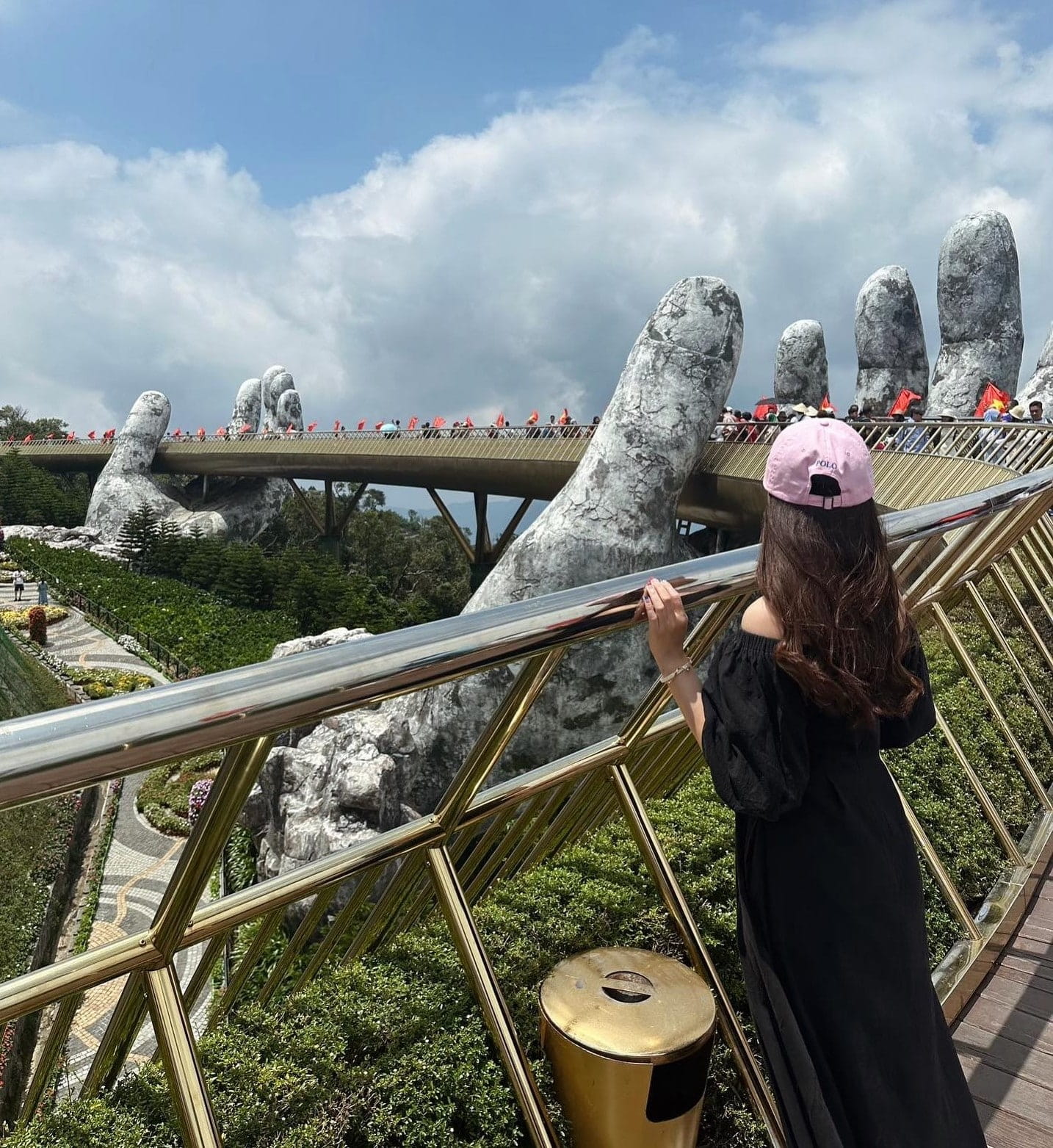
Image credit: @777enjoooy_ via Instagram
Singaporeans often head to Genting Highlands for a breath of fresh air and scenery. If you want something different, fly to Da Nang instead. Specifically, hop on a cable car to visit Sun World Ba Na Hills, a theme park up a mountain with temperatures dipping to 19°C in January.
The theme park is a 45-minute ride on a free shuttle bus from Da Nang City. You’ve probably seen photos of the Golden Bridge, a 150m-long pedestrian bridge held up by 2 massive hand sculptures. There’s also the French Village and Fantasy Amusement Park, where you can find thrills like an alpine coaster, a tower drop, a 4D ride, or bumper cars.
The admission fee to Sun World Ba Na Hills starts at about $49.79/adult when purchased on Klook. There are also Klook exclusive offers that bundle admission tickets with perks like lunch buffets, ride passes, and private round-trip car transfers.
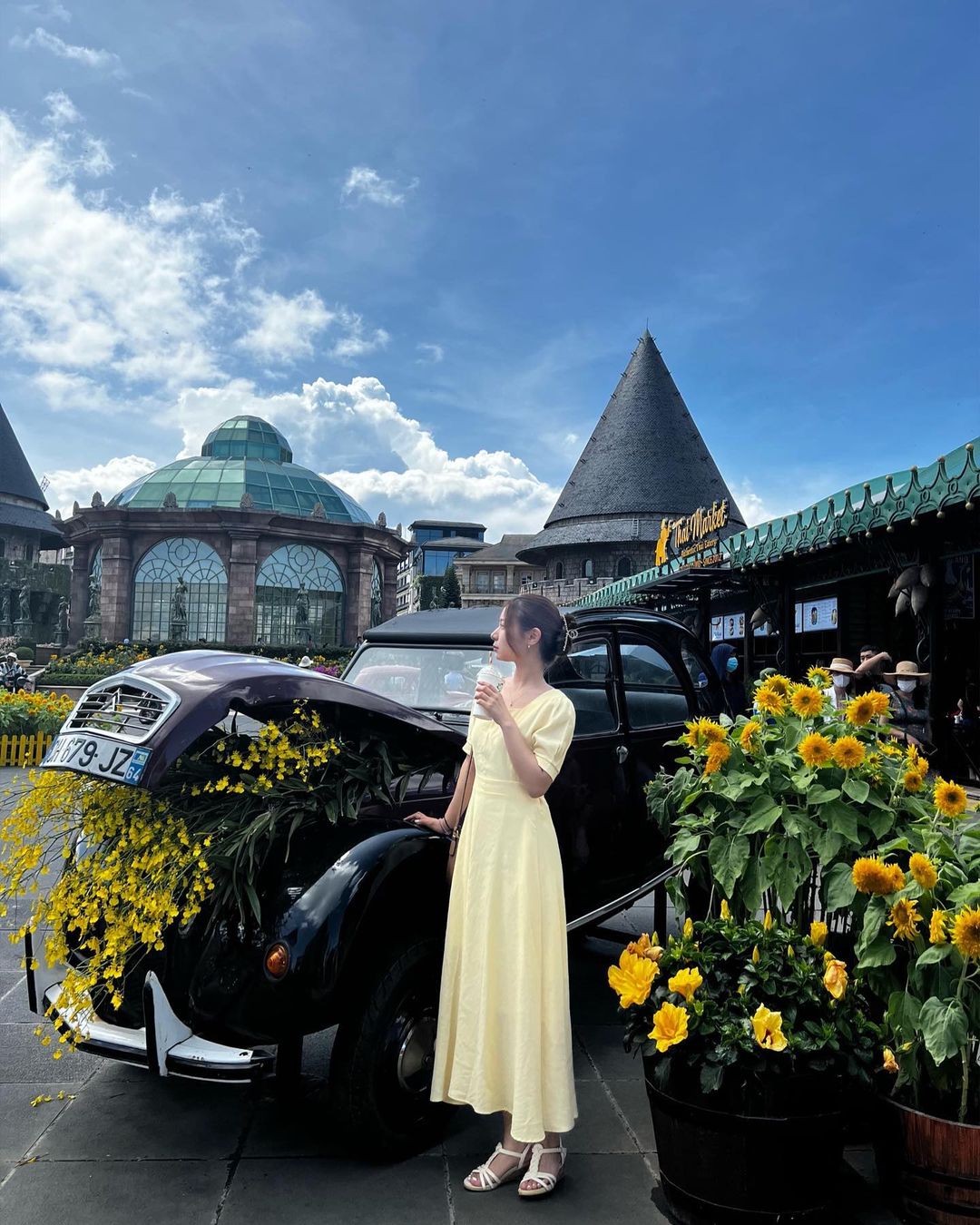
This looks like it’s somewhere in Paris in the 1970s, but it’s Mercure Da Nang French Village Ba Na Hills Hotel.
Image credits: @ubn.lee07 via Instagram
It may be impossible to admire the beauty of Ba Na Hills in one short day. Those who wish to stay a little longer can book a room at Mercure Da Nang French Village Ba Na Hills Hotel, designed to look like a French castle.
 Sign Up with TSL Connect


Getting there from Singapore: 2.5-hour direct flight to Da Nang International Airport
Coldest months to visit: January, with temperatures around 19°C to 25°C
2. Kundasang, Malaysia – Dairy farms & adrenaline activities
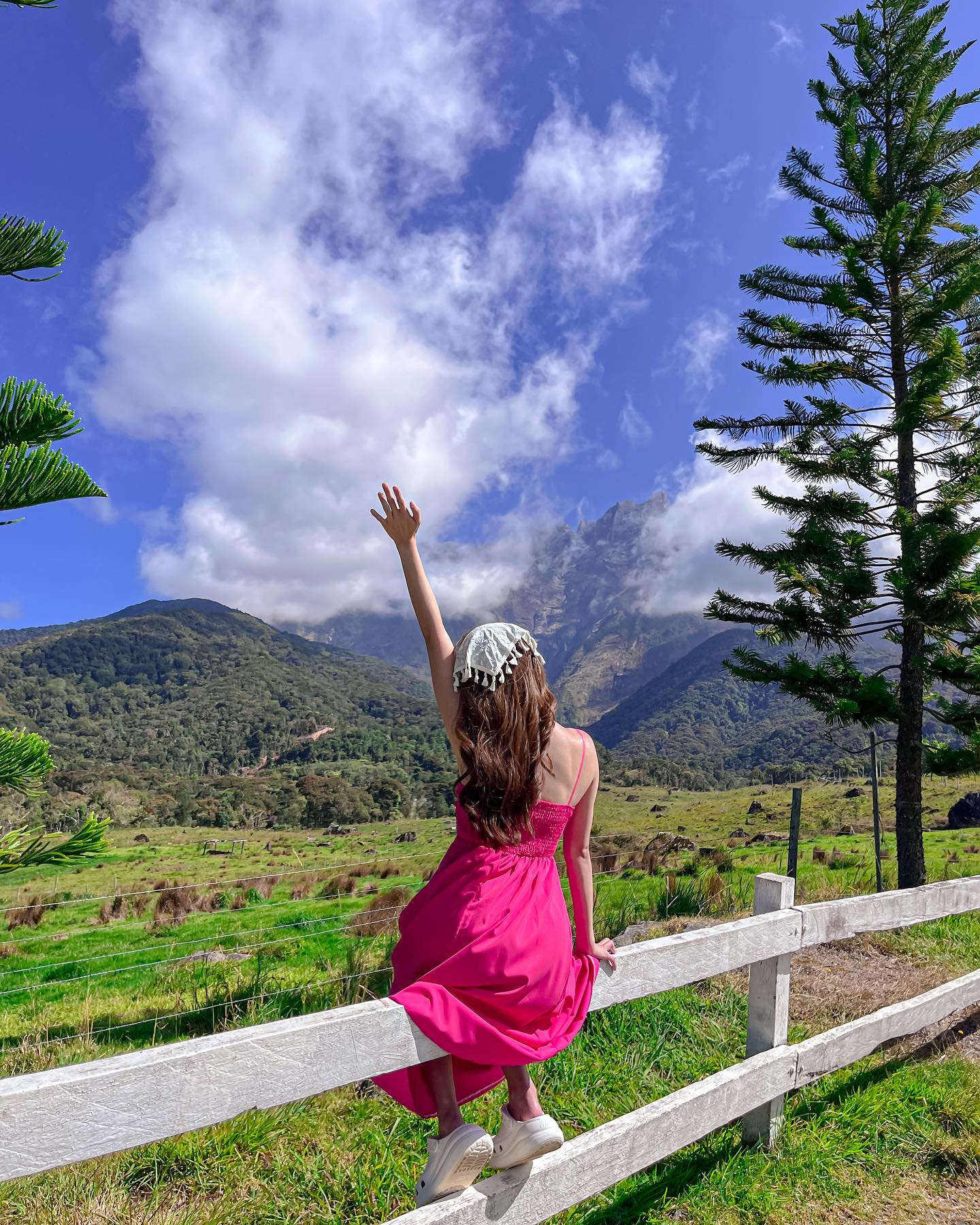
Image credit: @khaiyee__ via Instagram
If being outdoors and experiencing nature is your thing, consider Kundasang, a town at the foot of Mount Kinabalu in Sabah, Malaysia. Make your way to Desa Dairy Farm, a hotspot for picture-perfect snapshots that lowkey look like you’re in New Zealand.
At Desa Dairy Farm, you can see how they produce litres of milk from Holstein cows, and even feed the calves on the farm. The admission fee costs about (RM20/adult, ~S$6.30) and (RM10/child, ~S$3.15).
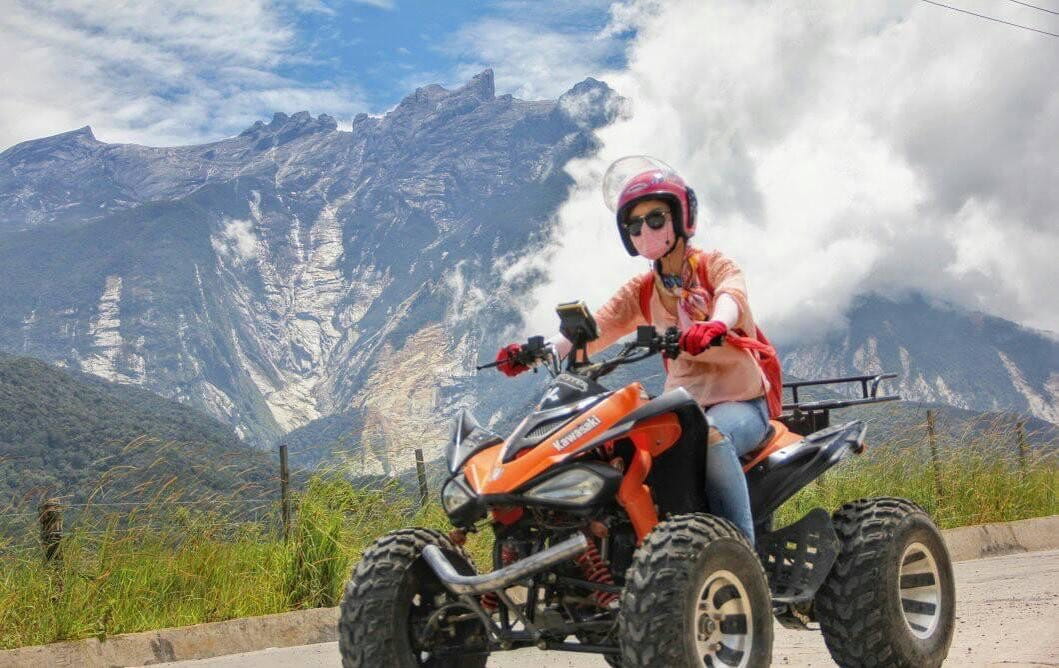
Image credit: @atv_borneo_adventure via Instagram
Once you’re done exploring Kundasang on foot, ride an ATV through offbeat tracks while enjoying the beautiful scenery. Want to witness an epic view of Sosodikan Mountain and absorb the kampung scenery? Hit up the Sosodikon Hill track. But if you’re up for something beyond mountains, check out the EarthQuake History Site track to see rock fragments formed during past quakes.
With ATV Borneo Adventure, a single-seater costs you from RM130 (~S$40.80) for a ride around the farm, while a double-seater costs about RM180 (~S$56.50). Note that kids under 16 must ride the double-seater ATV with an adult.
Getting there from Singapore: 2.5-hour direct flight to Kota Kinabalu International Airport, followed by a 2.5-hour drive up to Kundasang
Coldest months to visit: January, with temperatures around 13°C to 21°C
3. Fraser’s Hill, Malaysia – Scenic birdwatching in the mountains
For more scenic and serene views in Malaysia, Fraser’s Hill is also an option for those who don’t particularly enjoy adrenaline activities.
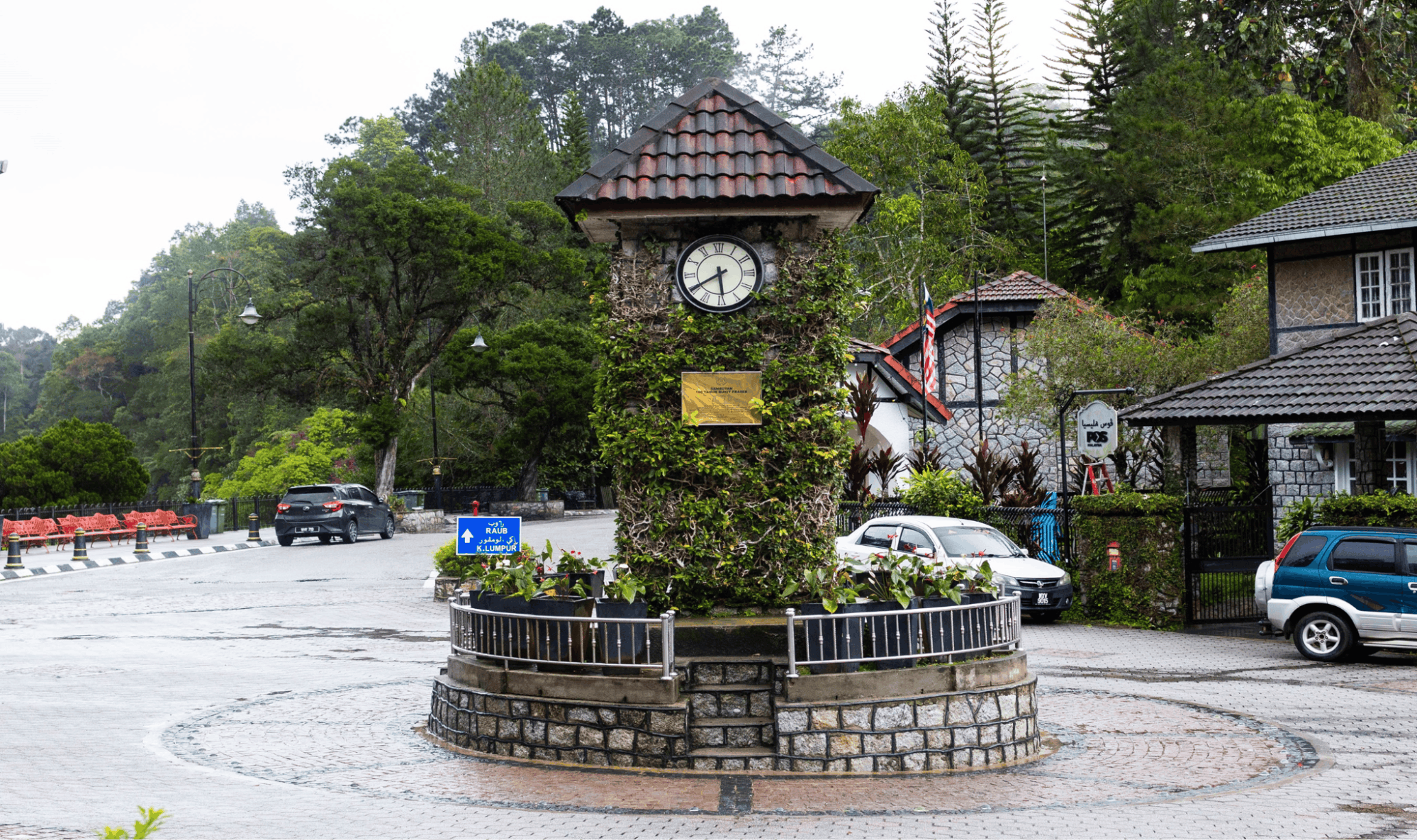
Image credit: Pahang Tourism via Google
Modelled after an English village, look forward to mock-Tudor stone buildings and a 1930s Clock Tower to snap photos of that will make you feel like you’re in England, sans the pricey flight ticket. If you find yourself liking the vintage, colonial aesthetic, there’s also The Smokehouse Hotel & Restaurant as an option for accommodation as you plan your stay here.
 Image credit: JungleWalla via Google
You can look forward to birdwatching here too, as it’s recognised as an Important Bird Area (IBA) that houses over 250 species of birds, and there’s even an annual Fraser’s Hill International Bird Race every June.
Getting there from Singapore: 1-hour direct flight to Subang Airport, followed by a 2.5-hour drive up to Fraser’s Hill
Coldest months to visit: January, with temperatures around 17°C to 21°C
4. Bandung, Indonesia – Unwind with tea plantations & flower gardens
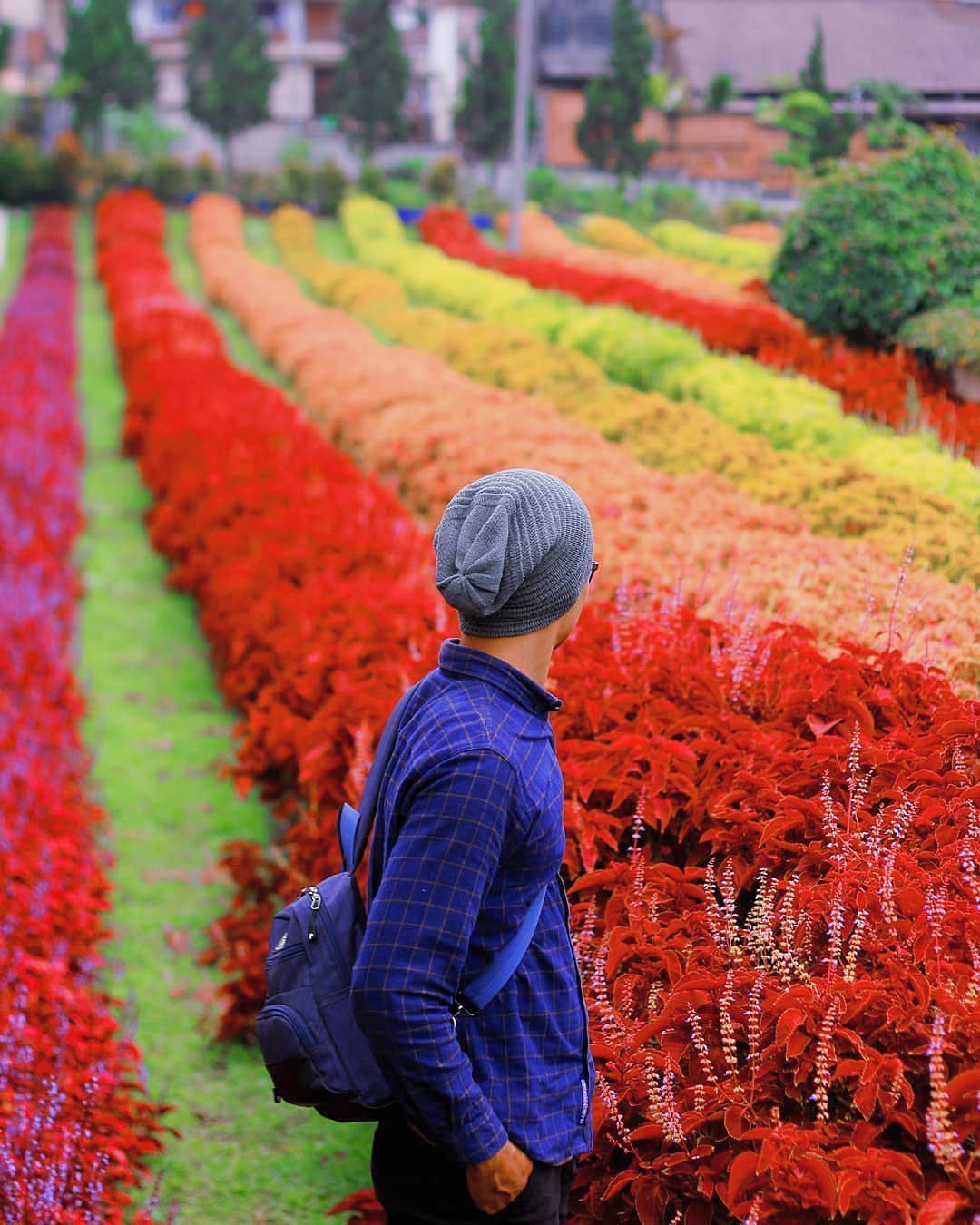
Image credit: @syam.alamsyah.10 via Instagram
Tucked away in the cool mountainous part of West Java, Bandung is a popular destination for tourists who want to escape the tropical heat. Rainbow Garden in Bandung is where you can feel like you’re living the dream in a cute English cottage. It’s a total Insta-haven, filled with colorful flower terraces, swings wrapped in flowers, and flower beds at every turn.
The entrance fee for Rainbow Garden costs about Rp10,000/person (~S$0.70), and you might want to plan a visit on a weekday as it gets very crowded on weekends.
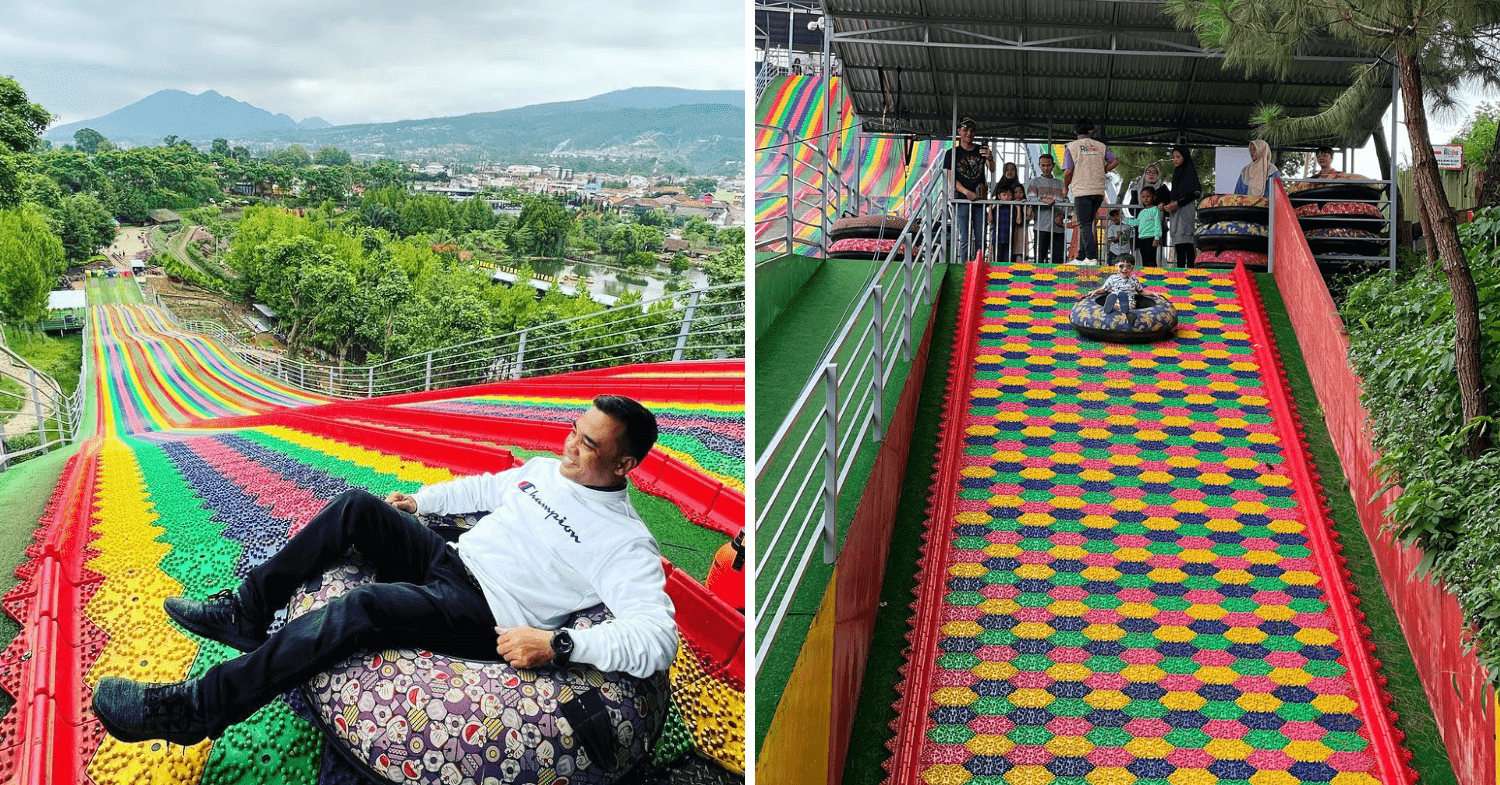 Adventurous kids can play on both the Rainbow and Mini Slides, but look out for the height requirement.
Image adapted from: @ibash_abdul_basith & @aslandaniyal via Instagram
You and the kids will have a jolly good time on the Rainbow and Mini Slides, which are located in the garden. The slide stretches over 120m and is known to be the longest slide in West Java. Imagine the crisp, fresh air at 19°C while you slide down on a buoy.
A ticket on the Rainbow Slide costs Rp30,000/round (~S$2.20), but if you plan on going down it non-stop, snag the unlimited play ticket for Rp80,000 (~S$5.70). Just a heads up, kids need to be over 120cm to ride. If you don’t meet the requirements, don’t worry – there’s always the Mini Slide for Rp15,000/round (~S$1.10).
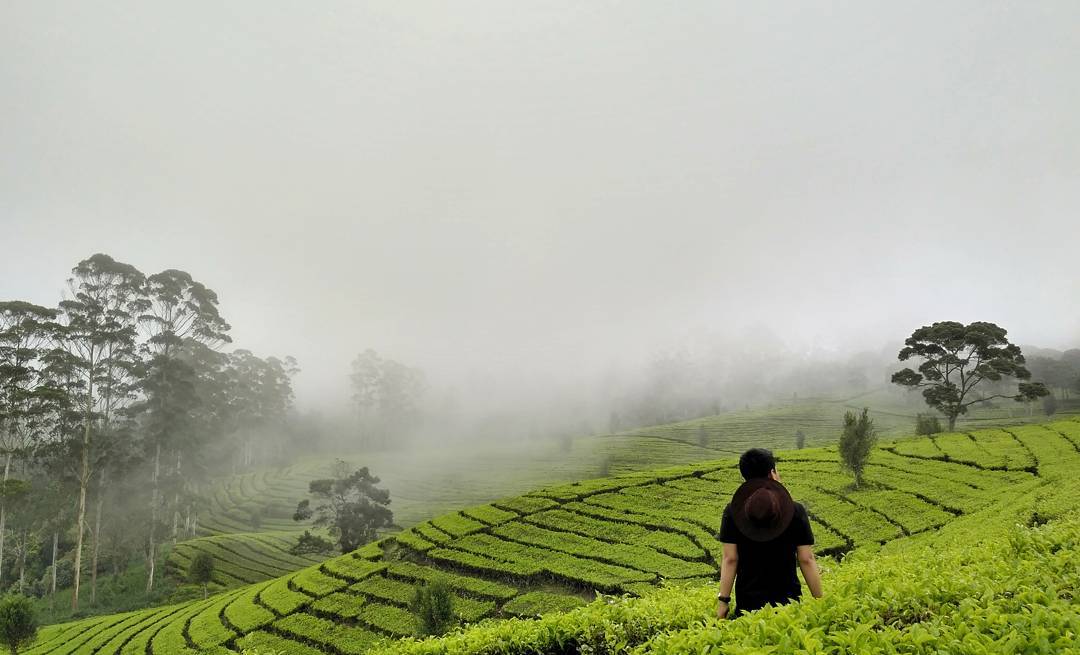
Image credit: @yopank__ via Instagram
If you’re looking to head somewhere more serene, Sukawana Tea Plantation is about a 40-minute drive from the Rainbow Garden Lembang. Here, you can experience smelling different tea aromas; a fun way to appreciate the diverse flavours and scents that tea varieties offer.
For main character vibes, cycle or walk through the plantation in the morning, when it’s colder and foggy. Beyond the visual feast, Sukawana Tea Plantation provides an opportunity for visitors to learn the BTS of whole tea-making scene.
While you’re there, hop on the 3-hour train ride to Jakarta for anyone looking to keep the adventure going.
Getting there from Singapore: 2-hour flight to Kertajati International Airport + 1.5 to 2.5-hour drive
Coldest months to visit: January, July, and August, with temperatures going as low as 18°C
5. Pai, Thailand – Hot spring & scenic cafes
Pai in Thailand stays cool because of its location in the mountains of Mae Hong Son Province. The higher altitude brings in chillier temperatures, especially in winter. And because it’s about 13°C up there, soaking in a hot spring is a good idea to warm yourself. Make your way to the 3-tiered Sai Ngam Hot Spring, surrounded by nature and well-shaded by trees.
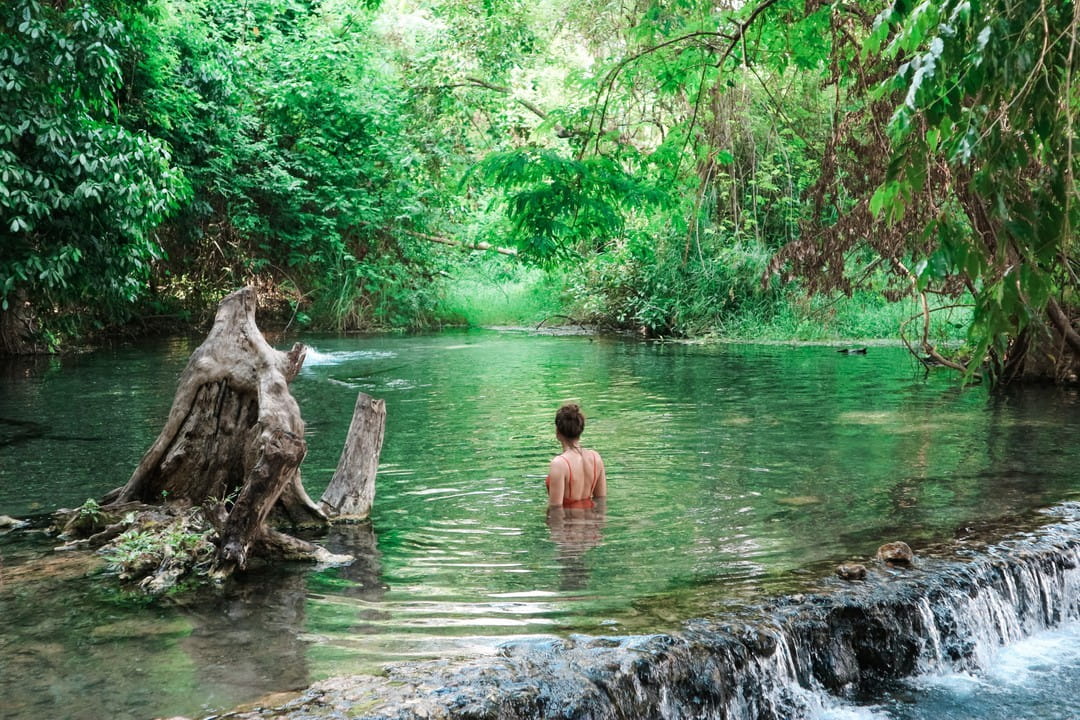
The 1st tier of the natural hot spring is the hottest at 34°C.
Image credit: @gowithco via Instagram
The hot spring is located 25 minutes by car from Pai City Centre. To experience the area like a local, we’d suggest you rent a scooter for THB150/day (~S$5.70) from around the city centre – only if you have a valid driving licence, that is.
The entrance fee for the park is THB250/person (~S$9.50), and there’s a separate fee to enjoy the hot spring at THB400/person (~S$15.20). You don’t have to worry about going home in wet clothes because there are changing rooms; just bring a fresh set of clothes.
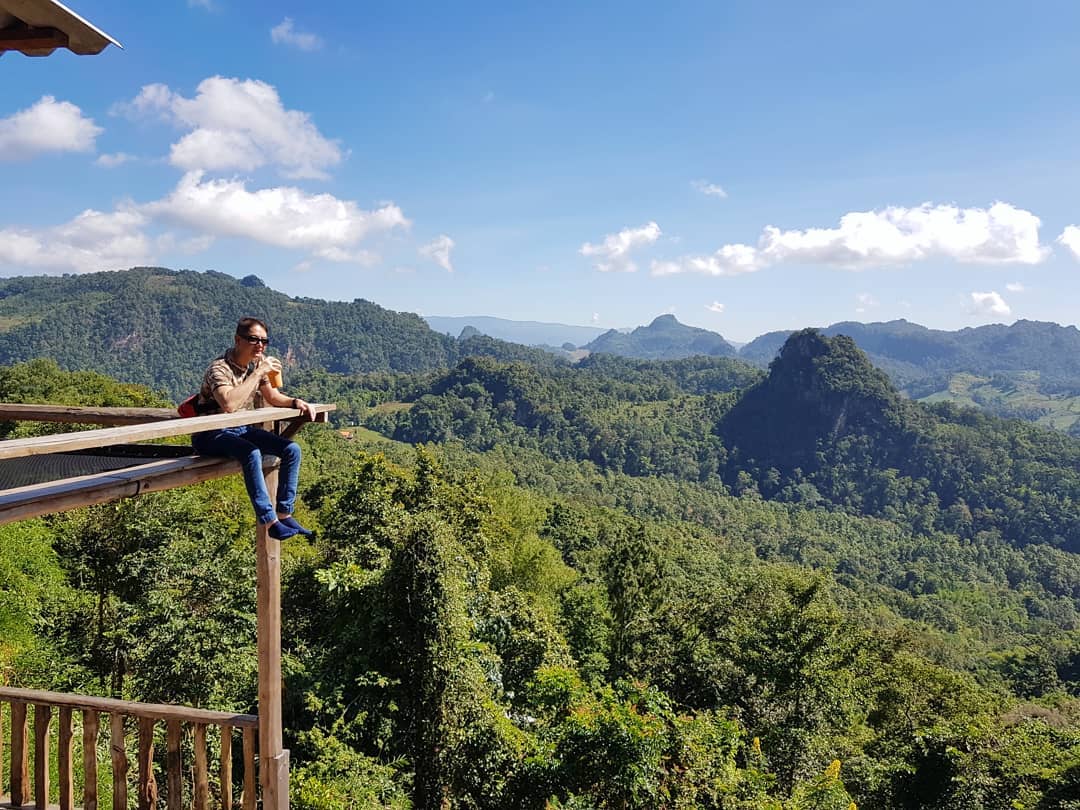
Image credit: @j.a.s.o.n.tan via Instagram
It’s easy to grab a bite anywhere in Pai, but Ban Cha Bo Hill Noodles stands out for its scenic views. It’s a restaurant where you’ll have your meals on a terrace while you have your feet dangling mid-air. Order the tom yam and pork noodles from THB35/each (~S$1.40).
Granted, the restaurant is an hour’s drive from Pai City Centre, but the journey in itself is scenic as you drive past mist-covered mountains and scenic valleys.
Getting there from Singapore: 3-hour flight to Chiang Mai International Airport, followed by a 2-hour drive to Pai.
Coldest months to visit: January, with temperatures around 13°C
6. Sagada, Philippines – New Zealand-like scenery
People usually think the Philippines is all about tropical heat, but guess what? There are lesser-known places with 20°C, and one of them is Sagada, a town in the Cordillera Mountains. One of its most popular attractions is the Sumaguing Cave, great for those looking for some adventure.
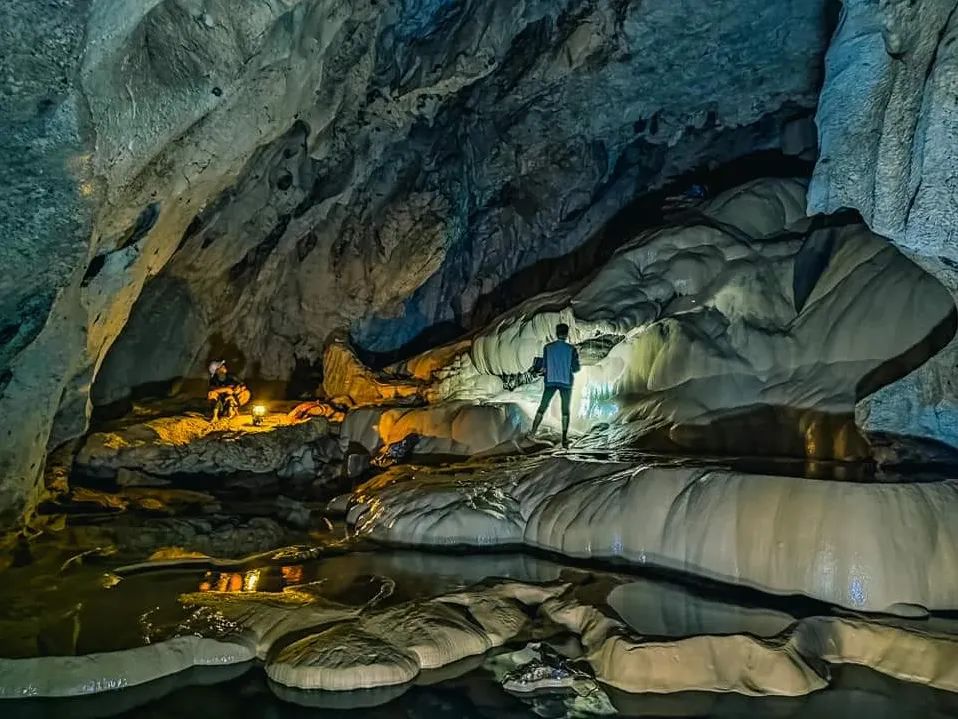
Image credit: @jmhlyn_ via Instagram
If you’re worried that you’re not experienced enough to go spelunking at Sumaguing Cave, hear us out. It’s actually suitable for beginners, as long as you hire a local guide. Local guides will charge about ₱800 (~S$16) for a group of 6. Don’t forget to factor in an environmental fee of ₱50 (~S$1) at the Sagada tourist office.
The cave is known for having remarkable geological structures that imitate the shapes of animals, such as a crocodile’s jaw, a turtle’s back, and even a woman’s vulva. Another highlight of the 2-hour adventure is the refreshing ice-cold waters at the bottom of the cave, perfect for taking a dip.
The cows are paid actors.
Image credit: @sabyahera via Instagram
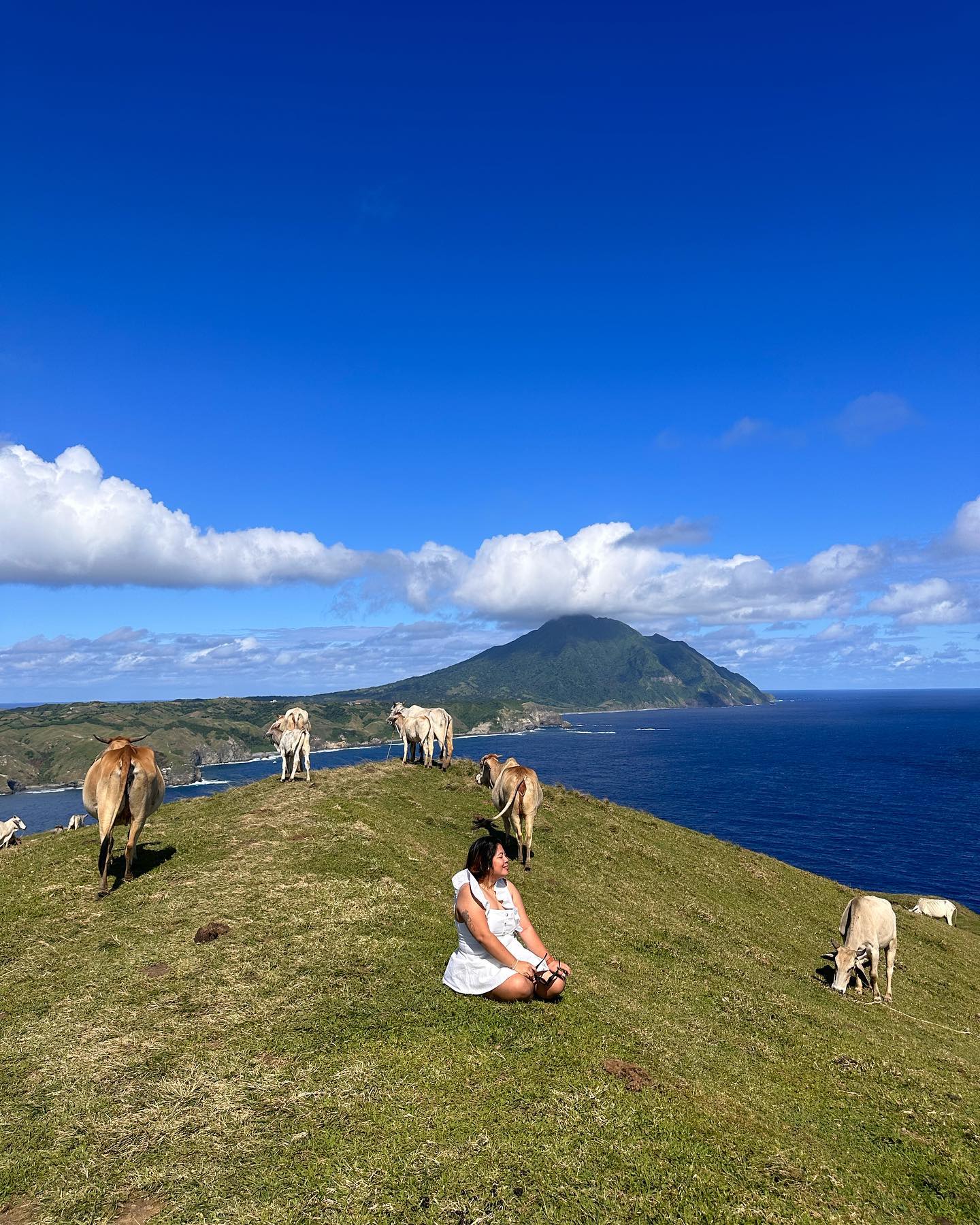
If exploring caves is a big no for you, we’d suggest heading to Marlboro Hills for a view you won’t forget. It’s been dubbed “the Philippines’ New Zealand” with its rolling hills, vast meadows, and cool climate.
Hike up Marlboro Hills, which takes about 1.5 hours. Once you’re at the peak, you’ll get an uninterrupted view of the sea of clouds below, and you may even encounter roaming cows, horses, and carabaos chilling in the vast field.
Getting there from Singapore: 7-hour flight to Tuguegarao Airport via Ninoy Aquino International Airport (Manila), followed by a 3-hour drive to Sagada
Coldest months to visit: All year long – temperatures are steady at around 20°C
7. Baguio, Philippines – A cooling mountain retreat
On the way to Sagada, you can pass by Baguio City first – deemed as the ‘Summer Capital of the Philippines’, where nature views and a cool getaway away from the city await.
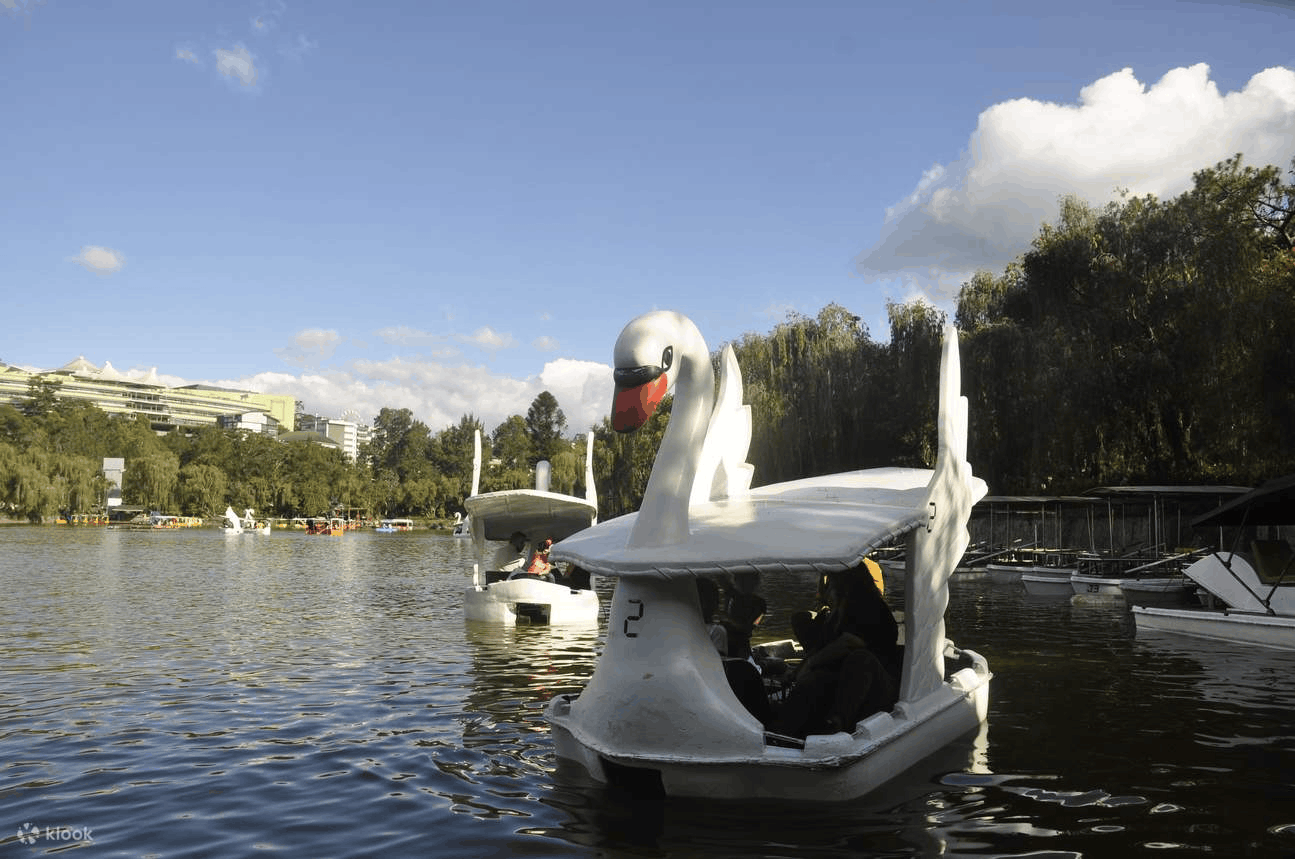
Image credit: Klook via Google
Try a scenic route by renting a boat to pedal through Burnham Lake – choose from classic pedal boats, rowboats, and new swan-shaped rental boats that cost ₱250 (~S$5) for 30 minutes.
There are other family-friendly activities around the area too, such as bicycle rentals that start from ₱50 (~S$1) for 30 minutes, and horseback riding at Wright Park, which costs ₱300 to ₱350 (~S$6 to S$7) for a solo ride inside the park, or you can top up an extra ₱50 (~S$1) for a double ride with kids.
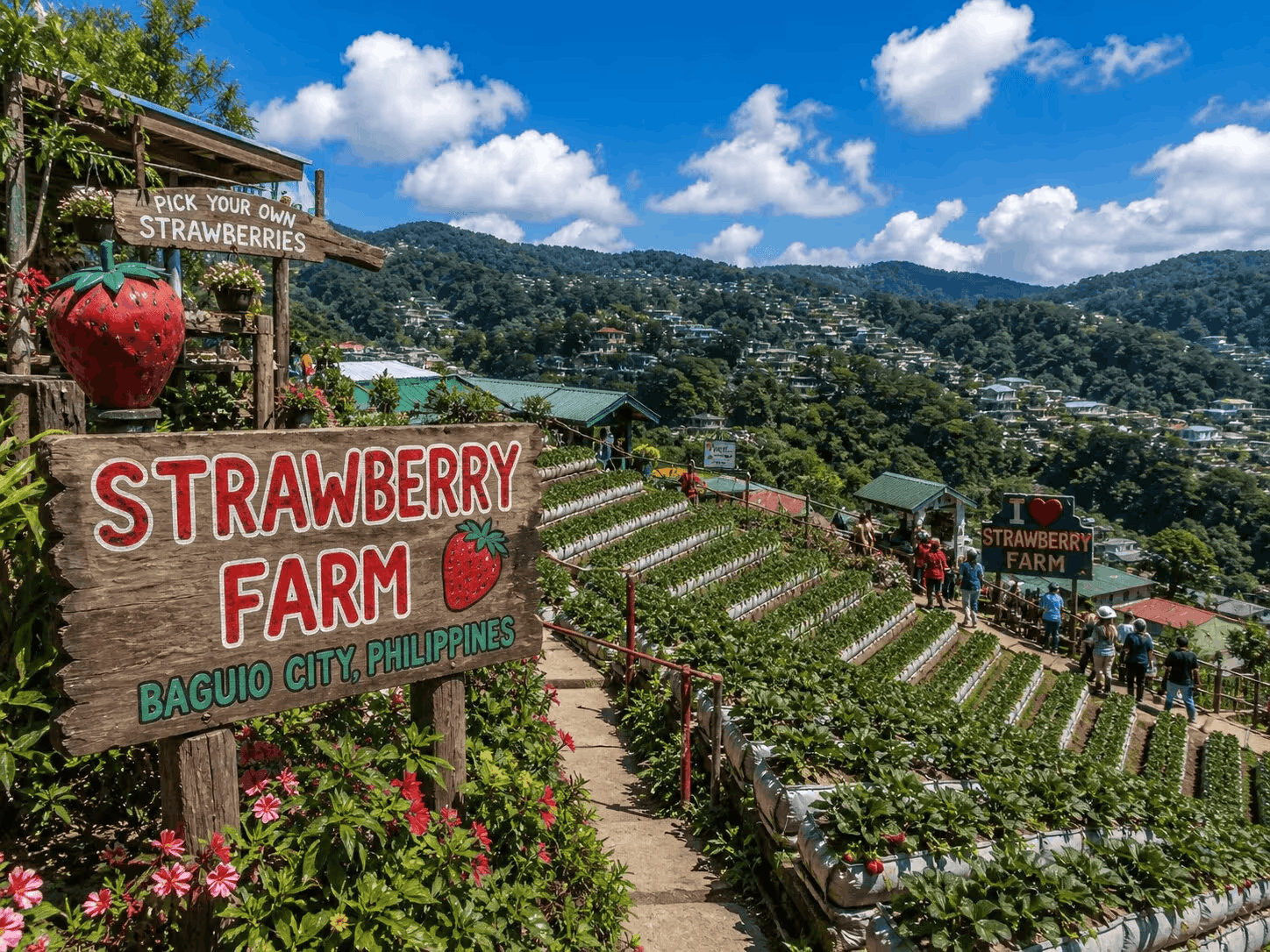
Image credit: V.O.S. Valencia Baguio Transient House
While you’re in Baguio, be sure to give strawberry picking here a try. Look forward to freshly handpicked and juicy strawberries, and bring them back with you as a treat too. The strawberry farms are located in La Trinidad, Benguet, which is about 20-30 minutes away from Central Baguio, and it costs roughly ₱600 to ₱800 (~S$12 to S$16) per kilo for the self-picking experience.
If you want to save your energy for other activities, there are also pre-packaged baskets sold at various markets that cost about ₱300 (~S$6) per kilo.
[add explorer entries]
Getting there from Singapore: 3.5-hour flight to Clark International Airport, followed by a 3.5-hour drive to Baguio
Coldest months to visit: January, with temperatures around 13°C to 15°C
8. Doi Mae Salong, Thailand – Discover Oolong tea plantations
If you’re looking into booking a trip to Thailand away from the city, Doi Mae Salong in Chiang Rai is well-famed for its Oolong tea plantations, chilly weather and distinctive Yunnanese-Chinese culture.
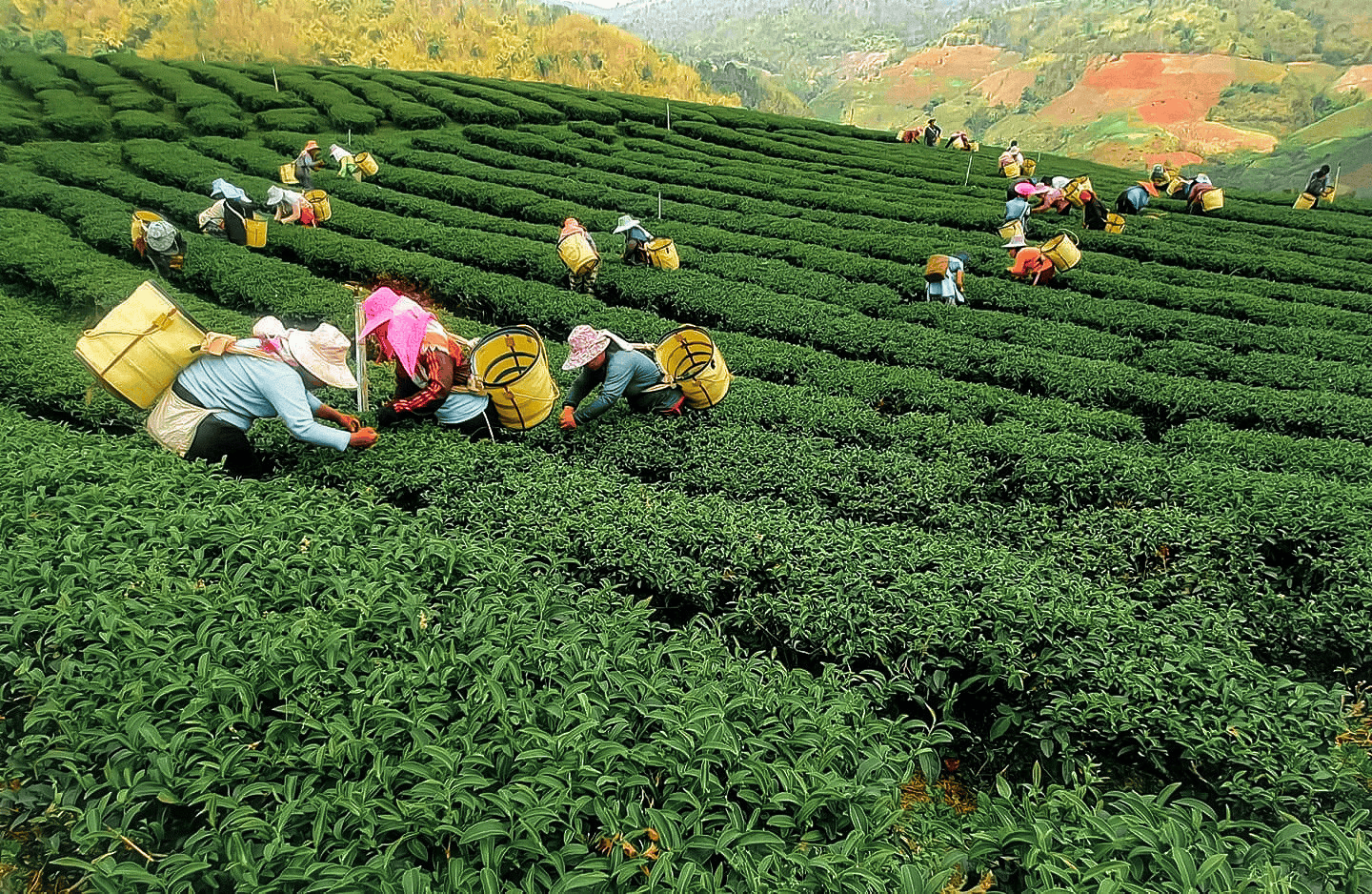 Image credit: 101 Tea Plantation via Google
Explore various types of Oolong tea, such as premium Osmanthus Oolong Tea, as you walk around the terraced gardens and take in the picturesque views of the tea plantations. There’s no admission fee for this, but you can purchase loose-leaf teas and local products from the shop on-site if you’re thinking of bringing home a souvenir or 2.
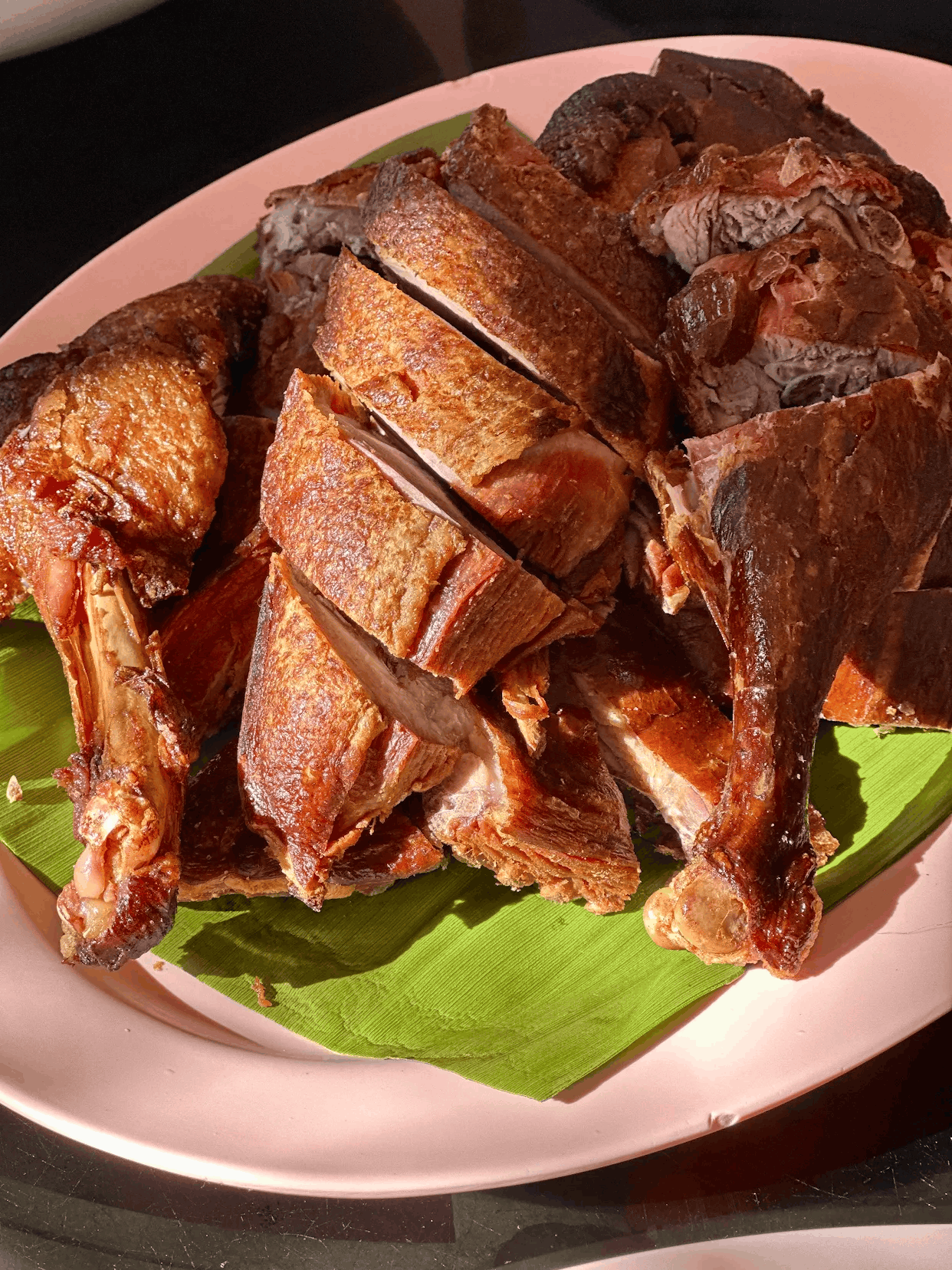
Image credit: Sarawut M via Google Maps
And if you’re feeling peckish as you explore, Imm Pochana serves up authentic Yunnanese cuisine, with dishes such as Kha Moo Nam Daeng (Yunnanese-style braised pork leg) that go for 150THB (~S$5.70), Moo Khua Yunnan (fried pork rinds with garlic and green onions) which costs 100THB (~S$3.80), and Yam Bai Cha (fresh tea leaf salad) for the same price.
[add explorer entries]
Getting there from Singapore: 3.5-hour flight to Mae Fah Luang – Chiang Rai International Airport, followed by a 1.5-hour drive to Doi Mae Salong
Coldest months to visit: January, with temperatures around 8°C to 21°C
– Asia –
9. Kathmandu, Nepal – Explore temples & monasteries
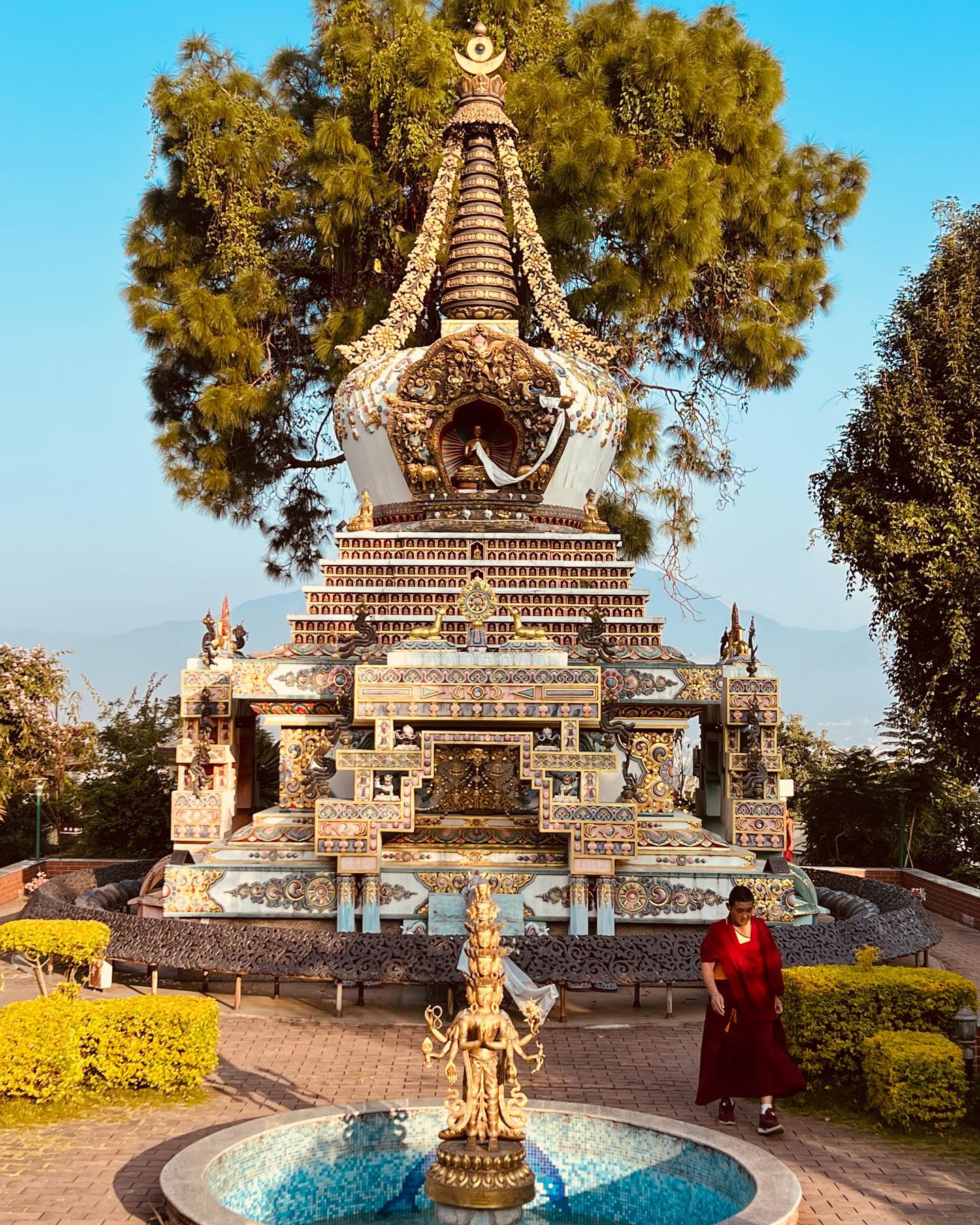
Kopan Monastery is perched on the hilltop near Bouddhanath Stupa.
Image credit: @orkuneti via Instagram
Adventure seekers should consider Kathmandu, an offbeat destination that’s about a 5-hour flight from Singapore. It’s a destination where people partake in activities such as river rafting, bungee jumping, and mountain biking.
But if visiting a Buddhist temple with majestic mountain views in the background sounds like somewhere you have always wanted to go, visit Kopan Monastery, perched on a hill with magical views of the entire valley. It’s a famous pilgrimage site home to hundreds of monks, but it also attracts visitors from around the world because of its grand interiors.
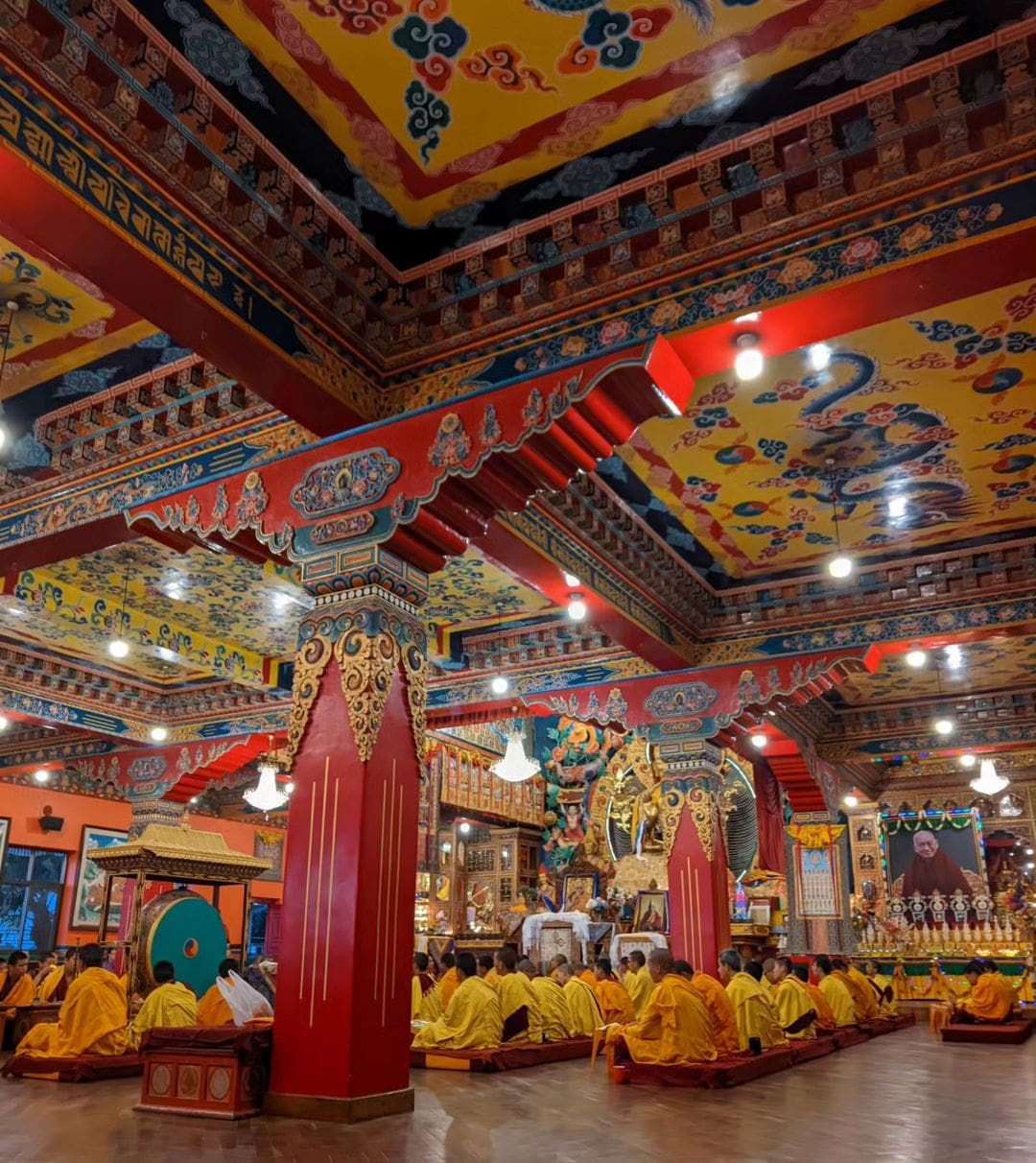
Image credit: @grigoryyy via Instagram
From the airport, get a taxi to Kopan. Some tips for travellers is to always try to negotiate the taxi fare for a cheaper fare.
Another famous cultural spot here is the Pashupatinath Temple, believed to be the biggest and oldest Shiva temple in the world. The Hindu temple precinct is also a dedicated UNESCO World Heritage site with several small shrines and temples.
Getting there from Singapore: 5-hour direct flight to Kathmandu via Singapore Airlines
Coldest months to visit: January, with temperatures around 3°C to 18°C
10. Tateyama, Japan – Snow walls up to 20m-tall
http://www.instagram.com/p/Cr2AfTQA1NE/[/embed]
Think of snowy destinations in Japan, and popular places like Hokkaido might come to mind. But have you heard of Tateyama? It’s known for a super rare sight: a 20m-tall snow wall that stretches from Bijodaira Station to Murodo. However, do note that it’s only open to the public for a short period each year between mid-April and mid-June – so plan your trip accordingly.
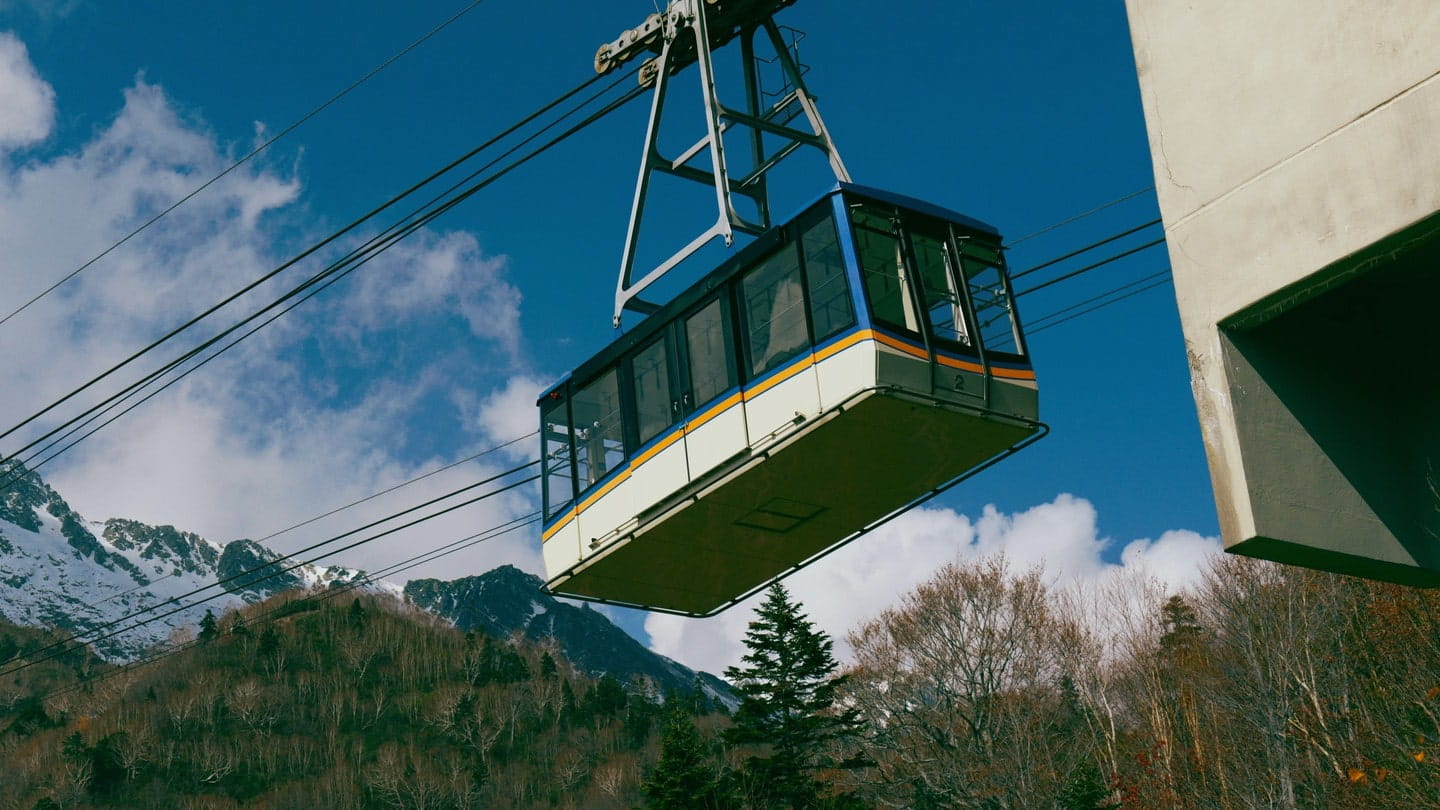 Tateyama Ropeway is like the “moving observation deck”.
Image credit: @focused_by_yuta via Instagram
If you’re heading there independently, you’ll have to take trains, bus rides, and a ropeway to get there. We’d recommend booking a guide for a hassle-free and convenient way to get to the Tateyama Kurobe Alpine Route.
 Image credit: @naora via Instagram
For those who can’t get enough of the majestic and snowy views, go a little further to Daikanbo on The Tateyama Tunnel Electric Bus, which only takes 10 minutes. It costs ¥2,200/ride (~S$17.90) to travel to an observation deck where you can take in the beauty of Mount Tateyama from a bird’s-eye view.
Getting there from Singapore: 6-hour direct flight to Tokyo, followed by a 3-hour train to Toyama Station
Coldest month to visit: January, with temperatures at around 0°C to 5°C
11. Taipei, Taiwan – Witness cherry blossoms in the city
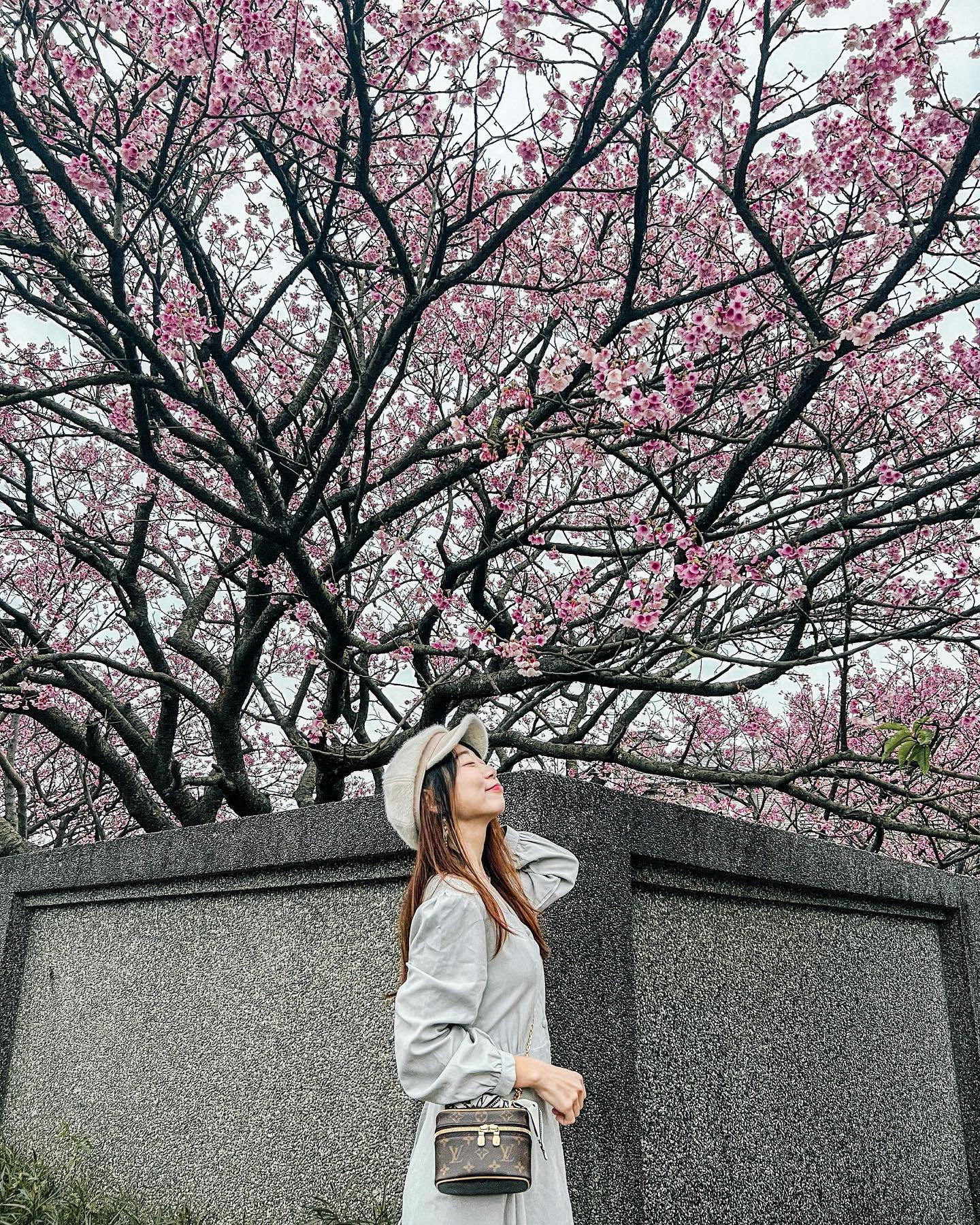 Image credit: @chi_yu777 via Instagram
A love that never dies is our love for sakura flowers. That is why we’d suggest you to give Taipei City a visit from January to March during the sakura peak season. Besides hopping on the Alishan Forest Railway train, you can also head over to the locals’ favourite spot to view these gorgeous blooms, Pingjing Street Lane 42.
The easiest way to get there is to take a 30-minute taxi that costs around TWD500 (~S$19.50). Otherwise, take the train from Taipei Main Station to Jiantan Station before hopping on a bus that stops at Lun Zi Wei (TWD35, ~S$1.35). You’ll immediately see a dash of pink from afar as there’s Sakura at every corner.
 Image credit: SAS Taiwan Farm
Sakura and strawberry seasons happen around the same time, and adding strawberry picking activity to your list of kid-friendly activities in Taiwan might be a great idea for your next family getaway. Head over to Dong Lin Leisure Farm in Taipei City to experience strawberry picking and making a bottle of jam out of the fresh-picked berries.
You can choose between DIY strawberry jam or waffle deco activity in the package from third-party websites that include the 2 activities for a starting price of TWD720/person (~S$30.48).
Dong Lin Leisure Farm
Address: No. 43-18, Bishan Road, Neihu District, Taipei City, Taipei, Taiwan
Opening hours: Sat & Sun 10am-5pm (Closed on Mondays to Fridays)
Contact: +886 953 934 999 | Dong Lin Leisure Farm
Getting there from Singapore: 4-hour 50-minute direct flight to Taipei, followed by an MRT from Shilin Station
Coldest months to visit: All year long at 13°C-22°C
12. Pocheon, South Korea – Cycling & lake sledding on an ice rink
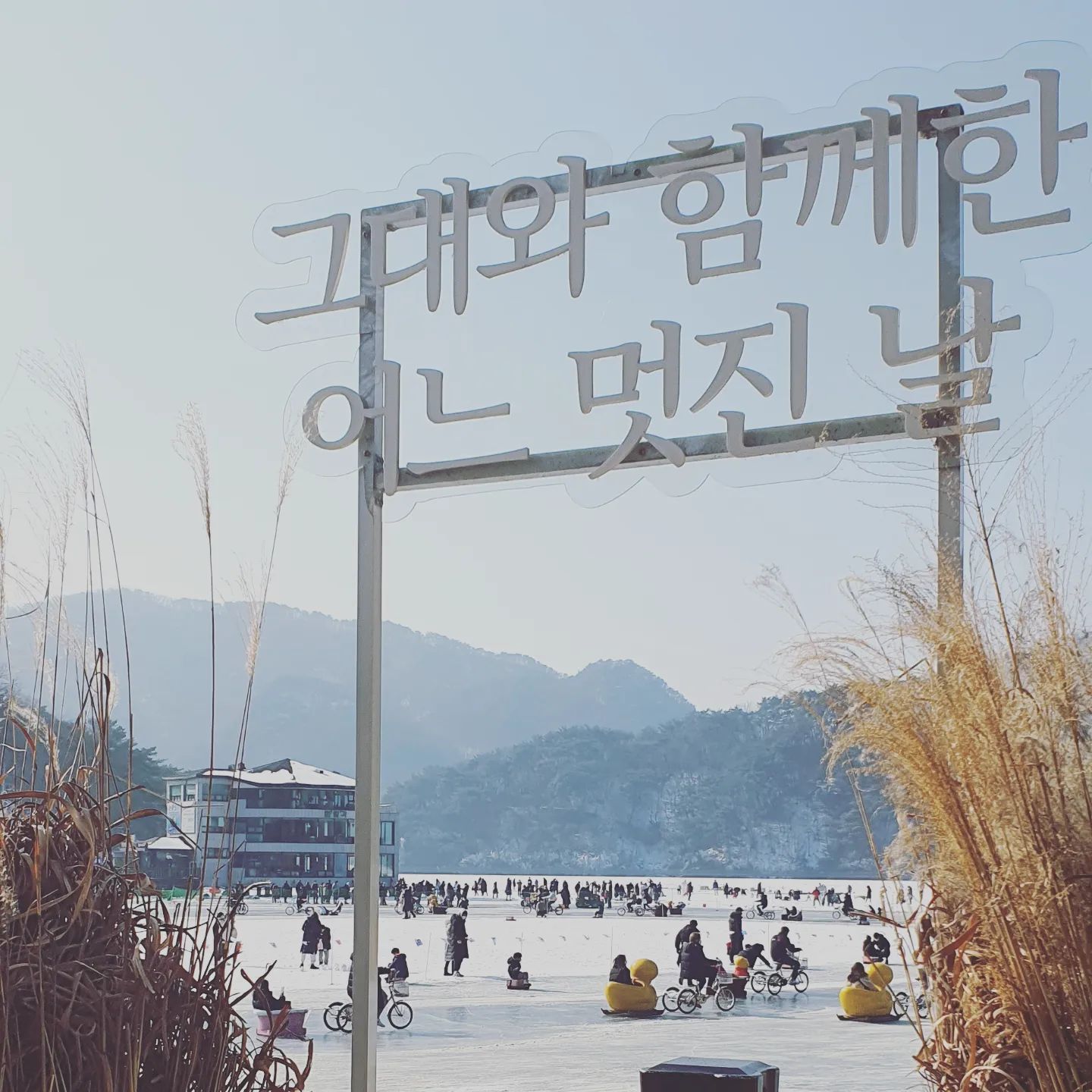
Image credit: @eunjeong_83 via Instagram
Take it up a notch and travel outside of the usual tourist spots in South Korea the next time you’re planning to visit. Step into Pocheon City for the Sanjeong Lake Sledding Festival by taking the train from Seoul City to Dobongsan, followed by a 1.5-hour bus ride.
Keep in mind that it snows heavily in Korea from January to February, and the festival happens from around December to February. So remember to pack all your winter essentials.
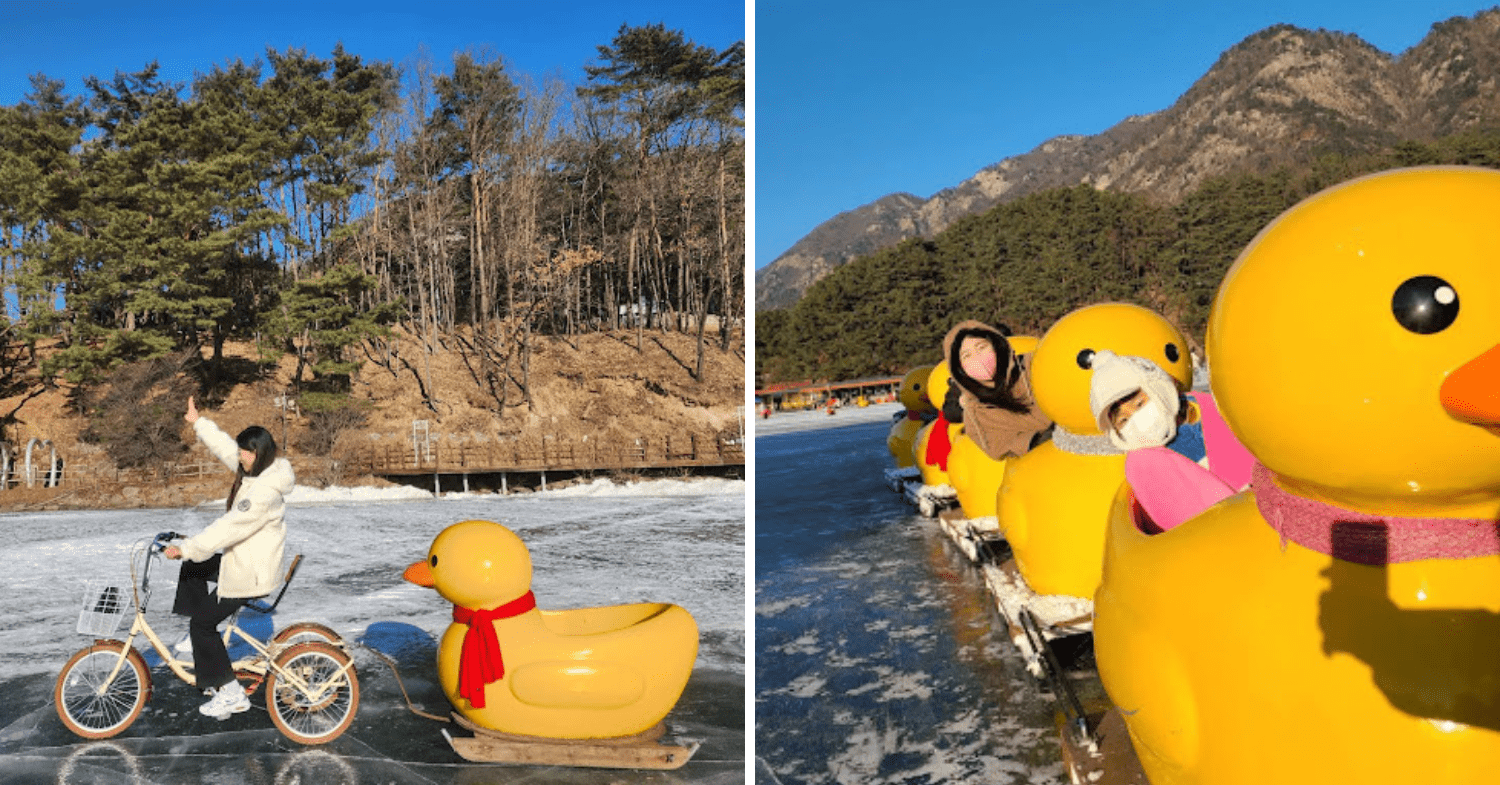
Image adapted from: @hyangmi_0324 & @giantatosuni via Instagram
Bring your oppas to enjoy sledging, or should we say “cycling”, on an ice rink with yellow ducks and penguins; they start at a price of KRW15,000/30 minutes (~S$14.40).
Your munchkins won’t be excluded from the fun too, as there is an Oritayo (오리타요), a ducky train ride for the price of KRW6,000 (~S$5.80). A staff member on a sledding vehicle will pull the train, and take you around the icy edge. Besides that, there’s also a mini funfair with family-friendly rides.

Image credit: @rumi_bong via Instagram
Get cosy in one of the nostalgic coffee cafes by Sanjeong Lake’s shore with snow-capped mountains and other nature views. Otherwise, get warmed by taking a walk along the scenic 4km Sanjeonghosu Dulle-gil (산정호수 둘레길) trail. When the sun starts to set, they have colourful LED lights on the wooden fences, and it’s beautiful, to say the least.
While winter makes Pocheon a total wonder, it’s also as beautiful during cherry blossom season, which starts at the end of March and lasts until mid-April.
Getting there from Singapore: 6-hour 10-minute direct flight to Incheon, followed by a train from Seoul city to Dobongsan before taking a 1-hour 30-minute bus to Sanjeong Lake
Coldest temperatures: January, with temperatures around -2 to 2°C
13. Shirakawa, Japan – Traditional village in the snowy mountains
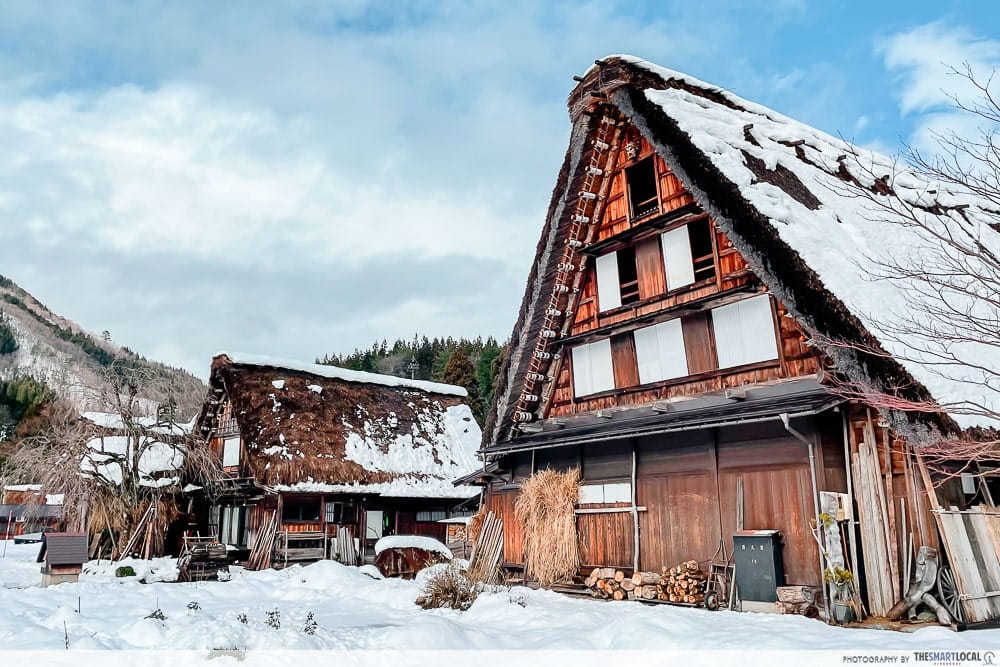
Give Shirakawa in Japan a visit if you want to see a traditional village straight out of an anime. In fact, Shirakawa-go Village inspired a village in an anime titled Higurashi When They Cry. It’s no surprise, then, that it has become anime otakus’ main attraction, especially during winter.
Fun fact: Shirakawa experiences heavy snowfall that can go up to 2m deep, so the farmhouses here have steep roofs that serve to slide the snow off.
One thing not to miss out on once you’re there in Shirakawa is the Shirakawago Light-up Festival. This is when you’ll see the town illuminated by lights, and you can choose to walk through the village or view it from the Shiroyama Viewpoint.
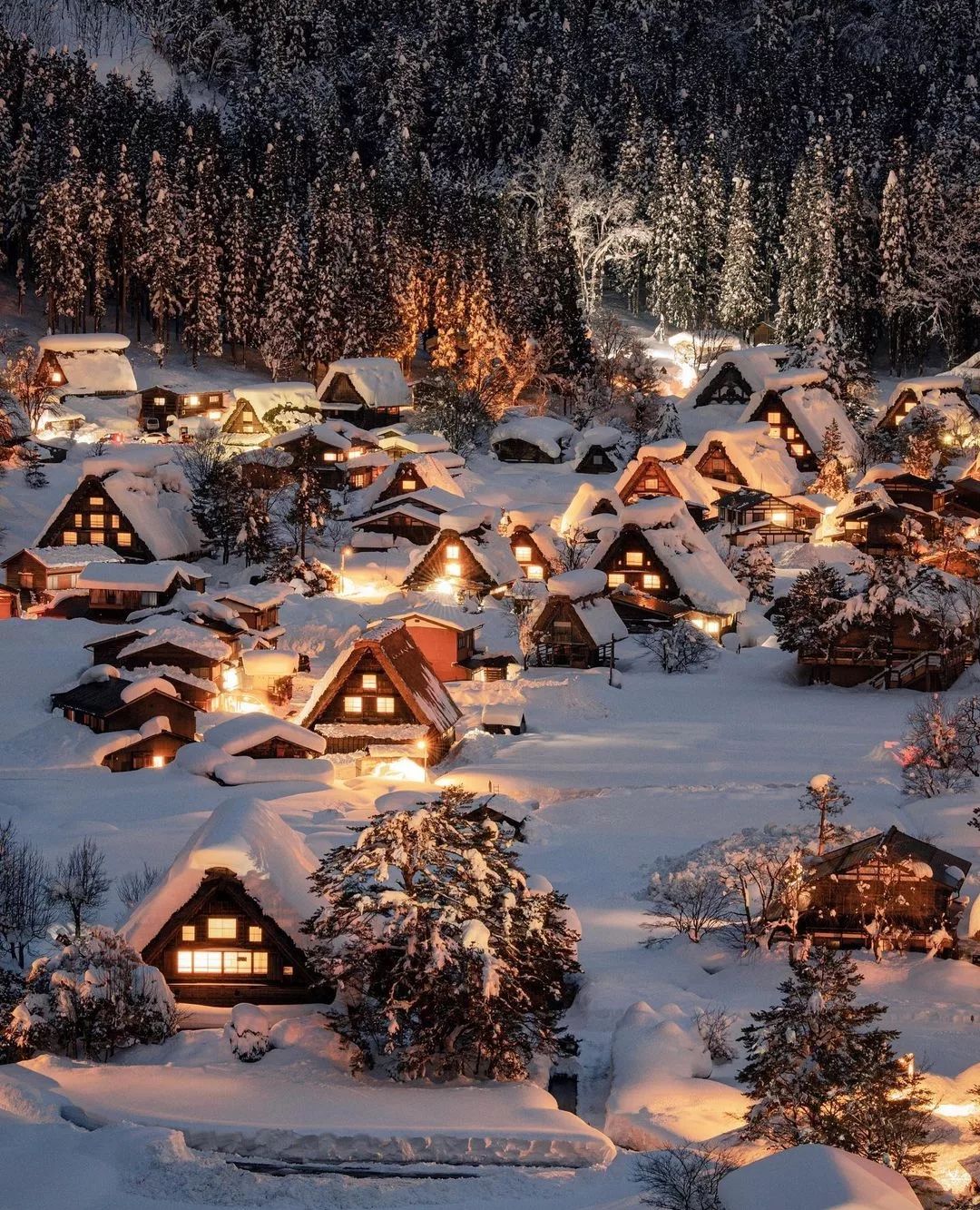
POV: you’re a bird, and this is what the town looks like during the light-up festival.
Image credit: @contadoroger via Instagram
The festival usually takes place on select Sundays in January and February, so keep a lookout on their official website before you plan a visit. Keep in mind that you can only get tickets if you’re staying overnight on the festival date or take packages from bus companies like Nobi Bus, Kaetsunou Bus, and Toyama Chitetsu Bus.
Getting there from Singapore: 6-hour 10-minute direct flight to Nagoya, followed by a 2-hour bus to Shirakawa-go
Coldest months to visit: May, with temperatures around 9°C-21°C
Fly to the coldest places near Singapore
If, like us, you’re always complaining “eh hot ah Singapore”, it can be tempting to book a holiday somewhere colder. But you don’t necessarily have to hop on a direct flight to winter wonderlands like Austria – there are nearby spots where you can enjoy milder temperatures. If you don’t have enough ALs to plan a 2-week-long vacation, these chilly places near Singapore are just as stunning.
For more holiday destinations this season, check out:
- 9 Affordable Ski Resorts in China
- 9 Most Beautiful Destinations in China
- 6D5N Brisbane & Gold Coast Itinerary
- A Guide to Copenhagen
- A Complete Guide To Taking The Causeway Link Bus
Cover image adapted from: V.O.S. Valencia Baguio Transient House, @focused_by_yuta via Instagram
Originally published on 9th December 2023 by Haizreen Natasha. Last updated by Abigail Buligan on 29th October 2026.