
Jurong Rock Caverns
With the recent disruptions to the global energy supply chains and increasing petrol prices, we got curious about how our Little Red Dot ensures we don’t get caught off guard when things get shaky worldwide. Turns out, part of the answer lies deep below ground.
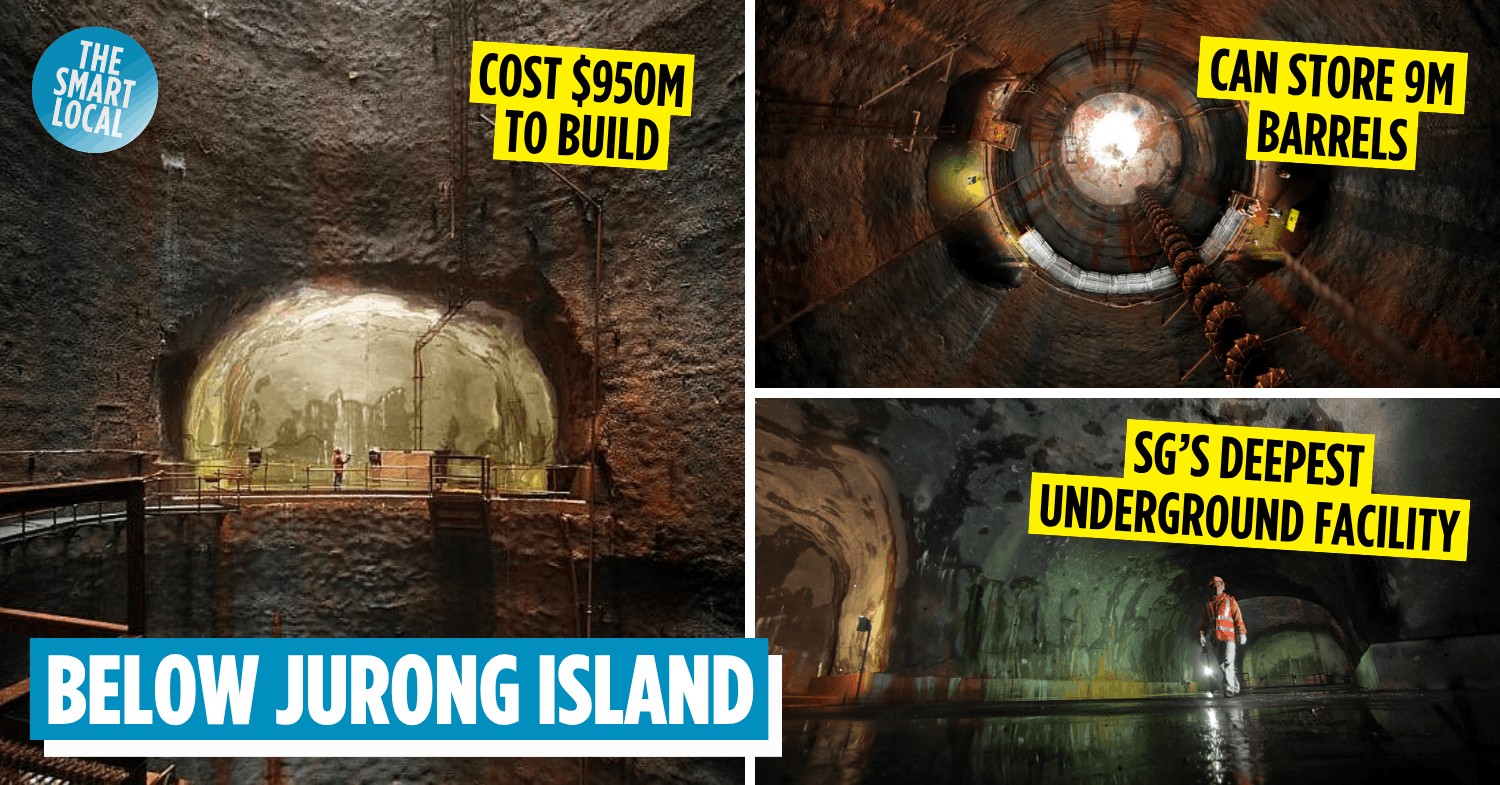
Hidden beneath Jurong Island is the Jurong Rock Caverns (JRC), a huge underground network that opened in 2014 and plays an important role in keeping Singapore running. Here are some fun facts about this lesser-known facility that most Singaporeans probably didn’t even know existed.
Singapore’s deepest underground development
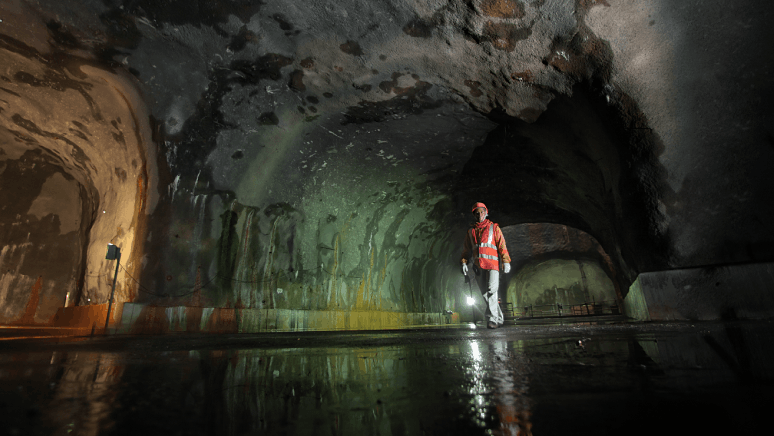
Image credit: JTC
The JRC sits 150m underground, carved straight into the bedrock beneath Jurong Island. To put that into perspective, the deepest MRT station in Singapore, Bencoolen MRT, is “only” 43m underground. So these caverns go way, way deeper.
Instead of taking up precious surface land, the facility was built underground to free up 60ha of surface space, or roughly the size of 60 football fields, for other uses.
The result is caverns that can store around 9 million barrels of liquid hydrocarbons – energy-rich liquid compounds derived mainly from crude oil and natural gas. These are used in things we rely on daily, including transportation and heating, which power various industries.
Each cavern gallery is about the height of a 9-storey building
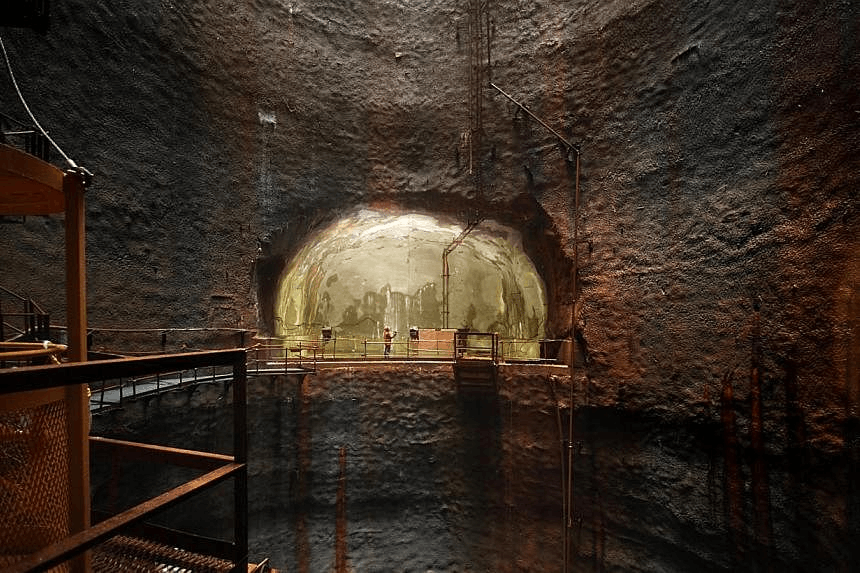
Image credit: JTC
Standing at about 20m wide and 27m tall, each cavern gallery is roughly the height of a 9-storey building. Now picture that, but completely underground, and it’s honestly quite mind-blowing.
In total, there are 5 cavern galleries, and each one can hold a volume of around 160,000m³, or roughly 1 million barrels.
Put all these figures together, and it’s clear why the JRC is considered one of Southeast Asia’s most impressive underground infrastructure feats.
Took 8 years & cost $950 million to build
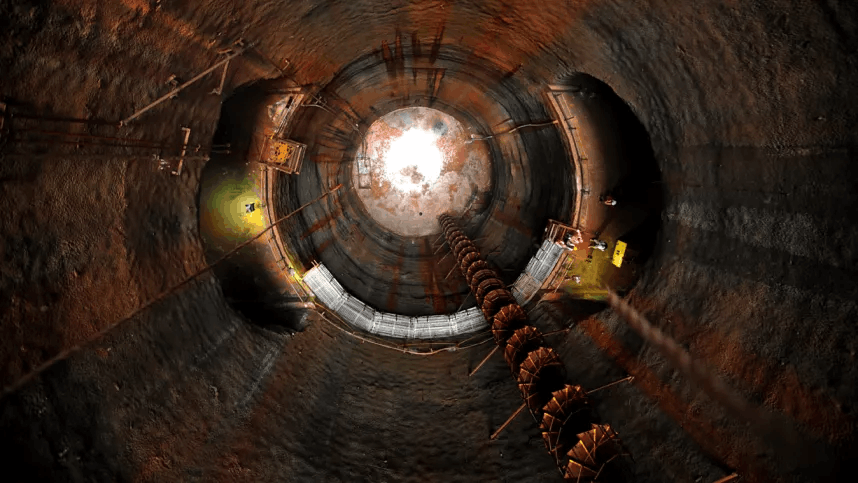
Image credit: Vopak
And of course, with something this massive in scale and capability, it didn’t come together overnight. The JRC took about 6 years of planning and another 8 years of construction to complete.
All that engineering effort also came with a hefty price tag: $950 million was invested to bring it to life.
A facility that ensures products stay uncontaminated
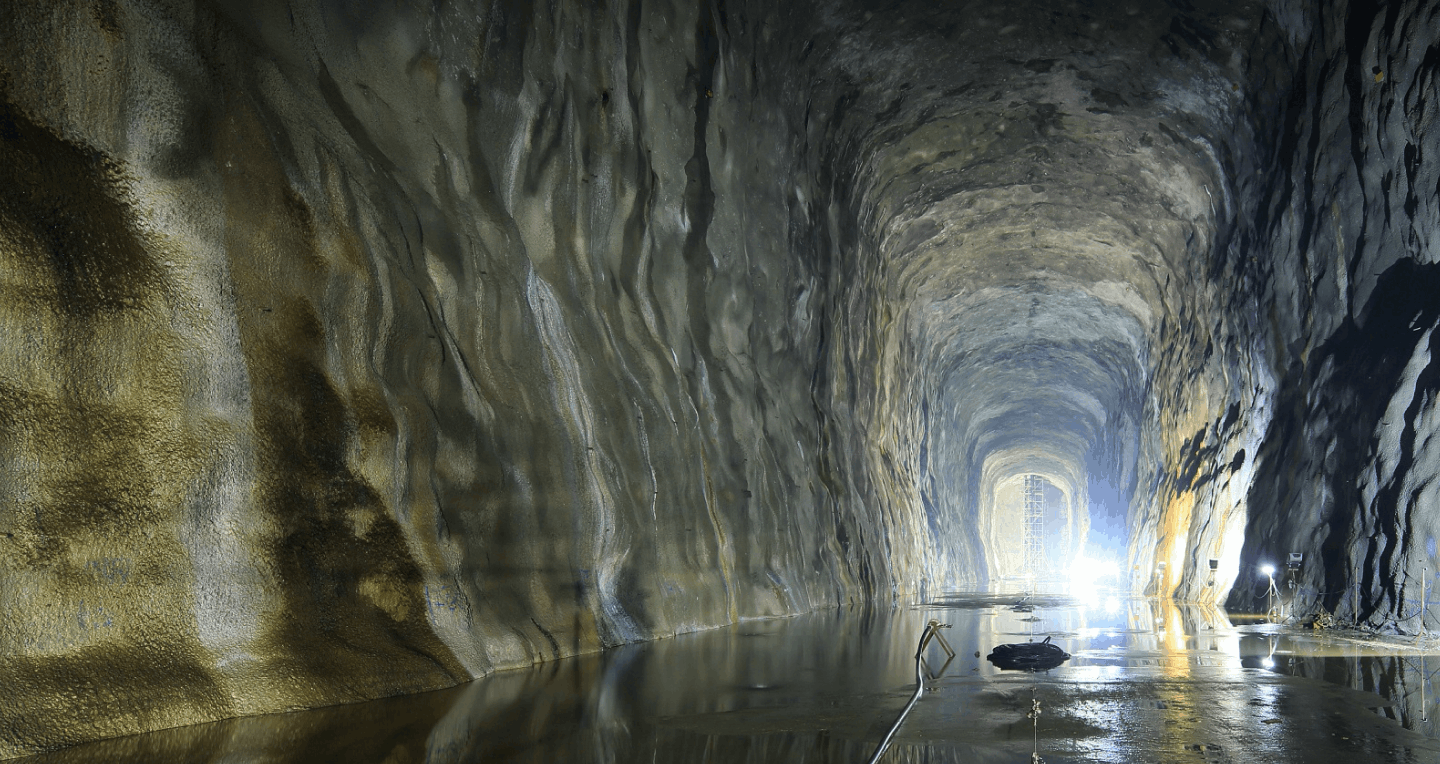
Image credit: JTC
Most people probably imagine oil just sitting in huge tanks above ground, but that actually comes with its own set of challenges, especially when it concerns space and product quality.
Beyond just freeing up valuable land above ground, the facility is also designed to keep crude oil and compatible products stored separately, reducing the risk of contamination. And this matters more than it sounds. By ensuring each product stays properly isolated, JRC helps maintain quality all the way through to the end users.
Is Jurong Rock Caverns open to the public?
Nope, JRC isn’t open to the public.
As cool as it looks, it’s a highly specialised industrial facility, so public access isn’t allowed for safety and operational reasons. The closest you’ll get is through photos, documentaries, or the occasional feature like this, which is probably the next best thing to actually stepping inside.
Your peek into Singapore’s deepest underground facility
It’s quite reassuring to know that beneath Jurong Island sits something as massive and carefully engineered as the JRC, quietly doing its job while most of us go about our daily lives above ground. It’s also a good reminder of how Singapore tends to think ahead, planning for long-term resilience even in ways we don’t always see or think about.
More interesting places in Singapore:
Cover image adapted from: JTC, Vopak