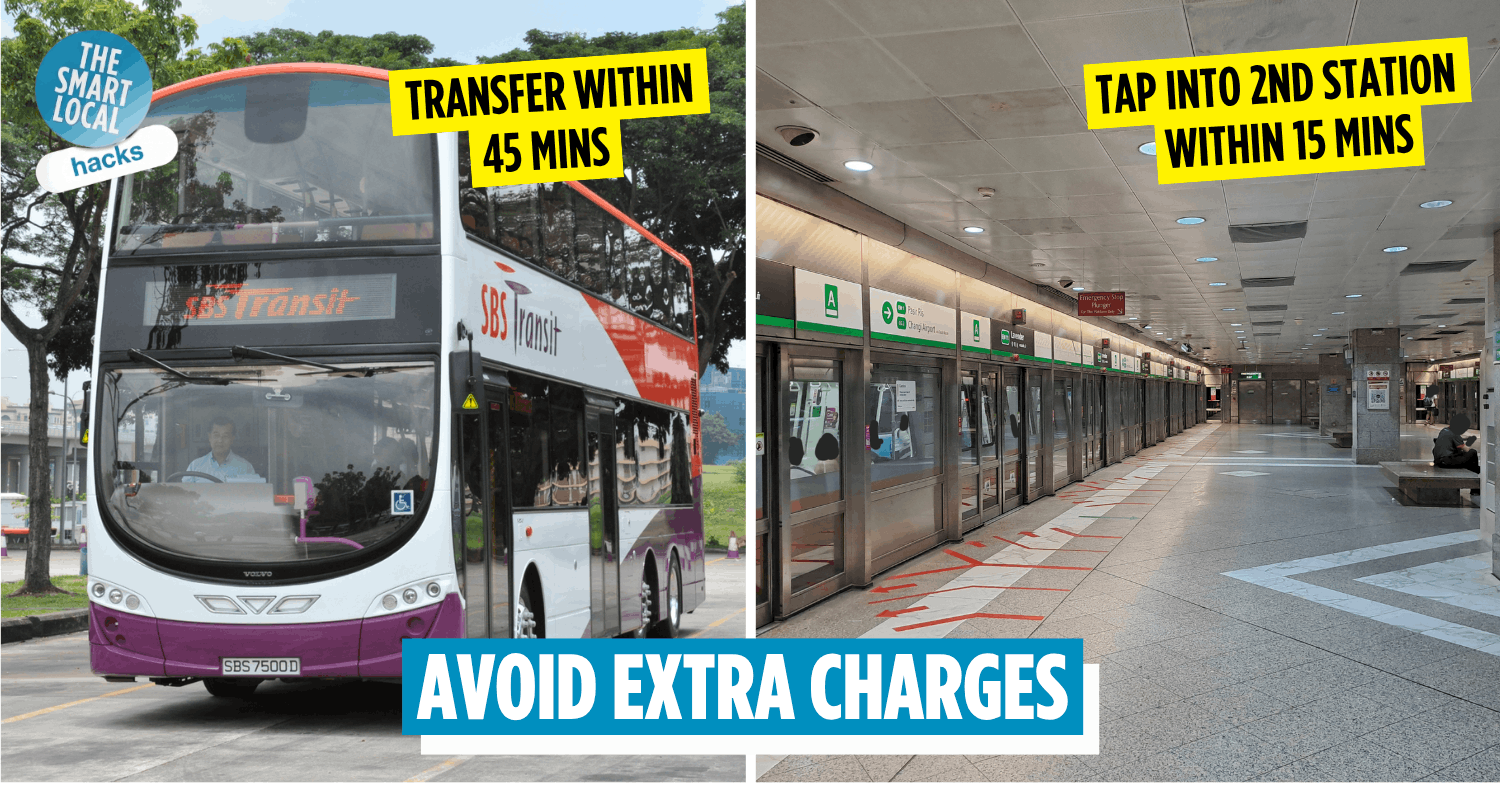

Public transport transfer rules
If you take public transport every day, you’ve probably mastered all sorts of bus or MRT hacks, including when to hop on the train for free or discounted MRT rides, to make your commute cheaper and faster. But here’s one that might have slipped under your radar: you don’t necessarily have to pay an additional boarding charge every time you switch buses or transfer between buses and trains.
Under Singapore’s distance-based fare system, multiple rides on eligible bus, MRT, or LRT legs can be counted as one continuous journey, as long as you follow certain rules. Here’s a quick guide to the public transport transfer rules you should know.
1. Make your bus/MRT transfer within 45 minutes
Enough time to take a toilet break or dabao lunch
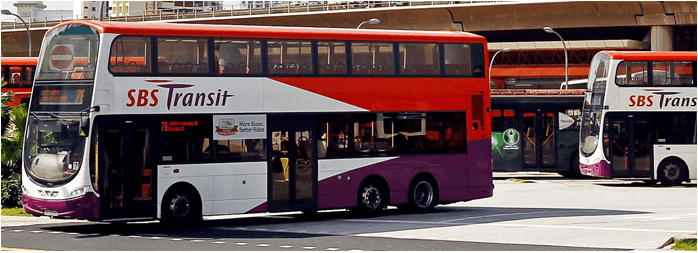
Image credit: SBS Transit
If you’re going from bus to MRT, MRT to bus, or from one bus to another, you have a pretty generous 45 minutes to make each transfer for your rides for it to be counted as a single journey.
Go beyond 45 minutes, however, and your next ride will count as a new journey – meaning you’ll have to pay the boarding charge again.
So yes, you technically have time to dabao lunch between rides, as long as you time yourself well.
2. Transfer between MRT stations within 15 minutes
For stations geographically close but far apart on the MRT line
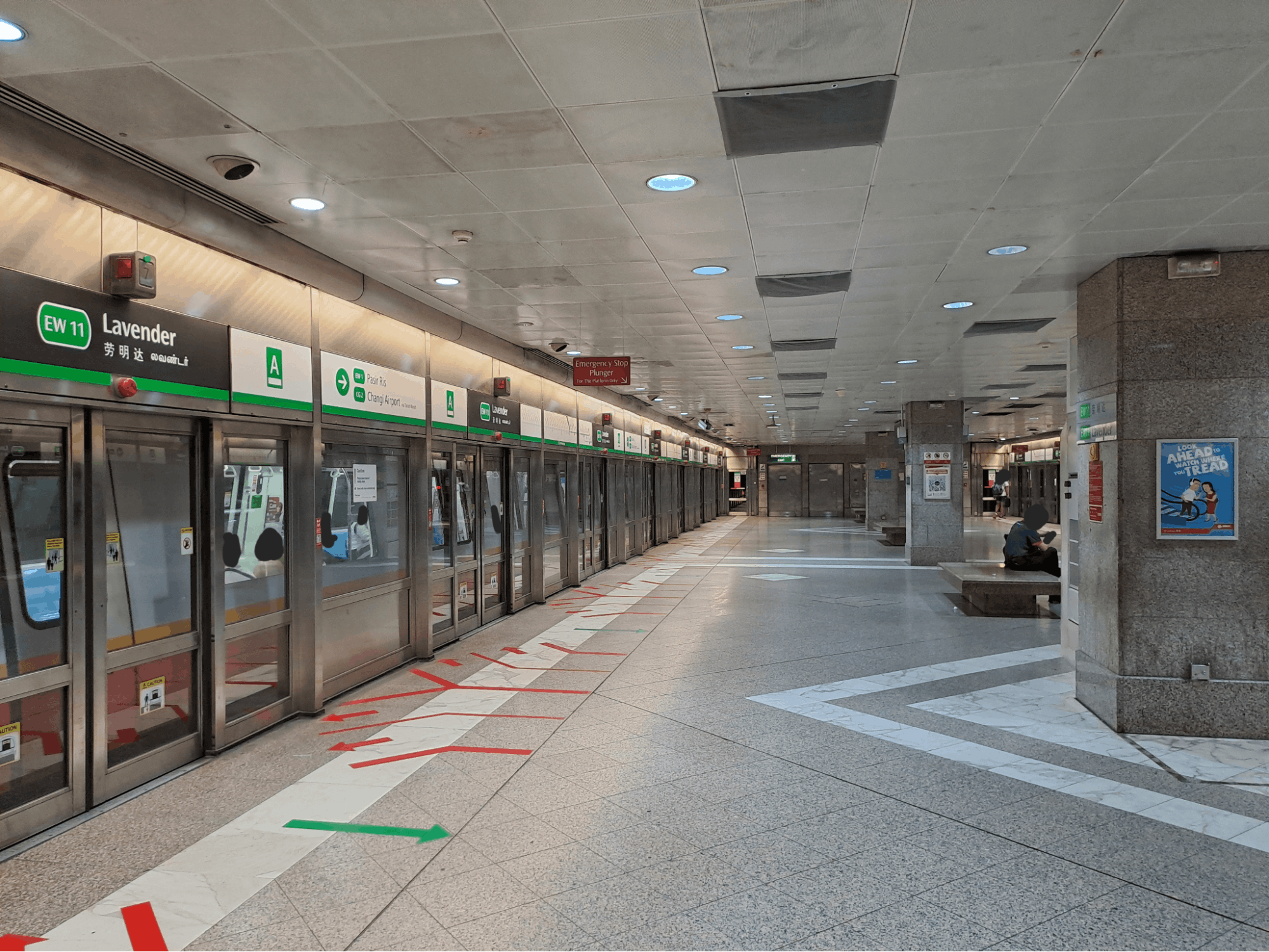 Image credit: jriwxydo via Google Maps
Here’s a lesser-known hack for those who don’t mind getting some steps in: if you tap out of an MRT station, walk to another station, and tap into the 2nd station within 15 minutes, you can continue your MRT journey without incurring an additional boarding charge.
This would technically work for stations that are geographically close but aren’t connected within the paid network, especially along the notorious DTL loop. For example, Rochor (DT13) and Jalan Besar (DT22) are only a short walk from each other. Instead of riding all the way around the loop, you can simply walk between them and continue your journey from there.
The hack can also be useful when switching between MRT lines. Say you’re transferring from the NSL or EWL to the CCL. You can alight at City Hall (NS25/EW13), walk through CityLink Mall to Esplanade (CC3), and tap back in within 15 minutes to save on a 2nd boarding fee.
3. Don’t take the same bus number twice
Plan your route beforehand to avoid extra charges
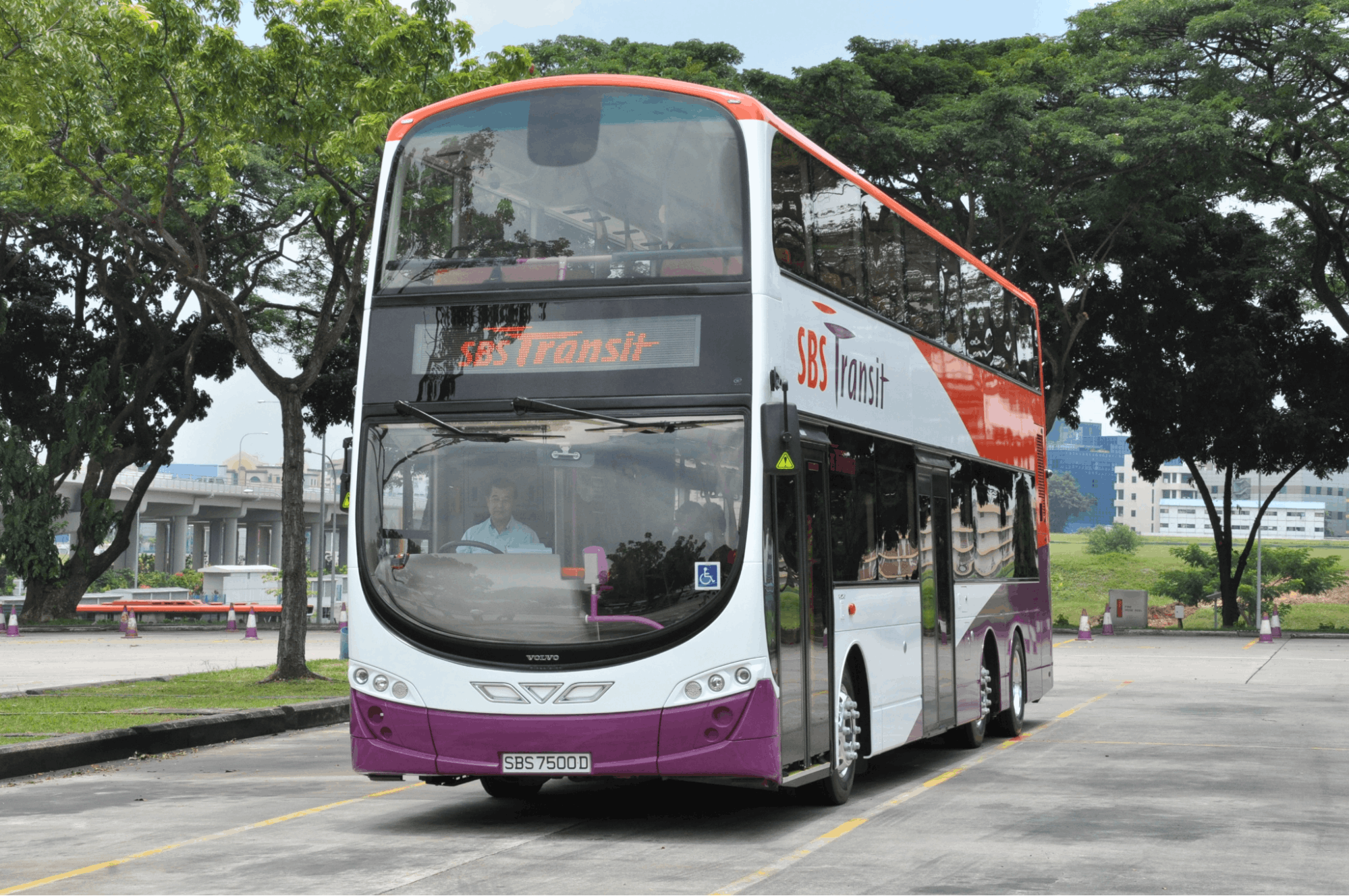 Image credit: SBS Transit
Alas, bus-takers can’t tap out, buy a kopi, and hop back on the same bus service as if nothing happened. Alighting from a bus and boarding the same service number later isn’t considered a valid transfer.
For example, if you alight from bus 14 to run an errand and then hop back on bus 14, it’s considered a new journey. Even subsidiary versions of a bus route, like 98A and 98B, don’t qualify.
Pro tip: So, if you need to run a quick errand midway through your journey, you’ll have to be strategic. Try planning your route so that at least one leg is by MRT or bus, then make use of rule #1 and ensure you complete your transfer within 45 minutes.
4. Don’t tap out & back into the same MRT station
Exiting & re-entering will incur a new boarding fee
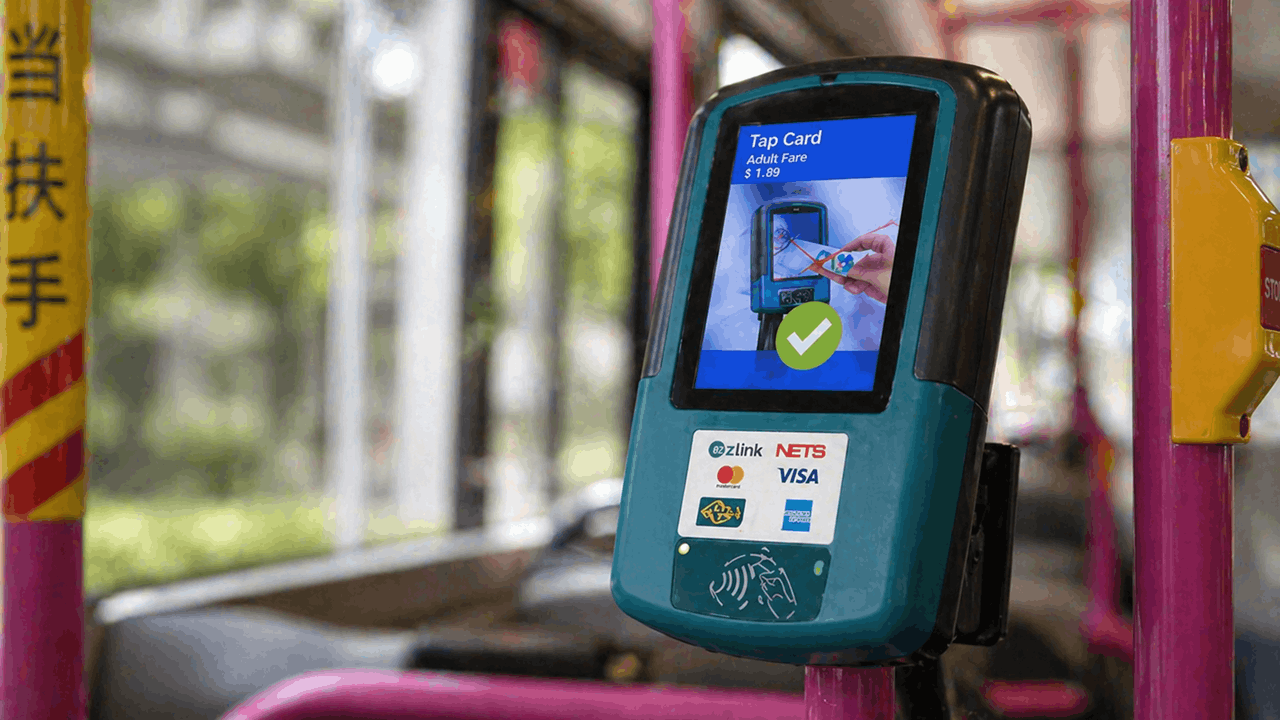
Image credit: Mastercard
In case you didn’t already know, you can’t tap out of an MRT station mid-journey and back in again without having to pay a new boarding fee.
Exiting and re-entering a station starts a new payable journey. The exceptions are the Bukit Panjang, Newton, and Tampines stations, where certain line transfers require exit and re-entry within 15 minutes.
5. You can make up to 5 transfers within 1 journey
In case you hop on the wrong bus or train
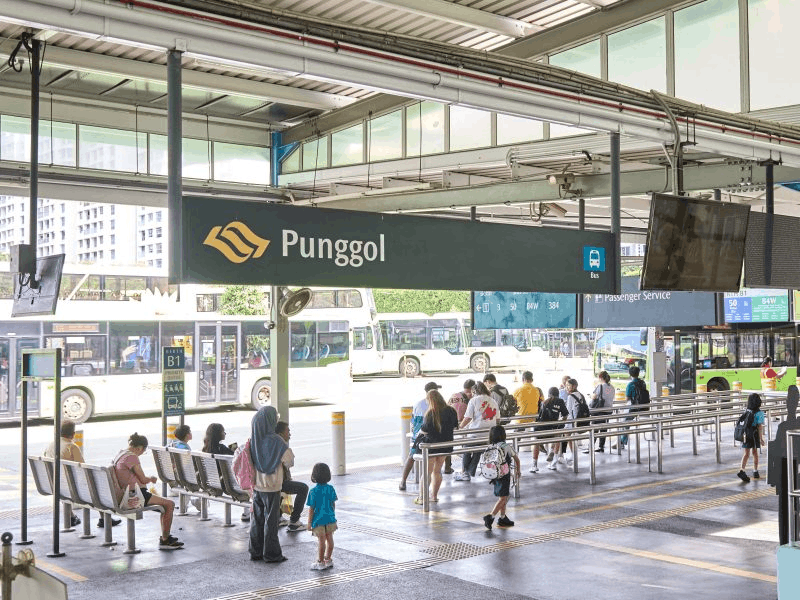
Image credit: Ideal Connection
Bet you didn’t know that after your 1st boarding, you can make up to 5 transfers in a single journey without racking up another boarding fee. This probably isn’t a limit most people will hit, but it’s good to know – in case you find yourself aboard the wrong bus or train one day.
6. Ensure your 1st & final boardings are made within 2 hours
Avoid dilly-dallying during your journey
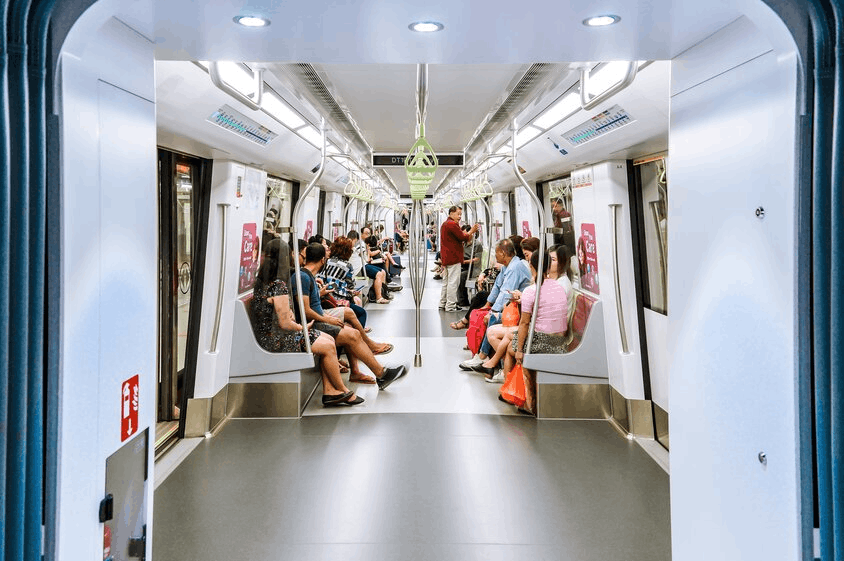
Image credit: Nanyang Technological University
You’re wrong if you think you can take your sweet time dilly-dallying between transfers on the same journey. That’s because the time between your 1st and final boarding must be within 2 hours for it to count as one continuous journey.
So, stopping for a long meal or shopping sesh mid-journey can cause your later leg of travel to count as a fresh journey, meaning you’ll have to pay another set of boarding fees.
The good news is that the 2-hour window is calculated based on the time between your 1st and final boardings. In simpler terms, the clock stops at your final boarding, not your final alighting. This gives you a little more leeway if your bus takes a while to reach your destination.
7. Use the same card/device throughout
Don’t switch between a physical card & a digital card
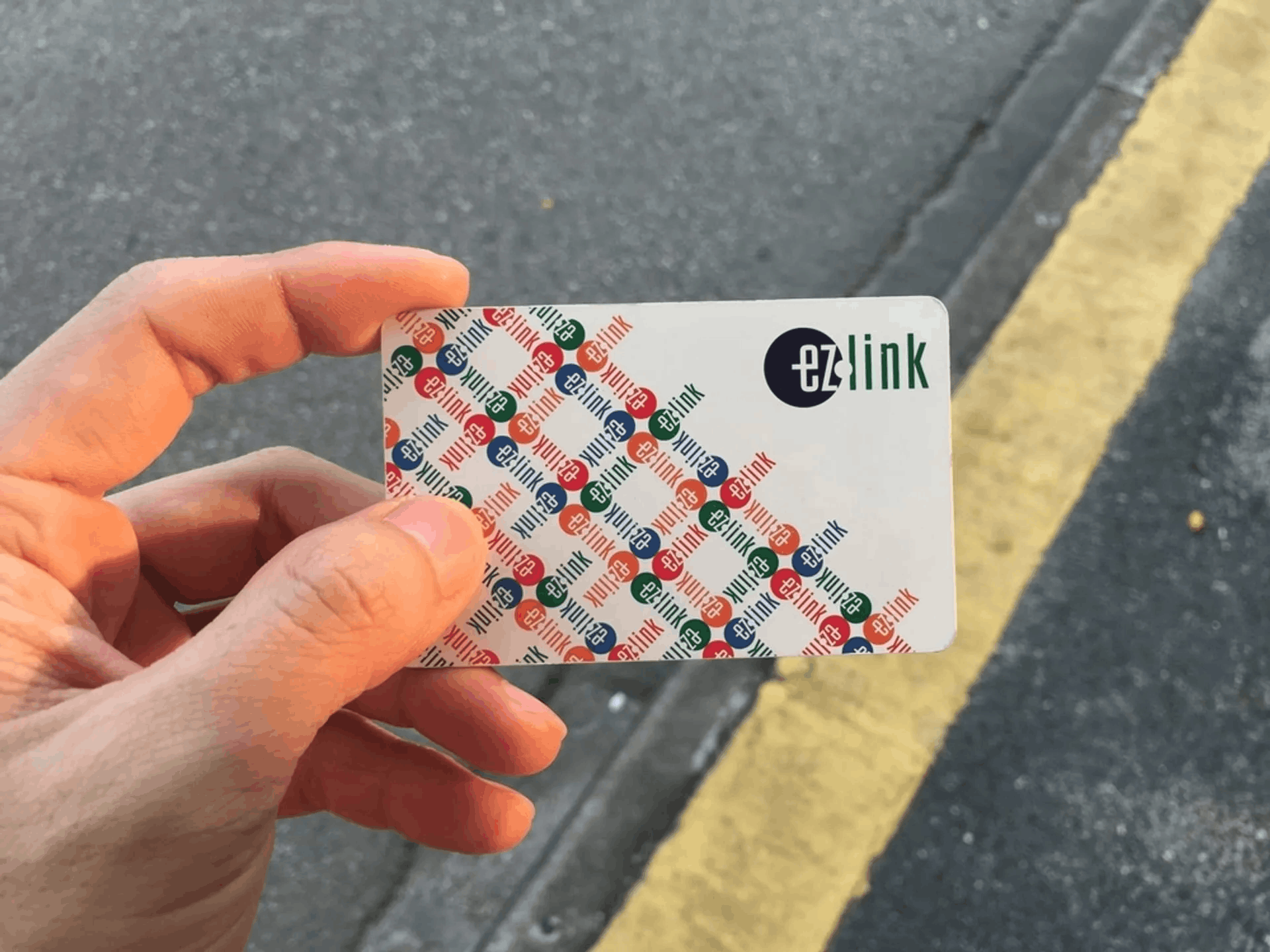
Image credit: Pelago
When making transfers, remember to tap in and out with the same card or device throughout your journey. For example, tapping in with your physical bank card and later using the same card via Apple Pay or Google Pay may register as separate transactions, so your rides may not be counted as one continuous journey.
Also, avoid tapping your entire wallet against the reader. Having multiple contactless cards near the scanner can cause a card clash, so take out the card you intend to use before tapping. The reader will usually display a warning if it detects multiple cards.
Save on public transport fares by understanding the transfer rules
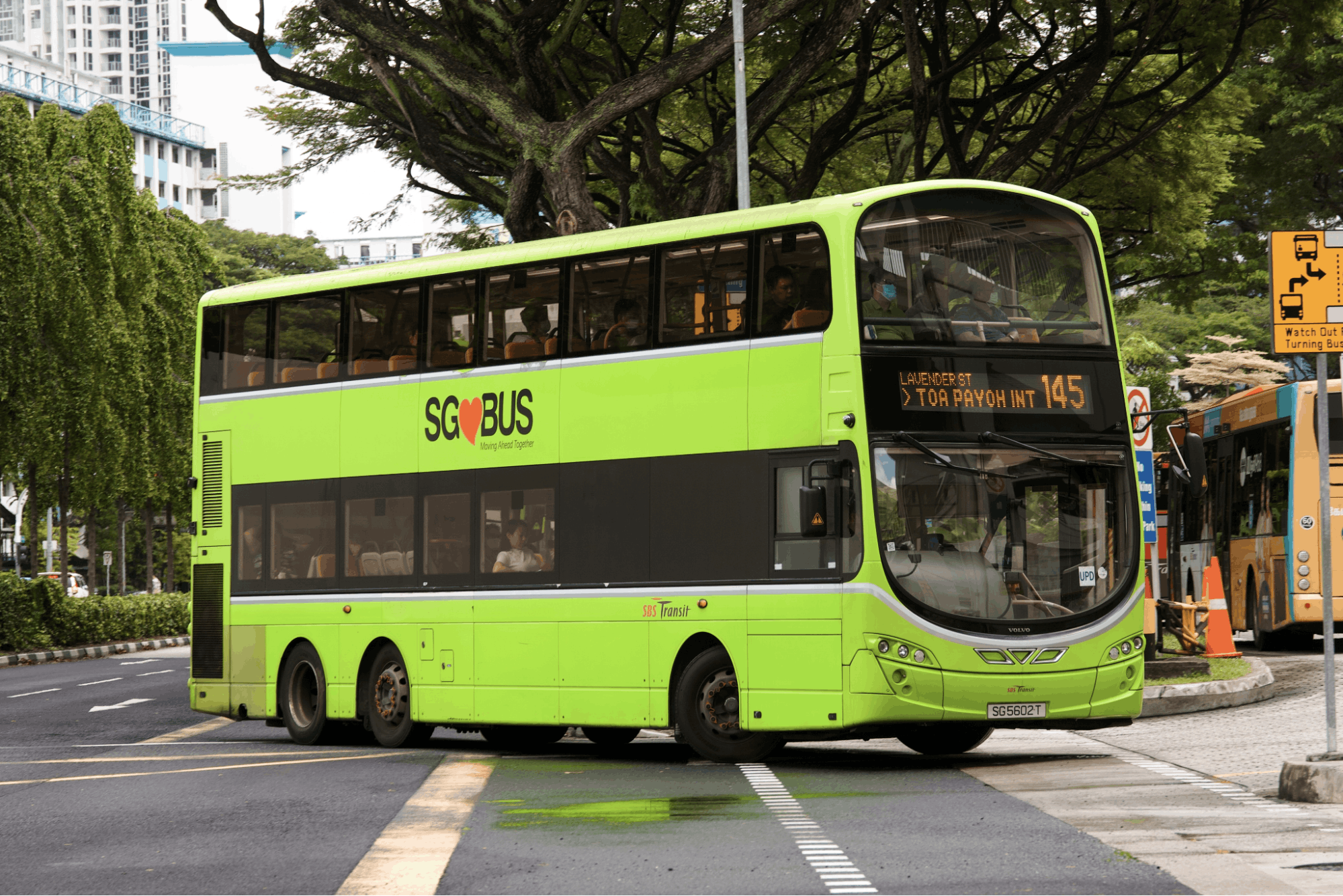
Image credit: Wikipedia
A little planning can go a long way when making transfers, especially when you only have 15 minutes to get from one MRT or LRT station to another. You can also check your bus arrival timings on an app beforehand and plan your route so you don’t accidentally miss the transfer window by a few minutes.
Check your fare history on the SimplyGo app (Google Play | App Store) if you’re curious to see whether the hacks worked. The savings might only amount to a few cents per trip, but for those of us taking public transport daily, they can add up over time.
After all, when buses and trains are part and parcel of our daily routine, we’ll take any little lobang that helps us save a few cents.
For more reads on Singapore’s public transport system:
- MRT breakdowns: timeline and tips
- What our bus network could look like in 5 years
- Evolution of Singapore’s public transport system
Cover image adapted from: SBS Transit, jriwxydo via Google Maps