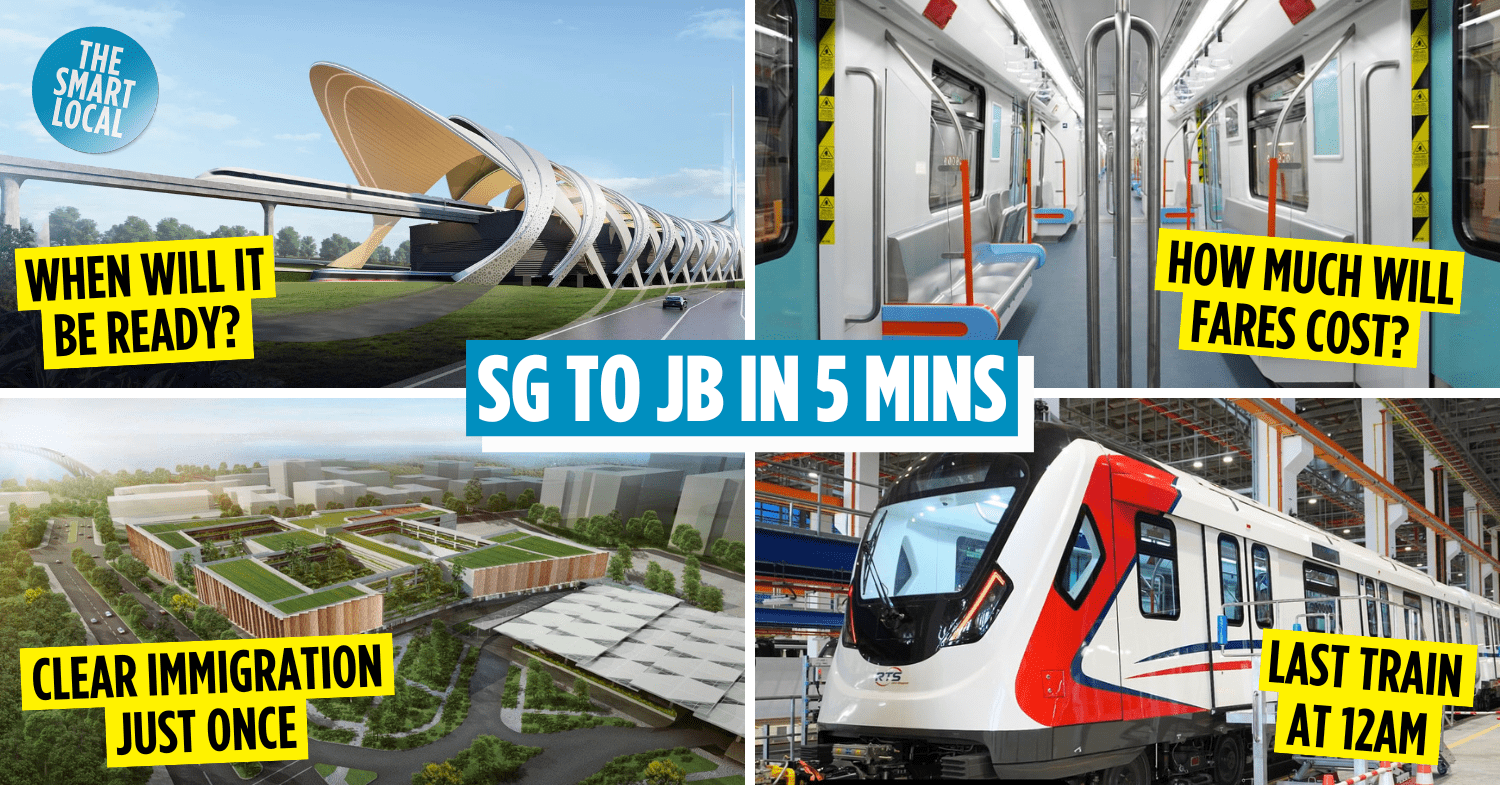

RTS Link between Johor Bahru & Singapore
While there are already a bunch of travel options when it comes to crossing the border, the upcoming RTS Link between Singapore and Johor Bahru is set to change things up for us Singaporeans, whose idea of a short getaway is always “let’s go to JB”.
So if you haven’t been following the updates, here’s the lowdown on the train that’ll bring you from SG to JB, and vice versa. You’re welcome.
What is the RTS Link?
 Image credit: MRT Corp
In short, the RTS Link is a joint project between Singapore’s Land Transport Authority (LTA) and Malaysia’s Mass Rapid Transit Corporation (MRT Corp), officially signed off in 2020. It’s a 4km train line designed to make our Causeway crossings less of a headache.
Once it’s up and running, you’ll be able to zip from the RTS Link Woodlands North Station in SG to Bukit Chagar RTS Station in JB.
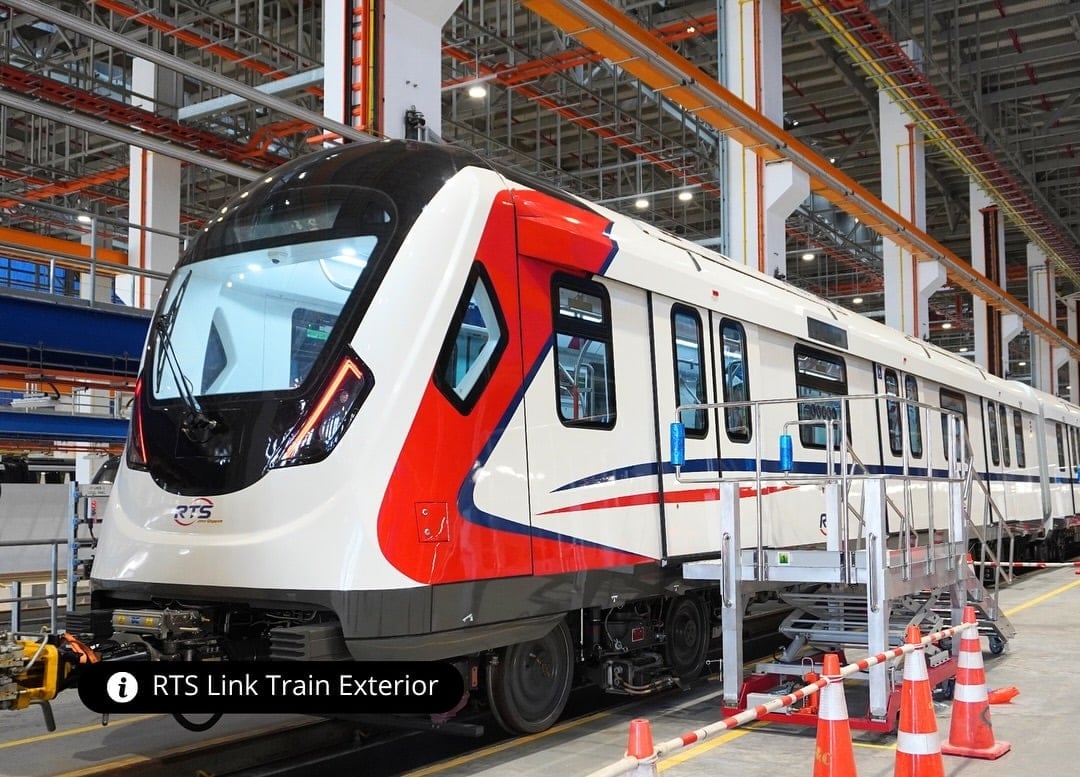
Image credit: @ltasg via Instagram
There’ll be 8 trains in total, each with 4 carriages and speeds of up to 80km/h. Together, they’re expected to carry up to 10,000 passengers per hour in each direction. Fun fact: the train’s design was inspired by the colours of the Malaysia, Johor, and Singapore flags – a little nod to the cross-border collab.
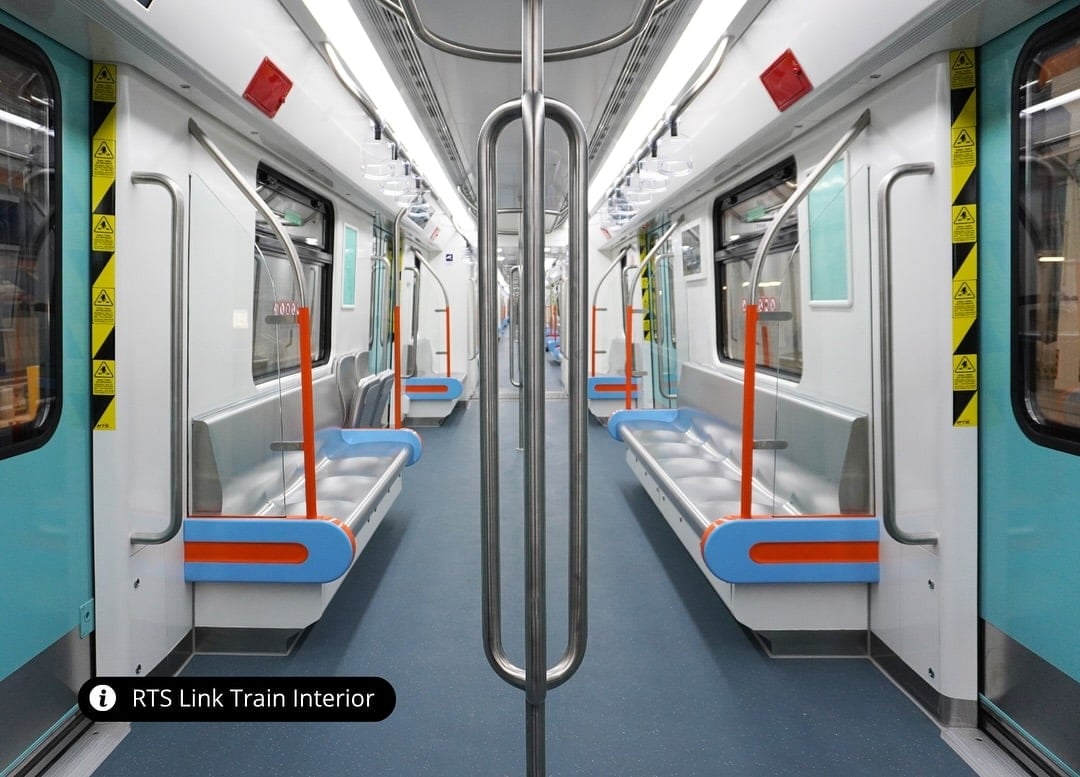
Image credit: @ltasg via Instagram
The first trains will depart from both ends bright and early at 6am, and the last ones will chug off at 12am. Each train can hold over 600 passengers, with fully automated, driverless systems to keep things running smoothly.
How long is the RTS Link train journey?
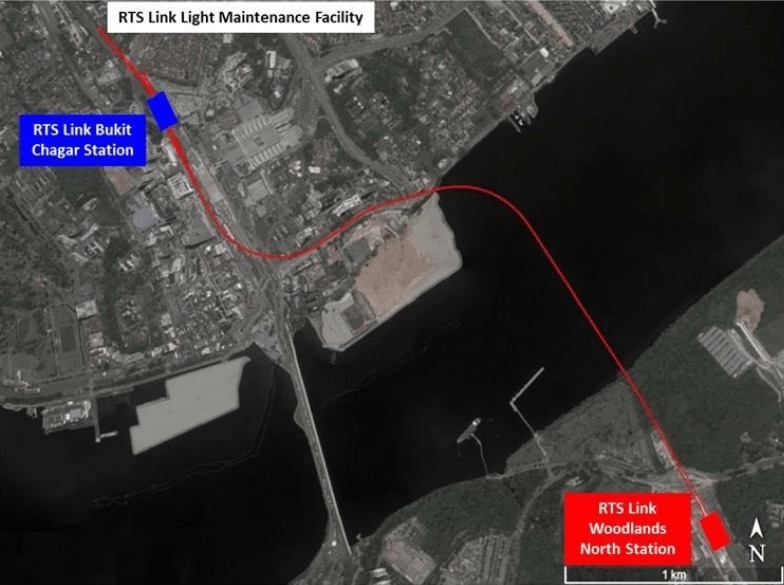
Image credit: LTA
Each RTS Link journey will take about 5 minutes one-way – that’s faster than deciding where to eat in JB.
Where to take the RTS Link from Singapore?
Now, you might be thinking, “But isn’t the KTM Shuttle Tebrau also just a 5-minute train journey?” True, but here’s the main difference: you don’t have to first take a bus from Woodlands MRT to get to the checkpoint before hopping on the train.
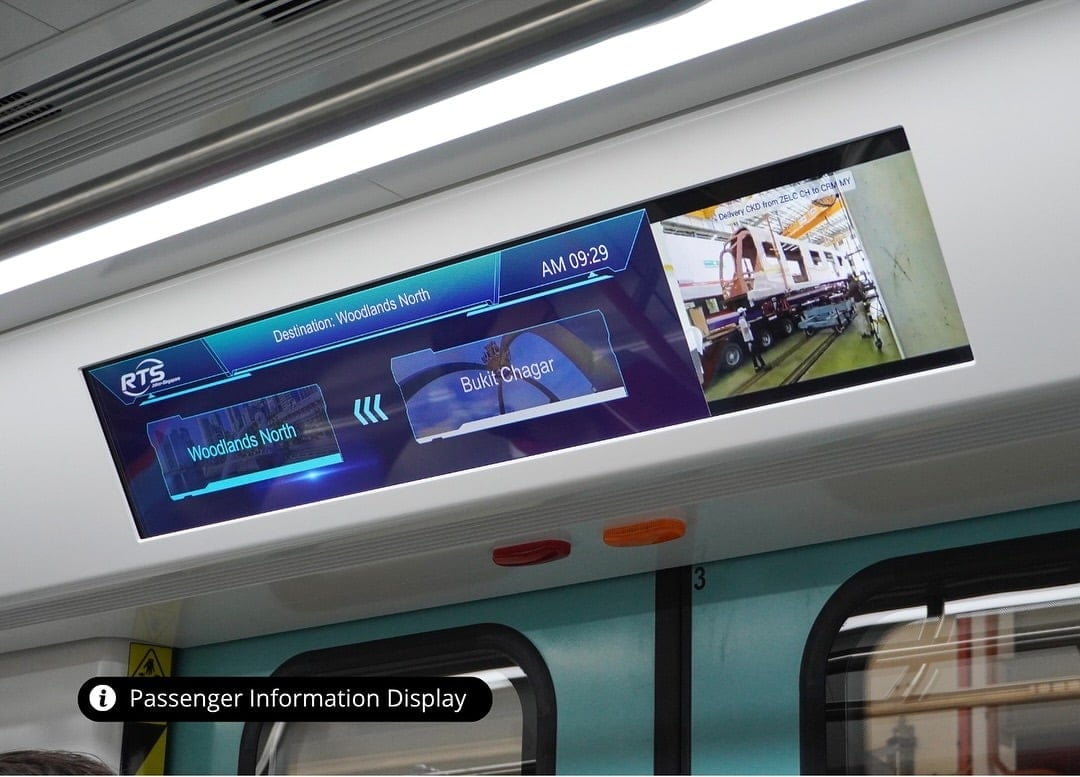
Image credit: @ltasg via Instagram
Just transfer from Woodlands MRT to Woodlands North MRT on the Thomson-East Coast Line. The RTS Link Woodlands North Station will be directly connected to Woodlands North MRT, so you can expect a seamless transfer.
Unlike the KTM Shuttle Tebrau, which only comes about once an hour, the RTS Link will run way more frequently – we’re talking every few minutes, with the shortest wait time being just 3.6 minutes. Even if you missed a train, the next one’s not far behind.
Another thing to take note of is that the KTM Shuttle Tebrau service will be phased out in 2027, within 6 months of the RTS Link kicking off operations.
What is the immigration clearance process like?
Here’s another win: you won’t have to clear immigration twice like you usually do when taking the KTM Shuttle Tebrau, car, or bus. With the RTS Link, you’ll clear both Singapore and Malaysia immigration at the point of departure.
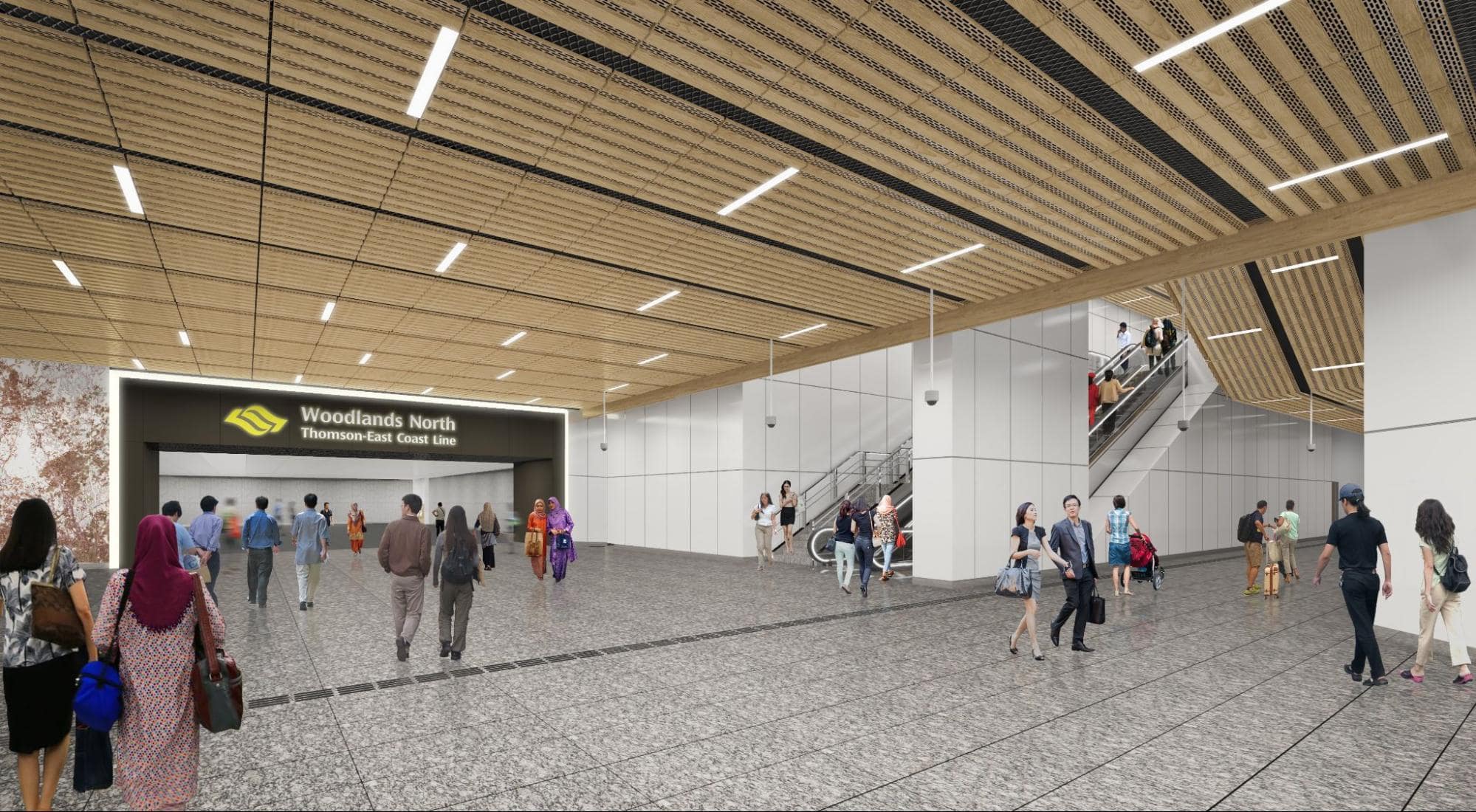 Image credit: LTA
If you’re entering JB from Singapore, you’ll tap into the fare gates at the Woodlands North RTS Link Station and be subjected to a round of security checks and departure clearance conducted by ICA. Afterwards, you’ll head down one level to undergo another round of checks, this time carried out by Malaysia’s CIQ officers.
Once you’re cleared, you’re free to make your way to the departure platform to board a train to the Bukit Chagar RTS Link Station. You won’t be subject to any more immigration checks and are free to walk off the train to begin your JB getaway.
How much do RTS Link tickets cost?
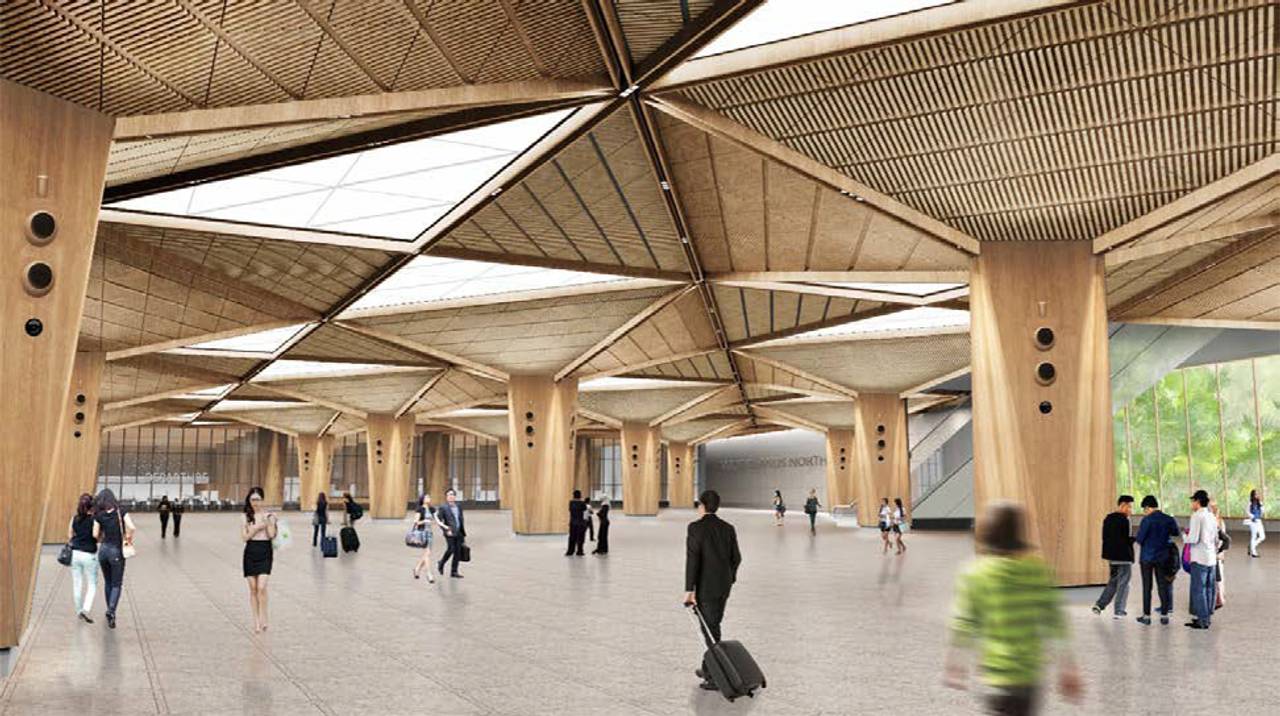 Artist’s impression of the RTS Link Woodlands North station.
Image credit: LTA
Ticket prices haven’t been confirmed yet, but according to SMRT, they’ll be “competitively priced”. What we do know is that there’ll be off-peak fares and season passes, which is great news for those who need to cross the border regularly. In a statement made by Malaysia Transport Minister Anthony Loke, one-way ticket prices are said to hover around S$5 to S$7.
As for whether the fares will be the same in SGD and MYR – that’s still up in the air – but we can expect more deets closer to launch day.
When will the RTS Link be ready?
 CIQ facilities from both countries will be housed under 1 roof at each departure point.
Image credit: LTA
If all goes according to plan, construction, testing, and trial runs should wrap up by 31st December 2026, with passenger service on track for a February 2027 launch, which is slightly later than the previously estimated launch period of Q3 2026. Our fingers are crossed that the RTS Link can launch in time for Chinese New Year 2027 and no more delays will be announced!
What happens if the RTS Link train breaks down mid-journey?
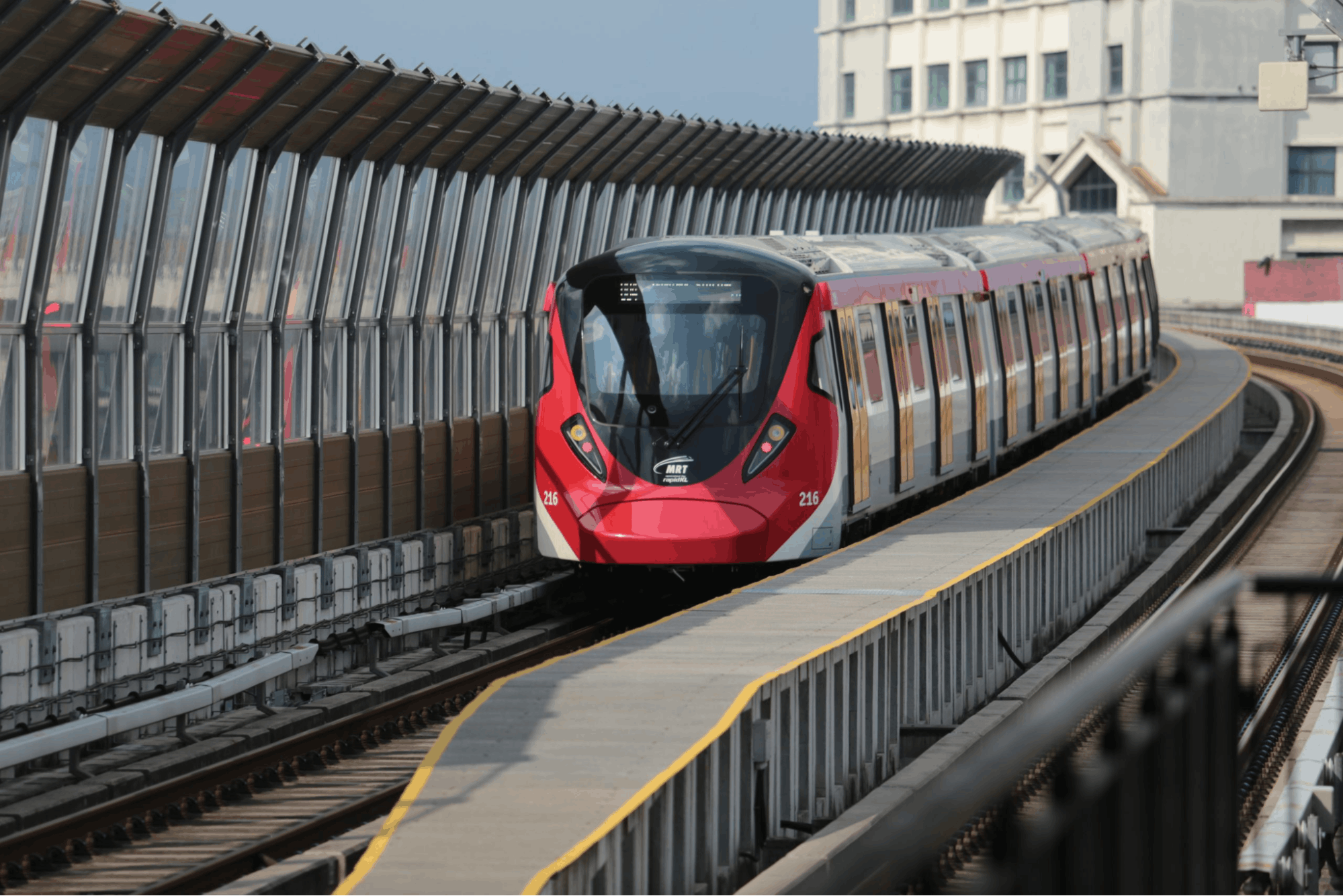 Image credit: MRT Corp
With how often our own MRT trains run into hiccups mid-commute, here’s to hoping that your journeys aboard the upcoming RTS Link trains will be as smooth as butter. But in the event of any incidents that occur in the midst of your cross-border trips, don’t worry; you won’t be left completely stranded.
According to the Cross-Border Railways Bill, if an incident happens on board a train and the train is able to complete its journey, it will be handled by the authorities of the country in which the train stops. However, should the train be unable to complete its journey, the situation will be remedied by the country in which the train stops in.
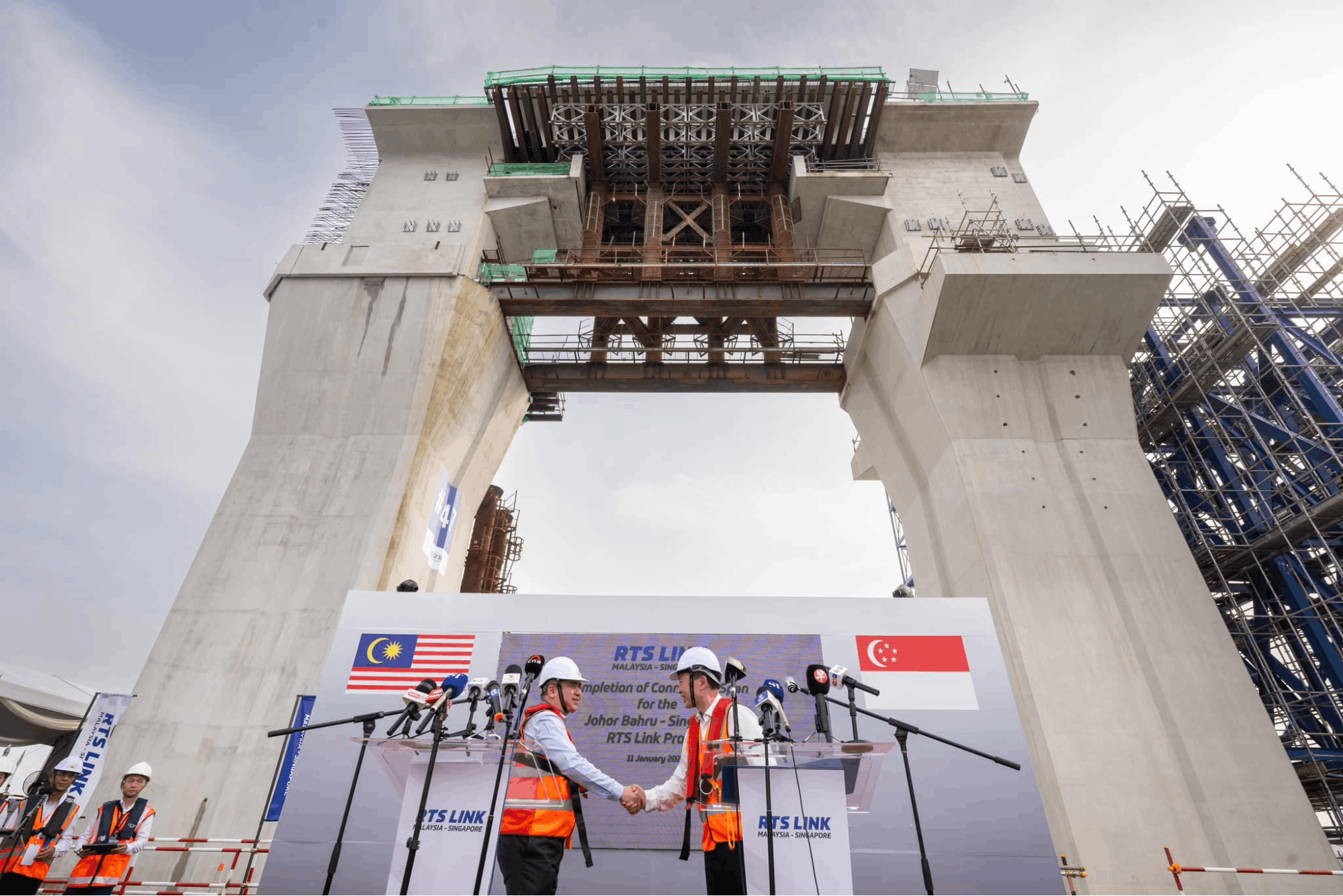 Image credit: Chee Hong Tat 徐芳达 via Facebook
In cases where the train stalls in the middle of the boundary markers between countries, the nose of the train will be used as a marker to determine which country will take primary responsibility of managing the incident.
Soon, JB will just be a stop away
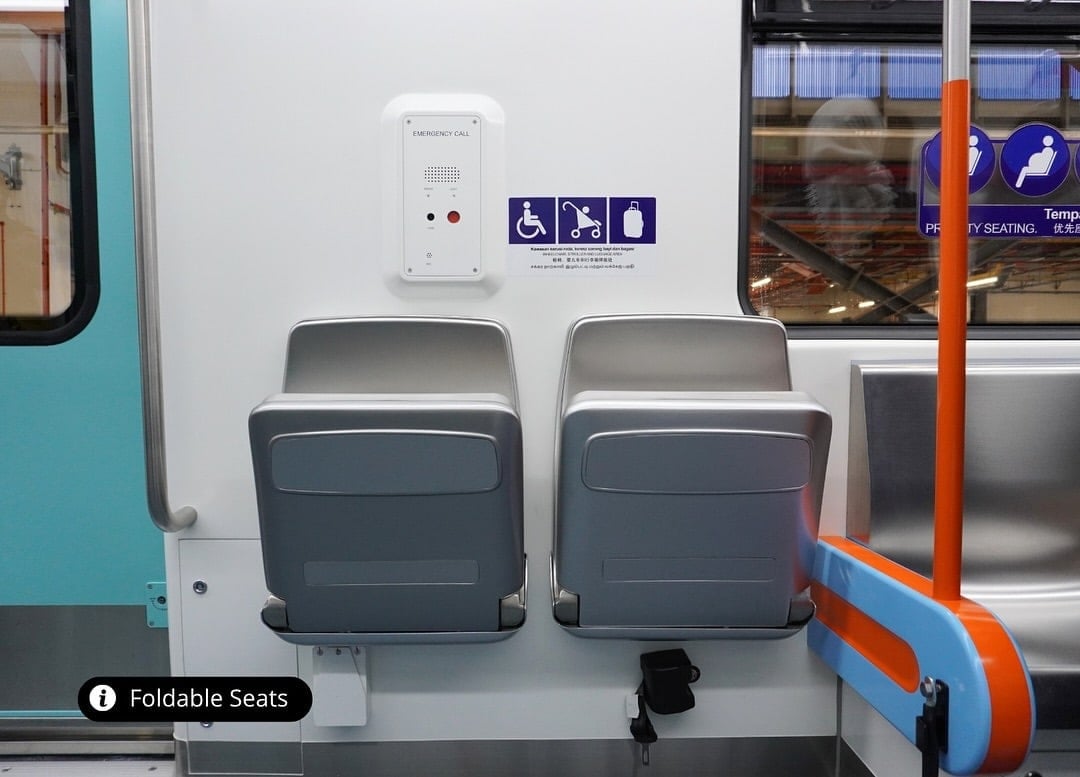
Image credit: @ltasg via Instagram
For now, we’ll still have to brave the jam, fight for space on the bus, and play human bumper cars. But hang in there – come early-2027, all that will hopefully be a thing of the past. Just 1 stop to JB sounds like a dream we’re willing to wait for.
Handy transport guides for when you’re across the border:
Cover image adapted from: MRT Corp, LTA, @ltasg via Instagram
Last updated on 6th October 2026.