
People’s Park Food Centre & Complex history
Whenever you’re in Chinatown and need an affordable but yummy meal, chances are People’s Park Food Centre will be your go-to. It’s one of those places we keep going back to for comforting hawker fare, whether that means crispy roasted pork rice from Zhen Zhu Fang Roasted Delights or a hearty bowl of beef or mutton noodles from Yee Pin Beef King. Sitting right below the iconic People’s Park Complex, with its unmistakable yellow facade towering over Chinatown, the food centre feels like a fixture of the neighbourhood.
But beyond the familiar trays of roast meat and long queues at mealtimes, there’s actually a lot of history behind this Chinatown staple. People’s Park Food Centre is one of Singapore’s oldest hawker centres, and before it became the makan spot we know today, it was once home to a lively night market. Here’s a look back at how this iconic food centre came to be.
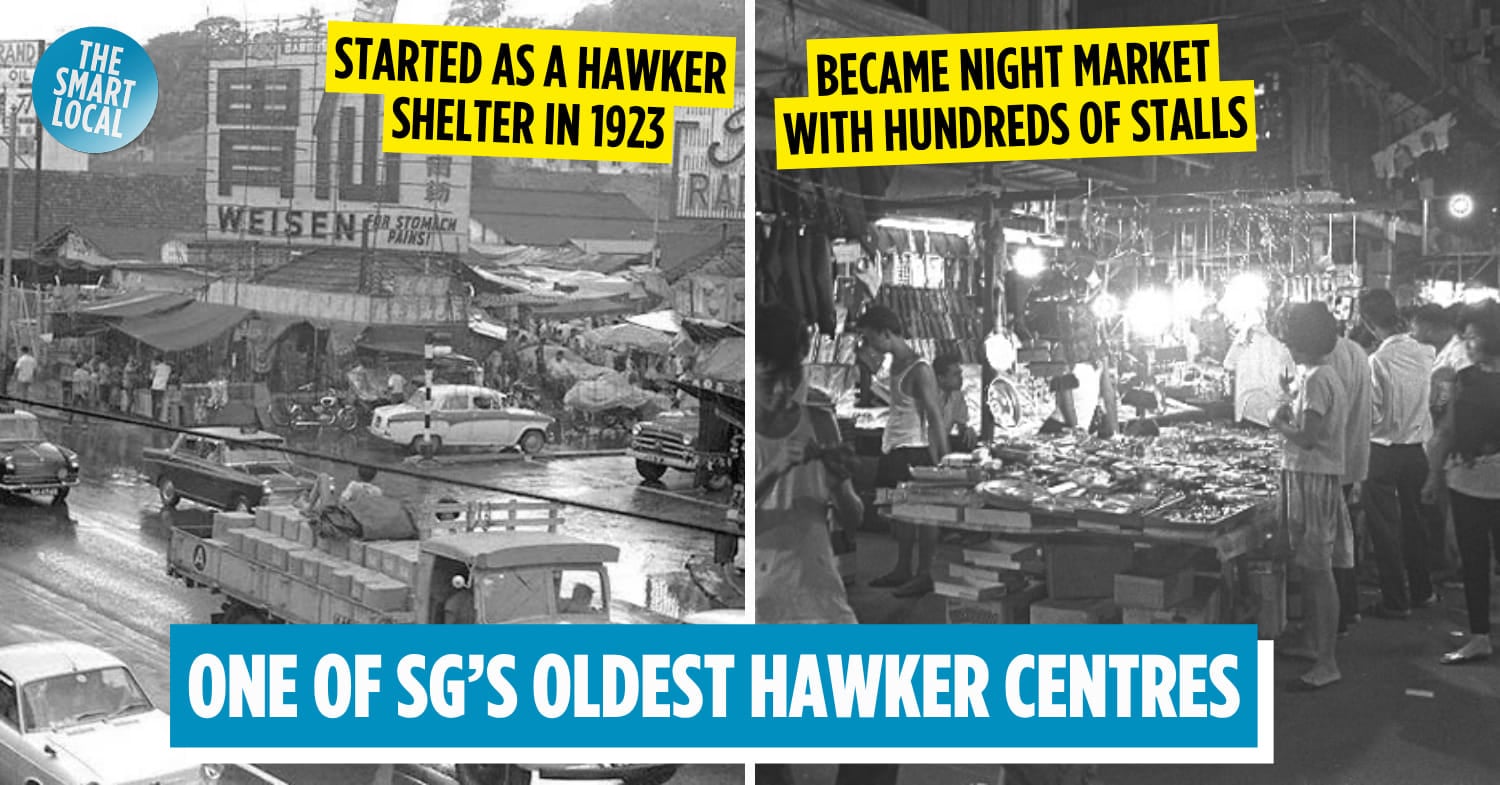
Started as a hawker shelter back in 1923
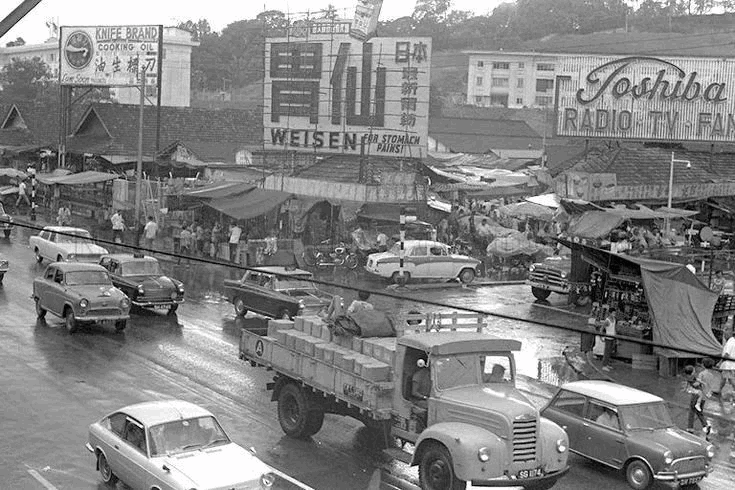
Image credit: National Archives of Singapore
Long before People’s Park Food Centre and neighbouring People’s Park Complex became what they are today, the area was already buzzing with hawkers as far back as the 1920s. Back then, the open space at the foot of Pearl’s Hill – known as People’s Park – was a gathering point for Cantonese and other Chinese hawkers selling all sorts of things, from cooked food to fresh produce and everyday essentials.
Around 1923, the Municipality built a permanent shelter for hawkers in the park, giving the area a more organised setup and turning it into an early food shelter and market. Known in Cantonese as “zan zyu baa saat”, or People’s Market, it quickly became a key social and commercial hub in Kreta Ayer and Chinatown.
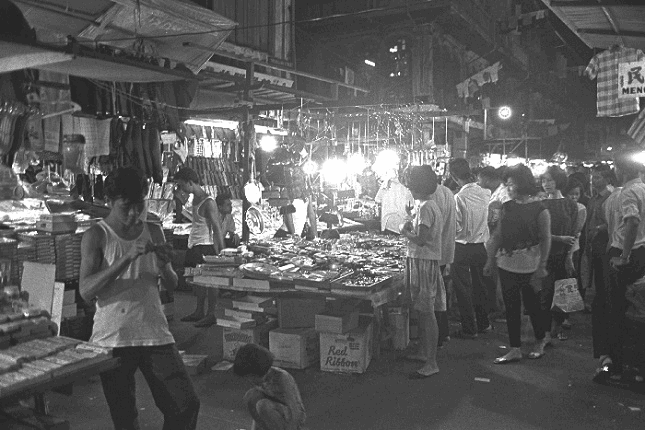
Image credit: National Archives of Singapore
By the 1930s and 1940s, hundreds of stalls were operating there by day and night. And by 1940, it had grown into one of Singapore’s biggest fresh produce markets with over 300 stalls. Even then, the place was already known for its lively street-market atmosphere, which explains why the area stayed such a big part of Chinatown’s identity for decades.
A Christmas fire changed everything
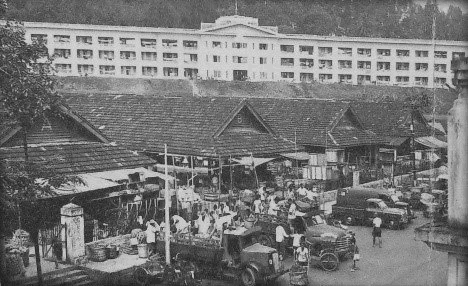
People’s Park Market in 1962, before the fire.
Image credit: National Library Board
After World War II, the People’s Park area continued to thrive as a bustling street market and remained one of Chinatown’s liveliest spots well into the 1960s – until disaster struck on Christmas Night in 1966.
On the night of 24th to 25th December 1966, a huge fire broke out in what was then the People’s Park Shopping Centre area, which still functioned much like a crowded open-air market. The blaze reportedly burned for about 2 hours and destroyed around 170 to 186 stalls and shops, with damages estimated at around $1 million at the time. It was a devastating moment for stallholders, many of whom were left trying to salvage whatever they could from the wreckage.
Redeveloped into People’s Park Food Centre & Complex
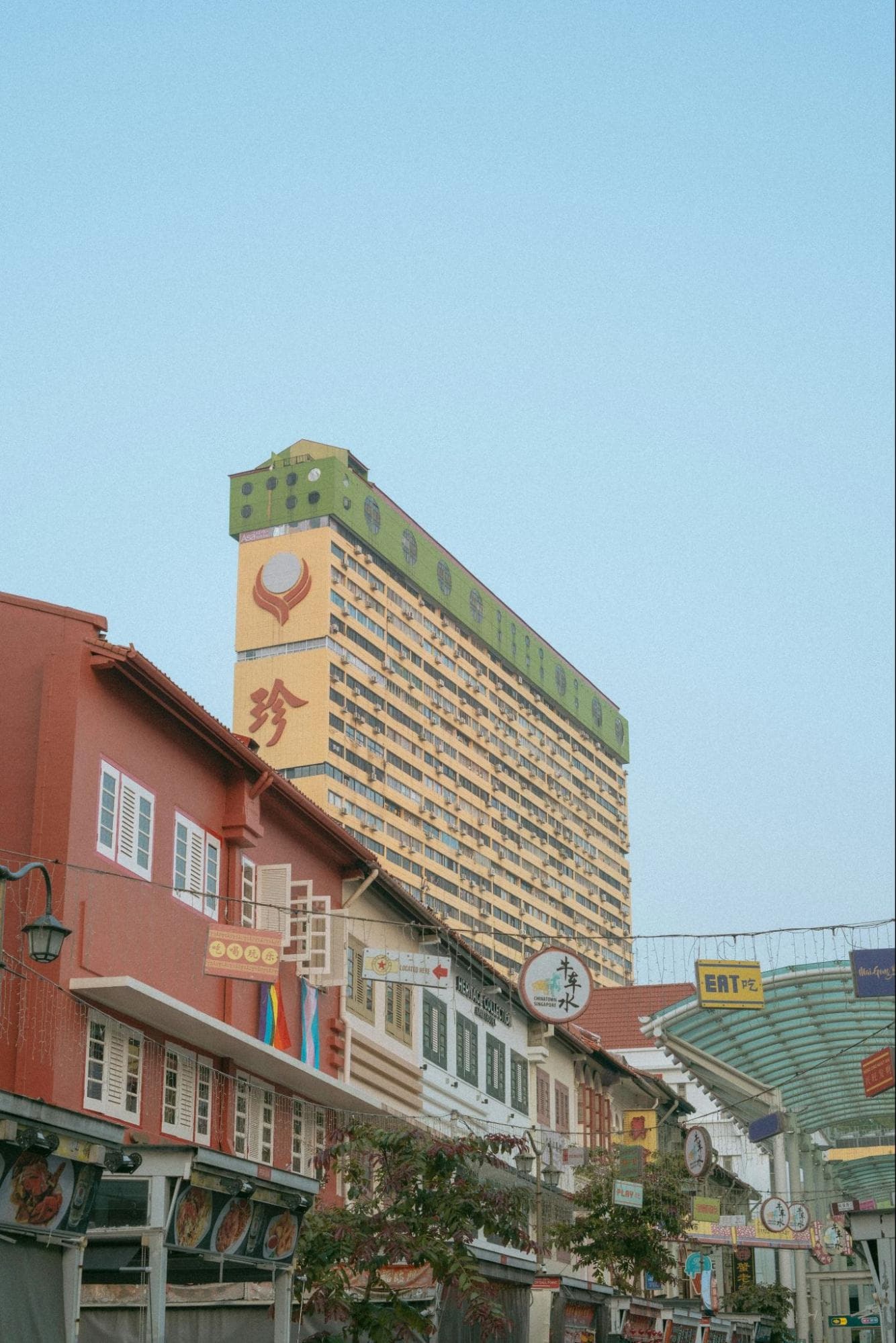
Image credit: Junrui Wu via Unsplash
But the fire also marked a major turning point in the area’s history. In the years that followed, the government cleared the old market and redeveloped the site into People’s Park Complex, the mixed-use development many of us know today.
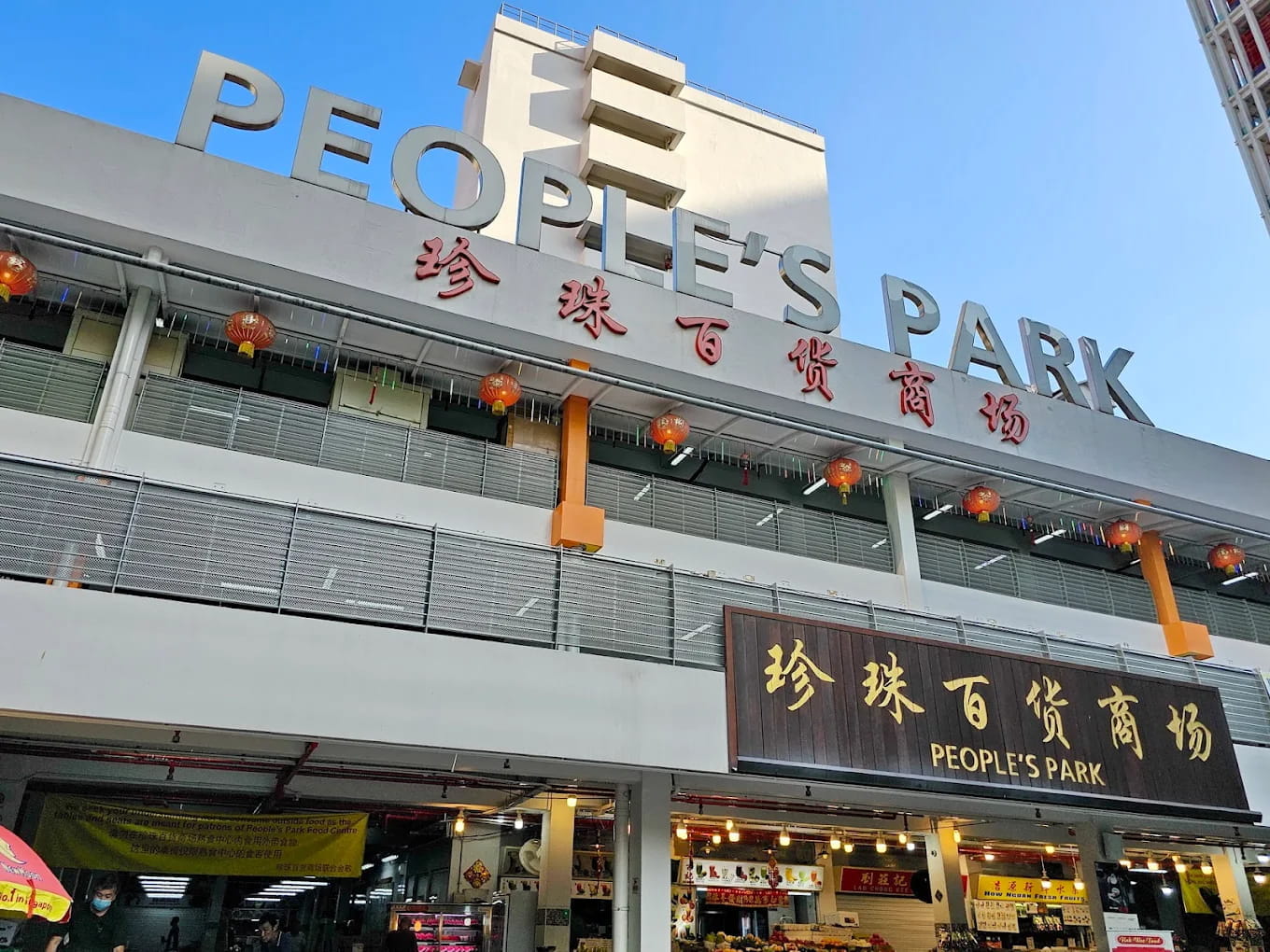
Image credit: Paul Ciprian via Google Maps
Completed around 1973, it became one of Southeast Asia’s earliest large shopping-cum-residential complexes, while the food centre on its lower floors carried on the legacy of the original hawker market – but in a much more organised setting. People’s Park Food Centre was later built next to it.
A former hawker shelter that’s now a Chinatown icon
From its beginnings as a humble hawker shelter in the 1920s to its days as part of a bustling night market, this food centre and complex has grown alongside Chinatown itself. So the next time you’re digging into roasted pork rice or slurping up a bowl of beef noodles there, just know you’re also eating at a place that’s been part of Singapore’s street food history for generations.
More reads on the history of Singapore:
Cover image adapted from: National Archives of Singapore