
Creepy Singapore Wikipedia pages
While Wikipedia’s credibility as a source of information might be, at best, dubious, its ability to send users down seemingly bottomless rabbit holes is mighty impressive. Since it’s one of the Internet’s largest aggregators of knowledge, there’s pretty much a page for anything you could fathom, from the vanilla to the most obscure.
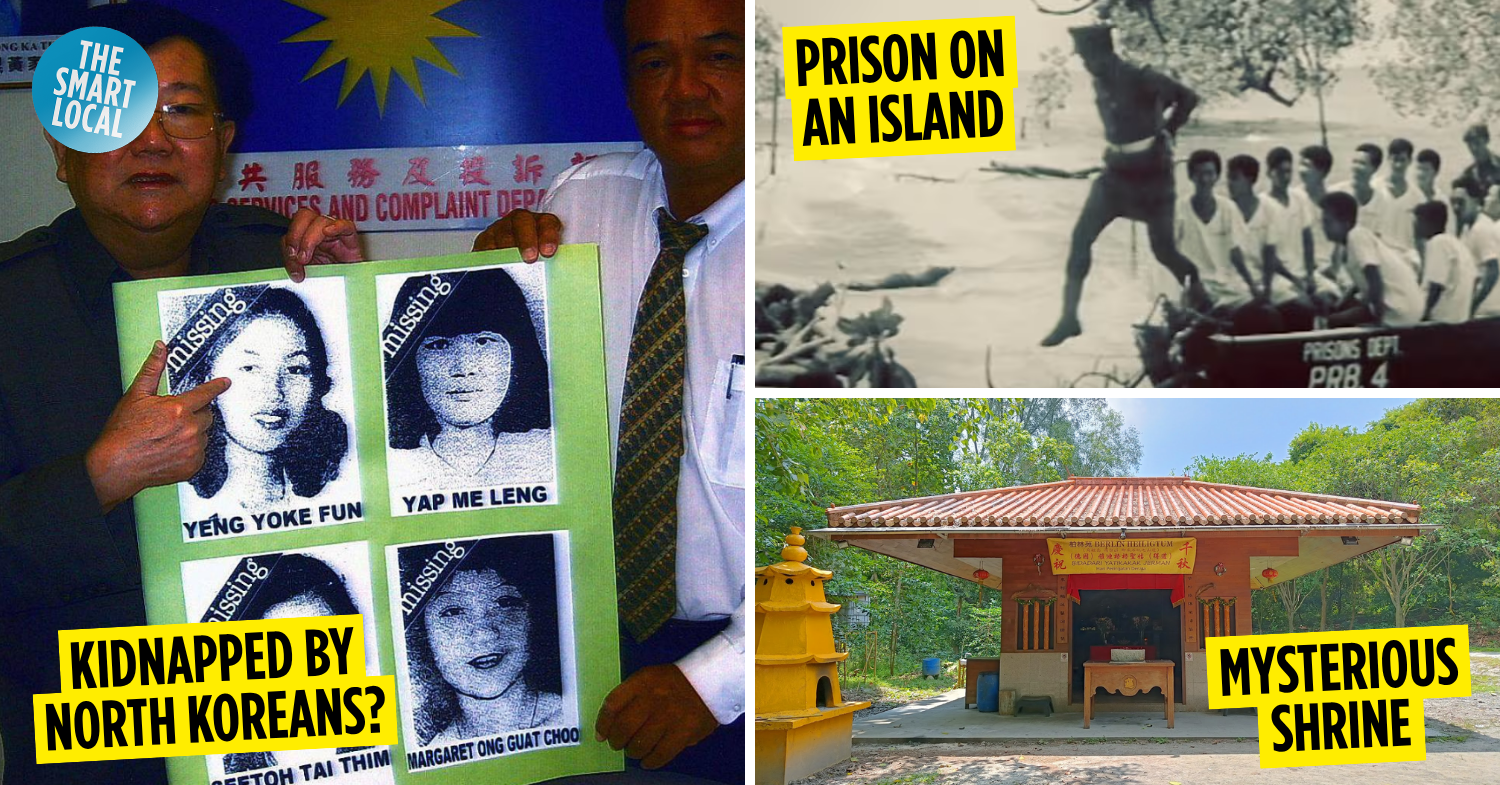
In the spirit of spooky szn, we’re spotlighting the latter by trawling through the site’s archives for harrowing ones related to the Little Red Dot that’ll pique your morbid curiosity. From pages describing primate-like cryptids to one about an offshore, experimental open-concept prison, here are some of the creepiest Singapore Wikipedia pages.
Table of Contents
5 women vanish without a trace, allegedly linked to North Korean agents
The Wikipedia page detailing the 1978 disappearance of 5 Singapore social escorts might read like the script to a Bond film, but unlike a Hollywood spy fiction, this one doesn’t end with 007 saving the day.
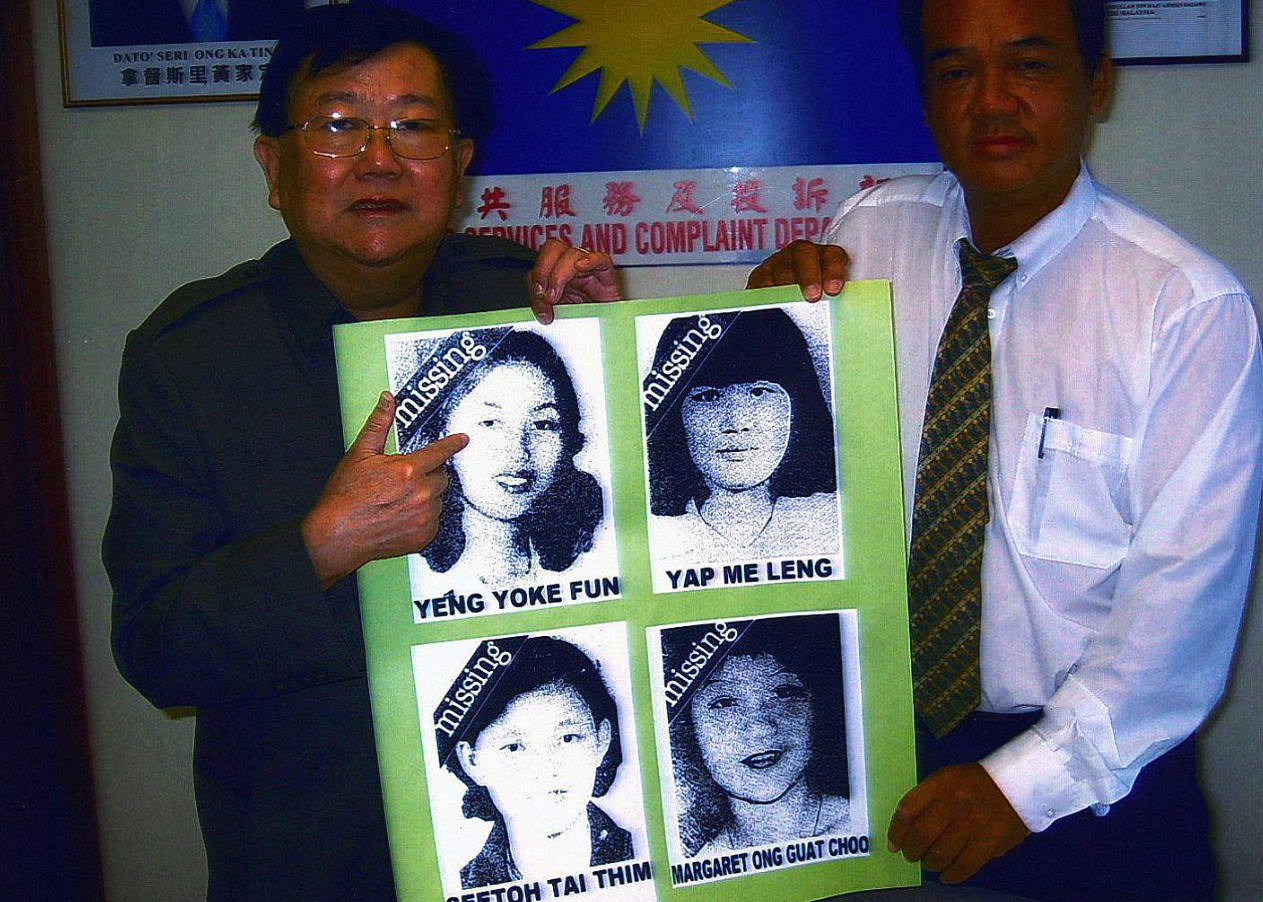
Image credit: The Sun
In 1978, 5 social escorts – 24-year-old Singaporean Diana Ng Kum Yim and 4 Malaysians, 22- year-old Yeng Yoke Fun, 22-year-old Yap Me Leng, 19-year-old Seetoh Tai Thim, and 19-year-old Margaret Ong Guat Choo – mysteriously vanished without a trace.
They had been invited to a party aboard a cargo ship stationed off the coast of Singapore’s Southern waterfront a day prior to their disappearance. The man who extended the invitation to the women was purportedly a businessman from Hong Kong called Wong, who was throwing a lavish shindig for a wealthy friend.
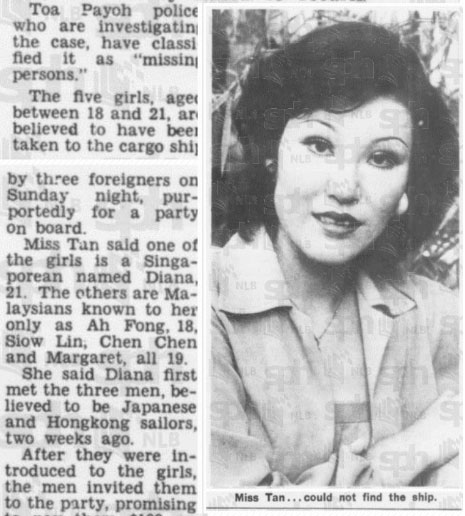
Image credit: NLB
Wong was no stranger; he, along with 2 associates who claimed to be Japanese, were regular patrons of the social escort agency the women worked at, pampering them with gifts and shopping sprees on the regular. Bedazzled, the 5 women took Wong up on his offer: $100 an hour for their time and a diamond ring to boot.
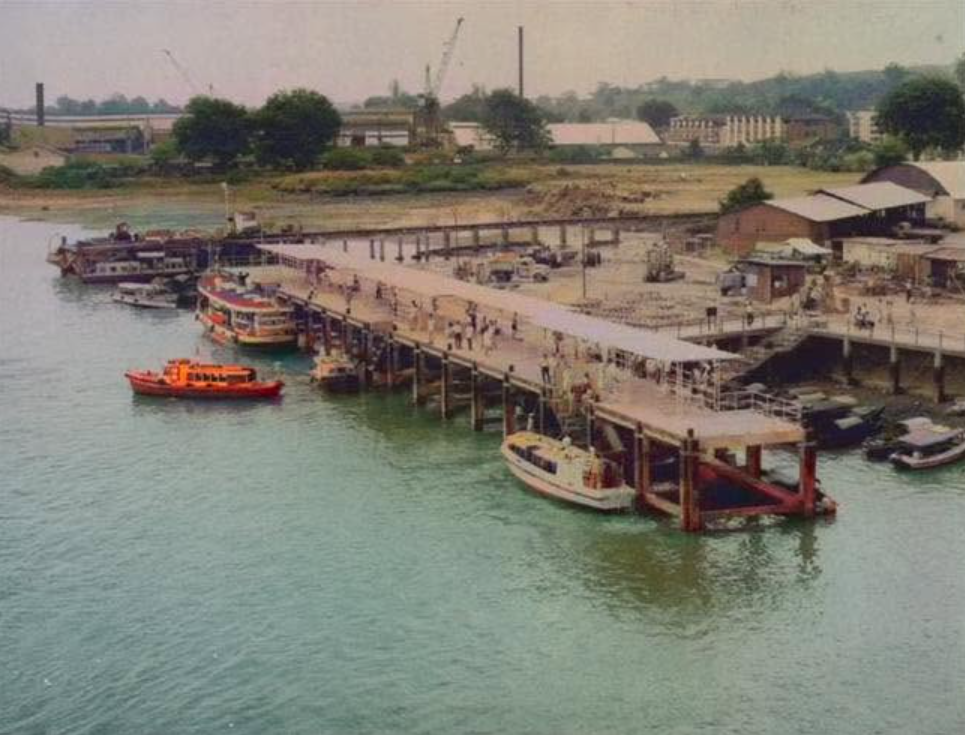
Image credit: Simone Lam via Facebook
On 20th August 1978, the quintet boarded a motorboat at Jardine Steps, or modern-day Harbourfront, and were dropped off at the cargo ship by the boatman. That was the last time they would be seen, period – unless you’re counting the manicured, severed hand found in the sea off the Keppel Shipyard that’s thought to belong to one of the missing.
After investigation by the police, speculations arose, the most convincing of which involving a prostitution ring based in Hong Kong or Japan that might have kidnapped the women.
Another promising theory proposed that North Korean agents were the ones behind their disappearance. Credible testimonies gave credence to this theory; one made by a US Army deserter, and surprisingly, another from a then-prominent South Korean actress who was indeed kidnapped to North Korea in the same year of the women’s disappearance.
Read more about the 1978 disappearance of 5 Singapore social escorts.
2. Bukit Timah Monkey Man
Singapore’s Bigfoot, thought to live in the forests of Bukit Timah
In case you didn’t know, Singapore has its very own cryptid, and it’s alleged to exist in the form of the Bukit Timah Monkey Man. It’s thought to be a bipedal primate that dwells in the dense forests of Bukit Timah and stands at around 1.75m tall.

Image credit: Jose Canizares
An artist’s impression of the cryptid.
First claimed sightings occurred around 1805, and were made by a Malay elder who claimed to have caught a glimpse of an upright-walking, monkey-faced creature in the Bukit Timah region. During WWII, Japanese soldiers also reported to have fleeting encounters with the cryptid, which was said to be covered in grey fur and estimated to be almost 2m in height.
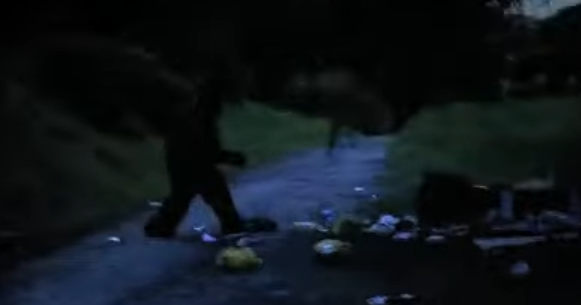
The Bukit Timah Monkey Man, as captured on a video shot in 2012.
Image adapted from: ano nymous via YouTube
Murmurs of the Bukit Timah Monkey Man persisted over the years, with The New Paper and Shin Min Daily News reporting on the elusive creature in 2007 and 2008 respectively. The latter publication even dispatched a journalist to the Bukit Timah Nature Reserve to look for evidence confirming its existence, but, as expected, their search was futile.
The latest brush with the Bukit Timah Monkey Man came in 2020, when a night hiking enthusiast spotted what he thought was the cryptid during his visit to the Drongo Trail in Windsor Nature Park. Although the pictures they took as proof couldn’t get any more sketchy, don’t let this stop you from keeping your eyes peeled during your next hike.
Read more about the Bukit Timah Monkey Man.
3. Social Development Unit
Dating services for singles funded by the government
When it comes to dating in Singapore, dating apps, social mixers, and even run clubs are touted as great options to meet other singles. However, not many know that our government has been playing matchmaker for over 4 decades, through the Social Development Network (SDU).
Established in 1984 as the Social Development Network, the unit was formed to tackle the problem of the projected decline of Singapore’s local talent pool by providing opportunities for single men and women to interact socially. We’ll leave it to you to learn more about the unit’s morally questionable roots, but fast-forward to 2006, the SDU became an accrediting body for matchmaking services.

Image credit: Social Development Network
The unit worked with private dating services by funding them; some of the dating agencies that received some love from them included Lunch Actually and Paktor. The range of activities that were subsidised by the SDU included standard wine and dine events, as well as interest-based programmes like dance, sports, Pilates, and baking classes, to name a few.
There were even more grandiose ones, such as overseas trips to many parts of Asia, along with discounted Royal Caribbean cruise holidays that employers had to approve ALs for, no questions asked. In 2012, members were even given $100 dating credits annually to attend events organised by accredited agencies.

Should you be thinking of signing up and trying your luck at one of their events, you’re out of luck, as the SDN shut down its website and direct matchmaking platform in November 2023. They cited declining membership and the growing abundance of other dating apps and services that far outmatched itself in terms of popularity.
Read more about the Social Development Unit.
4. Pulau Senang prison riots
Experimental offshore prison with an open-concept
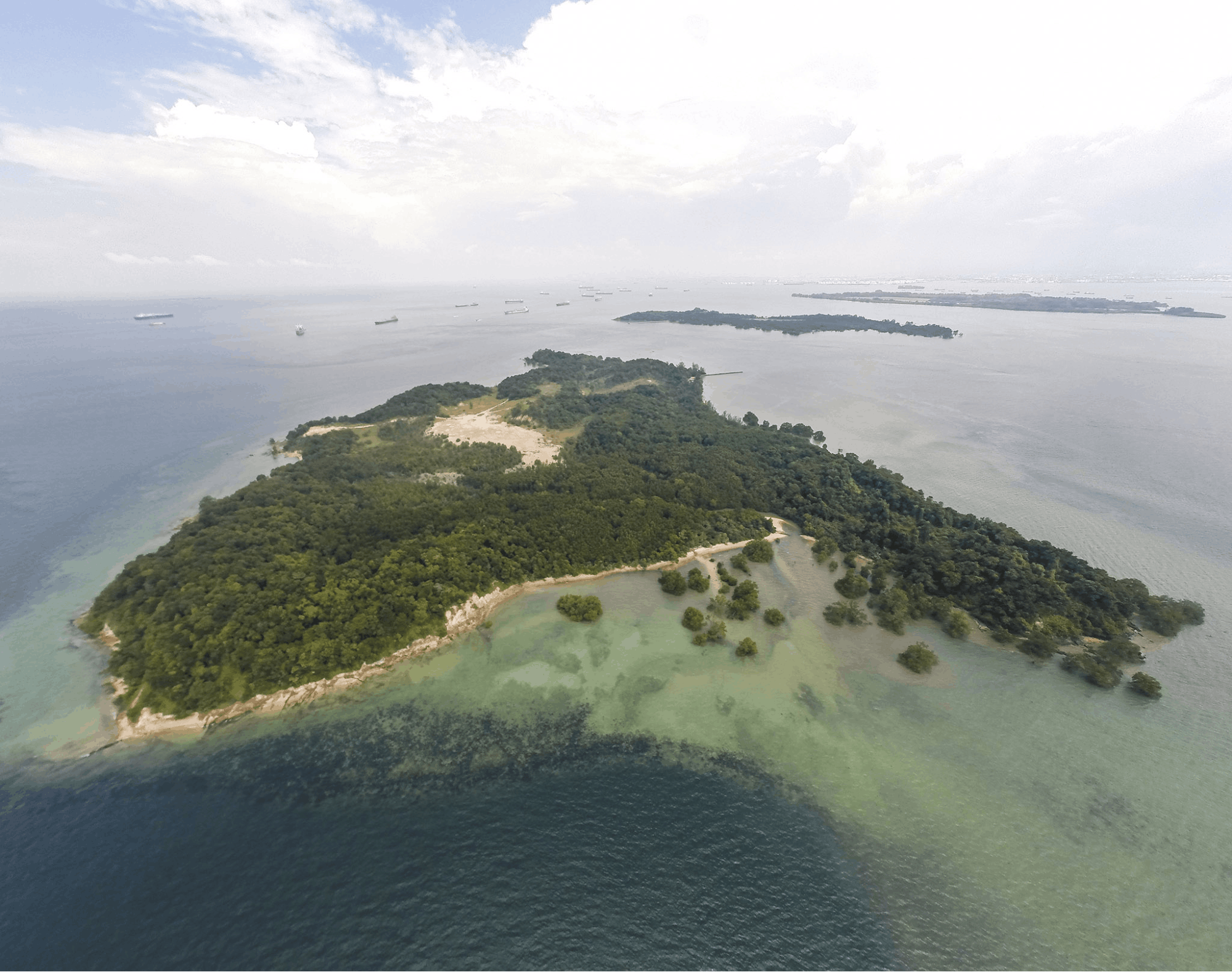 Image credit: Island Nation Singapore
The Changi Prison Complex and Singapore Armed Forces Detention Barracks aren’t the only facilities Singapore has used to house offenders. There once existed another: Pulau Senang – yes, you read right; a whole island played host to an experimental, open-concept reformative prison settlement.
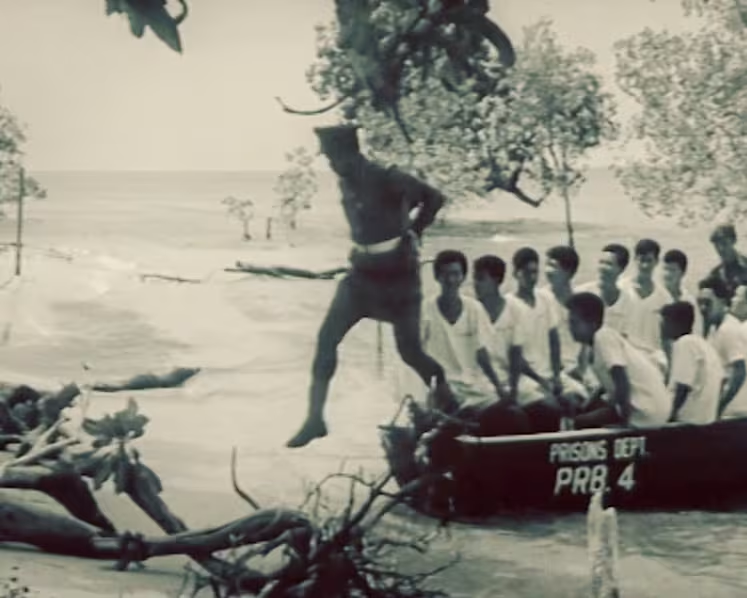
Image credit: National Archives of Singapore
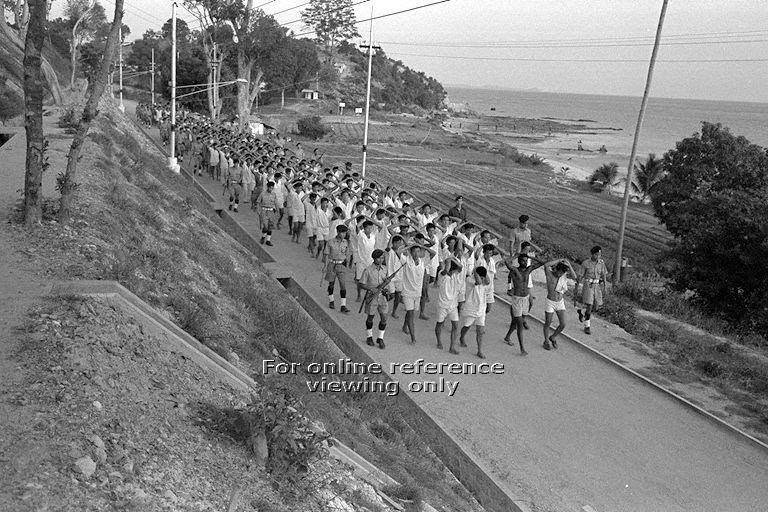
The offshore penal colony first started out in 1960 with just 50 detainees from Changi Prison, who were accompanied by 20 officers and Prisons Superintendent Daniel Stanley Dutton. Although they were put to manual labour, the detainees were allowed to roam freely on the island as part of a rehabilitation programme which aimed to assimilate them back into society.
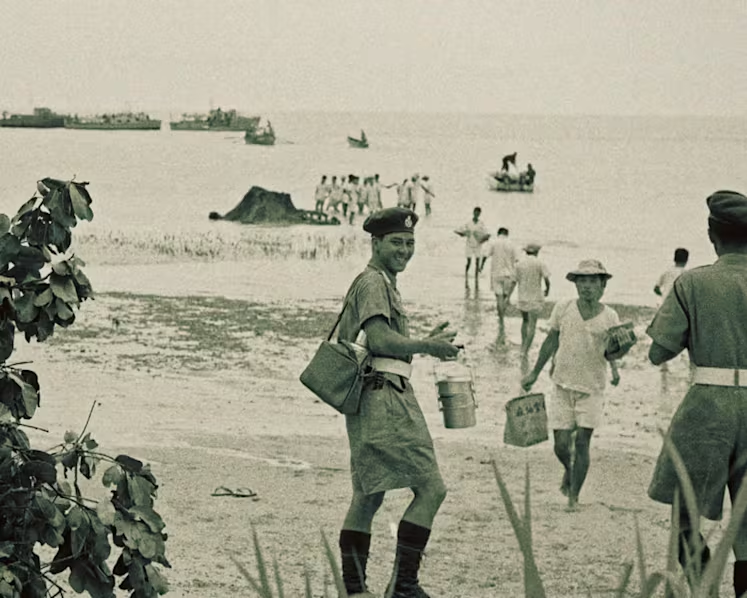
Image credit: National Archives of Singapore
As per Dutton’s orders, guards were not permitted to carry arms, as he believed that they needed to build trust between themselves and the prisoners. Over the next 3 years, the inmate population grew to 320, and were made up of mostly secret society members.
The settlement was a solution to the prison overcrowding issue back on the mainland, as the government was in the midst of a no-nonsense crackdown on secret societies in Singapore. Everything seemed fine and dandy for 3 years, but things went awry in 1963, when one of Dutton’s most trusted prisoners incited a riot, essentially razing everything to the ground.
Pulau Senang detainees rounded up by the police after the riot.
Image credit: irememberSG via Facebook
The island’s Wikipedia page goes into the gory details of the prisoner-led rampage, including the brutal murder of Dutton and 3 other prison guards under the hands of more than 70 detainees. The scale of the atrocity also resulted in court proceedings that turned out to be particularly interesting.
Till this day, the trial is the largest ever conducted in the legal history of Singapore and Malaysia, as the Little Red Dot still stood unified with their neighbours at the time of the trial. In the aftermath, 18 rioters were found guilty of murder and were all sentenced to death by hanging, the highest number of death sentences imposed in a single trial.
As for the fate of the island itself, 5 years following the riot, Pulau Senang was declared out of bounds by the government. After a failed attempt to develop the island for economic means, the island fell under the ownership of the SAF, and was converted into a live firing range.
Read more about Pulau Senang.
5. Laju incident
Ferry hijacking which led to the establishment of Police National Service
While many might remember the sensational hijacking of Singapore Airlines Flight 117 in 1991, you might be surprised to learn that it’s not our nation’s first brush with international terrorism.
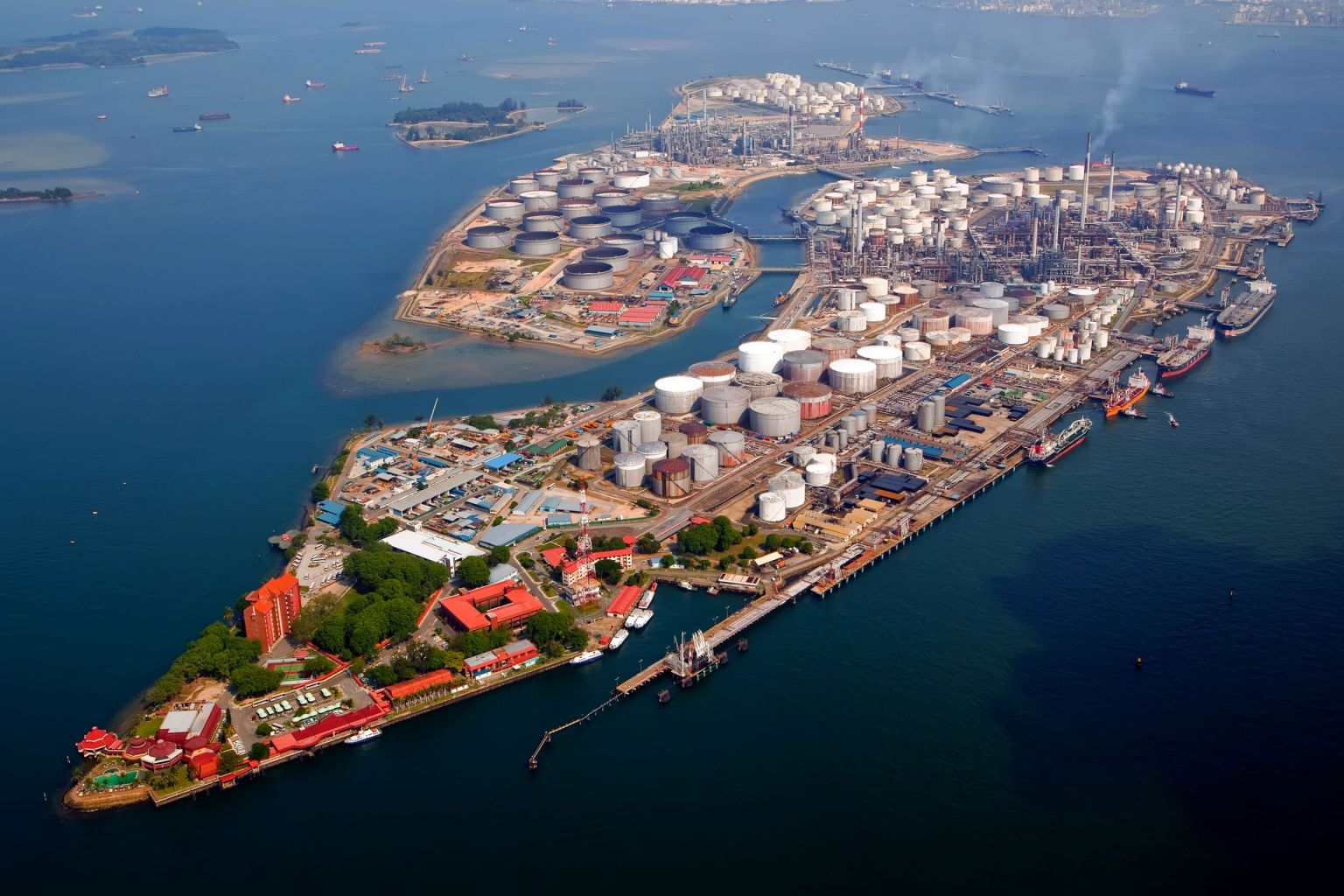 Pulau Bukom.
Image credit: Shell
In 1974, 4 armed men from the Japanese Red Army and Popular Front for the Liberation of Palestine militant groups staged an attack on the Shell oil refinery on Pulau Bukom and stormed aboard a ferry to make their escape, in what is now known as the Laju incident.
Armed with submachine guns and explosives, the group’s aim was to disrupt the supply of oil from Singapore to other countries, serving as both a stand against imperialism and a warning to monopolistic oil companies. With the help of an unsuspecting boatman, they managed to reach Pulau Bukom’s shore, and detonated 3 explosives.
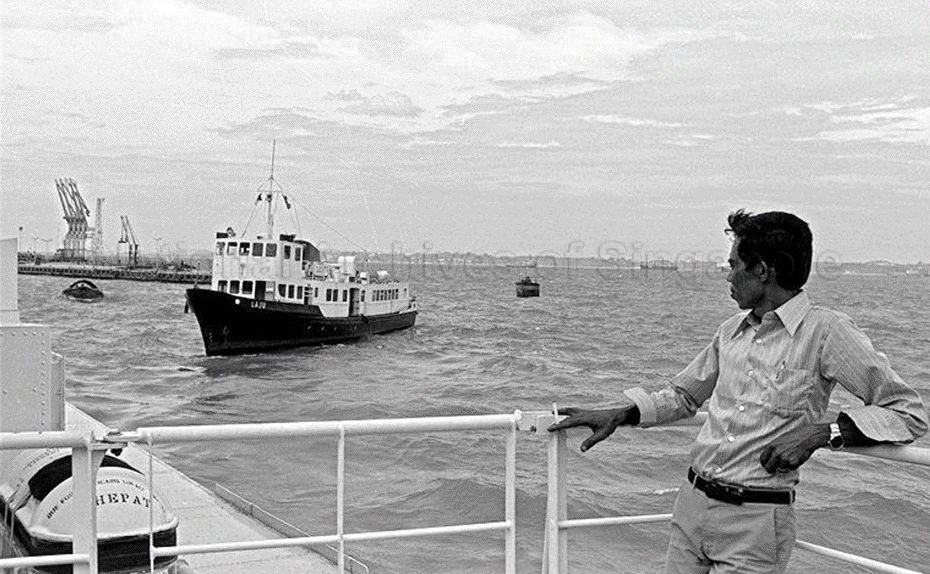
Ulot Bin Idris, one of the 5 men held hostage aboard the Laju, with the ship in the background.
Much to their dismay, the explosions only caused minor damage and in the chaos, a sentry at a nearby security post managed to raise the alarm. Soon enough, the authorities were hot on their trail, and in an attempt to evade their pursuers, the militants hijacked a ferry boat called Laju on the island’s jetty, holding its 5-men crew hostage.
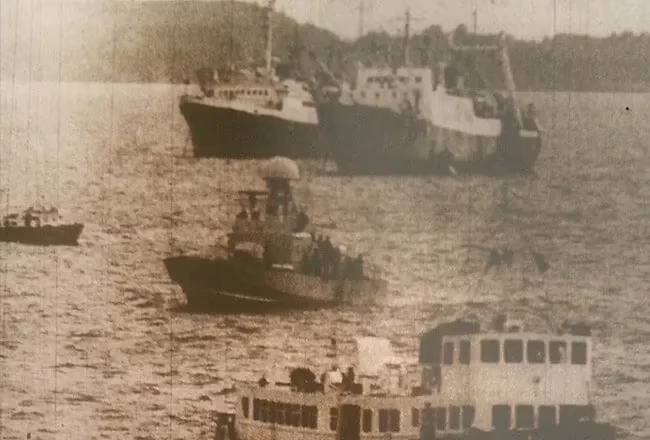
Image credit: Republic of Singapore Navy
The group didn’t get far and was surrounded by reinforcements from the Singapore Navy and Marine Police just outside the waters just outside Marina Bay. What followed was 7 days of intense negotiations, which resulted in the militants’ surrender and release of hostages, in exchange for a group of “guarantors” for a safe passage to the Middle East.
Read more about the Laju incident.
6. German Girl Shrine
Alleged burial site for a German girl who perished during WW1
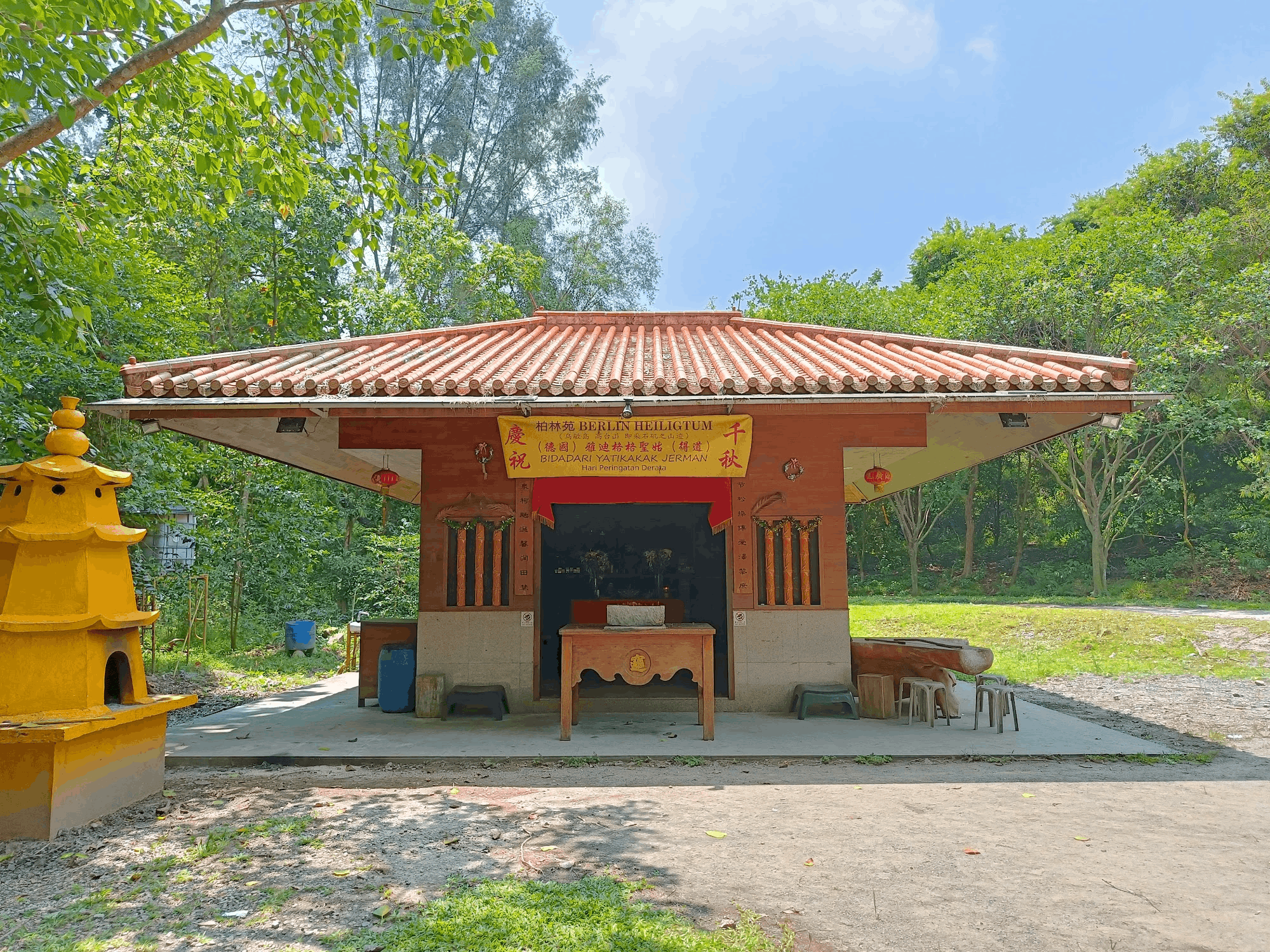 Image credit: Shyam Vimal Kumar via Google Maps
Those who’ve visited the idyllic retreat that is Pulau Ubin may have come across a peculiar shrine on the island that isn’t particularly devout to a specific deity. This odd place of worship is colloquially known as the German Girl Shrine, and the lore behind its name is pretty unnerving.
As the story goes, the shrine marks the burial site of an unnamed 18-year-old German girl who passed away in 1914. The girl was said to be from a German family who ran coffee plantations on the island, and when World War 1 broke out, the British set foot on Pulau Ubin to weed out German nationals.

The girl managed to give her captors the slip by fleeing into the dense vegetation of the island, but sadly met her demise after sustaining injuries from a fatal fall off a cliff. Eventually, Chinese quarry workers in the area discovered her body and laid her to rest at the crest of a hill, which can be found along the Ketam Mountain Bike Trail.
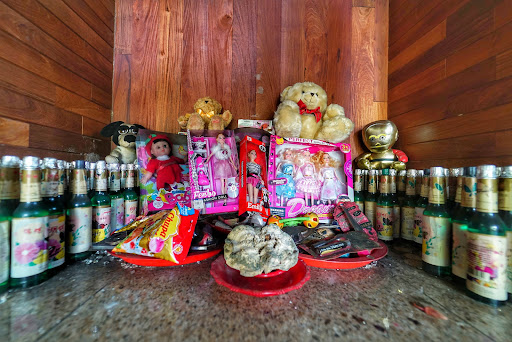
Image credit: Little john via Google Maps
The shrine which we see today was built in 1974 by a quarrying company, and her remains are said to have been exhumed and placed within an urn at the site. The German Girl Shrine sees visitors to this day, who leave offerings of cosmetics, sweets, and Barbie dolls to appease the spirit of the Deutsch damsel in hopes of extra luck for their next parlay.
Read more about the German Girl Shrine.
7. List of military training deaths in Singapore
Reported deaths that occurred during NS training
Tragically, training-related deaths that happen during National Service are nothing new. They get reported in the news from time to time, but seeing cases presented as a list of military training deaths on Wikipedia can be quite jarring, especially with how matter-of-factly they are catalogued.
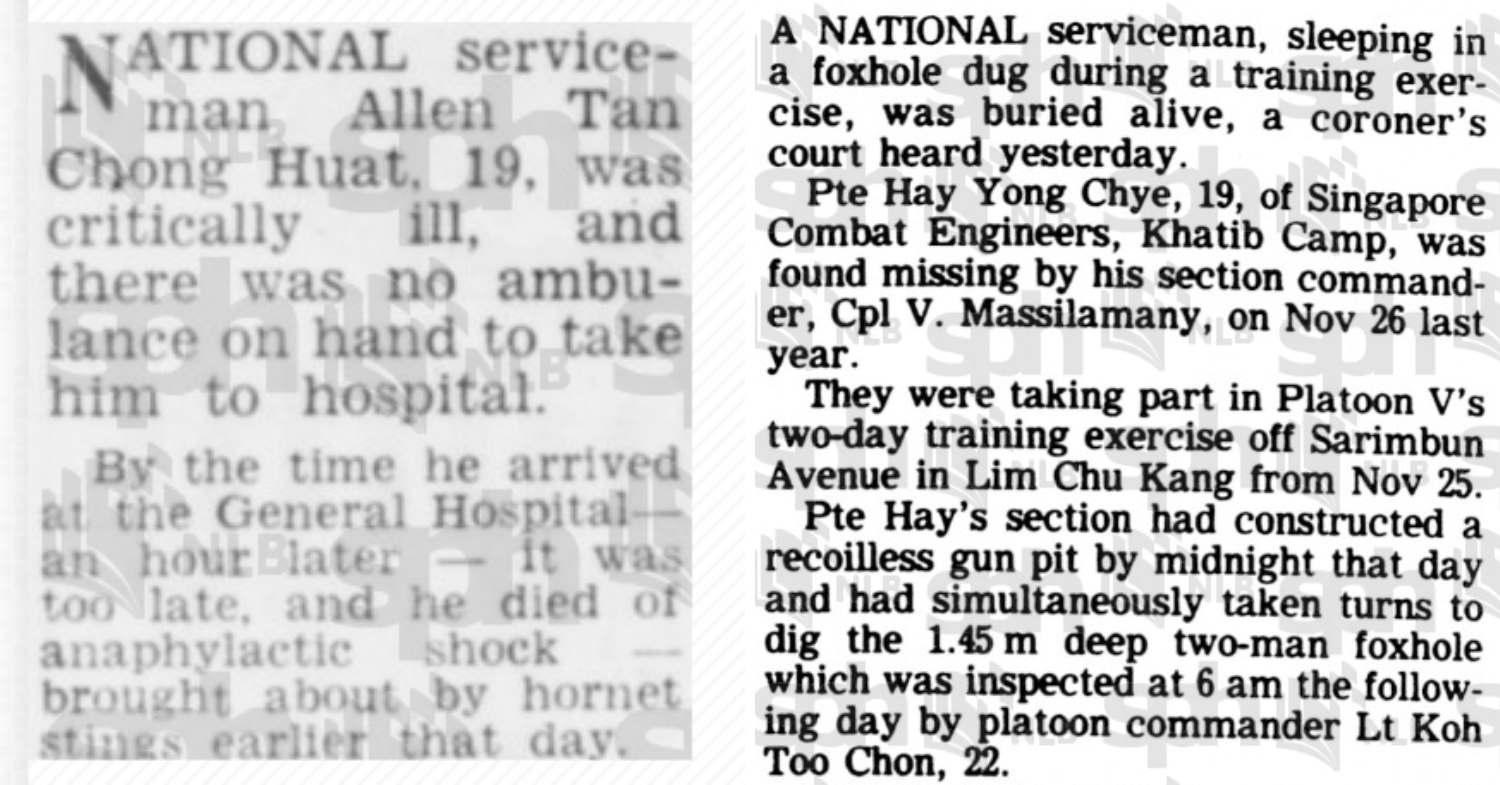 Image adapted from: NLB
For instance, 19-year-old Recruit Allen Tan Chong Huat’s entry on the list is summed up succinctly in all but 4 words: fatally stung by hornets. More bone-chillingly concise is 19-year-old Private Hay Yong Chye’s – buried alive. Do a quick Google search, and you’ll unfortunately find that these are no tall tales, as archived newspaper clippings corroborate the incidents in detail.

Image credit: r/ASACschrader via Reddit
As of writing, there are a whopping 50 entries, but sadly, far more names find themselves on the macabre register. There are a couple of incidents that involve the deaths of multiple servicemen. Examples include the Brunei helicopter crash of 1987 which took the lives of 6, and the collision between the RSS Courageous and a merchant vessel, claiming 4 in 2003.
Read more about the list of military training deaths in Singapore.
Look up these creepy Wikipedia pages about Singapore
If you’ve had one too many shots of espresso and can’t seem to catch a wink of sleep, these creepy Wikipedia pages about Singapore are great to spiral down to burn a couple of hours. Turns out, our Little Red Dot ain’t that boring after all; a virtual cache of intrigue awaits just a few clicks away.
For more spooky reads:
Cover image adapted from: The Sun, National Archives of Singapore, Shyam Vimal Kumar via Google Maps