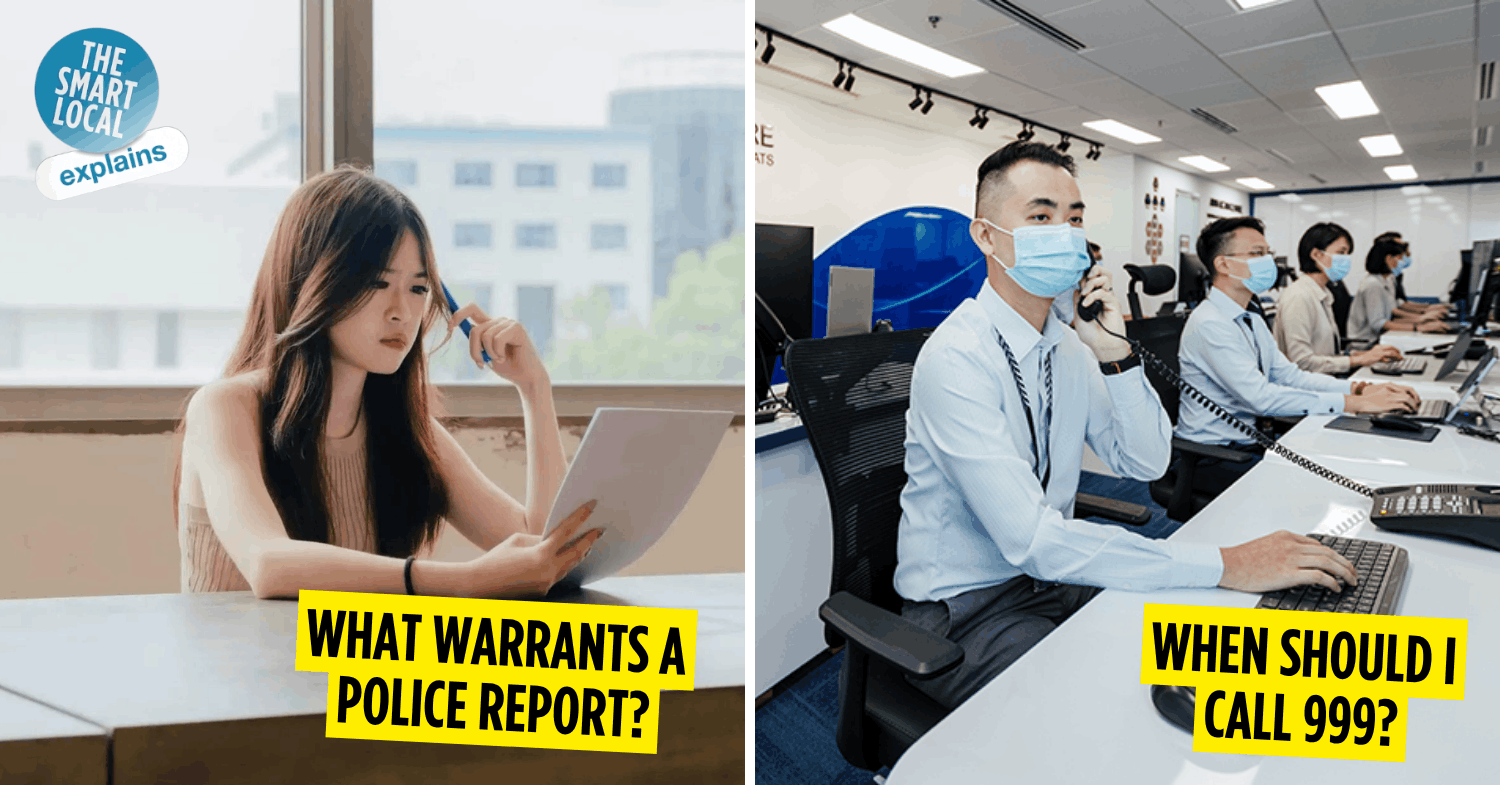

Lodging a police report in Singapore
You might know to call the police if you witness a crime, but what if someone is following you, secretly filming you, or simply behaving suspiciously? Following recent reports of a man allegedly trailing female students in Singapore, knowing what to do in such situations can come in handy.
From filing a report online to submitting information anonymously, there are several ways to alert the Singapore Police Force (SPF). Here’s how to make a police report in Singapore, plus what you can do when something feels suspicious but you’re unsure whether a crime has been committed.
What are some ways to lodge a police report in Singapore?
1. Call 999 if you need immediate police assistance

Image credit: SPF
If you or somebody else is in immediate danger, don’t spend time filling out an online police report. Call 999 for immediate police assistance. This includes situations where a crime is currently taking place, or the person suspected of committing it is still nearby.
If you’re in an emergency but it isn’t safe for you to speak, you can send an SMS to 70999 instead. For example, this could apply if you’re hiding from someone and speaking on the phone might reveal your location.
Include brief details about what’s happening and your location in the message. An emergency operator may contact you via SMS for more information before the appropriate emergency services are dispatched.
However, take note that messaging 70999 is meant for situations where it’s unsafe or impossible to speak. If you can safely make a phone call, SPF recommends calling 999 instead.
2. File a police report online for non-urgent cases
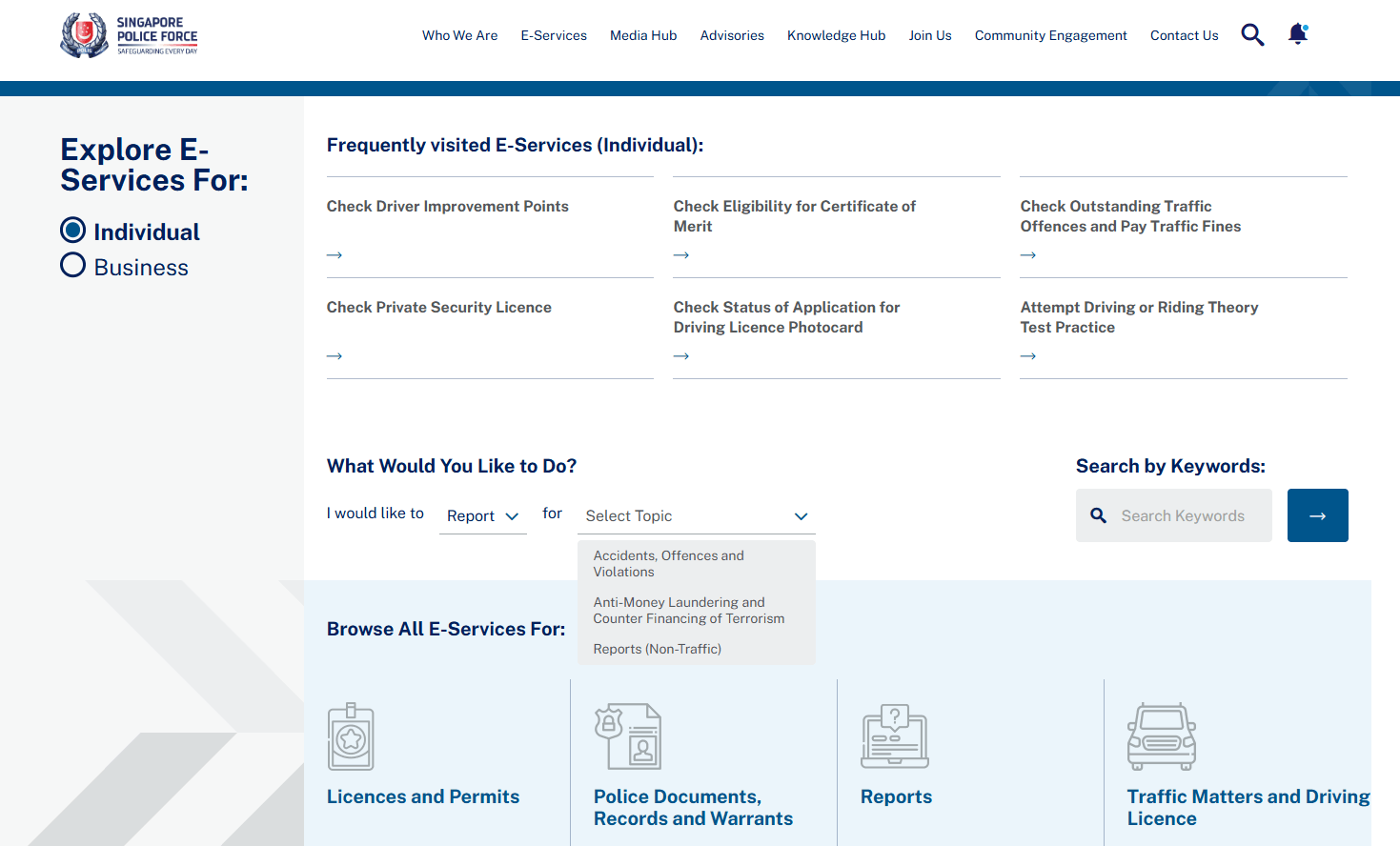 Screenshot from: SPF
You don’t necessarily have to visit a police station to make a report. For incidents that don’t require immediate police action, you can use SPF’s Police Report e-service to submit one online.
This includes non-urgent crimes such as theft and scams. According to SPF, completing an online police report takes approximately 30 minutes.
You can also upload up to 5 supporting attachments, with a maximum file size of 10MB each. These can include photos, videos, screenshots, documents, and other evidence relevant to the incident. If an item was stolen, information such as its serial number and a photograph can also be useful.
Once your online report has been confirmed, you’ll receive a copy of the report, its report number, and details of the Officer-in-Charge electronically.
3. Use I-Witness to report suspicious behaviour
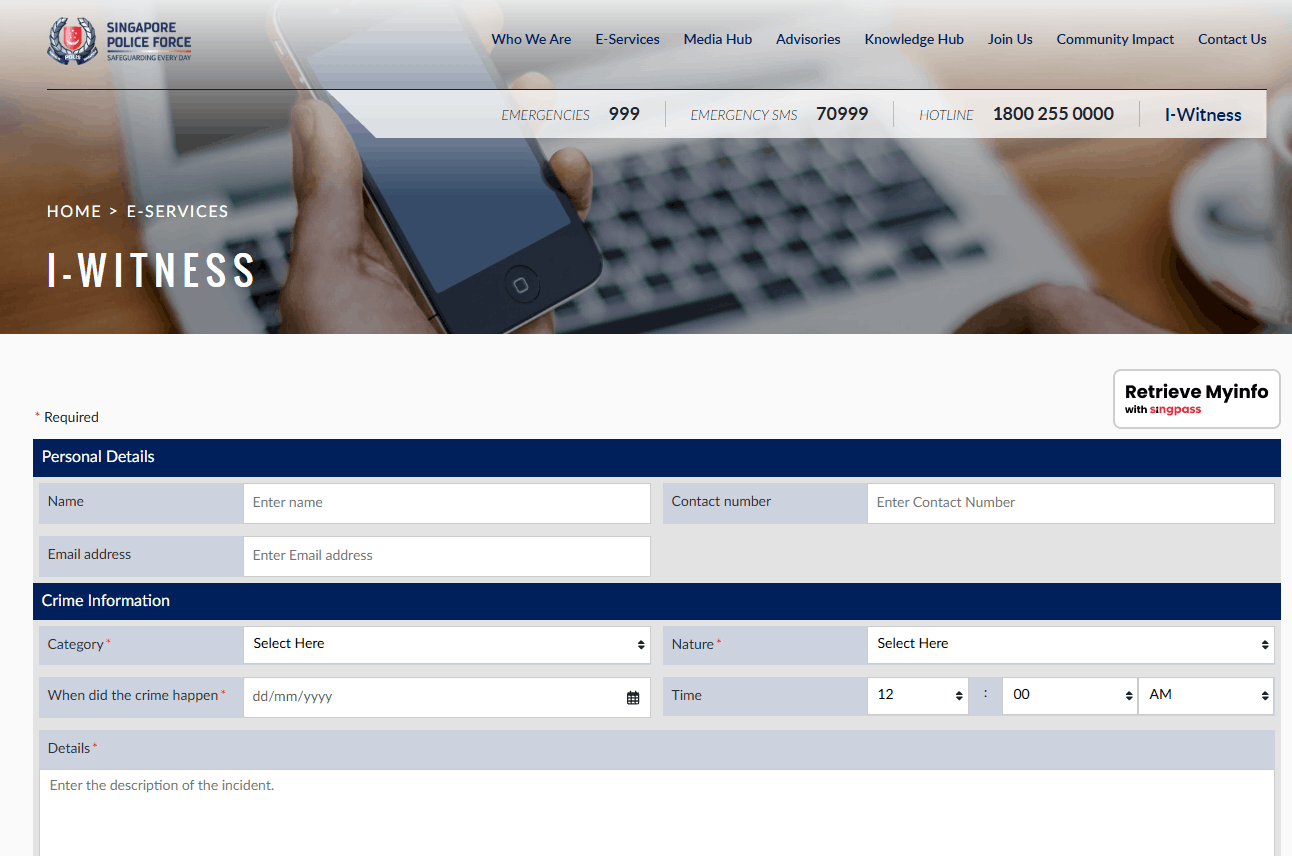
Screenshot from: SPF
What if you haven’t witnessed an obvious crime, but someone’s behaviour seems suspicious? You can provide information to the police through SPF’s I-Witness e-service. The service allows members of the public to submit information about criminal or suspicious activity.
According to SPF, such information could assist with ongoing investigations or help uncover crimes that haven’t previously been reported.
You can also choose to provide information anonymously through I-Witness. However, an I-Witness submission isn’t the same as lodging a police report.
If you’re reporting a crime that happened to you, use the Police Report e-service mentioned above instead. If you’ve witnessed suspicious activity or have information that could help the police, I-Witness may be more appropriate.
You can also provide crime-related information through the Police Hotline at 1800-255-0000.
What should I prepare when lodging a police report in Singapore?

You don’t need to conduct your own investigation before reporting something to the police. However, providing clear and relevant details can help officers understand what happened. Try to record information such as the date and time, exact location, and a chronological description of the incident.
If another person was involved, note their appearance, clothing, direction of travel, and mode of transport where possible. Vehicle registration numbers, screenshots, photographs, videos, and details of potential witnesses can also be useful. You can also take note of nearby CCTV cameras that may have captured the incident.
Most importantly, don’t put yourself in danger just to collect evidence. Prioritise getting somewhere safe before documenting or reporting what happened.
What warrants a police report & what doesn’t?
1. Following someone can potentially constitute stalking
Image credit: SPF
Someone walking behind you for a few minutes isn’t automatically committing a crime. However, repeated or prolonged following can potentially amount to unlawful stalking under Singapore’s Protection from Harassment Act (POHA).
Examples of stalking listed by the Singapore Courts include following someone and entering or loitering near their home or workplace. Repeatedly giving someone gifts despite being asked to stop is another example.
Whether the behaviour legally constitutes unlawful stalking depends on the circumstances and whether the relevant legal requirements are met.

Image credit: Online Safety Commission
If someone repeatedly follows you home, waits outside your workplace or school, or continually appears around you in a way that causes alarm or distress, document the incidents where it’s safe to do so. You can then provide this information to the police.
2. Filming someone in public isn’t automatically illegal
 Image adapted from: @shuyiching via Instagram
Seeing somebody pointing their phone or smart glasses at you can understandably feel uncomfortable, but filming another person in public isn’t automatically illegal in Singapore.
There is generally a lower expectation of privacy when you’re in a public space. However, the circumstances surrounding the filming still matter. For example, repeatedly following and filming someone could potentially raise issues under POHA, depending on the circumstances.
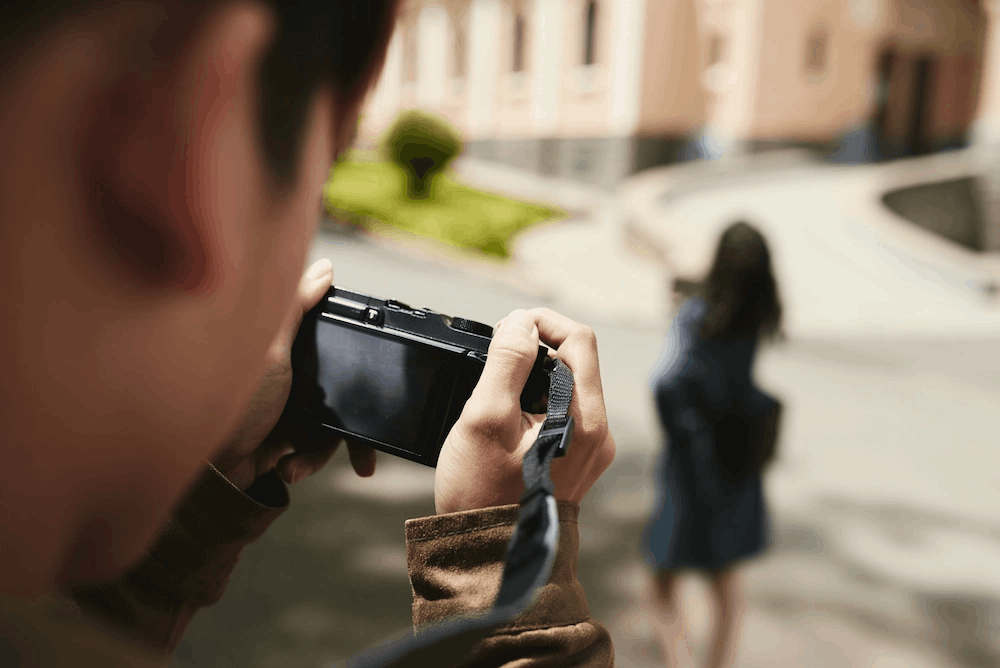
Image credit: Integrity Investigation Services
Secretly recording someone engaged in a private act is a different matter. Voyeurism can include observing or recording another person engaging in a private act without their consent. Examples provided by SPF include taking upskirt photographs or videos, and intentionally observing or recording someone inside a toilet cubicle.
If you believe someone is secretly recording you in such circumstances, get somewhere safe and contact the police.
3. Lost items don’t always require a police report
Image credit: HomeTeamNS
Not every situation requires you to submit a regular police report. If you’ve simply lost an item and don’t believe it was stolen, you can use SPF’s Lost Property Report e-service instead. If you believe somebody stole the item, lodge a police report.
If you’ve lost your NRIC or Singapore passport, SPF states that you don’t need a police report to apply for a replacement. Instead, you can report the loss and arrange for a replacement through the Immigration & Checkpoints Authority (ICA).
4. Traffic accidents have a separate reporting process
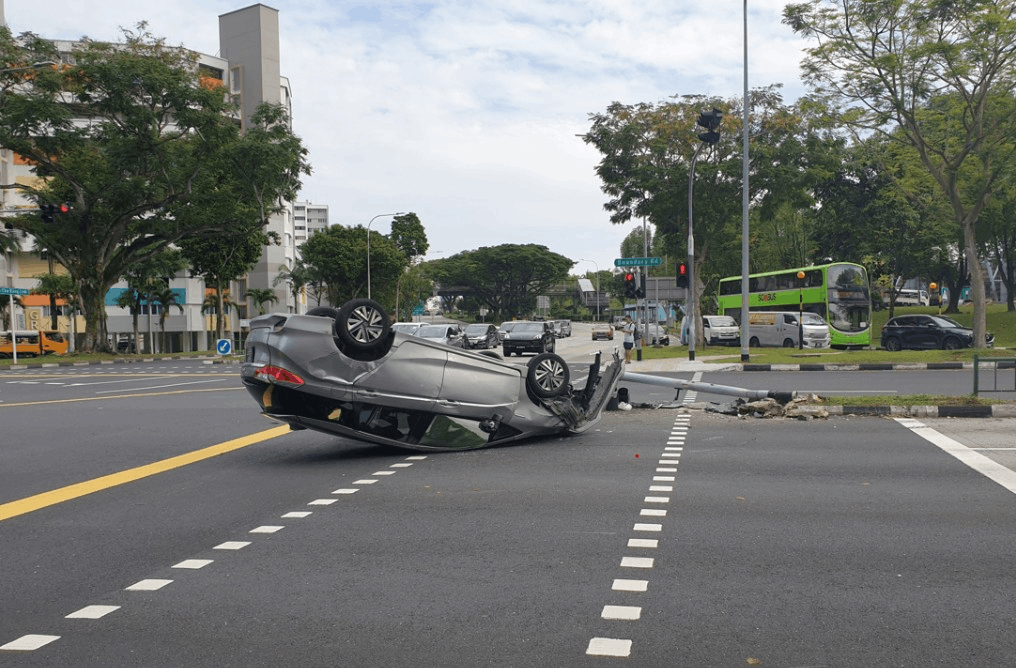
Image credit: SPF
Not every traffic accident requires a police report either. According to SPF, a Traffic Accident Report is required in certain situations, such as accidents involving a fatality, pedestrian or cyclist, foreign vehicle, hit-and-run, or damage to government property.
A report is also required if someone is taken to the hospital from the accident scene by an ambulance. This also applies if an injured person later receives outpatient medical leave for 3 days or more.
You can lodge a Traffic Accident Report online through SPF e-services using Singpass. The process takes about 15 minutes, and you can attach supporting documents such as photos or a sketch of the accident.
If a police traffic accident report isn’t required, exchange particulars with the other parties involved and report the accident to your insurer. Under the Motor Claims Framework, motorists should generally report accidents to their insurer within 24 hours or by the next working day.
5. Missing persons should be reported directly to the police
 Image credit: SPF
If someone is missing, SPF says you should make a police report immediately after trying but failing to locate them yourself. Missing-person reports shouldn’t be submitted through the regular online Police Report e-service.
Instead, call 999 or visit a Neighbourhood Police Centre (NPC) to make the report. Bring your NRIC or another identification document, along with a recent photograph of the missing person if available.
Be prepared to provide details including their name, NRIC or passport number, physical description, clothing, places they frequently visit, and the date, time, and location where they were last seen. Any other relevant information that could assist the police should also be provided.
The police will inform you once the missing person has been located. If you find them after making the report, contact the Investigation Officer handling the case immediately.
6. Scams can be reported online
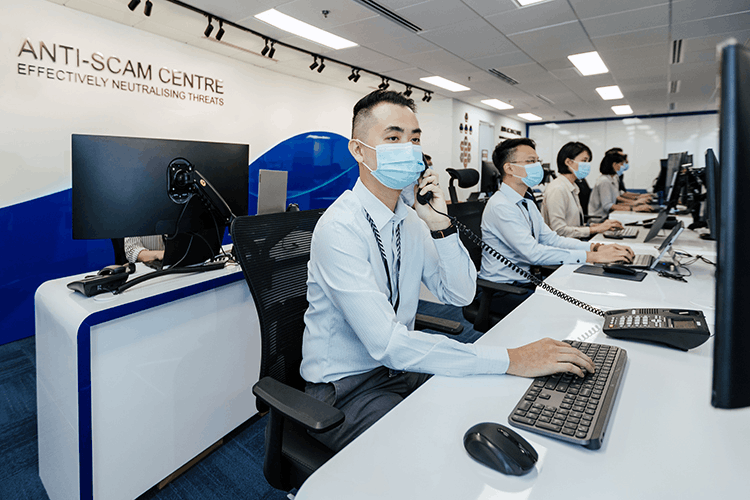
Image credit: SPF
If you think you’ve fallen victim to a scam, you can lodge a police report online through the SPF Police Report e-service. Include relevant evidence such as messages, transaction records, phone numbers, and website links used by the scammer.
If money has already been transferred, contact your bank immediately to try to prevent further losses. You should also include details of any reports you’ve made to your bank when filing the police report.
If you’re unsure whether something is a scam, call the ScamShield Helpline at 1799. It’s available 24/7 and can advise you on suspected scams or direct you to participating banks if you’ve fallen victim.
You can also report suspected scams through the ScamShield app, although this doesn’t count as an official police report.
Can I lodge a police report in person at a police station?
You can file a police report in person, but it’s worth checking where you’re going before heading down. SPF operates 2 main types of police facilities: Neighbourhood Police Centres (NPCs) and Neighbourhood Police Posts (NPPs).
Neighbourhood Police Centres
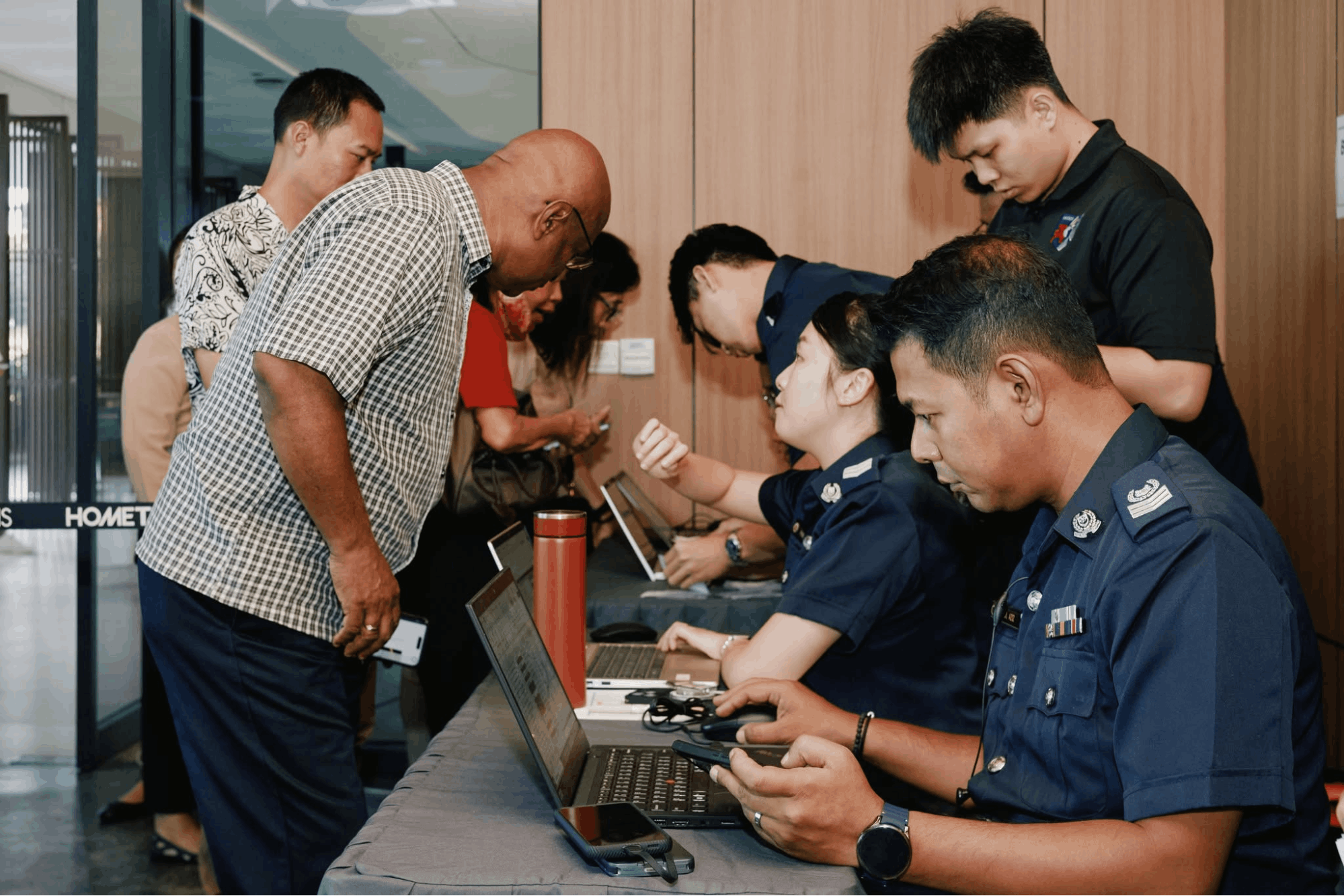 Image for illustrative purposes only.
Image credit: Marine Parade NPC via Facebook
Neighbourhood Police Centres (NPCs) provide police services to the community, and most operate 24 hours. You can visit an NPC to make a police report in person or seek assistance from the police.
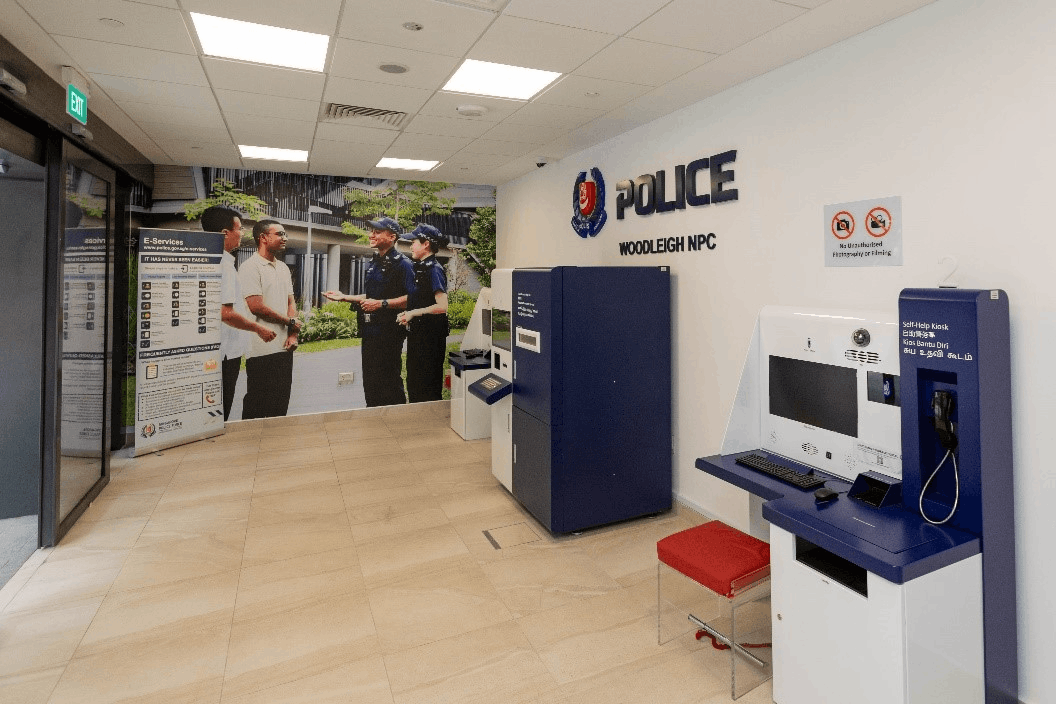
Image credit: SPF
However, some locations with “Neighbourhood Police Centre” in their names, such as Serangoon Neighbourhood Police Centre and Woodleigh Neighbourhood Police Centre, are listed by SPF as self-help-kiosk-only locations. Check the SPF Police Station Directory beforehand if you need to speak to an officer in person.
Neighbourhood Police Posts
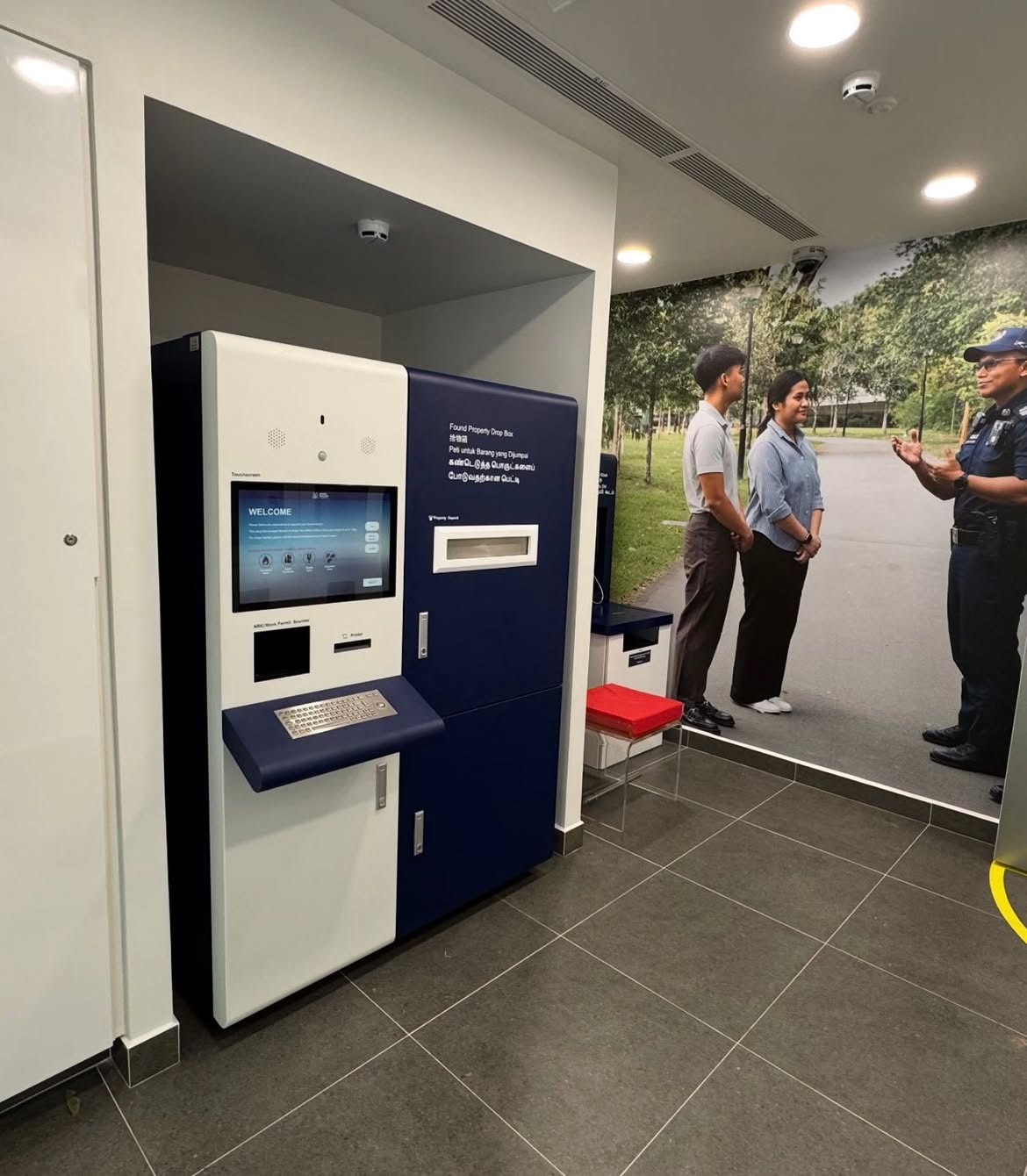
Image credit: @sengkangnpc via Instagram
Neighbourhood Police Posts (NPPs) have different operating arrangements from NPCs. Some redesigned NPPs operate using self-help kiosks, where you can access services such as lodging a police report without needing a staffed service counter.
If the service you need isn’t available at the self-help kiosk, SPF advises heading to the nearest staffed NPC for assistance. It’s worth checking the SPF Police Station Directory before making your way down.
FAQs about lodging a police report in Singapore
| FAQ | Answer |
| Can I report something if I’m not sure it’s a crime? | Yes. You can still alert the police to suspicious activity through I-Witness, even if you aren’t sure whether an offence has been committed. If there’s immediate danger, call 999. |
| Can I report something even if I wasn’t the victim? | Yes. Witnesses can provide information through I-Witness or the Police Hotline at 1800-255-0000. If a crime is happening at that moment or immediate police assistance is required, call 999. |
| Can I make an anonymous report? | Yes. I-Witness allows you to submit information anonymously, so providing your contact details is optional. However, you won’t receive updates about the outcome of your submission. |
| Should I confront someone who’s following or filming me? | Prioritise your safety. Don’t put yourself at risk by confronting them, attempting to take their device, or gathering evidence. If it’s safe, note their appearance, the time and location, direction of travel, and preserve relevant photos, videos, or screenshots. Contact the police or nearby security personnel where appropriate. |
| Can I walk into any police station and speak to an officer? | Not necessarily. Some police facilities operate using self-help kiosks. Check the SPF Police Station Directory and look for the nearest staffed Neighbourhood Police Centre (NPC) if you need in-person assistance. |
| What’s the difference between 999, a police report, and I-Witness? | 999 is for situations requiring immediate police assistance, such as a crime in progress or someone being in danger.
The Police Report e-service is for formally reporting non-urgent crimes or incidents. I-Witness is for providing information about criminal or suspicious activity, isn’t considered a police report, and allows anonymous submissions. |
Know how to lodge a police report in Singapore just in case you need to
You don’t have to determine whether a crime has definitely been committed before alerting the police to suspicious behaviour. Prioritise your safety, preserve useful evidence where it’s safe to do so, and use the appropriate SPF channel based on the urgency of the situation.
For more reads on safety:
- 9 travel safety tips to follow
- 7 areas in JB to stay alert in while travelling
- Lesser-known online scams to send to your family
Cover image adapted from: The Smart Local, SPF