
Into the Ocean: Journey Beneath
Singapore may be surrounded by water, but most of us have never seen what lies beneath the ocean’s surface beyond a snorkelling trip or aquarium visit. A new exhibition at the ArtScience Museum is about to change that.
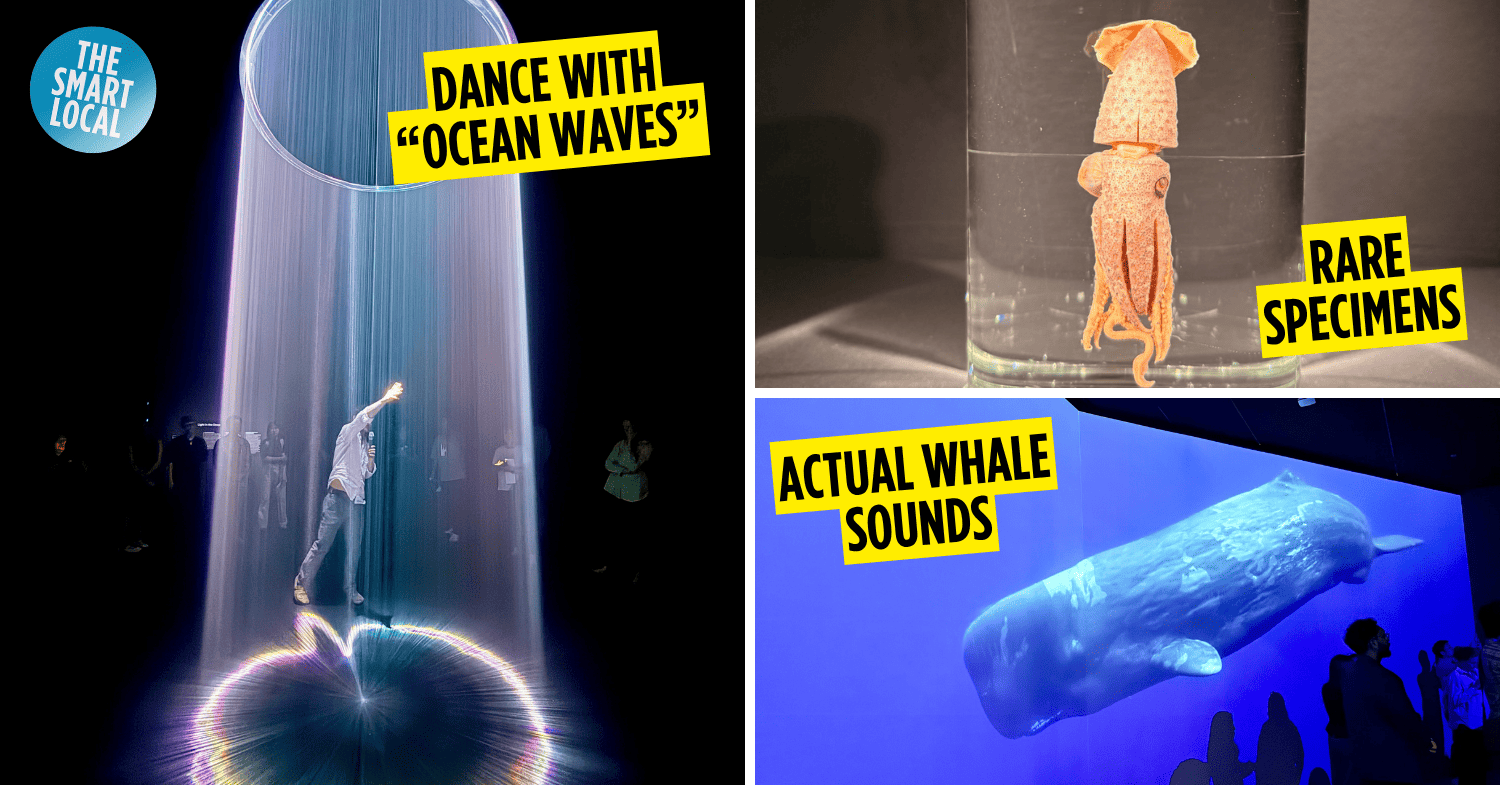
Opening from 6th June 2026, Into the Ocean: Journey Beneath takes visitors on a deep-sea adventure through some of the least explored parts of our planet. Created in collaboration with OceanX, the immersive exhibition combines real scientific research, interactive experiences, contemporary artworks and actual deep-sea specimens to reveal what exists far below the waves.
From piloting a research submersible and exploring coral reefs to encountering strange creatures that live in permanent darkness, the exhibition offers a rare glimpse into underwater worlds that few humans have ever seen.
What to expect at the exhibition
Into the Ocean: Journey Beneath brings visitors from the ocean surface to its darkest depths.
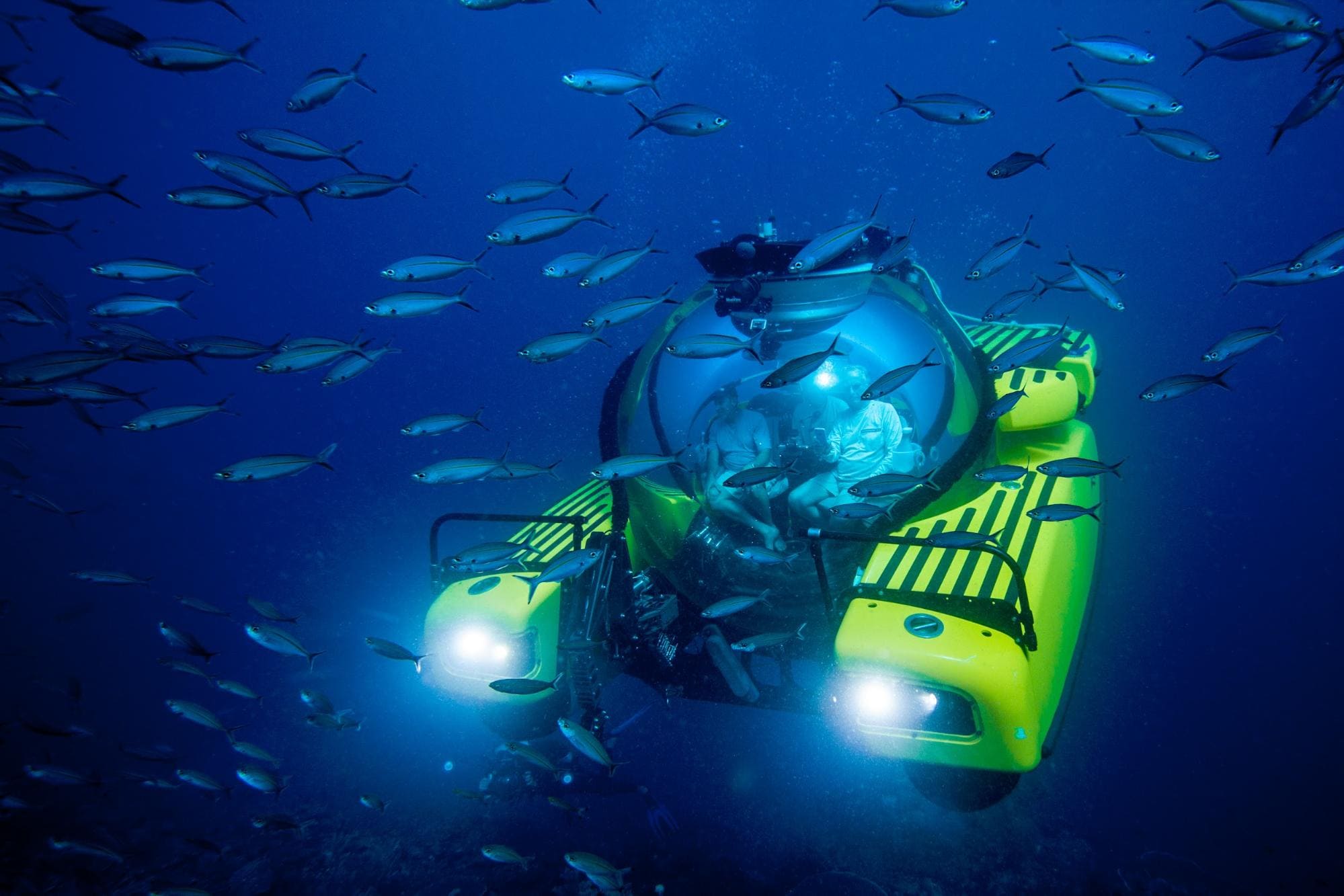 Image credit: OceanX
The experience begins aboard OceanX’s research vessel, the R/V OceanXplorer, where visitors step into a simulated deep-sea expedition. After entering a submersible, guests descend through different layers of the ocean, each revealing a unique ecosystem and the creatures that call it home.
Unlike traditional exhibitions that rely heavily on text panels, Into the Ocean: Journey Beneath uses sound, visuals, scent and interactive technology to help visitors experience what scientists encounter during real ocean missions.
Explore coral reefs & marine life in the sunlit Photic Zone
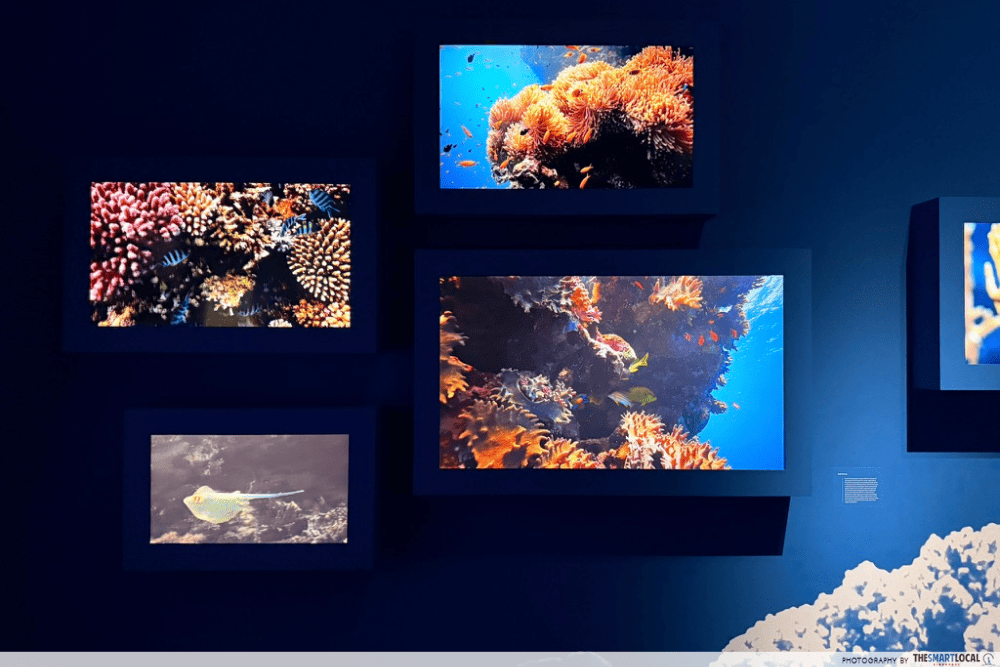
The first major section, known as the Photic Zone, focuses on the upper layer of the ocean where sunlight reaches the water.
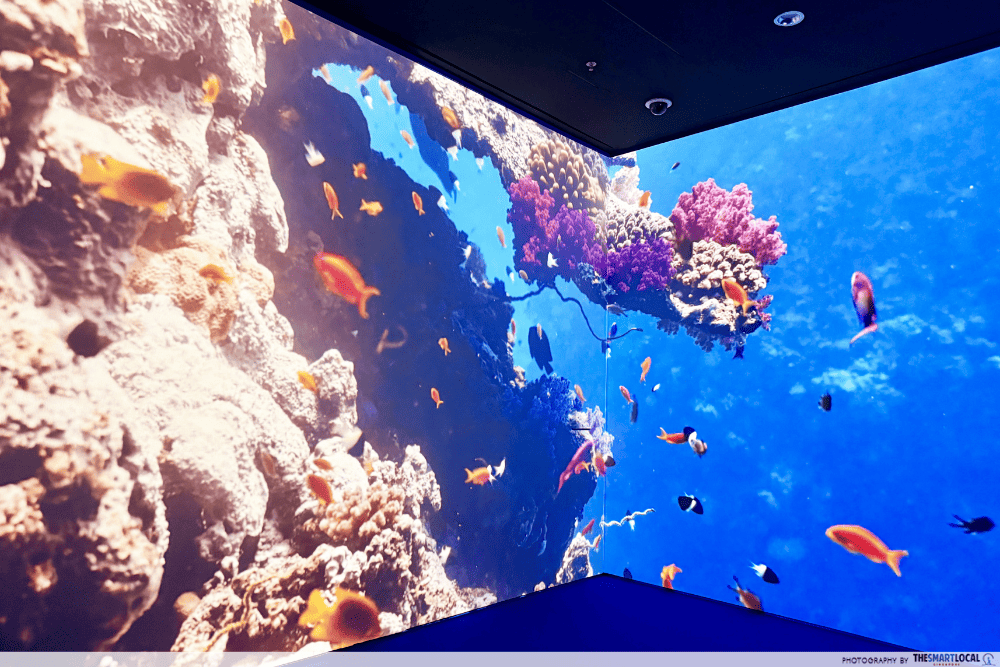
Here, visitors will encounter vibrant footage of coral reefs in the Red Sea, one of the world’s warmest marine environments. The exhibition explains how coral reefs support around 25% of ocean species despite covering only a small portion of the seafloor.
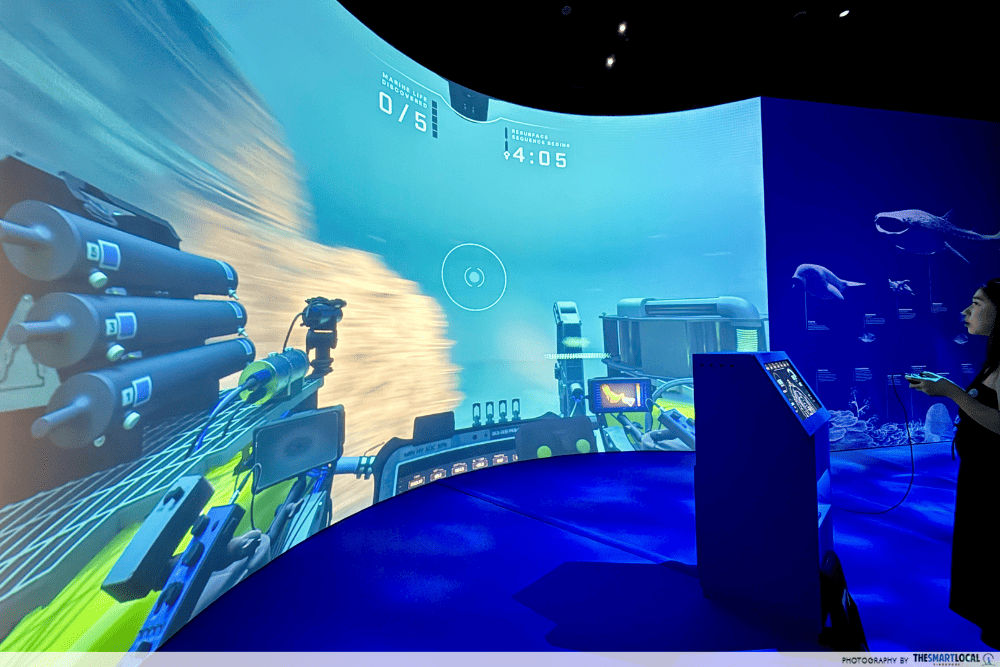
One highlight is Dive and Discover, an interactive game where visitors take control of an OceanX submersible and race against time to identify marine life across different reef zones.
The exhibition also shines a spotlight on local marine ecosystems.
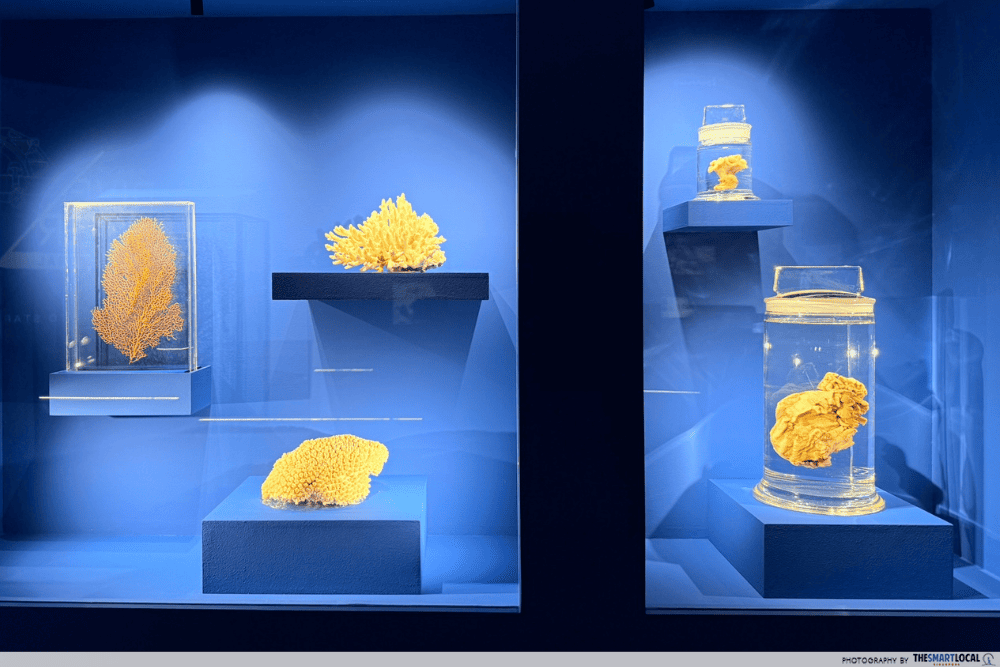
Research from the Lee Kong Chian Natural History Museum at the National University of Singapore features reef core samples collected from Cyrene Reef, Pulau Semakau, and Pulau Hantu.
These samples act like natural time capsules, allowing scientists to study how Singapore’s reefs have adapted to changing environmental conditions over approximately 8,000 years.
Visitors can learn how researchers analyse layers of coral, sand and sediment to piece together the story of Singapore’s underwater landscapes.
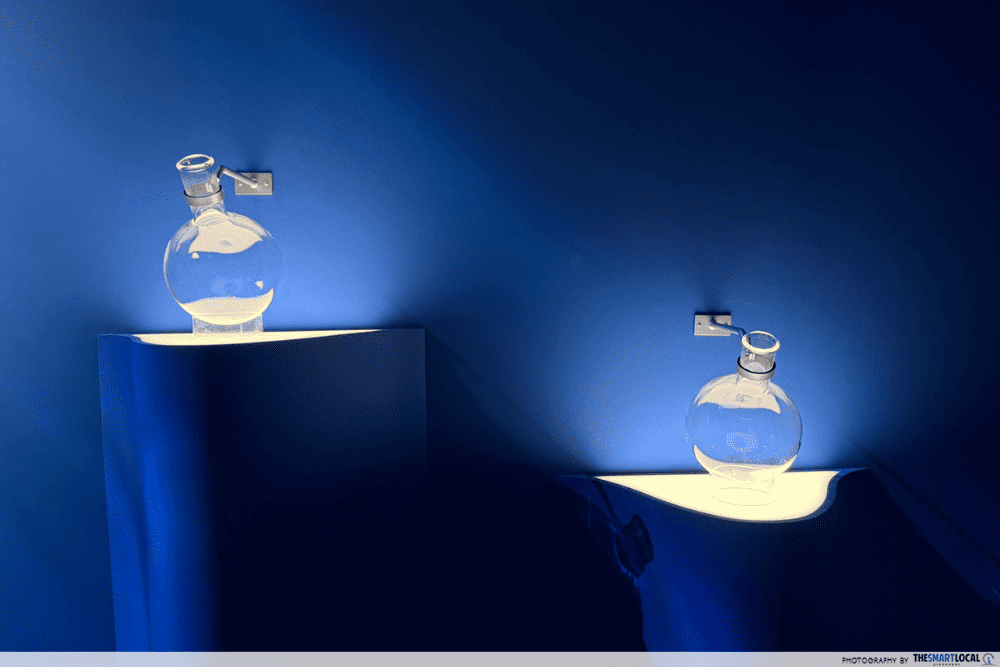
One of the exhibition’s more unusual experiences comes in the form of Invisible Ocean by Norwegian artist Sissel Tolaas. Rather than relying on visuals, the installation uses specially created smellscapes based on ocean samples collected from Costa Rica’s coastlines.
The scents help visitors experience aspects of marine biodiversity that are usually invisible to humans, revealing how smell can tell stories about environmental conditions, marine life and ecological change.
For those who enjoy immersive exhibitions that engage more than just sight and sound, this is likely to be one of the most memorable stops.
Become a marine detective with eDNA
One of the more hands-on experiences in the Photic Zone is eDNA Detectives, which introduces visitors to a scientific tool that is transforming how researchers study marine life.
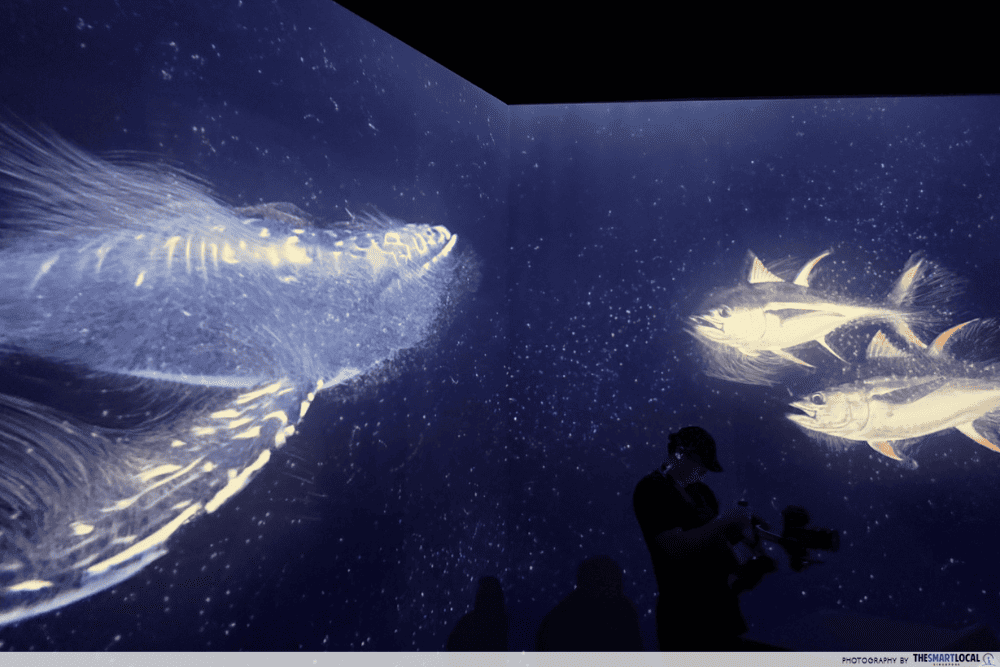
Environmental DNA, or eDNA, refers to tiny traces of genetic material that living things leave behind in the water, such as skin cells, scales, mucus and waste. By collecting seawater samples, scientists can identify which species have recently passed through an area without ever seeing them in person.
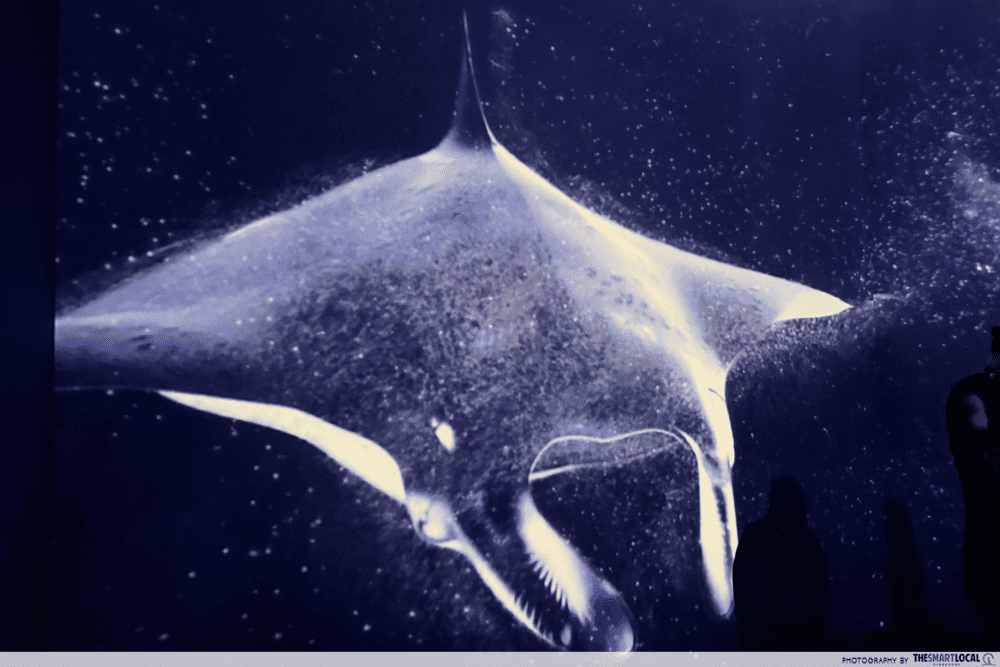
The interactive exhibit lets visitors step into the shoes of a marine scientist, collecting and analysing eDNA samples to uncover hidden marine biodiversity. It is a simple but eye-opening way to understand how researchers can detect everything from tiny plankton to elusive predators using nothing more than a water sample.
Flock Of turns floating balloons into a digital school of fish
Further into the Photic Zone, visitors will come across Flock Of by Thailand-based creative technology studio bit.studio.
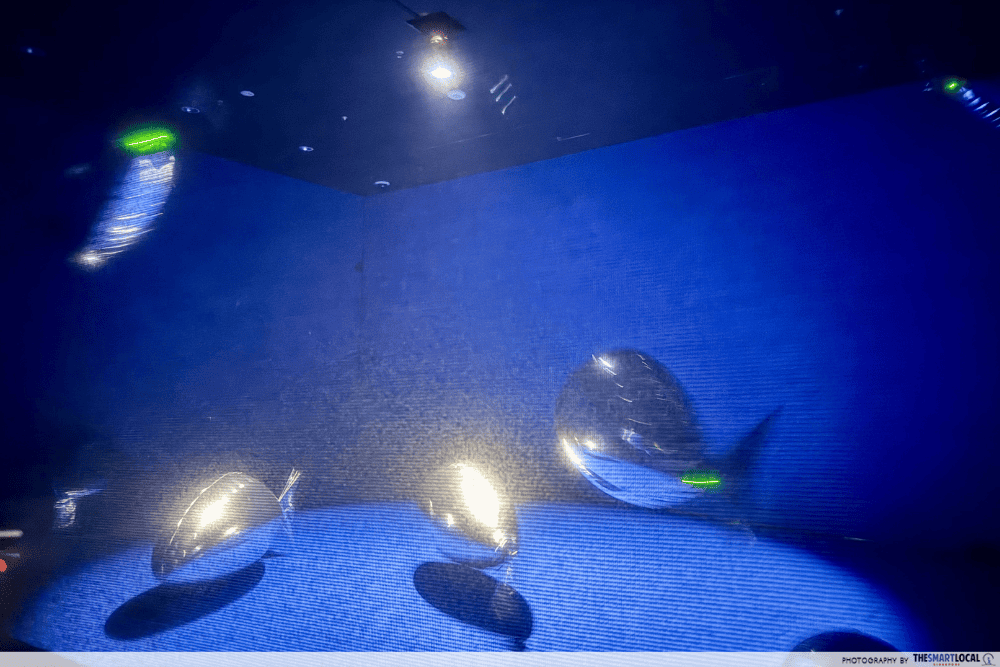
At first glance, the installation looks like a collection of helium balloons suspended from the ceiling. Look closer, however, and the balloons move together like a living school of fish, constantly shifting and changing direction.
Each balloon reacts independently while remaining connected to the movement of the larger group, creating a mesmerising display that mirrors how fish navigate the ocean. Visitors can also influence the installation through their presence, causing subtle changes in the behaviour of the floating “fish”.
The artwork offers a playful visual reminder that marine ecosystems depend on cooperation, communication and constant adaptation.
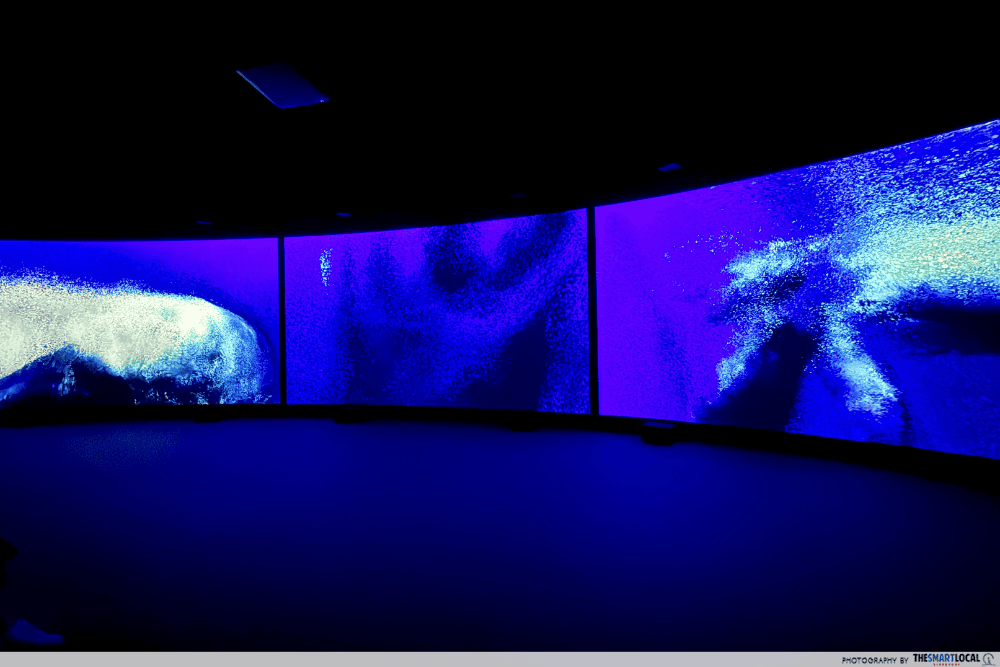
As visitors descend further into the Twilight Zone, the focus shifts towards ocean systems that influence life on a global scale. A standout installation is Seeing Echoes in the Mind of the Whale by UK-based collective Marshmallow Laser Feast.
Using underwater recordings, scientific research and immersive projections, the artwork recreates how whales perceive their surroundings through sound and vibration. The installation offers a fascinating perspective on how marine animals navigate vast ocean environments without relying on vision the way humans do.
Lucida transforms light into an ocean-inspired landscape
In the Twilight Zone, visitors can experience Lucida by American artist Lachlan Turczan.
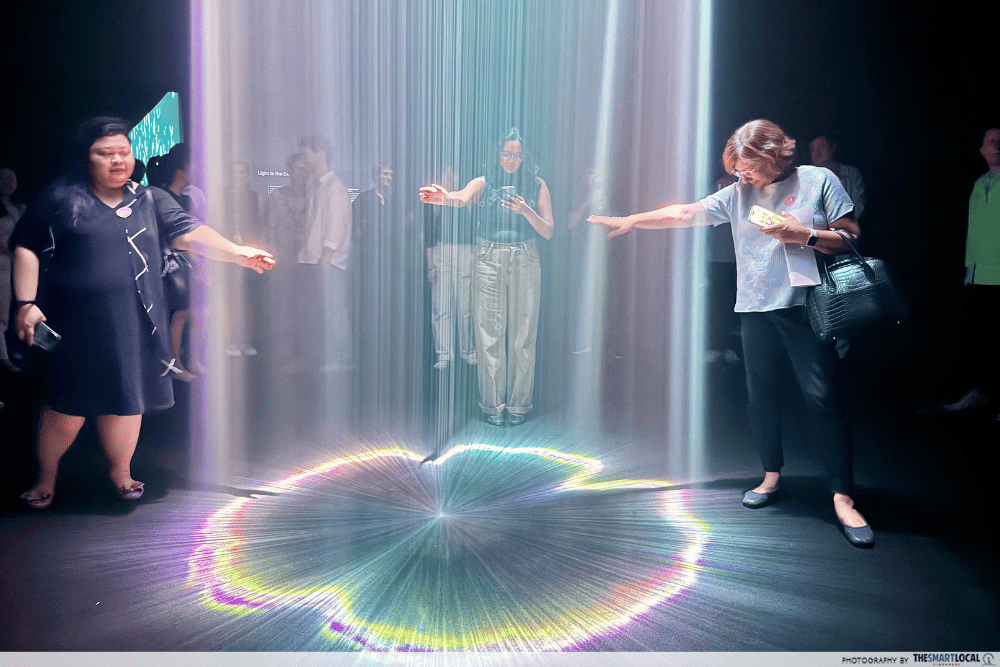
The immersive light sculpture fills the space with shifting beams that bend, ripple and reform in response to movement. Instead of feeling like a static artwork, the installation behaves almost like a living environment that changes as people move through it.
Inspired by physics and the movement of waves, Lucida encourages visitors to think about forces that are usually invisible, whether in the ocean or in everyday life. The flowing patterns of light create the sensation of being surrounded by currents, making it one of the exhibition’s most visually striking photo opportunities.
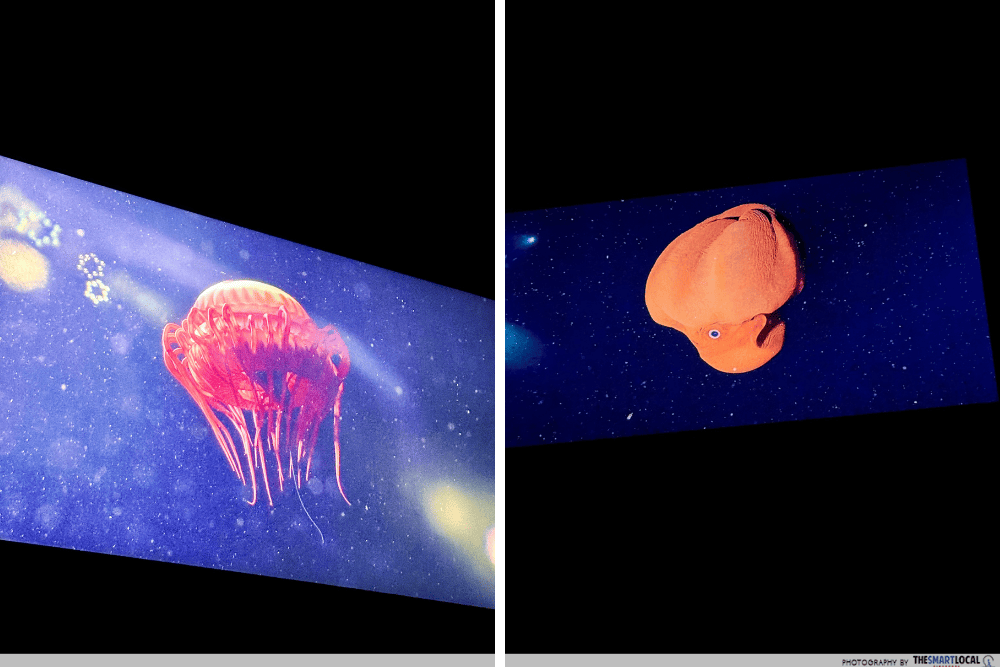
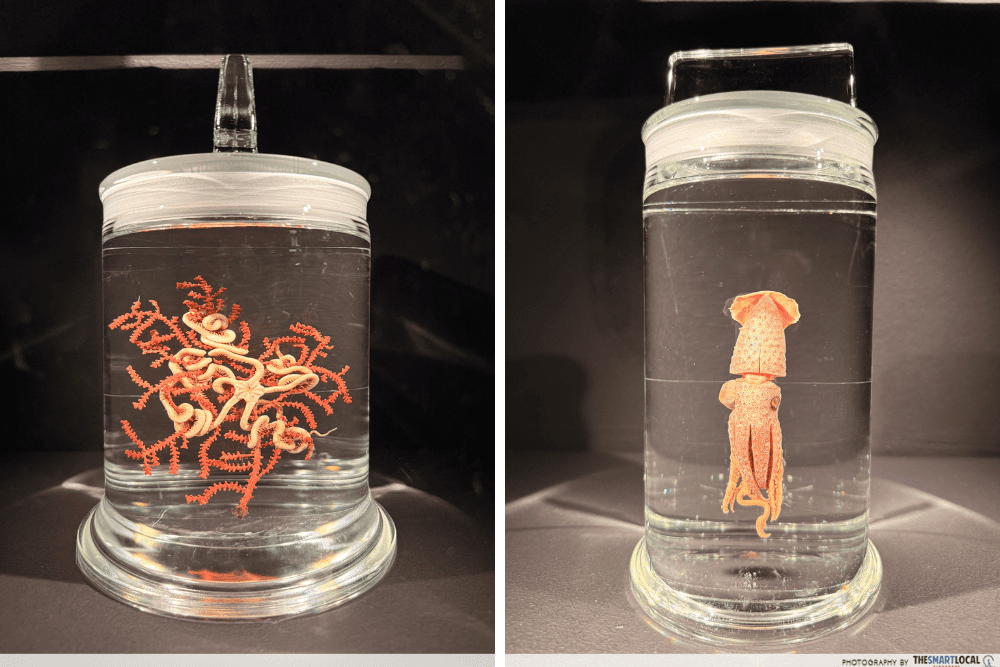
Things get even stranger in the Aphotic Zone, the part of the ocean where sunlight never reaches. This section showcases exclusive OceanX footage and real specimens from the Lee Kong Chian Natural History Museum, introducing visitors to some of the ocean’s most unusual residents.
Expect to encounter creatures such as vampire squid, headless chicken monster, atolla jellyfish, squat lobster, Japanese golden crab, and deep-sea shrimp. The exhibition explains how these animals survive in extreme environments with crushing pressure, near-freezing temperatures and complete darkness.
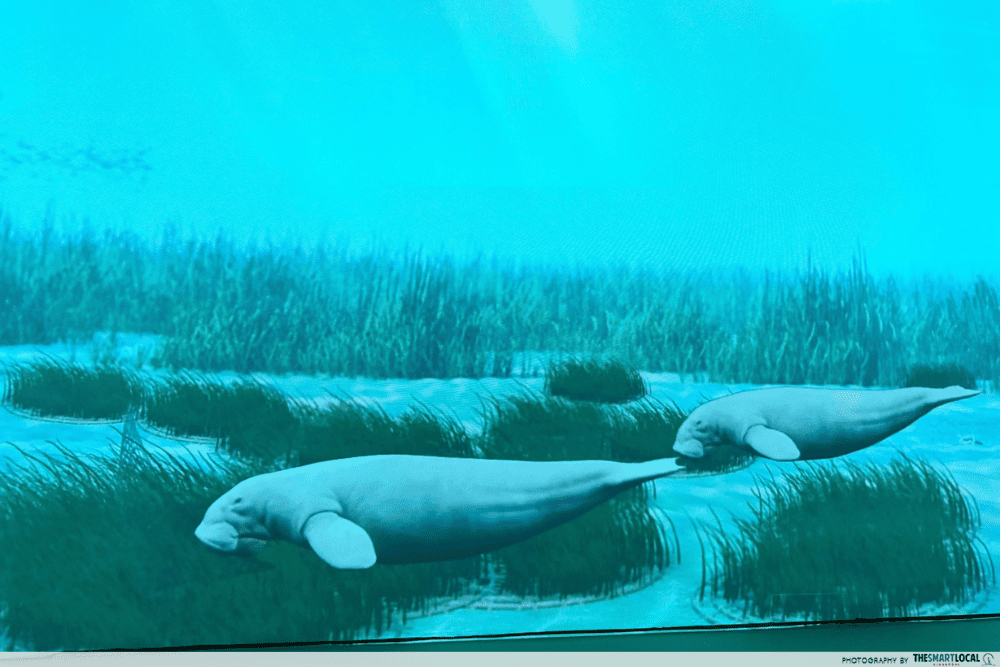
The final section, Resurface, shifts the conversation from exploration to conservation.
Through an interactive experience called Seagrass Stories: Help the Ocean to Heal, visitors participate in virtual seagrass restoration activities such as planting shoots and stabilising underwater habitats.
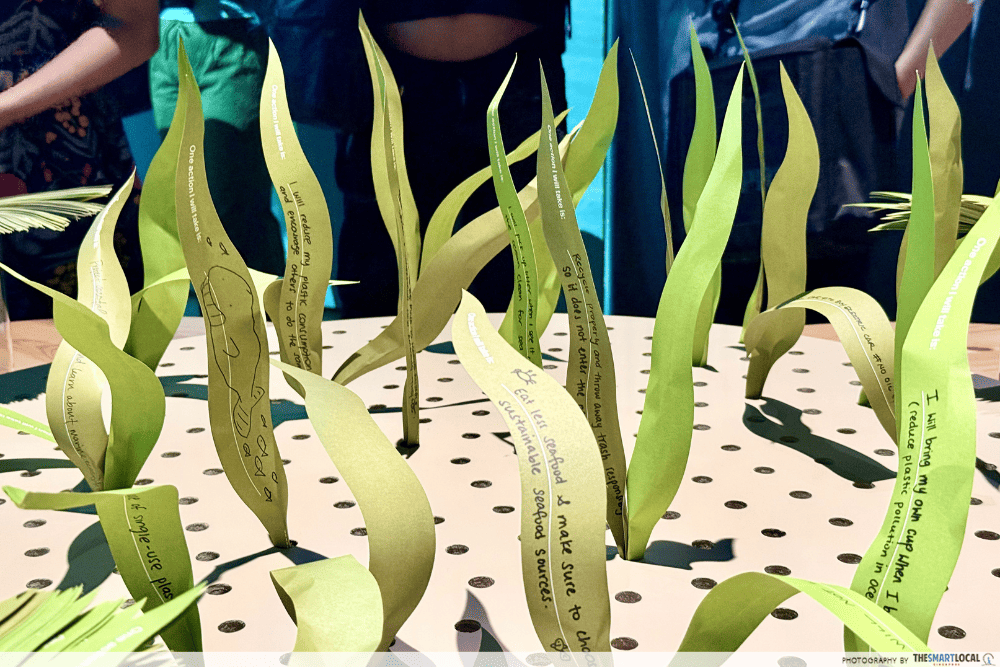
According to the exhibition organisers, visitor participation will support the development of a seagrass nursery prototype linked to conservation initiatives across Indonesia, Malaysia, the Philippines, and Thailand.
The section also highlights the scientists, researchers, and explorers behind OceanX’s missions, offering a closer look at the people working to better understand and protect the ocean.
Is it worth heading down to Into The Ocean?
Many ocean-themed exhibitions focus on marine animals alone. Into the Ocean: Journey Beneath takes a broader approach by combining science, art, technology and conservation into a single experience.
Visitors not only get to see rare marine life but also learn how ocean currents regulate climate, how coral reefs survive environmental changes and why deep-sea ecosystems matter to life on Earth.
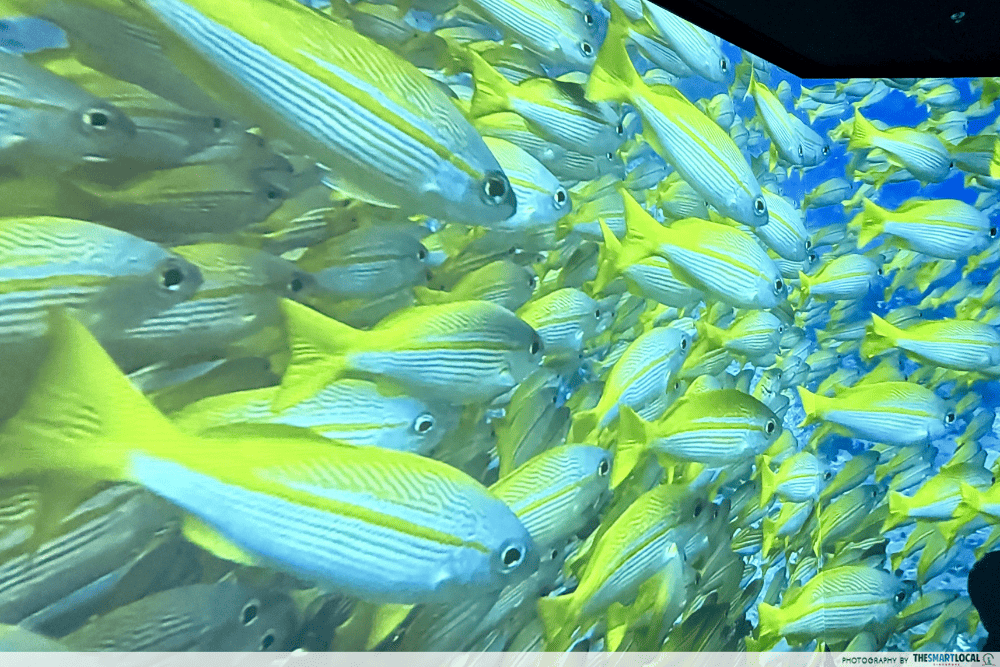
The mix of interactive games, immersive artworks, real specimens. and scientific research makes it accessible for families, students and curious adults alike. Plus, it’s like going diving without needing a PADI license!
Journey into the ocean with this new exhibition
For anyone who has ever wondered what exists beyond the reach of sunlight beneath the ocean’s surface, this exhibition offers a rare opportunity to explore one of Earth’s last great frontiers without leaving Singapore.
Between piloting a submersible, smelling ocean ecosystems, meeting bizarre deep-sea creatures and learning how the ocean supports life on our planet, there’s plenty to keep both kids and adults engaged. Shiok for a weekend outing, especially for those who enjoy interactive exhibitions that go beyond simply looking at displays.
Find out more about Into the Ocean: Journey Beneath
Admission: From $19.50/adult | $16.50/child
Location: ArtScience Museum, B2 Galleries
Dates: 6th June-1st November 2026
Time: Sun-Thu 10am-7pm | Fri-Sat 10am-9pm
 Sign Up with TSL Connect


Photography by Aditi Kashyap.