
Guide to surviving the haze in Singapore
Singaporeans of a certain age probably remember one of the worst haze periods in 2013, when checking the PSI was practically a national pastime. Unfortunately, smoky skies have made a comeback in 2026.
On 4th September 2026, Singapore’s 24-hour PSI entered the Unhealthy range for the first time since 8th October 2023 due to haze. If the past few weeks were anything to go by, this wasn’t a one-off bad air day – the Singapore Institute of International Affairs (SIIA) has given 2026 a rare “Red” rating, signalling a high risk of a severe haze episode.
So, instead of scrambling for masks and air purifiers when the skyline disappears completely, here’s how to prepare for the haze in Singapore, plus how to decipher those PSI and PM2.5 numbers when they start climbing.
Why is the haze in 2026 worth paying attention to?
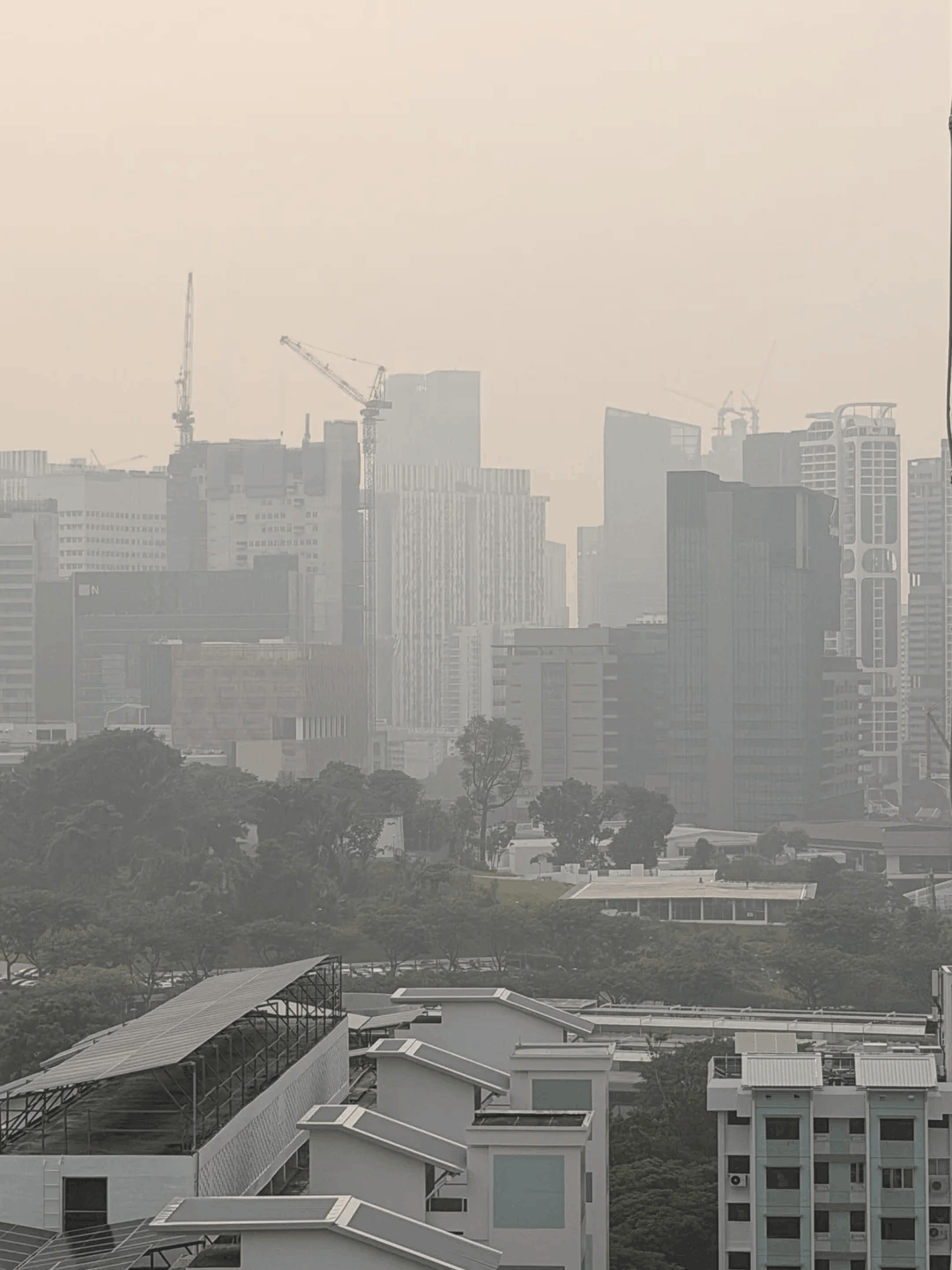
Image credit: @Fuehit via Reddit
You may be wondering why or whether this year’s haze is worth paying close attention to. Well, the rare Red risk rating in SIIA’s Haze Outlook 2026 signals a high risk of severe haze from neighbouring countries affecting Singapore and the region.
This is only the 2nd Red rating since the annual Haze Outlook began in 2019, with the previous one issued in 2023. SIIA had also flagged August to September 2026 as the peak danger period. Now that we’re already in September, Singapore’s PSI has crossed into Unhealthy territory, while smoke from fires in Kalimantan has been observed drifting towards Singapore.
Besides the fires, several other factors also contribute to the heightened haze risk this year. El Niño and the possibility of a positive Indian Ocean Dipole could bring hotter and drier weather to the region, making vegetation more likely to catch fire and allowing existing flames to spread more easily.
Before you start panic-buying N95 masks, though, it helps to understand what all those numbers on the myENV app (Google Play | App Store) actually mean.
Should I be looking at PSI or PM2.5 numbers?
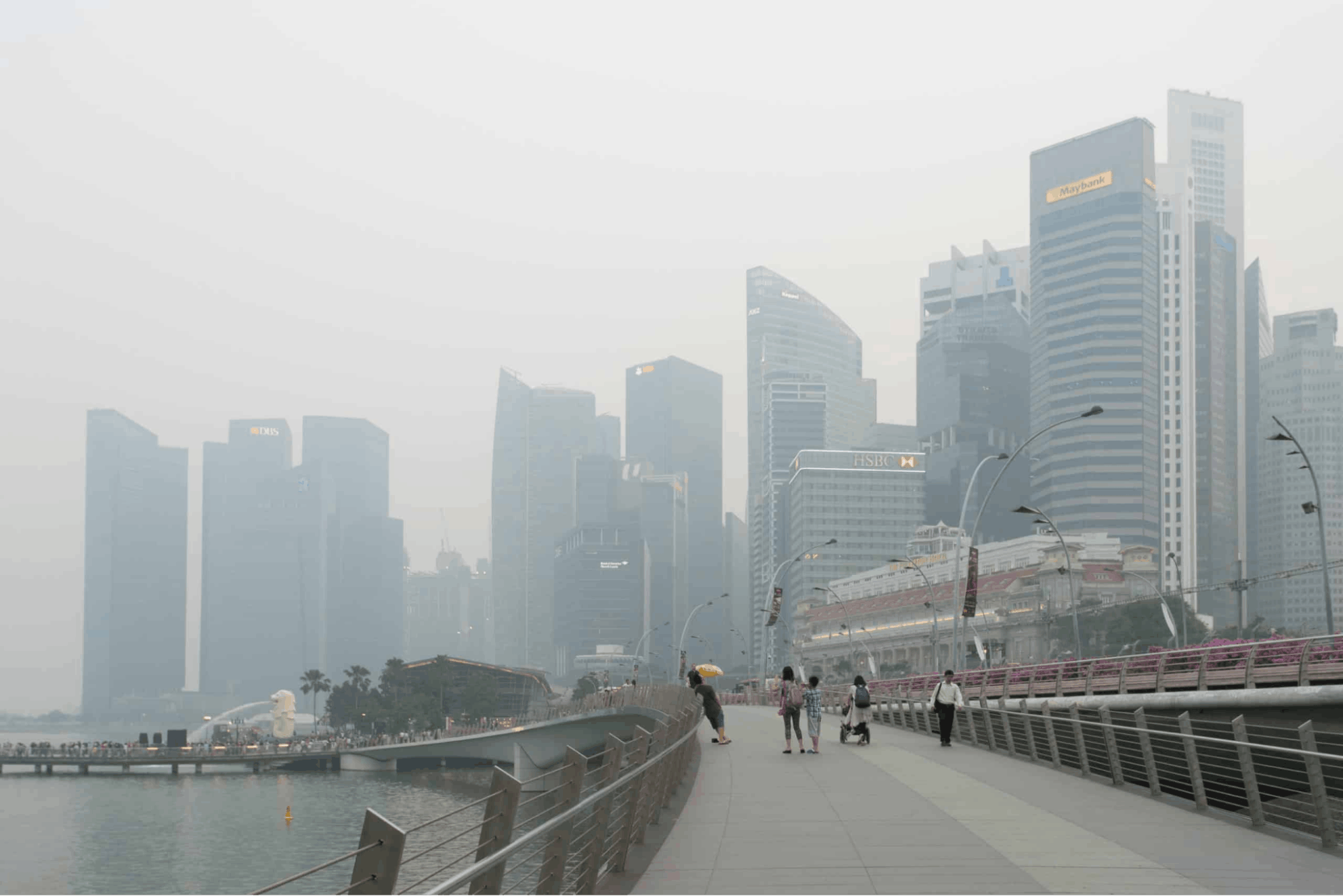
Image credit: NUS – IPUR
NEA says 1-hour PM2.5 readings should guide immediate activities, while the 24-hour PSI forecast and health advisory are for planning ahead.
Wondering whether you should go jogging in the next hour? Check PM2.5. Deciding whether tomorrow’s picnic is a good idea? Look at the 24-hour PSI forecast.
Here’s a quick breakdown of what each reading actually tells you:
| 1-hour PM2.5 | 24-hour PSI | |
| What it tells you | What the air is like right now | Overall air quality based on longer-term exposure |
| Best used for | Deciding whether to go for a run, walk, or other activity right now | Planning activities for the rest of the day or the following day |
| What’s measured | Fine particulate matter ≤2.5 microns | 6 pollutants, including PM2.5, with the highest pollutant sub-index determining the PSI |
| Where to check | https://www.haze.gov.sg/ or myENV app | https://www.haze.gov.sg/ or myENV app |
And here’s what the numbers mean:
1-hour PM2.5
- 0-55µg/m³ = Normal
- 56-150µg/m³ = Elevated
- 151-250µg/m³ =High
- ≥251µg/m³ = Very High
24-hour PSI
- 0-50 = Good
- 51-100 = Moderate
- 101-200 = Unhealthy
- 201-300 = Very Unhealthy
- ≥300 = Hazardous
How can I haze-proof my home?
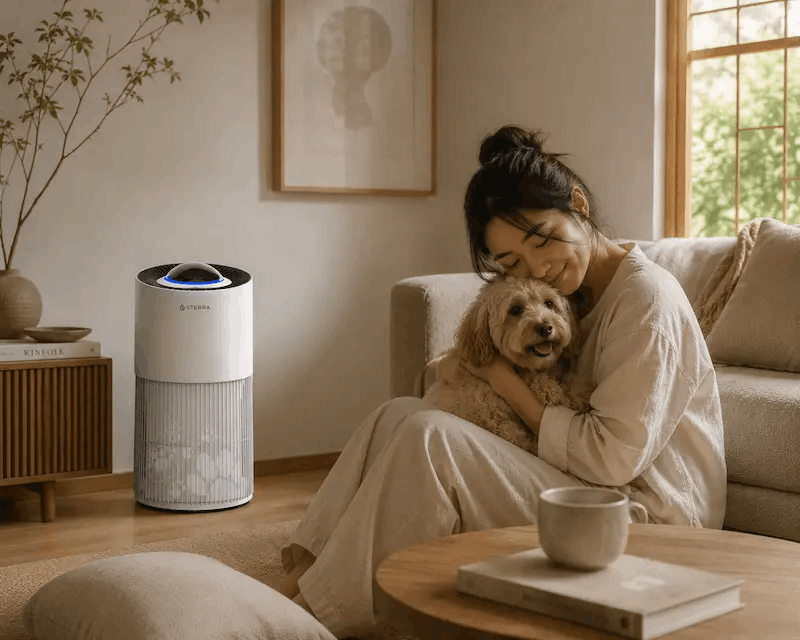
Image credit: Sterra
Screenshot this checklist for your haze preparations:
☐ Check for obvious gaps around frequently-used windows and doors. Temporary draught stoppers can help with noticeably leaky openings, though you don’t need to completely seal your place.
☐ Run fans or air-conditioning for cooling and circulation indoors.
☐ Switch on an air purifier in the room you’re occupying.
☐ Skip candles, incense, and smoking indoors, since these add more particulate matter to already enclosed air.
☐ Wet-mop and wipe surfaces instead of dry-dusting, as dry-dusting can send settled particles back into the air.
☐ Reopen windows once outdoor air improves so air can circulate and you’re not keeping your home unnecessarily sealed indefinitely.
Pro tip: Make sure you have spare air-conditioner filters and your air purifier’s replacement filter on hand, as these get filled with dust and particulate matter quickly.
What type of masks should I be wearing?
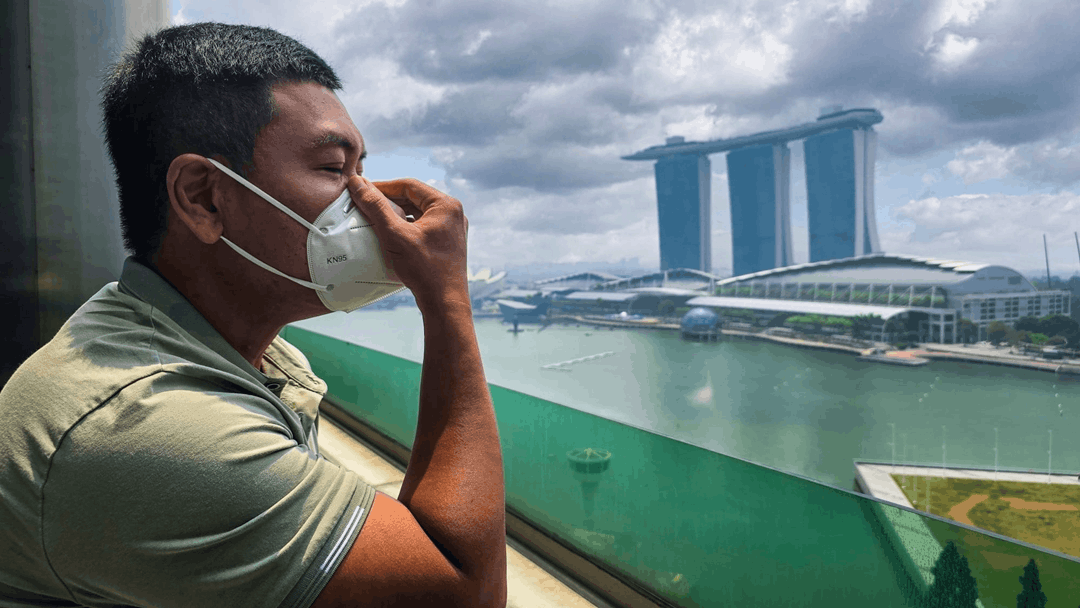
Image credit: NTUC
Before you dust off your remaining surgical masks from the COVID-19 era, note that they aren’t effective at filtering fine PM2.5 particles, according to MOH. Properly fitted respirators, such as an N95 mask, can help to reduce particle exposure.
An N95 mask filters at least 95% of very small particles, but it only does its job properly when air passes through the filter instead of leaking around the sides. That’s why fit matters almost as much as the mask itself.
And no, you don’t have to wear your N95 indoors; just wear it when you’re out and about.
How do I wear an N95 mask properly?
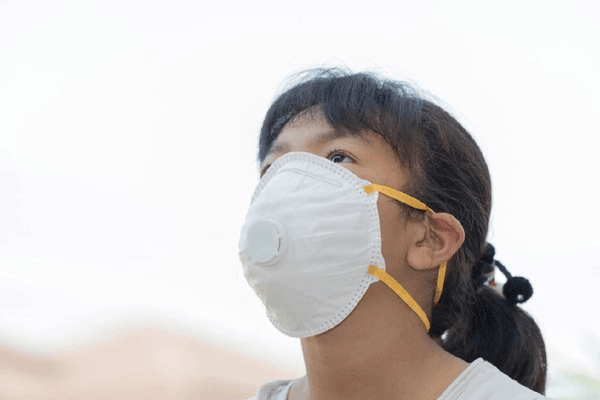
Image credit: Kids Clinic Singapore
Follow these steps to wear an N95 mask securely:
- Put it over your nose, mouth, and under your chin.
- Position the straps according to the manufacturer’s instructions. For common 2-strap N95 masks, one strap should sit high on the head and the lower one below the ears.
- Mould the nosepiece firmly against your nose bridge.
- Make sure the mask sits snugly against your face.
- Cover the respirator with your hands and breathe out to check for leaks around the edges.
- If you feel air escaping, readjust it or try another size or style.
Take note to never share N95 masks, and that facial hair, an incorrect size, and poor positioning can create gaps that reduce protection. MOH also mentions that N95 masks may be reused if necessary, but should be replaced once soiled or distorted in shape.
If wearing an N95 mask makes breathing uncomfortable, you can take a break indoors. And if you’re unsure whether an N95 mask is suitable for you, check with your doctor.
What should I be looking for in an air purifier?
HEPA filter
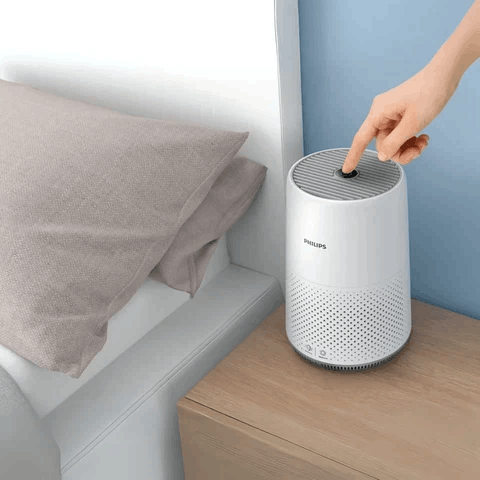
Image credit: Modern Home Singapore
An air purifier will come in handy during this haze period. If you’re overwhelmed by options, look out for one with a high-efficiency particulate air (HEPA) filter, which helps to remove fine airborne particles.
NEA’s wider indoor air guidance recommends portable cleaners with high-efficiency filters such as HEPA, and advises that any ozone-generating function should be switched off.
Check CADR
NEA defines Clean Air Delivery Rate (CADR) as essentially how much clean air the purifier can deliver to a room. A higher number isn’t automatically “better” unless it matches the size of the room you’re using it in.
So, when shopping for an air purifier, check the manufacturer’s recommended room area, and the smoke CADR where available. Match the purifier to the size of the room you intend to use it in, rather than buying solely by price.
And remember, 1 tiny purifier placed in the living room isn’t going to clean your entire abode.
Leave it in the room you spend most of your time in
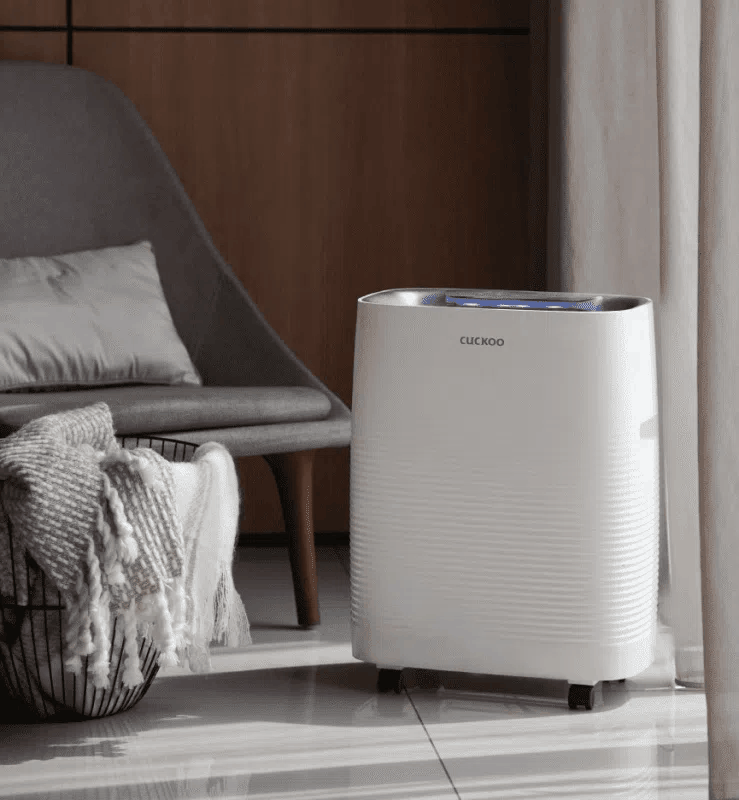
Image credit: CUCKOO Singapore
For hazy days, creating 1 well-protected bedroom or living space is arguably more sensible than expecting a small portable unit to clean every room simultaneously. So, if you only have 1 air purifier, station it in your most-used room and stay in there as much as possible, keeping the door and windows firmly closed.
Check & replace your filter
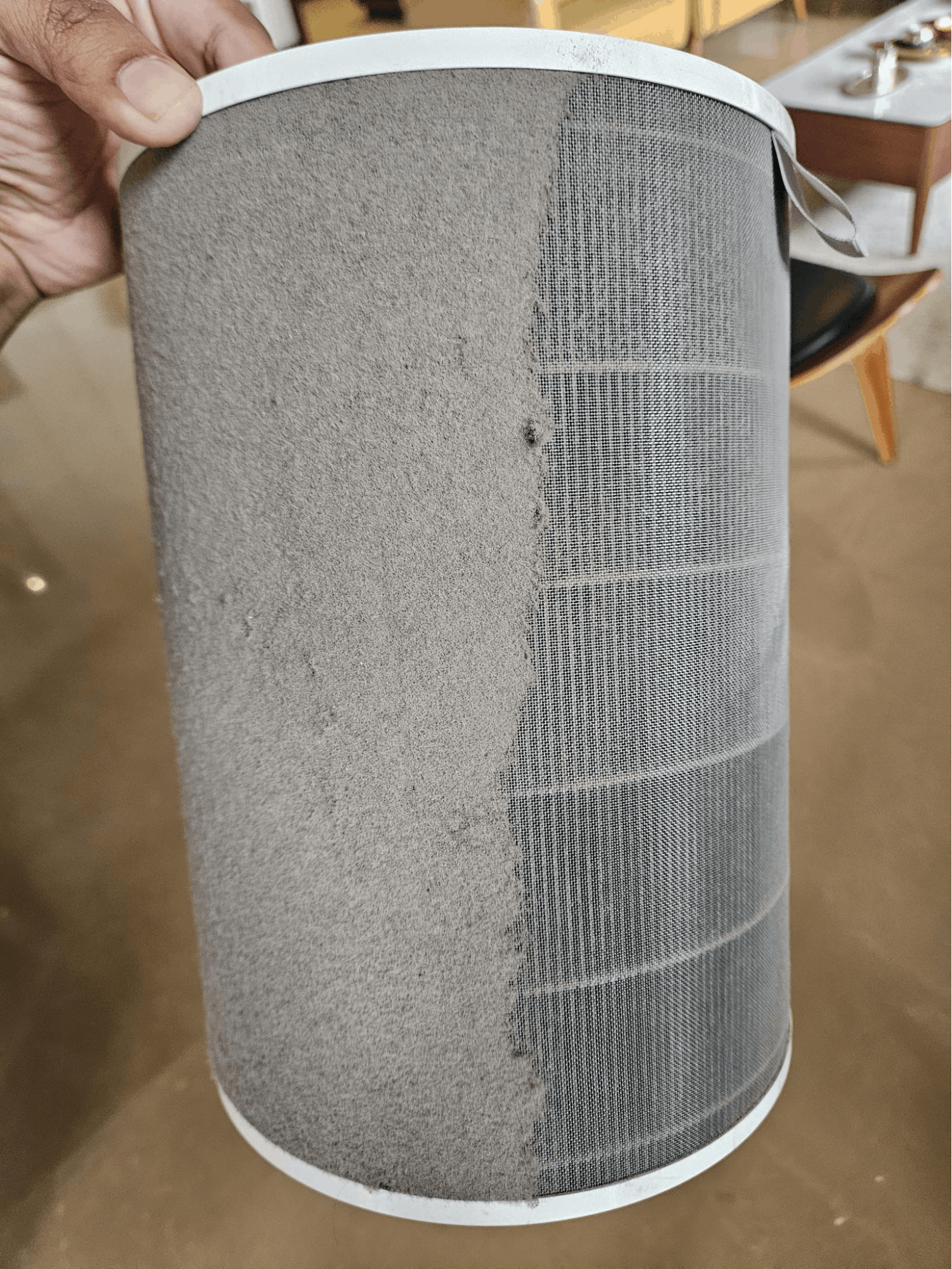 Air purifier filter before and after cleaning.
Image credit: @National-Hope-2190 via Reddit
An air purifier won’t help much if you haven’t replaced the filter in years. Check the recommended replacement interval and clean or swap it out as the manufacturer advises. It may also help to keep an extra compatible replacement filter at home, just in case supply runs low during haze spells.
Still spoilt for choice? NEA also has a reference list of portable air cleaners with filter grades and smoke CADR figures to help make the process of choosing a purifier easier.
What are some essentials to prepare?
Your regular prescribed medication
This is the most important item for anyone with asthma, COPD, or heart disease. MOH specifically advises people with existing chronic heart or lung conditions to ensure their medication is readily available during haze periods.
Remember to check that your medication has not expired, and to purchase a fresh batch from your doctor if needed.
Lubricating eye drops
Haze can irritate the eyes, nose, and throat, but lubricating eye drops can relieve dryness and irritation. If you find yourself reaching for eye drops frequently, consider preservative-free varieties, which may be more suitable for regular use.
Saline nasal spray
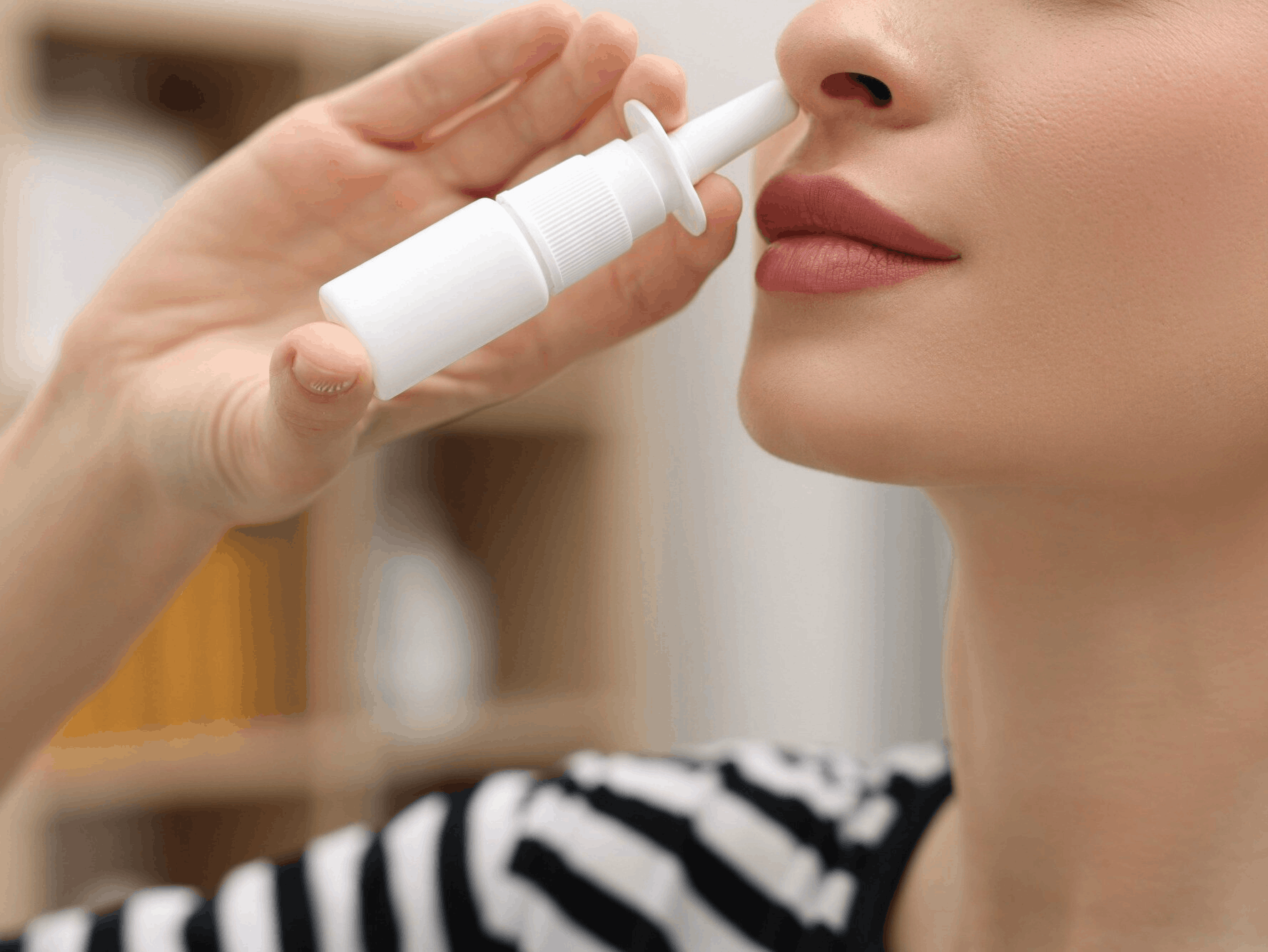
Image credit: NDTV
This is good as a non-medicated option for keeping irritated nasal passages moist and clearing trapped allergens and irritants from the nasal passages.
Throat lozenges
If your throat becomes irritated by the haze, lozenges can help by reducing inflammation and relieving cough symptoms.
Water bottle or electrolytes
MOH recommends drinking plenty of water, which may help a dry or itchy throat. If it encourages you to stay hydrated, consider stocking up on electrolyte drinks as well.
However, if you’re reaching for medicated eye drops, antihistamines, or cough remedies, speak to a pharmacist or doctor about your symptoms instead of assuming haze is the cause.
When should I see a doctor if I’m feeling unwell?
 Image credit: Singapore Medical Council
Common short-term effects of haze on otherwise healthy people include irritated or dry eyes, an irritated nose, sore or itchy throat, and mild respiratory discomfort. Health effects may also emerge 1 to 3 days after exposure, rather than necessarily while you’re standing in visibly hazy air.
For mild to moderate symptoms, MOH advises going to a pharmacist, GP, or polyclinic as appropriate. Breathing difficulty, shortness of breath, or chest pain are among symptoms that warrant emergency medical attention.
People with chronic heart or lung conditions, children, and the elderly should also be more cautious about haze exposure.
Stay prepared before the skyline disappears entirely due to the haze
While prepping for the haze season is important, you don’t need to turn your house into an airtight bunker the moment you catch a whiff of smoke. For most Singaporeans, keeping tabs on the air quality readings and cutting back on prolonged outdoor activities when necessary will go a long way.
Most importantly, don’t judge the air quality based solely on how hazy the view looks from your window. Bookmark haze.gov.sg or keep the myENV app on hand, check the 1-hour PM2.5 figure before heading outdoors, and use the 24-hour PSI forecast when planning ahead.
More on surviving the haze:
- Indoor air-purifying plants
- Indoor activities you can do to escape the haze
- 7 tips for cleaner air at home
Cover image adapted from: NUS – IPUR, Kids Clinic Singapore