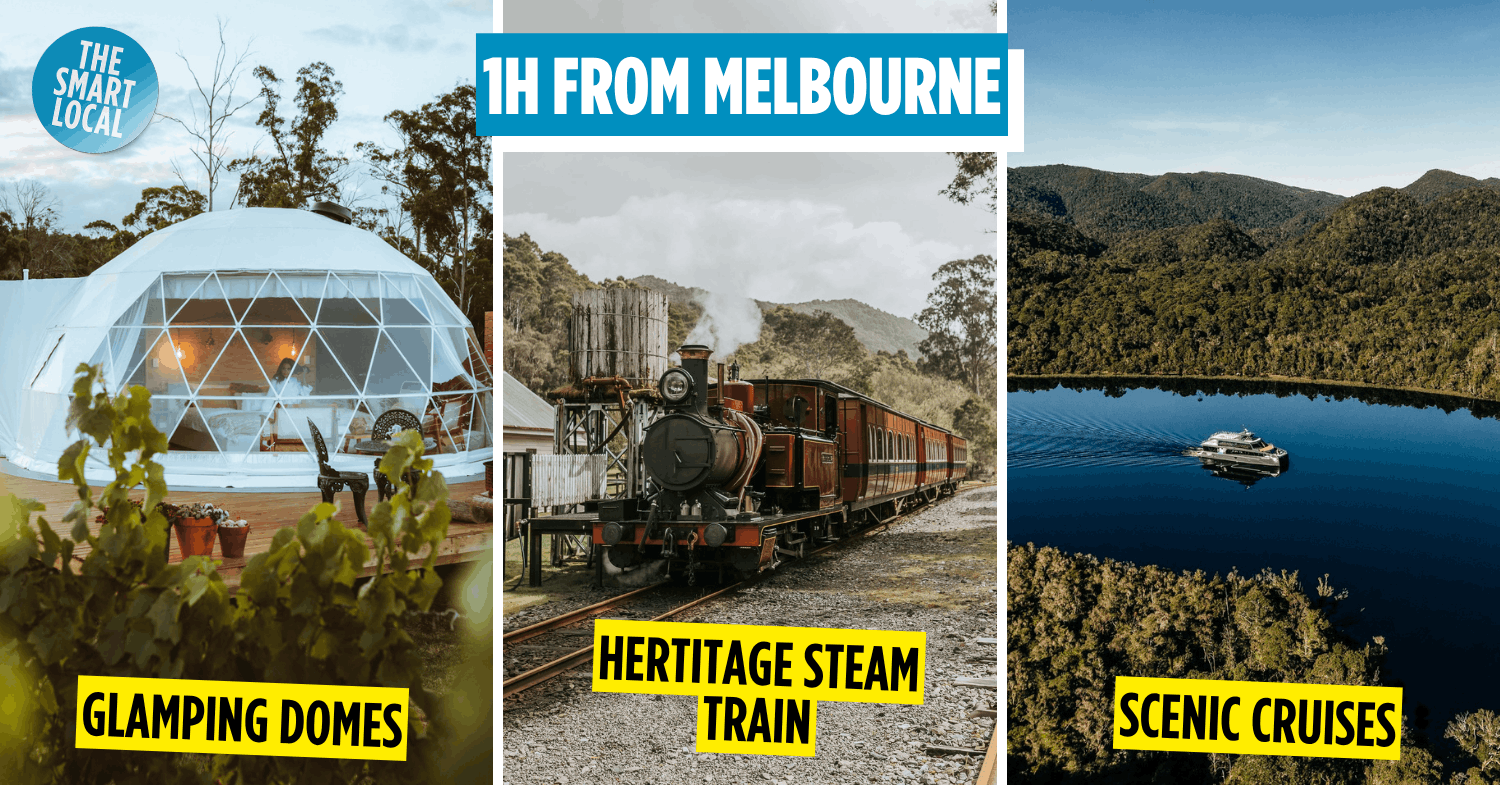

Soft adventure outdoor travel ideas in Tasmania, Australia
Forget adrenaline-fuelled adventures that leave you needing another holiday to recover. Tasmania is leaning into a gentler kind of outdoor travel, with kayaking, scenic train rides, wildlife encounters, glamping stays, and guided walks that let you get close to nature without completely wrecking your legs.
The shift comes as the trend of “soft adventure” continues to grow in popularity among travellers. Activities such as hiking, kayaking, wildlife encounters, and guided journeys are increasingly appealing to those looking for a balance between activity, accessibility, and wellbeing.
Tasmania is particularly suited to this style of travel, with almost half the island protected as national parks, reserves, and UNESCO World Heritage areas. From gliding across alpine lakes to soaking in thermal pools and sleeping in a dome surrounded by vineyards, here are some soft experiences to add to your Tasmania itinerary.
Table of Contents
- Soft adventure outdoor travel ideas in Tasmania, Australia
- What is soft adventure travel?
- 1. Gordon River Cruises
- 2. Roaring 40s Kayaking
- 3. Dove Lake
- 4. Hastings Caves & Thermal Springs
- 5. Cradle Country Adventures
- 6. West Coast Wilderness Railway
- 7. Cataract Gorge Reserve
- 8. Domescapes Geodesic Dome Experiences
- 9. Little Grove
- How to get to Tasmania from Singapore
- How many days do you need in Tasmania?
- What is the best time of year to visit Tasmania for outdoor activities?
What is soft adventure travel?
Soft adventure travel refers to active but relatively accessible experiences such as hiking, kayaking, wildlife encounters, cycling and guided nature tours. Unlike more extreme adventure travel, the focus is on exploring nature and experiencing a destination without requiring high levels of fitness or technical skill.
1. Gordon River Cruises
Cruise through Tasmania’s ancient wilderness without lifting a paddle
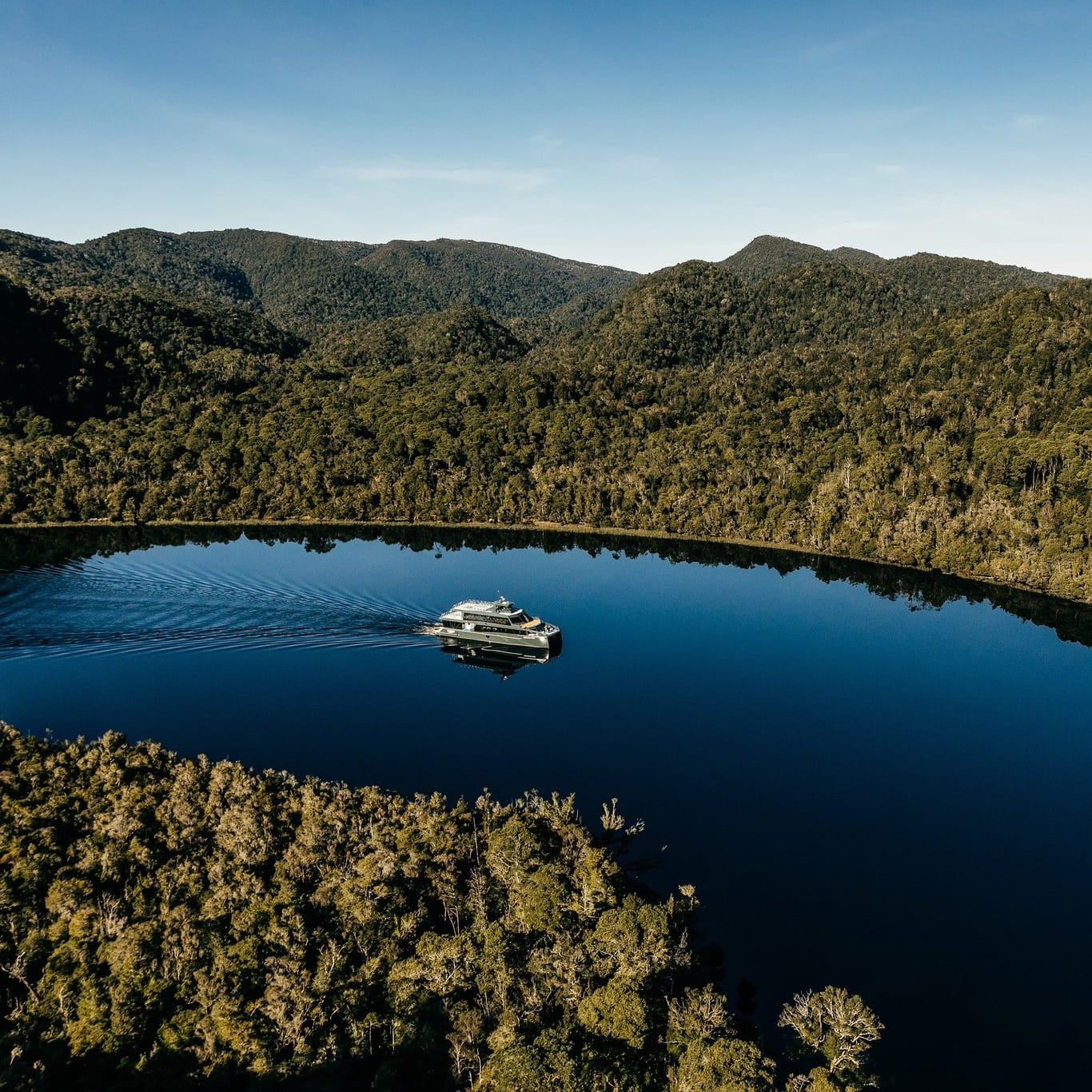
Image credit: @gordonrivercruises via Instagram
If your idea of adventure is sitting on a boat while UNESCO-listed wilderness drifts past, Gordon River Cruises has you covered. The 6-hour cruise departs Strahan aboard Spirit of the Wild, a 33m hybrid-electric catamaran that switches to a near-silent whisper mode once it hits the tannin-dark waters of the Gordon River.
Along the way, you’ll stop at Heritage Landing for a boardwalk through old-growth Huon pine rainforest, then Sarah Island, once one of the British Empire’s harshest penal settlements. Main Deck Central seating with a buffet lunch starts from A$155/adult (~S$140); the Premier Upper Deck adds an open bar and private viewing space for A$350 (~S$315).
2. Roaring 40s Kayaking
Go sea kayaking around Hobart; no experience required
You don’t need prior kayaking experience to get out on Hobart’s water. Roaring 40s Kayaking, operating since 1996, runs a 2.5-hour City Kayak Tour that glides past the working waterfront, historic landmarks and hidden marine life most visitors never see from street level.
It departs from Sandy Bay’s Marieville Esplanade and includes fish and chips from the Constitution Dock punts, or a hot breakfast if you book the early December to January slot. Tickets start from A$140/pax (~S$126). The same operator runs full-day trips past Tasman National Park’s sea cliffs and multi-day wilderness expeditions too, if the short version leaves you wanting more.
Book a kayaking session in Hobart City with Roaring 40’s Kayaking
3. Dove Lake
Kayak across the lake beneath Cradle Mountain in boats built from fire-felled pine
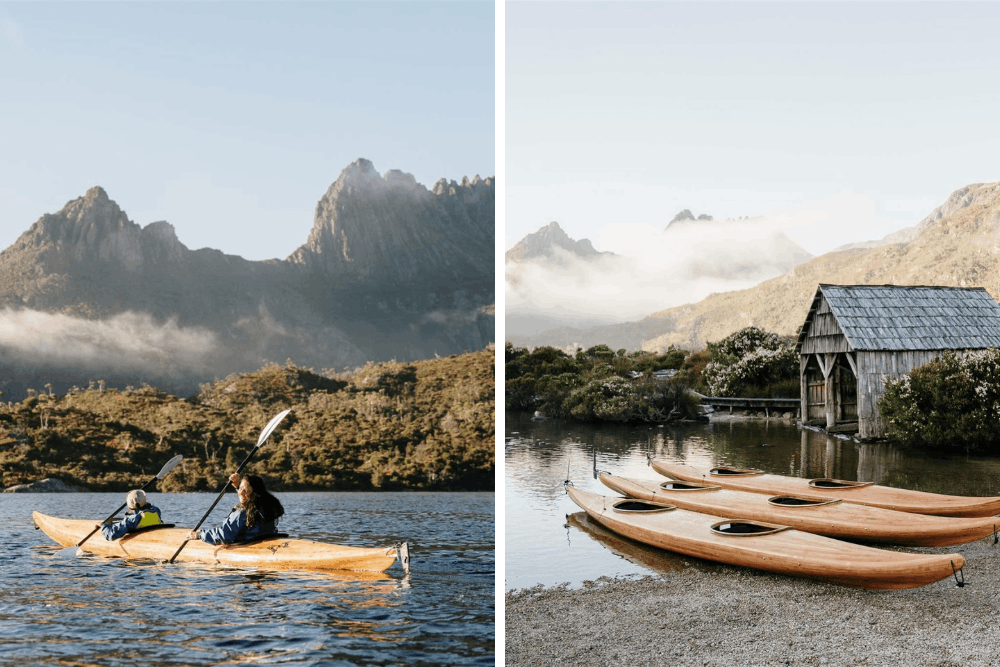
Image adapted form: @cradlecanyons via Instagram
The view of Cradle Mountain reflected in Dove Lake is one of the most photographed vistas in Australia, and Cradle Mountain Canyons lets you paddle straight into it. Their kayaks are hand-built from King Billy pine salvaged from a stand felled by bushfire in the 1960s, which makes them the only boats of their kind on the water.
Over roughly 2 hours, guides take you past Glacier Rock, Honeymoon Island, and a boatshed built in 1940, before a beach stop at the lake’s southern end, right beneath Cradle Mountain’s spires. It costs A$170/pax (~S$153), suitable for beginners and for kids paddling with a parent.
Book a Dove Lake kayaking experience at Cradle Mountain
4. Hastings Caves & Thermal Springs
Explore ancient dolomite caves, then defrost in a 28°C thermal pool
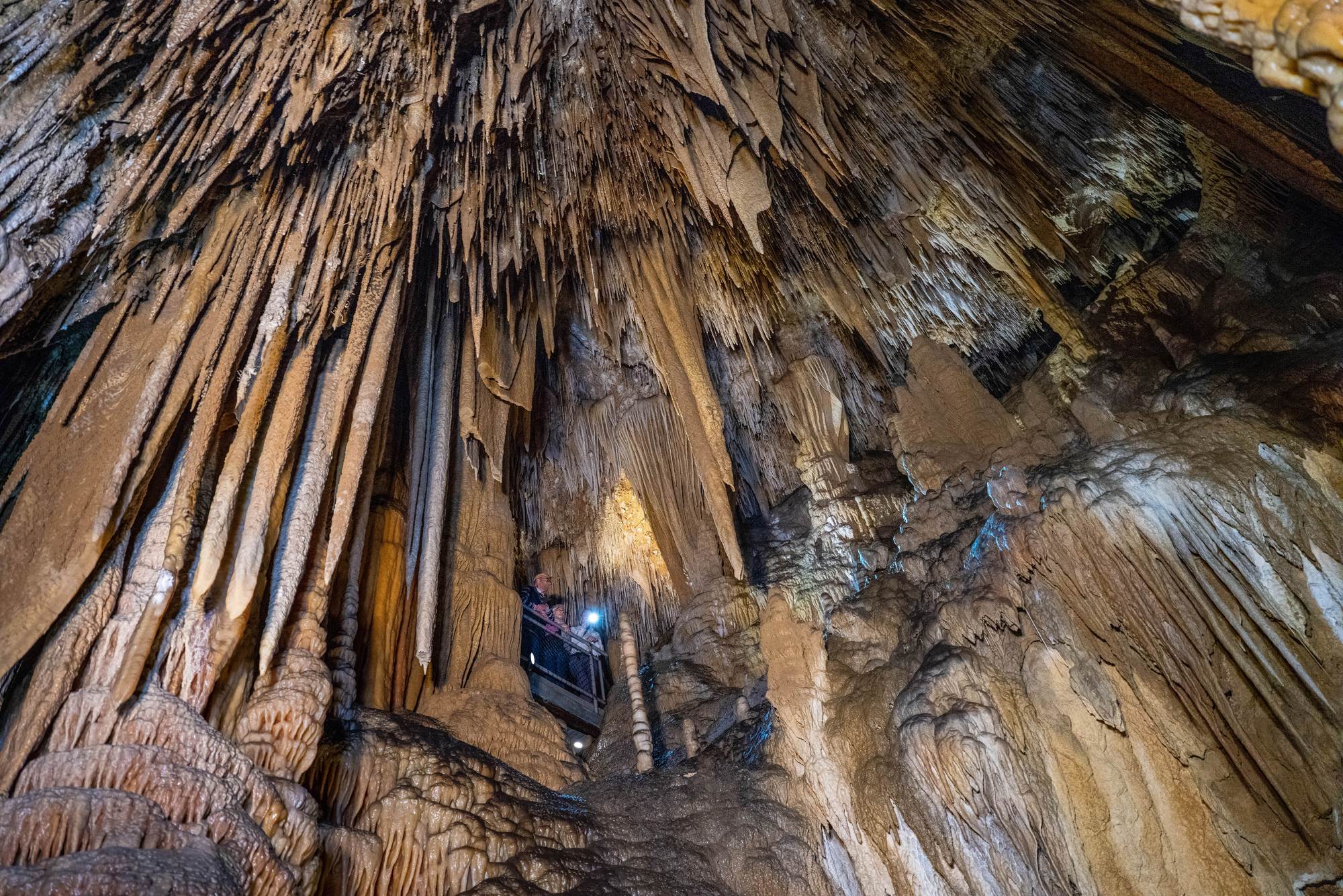
Image credit: Tasmania Parks
About 105km south of Hobart, Hastings Caves pairs a 45-minute guided tour of Newdegate Cave, Australia’s largest tourist cave, with entry to the naturally heated thermal pools just behind the visitor centre. The cave formed in dolomite rather than limestone, which is part of why it stands out even to cave nerds.
Tickets run around A$24/adult (~S$22) and include same-day access to the thermal pool, BBQ area, and 2 short forest walks. So, the post-cave dip is properly shiok after 45 minutes underground at a constant 9°C. Cave tours are sold on a first-come, first-served basis at the visitor centre, so arriving 45 minutes before your preferred slot is recommended.
Find out more about Hastings Caves and Thermal Springs
5. Cradle Country Adventures
Go horse riding through farmland, forest & alpine plains
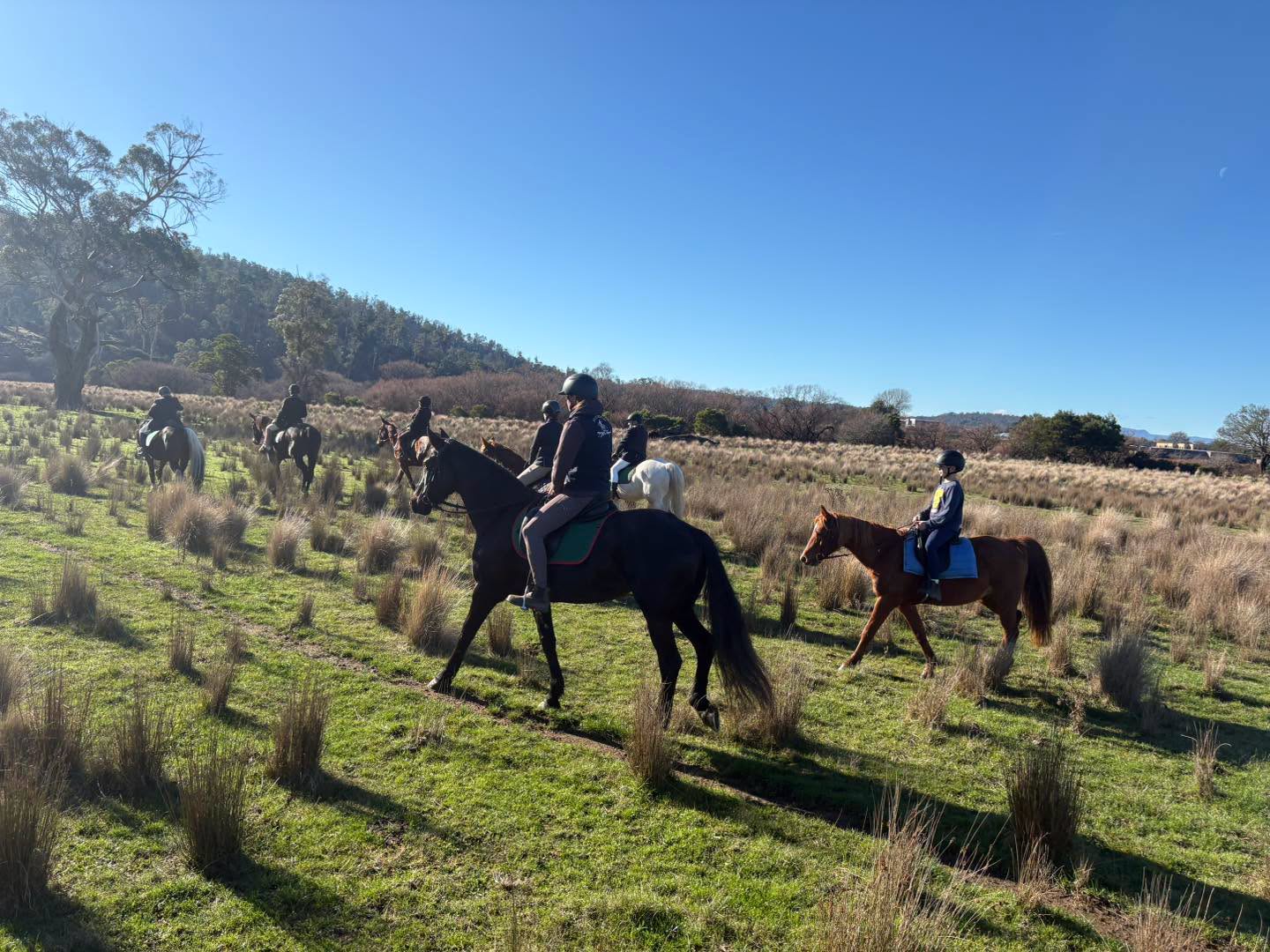
Image credit: Cradle Country Adventures via Facebook
Horseback is an underrated way to see Tasmania, and Cradle Country Adventures runs guided rides across 3 landscapes that’ll have you enjoying your own Bridgerton moment. The options are Harveydale’s farmland and forest, Bakers Beach’s 14km of near-empty coastline, and the alpine plains near Cradle Mountain itself.
Beginner-friendly Harveydale rides start from A$275/pax (~S$248), while a full-day ride at Kimberley runs A$269 (~S$242) for 5 to 6 hours in the saddle. Multi-day rides combining several locations, with stays at the property’s shearer’s quarters included, are also on offer for anyone who wants their platypus-spotting spread across a few days.
Book a horse riding session with Cradle Country Adventures
6. West Coast Wilderness Railway
Ride a heritage steam train through the wilderness, no hiking boots required
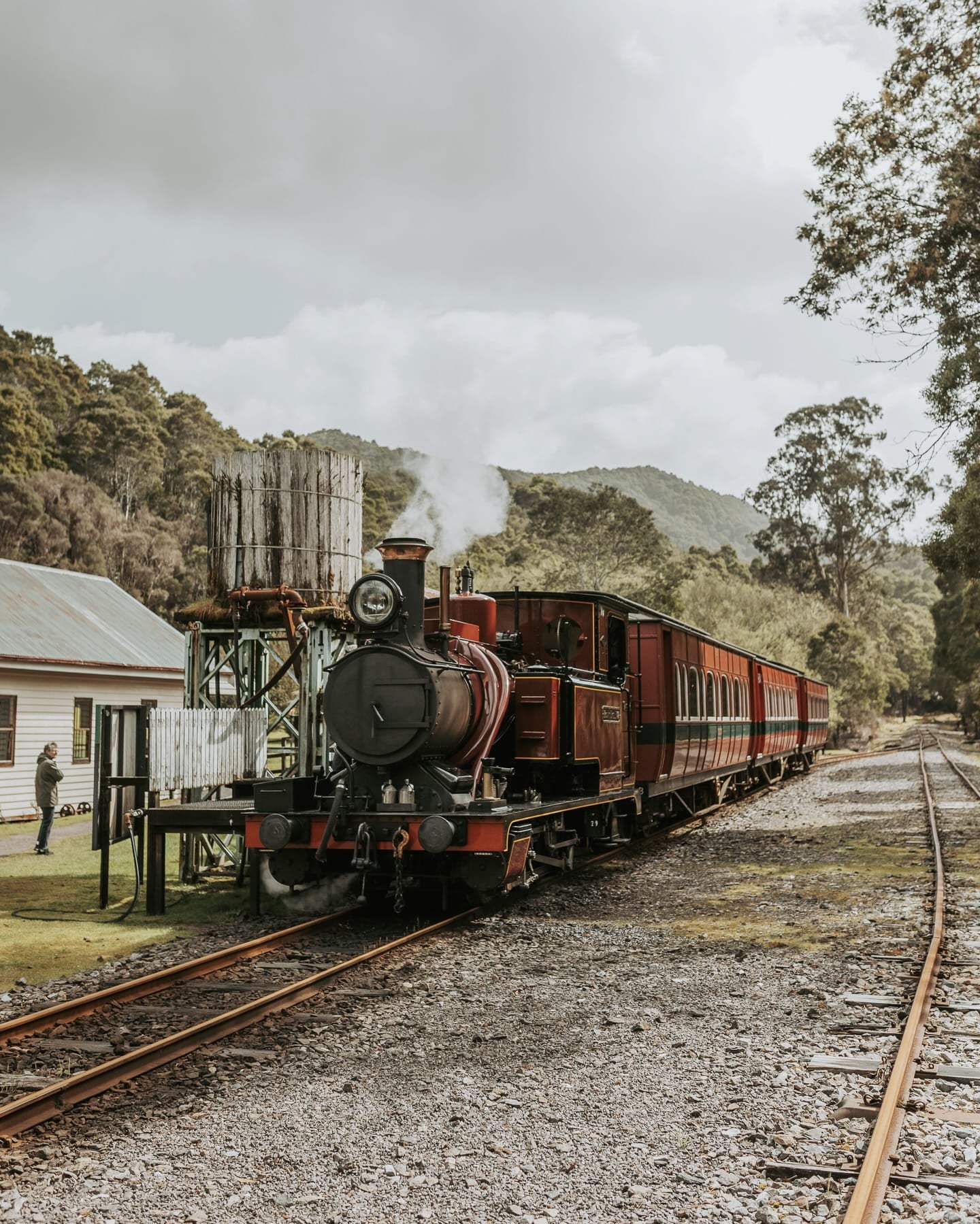
Image credit: @reneethurston_ via Instagram
The West Coast Wilderness Railway covers 34.5km of rainforest, river valleys, and steep gorges between Queenstown and Strahan on restored, 120-year-old steam locomotives, using a rare Abt rack-and-pinion system to climb terrain a normal train couldn’t touch.
Along the way, you can disembark for gold panning at Lynchford Station or just take in the mining and convict history through onboard commentary. Heritage (Standard) Carriage tickets start from A$95/adult (~S$86); the Wilderness (Premium) Carriage adds full catering and a glass of Tasmanian sparkling wine on boarding.
Book tickets for West Coast Wilderness Railway
7. Cataract Gorge Reserve
See rugged cliffs from above, on a chairlift or dangling off an abseil rope
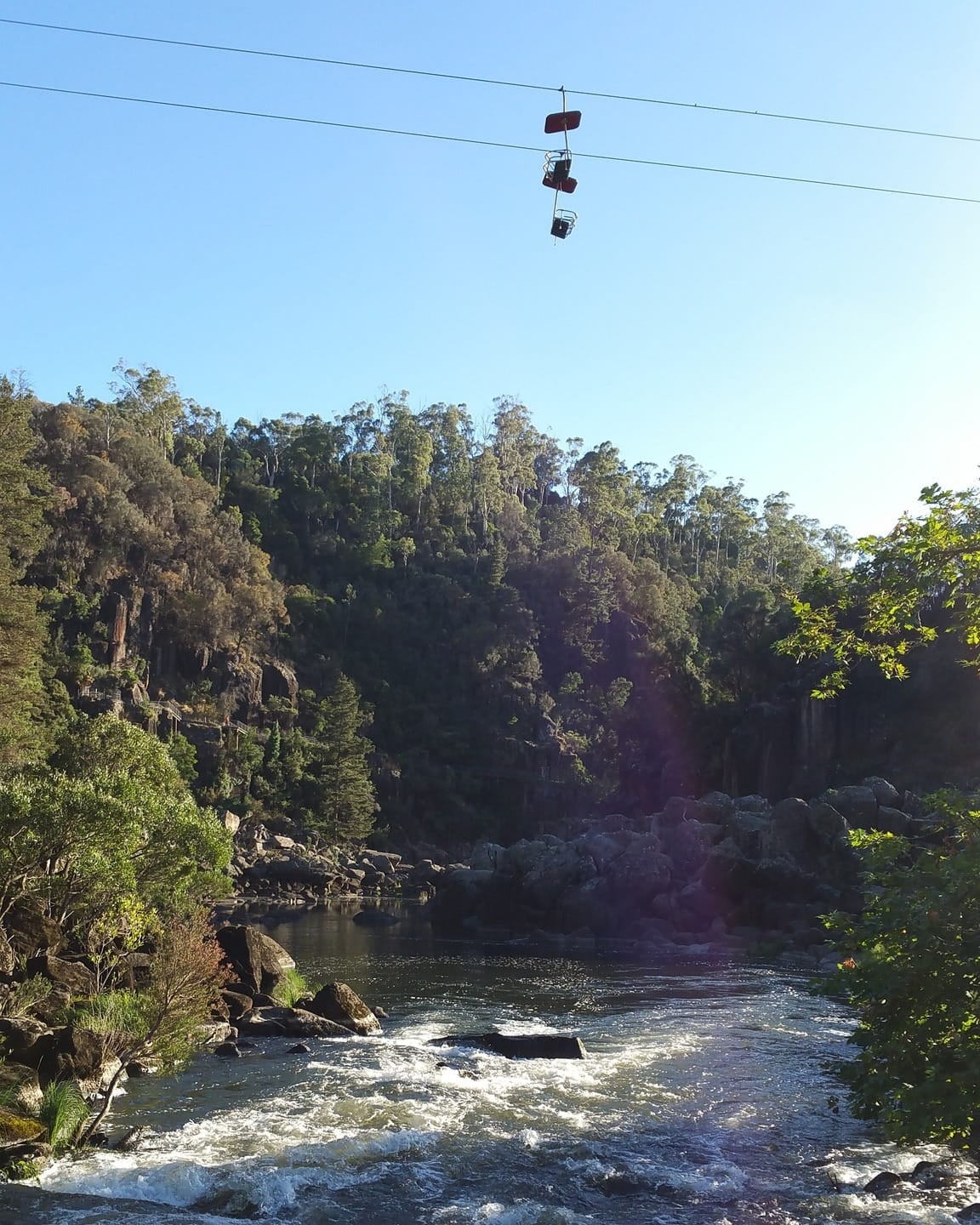
Image credit: @gorgescenicchairlift via Instagram
Minutes from Launceston’s CBD, Cataract Gorge Reserve offers the gentlest and the least gentle version of the same view. The Gorge Scenic Chairlift, family-run since 1972 and billed as the world’s longest single-span chairlift, glides you across the South Esk River and First Basin for around A$21 return (~S$19).
If you’d rather earn the view, Rock Climbing Tasmania runs a half-day abseil and top-rope climbing session off the gorge’s cliffs from A$250/pax (~S$225) for groups of 3 or more, with solo bookings priced higher. Entry to the reserve itself is free.
Get tickets for the Gorge Scenic Chairlift
Book a Launceston Rock Climbing experience
8. Domescapes Geodesic Dome Experiences
Sleep inside a transparent dome surrounded by vineyards
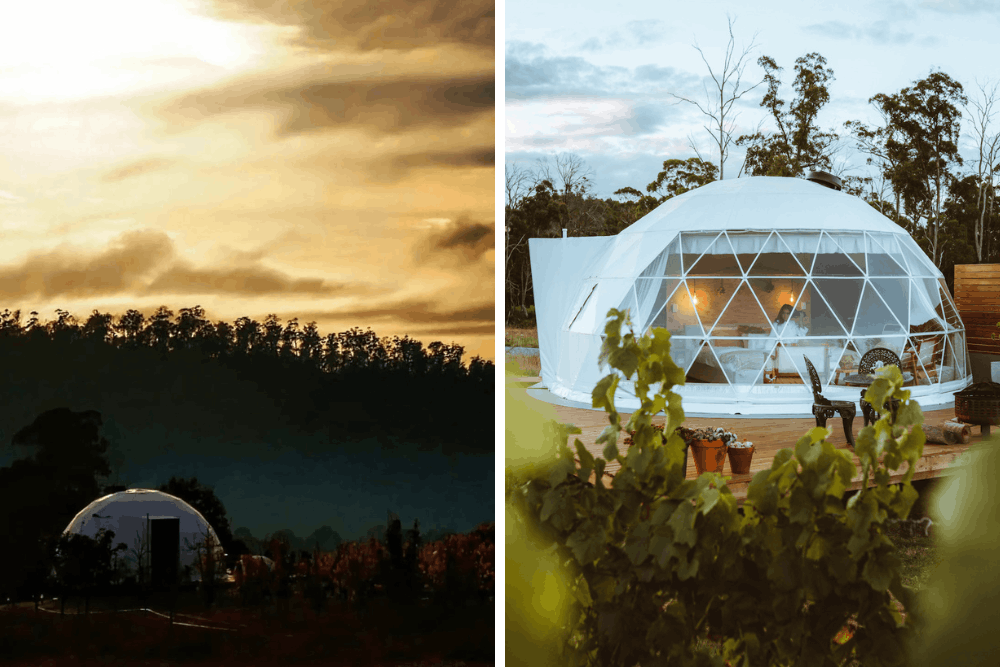
Image adapted from: @domescapes, @ourtravelfeet via Instagram
Soft adventure doesn’t have to mean doing anything at all, and Domescapes in the Vines is the proof. Set among established vines around 20 minutes up the Tamar River from Launceston, the geodesic domes have clear ceiling panels for stargazing and, in the Amarone and Sauvignon domes, a private outdoor clawfoot bath.
Rates run from around A$300/night (~S$270), and every stay comes with a wine tasting at the neighbouring Swinging Gate Cellar Door, a complimentary bottle of wine, and a Tasmanian cheese platter.
Book a glamping experience with Domescapes
9. Little Grove
Stay in a secluded yurt on Bruny Island
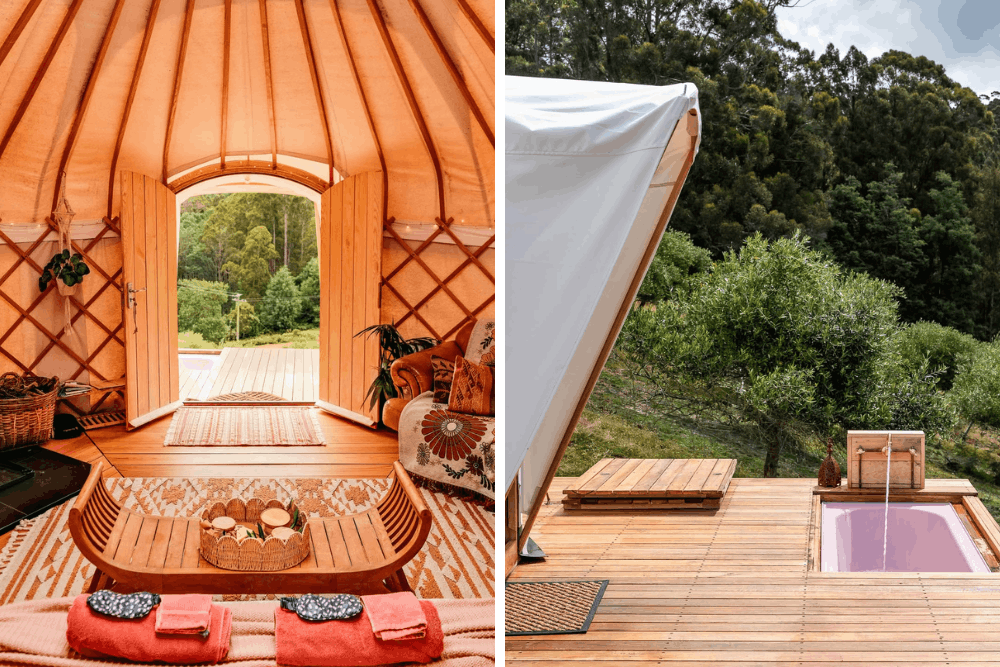
Image adapted from: @littlegrovebruny via Instagram
For something quieter, Littlegrove offers luxury yurt glamping tucked into an olive grove on Bruny Island, with views over the island’s famous Fluted Cape. Each king-bed yurt has a skylight for stargazing, an internal wood fire, and a private outdoor bath on the deck.
It’s a working olive farm as much as an accommodation, run by a family who moved from overseas to set it up in 2017, and it’s a short drive from Bruny Island’s cheese, chocolate, and wildlife-cruise circuit. Rates start from A$333/night (~S$300).
Book a luxury yurt glamping at Littlegrove
How to get to Tasmania from Singapore
First take a direct flight to Sydney, Melbourne, or Brisbane. From any of these major cities, hop on a domestic flight to either Launceston Airport or Hobart International Airport. The total travel time is roughly 12 to 16 hours, depending on the layover.
How many days do you need in Tasmania?
For a first trip, 7 to 10 days is a useful starting point if you want to cover several regions without rushing. Travellers keen to explore more of the west coast, east coast and wilderness areas should budget for longer.
What is the best time of year to visit Tasmania for outdoor activities?
Tasmania has distinct seasons, and outdoor experiences vary accordingly. Summer (December to February) brings longer days and warmer conditions for coastal activities, while autumn (March to May) is known for colourful fagus foliage.
Winter (June to August) brings snow-dusted landscapes, along with lower rates at several of the properties above. Spring (September to November) is shoulder season; waterfalls run fullest off the winter snowmelt and wildflowers come out across the wilderness areas, though weather swings between seasons within a single day, so it’s less reliable for hiking-heavy itineraries.
Let Tasmania’s wilderness do the heavy lifting
Tasmania’s appeal for soft adventure ultimately comes down to how much nature you can experience without turning your holiday into an endurance test. You can kayak beneath Cradle Mountain, cruise through ancient rainforest, ride a steam train through the west coast wilderness, explore caves, sleep under the stars or simply soak in a thermal pool.
For travellers used to squeezing several attractions into one weekend, Tasmania offers a different proposition: do a little, see a lot, and leave enough energy to actually enjoy it.
More to do in Australia:
- 6D5N Brisbane & Gold Coast itinerary
- Things to do in Western Australia
- Must-dos for your Sydney & NSW springtime itinerary
Cover image adapted from: @ourtravelfeet, @reneethurston_, @gordonrivercruises via Instagram