
Guide to travelling with pets
You’re on your annual pilgrimage to Japan or China, snapping selfies at every foodie spot and scenic corner in true Singaporean style. But every time you snap a pic, you can’t help but feel like something, or someone, is missing: your furbaby, always playing or making funny faces in the background.
Every pawrent knows the pain of leaving their dog or cat at home while they’re on a trip, especially if their pet has separation anxiety. But recently, there’s been a growing number of Singaporeans bringing their furkids with them on vacay. Feeling the FOMO but don’t know how to get started? We’ve compiled a guide to everything you need to know when travelling with pets.
Table of Contents
- Guide to travelling with pets
- What are the different methods of flying with your pets?
- Which airlines let you fly with pets?
- What is the pre-departure procedure when travelling with pets?
- What is the post-flight procedure when travelling with pets?
- What restrictions do airlines have?
- Are there any other alternatives besides commercial airlines?
- What documents do I need to prepare when travelling with pets?
- Does my pet need a passport?
- How much does it cost to fly with your pet?
- How can I make the travel process more comfortable for my pet?
- Any hacks or bonus tips for travelling with pets?
- What are some common mistakes to avoid?
- What are the best airlines & pet-friendly travel destinations for pawrents?
What are the different methods of flying with your pets?
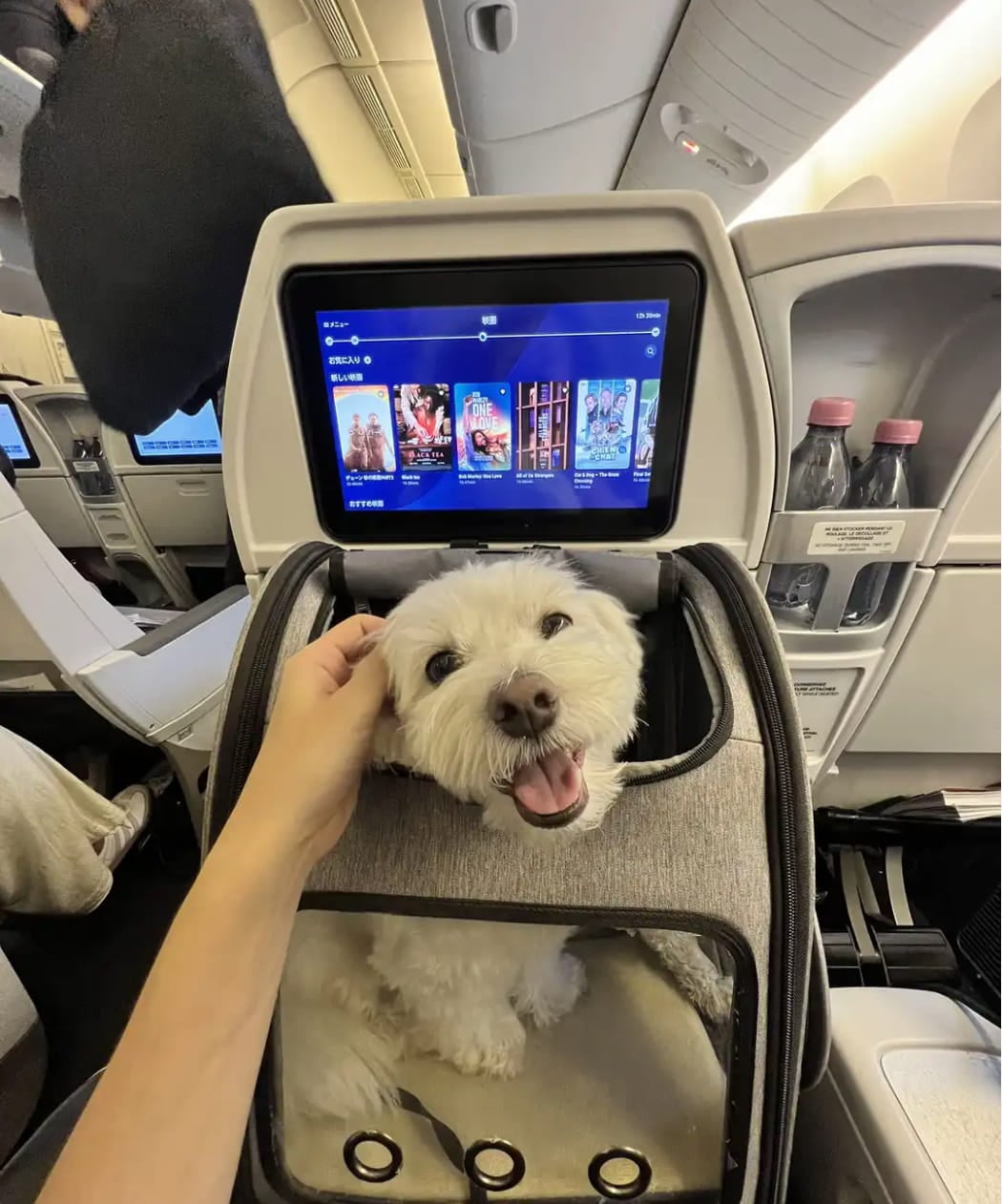
Image credit: Kimberley Yeo via Lemon8
Depending on the airline, tiny pets can travel in-cabin under the seat in front of you or as checked baggage in pressurised temperature-controlled holds. For larger pets and specific destinations with stricter regulations, like the UK and Australia, they must be shipped as manifest cargo.
Which airlines let you fly with pets?
Most commercial airlines popular amongst Singaporeans, such as Singapore Airlines, Qatar Airways, Emirates, and Cathay Pacific, welcome pets on board as checked baggage or cargo, but only assistance animals are allowed in the cabin.
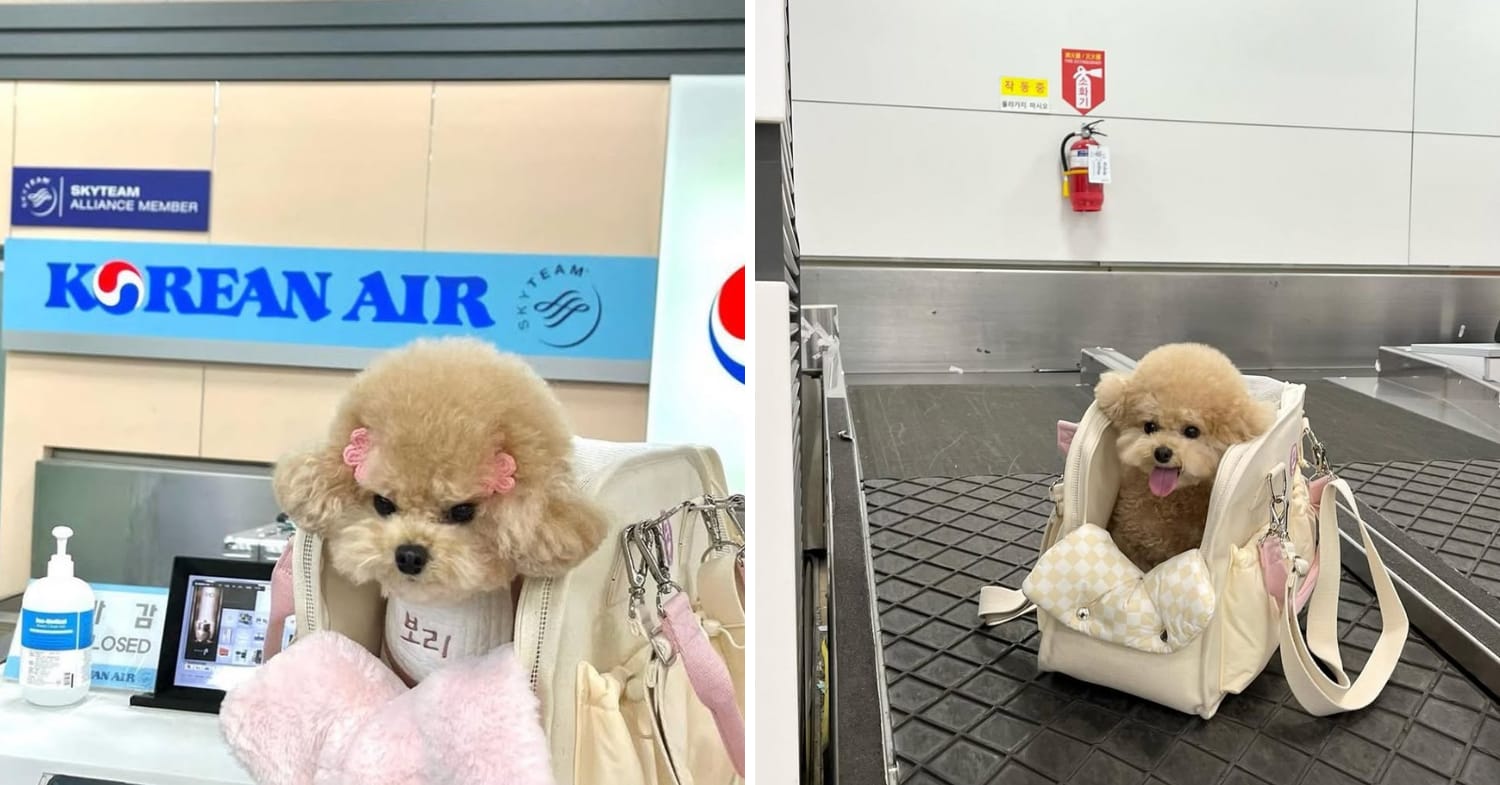
Image adapted from: Korean Air via Facebook
If you’re hoping to keep your furbaby close, a select few airlines, such as AirFrance, Korean Air, Lufthansa, KLM, and Turkish Airlines, allow non-service pets in the cabin. Each airline has its own requirements, but as a general rule, your pet and the carrier it’s travelling in must not be heavier than 8kg, and must be small enough to fit under the seat.
Budget airlines like Scoot usually do not allow pets on board at all, with the exception of service dogs accompanying the visually and hearing-impaired.
What is the pre-departure procedure when travelling with pets?
Before you book that fancy hotel in Japan with onsen baths for you and your pets, it’s a good idea to run through a pre-departure checklist to make sure your pet is eligible to fly.

Image credit: Animal and Veterinary Service (AVS) under NParks
Your dog or cat should be microchipped and up to date with their core vaccinations. Countries with stricter rules may require your pet to undergo a rabies serology test before entry, with the Animal & Veterinary Service (AVS) in Singapore specifying a minimum window of 90 days prior to the flight date.
While you might have your heart set on flying with your favourite airline, it pays to be safe by researching their flight schedule to check if your pet is allowed on the route and the aircraft model of your desired flight. For Singapore Airlines, pets are not allowed on the Boeing 737. Flights SQ21 and SQ23 also do not accept pets due to operational constraints.
Certain breeds are also restricted from travel by plane as they are prone to heat stroke when stressed or exposed to higher temperatures. Most airlines have a list of restricted breeds on their website, which you can refer to.
Once your pet is good to go, prepare the necessary documents in soft and hard copies, and contact your chosen airline at least 1 to 2 weeks before departure. They’ll confirm if there’s space for your pet on the plane and ensure that you’re following the airline and destination country’s pet policies. The airline will need more information about your pet, as well as the size and weight of your pet’s container, to confirm that it meets the International Air Transport Association’s (IATA) requirements.
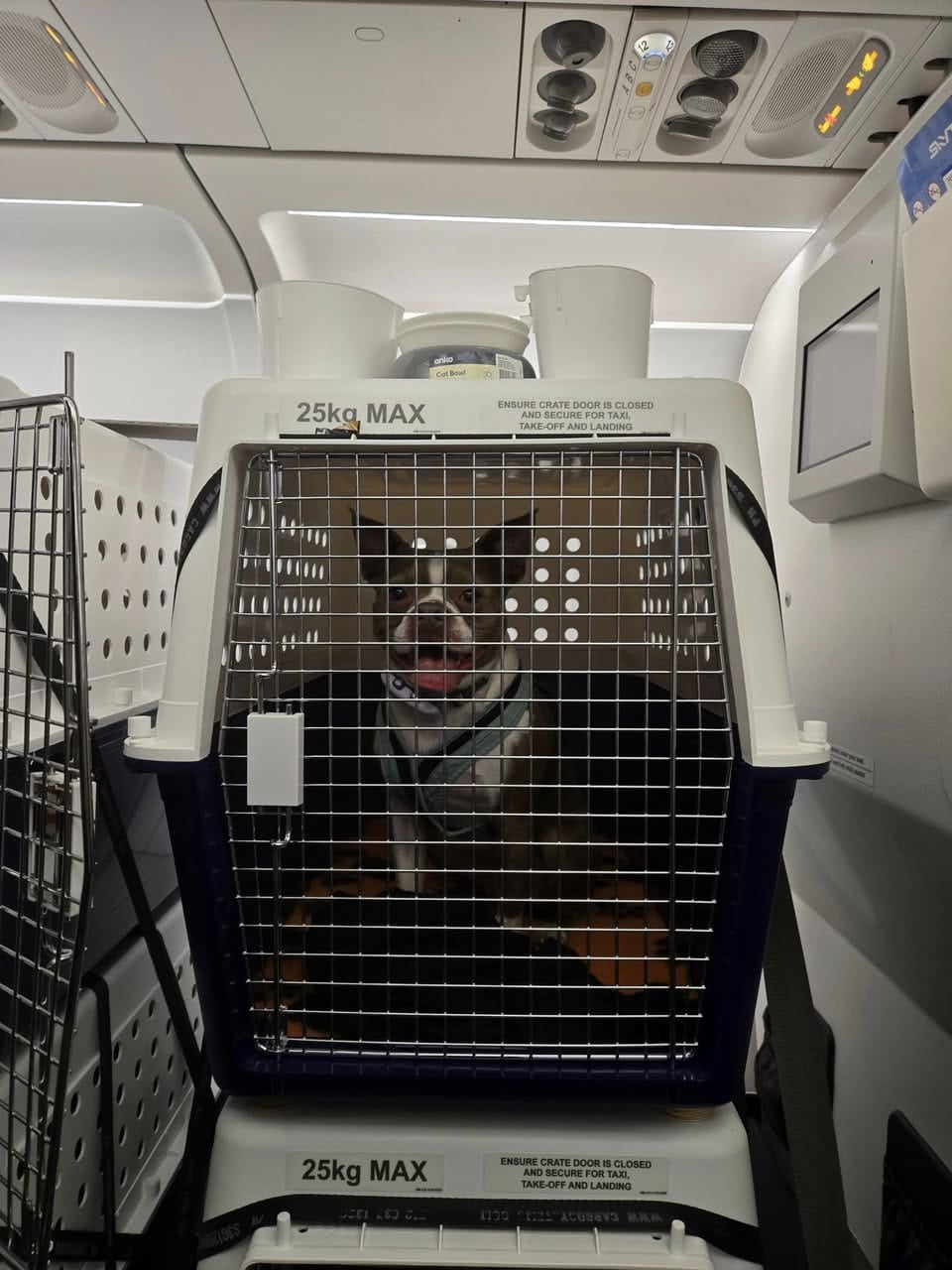
Image credit: Linda Lim via Facebook
Your pet’s container should be spacious enough for your pet to sit, stand, turn, and lie down comfortably. The carrier must also be fit with food and water containers, well-ventilated on 3 sides, with the majority of the ventilation on the upper part of the container, and tightly secured. The floor of the container should also be lined with absorbent bedding in case of accidents.
On the day of departure, arrive at least 2 to 3 hours before your flight to allow time for the airline to assist you with check-in.
What is the post-flight procedure when travelling with pets?
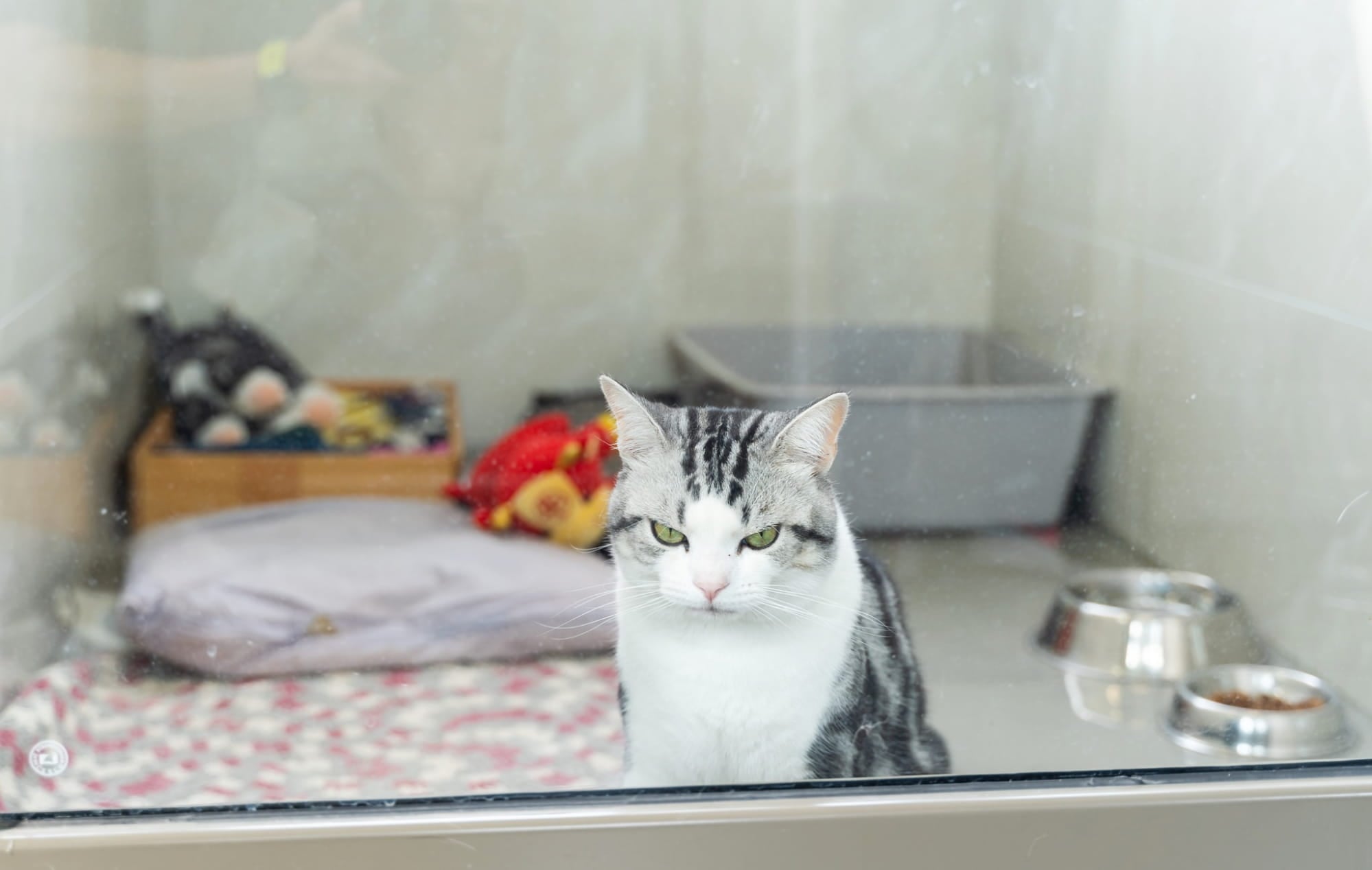
Image credit: NParks via Facebook
While you might be itching to reunite with your furbaby after arriving at your destination, certain countries like Australia and New Zealand require pets to be quarantined in a facility for at least 10 days.
If you’ve only got time for a short holiday, you might want to consider destinations that do not impose mandatory quarantine by default, assuming your pet has met the entry requirements and all documentation is in order. These countries include Austria, France, Germany, Italy, South Korea, and more.
If you’re returning to Singapore from countries listed under Schedule I of the AVS’ rabies risk categorisation, your pet won’t have to undergo any quarantine as long as it meets the necessary conditions, such as having completed veterinary certification and passing inspection upon arrival.
However, your pets will have to undergo inspection at the Changi Animal & Plant Quarantine Station (CAPQ) located at Changi Airfreight Centre. Bookings for inspection appointments must be made at least 5 days before arrival to avoid a last-minute inspection fee of S$133 per hour or part thereof.
What restrictions do airlines have?
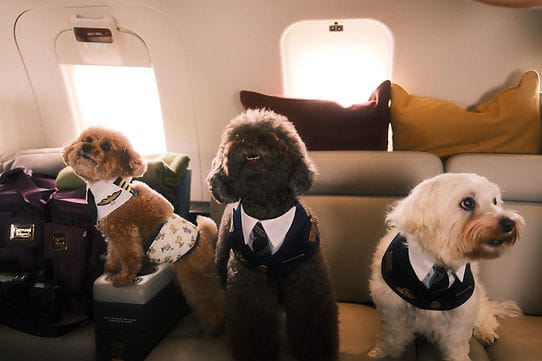
Image credit: Singapaw Air
While there’s a decent variety of pet-friendly airlines, as a rule of thumb, pets that are younger than 3 to 4 months old or pregnant are not allowed on board most flights.
Each airline also has specific size and weight limitations, and pets that exceed a given range are transported as cargo rather than checked baggage. The limit differs between airlines, with Singapore Airlines’ maximum weight being 32kg, while Qatar Airlines allows pets weighing up to a maximum of 75kg.
Flight duration also determines whether your pet can fly on the same plane as you. For Emirates, all animals, including service dogs, must be transported as cargo if the total journey time is more than 17 hours. This includes the time it takes for check-in before departure and 1 hour until delivery of the pet to the arrivals hall.
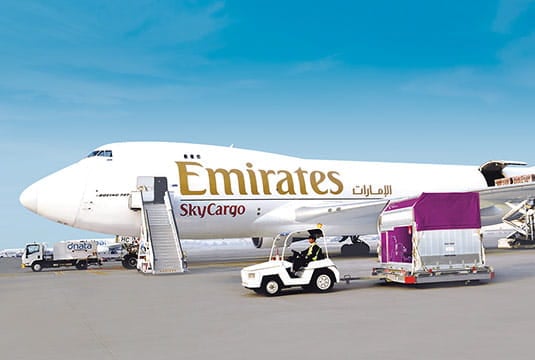
Image credit: Emirates SkyCargo
Some airlines also have in-house cargo services, like Emirates’ SkyCargo and Cathay Live Animal solution by Cathay Cargo. Both offer IATA-certified transportation in temperature-controlled holds with experts on board who conduct checks throughout the journey to monitor the health and safety of your pets.
Cathay Cargo tailors the experience to your pets’ needs by reducing auto-brake settings and landing on a longer runway. Both also follow a “last on, first off” policy, so your pets don’t have to remain in the aircraft for longer than necessary.
For other airlines like SQ, you’ll have to arrange for a separate cargo agent on your own.
Are there any other alternatives besides commercial airlines?
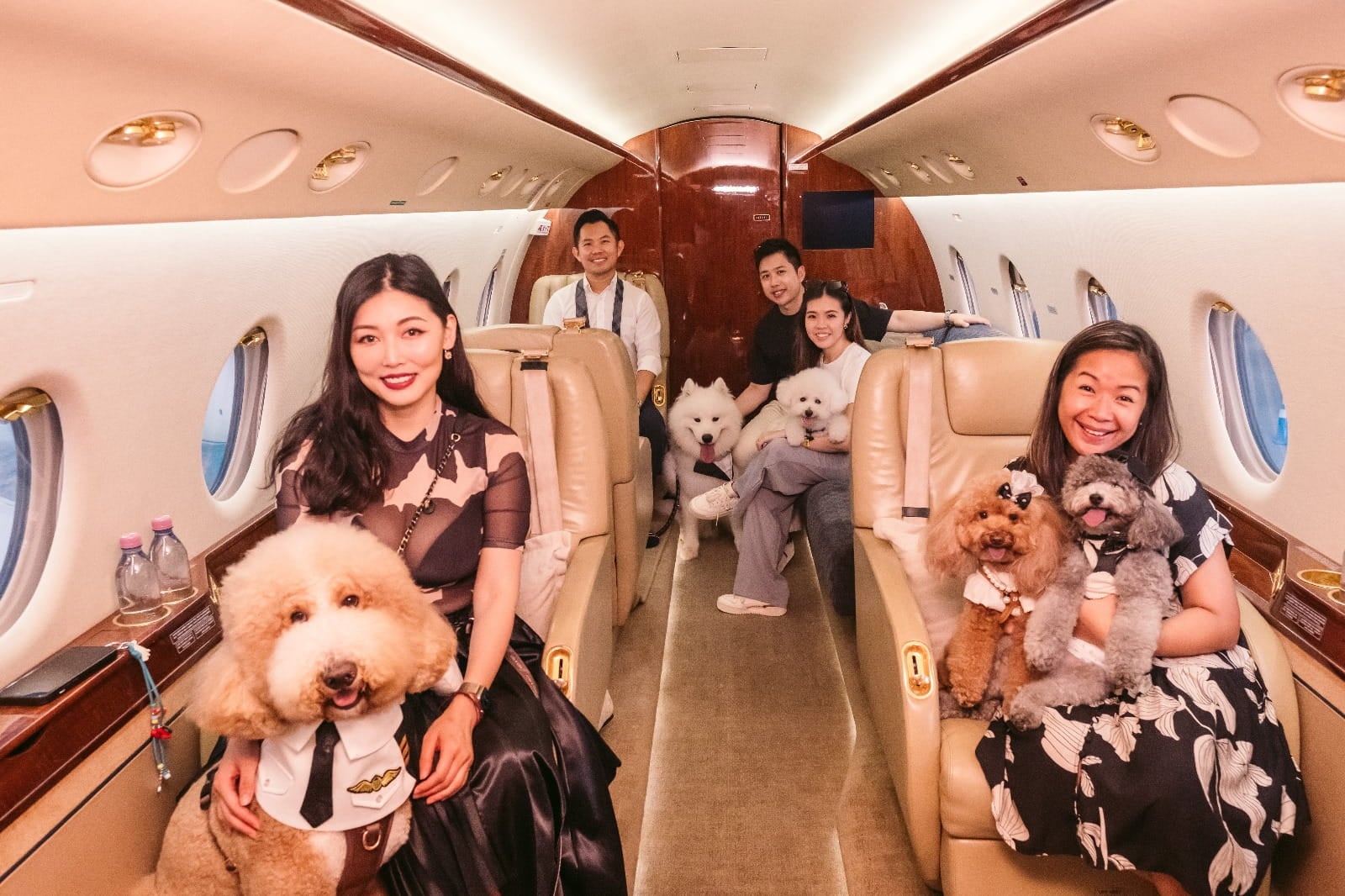
Image adapted from: @theasianpawrent_sg via Instagram
If you want a more comfortable and luxurious experience for your furry companion, especially if it’s their first time flying, the private jet service SingaPaw Air might be a better option than your standard commercial airline.
It partners with charter companies like Air7Asia and VistaJet to offer chartered flights, so pawrents can bring their pets globetrotting in style. They are open to all pets regardless of weight, breed or size, offering you more R&R and fewer headaches over constraints and checklists.
Unlike commercial airlines, they accept restricted cat and dog breeds like Bengals, Savannahs, Persians, Himalayans, Exotic Shorthairs, and British Shorthairs, as well as Frenchies, Shih Tzus, and Chow Chows.
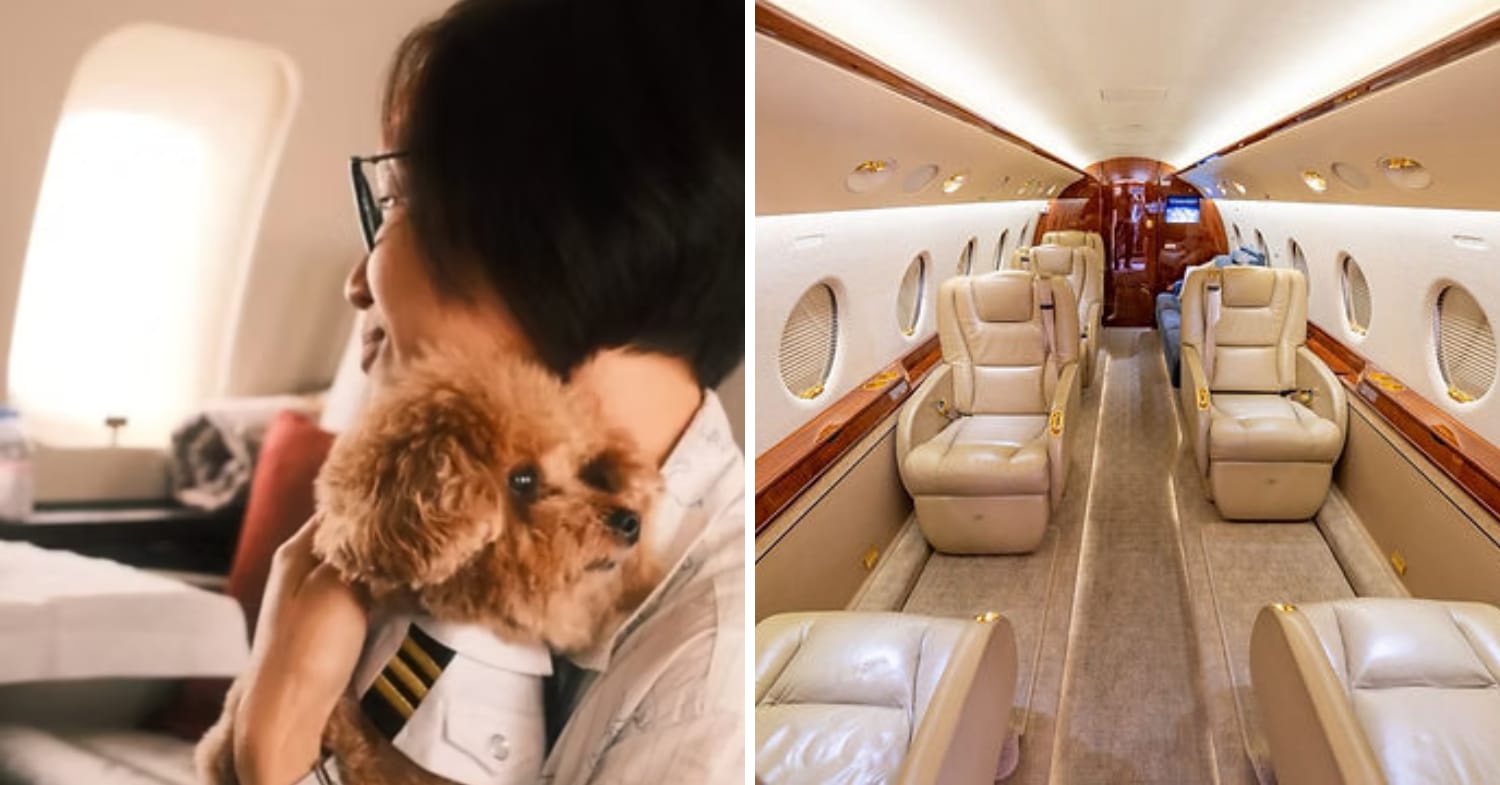
Image adapted from: SingaPaw Air
For those with clingy pets, they’ll be by your side the entire journey thanks to the jet service’s no-cargo policy. While they’re chowing down on a custom pet dining menu, you can lean back into the lush recliner-style seats and take in the view outside your window.
As an AVS-recognised Pet Agent, SingaPaw Air manages everything from permits and in-flight services to re-entry clearance and quarantine assistance.
Pet owners with a very generous travel budget can travel with SingaPaw Air as far as Munich or San Francisco, with tickets starting from USD30,000 (~S$38,088). Until we win big on TOTO or 4D, the rest of us will have to make do with commercial flights and mountains of paperwork.
What documents do I need to prepare when travelling with pets?

Image credit: @manwomandoggo via Instagram
You’re probably gnawing at your nails, thinking of all the paperwork ahead of you, so we’ve filtered out the essential information you need to know. AVS also has a more detailed, step-by-step guide covering the different departure and re-entry procedures to follow.
Import & export licenses
For the transport of all live animals, including pets, an export license is necessary for flights leaving Singapore and an import license is also required upon returning. However, before you can apply for both licenses, your pet has to be registered in the Pet Animal Licensing System (PALS).
Both import and export licenses are only valid for 90 days, so they must be obtained in a timely manner via the GoBusiness Licensing Portal. Your destination country will have its own import and export requirements – it’s recommended that you refer to official websites for more information.
Health certificate
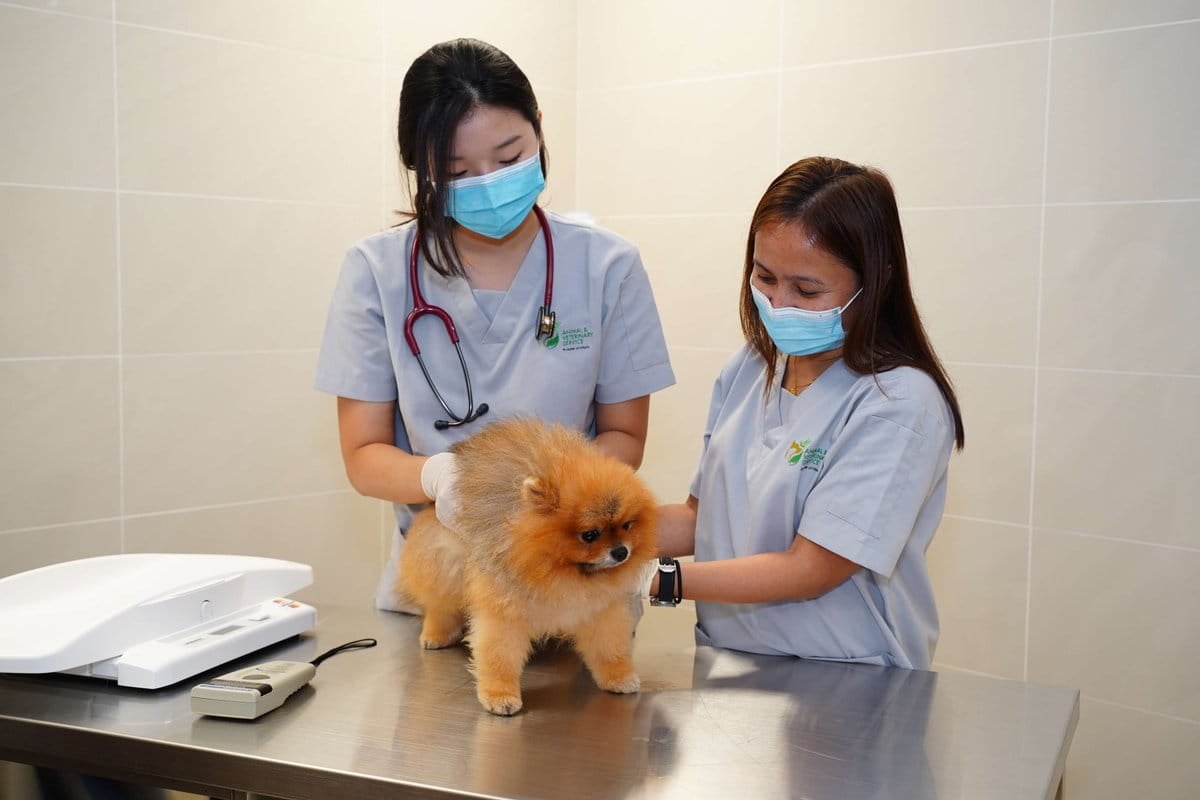
Image credit: @nparksbuzz via X
If your destination country requires a veterinary health certificate for entry, check if it has to be endorsed by AVS, as some countries only accept certificates issued by a government veterinarian rather than a private one.
When returning to Singapore, you’ll need a veterinary health certificate endorsed by the destination country’s official government veterinarian and issued no more than 7 days prior to scheduled departure. As part of this, your pet will have to undergo external and internal parasite treatments, which should be reflected on the certificate.
Proof of vaccination
Many countries require proof of a valid rabies vaccination and sometimes also a rabies antibody titer test for entry, with the dog’s or cat’s microchip number indicated on all vaccination records. Pets returning to Singapore from a higher-risk country listed under Schedule II or III of AVS’ rabies risk categorisation will need to have both tests done. Only pets returning from Schedule I countries do not require any of the tests for entry.
GST relief form
At least 5 working days before your pet’s arrival in Singapore, be sure to submit the “Application for GST Relief for Personal Pets” form to Singapore Customs with supporting documents. Otherwise, you’ll need to get a Customs In-Payment (GST) permit and pay the GST to import your pet.
Other documents

Image adapted from: @mocha.maltipoooo via Instagram
Other relevant documents include a transhipment license if your pet is transiting through Singapore, and a pet passport for travel within the European Union, if applicable. For entry to the EU without a pet passport, a valid EU Animal Health Certificate (AHC) must be obtained at least 10 days before your pet’s arrival.
Additional paperwork for service dogs may be required by AVS and specific airlines, so it’s best to refer to their websites for more information.
You are also encouraged to sign an indemnity form as a self-checklist before embarking on your flight with Singapore Airlines.
Does my pet need a passport?
Singapore doesn’t issue a “Pet Passport” like the EU. Your “passport” is a folder containing your AVS Export License, Vaccination Records, and Veterinary Health Certificate.
How much does it cost to fly with your pet?
Let’s be honest, holidays are hardly cheap, especially when you’re bringing a pet along. Seasoned pet travellers have spent between $1K to $2K. For those hoping to stick to a tighter budget, we’ve done a breakdown of some key expenses you’ll need to account for.
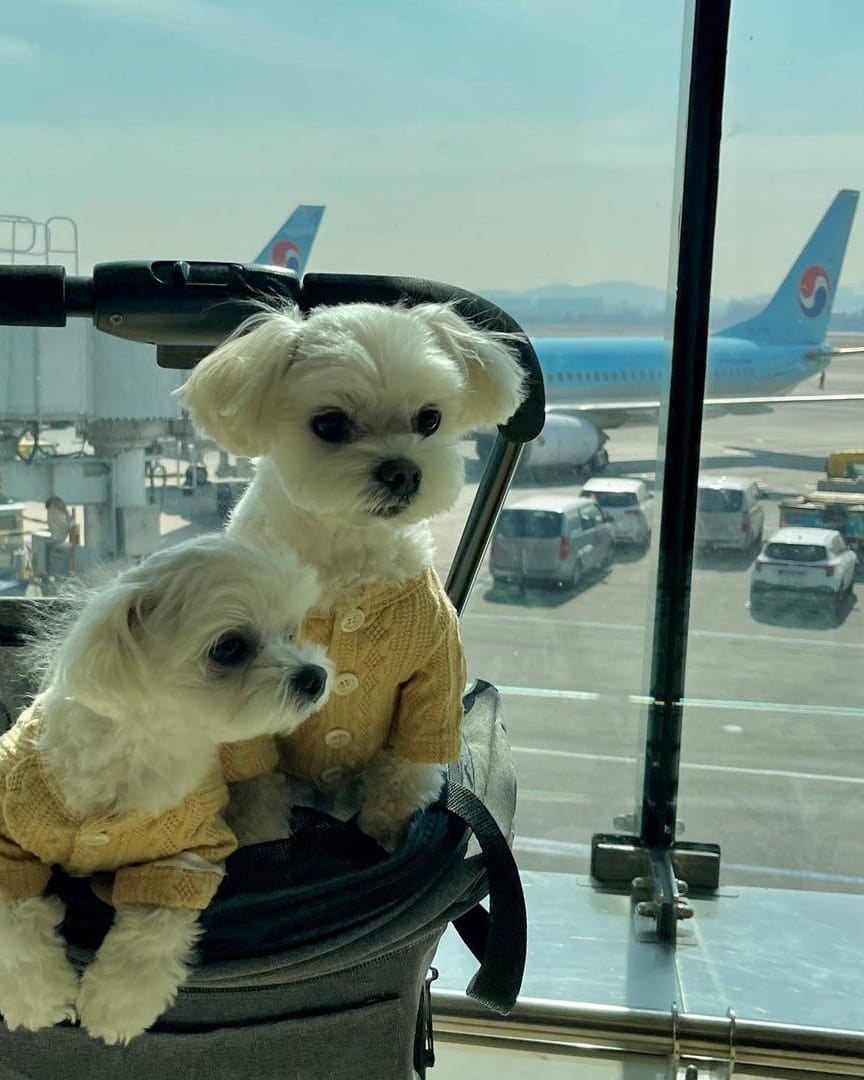
Image credit: Korean Air via Facebook
Administrative costs
The early bird gets the worm, or cheaper rates in this case. With standard processing, you’ll pay S$50 and receive your import and export license within 2 working days after your completed documents have been submitted. Express service costs S$100 and shortens the waiting time to 1 working day.
Likewise, the AVS-endorsed veterinary health certificate usually costs S$23 for normal service and S$46 for express.
Vet visits
Micro-chipping your pet is one of the most essential services you’ll need and can range in price, but generally hovers around S$50 to S$60.
Core vaccinations can start as low as S$15, excluding consultation fees, but can go up to S$50 and above for some clinics. A rabies antibody titer test is more expensive by comparison, coming in at around S$80 to S$120.
Airline costs
For pets that are processed as check-in baggage, rates vary depending on the airline. Emirates’ charges start at USD500 (~S$634.01) and can reach USD800 (~S$1,014.42), while Qatar’s additional baggage rates range from USD350 (~S$443.81) for medium-sized pets to USD450 (~S$570.61) for large pets.
Miscellaneous costs
Leave a little buffer room for extra costs, such as IATA-compliant crates, which range from S$160 to S$800 depending on the size of your pet.
Additionally, there may be potential costs for housing your pet in quarantine facilities if deemed necessary by the authorities in your destination country.
How can I make the travel process more comfortable for my pet?
Pre-trip planning

Image adapted from: @jelyssaaaaa via Instagram
If it’s your pet’s first time flying, opt for destinations with shorter travel times and similar weather to Singapore, especially since certain breeds are less adept at adjusting to colder climates than others.
You might also have an easier time navigating countries with pet-friendly transportation. Popular options include countries in Europe such as France, the Netherlands, and Germany, where pets can be brought on trains without much hassle.
For long-distance travel, opt for flights that align with their natural sleep cycle, like red-eye flights. If your pet will be in the cabin with you, choose rows towards the tail of the plane for more space and also to avoid disturbing other passengers.
Flight preparation
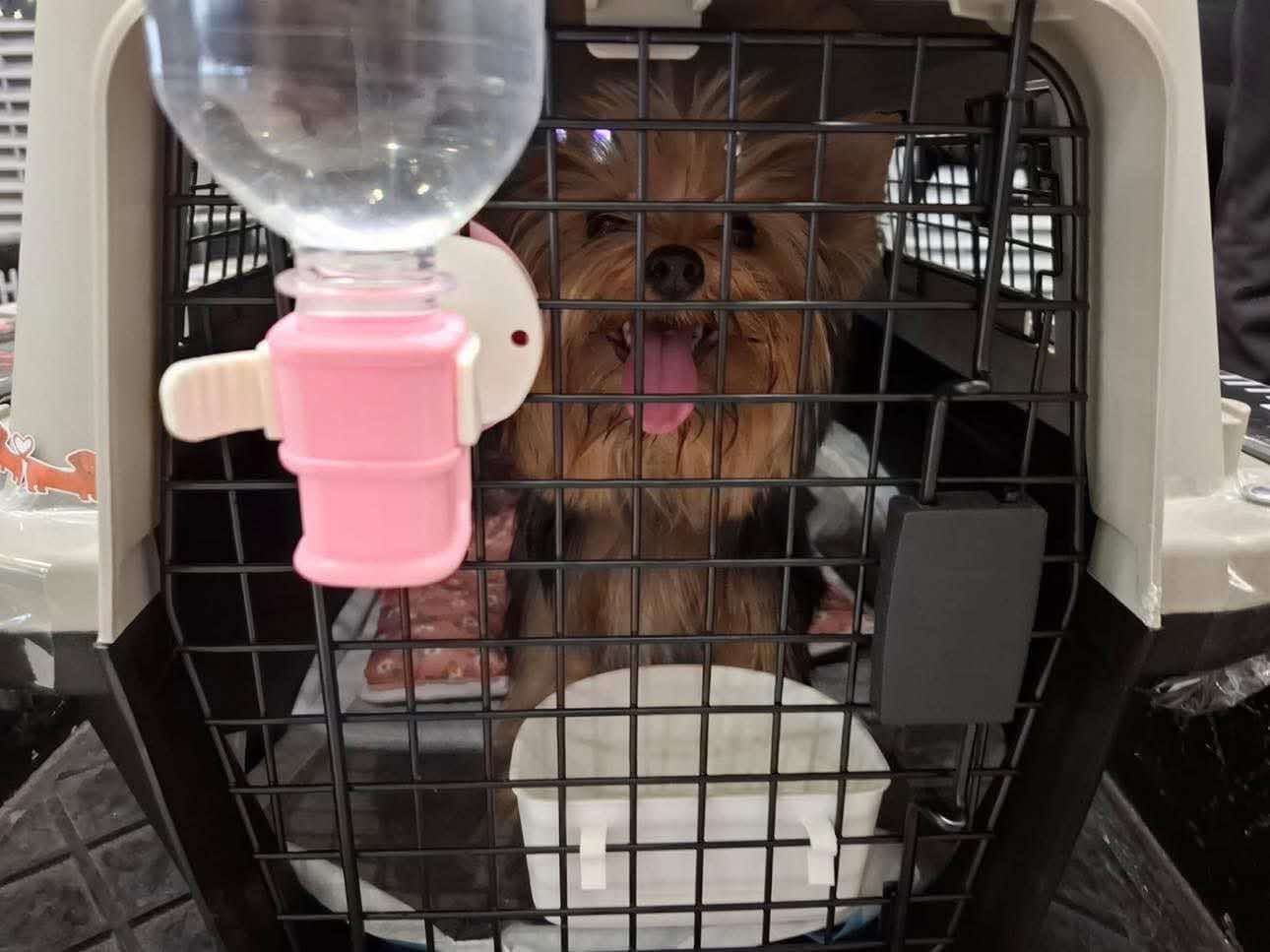
Image credit: Mink Sucharitkul via Facebook
A few weeks before departure, acclimatise your pet to the container it will be travelling in by placing a familiar blanket on the floor and keeping it in the closed container for a few hours before giving it a treat. You can even play videos of the engine noises they might hear in the cabin or cargo hold to build their tolerance for any disturbances on the plane.
On the day of departure, take your pet on a walk beforehand, and feed it a light meal and a little water a few hours before placing it in the container.
During travel
Carry a pack of dry treats with you as shops in your destination country might close early. For example, stores in Australia generally close early, while shops in countries like Germany and Switzerland may not operate on Sundays.
The new environment and change in weather may overwhelm your pet, so bringing something familiar to them, like their favourite toy or blanket, is a good way to keep them calm and comfortable.
Any hacks or bonus tips for travelling with pets?
If you’re the type to get lost in piles of paperwork, you can consider engaging an AVS-recognised pet agent to help you apply for import and export licenses. Cathay Pacific recommends using pet travel agents who are members of the International Pet and Animal Transportation Association (IPATA) or the Animal Transport Association (ATA) to handle the transport logistics more easily and ensure compliance with regulatory standards.
What are some common mistakes to avoid?
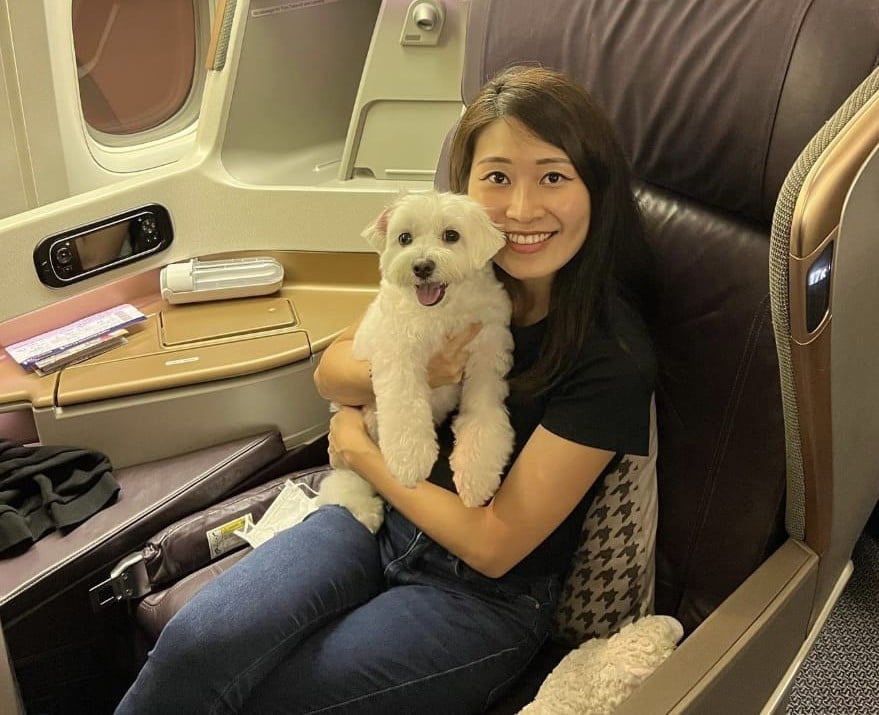
Image credit: @kimberleyyeo via Lemon8
Flying can be a logistical nightmare on its own, and with so many steps involved in planning for your pet, it’s easier said than done to be on top of everything. Here are a few things even the best pawrents forget, so you don’t have to make the same mistakes too.
- The “Snub-Nose” (Brachycephalic) ban: Breeds like French bulldogs or pugs are banned on many airlines because of their higher risk for respiratory difficulties. In those cases, opt for a specialised pet charter or manifest cargo with specific airlines.
- Booking the wrong aircraft: Pets aren’t allowed on specific aircraft models due to operational constraints and issues, such as cargo holds that lack proper temperature control. For instance, KLM does not allow pets to travel in the hold of flights with Boeing 787-9, Boeing 787-10, and Airbus A321neo aircraft. Always check the aircraft type.
- Feeding too late: Try not to feed your pet a heavy meal too close to the flight to avoid motion sickness or accidents. Give them a light meal 4-6 hours before departure.
- Forgetting to prep for the journey home: Singapore has strict protocols in place to keep its shores rabies-free. Not abiding by the AVS re-entry rules puts your pet at risk of facing a 30-day quarantine upon returning home.
What are the best airlines & pet-friendly travel destinations for pawrents?

Image credit: @manwomandoggo via Instagram
| Airline | Key Requirements |
| AirFrance |
|
| Korean Air |
|
| KLM |
|
| Lufthansa |
|
| Popular Destinations | Pet-friendly perks | Key Requirements for Entry |
| European Union (incl. France, Spain, Italy, Germany, Netherlands, etc.) |
|
|
| Canada |
|
|
| UK |
|
|
| Japan |
|
|
Travelling with pets doesn’t have to be a hassle with ample planning
Whether it’s a short vacay or an extended trip spanning multiple cities, plan at least 6 months ahead of time and start the admin process early to avoid any extra fees and last-minute panic. It’s also a good idea to travel with your family members or partner so that you have someone to share the costs and pet-related expenses with.
At the end of the day, as time-consuming as the prep may be, the memories you’ll have with your pet will be priceless. Not many get the chance to bring their pets around the world, so don’t forget to have fun and cherish the moment.
For more pet-related guides in Singapore:
Cover image adapted from: @mrgray_n_friends via Instagram, Korean Air via Facebook