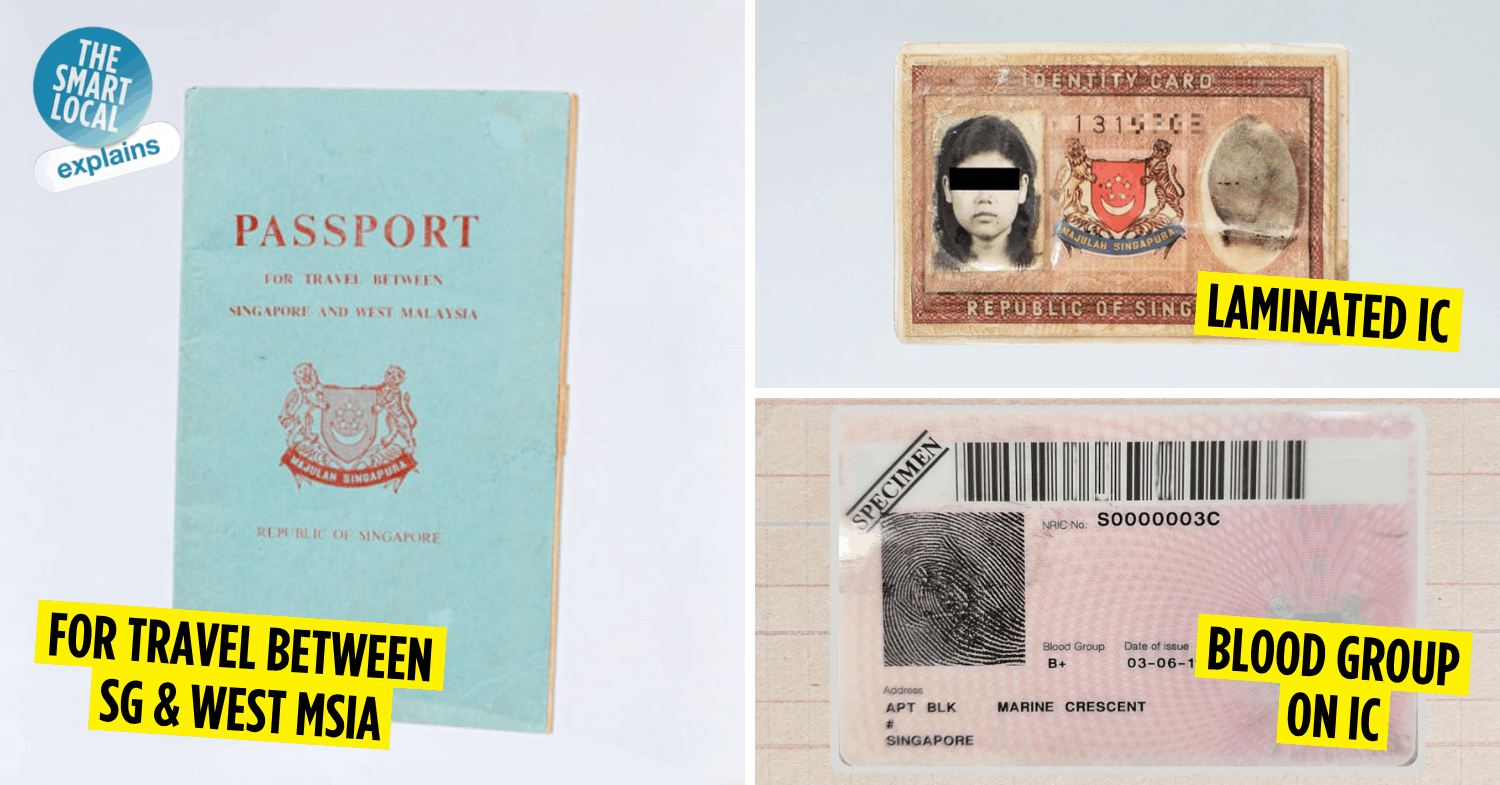

Facts about the Singapore IC & passport
Your IC and passport are probably 2 things you’ve seen a million times, but how often do you actually take a good look at them? Most of us are probably too paiseh to stare at them for too long because of that unflattering photo staring right back at us.
But beyond the photo we’d rather not discuss, there’s actually more to these documents than meets the eye. From what the S and T in your IC number mean to little details hiding in your passport, here are some facts about the Singapore IC and passport that might make you appreciate these documents a little more.
Table of Contents
- Facts about the Singapore IC & passport
- Fun facts about the Singapore IC
- 1. Birth certificate & IC numbers merged in the 1960s
- 2. Singapore’s 1st laminated IC was introduced in 1966
- 3. Laminated ICs got an upgrade in 1991
- 4. Blood group used to be printed on the IC
- 5. You need to update your residential address on your IC within 28 days of moving
- 6. The “S” in your IC number doesn’t stand for “Singapore”
- Fun facts about the Singapore passport
- 7. Singapore’s 1st passport was issued in 1965
- 8. There were passports specifically for use when travelling between SG & West Malaysia
- 9. There are cool security features on the Singapore passport
- 10. There’s no need to scan your passport anymore when using the biometric clearance system
- 11. Inked passport stamps are no longer in use at SG checkpoints
- 12. Your passport is now valid for 10 years before you need to renew it
Fun facts about the Singapore IC
1. Birth certificate & IC numbers merged in the 1960s
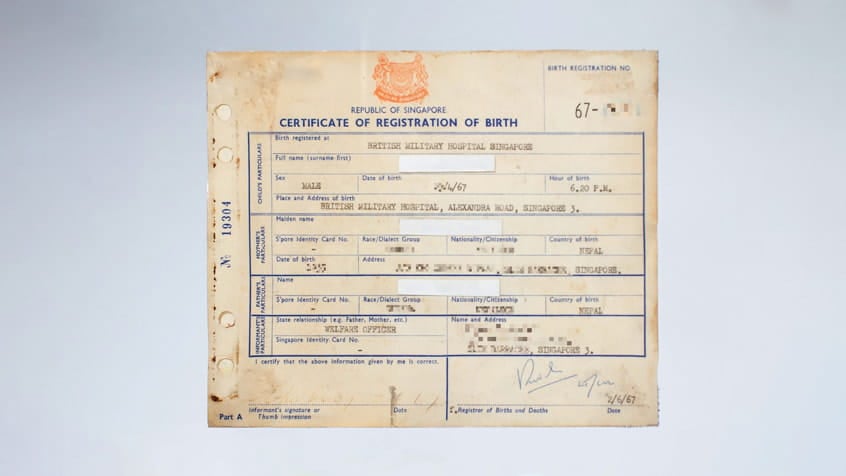
Birth certificate from 1967, featuring a birth registration number.
Image credit: ICA
You can probably recite your IC number from memory by now, especially after filling out enough forms in your lifetime to know them by heart. But imagine having 2 different identification numbers to remember.
That was the case for Singaporeans born before 1968, who had one number on their birth certificate and another on their IC.
Luckily, from 1968 onwards, babies born in Singapore were issued a single, unique identification number that appeared on both documents. It might seem like a small change to us today, but we can only imagine how this made life much simpler for people back then.
2. Singapore’s 1st laminated IC was introduced in 1966
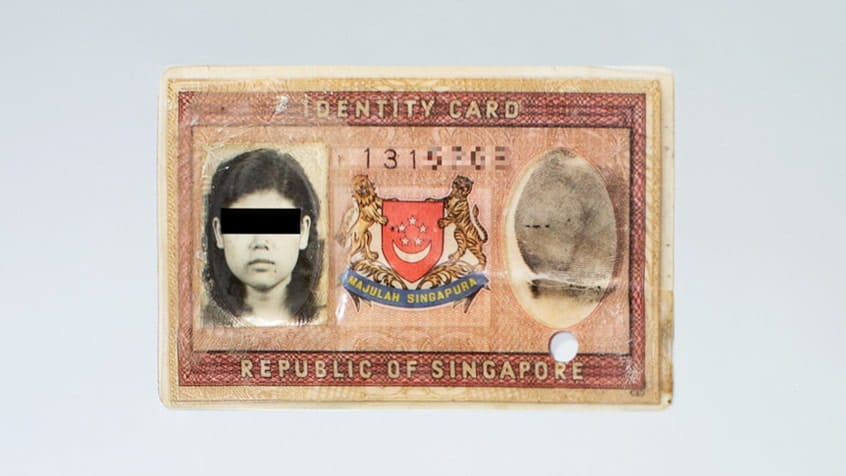
Singapore Citizens were issued the pink laminated IC, while Permanent Residents were given the blue laminated IC.
Image credit: ICA
If you’ve ever dug through your grandparents’ keepsake boxes, there’s a chance you’ve come across this relic. Singapore introduced its 1st laminated ICs in 1966, following the National Registration Act, and they looked very different from the sturdy cards we carry around today.
These early ICs featured the holder’s photo and thumbprint, with the cards laminated to prevent personal particulars from being illegally altered. Each holder was also assigned a unique serial number.
Fun fact: Singapore’s 1st President, Yusof Ishak, was issued the very first IC number – S0000001/I.
Then in 1969, the National Registration Regulations were amended to introduce different-coloured ICs for citizens and non-citizens, making it easier to tell the 2 apart at a glance.
3. Laminated ICs got an upgrade in 1991
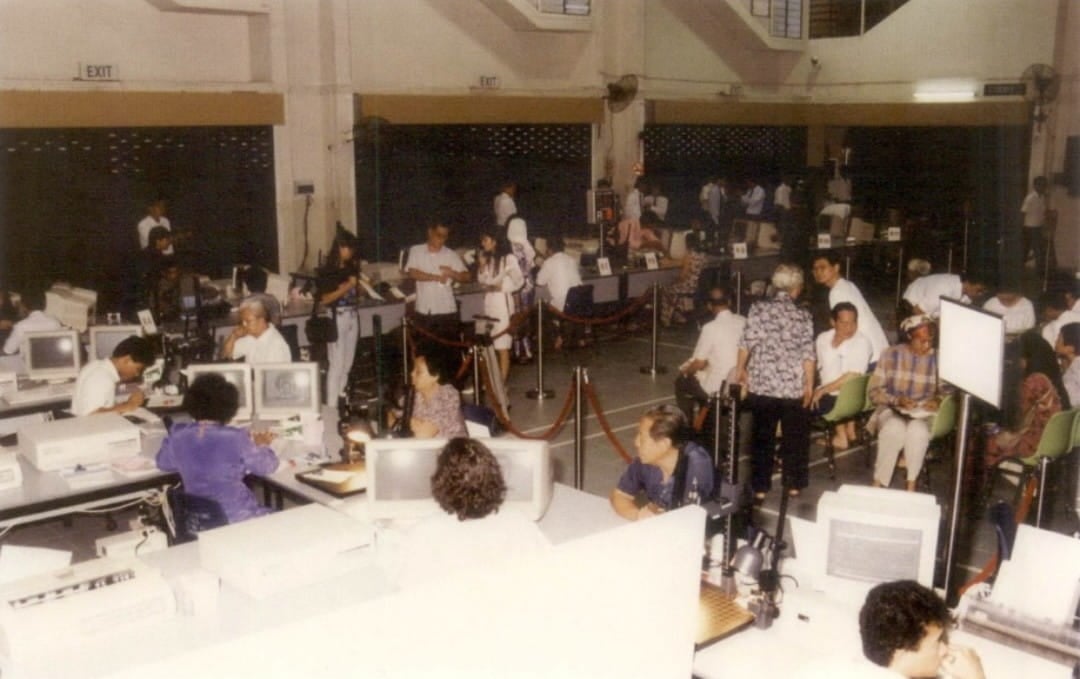
IC re-registration exercise at MacPherson CC in 1991.
Image adapted from: @ica_singapore via Instagram
By 1991, Singapore’s old laminated ICs were due for a glow-up. They were replaced with the more durable polycarbonate cards that we’re familiar with today, which were also designed with better security features to make them harder to tamper with or forge.
The switch came with a re-registration exercise, but Singaporeans who couldn’t make their way down didn’t have to worry about getting left out. Immigration & Checkpoints Authority (ICA) officers went out to meet them in person, including those who were bedridden and residents living on Pulau Ubin, to help them with the registration process.
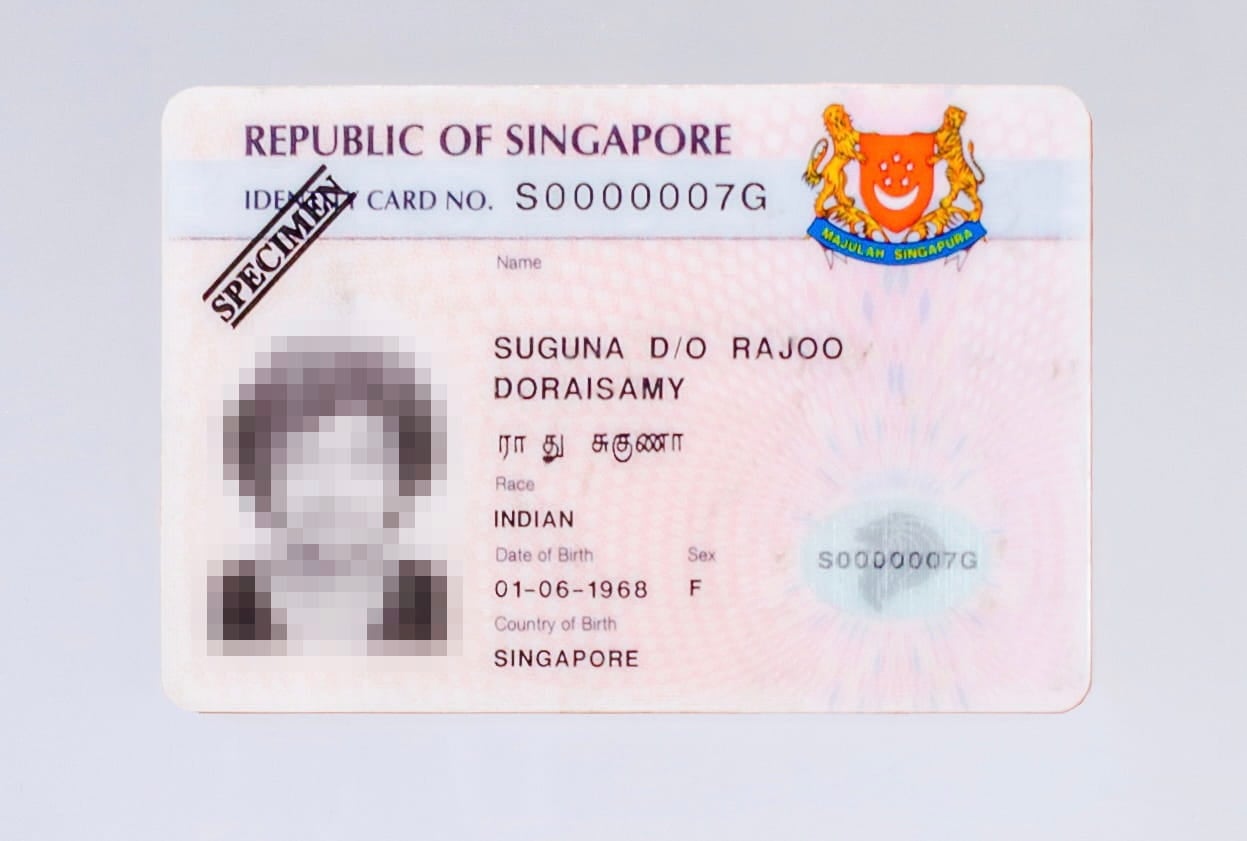
Image credit: ICA
The new ICs came with a bunch of anti-fraud features, including thumbprints and photos that were electronically captured, a changeable laser image of Singapore’s lion head logo, and a barcoded identification number engraved onto the card.
4. Blood group used to be printed on the IC
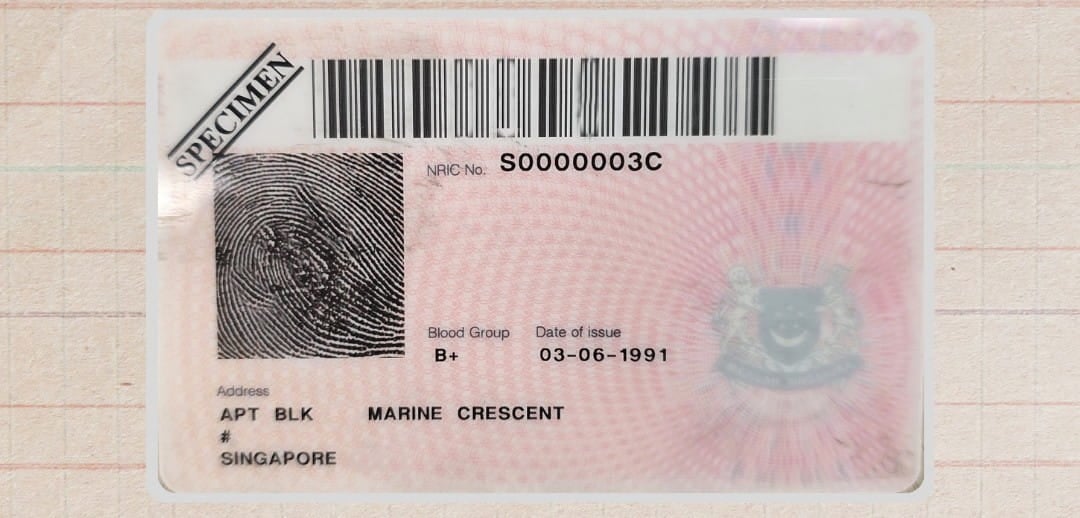
Image adapted from: @ica_singapore via Instagram
Here’s something you might not have noticed if you’ve only ever known the modern IC.
In 1985, the National Registration Department began including blood groups on ICs to facilitate emergency blood collection. However, blood groups were removed from ICs in September 2002 following a joint review by the Ministry of Health and Singapore Immigration & Registration. Advances in medical technology meant blood groups could be tested quickly and accurately when needed, making it unnecessary to have them printed on your IC.
Oh, if you’re unsure about your blood group, log in to the HealthHub Portal with your Singpass to check your past lab test reports. Or you could donate blood and find out that way. You’ll be informed of your blood group on your next donation or through your donor records or card, and can even score a free blind box after donating blood.
5. You need to update your residential address on your IC within 28 days of moving
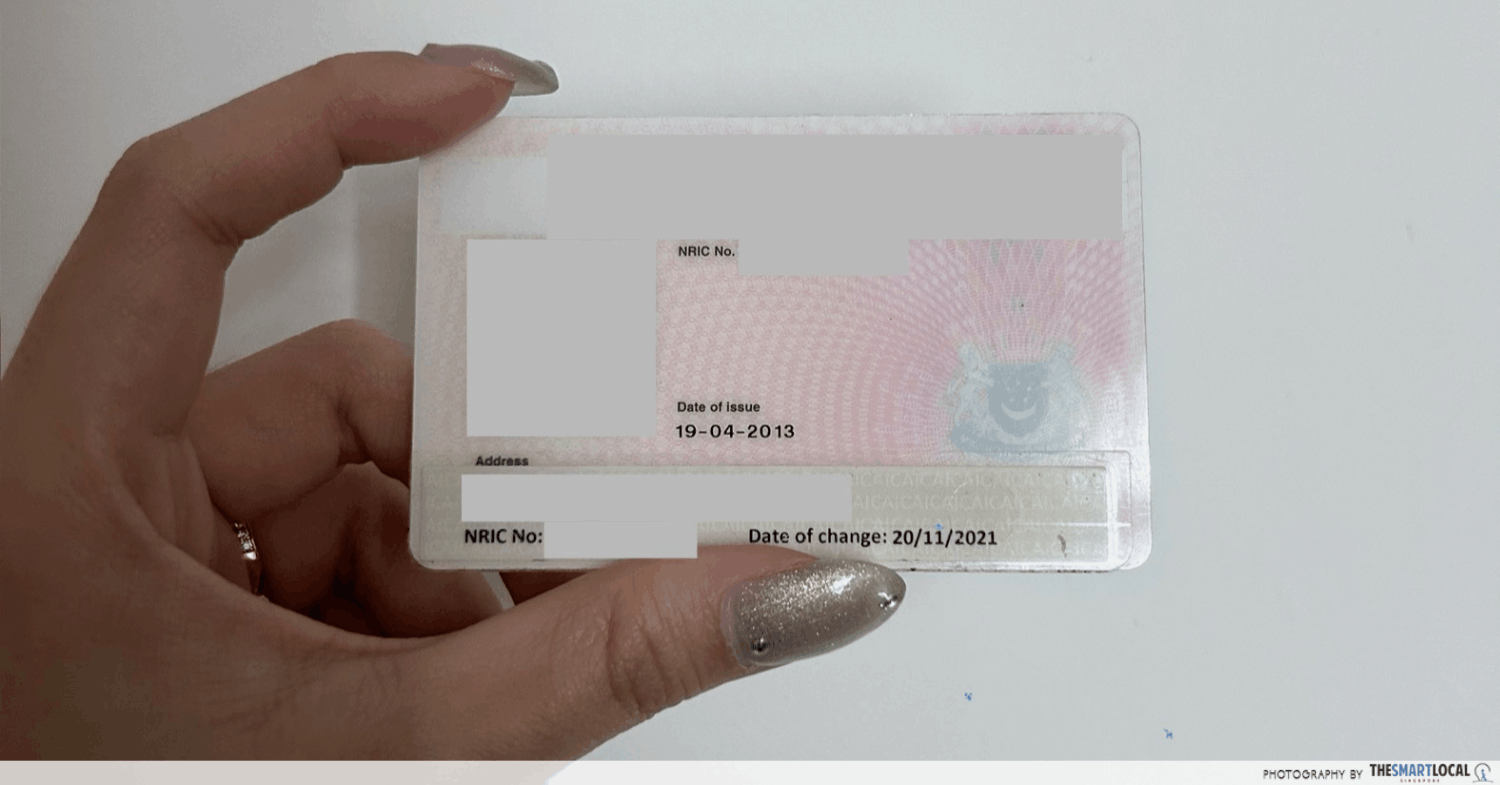
A sticker printed with your new address will be issued, and must be pasted onto the back of your IC.
Moving house isn’t just about packing up your life into boxes and figuring out where the sofa is going to fit in your new living room. There’s also some admin to settle, including updating the residential address on your IC.
You probably already know that, but you might not know that you only have 28 days to do so. The process is now pretty fuss-free too; you can update your address for free via the ICA website, so there’s no need to make a trip down to an ICA Building or Neighbourhood Police Post like in the past.
Those who fail to update their address within the stipulated period may be fined up to $5,000, jailed for up to 5 years, or both. We say don’t risk it and just get it done to cross another item off your checklist.
6. The “S” in your IC number doesn’t stand for “Singapore”
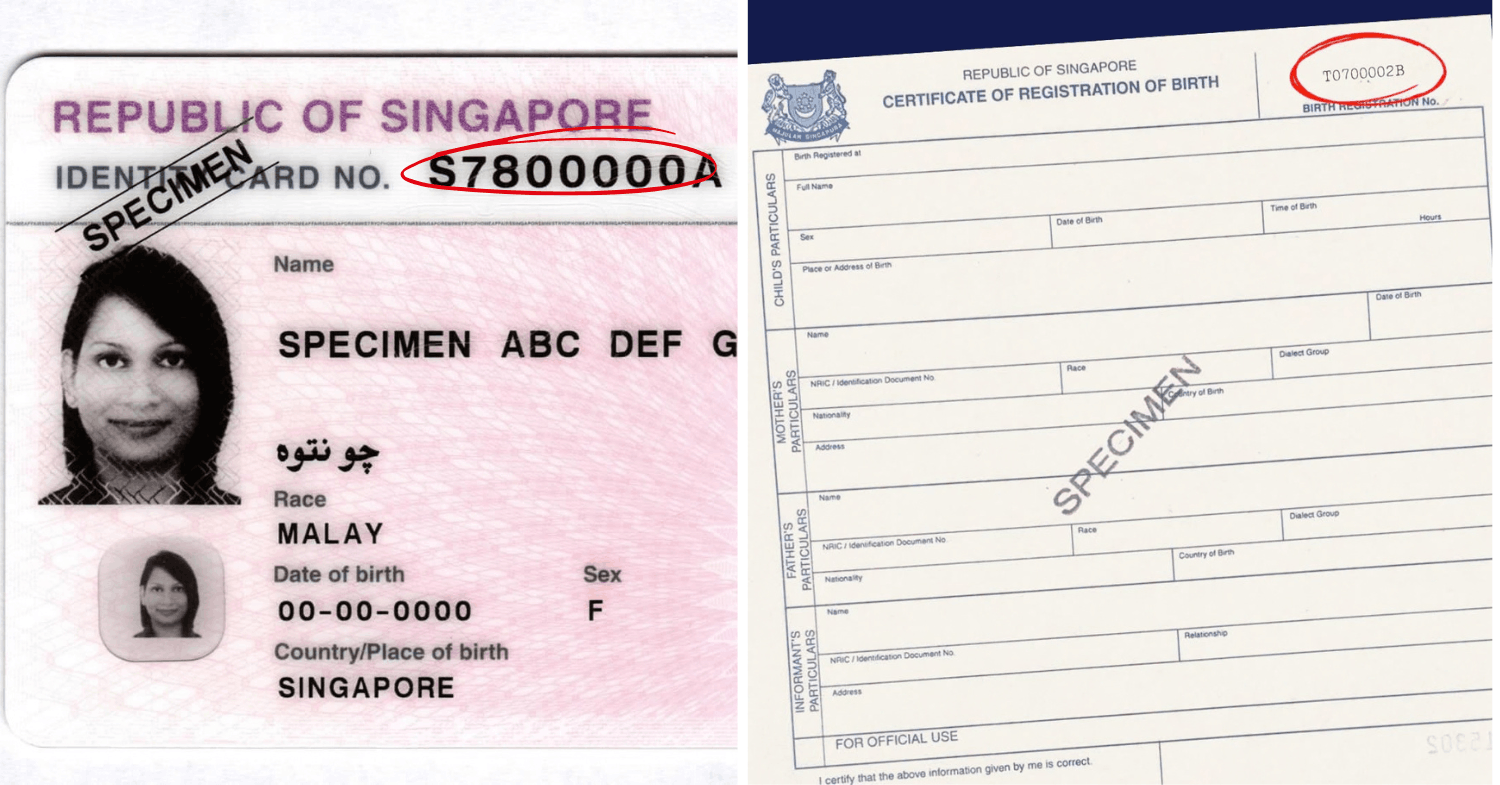
Image adapted from: Immigration & Checkpoints Authority via Facebook
Sorry to break it to you, but the “S” in your IC number doesn’t stand for Singapore.
Instead, “S” is the 19th letter of the alphabet and was used for Singaporeans born in the 1900s. Naturally, those born from the 2000s onwards got a “T” instead, since it’s the 20th letter.
It’s pretty cool that we get to witness both the S and T eras in our lifetime, though we probably won’t be around to see IC numbers starting with “U”.
Fun facts about the Singapore passport
7. Singapore’s 1st passport was issued in 1965
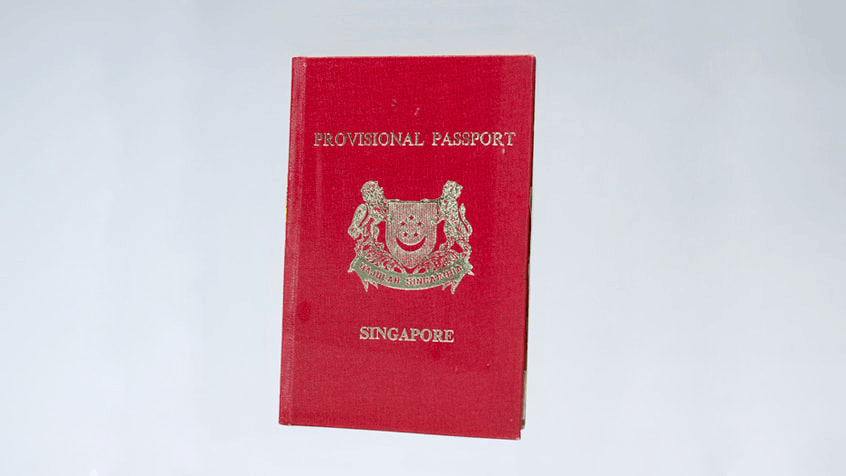
Image credit: ICA
Our passport has gone through a few makeovers over the years, but one thing that might surprise you is that Singapore initially issued temporary passports after gaining independence.
Just 8 days after independence, on 17th August 1965, Singapore introduced a provisional passport. They stopped being issued from 18th June 1966, after which Singapore introduced a new hardcover permanent passport – the start of the passport format that would evolve into the one we know today.
8. There were passports specifically for use when travelling between SG & West Malaysia
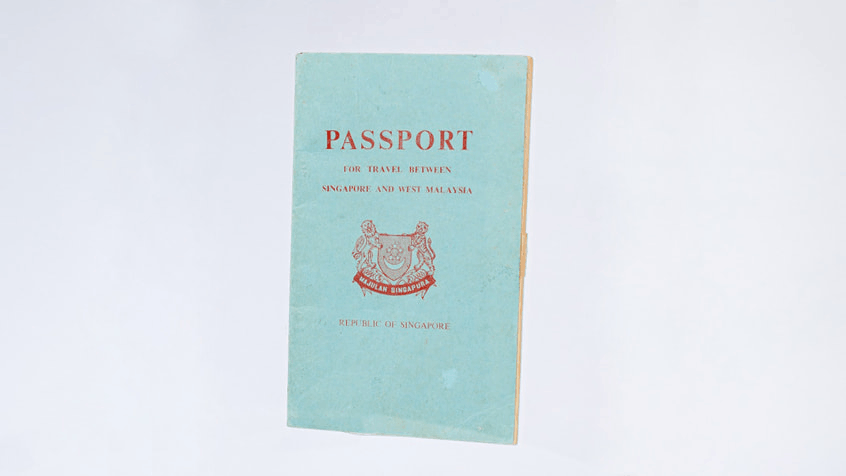
Image credit: ICA
Just when we thought Singapore’s passport history couldn’t get any more surprising, here’s another one: Singaporeans used to have 2 different types of passports.
The Singapore Restricted Passport was introduced when the immigration controls at the Johor-Singapore Causeway were launched, and was only valid for travel between Singapore and West Malaysia.
But it stopped being issued after 1st January 1999 due to a lack of demand. From 1st January 2000, the red Singapore International Passport became the only valid travel document for leaving Singapore.
9. There are cool security features on the Singapore passport
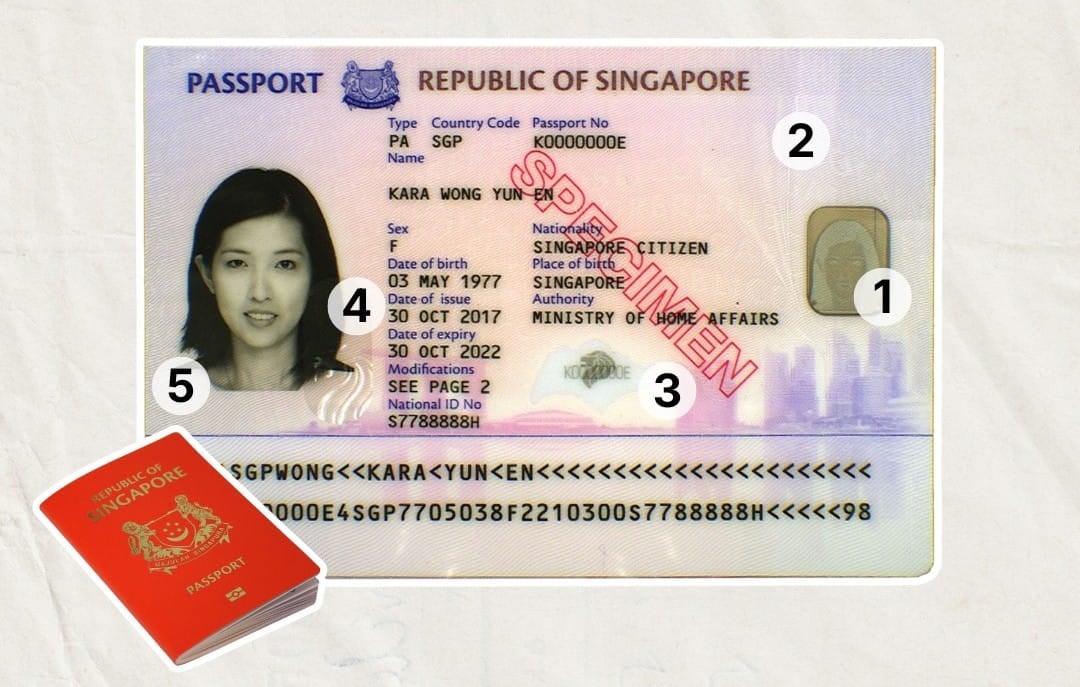
Image adapted from: @ica_singapore via Instagram
Take a closer look at your Singapore passport the next time you’re digging it out for a holiday – there are a few security features hiding in plain sight:
- High-security window lock feature – Contains your photo, which can appear as either a positive or negative image when you tilt the passport under transmitted light.
- Surface transformation design – Shaped like the orchid, SG’s national flower. It also creates different reflective and animated effects when viewed from different angles.
- Multiple Laser Image – Shaped like the SG map.
- Diffractive Optically Variable Image Device (DOVID) design – It produces an achromatic effect when tilted.
- Embossed tactile design – Raised patterns that can be felt.
10. There’s no need to scan your passport anymore when using the biometric clearance system
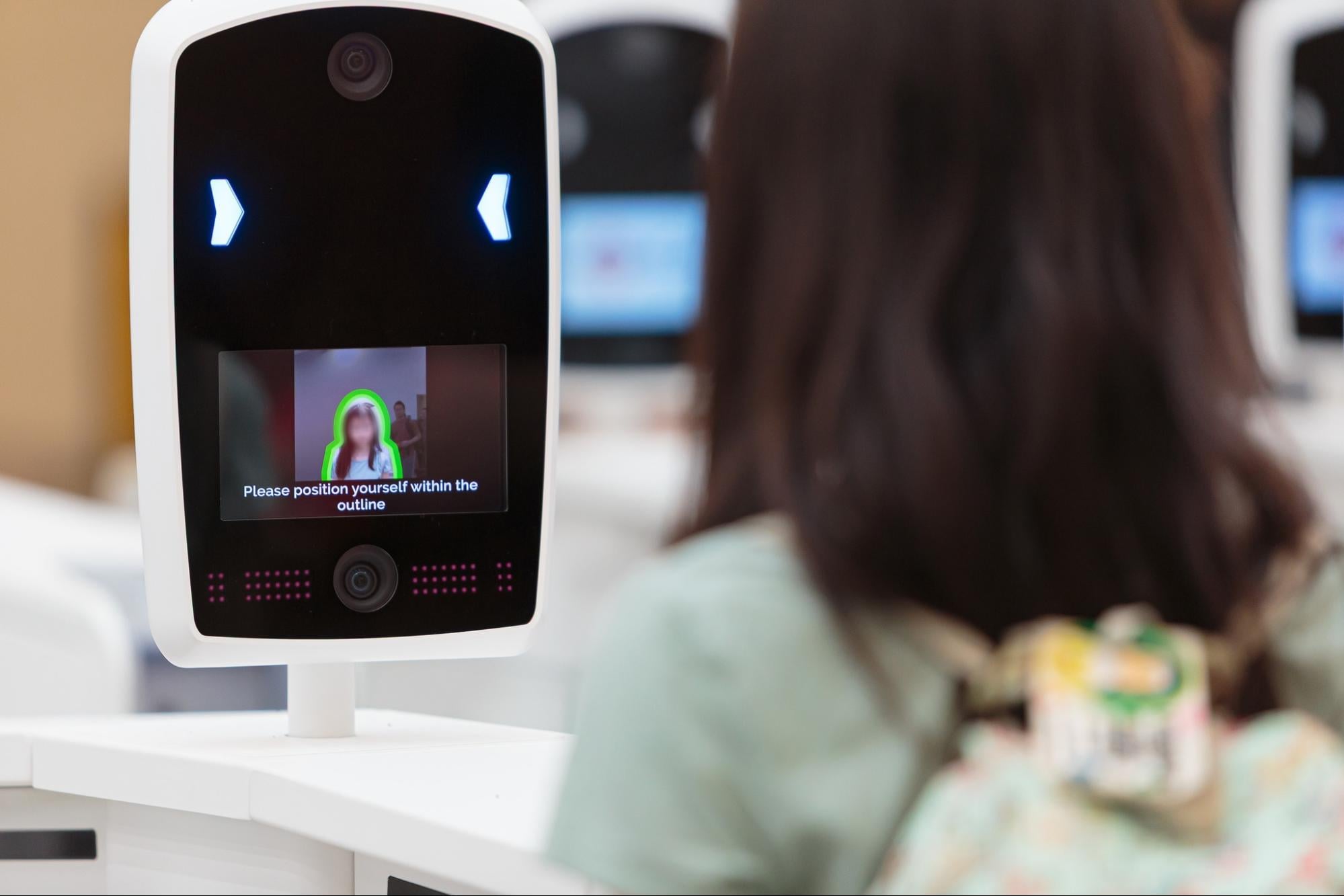
Image credit: @ica_singapore via Instagram
Since 30th September 2024, passport-less immigration clearance has been rolled out across all Changi Airport terminals, using facial and iris biometrics to verify your identity instead.
But before you get too excited and leave your passport sitting at home, take note that you’ll still need to carry your physical passport with you.
11. Inked passport stamps are no longer in use at SG checkpoints
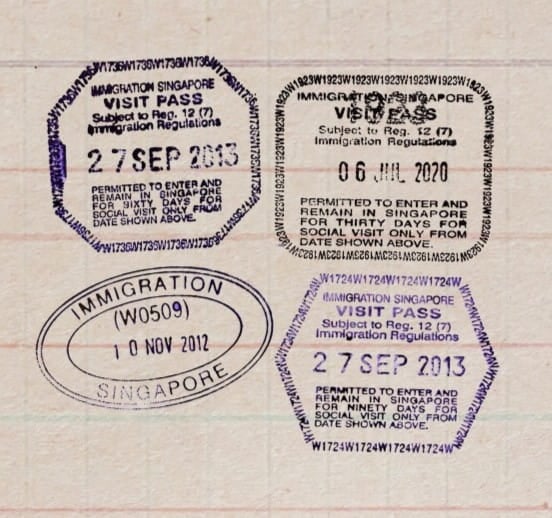
Image adapted from: @ica_singapore via Instagram
In March 2022, ICA began replacing inked passport stamps at Singapore’s checkpoints with the electronic Visit Pass (e-Pass) as part of the New Clearance Concept. So the next time your overseas friend asks why they didn’t get a chop in their passport when entering Singapore, you can explain why.
And it’s not just Singapore saying goodbye to the good ol’ passport chop. Countries around the world are slowly moving away from inked passport stamps in favour of digital immigration records, e-gates, and biometric clearance.
Of course, this is great for faster and more seamless immigration, but it unfortunately also means we’re slowly losing one of the little joys of travelling.
12. Your passport is now valid for 10 years before you need to renew it
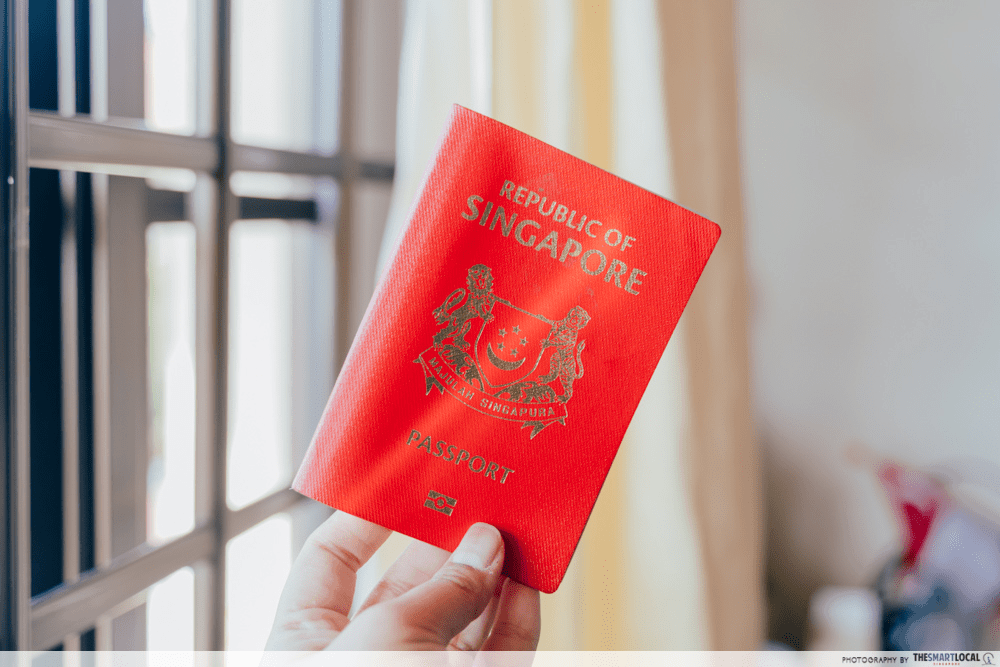
Just in case you haven’t noticed, Singapore passports are now valid for 10 years, instead of the previous 5 years, for Singapore Citizens aged 16 and above. This applies to passport applications submitted from 1st October 2021 onwards.
That means fewer trips to renew your passport and, more importantly, you get to hold on to that $70 for a little longer. The next time you’ll need to fork out for a renewal is a whole decade later, provided you don’t lose your passport before the expiry date.
Go forth & flex these cool facts about the Singapore IC & passport
We might not give our ICs and passports much thought beyond taking them out when we need to prove our identity or clear immigration, but there’s actually a long history and many details packed into them. And when it comes to our passport, we’re honestly blessed to be carrying one that consistently ranks among the world’s strongest.
Now that you know all these fun facts about Singapore’s IC and passport, go forth and test your friends the next time you’re hanging out.
More about SG’s IC or passport:
- NRIC misconceptions that Singaporeans still believe in
- Countries that require pre-arrival documents even with an SG passport
- What you can do on the MyICA Mobile app
Cover image adapted from: ICA, @ica_singapore via Instagram