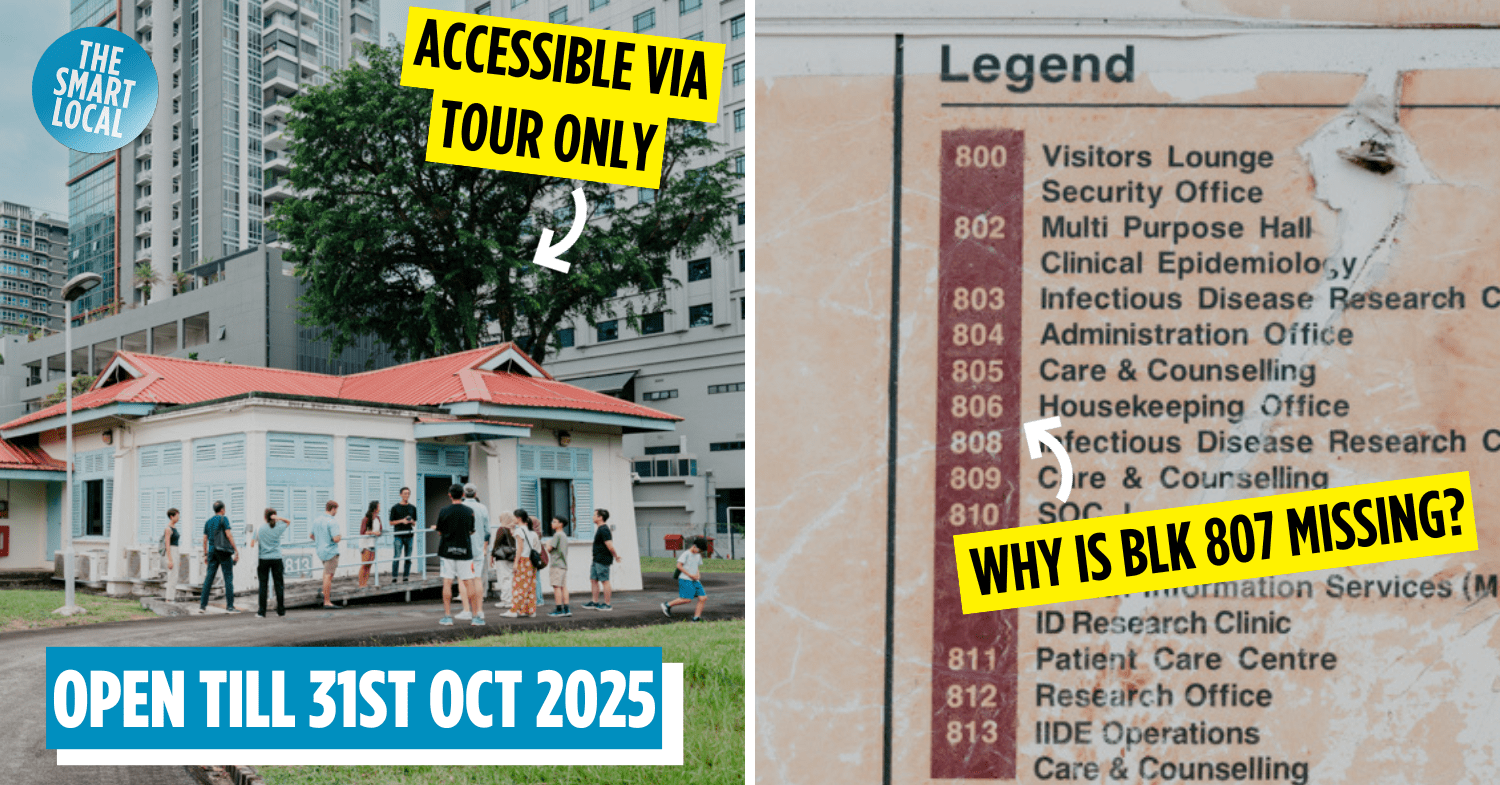

Former Communicable Disease Centre
If you’ve ever driven past Moulmein Road near Novena, you might have noticed a cluster of old colonial-style blocks fenced off and looking desolate. What you may not know is that the site extends all the way to almost 1 million sq ft of land upon which the former Communicable Disease Centre (CDC) sits.
A place with over a century of history, the CDC was once ground zero for some of the deadliest outbreaks in Singapore. Today, the CDC has been closed for years, with plans to redevelop it into a lifestyle hub. But before it transforms into another spot for cafes and co-living spaces, we got the chance to join a Hidden Heritage guided tour of the site.
What we discovered was a place layered with stigma, wholesome stories of medical heroism, and relics of Singapore’s battle against infectious diseases. Here’s what it was like walking through the grounds of one of Singapore’s most misunderstood hospitals.
Everything you need to know about the former CDC tour
The former CDC is now open exclusively for tours conducted by the couple – Stanley and Amanda – that runs Hidden Heritage, and only on certain days until 31st October 2025. So, you’ve only got a few chances left to explore this piece of history.
Adults and children are all welcome to join the tour, with tickets at $48/pax.
Upcoming tours:
| Saturdays (3pm-5pm) | Sundays (10am-12pm) |
|
|
By the way, you’re free to take photos and videos throughout the facility – rather, you’re encouraged to do so.
What is the former Communicable Disease Centre?
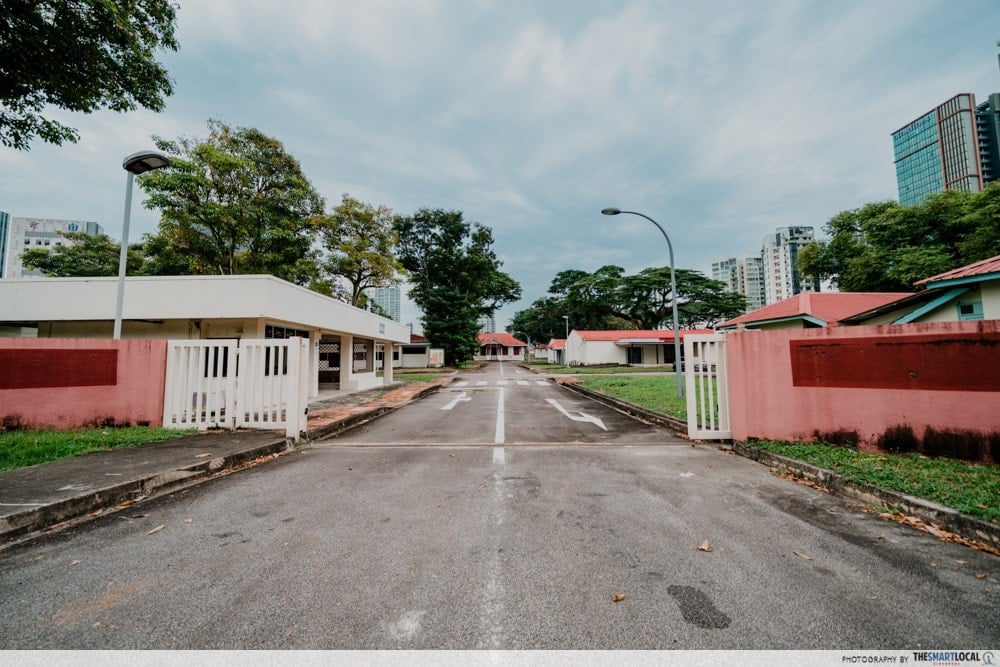
As the name suggests, it was a place shrouded in stigma, especially for the general population who were none the wiser about the diseases that were treated here. The CDC was never the kind of hospital people spoke of fondly. In the early 20th century, diseases like smallpox, cholera, and later HIV were rampant.
In an age of no Internet, the lack of information on how to deal with such illnesses and interact with people who suffered from them, led the hospital to become a symbol of fear amongst locals. In fact, Amanda shares, “My aunt used to tell me to close the bus windows or hold my breath if I ever had to pass by the centre. In her words, ‘Don’t bring any diseases to my house!’”
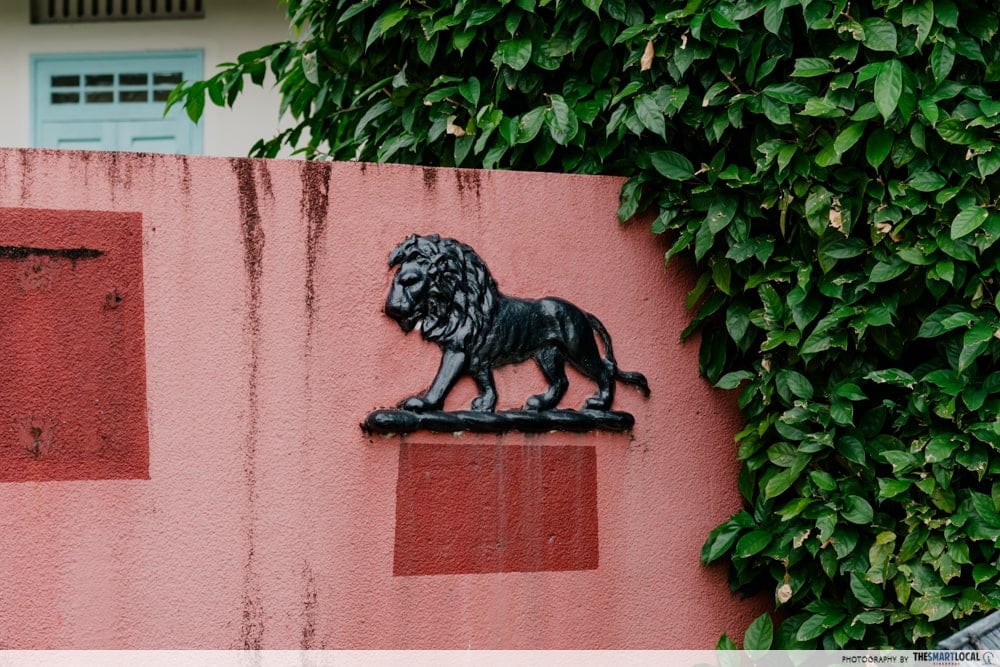
Further illustrating the reputation of the place, the hospital’s emblem was often referred to as “or sai” in Hokkien, which literally means “black lion,” but carried the undertone of being the stigmatised lion. Taxi drivers back in the day knew the hospital specifically by this name.
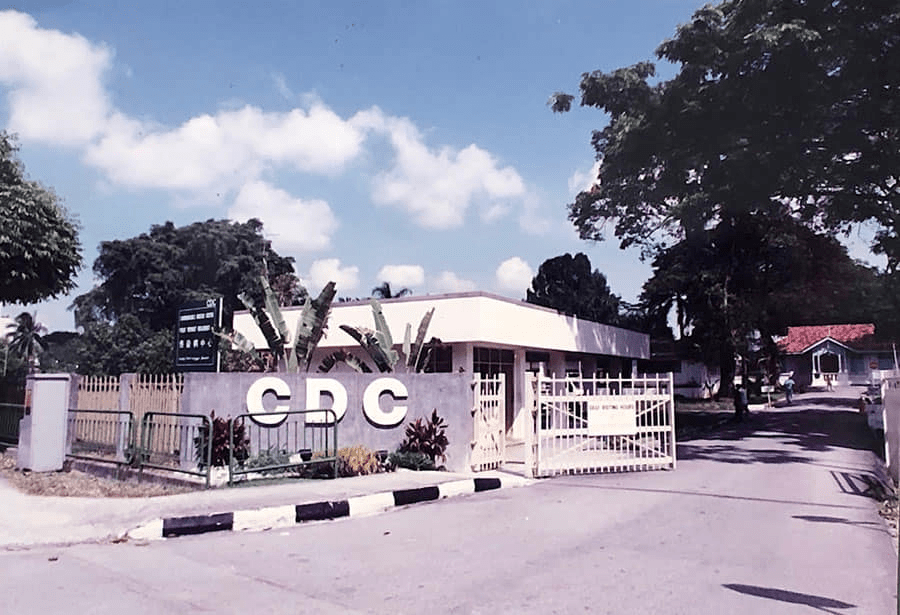
Image credit: The Others Site Of Singapore(T.O.S.S) via Facebook
Patients often went to extreme lengths to hide their identities. We heard stories of people disguising themselves in hijabs or veils, and masking up just to collect medicines.
Today, we know a lot more about these diseases, and in hindsight can remark that a lot of the fear and stigma was unfounded, but it was very real at the time. In many cases, it also meant patients here were doubly isolated, battling not only illness but also society’s rejection.
History of CDC – From Moulmein Hospital to Middleton
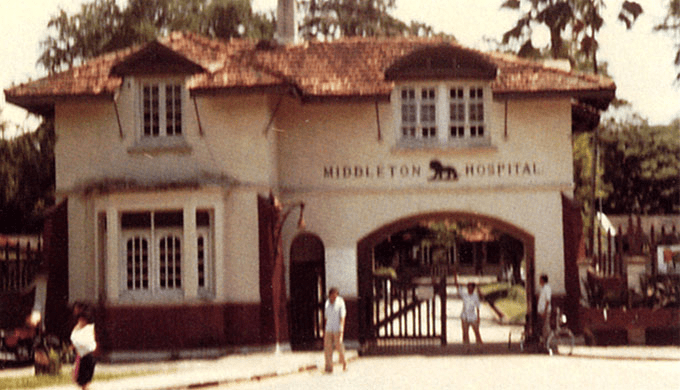
Image credit: Tan Tock Seng Hospital
Looking at how clean and green Singapore is today, you might be wondering how all these diseases even came to our shores. At that time, migrant workers arriving from different parts of Asia brought in contagious diseases that spread quickly in cramped living conditions.
To isolate those with infectious diseases, a quarantine camp was set up at Moulmein Road in 1907. Since then, the site has gone through several names – Government Infectious Diseases Hospital in 1913; Middleton Institution in 1920; then to Middleton Hospital after Dr W.R.C. Middleton; and eventually renamed Communicable Disease Centre.
The hospital became the first line of defense against outbreaks like cholera, bubonic plague, and waterborne diseases such as those spread through contaminated ice.
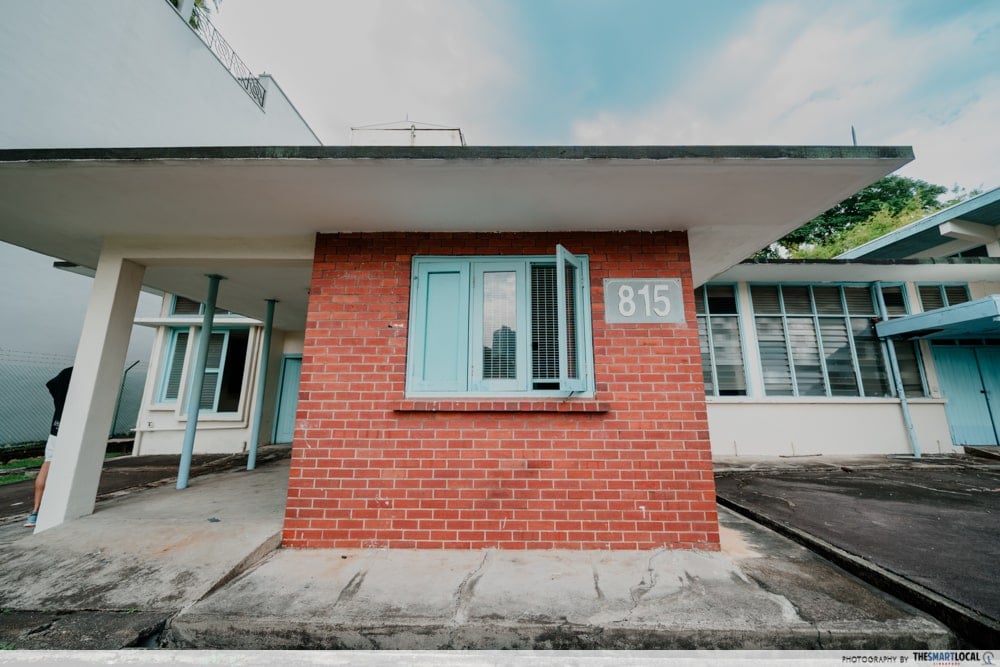
Back then, conditions were terrible. There’s even an old account from 1911 in The Straits Budget titled “Educated Chinaman’s Disgusting Experience”, which alluded to the hospital’s poor sanitation and lack of proper facilities.
It ran independently until 1985, when it merged with Tan Tock Seng Hospital (TTSH). The merged entity became the CDC, which would remain in use until 2018, when the sleek, high-tech National Centre for Infectious Diseases (NCID) took over its role.
Over its lifespan from 1913 to 2018, the hospital bore witness to everything from polio epidemics and smallpox eradication campaigns to the HIV crisis in the 1980s and the SARS outbreak in 2003.
What to expect during the former CDC tour?
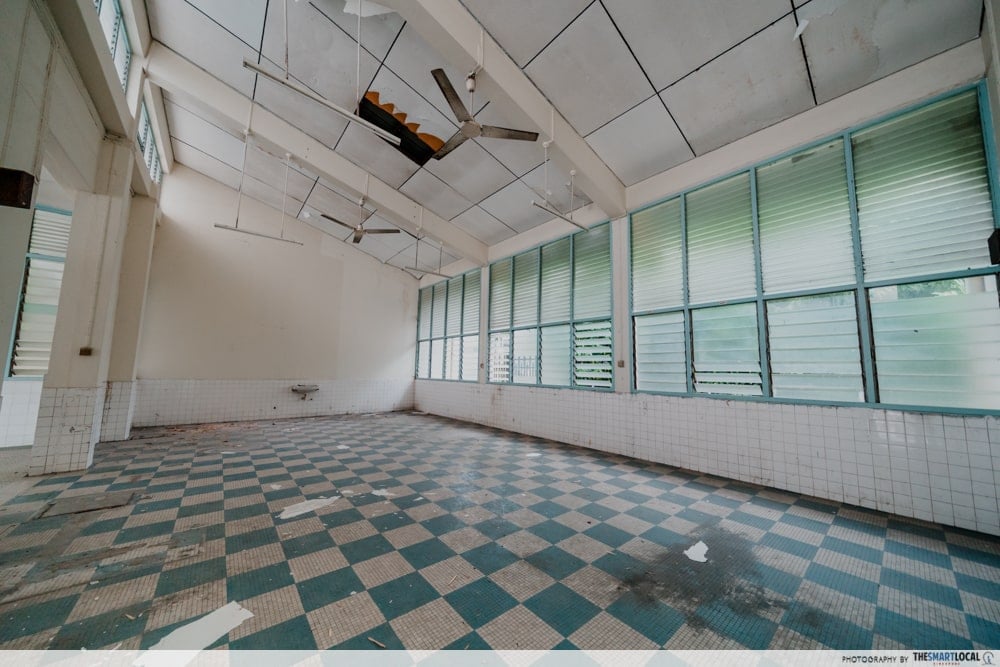
When the CDC shut its doors, almost everything was stripped away. Only the blocks and some elements of the hospital were preserved. Walking the grounds today, the blocks look empty, but traces of their past purpose are everywhere – sterilisation rooms, ramps for stretchers, and faint outlines of segregation wards.
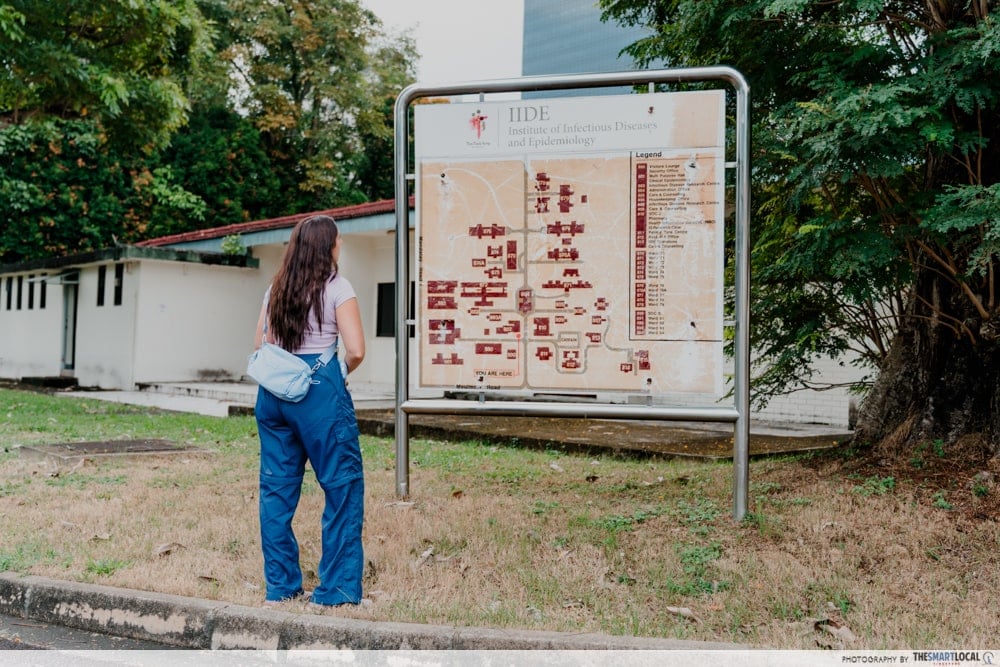
The CDC was huge, made up of multiple blocks, each serving different functions. Walking through them felt like peeling back layers of history.
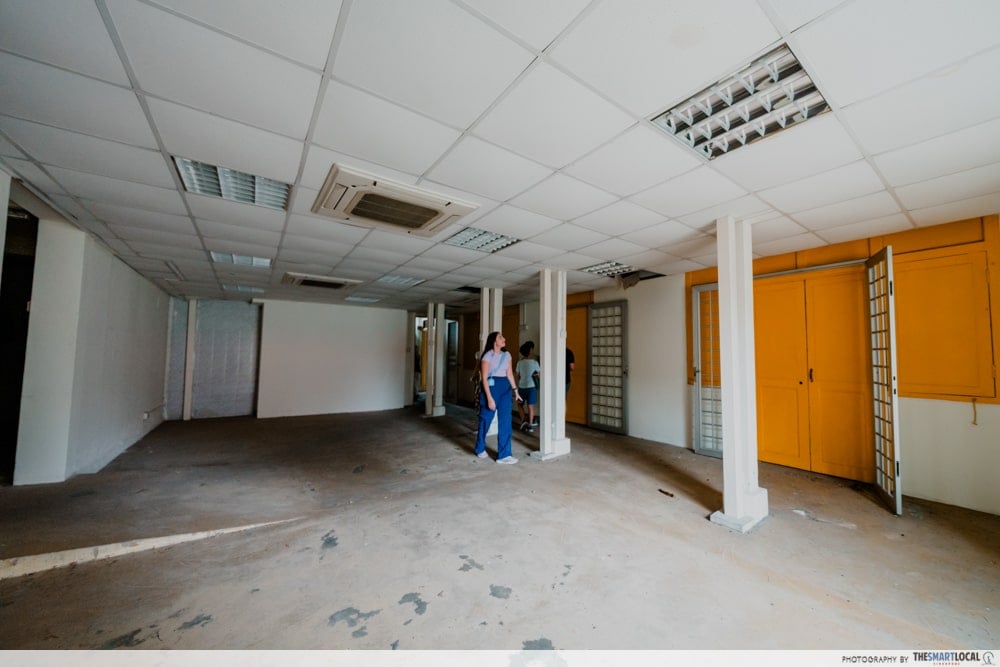
For example, one of the first few blocks you’ll enter was used to run handicraft programmes which would then subside the sales of HIV medications. You’ll hear heartwarming stories of staff who braved the red-light district and worked with nightclub bouncers to ensure sex workers got tested regularly.
Perhaps more surprisingly, we found out that it was here that Singapore’s first HIV-positive baby was born and cared for.
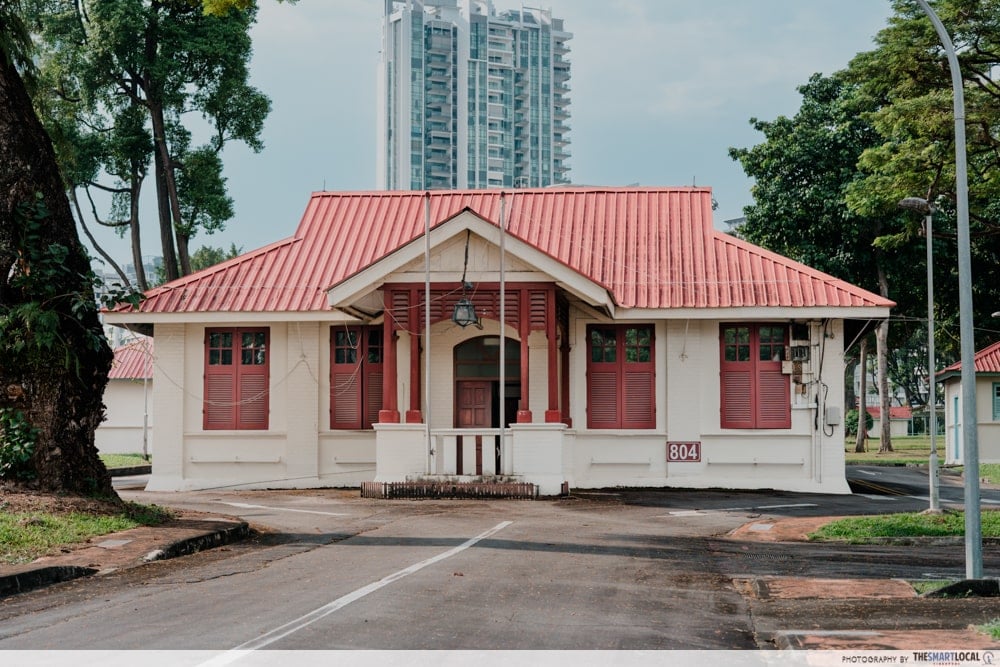
Administration Office building.
If you’ve been paying attention to the timeline, you’d have noticed that the former CDC lived through WW2. One of the centre’s significant members was Dr Steven Montero who was spared during the Japanese Occupation when they took over the hospital. His son, Dr Edmund Montero, later became CDC’s director, inspired by his father’s legacy.
One touching story we heard was how on Christmas Eve during the Occupation, a couple of Japanese doctors surprised children at the centre by handing out a loaf of bread – a rare act of kindness in a brutal period.
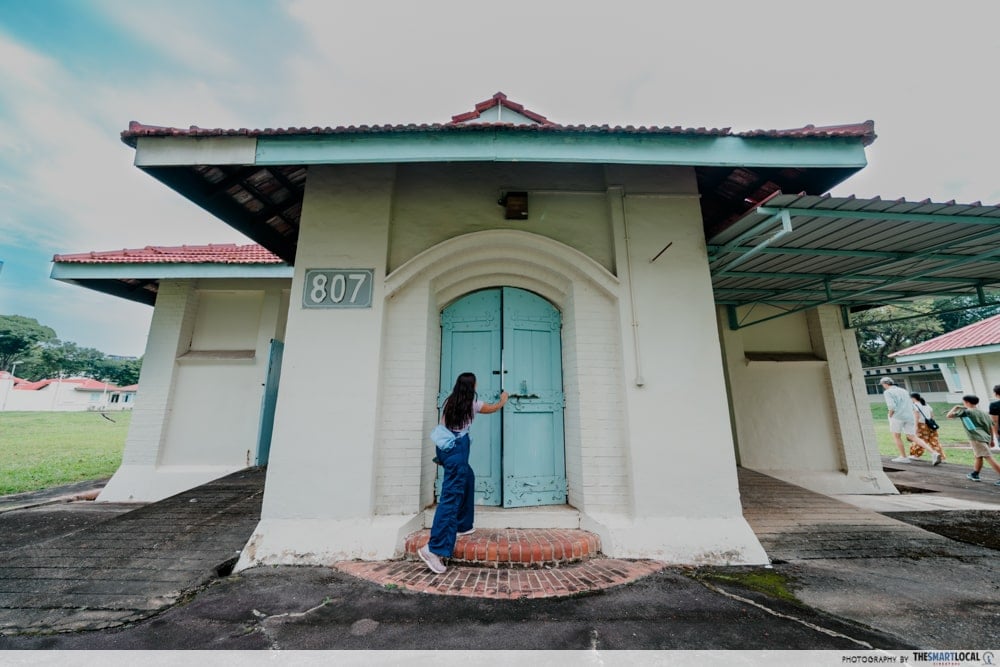
One of the eeriest stops is Block 807. Go back to the map at the entrance and you’ll notice its mention is completely missing from the legend. You’ll have to attend the tour to find out why and what exactly this block was used for, but the ramps on either side, leading to entrance doors might give you a clue.
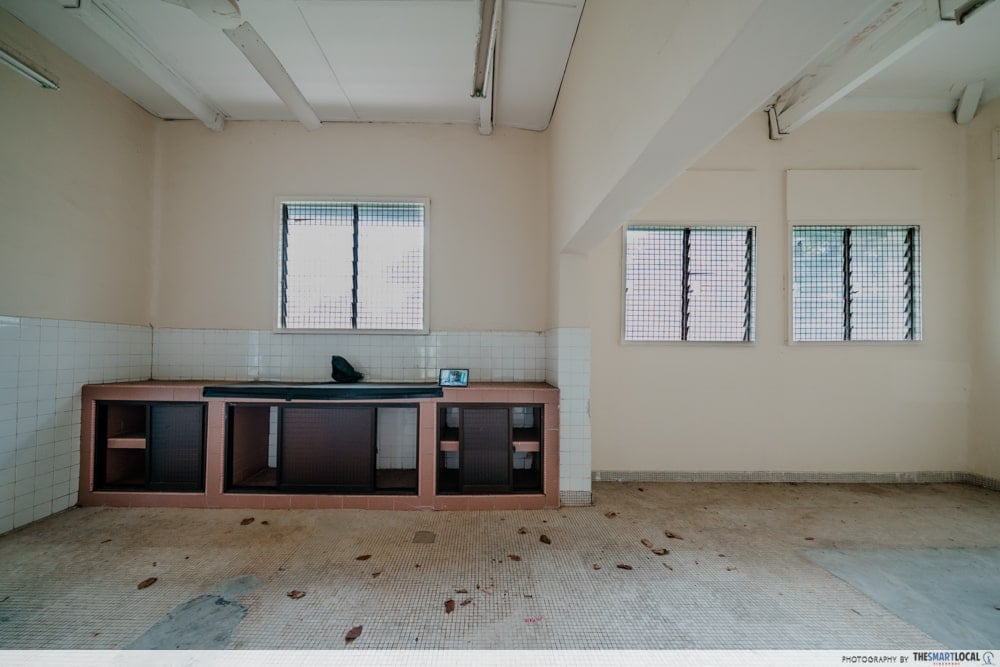
Inside Block 807.
It was here that a partial postmortem of an HIV patient revealed how the disease had hollowed out their spine, deepening medical understanding of the virus.
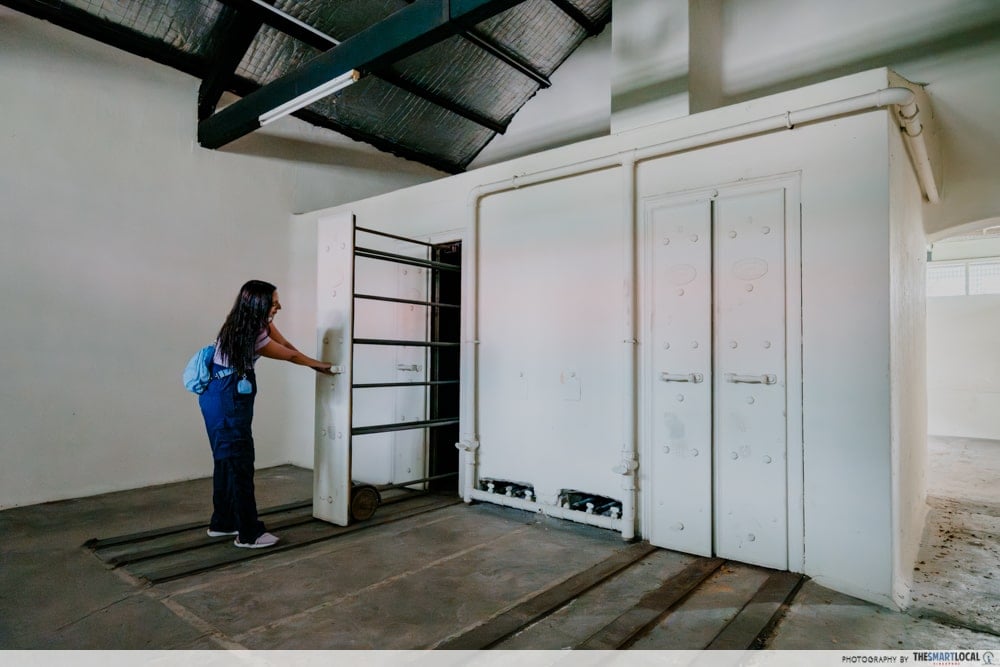
There are also a number of interactive elements during the tour such as Block 806. While initial guesses were made that the building housed an incinerator for cremation, further inspection indicated the facility was more likely used for sterilisation of medical equipment.
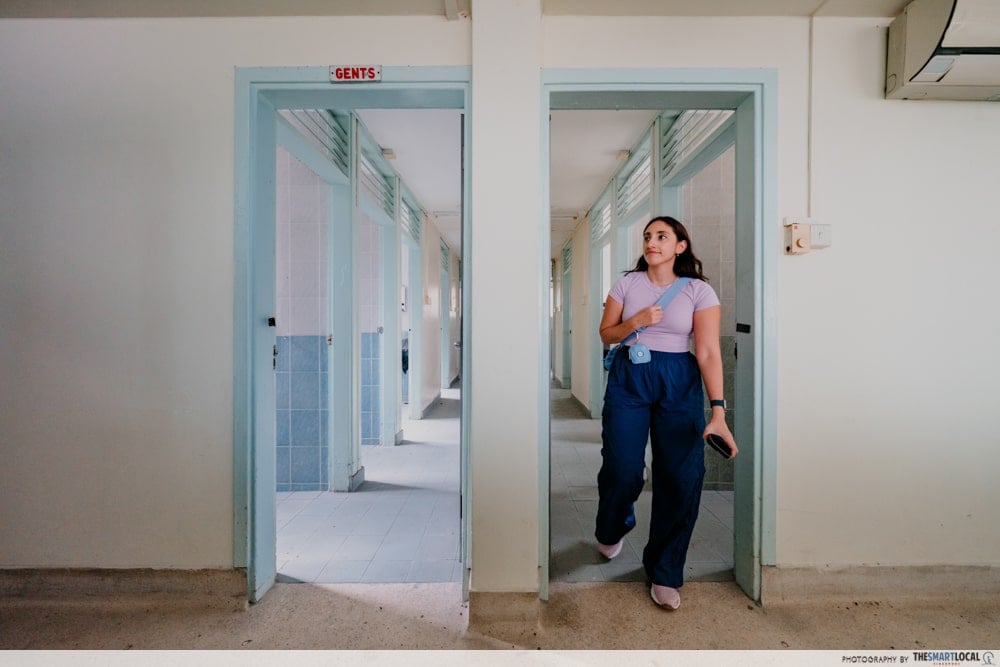
There were also once wards that segregated patients into “European,” “Upper Asian,” and “Lower Asian” categories – a colonial practice thankfully abolished, but now preserved as a reminder of how problematic it was.
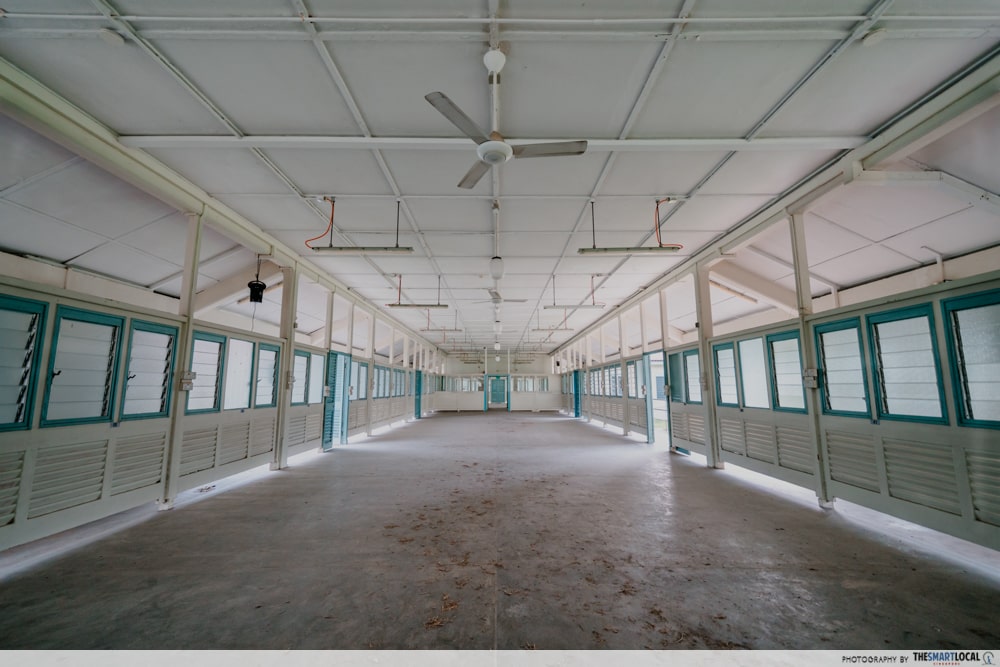
Back then, chickenpox was considered serious enough to warrant its own ward. One patient even sat for his O-Levels inside the ward. According to his account, because of lenient invigilators, he aced his exams.
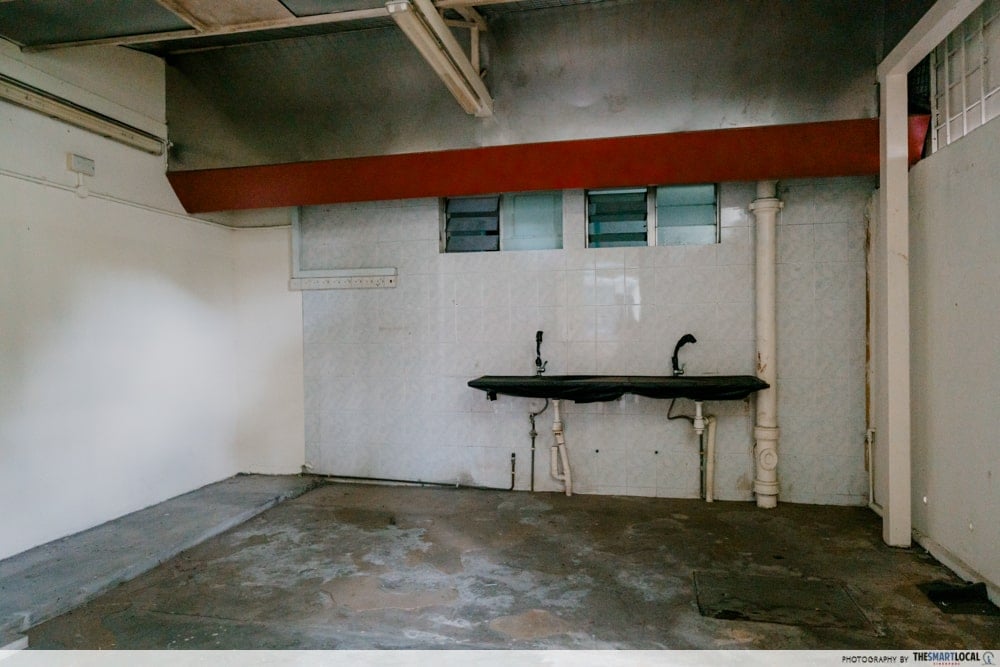
Let’s talk about Wards 76 and 76A. So stigmatised were HIV patients that they were placed in separate wards, away from all others. Nurses were even sent to Australia to train on HIV management before bringing knowledge back.
At its peak, the wards couldn’t keep up with demand. But when new drug therapies emerged in the 90s, patients no longer needed to be hospitalised, and the wards eventually shut.
Interestingly, these wards were also home to a resident civet cat who wandered freely among patients and staff.
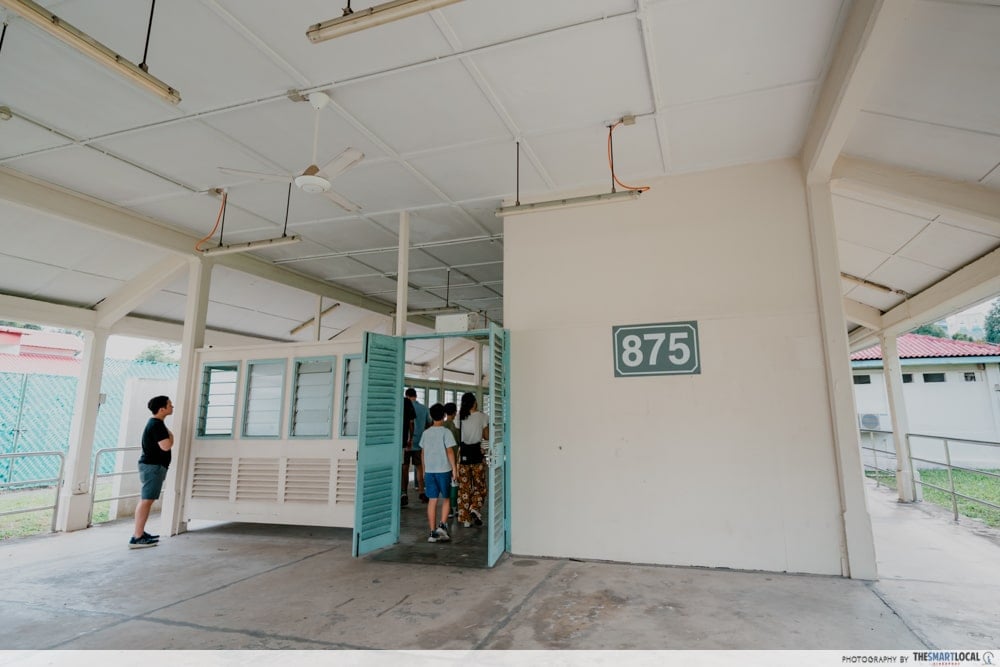
There’s also one of Singapore’s only open-air patient wards in Singapore. Block 875 is none other than the pediatric ward, built with ventilation to prevent any cross-contamination.
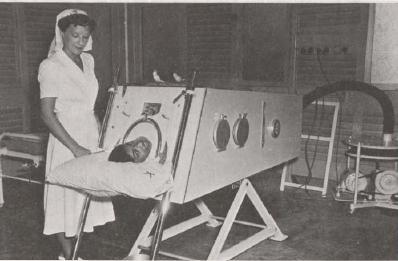
Image credit: NLB
One of the most heartbreaking stories is of a polio patient who was encased in iron lungs – massive machines that helped him breathe when paralysis set in. Doctors tried to wean this young boy off the iron lung using the “frog technique” of breathing. Sadly, he passed away en route to Australia for further treatment. However, nurses who took care of him fondly remember him to this day.
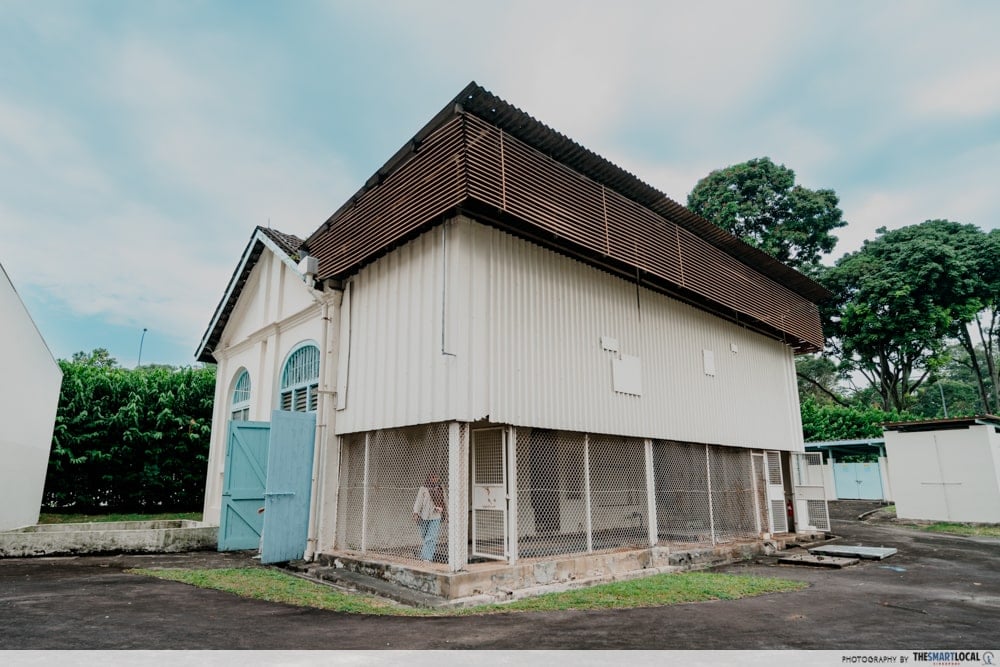
This block handled contaminated linens and included small annexes for staff to disinfect themselves.
While we don’t want to spoil more of the surprises in store for tour participants, we’ll just say that you’ll learn a lot by the end of it.
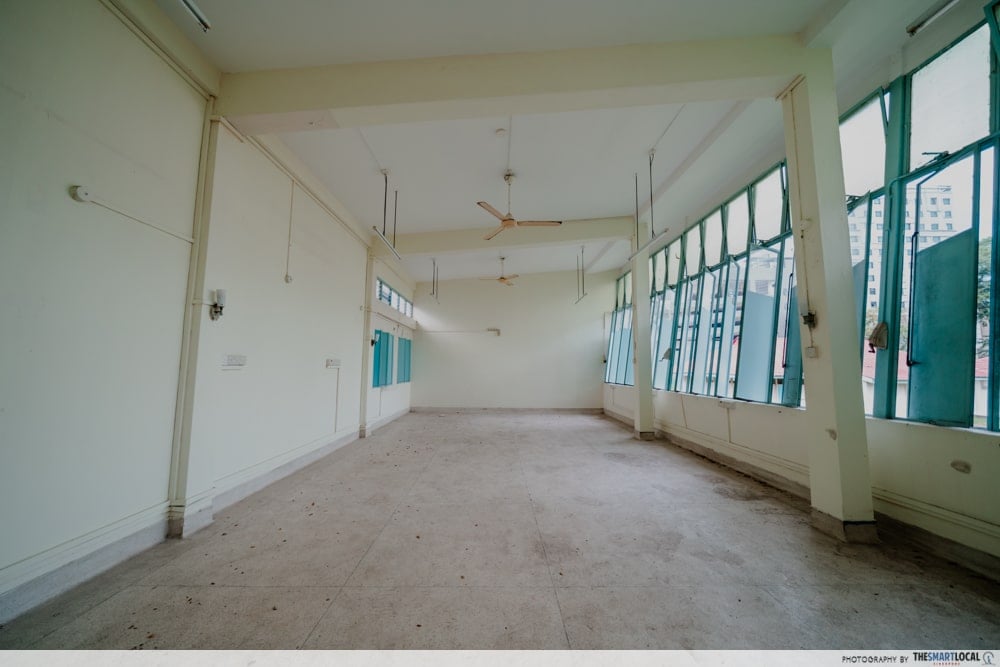
You still need to hear more about “classy” wards with swivel windows where patients were instead referred to as “members” and were given nicknames for anonymity.
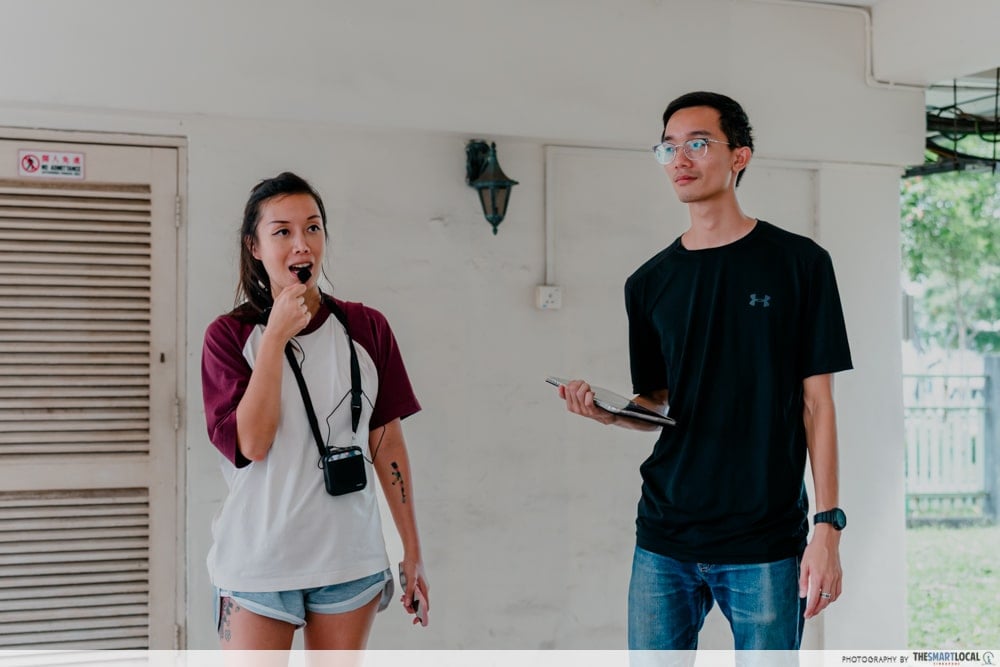
Throughout the 2 hours, Amanda and Stanley will recount various stories gathered from historical sources as well as first hand accounts of people who used to work there. With each story at each block, more about the former CDC and the people who stayed there are revealed.
“Container” wards during the SARS crisis
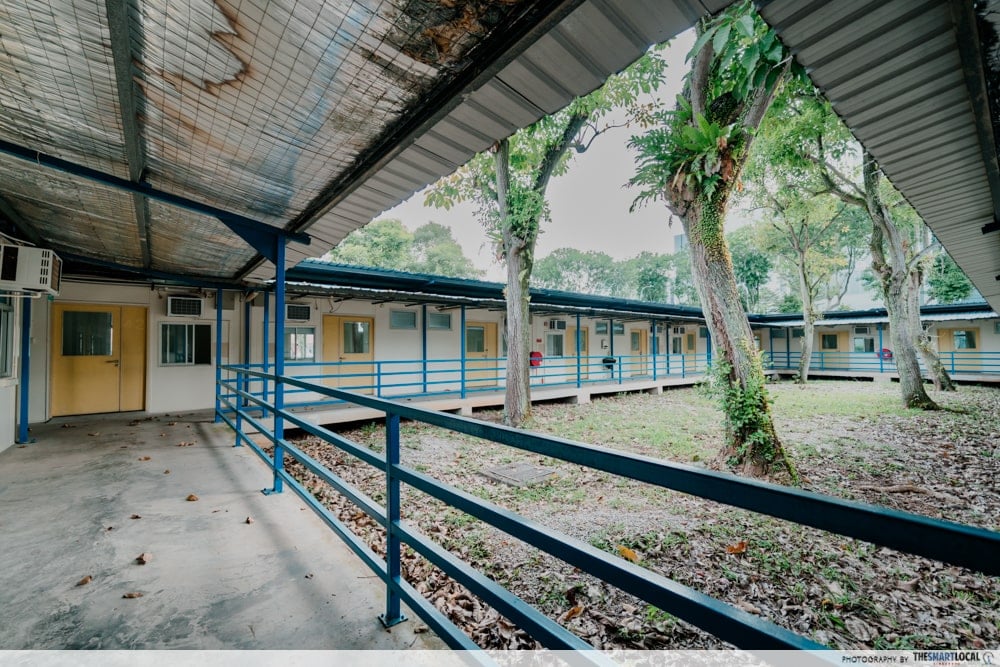
At the end of the tour, you’ll come across these newer wards that look completely different from the other blocks of the centre. During the 2003 SARS outbreak, 80 such “container” wards were erected in a very short span of time to cope with the flood of patients.
A young doctor recounted being deployed here right after graduation. His own mother and friend contracted SARS and passed away within days of each other – a tragedy that drove him to dedicate his life to infectious disease research.
The medical heroes that roamed the wards of CDC
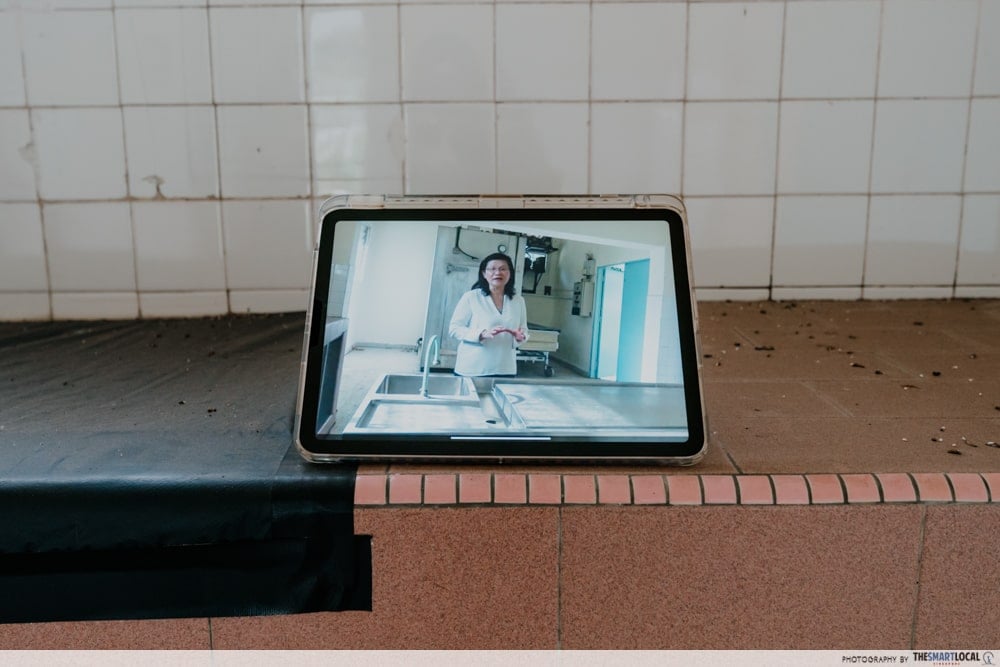
That brings us to the former CDC’s medical heroes. For all its reputation as a “feared place,” the CDC was also home to countless doctors, nurses, volunteers, and maintenance staff who risked their lives to care for patients with diseases.
We were particularly struck by the stories from the HIV crisis of the 1980s and 90s. These HIV patients were isolated, many shunned by family and society. Nurses did everything from running contact tracing in nightclubs to organising hugging sessions for patients who craved simple human touch.
There was even a volunteer who went out of his way to buy food for patients at the tail end of their lives, trim their nails, or just sit and chat with them. One nurse even shared that HIV patients had to be cremated within 24 hours, a practice that underlined how misunderstood the disease was at the time.
What’s the future of Moulmein Road’s former CDC?
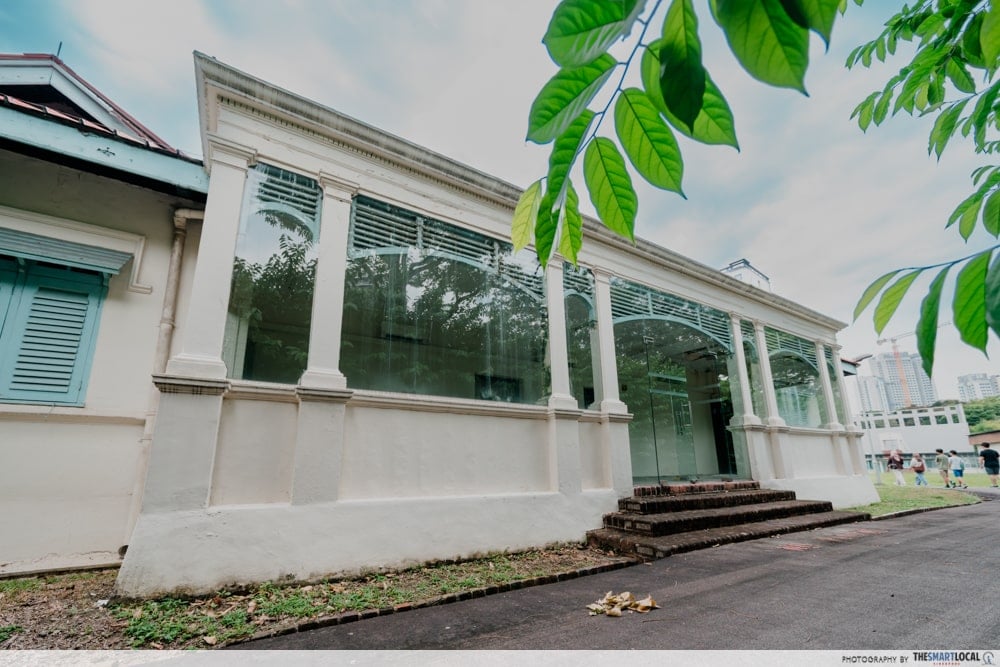
The CDC finally closed in 2018, replaced by NCID, which now handles outbreak preparedness with far more advanced facilities. For the last 7 years, the site has been left fenced up, waiting for redevelopment.
In the tender that closed on 6 August 2025, a prospective master tenant submitted a bid of ~$388,000 per month to lease the site until 2034. The proposed plan? A mix of co-living apartments, cafes, F&B outlets, spas, and co-working spaces.
But locals are hoping that not all of its history will be erased. Even if the grounds are transformed into yet another lifestyle hub, there’s a strong case for conserving some of the blocks as a reminder of Singapore’s long and difficult journey with public health.
Visit the former CDC for more than just “abandoned hospital vibes”
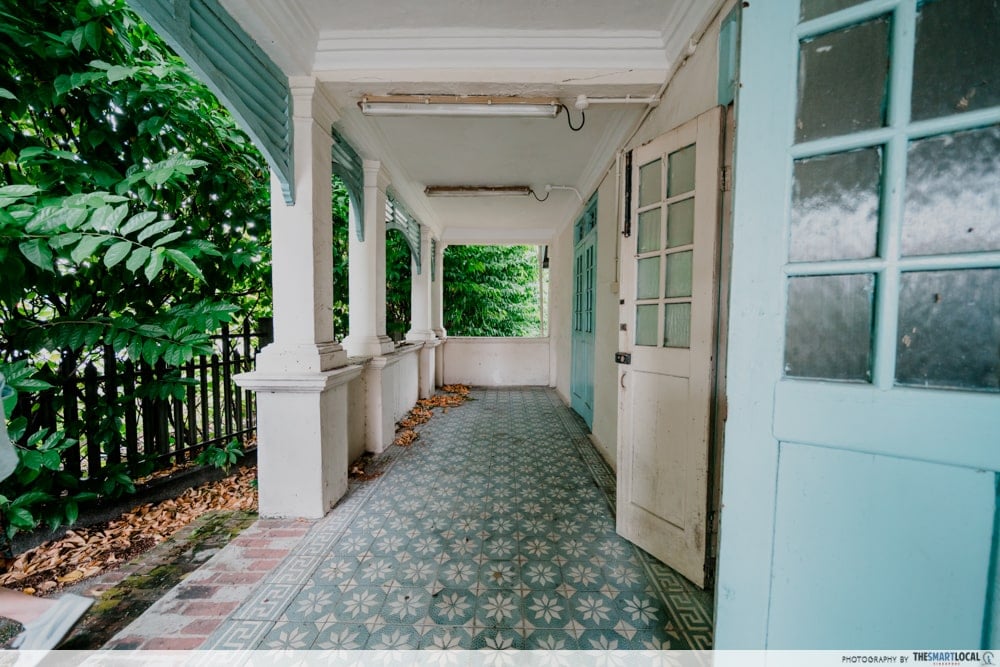
Walking through the former CDC wasn’t like exploring other abandoned places in Singapore. It’s quite different from exploring the defunct Shell factory – a tour also run by Hidden Heritage. While the place was mostly associated with suffering and stigma, it was also a place of survival and stories that were deeply human.
If you don’t feel like spending another weekend at a mall, the Former CDC Tour by Hidden Heritage is worth considering. It’s a rare chance to step into a place that shaped Singapore’s healthcare story; one that deserves to be remembered, even as it faces a glossy new future.
Find out more about the Former Communicable Disease Centre Tour
Admission: $48/pax
Address: 2 Moulmein Road
Meeting point: Main gate of the former Communicable Disease Centre (Google Maps)
More abandoned places in Singapore:
Photography by Jaslyn Tan.