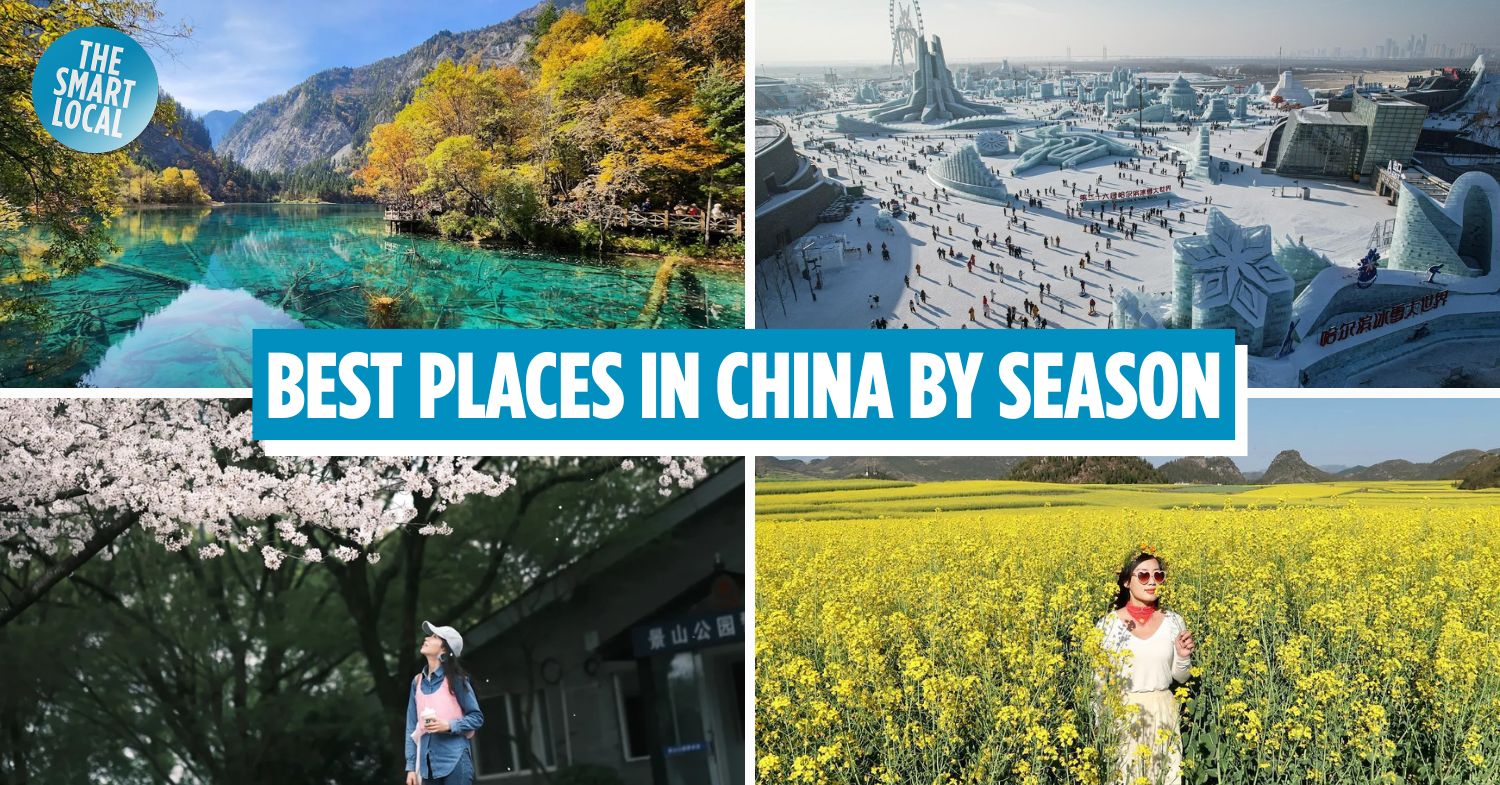

Best places in China according to the seasons
It’s no secret that China has quickly become a favourite among Singaporean travellers, even overtaking long-time champion Japan as the top destination in June this year, according to YouTrip. And with 34 diverse provincial-level divisions to explore, you could plan a holiday to China every month and still barely scratch the surface.
We’ve sussed out the best places to visit in China for every month of the year to help you catch seasonal festivals and enjoy the best weather each region has to offer.
Table of Contents
When is the best time to visit China?
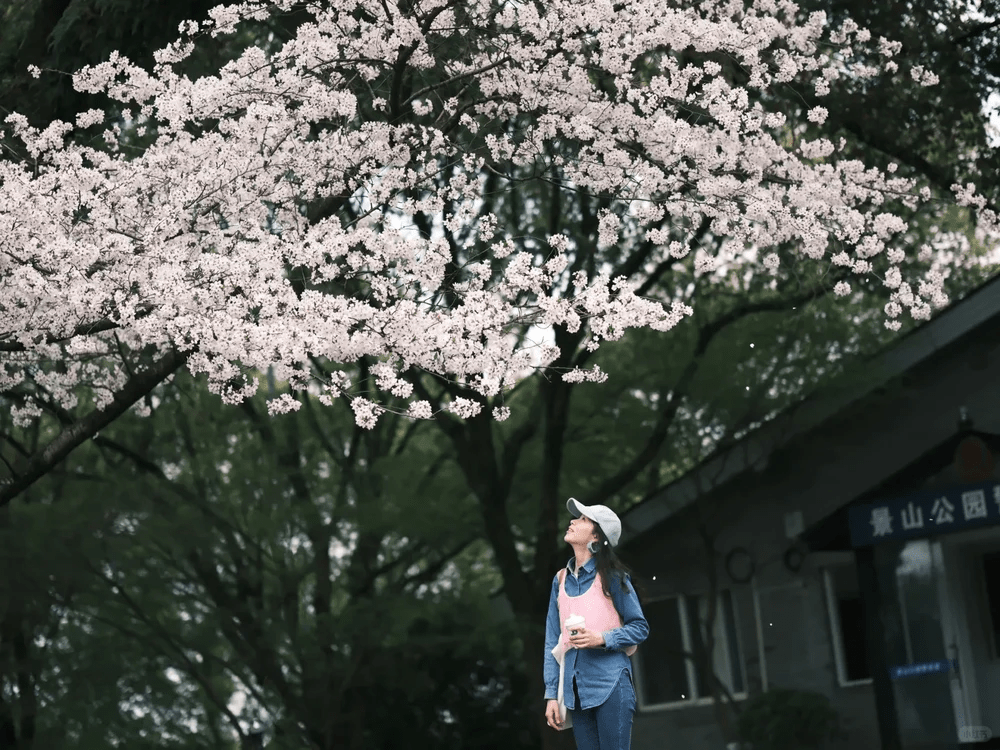
Image credit: @sndqwrj via RED
China’s stunning natural landscapes really shine in spring, which typically falls between March and May. Temperatures during this time range from 10°C to 23°C. Expect to see more blooming flowers and lush greenery when you visit this time of year. Be sure to bookmark these locations in China for the best cherry blossom spots.
 Image credit: @sammishenxx via Instagram
Come June to August, it’s summer in China, with warmer temperatures hovering between 28°C and 34°C. It can get a little toasty, but the increased rainfall means prettier waterfalls and fuller lakes. Now would be the time to get away from the city and head for nature escapes like Zhangjiajie and Qinghai – both offering cooler temps and epic views.
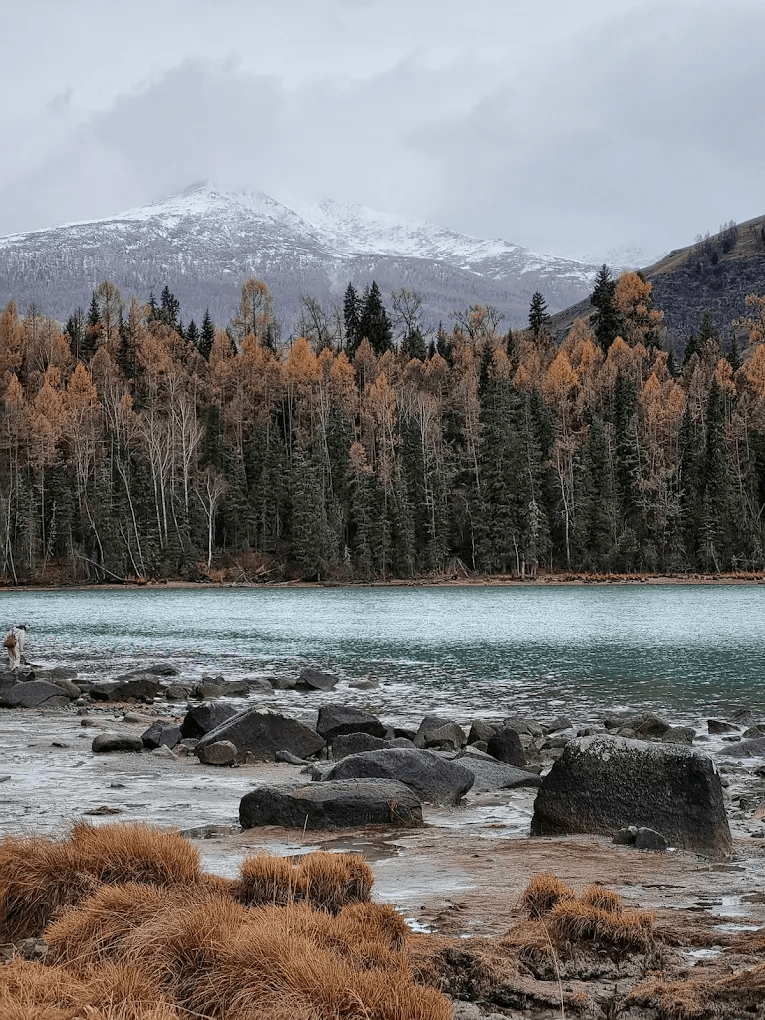
Image credit: FX Aryadi Limansagita via Google Maps
Autumn in China, which runs between September and November, brings sweet spot temperatures ranging from 15°C to 27°C. You’ll be welcomed with lower rainfall, pleasant breezes, and clearer days, making it a peak season for outdoor enthusiasts.
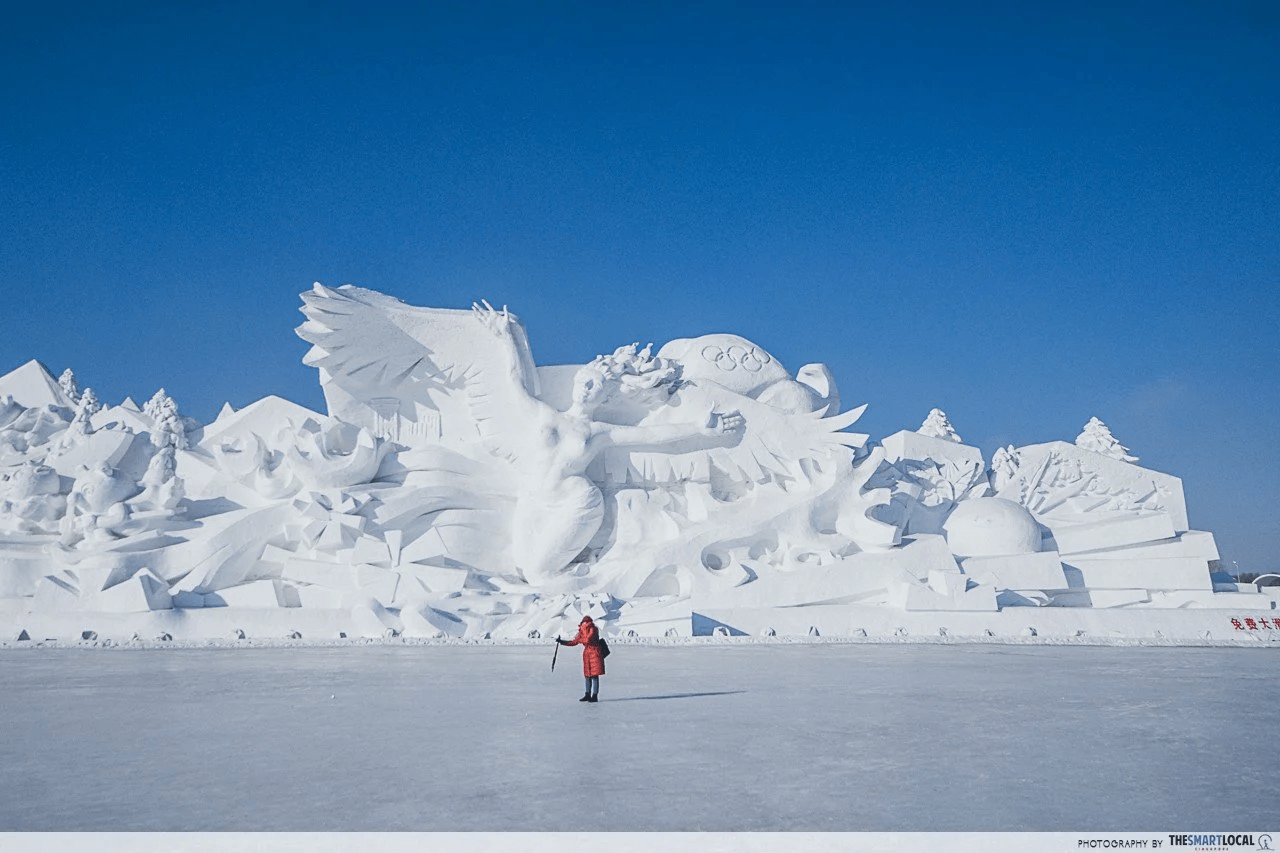
Layer up during winter months from November to February – temperatures around this time can fall to lows of -30°C to 8°C, depending on where you’re staying. This is the best time to visit special festivals like the famous International Ice and Snow Sculpture Festival in Harbin.
1. January: Harbin
Snow sculptures & ski resort with winter activities
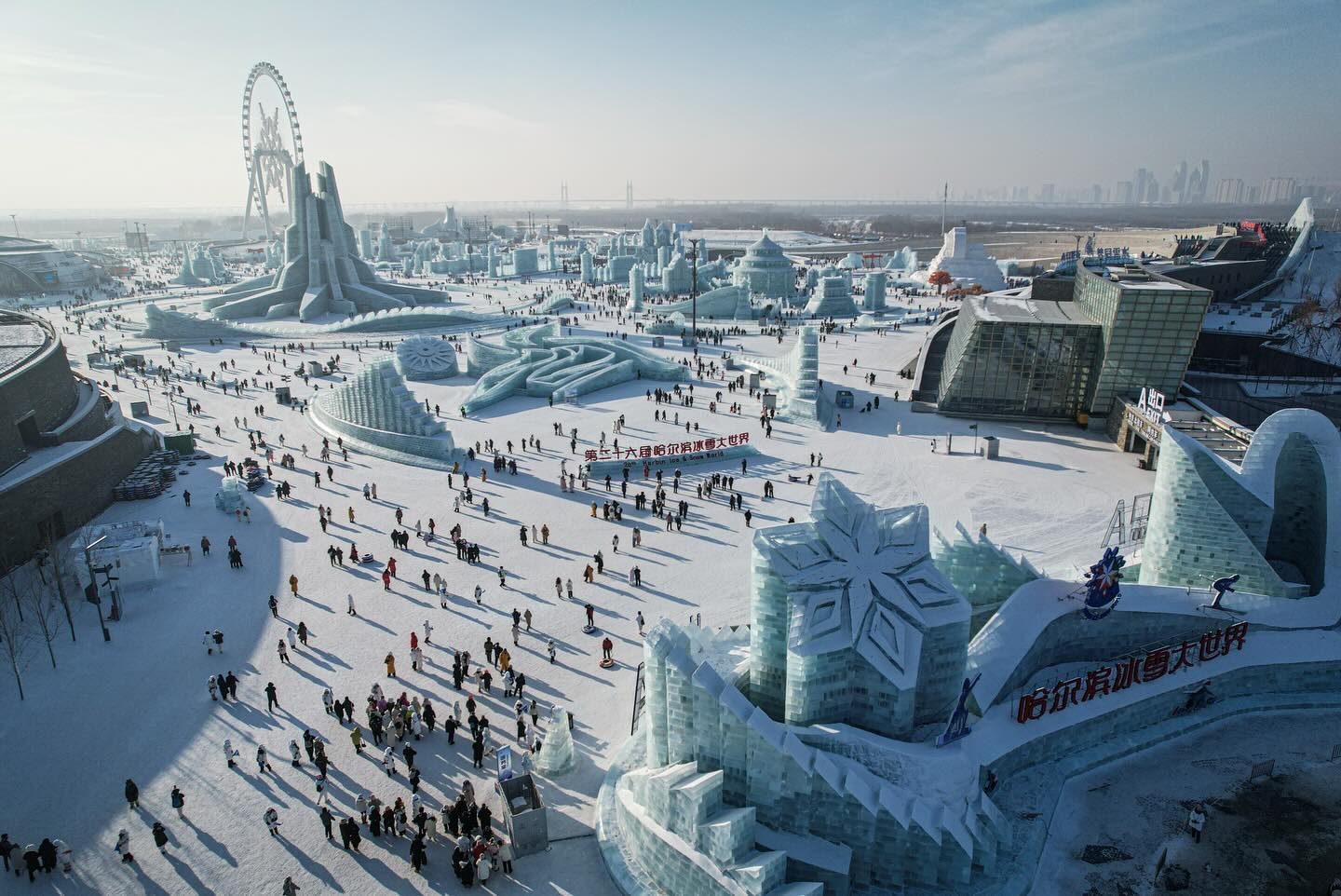 Image credit: @jade_xgao via Instagram
Every year, from December to February, Harbin transforms into a winter holiday destination. The city plays host to the Harbin International Ice and Snow Sculpture Festival – we’re talking soaring ice sculptures, dazzling light displays, and even snow activities like sledding – basically an extreme version of Elsa’s castle come to life. The festival is world-famous and welcomes international sculptors each year to showcase their magical creations.
Tickets range from RMB240 to RMB800 (~S$42.84-S$142.81). It’s definitely a must-see event, but be sure to layer up – Harbin’s biting winter chill can plunge to lows of -30°C.
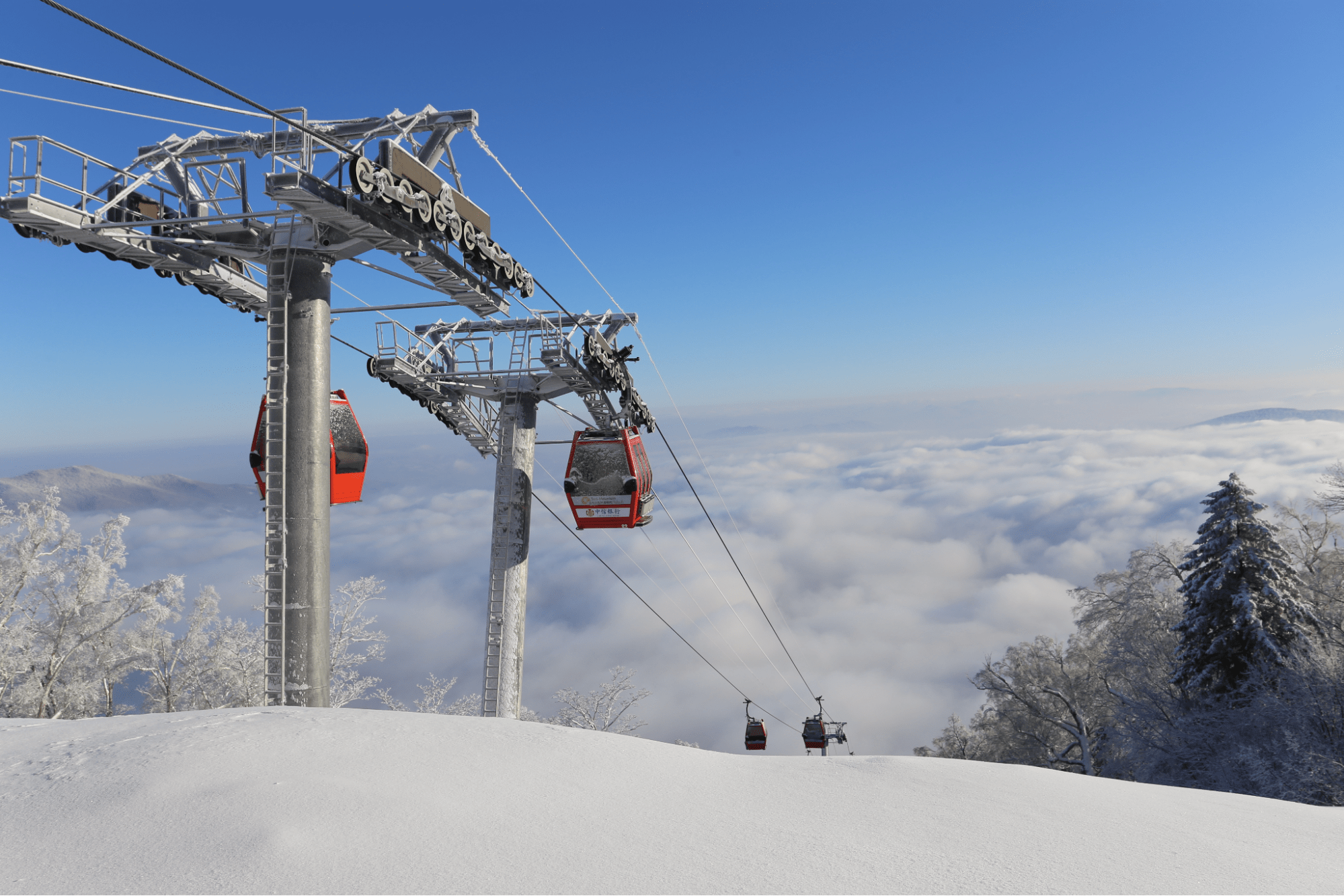 Yabuli Sightseeing Cableway which takes visitors to the top of Sanguokui Mountain.
Image credit: Sun Mountain Yabuli
If you’re after a classic winter escape, visiting a ski resort is a no-brainer. Yabuli Ski Resort is unbeatable as the largest ski resort in China, and it’s also home to the country’s biggest ski jumping facilities.
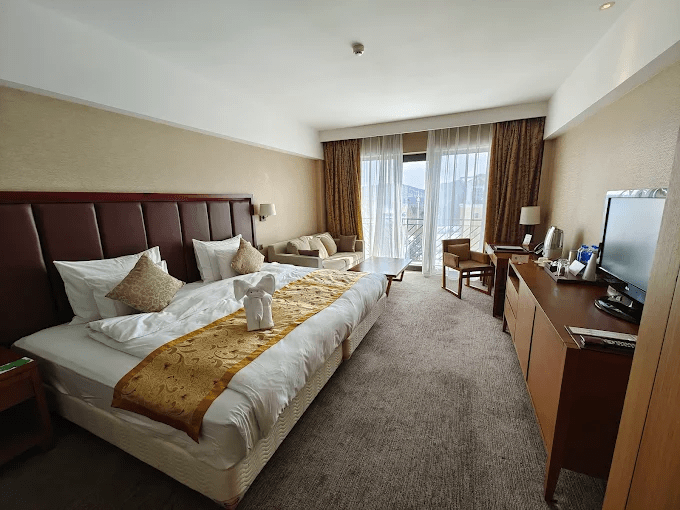
Image credit: 空豆太郎 via Google Maps
For a bougie experience, Club Med Yabuli is one of the best resorts in town and offers professional ski trainer courses, so you’ll be gliding through the ancient pine forests like a true Olympian. A stay in their deluxe room starts from S$525.33/night and includes free meals, ski lift passes, and even ski lessons. Note that the resort only accepts bookings from late November, so be sure to mark your calendars in advance.
How to get to Harbin: China Southern Airlines offers round-trip flights from Singapore to Harbin Taiping International Airport for around S$526. From there, just hop on the city shuttle buses, which cost around RMB5 (~S$0.89) for a single-way ticket.
2. February: Luoping
Yellow rapeseed flower fields & majestic waterfalls
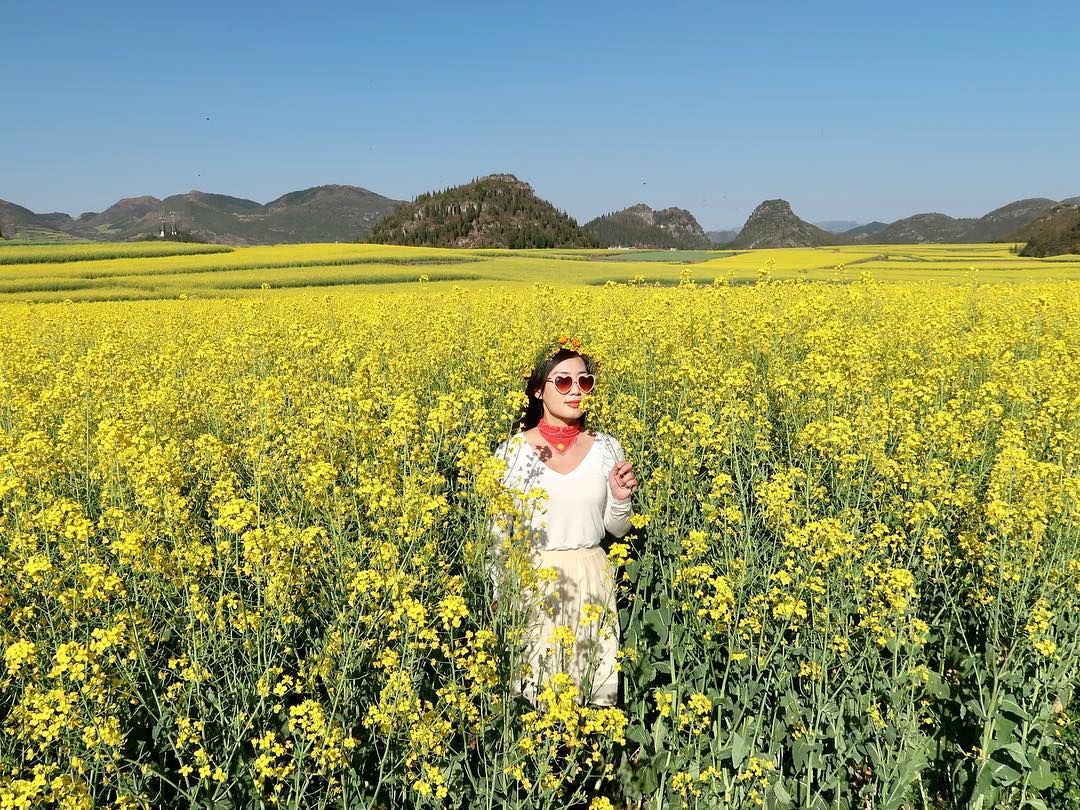
Image credit: @sunshinett1111 via Instagram
Luoping, in Yunnan province, is China’s answer to Provence’s lavender valleys. But instead of purple fields, you’ll be stepping into a vibrant world of yellow, thanks to Luoping’s famous seasonal canola flowers. To catch the florals in full bloom, swing by around the end of February. It’s also the best time to pick up some freshly made honey and canola oil straight from the source.
For amazing views, head up to Jinji Peak, one of the best places to enjoy the sights of the canola flowers. Go before sunrise when early morning mists cover the fields – it’ll add an extra touch of dreaminess to your golden hour pics.
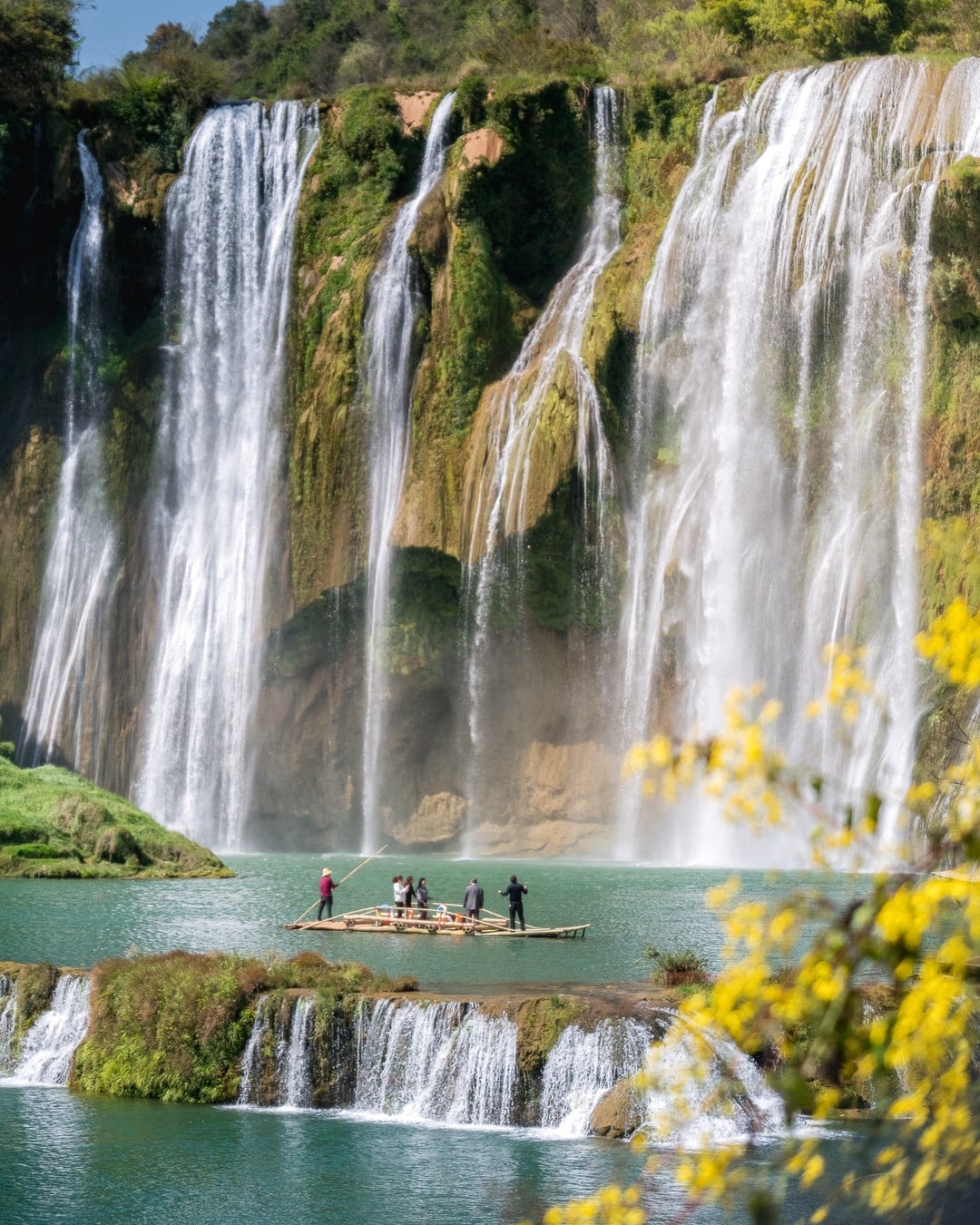
Image credit: @discoverist.sg via Instagram
While you’re there, visit Jiulong Waterfalls, located just 15km away from Jinji Peak. You can’t miss the 9 cascading waterfalls, each tumbling from heights between 20m and 80m, and surrounded by winding hiking trails and lush forests. For a closer look, hop on a bamboo raft (RMB25, ~S$4.48) for a trip along the waterfall. Entry tickets to the waterfall site start from RMB65 (~S$11.65) and are free for visitors over 70.
How to get to Luoping: The nearest airport to Luoping is Kunming Changshui International Airport. Round-trip flights with Scoot go for around S$597. From the airport, head to Kunming East Bus Station and board one of the long-distance buses to Luoping. The journey should cost around RMB70 (~S$12.53) and take about 4 hours.
3. March: Beijing
Cherry blossom festival & famous Summer Palace
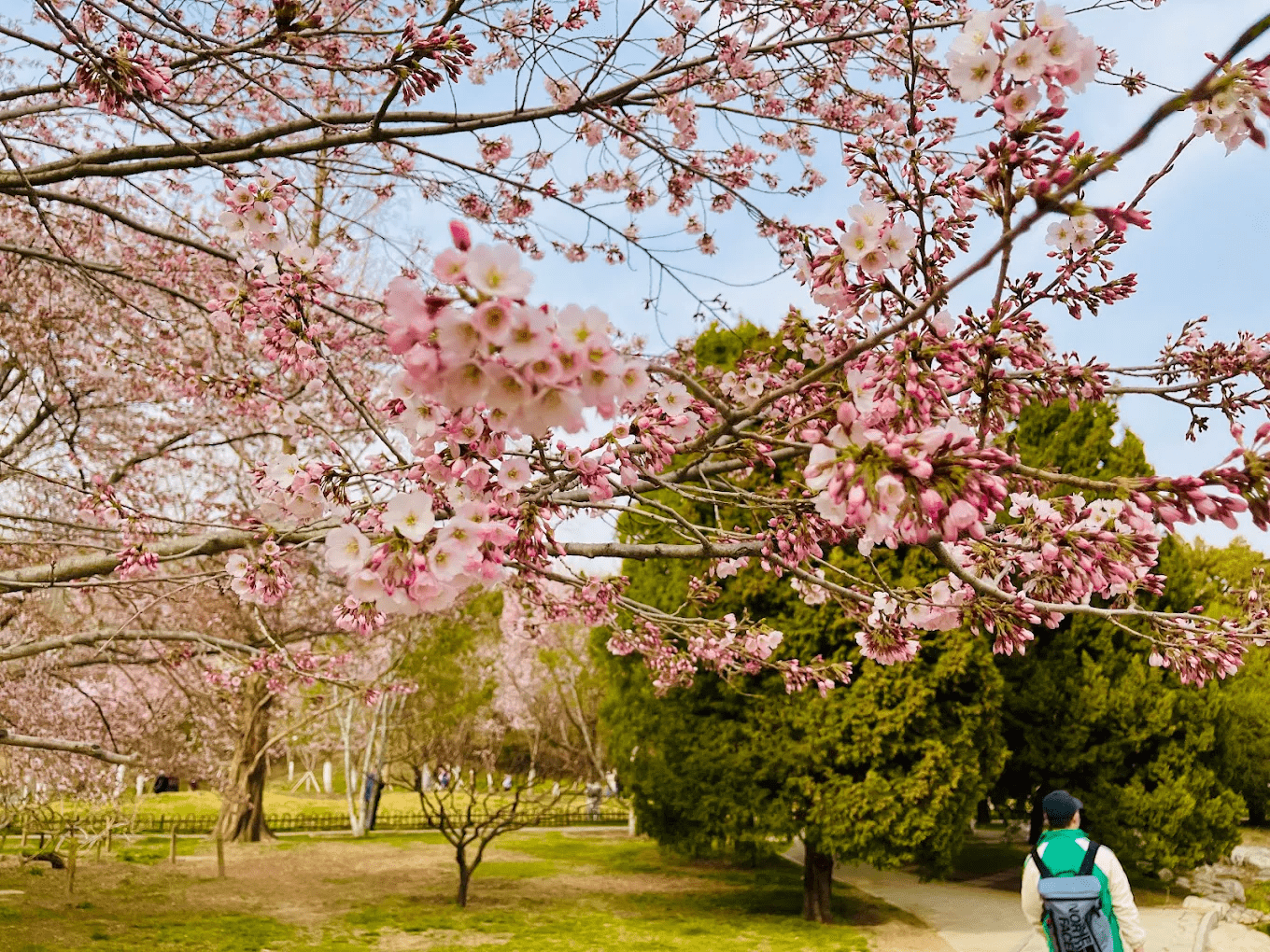 Image credit: Kenzo Hsieh via Google Maps
Come springtime, Yuyuantan Park in Beijing becomes a vision of pink during its yearly Cherry Blossom Festival, held from March to April. More than 20 species of cherry blossoms will be in full bloom in the park’s Cherry Garden, and all it costs to enter is RMB10 (~S$1.78).
But cherry blossoms aren’t the only stars. The park spans 136.69ha, with other attractions like Liuchun Garden, which bursts to life every spring with magnolias, roses, forsythias, and other florals; and the Ancient Pine Forest, which dates back to the Qing Dynasty.
Yuyuantan Park can be conveniently accessed by trains and buses in the city – just take Subway Line 1 and get off at Muxidi station. From there, head to exit D1 and take buses 32, 114, or 320.
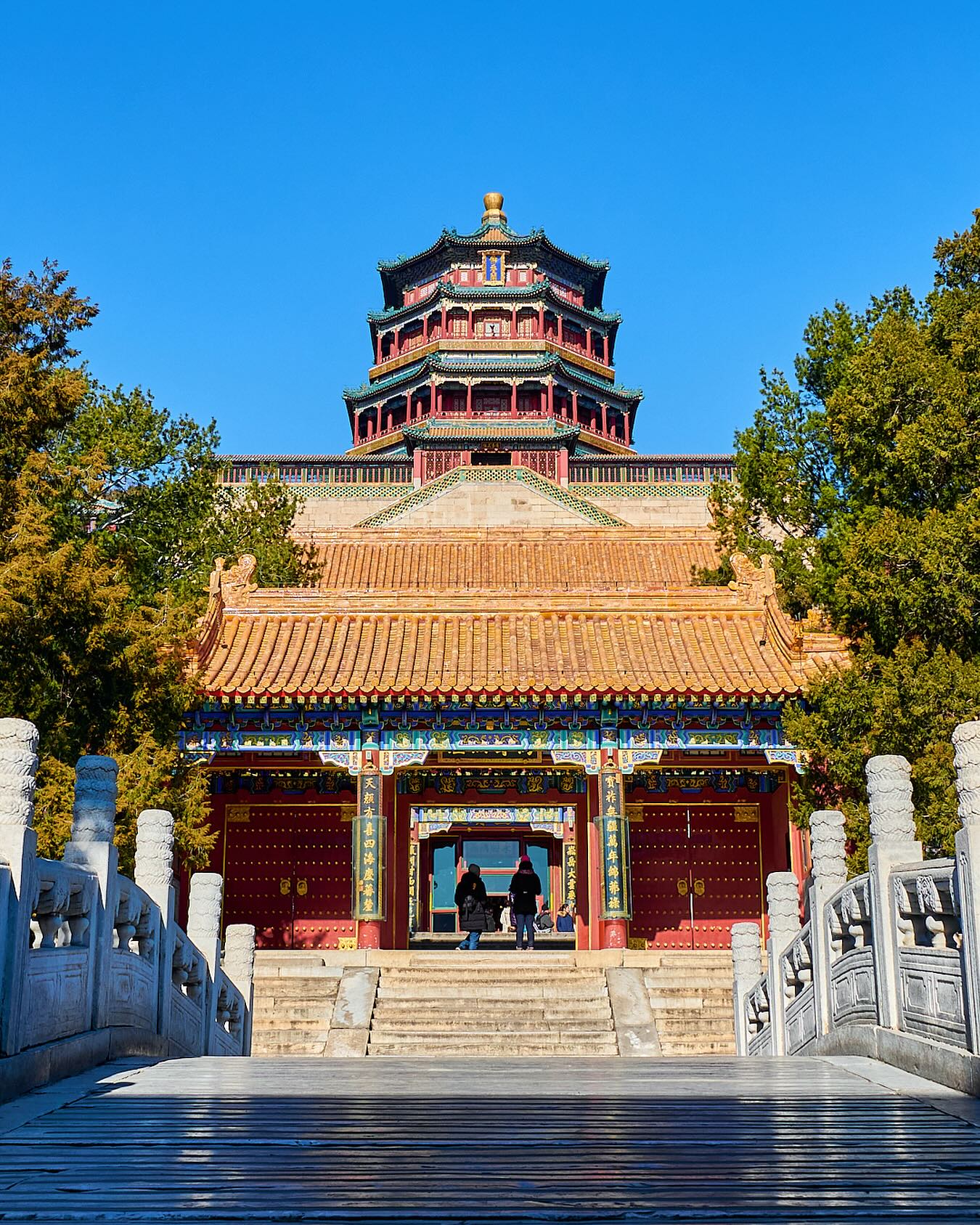 Image credit: @sebasdm7 via Instagram
The Summer Palace is another must-visit while you’re in Beijing, located only a 10-minute drive away from the park. This UNESCO World Heritage site is one of the best-preserved imperial gardens in the world – a former summer getaway for Qing Dynasty royalty, with serene views of Kunming Lake.
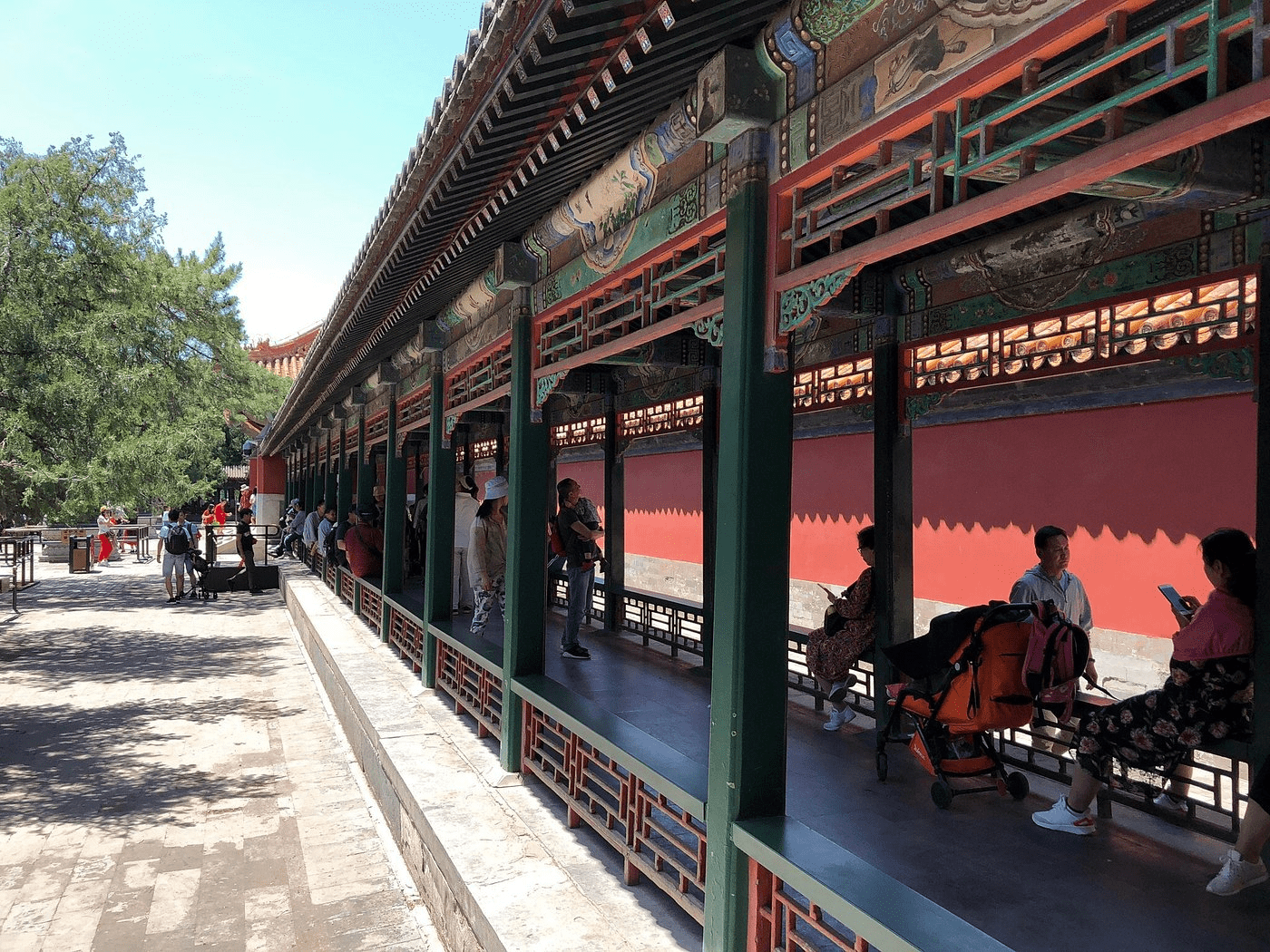 Image credit: KodoDrummer via Tripadvisor
You’ll find culturally significant landmarks like The Grand Stage, where Empress Dowager Cixi once enjoyed Peking opera, and The Long Corridor, which is a whopping 728m long and features 14,000 paintings.
March is one of the best times to visit since there aren’t many national holidays during this time, which means thinner crowds. Tickets to the Summer Palace start from S$5.65.
How to get to Beijing: Currently, the cheapest round-trip air ticket to Beijing is offered by China Eastern Airlines for S$411. It’s a non-stop flight that gets you to Beijing Daxing International Airport, so you’ll be getting plenty of shut-eye during your 6.5-hour flight.
Book your tickets to the Summer Palace.
4. April: Guilin
Scenic river cruise & local rice noodles
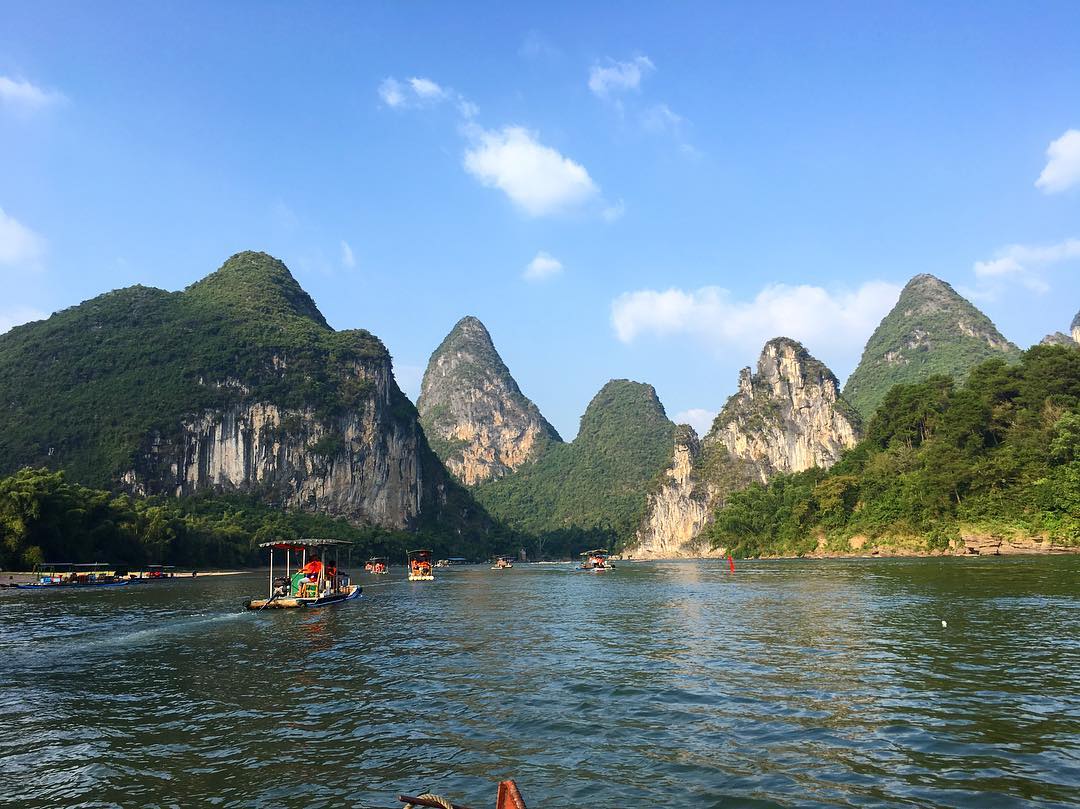
Image credit: @palmpnp via Instagram
April marks the height of spring, which means mild temperatures and lush scenery. It’s just the right weather, apart from the light sporadic showers, for the great outdoors.
With fuller rivers from spring rains, April is one of the best times to visit the world-famous Li River in Guilin – its breathtaking misty karst landscapes even earned a starring role on the 20 yuan banknote.
For the best sights, hop on a 4-hour cruise along the river and be treated to views of karst landforms that look straight out of a Chinese painting. A ticket costs S$86.25 and takes you on a 2-way journey to Yangshuo County.
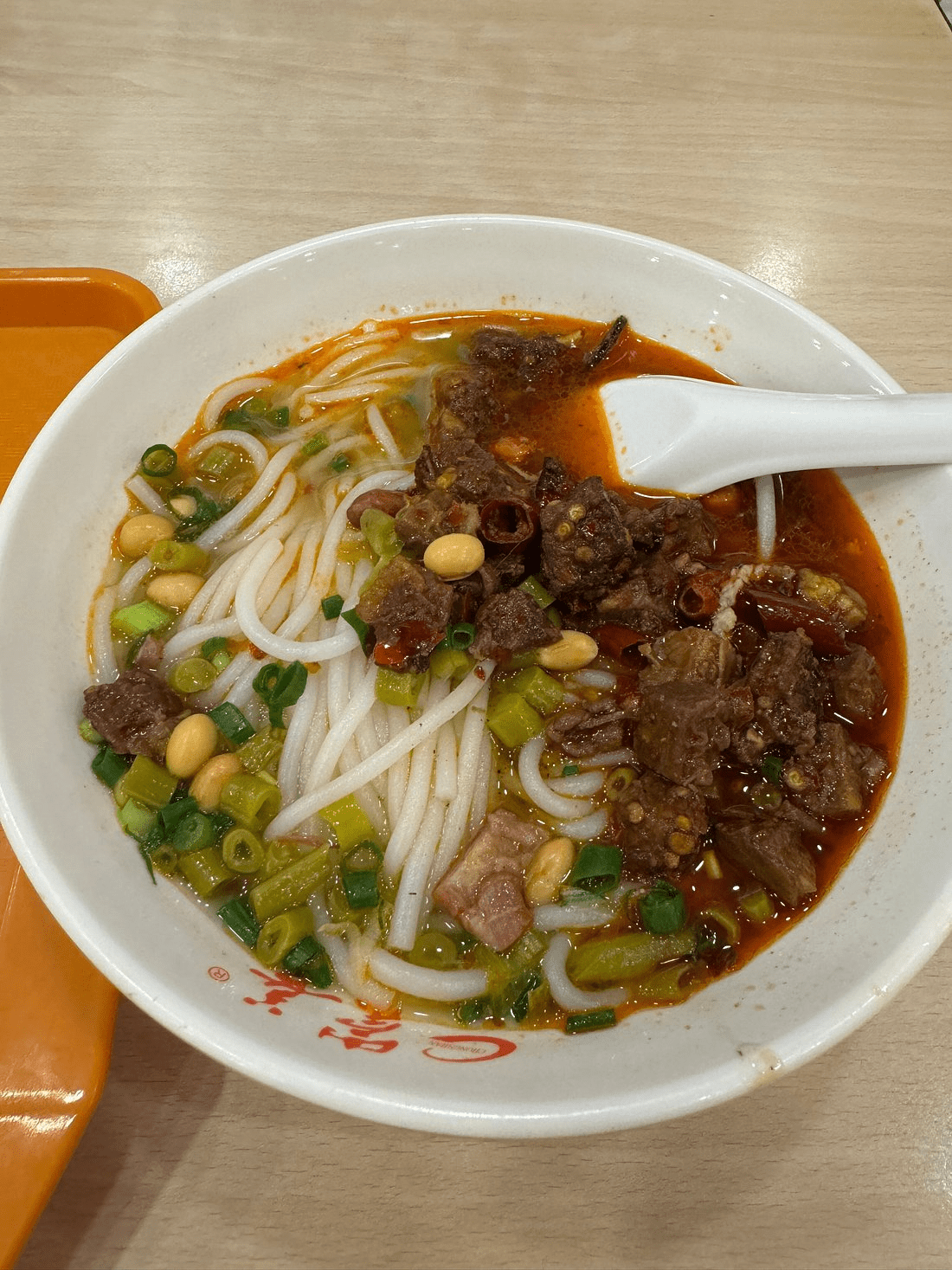
Image credit: Leonhkny via Tripadvisor
Guilin is also famed for its rice noodles, a local breakfast served in a rich pork-based broth topped with peanuts, pork, and pickled vegetables. Chong Shan MiFen has multiple branches throughout Guilin and is highly rated among locals for its signature rice noodles sold by weight, from RMB4 (~S$0.71) for 50g.
How to get to Guilin: AirAsia offers round-trip flights to Guilin Liangjiang International Airport for around S$485. It takes about 5 hours one-way, not including a pitstop at Kuala Lumpur on the way.
Book your tickets for the Lijiang River cruise.
5. May: Zhangjiajie
National park that inspired Avatar
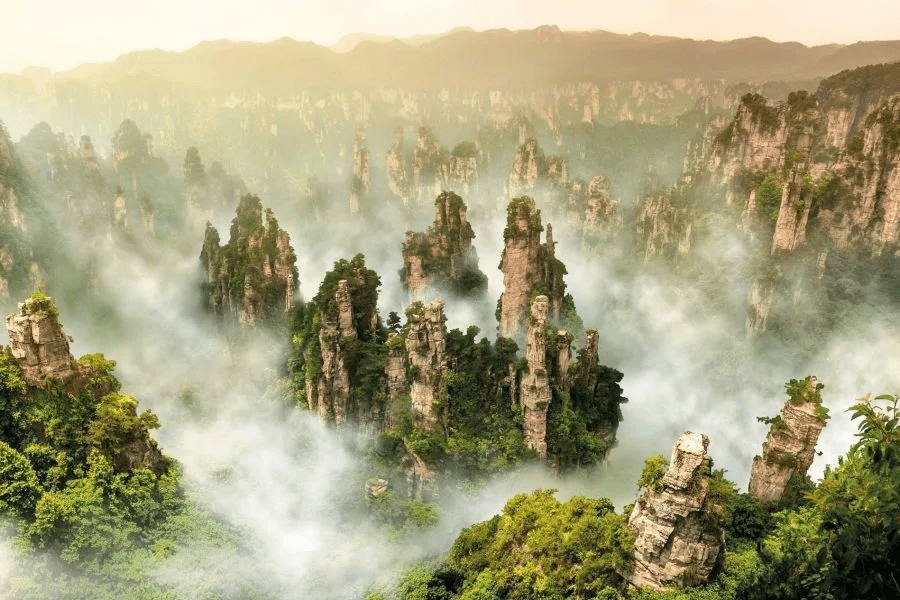
Image credit: Carlos Alberto do Amaral via Google Maps
May is another great month for the outdoors, with temperatures slightly over 20°C. Just remember to avoid May Day when planning a visit to Zhangjiajie – this annual national holiday starts from 1st to 5th May every year.
Zhangjiajie National Forest Park should ring a few bells for fans of the James Cameron classic, Avatar. This was the place that inspired the floating Hallelujah Mountains in the movie – and it’s easy to see the similarities. With the park’s stunning sandstone pillars that soar to heights of 1,000m, the natural formations are a wonder to behold. The park is easily accessible by bus from Zhangjiajie Bus Terminal.
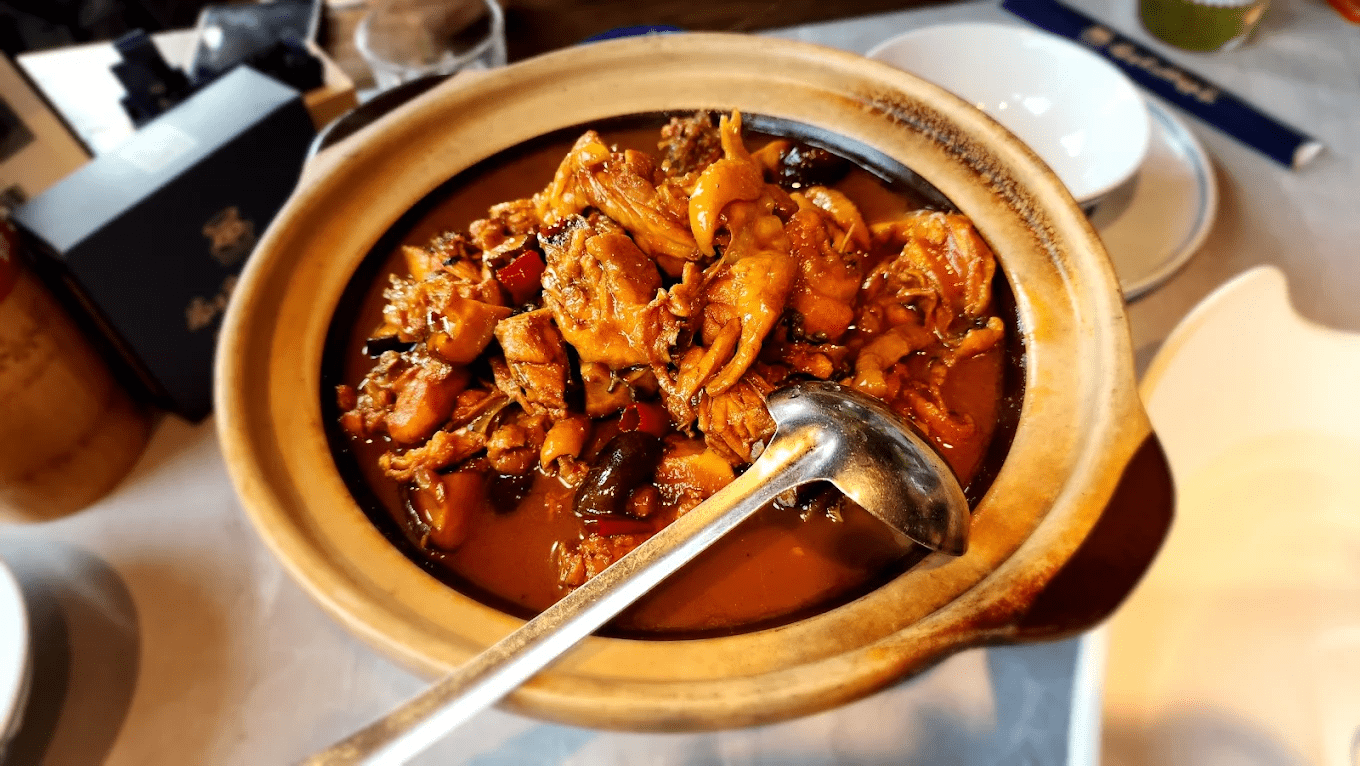 Stewed chicken hotpot from Zhai Zi Li De Bo Bo Cai.
Image credit: V2 via Tripadvisor
After exploring, refuel with local specialities like rock ear and chicken soup (RMB149, ~S$26.59) at Tangshifu or savour Zhai Zi Li De Bo Bo Cai’s signature stewed chicken hotpot (RMB118, ~S$21.06).
How to get to Zhangjiajie: China Southern Airlines offers round-trip flights to Zhangjiajie Hehua International Airport from Singapore for around S$398. The journey should take about 6 hours, not including a layover at Guangzhou Baiyun International Airport.
6. June: Dali
Ear-shaped lake & ancient towns
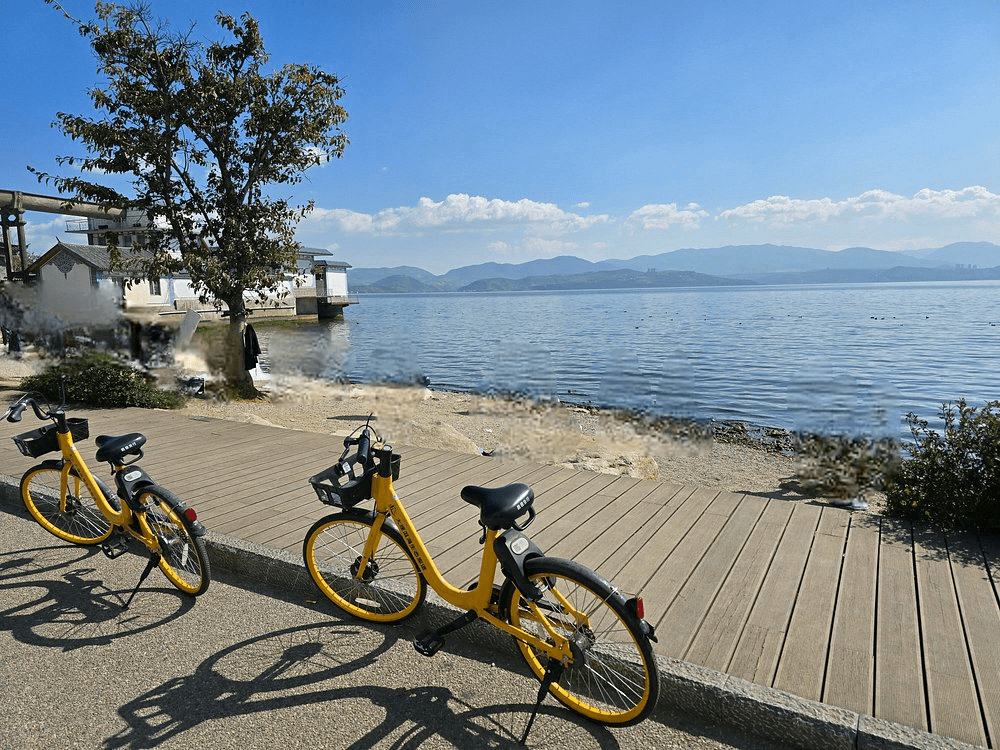
Image credit: Lily via Tripadvisor
Dali, in Yunnan, is famed for its fairytale-like ancient towns, the shimmering Erhai Lake, and the dramatic Cangshan Mountains, earning its spot as one of China’s Top 10 Leisure Tourist Cities. From the city, you can easily hop on a taxi to get to Erhai Lake or take bus route No. 6.
June is a popular time to visit thanks to its warm and breezy weather, making it ideal for cycling the scenic Haixi route along Erhai’s west side. Bike rentals are available at guesthouses and rental shops around the lake, and usually cost around RMB20/day (~S$3.58).
The cycling route will take around 2 to 4 hours to complete, with pit stops at famous sites like Cai Village, which is a fishing village that serves fresh seafood grub, and Dali Old Town, the ancient capital of the Dali Kingdom that was first built during the Ming Dynasty.
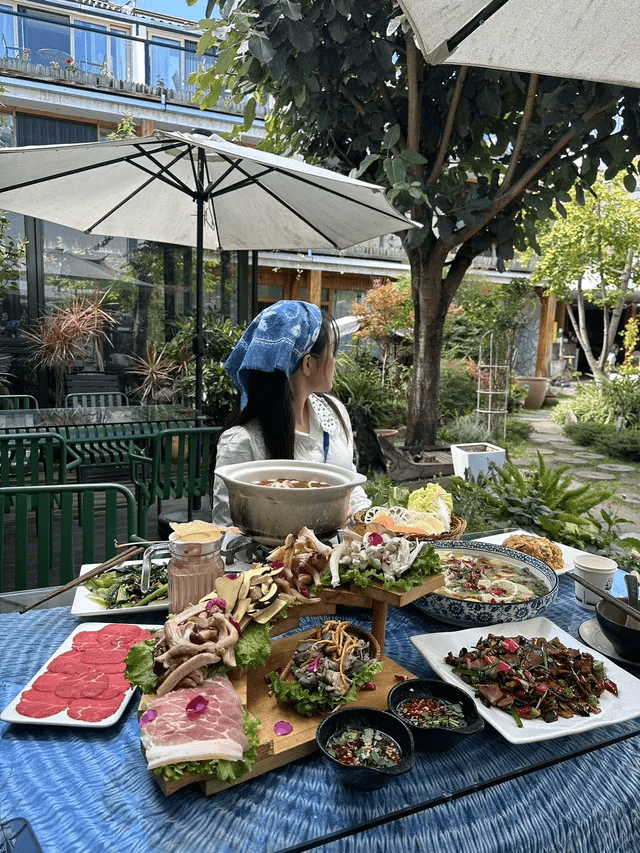
Image credit: The Foodie Explorer’s Log via Trip.com
Head to Fireplace Image Wild Mushroom Courtyard Hotpot, a restaurant located near the South Gate of Dali Old Town, to refuel.
Here you’ll enjoy a mushroom feast in the restaurant’s flower-filled courtyard, with options like chicken oil mushrooms, wild mushrooms, and their signature wild mushroom hotpot. Expect to pay around S$17/pax for a meal here.
How to get to Dali: Take a round-trip flight with Air China from Singapore to Dali Airport, with a layover in Chongqing. Tickets go for about S$543.
7. July: Guiyang
Ancient town from 1378 with cool temperatures in summer
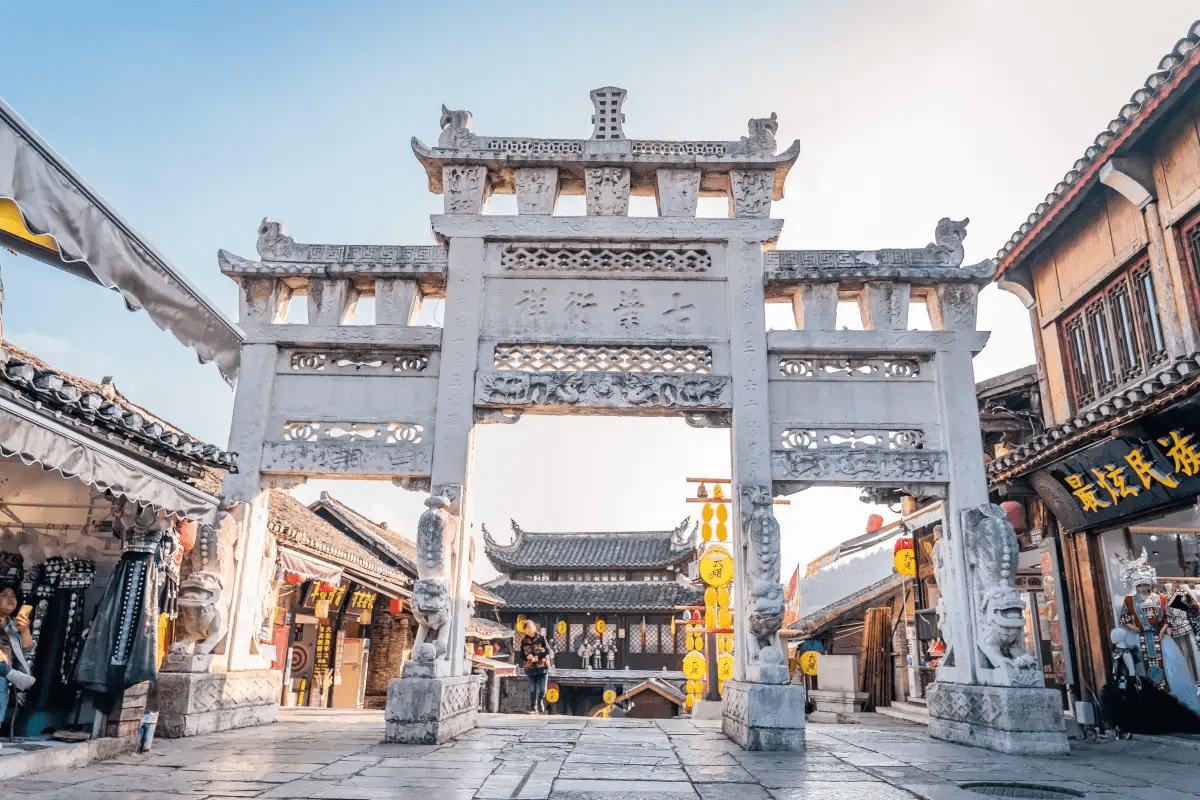 Image credit: Trip.com
Guiyang lives up to its “The Summer Capital” nickname, staying refreshingly cool while the rest of China heats up in July.
As the capital of the Guizhou province, Guiyang is home to historically significant places like the Qingyan Ancient Town, which dates back to 1378 and is one of the most well-preserved cultural towns in China. You’ll feel like a time traveller as you wander down the town’s timeworn streets and under its grand archways that are marked with Emperor Daoguang’s inscriptions.
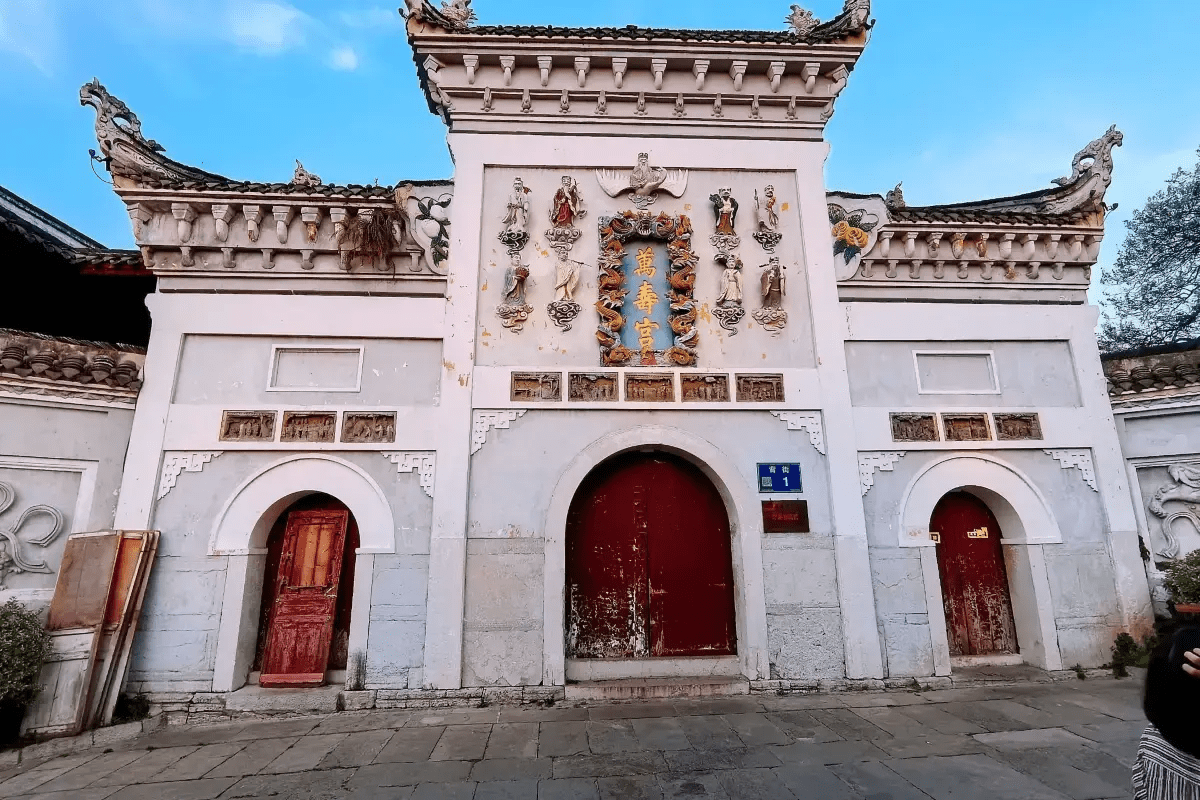 Wanshou Palace’s entrance.
Image credit: Trip.com
There’s a basic entrance fee of RMB10 (~S$1.79), but for the full experience, consider going for the RMB60 (~S$10.73) ticket. This grants you access to bigger attractions within the town, like Zhuangyuan Mansion, the former residence of Zhao Yijiong, the scholar who received the highest marks in the imperial examination, and Wanshou Palace, a Taoist temple famous for its in-built theatre with intricate wood carvings.
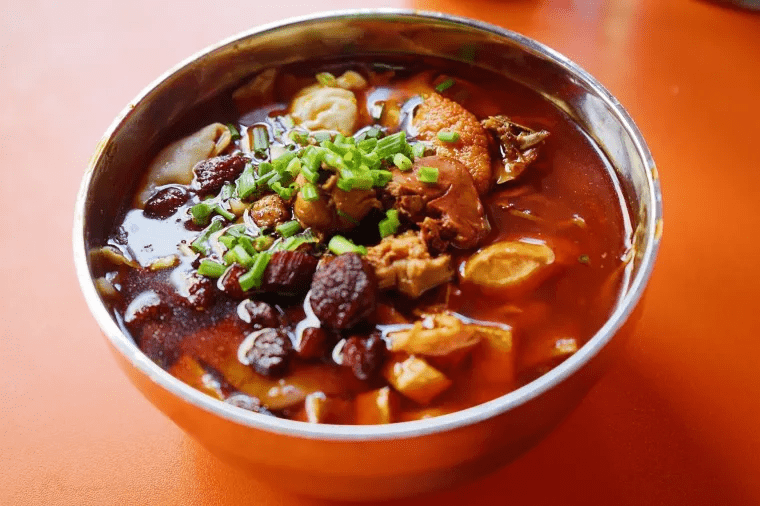
Image credit: Trip.com
Adventurous foodies should try Guiyang’s famous Changwang noodles, a spicy bowl of pork intestines and pig’s blood. If that’s a little too out of your comfort zone, there’s also glutinous rice, which can be found at street vendor stalls and comes in sweet, salty, and spicy flavours.
How to get to Guiyang: Catch a one-stop flight with China Southern Airlines from Singapore to Guiyang Longdongbao International Airport – round-trip fares start from around S$504. From the airport, hop on one of the direct shuttle buses to Qingyan, which goes for about RMB20/pax (~S$3.57) for a one-way trip.
8. August: Qinghai
Mirror of the Sky & largest inland lake in China
 Image credit: @chris_kuang via Instagram
Qinghai is another top spot to escape the summer heat, offering a cooler climate year-round. In the summer, Qinghai Lake blooms with thousands of rapeseed flowers, creating a dreamy setting for hiking or cycling against the backdrop of China’s largest inland lake.
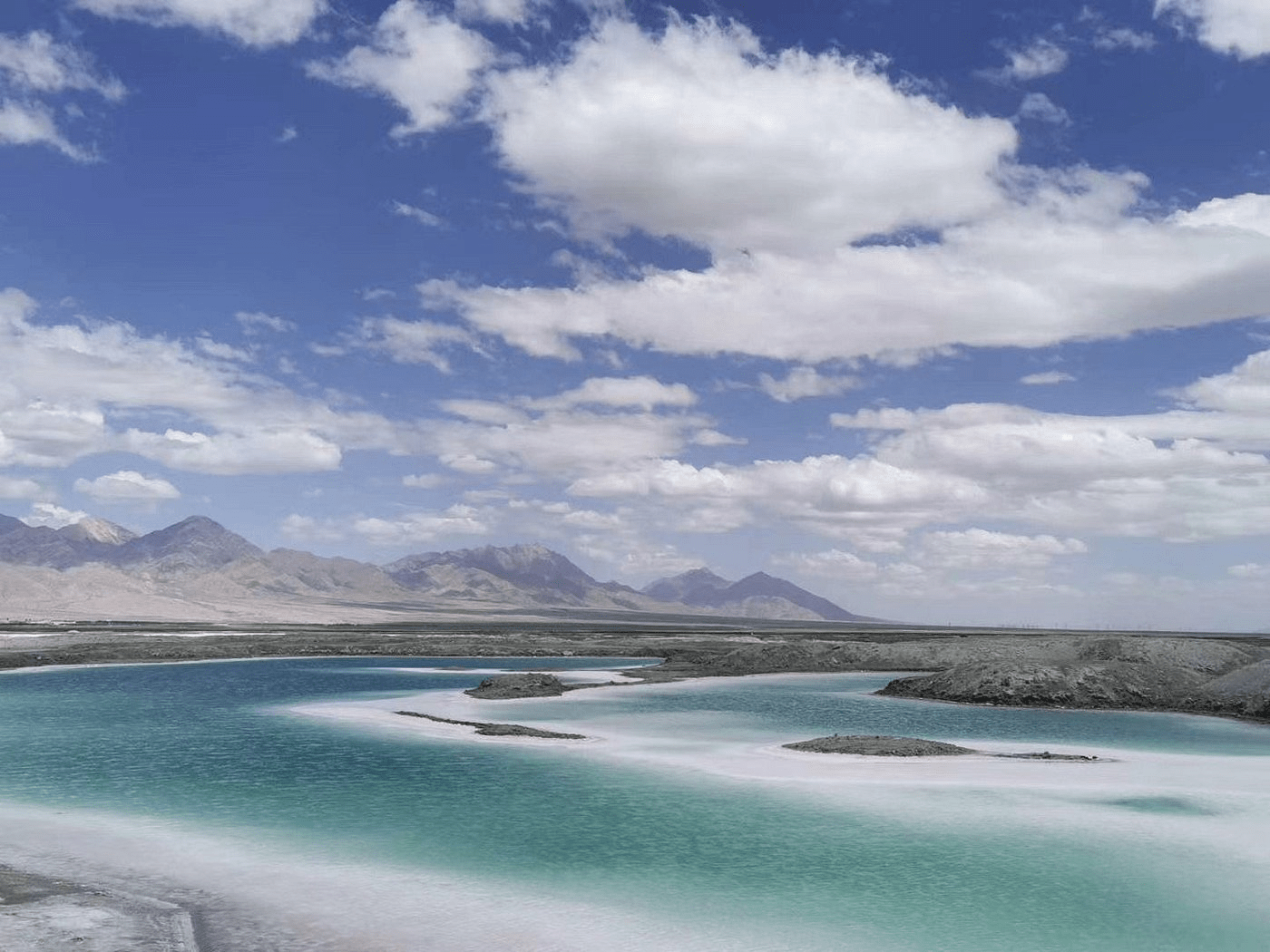 Image credit: Kododrummer via Tripadvisor
If you’ve watched Spirited Away, Chaka Salt Lake should be a familiar sight to you. It’s a spitting image of the sea railway from the movie, especially when the sightseeing train chugs along the railway in the water. An entrance ticket to the lake around this time goes for RMB60 (~S$10.73), and a ride on the train goes for RMB50 (~S$8.94) – a small price to pay for a real-life Ghibli moment.
Chaka Salt Lake is most accessible by car from Qinghai Lake, and car rentals usually go for about RMB100/day (~S$17.88). Be sure to get a good night’s rest before your trip, as it takes around 4.5 hours to reach the lake.
How to get to Qinghai: Fly from Singapore to Xining, the capital of Qinghai province. Round-trip flights start from S$394 on China Eastern Airlines. From the capital, you’ll want to head to Xining Bayilu Bus Station and catch a 3-hour bus to Qinghai Lake at RMB60/adult (~S$10.73) for a one-way trip.
9. September: Xinjiang
Switzerland-like views with aqua-blue waters
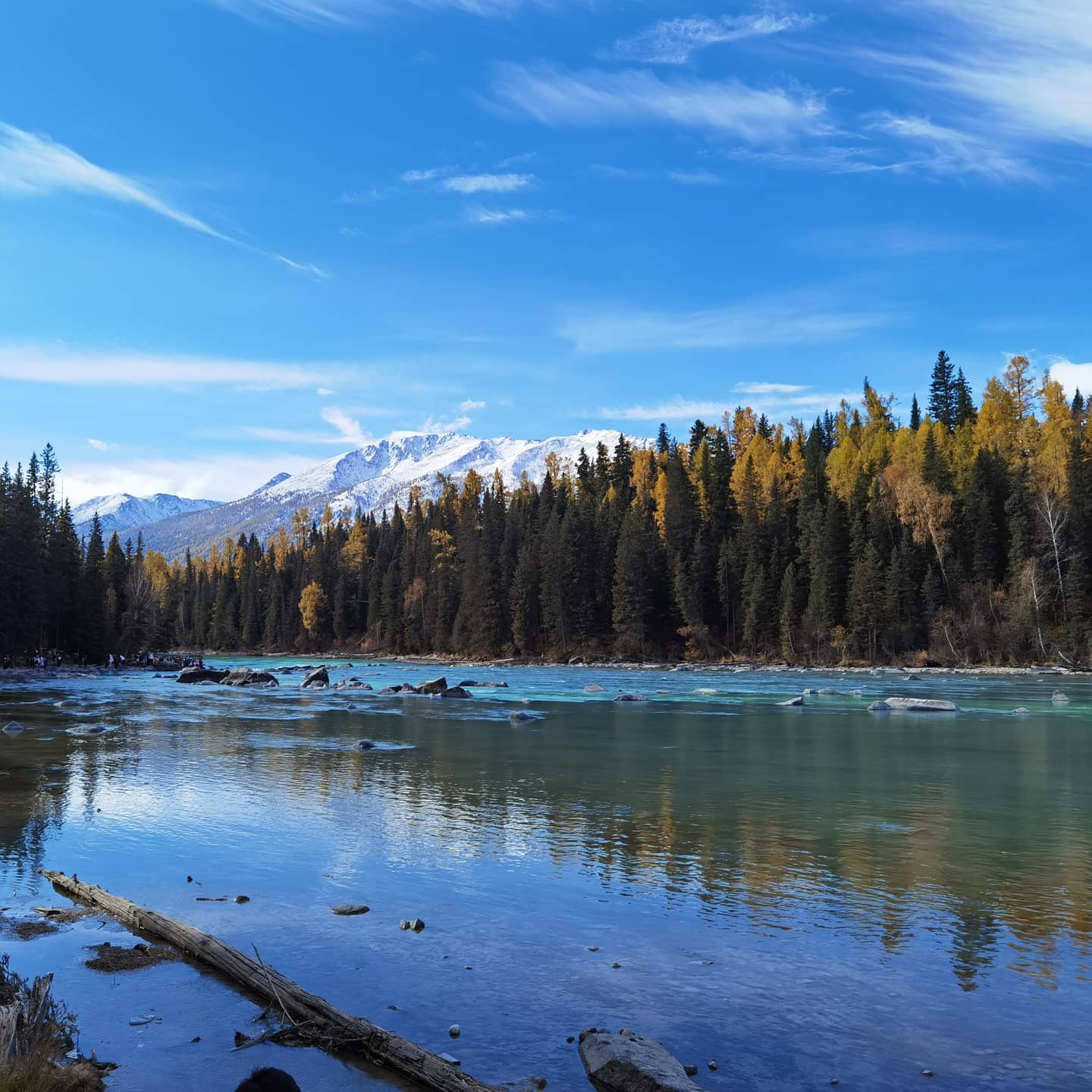 Image credit: @o1iver_12 via Instagram
Kanas National Geopark in Xinjiang becomes a stunning spectacle of gold and green each autumn, with misty forests and snow-capped peaks creating a fairytale landscape. The park’s highlights include Kanas Lake, an alpine freshwater lake renowned for its beautiful gem-like waters, and Shenxian Bay, also known as Fairy Bay. It’s recommended to visit the park early to catch the lakes and forests shrouded in morning mists.
Entry is RMB160 (~S$28.60) and you’ll also have to purchase mandatory round-trip shuttle bus tickets (RMB70, ~S$12.51) into the park. You’ll also have to pay RMB50 (~S$8.92) for a Frontier Permit for Burqin County since the park lies along China’s border. The easiest way to get a permit is through a travel agency, since the alternative is travelling to Burqin County to purchase a permit in person, which is quite a detour.
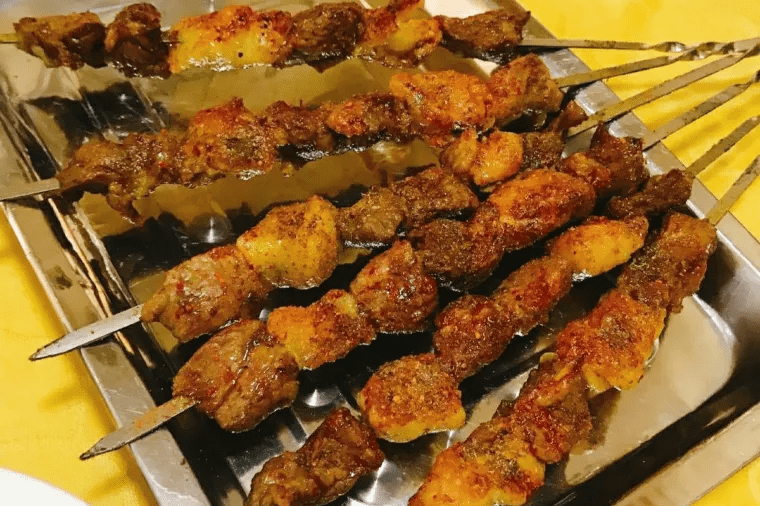
Image credit: Tripadvisor
Xinjiang is a rich mix of cultures – from Uyghur to Han, Tibetan, and Mongol influences – and that means one thing: you’ll find a rich mix of flavours here. Must-tries include their roast mutton and lahjman, Xinjiang’s version of la mian.
How to get to Xinjiang: Round-trip flight tickets from Singapore to Burqin Kanas Airport start from S$1,195 on Chongqing Airlines and China Southern Airlines. From there, hop on the airport bus to Jiadengyu Ticket Station – the shuttle bus there takes you into the park.
10. October: Wuyuan County
Harvest festival & Hui-style villages
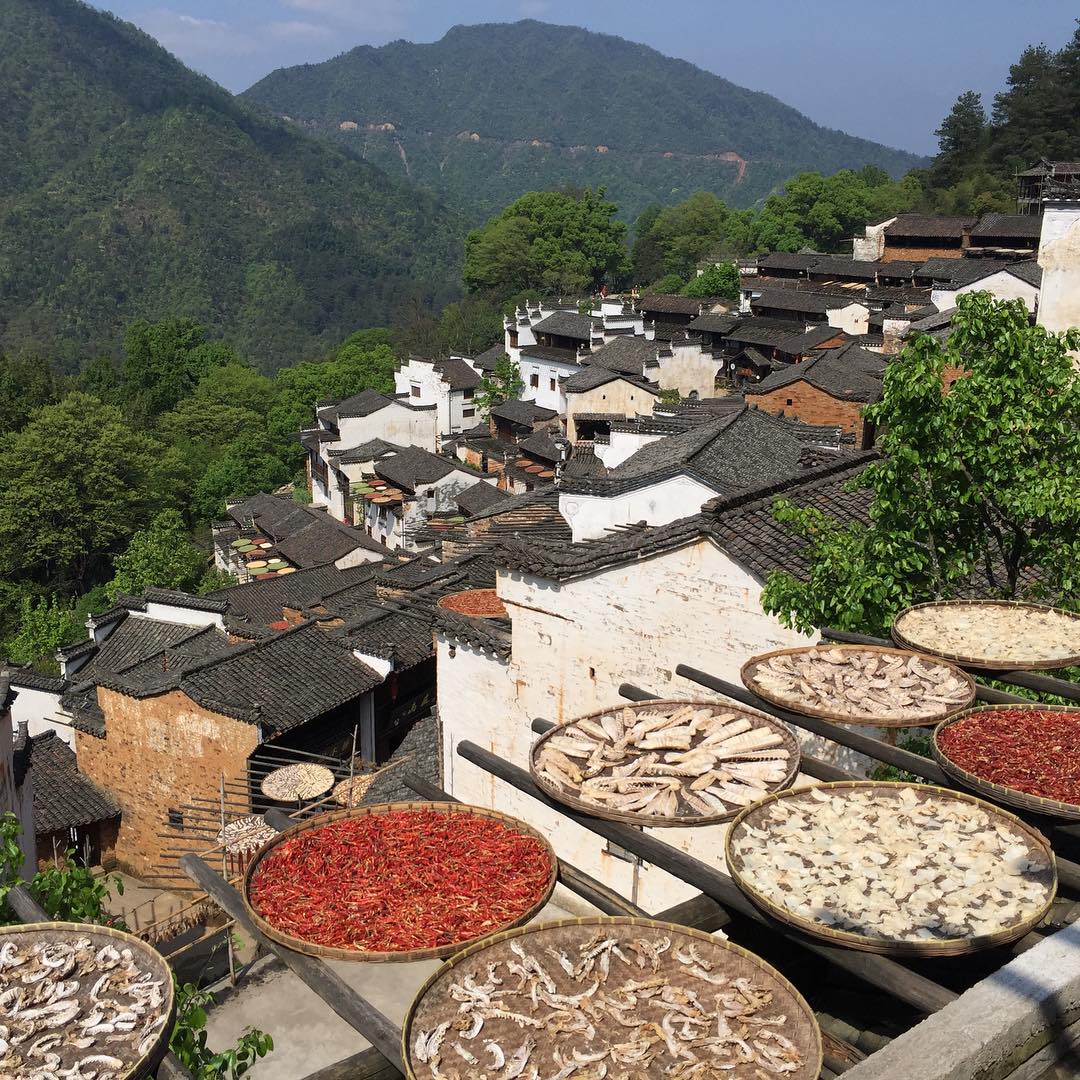
Image credit: @claussimonsen via Instagram
Wuyuan County, located in Jiangxi Province, is a tranquil countryside retreat, famous for its Hui-style villages built way back during the Ming and Qing dynasties.
Things get extra picturesque in autumn at Huangling Village, which lies east of Wuyuan County. This mountain village celebrates Shaiqiu every autumn, a traditional harvest festival which sees villagers laying out bamboo drying boards.
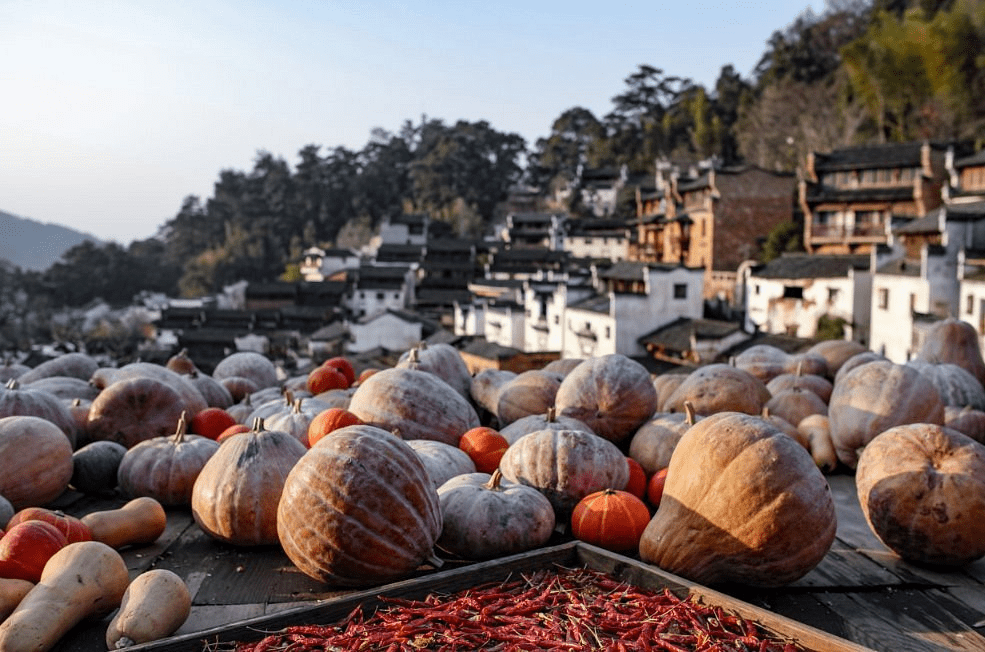
Image credit: Kalyakorn N via TripAdvisor
This yearly event is a photographer’s hotspot – the sight of bright yellow corn and hot peppers, against a backdrop of fall foliage from surrounding maple trees, makes for a truly gorgeous view of the village in autumn.
How to get to Wuyuan County: There are no direct flights from Singapore to Wuyuan County, so your flight (around S$622) with Shenzhen Airlines will make a pit stop in Shenzhen before reaching Jingdezhen Airport. From there, take a 7-minute taxi ride to Jingdezhen North Railway Station and hop on a train to Wuyuan – the journey should take about 30 minutes.
11. November: Jiuzhaigou
UNESCO-listed national park featured in Journey to the West
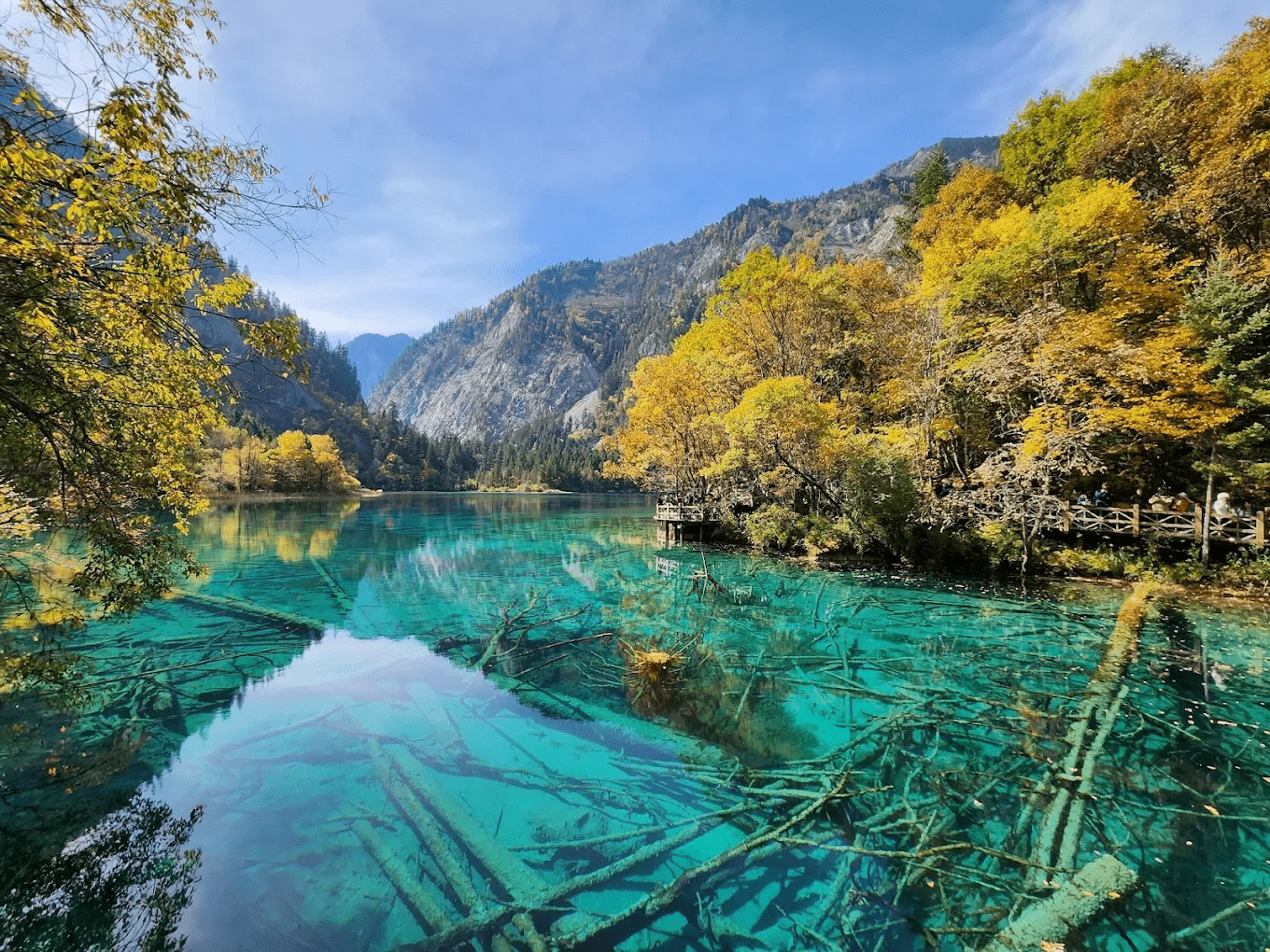 Image credit: สมเกียรติ สรรคพงษ์ via Google Maps
Early November is considered to be one of the best times to visit Jiuzhaigou Valley National Park, a UNESCO World Heritage site in Sichuan province. The park is a Y-shaped valley and is famous for its clear lakes and majestic waterfalls.
Highlights of the park include Five Flower Lake, easily one of the most Instagrammable places in the park, with over 12 viewing platforms. There’s also Pearl Shoal Waterfall, which was a filming location for the TV series Journey to the West, and Mirror Lake, where you’ll spot glass-like reflections in the lake due to its ripple-free waters.
Tickets to the park during peak period go for RMB220/adult (~S$39.31) and RMB120 (~S$19.68) for students aged 15 to 18 years old.
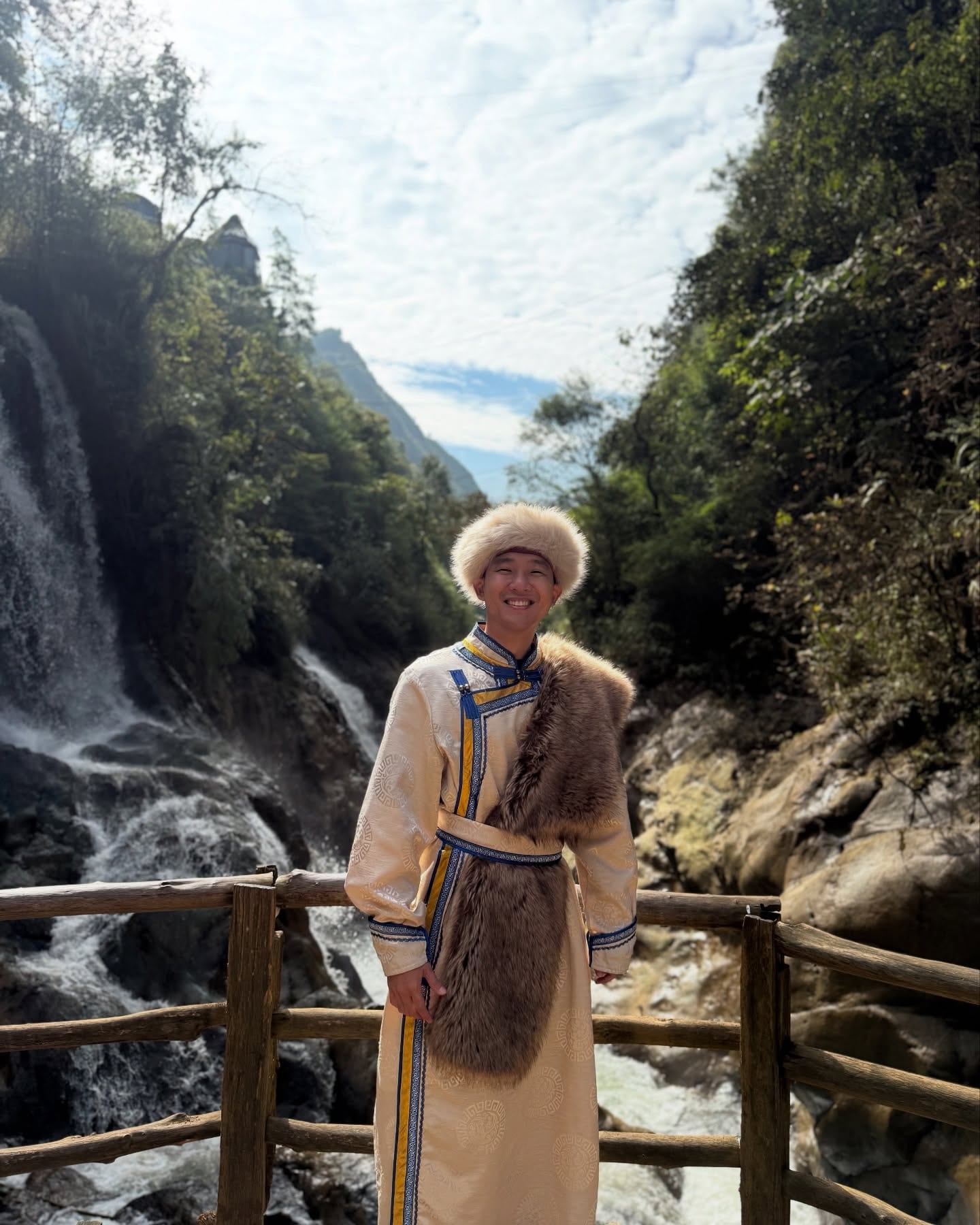 Image credit: @karhooo via Instagram
Make sure to get photo evidence of your trip by dressing up in some traditional Tibetan costumes while posing by the park’s lakes. There are costume rental shops near the most scenic spots in the park. Rentals go for around RMB400/pax (~S$71.39) and include hair and make-up services. If phone shots aren’t your forte, there are also photography services available at the rental shops to get the best money shots.
How to get to Jiuzhaigou: First, catch a flight from Singapore to Chengdu Shuangliu International Airport – a round-trip with Shenzhen Airlines costs around S$355. From there, take a 1-hour domestic flight to Sichuan Jiuzhai Huanglong Airport and hop on a shuttle bus (RMB45, ~S$8.05) for the scenic route.
12. December: Sanya
Tropical beaches & rainforest park
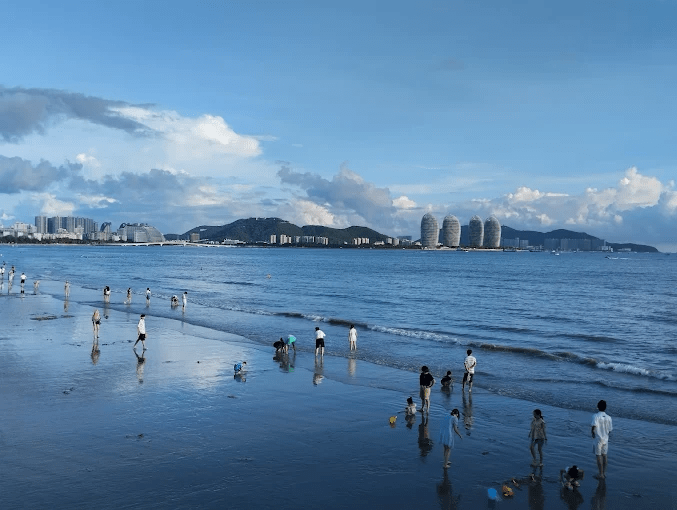
Image credit: 王錫鍾 via Google Maps
With its sandy beaches and aquamarine waters, Sanya seems like an odd Christmas destination, but you’ll be kicking back in a tropical paradise while the rest of China bundles up.
Yalong Bay is one of the most popular bay areas in Sanya. It’s a 7km long beach boasting vibrant coral species and a warm temperature of 27°C.
You’ll find no shortage of resorts here as well, like Sanya Yalong Bay Tianyu Resort Hotel, with prices starting from S$480.99 for 2 nights in a standard room plus a daily breakfast buffet.
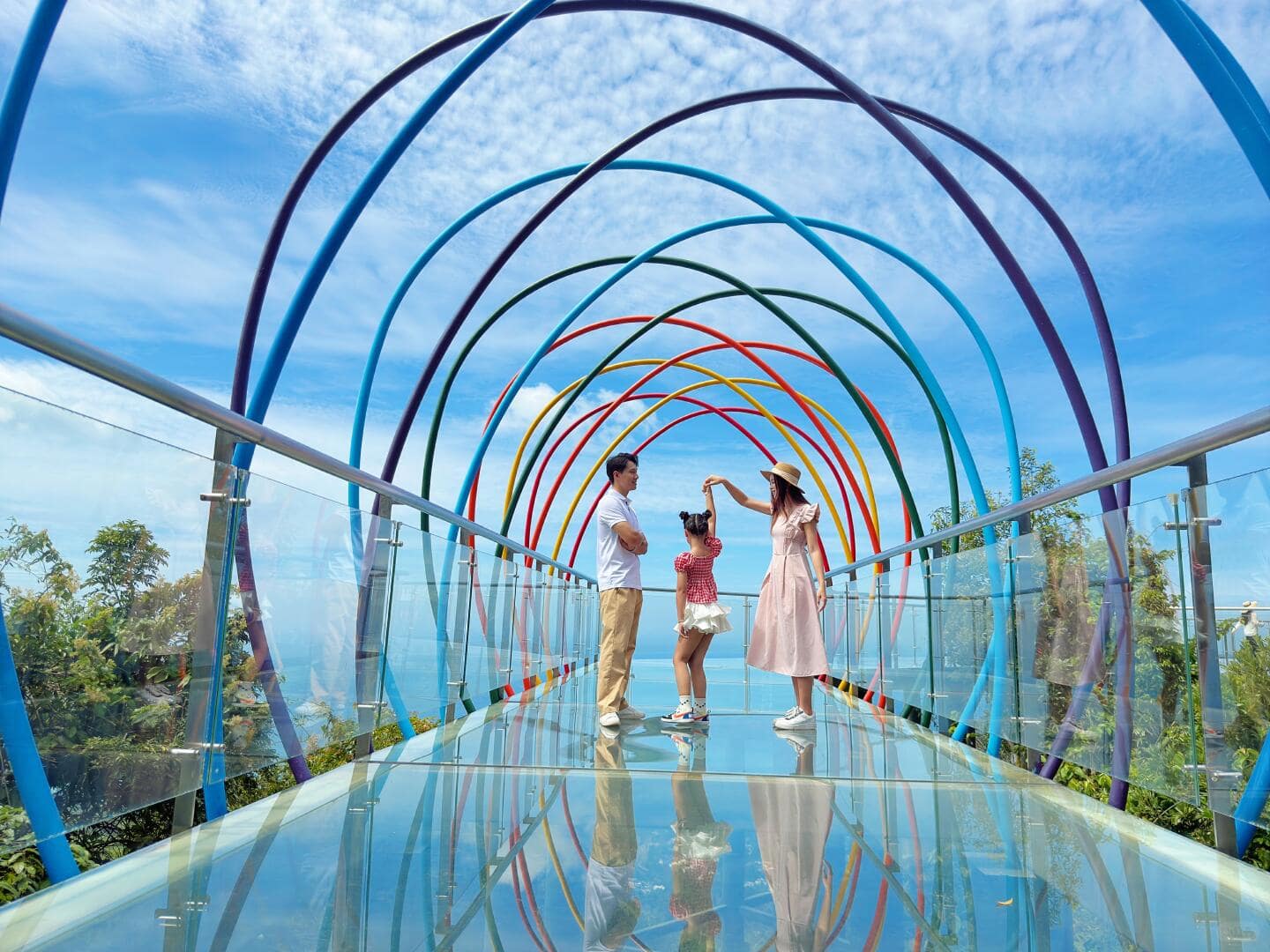 Image credit: @westchinago2024 via Instagram
To get a bird’s eye view of the beach, make a trip up to Tropical Forest Park, a coastal park located above Yalong Bay. Here you’ll get to brave the 168m-long Dragon Rope Bridge and a glass-bottomed platform for sweeping vistas over Sanya Bay. Tickets go for RMB158 (~S$28.28/pax).
How to get to Sanya: Cambodia Airways offers round-trip flights to Sanya Phoenix International Airport from Singapore, with prices starting from S$516. It’s highly recommended to get to Yalong Bay by taxi from the airport since the ride only takes 40 minutes and costs about RMB110 (~S$19.67).
Book a stay at Sanya Yalong Bay Tianyu Resort Hotel.
Your year-round China travel itinerary is sorted
Whether you’re the shopping kaki hunting for the best deals, or the foodie on a mission, or the Strava legend who just wants to touch some grass, there’s definitely a place for you in China that’ll keep you coming back.
More guides to travelling in China:
Cover image adapted from: sndqwrj via XHS, @jade_xgao & @sunshinett1111 via Instagram, สมเกียรติ สรรคพงษ์ via Google Maps
A portion of this content may contain referral links where The Smart Local may collect a commission. Our opinions remain our own.