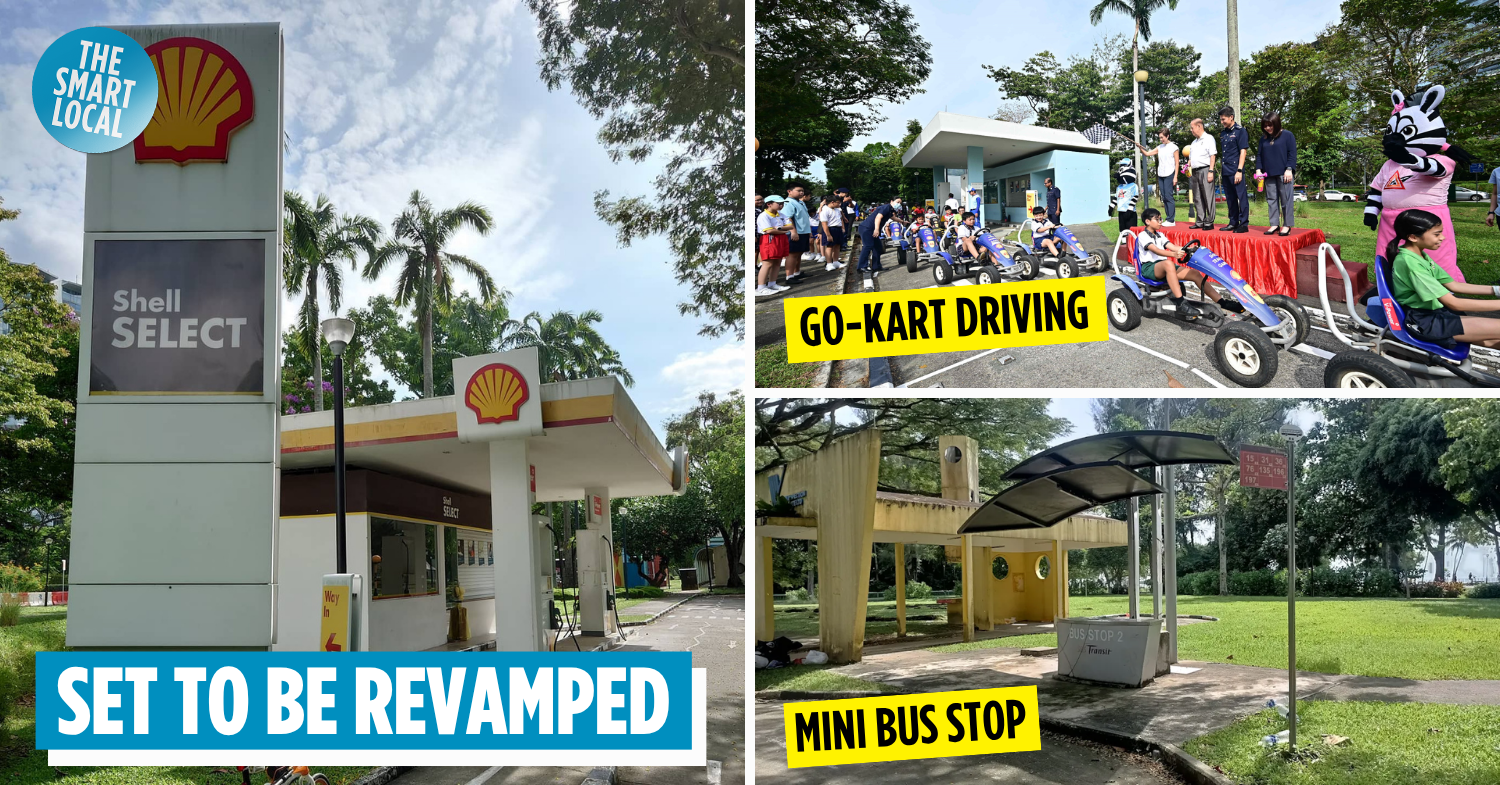

Road Safety Park at East Coast Park
Tucked away in East Coast Park (ECP) is a miniature town complete with tiny roads, bus stops, and even a mini petrol station. At first glance, it almost looks like someone shrunk an old Singapore neighbourhood.
For generations of Singaporeans, however, the Road Safety Park is more than just a quirky corner of ECP. It was where some of the most memorable school excursions were held, memories were made, and where they first learnt about road safety or “got behind the wheel” as a motorist.
If this has unlocked a core childhood memory, here’s the lowdown on how the miniature town became one of Singapore’s most iconic growing-up experiences.
What is the Road Safety Park?
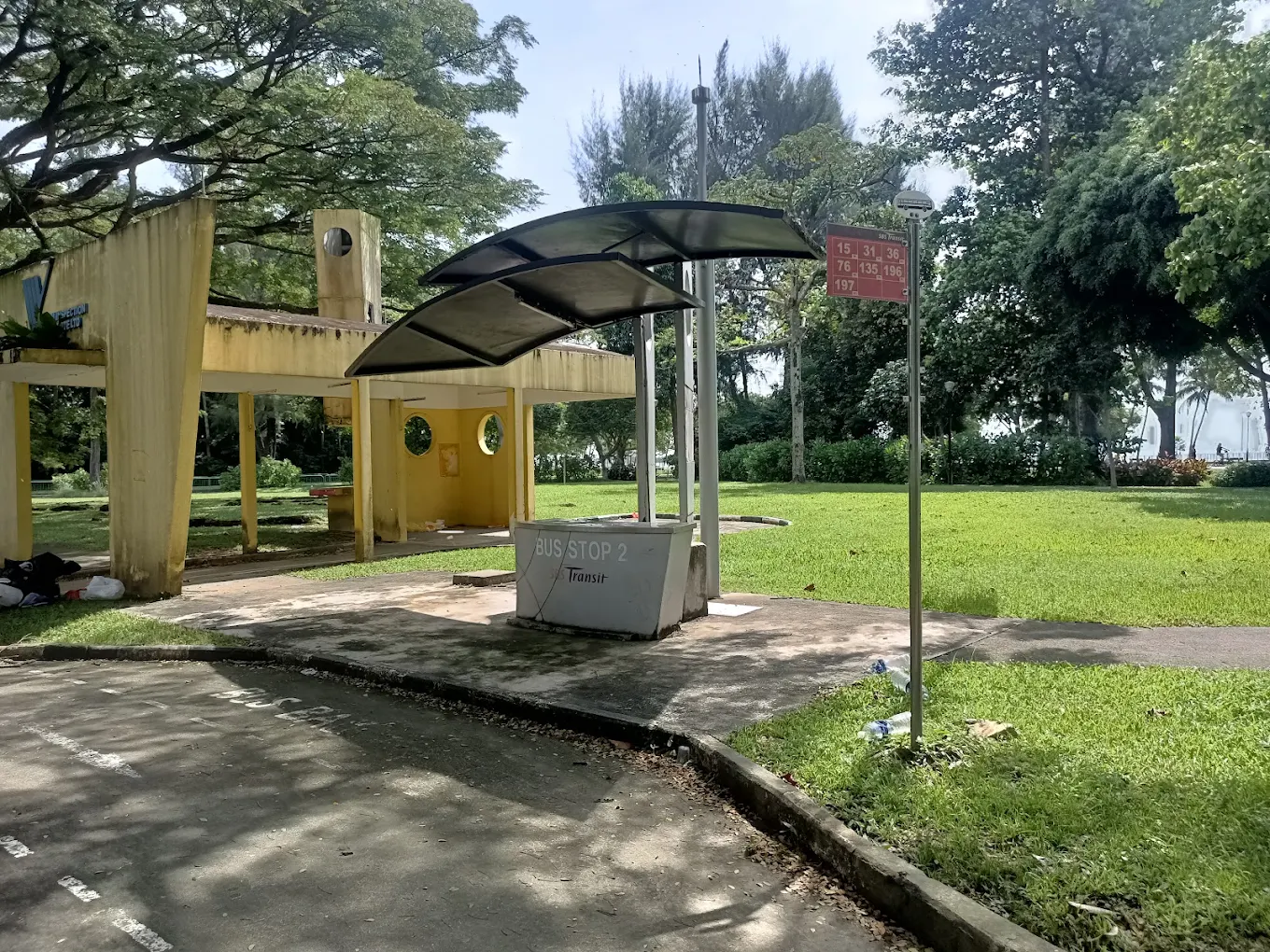 Mini replica bus stop.
Image credit: Jared Ong via Google Maps
Years before KidZania and driving simulators were a thing, the Road Safety Park in East Coast Park was already where generations of Singaporean children tried their hands at pedal go-karts, cycled around miniature junctions, or, if luck was not on their side, spent the day as pedestrians. Granted, the vehicles ran on leg power, but that hardly made the experience feel any less exciting as a child.
It had one mission: to educate Singaporean youth on road safety, safe driving, and responsible pedestrian rules.
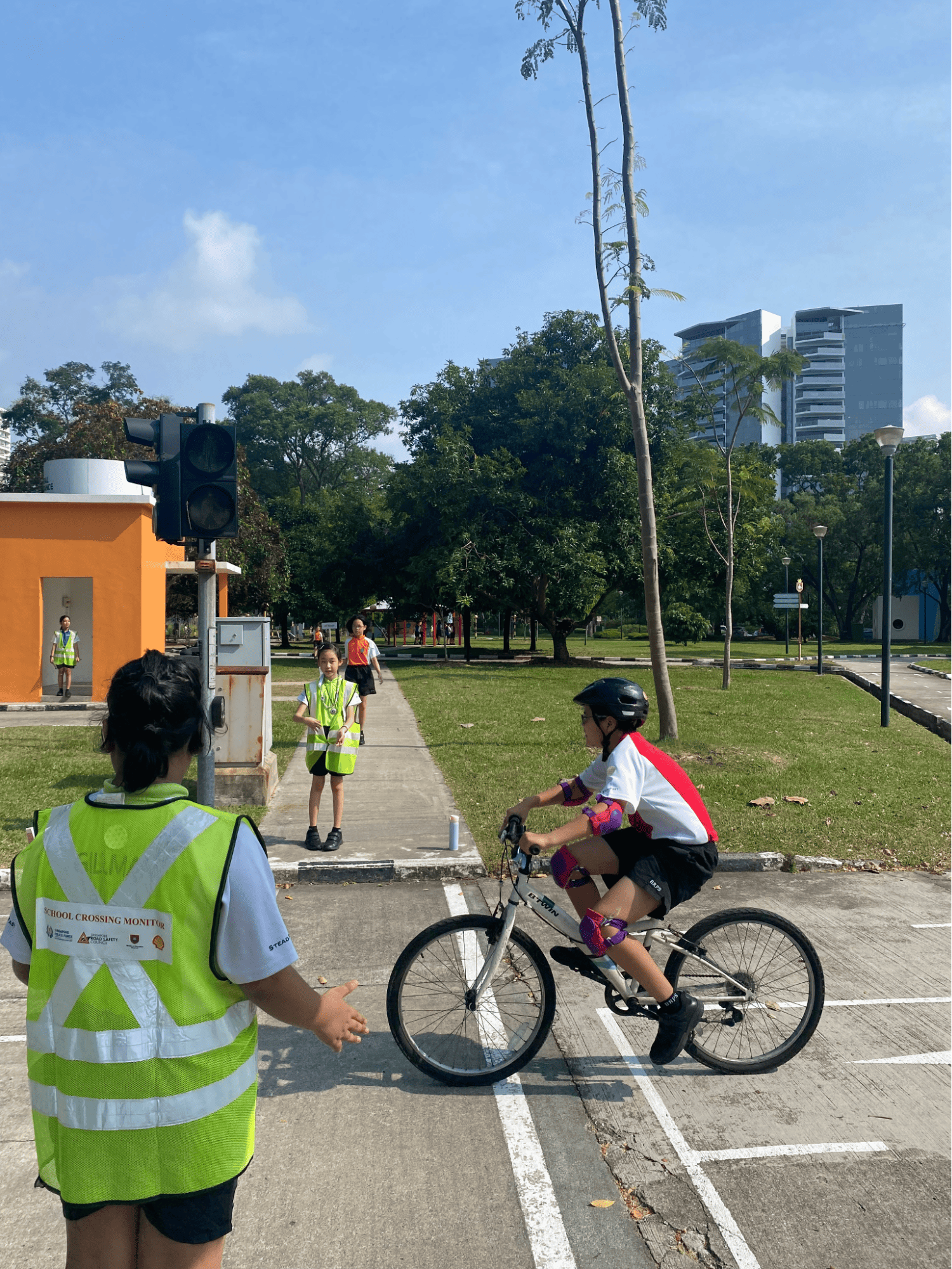
Image credit: Blangah Rise Primary School
The park was designed to resemble a miniature Singapore neighbourhood, complete with its own roads, crossings, and traffic signs. While its faded paint and worn-out gravel may make it look like a weathered playground today, this place holds decades of history, education, and memories.
Keep reading to find out more about the history of the Road Safety Community Park.
Started as the Singapore Traffic Games
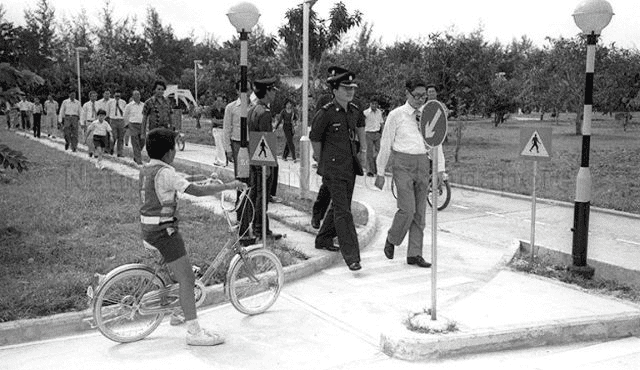
Image adapted from: MITA
The story of the Road Safety Park began before East Coast Park was even built.
Back in 1958, Shell Petroleum Company introduced the Singapore Traffic Games at Kallang Park, an annual programme that’s still running today. Instead of learning road safety from textbooks, students took on the roles of motorists, cyclists, and pedestrians in simulated traffic situations.
The idea was simple: rather than memorising road signs in a classroom, children could learn by doing. They pedalled through junctions and crossroads, and experienced what it was like to safely share the road with other users.
Opening of the Road Safety Park
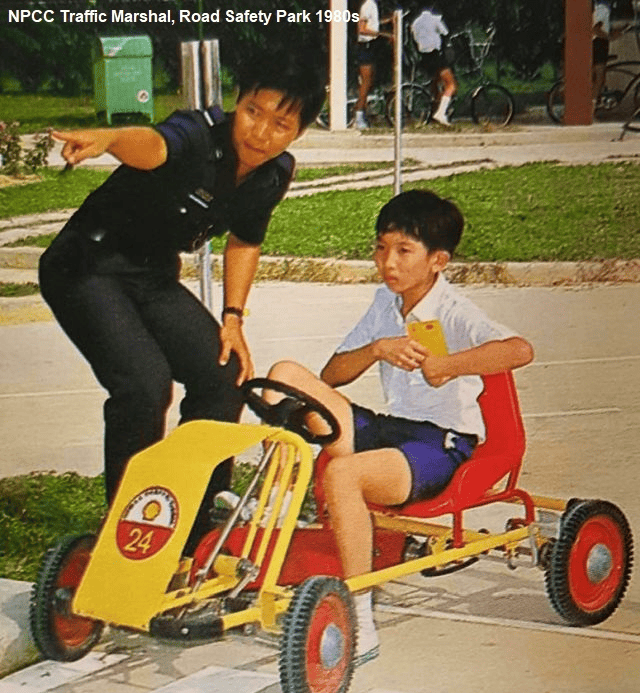
Image adapted from: Remember Singapore
A dedicated Road Safety Park opened within Kallang Park in 1961. The timing was significant too. As Singapore saw more vehicles and new drivers taking to the road, road safety education became increasingly important.
However, the little traffic town’s first home was short-lived. In 1967, it closed down to make way for the construction of the former National Stadium, leaving the Singapore Traffic Games without a permanent home for more than a decade.
Reopening of the Road Safety Park after 14 years
The Road Safety Park finally reopened 14 years later at its present East Coast Park location on 11th January 1981. The 4ha facility reportedly cost $1.3 million to build and was supported by several organisations and companies. It could host up to 300 students at a time, and by 1991, more than 600,000 students from Primary 3 to Secondary 2 had taken part in its Traffic Games.
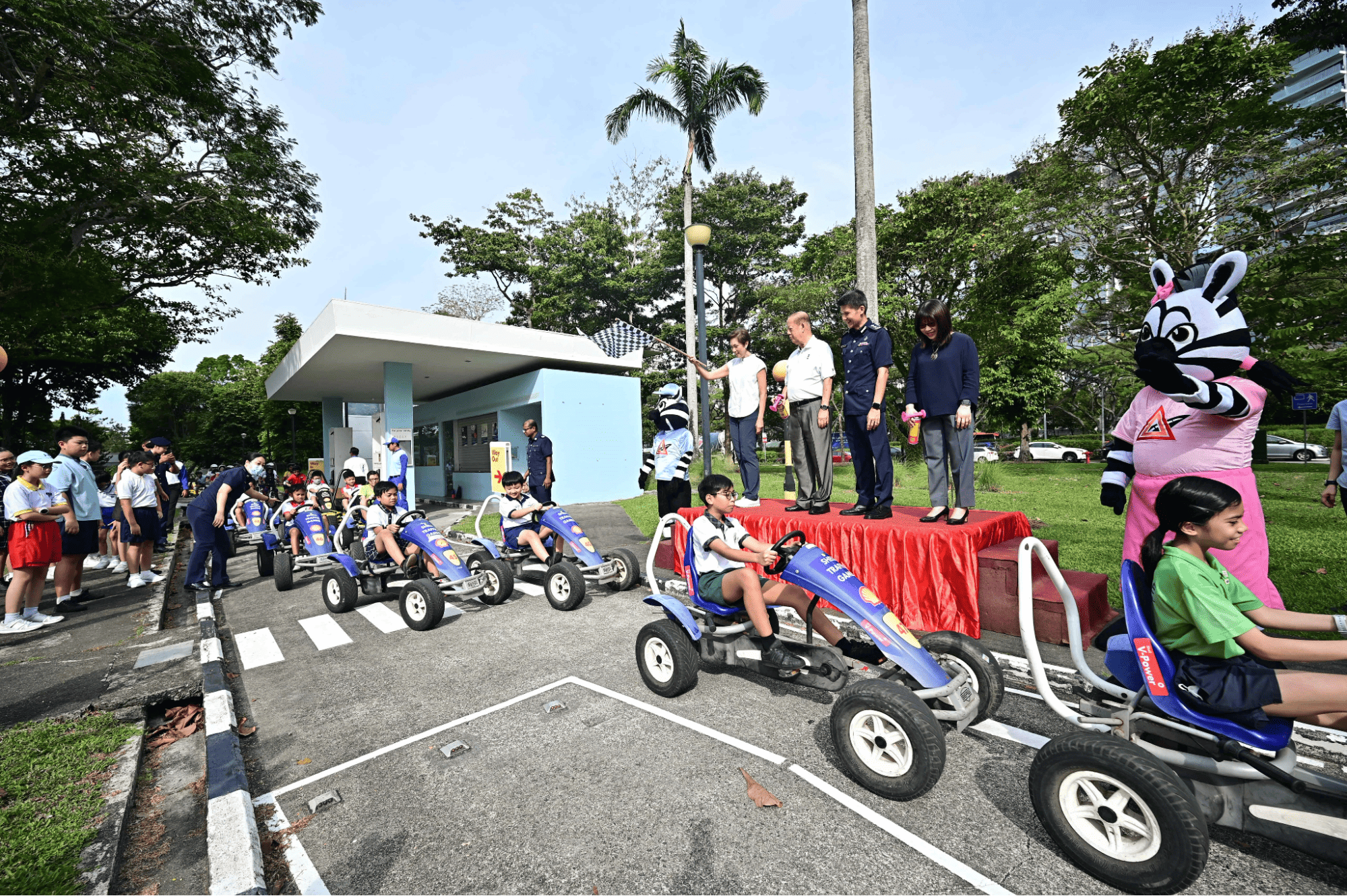 Image credit: Shell Singapore
There’s no denying that the go-karts were the feature that stole the show. Instead of learning road safety rules from textbooks, children could hop into their own little vehicles for an interactive, hands-on experience. The park recreated a real traffic environment with traffic signals, directional signs, and pedestrian crossings that looked especially convincing to children.
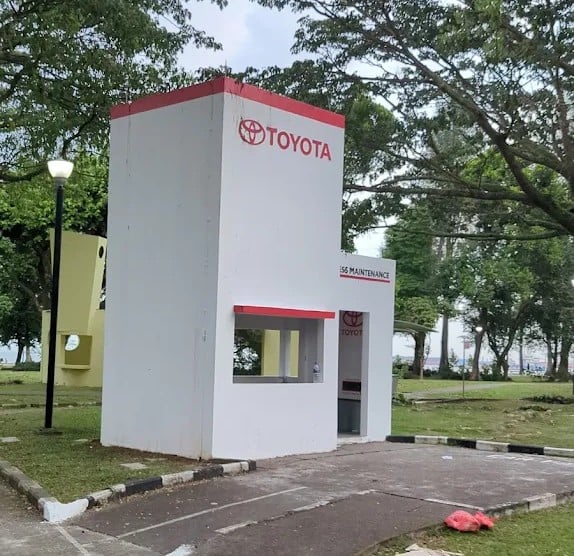
Toyota maintenance building.
Image adapted from: Jigar Dharamshi via Google Maps
But the Road Safety Park is more than painted cycling paths and miniature traffic fixtures. Its buildings also helped transform the place into something resembling an actual neighbourhood.
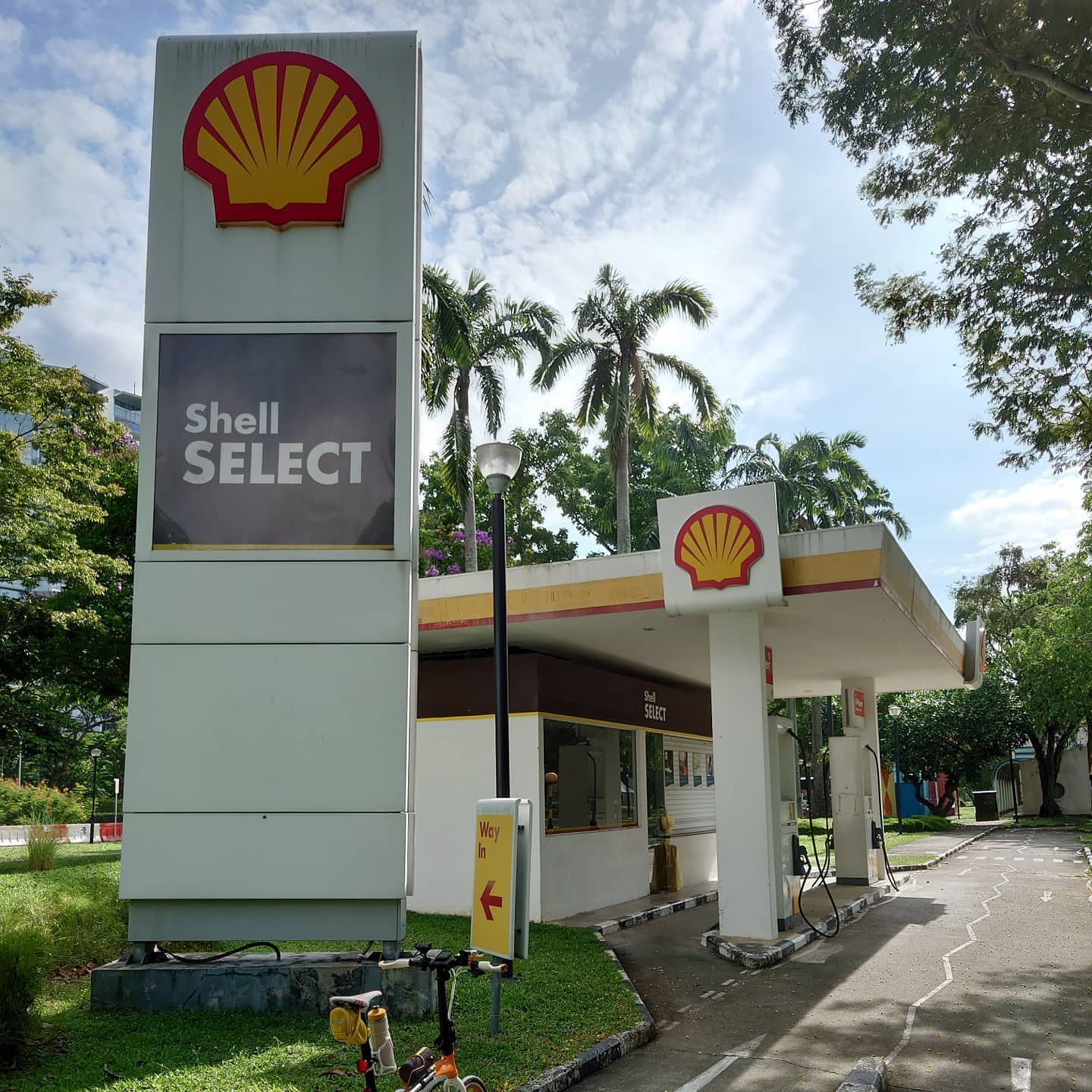 Image credit: @maorongrongnotfurry via Instagram
Over the years, the Shell petrol kiosk eventually became one of the park’s most recognisable landmarks. Decorated with the familiar Shell branding and miniature pumps, it’s realistic enough to resemble an actual petrol station for little cars.
Nobody could actually top up their go-kart with petrol, of course, but pulling up beside a miniature Shell pump probably made the experience feel more legit.
These familiar details made the lessons feel less like schoolwork and more like navigating a neighbourhood. They also explain why many of us former participants remember the park so vividly, even when we cannot remember the specific traffic rules we were meant to learn.
Kids role-played as motorists, cyclists & pedestrians
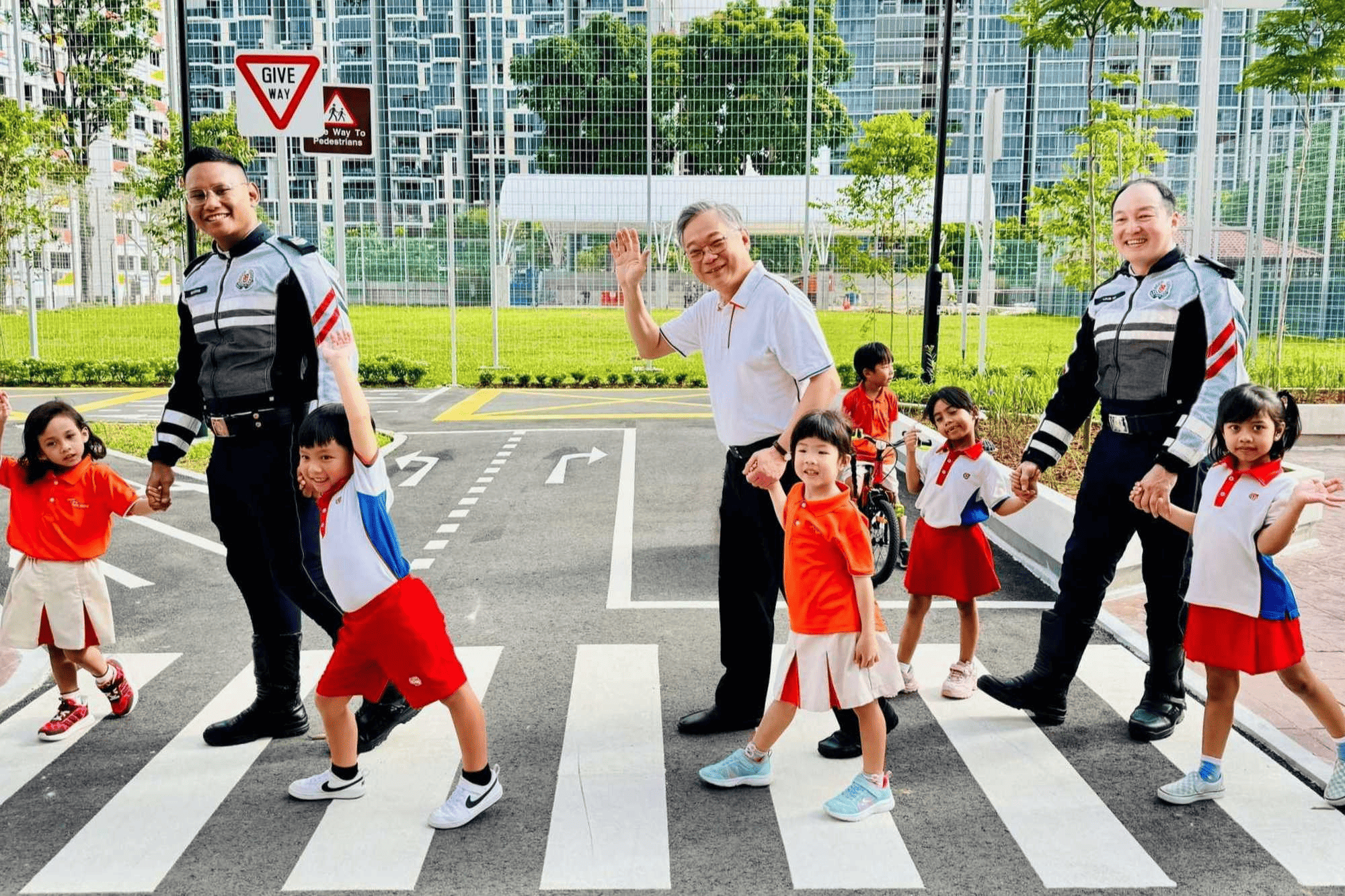 Image credit: Singapore Police Force
Different roles were assigned to participating students during the Singapore Traffic Games.
The motorists, who travel around the course in pedal-powered go-karts, and the cyclists, who travel on bicycles, were the most coveted positions. Everyone else became a pedestrian and had to navigate the course on foot.
Needless to say, watching your classmates whizz past in go-karts while you wait at a zebra crossing isn’t quite the same experience. In other words, getting a go-kart was the primary school equivalent of getting upgraded to business class.
The Singapore Traffic Games were the only times primary school students could receive demerit points for “driving”, and we naturally took those very seriously as kids.
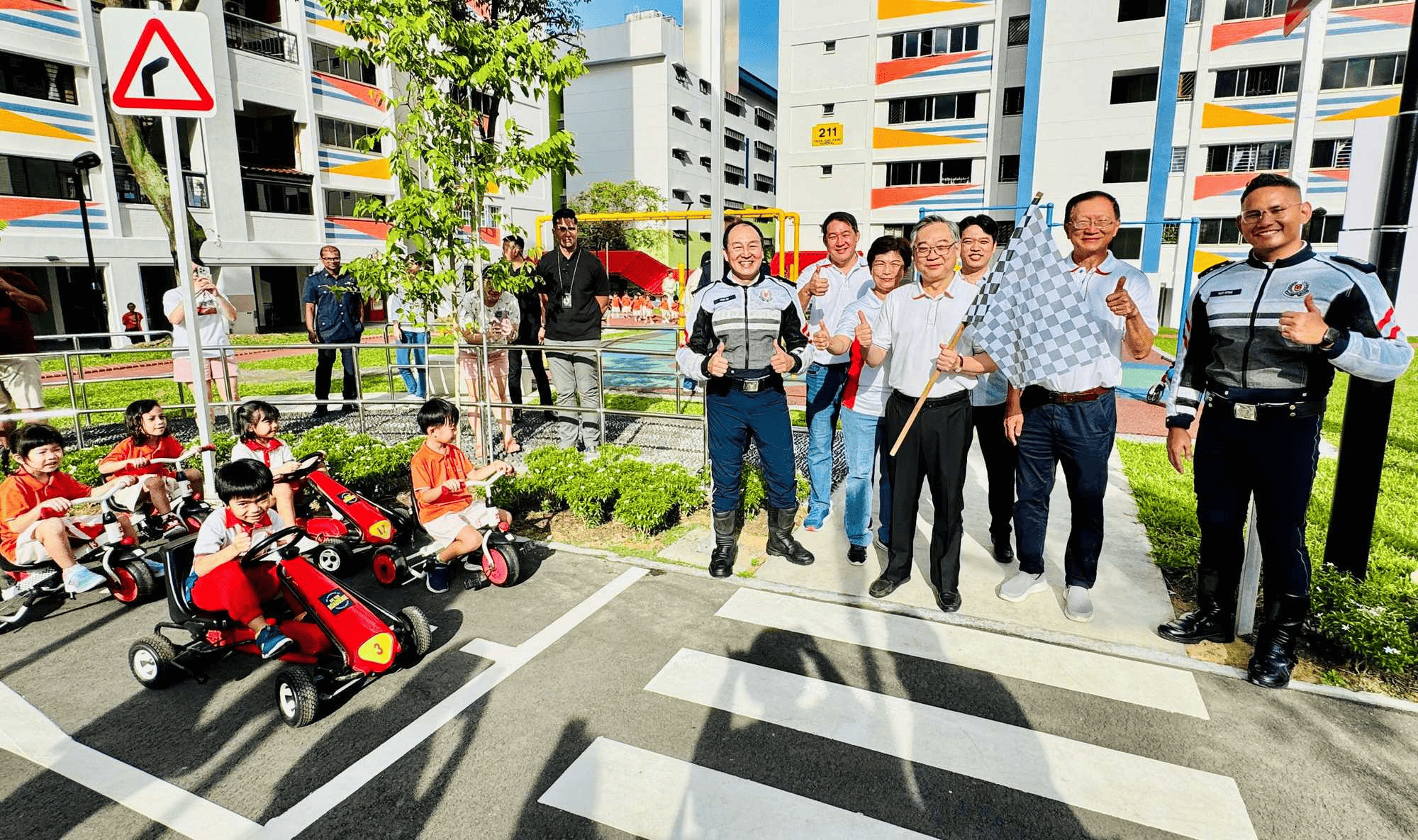 Image credit: Singapore Police Force
Even after decades have passed, the rules haven’t changed much. Each participant has to navigate the circuit via their given route without breaking any traffic rules. This means stopping at traffic lights, waiting for them to turn green, and avoiding any traffic chaos along the way. National Police Cadet Corps members and other students acted as traffic marshals, ready to dish out penalties to rule-breakers.
The park opened to the public
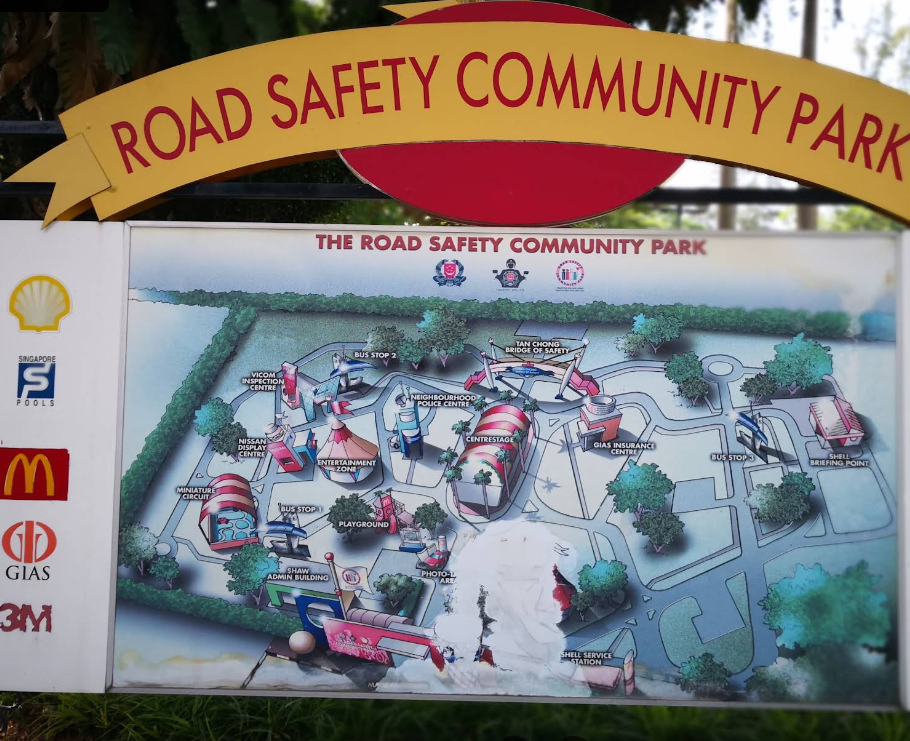
Image adapted from: Junxiang Wang via Google Maps
Although the Road Safety Park was created primarily for organised student programmes, other members of the public eventually got a chance to experience it too. From June 1985, the park opened to the public on weekends, wth a 45-minute go-kart ride costing $1 and bicycle rental costing $0.50 – prices that feel almost impossible today.
Visitors who didn’t want to get behind the wheel could also walk around the park for free. Unfortunately, it no longer offers go-kart or bicycle rentals today.
The park was not just a classroom for children either. Senior citizens attended lessons there in the late 1980s, learning practical tips such as crossing safely at zebra crossings and wearing brighter clothing to remain visible to motorists. It was a reminder that road safety is not just something children have to learn, and that it matters to road users of every age.
In 2010, the park opened fully to the public, 7 days a week.
It became the Road Safety Community Park in 2002
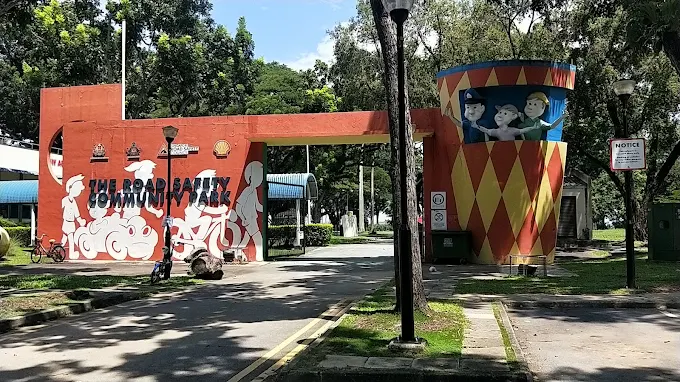
Image credit: Ken via Google Maps
After years of hosting energetic school groups, the park received repairs and a fresh coat of paint in 1994, followed by another upgrade in 2002 where it was renamed the Road Safety Community Park.
Adding the word “community” emphasised that road safety was not only the responsibility of drivers or the traffic police, as everyone using the roads had a part to play.
By around its 20th year, more than 1 million students had participated in the Traffic Games at the park – this means that plenty of Singaporeans today share the memory of pedalling around the same little roads.
The lessons also became more technologically advanced to keep up with the times. In 2017, the traffic police introduced virtual reality activities that can be used during rainy weather, allowing students to practice scenarios such as crossing roads or boarding buses safely without using the outdoor circuit.
The park is set to be modernised
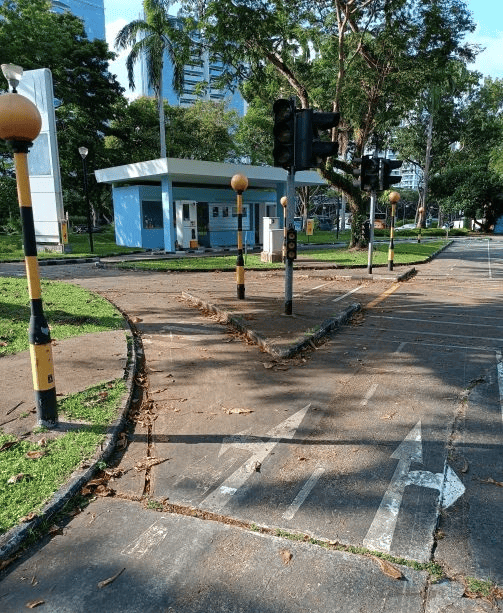
Image adapted from: Remember Singapore
Having been around since 1981, the Road Safety Park is understandably starting to show its age, with faded road markings and weathered sections around the circuit. In December 2023, the Singapore Police Force announced its plans to redevelop and modernise the park so that it better reflects Singapore’s roads today.
Besides schools, the revamped park is also expected to become more family-friendly, allowing children to learn about road safety alongside their family members. Former student visitors can also return with their own children and refresh their understanding of road safety rules in a fun way.
However, details on the timeline for the revamp are yet to be announced at the time of writing.
A miniature park with a big legacy
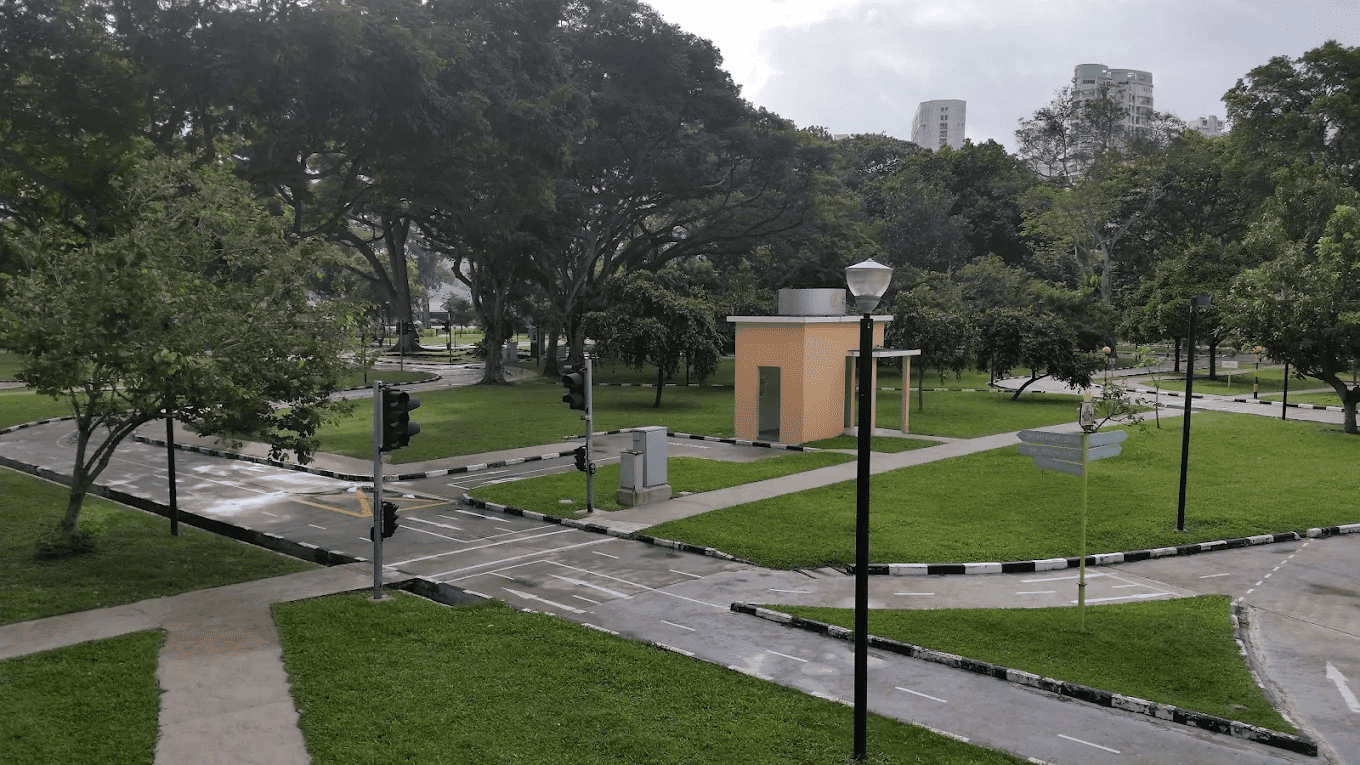
Image credit: Hux Siah via Google Maps
The Road Safety Park may not have sophisticated driving simulators and flashy screens, but that’s precisely what makes it so memorable.
Whether you were a student behind the wheel of a go-kart or standing enviously at the sides of the roads back in your day, chances are the park still holds a special place in your childhood memories.
We hope its eventual redevelopment retains some of its most recognisable landmarks. After all, it would be difficult to imagine Singapore’s miniature traffic town without its tiny petrol station.
 Sign Up with TSL Connect
For more nostalgic reads:
Cover image adapted from: @maorongrongnotfurry via Instagram, Shell Singapore, Jared Ong via Google Maps