
Lasting Power of Attorney in Singapore
You might have heard the news that Lasting Power of Attorney (LPA) Form 1 applications have been made permanently free for Singaporeans from 1st April 2026. But if it’s your first time hearing the term “LPA” or you’re just kaypoh about what it entails, our guide breaks down all the important info to help keep you in the loop.
Table of Contents
What is a Lasting Power of Attorney?
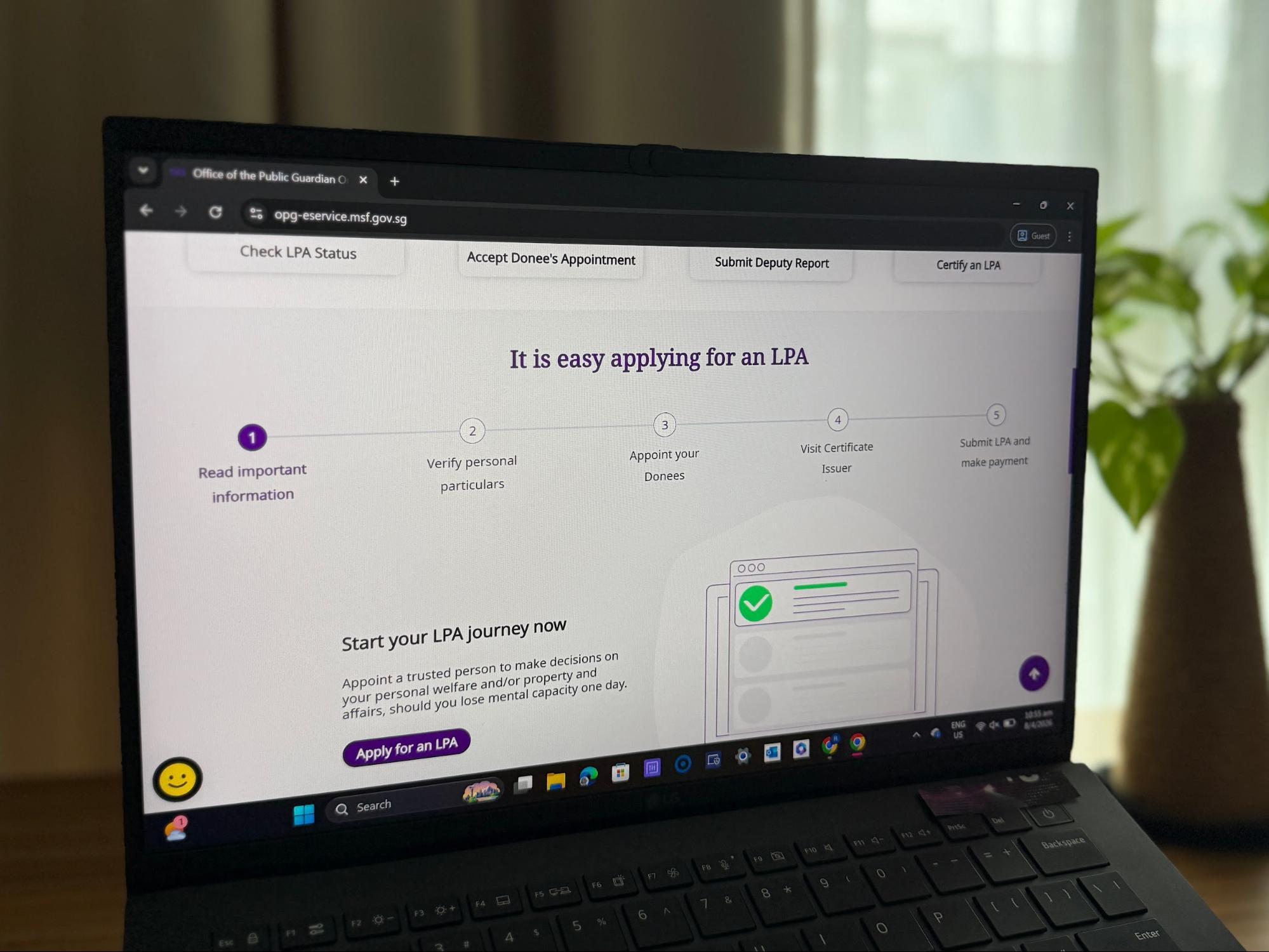
Image credit: Ong Rui En
The LPA allows you to appoint someone to make decisions on your behalf if you lose mental capacity – as in, when you’re unable to understand information and communicate decisions in the event of a stroke, coma, or onset of dementia.
This can cover personal welfare, as well as property and affairs matters. For example, the person appointed, also known as the donee, could manage your bank accounts, sell property, handle CPF matters, make healthcare decisions, and determine living arrangements for you, the donor.
Why should I apply for a Lasting Power of Attorney?
Screenshot from: Reddit
Whether you’ve just turned 21 or are on the verge of retirement, an LPA will come in handy if something unexpected affects your mental capacity.
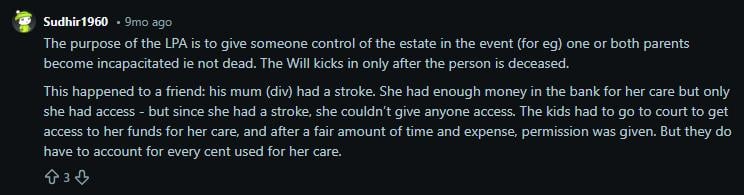
It lets you choose someone you trust to represent you. Heads up: the law doesn’t automatically grant your spouse or kids the right to manage your affairs. So if you haven’t appointed anyone, the court steps in, which will turn into a lengthy and costly process for your family.
Screenshot from: Facebook
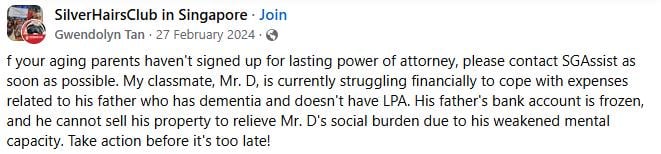
Some netizens have also shared stories about friends who are struggling with legal and financial issues because their parents had not applied for an LPA, emphasising just how important it is to plan ahead.

Image credit: Ministry of Social and Family Development
The LPA doesn’t just help ageing parents too – accidents or medical emergencies could happen to anyone. With an LPA, donees can step in immediately during emergencies to fast-track processes, including making medical decisions like choosing a particular treatment or living arrangement.
It also helps to prevent family conflicts and disagreements, and protect your interests and assets. It’s better to be safe than regret not taking just a bit of time to fill out a form, especially now that fees have been waived.
How much does a Lasting Power of Attorney cost?
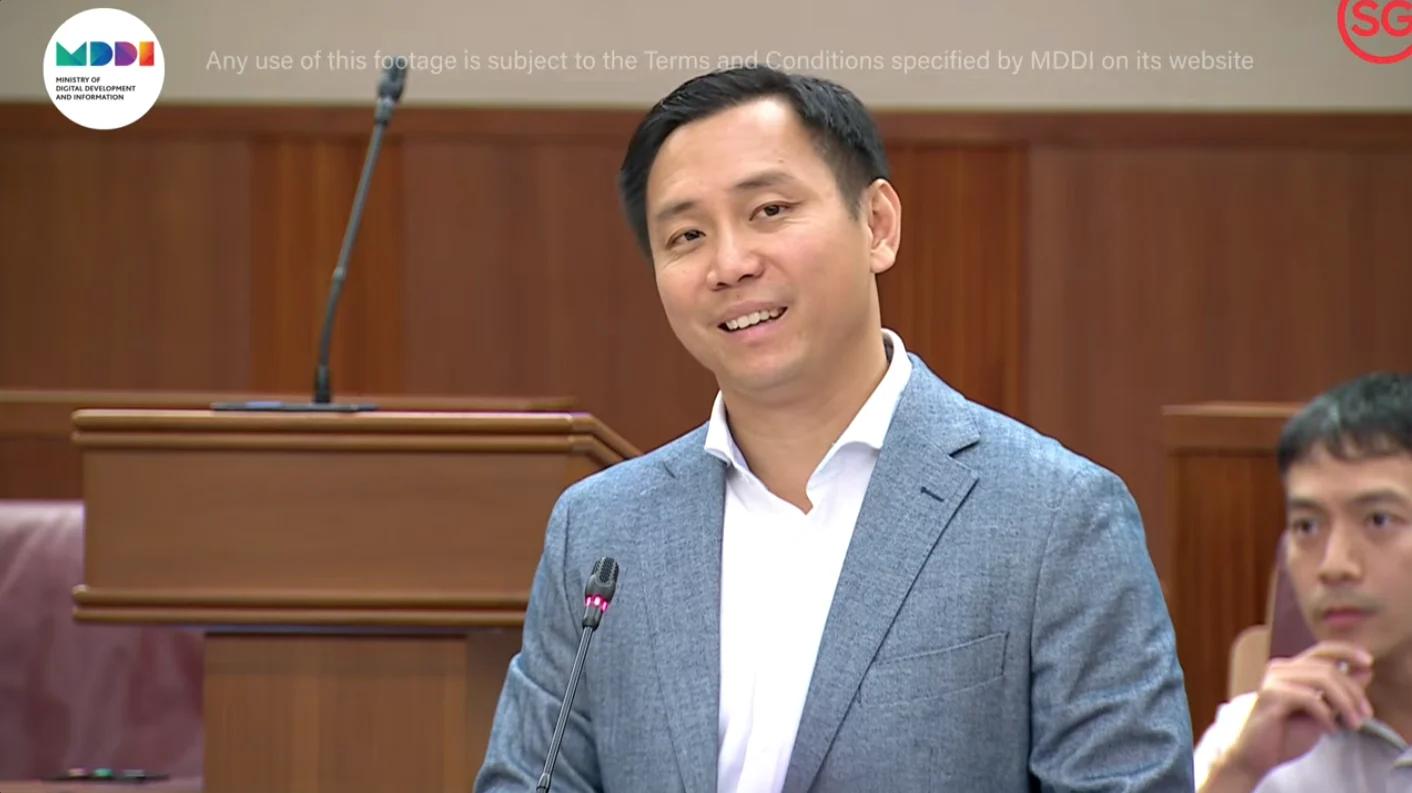
Image adapted from: @SingaporeMDDI via YouTube
On 5th March 2026, the government announced that LPA Form 1 applications, which previously cost $70, will be made permanently free of charge for all Singaporean citizens from 1st April 2026.
However, you’ll still need to pay for a certificate issuer, with fees typically starting from $24.
How to apply for a Lasting Power of Attorney?
Step 1: Choose your donee
Your donee has to be at least 21 years old. For LPA Form 1, you can choose up to 2 donees as well as 1 replacement donee who will take over in the event your original choice can no longer act.
If you are making the LPA for yourself, appointing your adult children, spouse, siblings, or relatives is a common option. You could also appoint your parents if they’re likely to still have mental capacity some time down the road, although it’s recommended to appoint a younger replacement donee in case your parents pass away or lose mental capacity before you.
Some even appoint trusted friends or professional deputies, such as lawyers, as their donees if they do not have next of kin.
Step 2: Draft your LPA
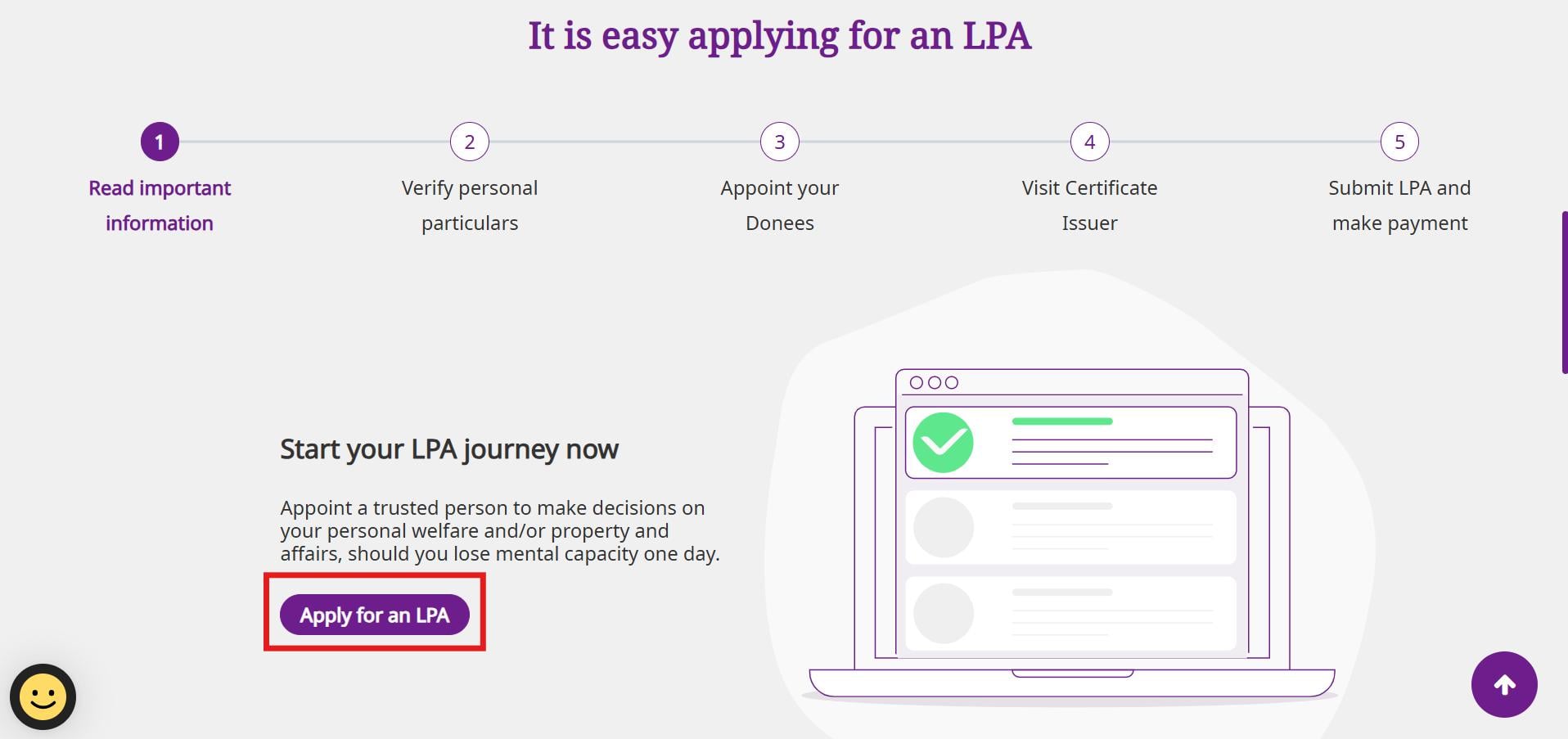
Screenshot from: Office of the Public Guardian
Once you’ve decided who to appoint as your donees, head to the Office of the Public Guardian (OPGO) website to draft your LPA online.
As you fill out the form, you can choose to allow your donees to make decisions jointly, meaning they have to make decisions together, or jointly and severally, meaning they can make decisions together or individually.
You’ll also choose the type of decisions you want them to make for you – whether it’s personal welfare, property and affairs, or both.
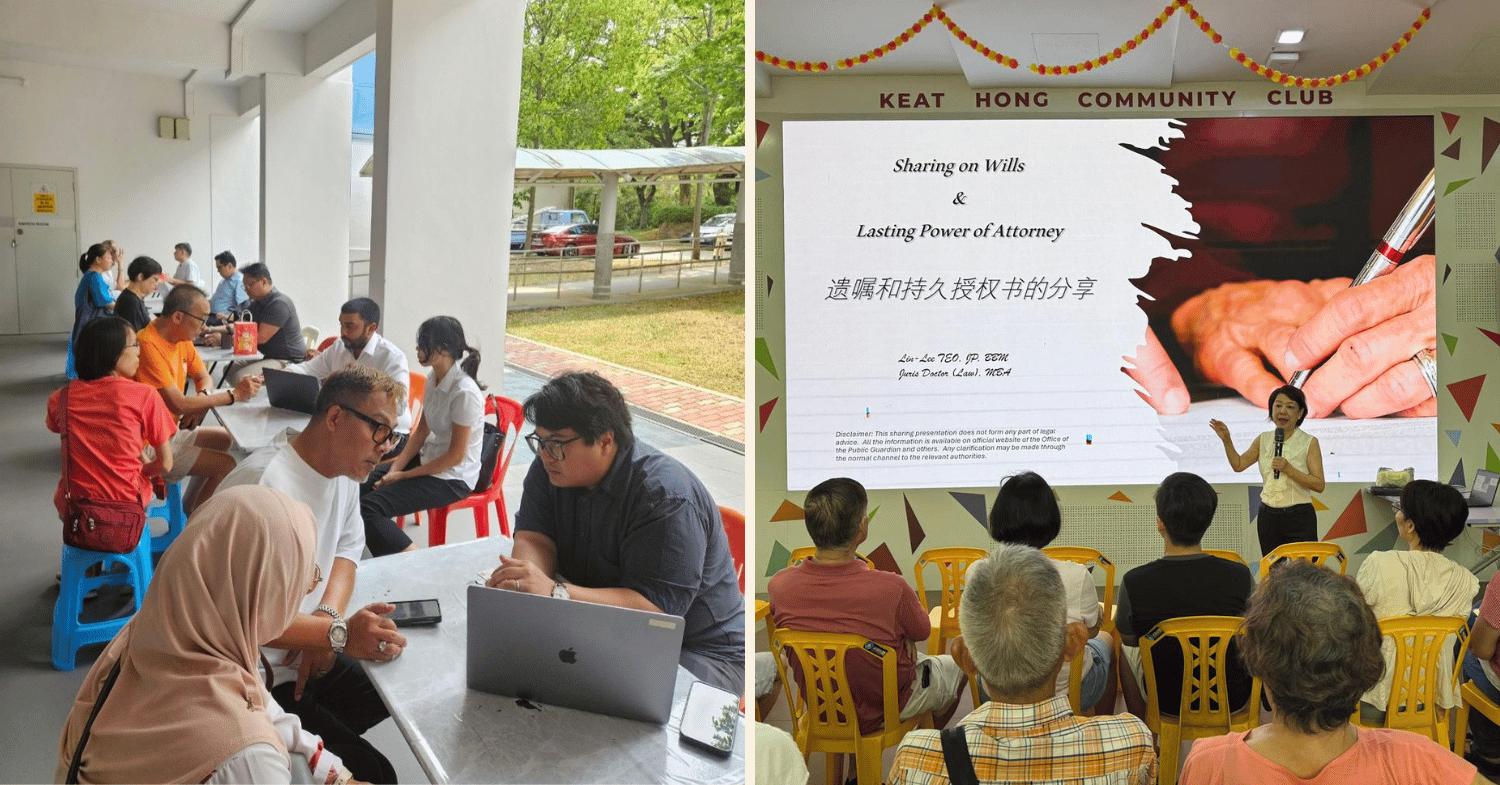 LPA event at Kaki Bukit Block 524 (left) and Keat Hong CC (right).
Image adapted from: @fadli_fawzi & @zhulrahim via Instagram
P.S. Neighbourhoods sometimes hold sharing sessions and have volunteers helping with the drafting of LPAs.
If you or a family member requires assistance, keep a lookout for such events in your neighbourhood, or approach officers at ServiceSG Centres for free, in-person assistance with LPA Form 1 applications.
Step 3: Remind your donee to accept their appointment
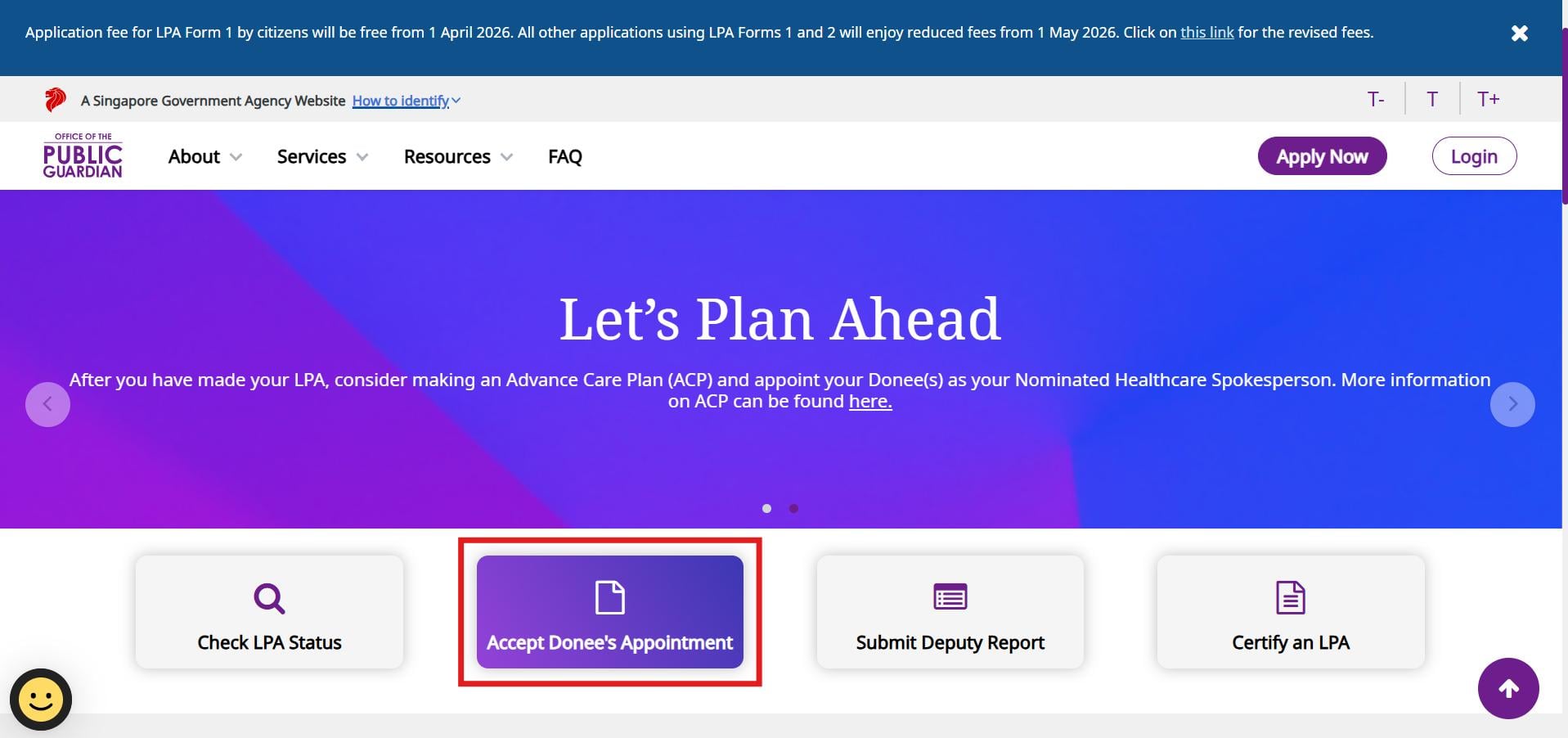
Screenshot from: Office of the Public Guardian
Your donee can accept their appointment through the same OPGO website. If you are appointed as a donee, simply click on “Accept Donee’s Appointment” and log in with your Singpass to accept your appointment.
Step 4: Find & visit a Certificate Issuer
Next, you’ll need to look for a Certificate Issuer (CI) who will be able to certify your LPA.
CIs can be accredited doctors, lawyers, or psychiatrists, who charge around $47.50, $104.50, and $350, respectively. Some accredited doctors and psychiatrists charge fees as low as $24.
Find an LPA certificate issuer.
What happens during a CI visit?

Image for illustrative purposes only.
Image credit: Vitaly Gariev via Unsplash
When my parents visited an accredited doctor to act as their CI for their LPA, they were asked to open up their Singpass app, scan the QR code on the doctor’s screen, and read out the 6-digit OTP sent to their phone. They were then asked to provide their personal particulars, such as their name, IC number, and date of birth.
The CI then asked a few simple questions to make sure their minds were still sharp, such as the current date and the day of the week.
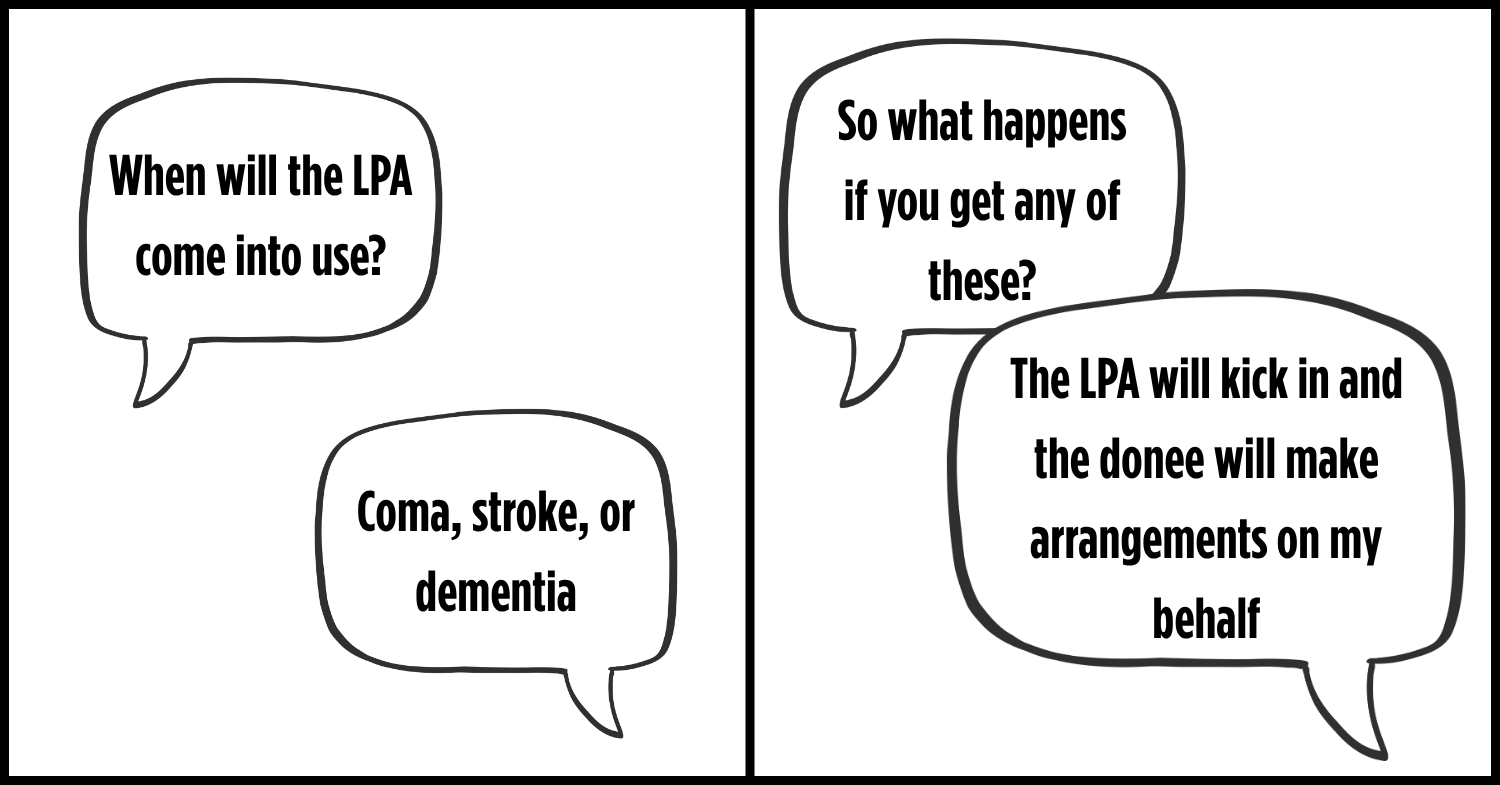
My parents recount the questions asked by the CI.
Image credit: Ong Rui En
Lastly, the CI made sure that they were aware of the LPA’s purpose by quizzing them about it.
Step 5: Check for the confirmation SMS or email
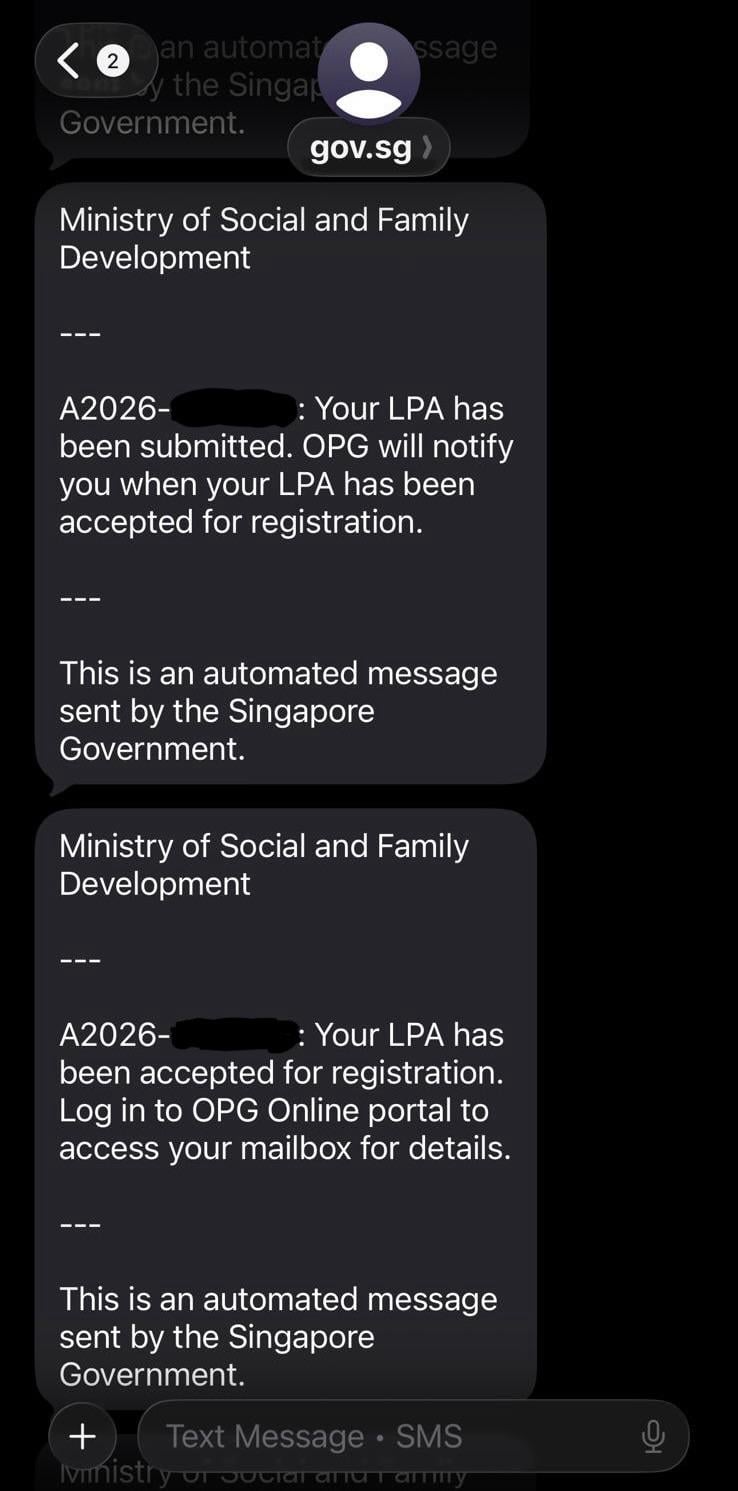
Image adapted from: Ong Rui En
After the CI visit, you will receive an SMS from gov.sg or an email to confirm that you’ve submitted an LPA application.
There’s a mandatory 21-day waiting period to give you time to reconsider your decision before the LPA is officially registered. If no objections were raised during these 21 days, the LPA becomes official, and you can log in to OPGO to view and download a PDF copy of the official document.
FAQs about Lasting Power of Attorney
LPA Form 1 vs Form 2
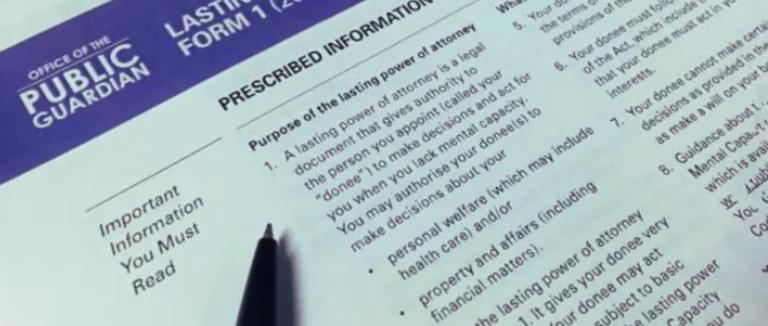
Image credit: Chris Chua & Associates LLC
Form 1 is the standard form used by around 98% of Singaporeans for its simplicity, while Form 2 is a more complex, customisable option.
If you don’t have complex assets, are not a business owner needing specific restrictions, or don’t need more than 2 people acting as your donees, then choosing Form 1 is a no-brainer. That’s because Form 2 requires the assistance of a legal professional to draft and will also be more expensive.
What happens when the person you appoint as your donee passes away?

Image for illustrative purposes only.
Image credit: National Cancer Institute via Unsplash
Some of you might be thinking of appointing your parents, especially if you’re young and without a spouse or kids. In the event your appointed donees pass away or lose mental capacity before you, the replacement donee will take over.
This also applies even when your donee doesn’t want to act anymore or when you and your donee divorce. And if your donee becomes bankrupt, they won’t be able to make property and affairs decisions for you, and the replacement donee has to take over.
If you’d like to make changes to your donees, you’ll need to revoke and redo the LPA.
How is LPA different from ACP and AMD?

Image credit: Phoenix Medical Group
The Advance Medical Directive (AMD) is a different legal document you can sign through a doctor. It allows you to refuse extraordinary life-sustaining treatments in advance, like CPR, dialysis, and blood transfusions, if you’re terminally ill and unconscious. People may want to sign this document to avoid prolonging their suffering at the end of their life.
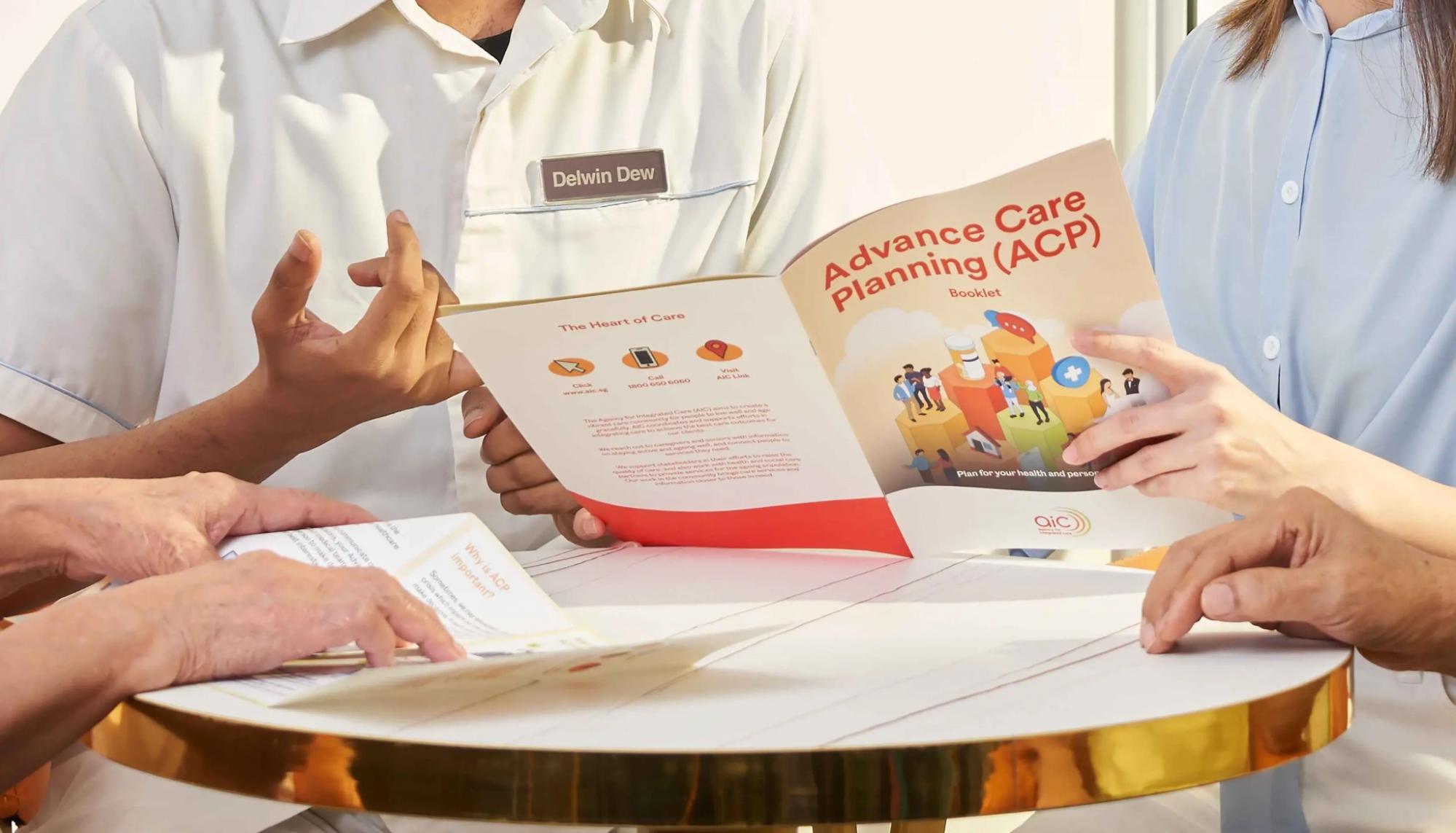
Image credit: Agency for Integrated Care
Advanced Care Planning (ACP) is more of a guide, done online at myACP, or with an ACP facilitator. It’s to facilitate discussion on your personal beliefs, values, and healthcare preferences, so that your family and healthcare providers can act in your best interest. And unlike the LPA and AMD, ACP is not a legal document, so it’s not legally binding.
Apply for a Lasting Power of Attorney in Singapore
We all purchase general insurance for major life milestones, so think of LPA as just another precaution for rainy days. If you or your parents haven’t already applied for an LPA, perhaps it’s time to quit procrastinating.
Find more practical guides here:
Cover image adapted from: Ong Rui En, @fadli_fawzi via Instagram