
Japan tourist tax
There’s no doubt that Singaporeans love visiting Japan – especially with cheap flights there. But even though the year has just begun, you might not want to wait until December to travel there, as changes to Japan’s tourist tax are rolling out throughout the year. Keep these changes in mind when planning your next escape – these could mean extra costs if you put off your trip for too long.
Accommodation tax
From 1st March 2026
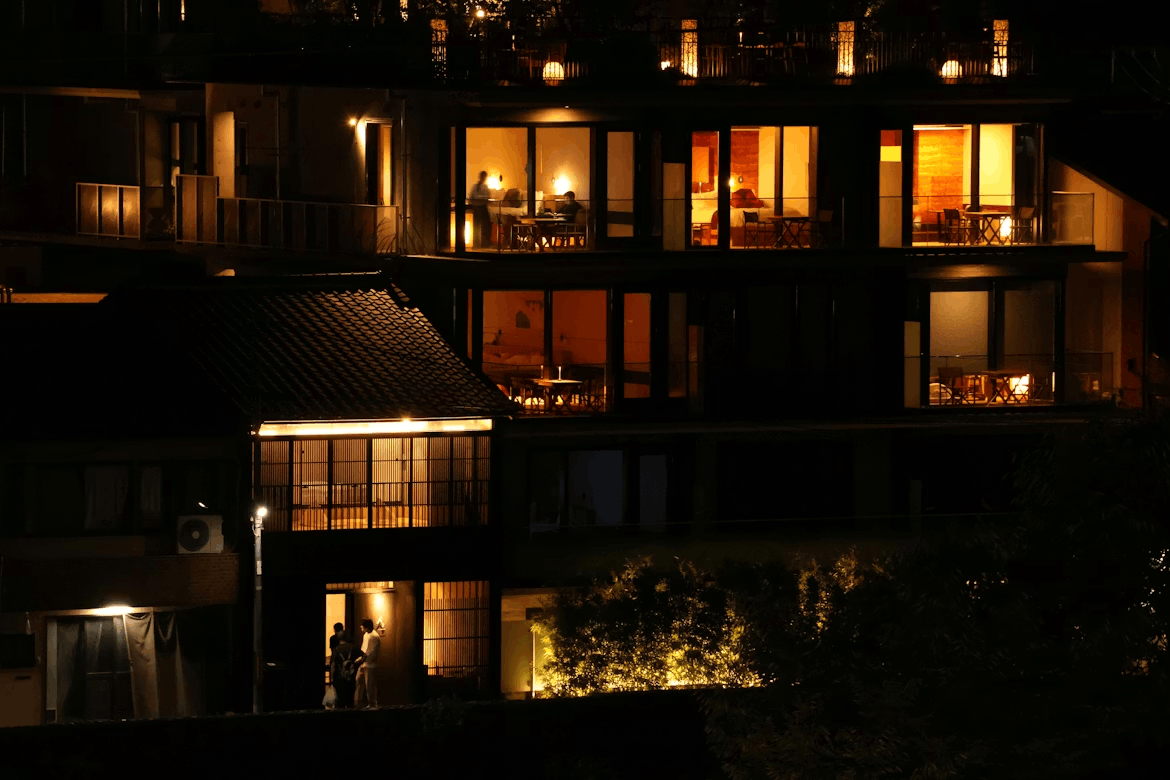
Image for illustrative purposes only.
Image credit: Yanhao Fang via Unsplash
The accommodation tax isn’t a new tax implemented in Japan – whether you know it or not, it might’ve been included when you paid for your hotel stay. But there will be a tax hike in certain cities.
If you’re visiting Kyoto after 1st March 2026, you will need to pay an increased accommodation tax up to ¥10,000 (~S$81.12/night). It’s the city’s way of managing overtourism, with these levies being used to improve infrastructure and manage congestion. Of course, there are tier levels to these taxes. Here’s a breakdown table for easier reference:
| Accommodation rate (per pax, per night) | Accommodation tax (per pax, per night) |
| Less than ¥6,000 (~S$48.67) | ¥200 (~S$1.62) |
| ¥6,000 to ¥20,000 (~S$48.67 to ~S$162.25) | ¥400 (~S$3.24) |
| ¥20,000 to ¥50,000 (~S$162.25 to ~S$405.62) | ¥1,000 (~S$8.11) |
| ¥50,000 to ¥100,000 (~S$405.62 to ~S$811.23) | ¥4,000 (~S$32.45) |
| More than ¥100,000 (~S$811.23) | ¥10,000 (~S$81.12) |
Those planning to travel to Tokyo will also need to keep a lookout, as the city is adjusting the accommodation tax from a flat fee to 3% of the accommodation rate. This will not only affect hotels, but also minpaku, where residents rent out their homes and apartments – similar to Airbnb. However, this plan is only set to take place in 2027.
Departure tax
From 1st July 2026
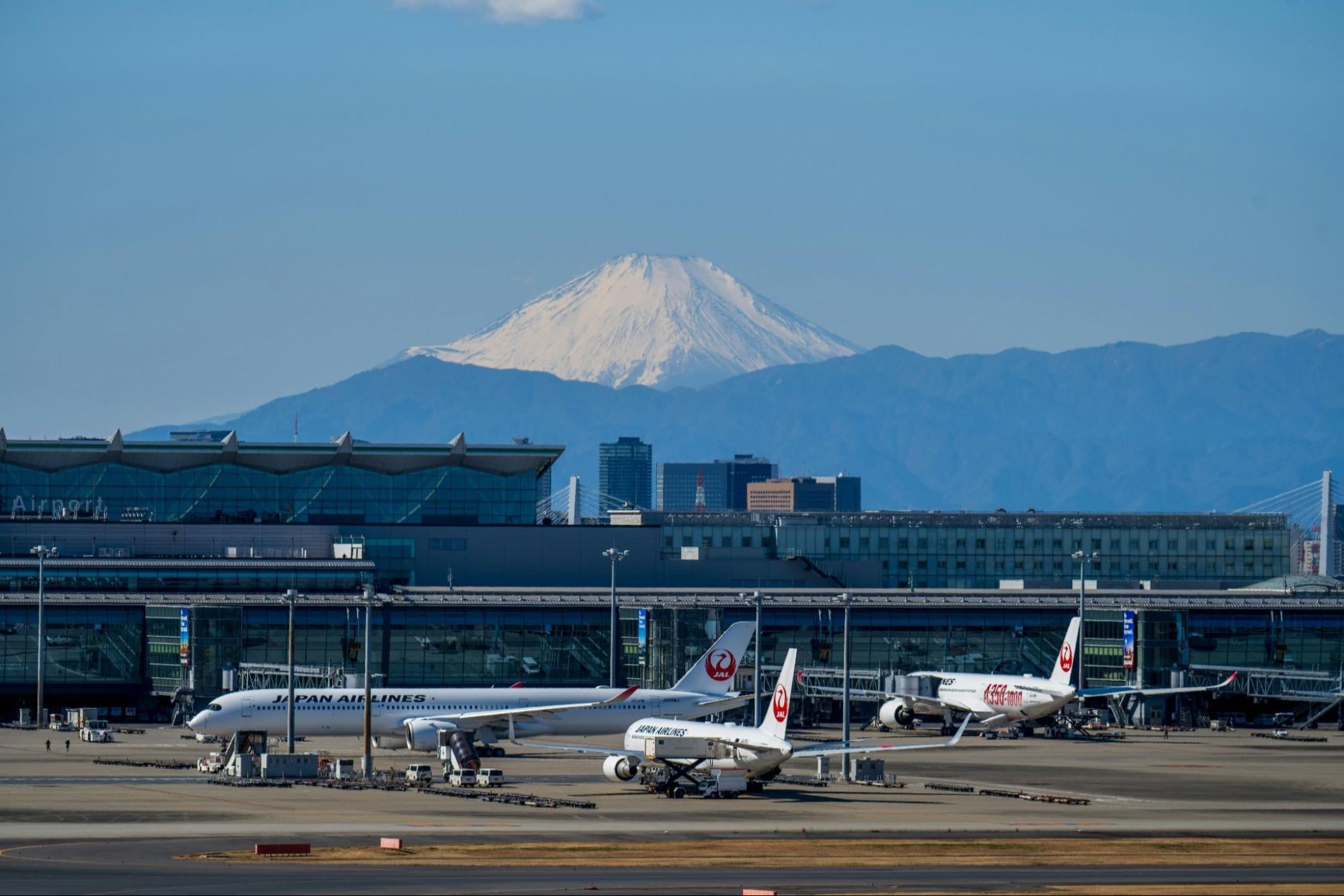
Image for illustrative purposes only.
Image credit: Guohua Song via Pexels
The cost of travelling to Japan is increasing, but so is the cost of leaving the country. Starting 1st July 2026, everybody leaving Japan – both locals and visitors – will pay a departure tax which will increase from ¥1,000 (~S$8.11/pax) to ¥3,000 (~S$24.32/pax). This not only affects plane tickets, but also ferries.
However, you won’t see a separate charge as it’ll be included in the ticket price. While it might not seem like much, if you’re travelling with 3 friends, it could mean coughing up S$100 more for trips later in the year.
Tax-free to tax refund
From 1st November 2026
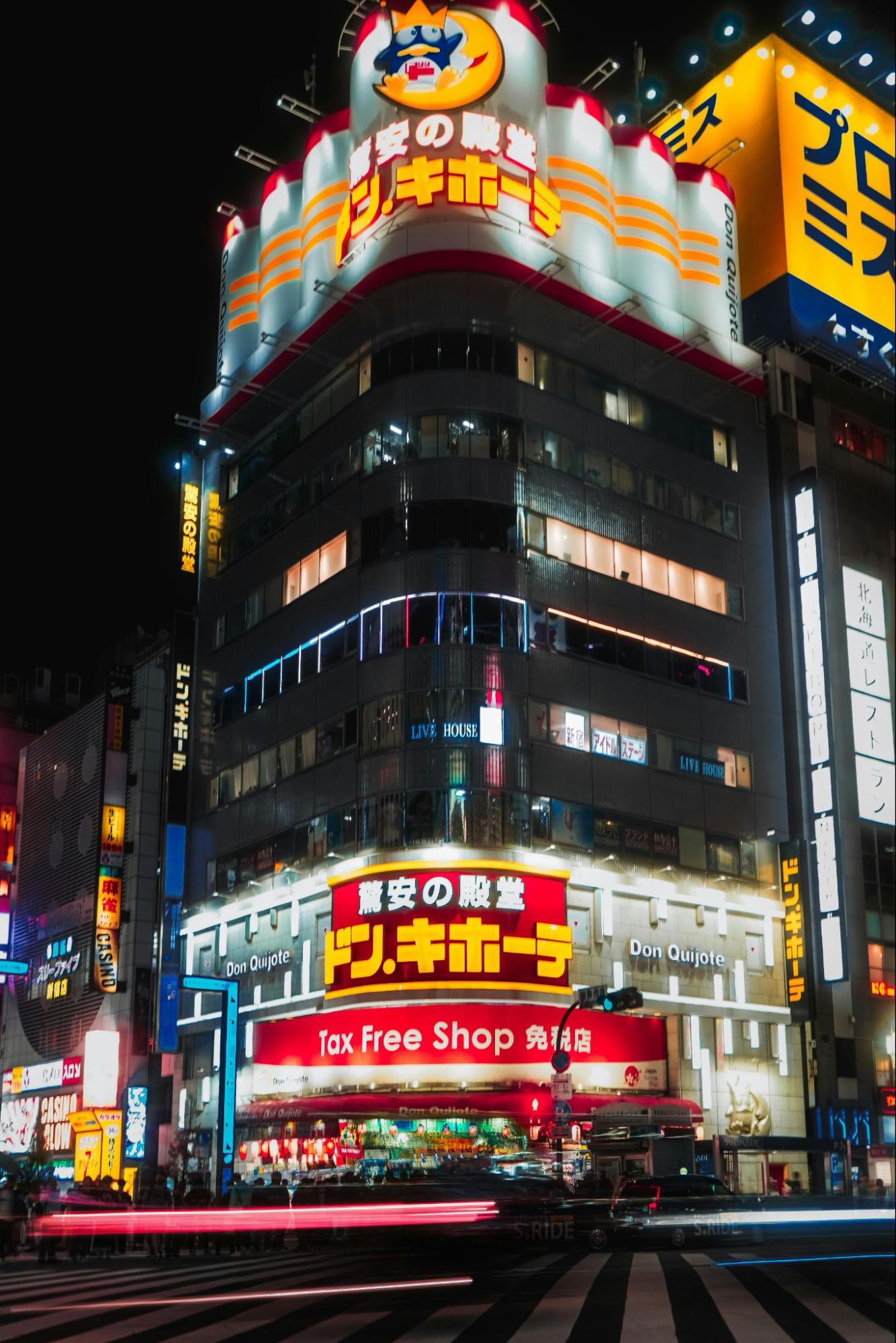
Image for illustrative purposes only.
Image credit: Sun Hung via Pexels
While tax-free shopping isn’t going anywhere, there’ll be extra steps to take to enjoy the discounts. Originally, a tax exemption could be applied immediately in tax-free stores, but from 1st November 2026, you would need to pay the full amount with tax in-store, and only get a tax refund at the end of your trip.
After arriving at the airport, you’ll need to head to the tax refund terminals and scan your passports and receipts. Only after the customs officers confirm that your goods will be brought back to Singapore will you then receive a refund of the tax amount.
Note: If your goods are internationally shipped directly from tax-free stores, they still qualify for tax exemption. However, if you ship them from any other location, such as a post office, you will not receive a tax refund.
Remember these Japan tourist tax changes before you fly
These Japan tourist tax changes aren’t gonna scare Singaporeans from visiting, but they are reminders before booking the trip. So, if you or someone you know is flying to Japan this year, think of it as a small fee to pay to enjoy an authentic bowl of ramen, see Mount Fuji, and immerse yourself in the culture.
For more Japan reads:
Cover image adapted from: Guohua Song via Pexels, Yanhao Fang via Unsplash