

Prohibited items you cannot bring back from JB
For many of us, a quick getaway to Johor Bahru often ends with a satisfying haul of snacks, groceries, and souvenirs. While we already know that items like chewing gum are not allowed, you might be surprised to find out that there are other things that are illegal to bring back from JB too. Case in point: stories of people having their bak kwa confiscated at customs have shed light on how strict the rules are.
So before you pack your shopping bags full of goodies from the supermarkets in JB, here’s a handy guide to things you might think are okay to bring back from across the Causeway – but are actually prohibited.
Table of Contents
- Prohibited items you cannot bring back from JB
- What is the punishment for bringing prohibited items into SG?
- 1. Bak kwa & processed meats
- 2. Fresh meat
- 3. Free-range & processed eggs
- 4. Pet food containing meat
- 5. Pirated media & counterfeit goods
- 6. Plants & seeds
- 7. Certain herbal remedies & traditional medicine
- 8. Fireworks & sparklers
- 9. Tobacco products & e-cigarettes
- 10. Oysters
What is the punishment for bringing prohibited items into SG?
The least severe punishment for bringing prohibited or restricted items into Singapore is typically confiscation, sometimes with a warning – particularly for first-time or minor offenders. In more serious cases with large quantities of banned products or repeat offences, fines can soar up to S$100,000, and offenders may face anywhere from 2-4 years in prison, especially if there’s a suspected intention of selling the goods in Singapore.
It’s better to be safe than sorry to avoid even minor penalties, as Singapore takes biosecurity, public health, and environmental risks seriously. If you want to make sure everything you copped from JB can be brought home, you can always refer to the latest guidelines on the SFA website and the ICA website.
1. Bak kwa & processed meats
 Image credit: Eatbook
Let’s face it, bak kwa is a staple for Chinese New Year. But if you were planning to stock up on bak kwa, you might want to think again. SFA has reminded Singaporeans that bringing in bak kwa from Malaysia is prohibited, as our neighbour is not an approved source of meat.
While you can bring in up to 5kg of meat products like bak kwa from approved countries like Japan and Australia, they cannot be brought in from unapproved countries due to concerns over hygiene and diseases like the African Swine Fever. This disease poses a risk to pigs and could potentially impact Singapore’s agricultural industry. So, while bak kwa might be cheaper in JB, it’s best to leave it behind to avoid any issues at customs.
2. Fresh meat

Image credit: Evgeny Ermakov via Flickr
If you’re thinking of bringing back fresh meat from JB’s wet markets, we hate to break it to you – it’s a no-go. Raw poultry, along with beef, mutton, and pork can only be imported from approved sources, and unfortunately, Malaysia isn’t on that list.
Singapore has strict regulations to ensure the safety and quality of food products, as unapproved imports can carry disease risks to the local population.
3. Free-range & processed eggs
 Image adapted from: @purplecane_tea via Instagram
While supermarkets in Singapore do sell kampung eggs from Malaysia, bringing free-range, organic, or processed eggs across the border yourself is prohibited – some Singaporeans on Reddit have even shared stories of having to toss their delicious herbal tea eggs at the border. While tough, these biosecurity measures are in place to ensure eggs in Singapore remain safe from any possible contamination and diseases like Salmonella.
But you’ll be glad to know that you can still bring up to 30 shell eggs from West Malaysia – just stick to plain supermarket-bought eggs to play it safe.
4. Pet food containing meat
Pet owners should think twice before they stock up on food and treats for their fur babies, as not all kinds of pet food can be brought back to Singapore.

Image credit: @billiecavapoo via Instagram
Pet food containing meat might not meet Singapore’s safety standards and could end up being confiscated at customs. To bring such items back, you would need prior approval from AVS – a process that comes with its own costs and hassles.
If you’d still like to bring a present home for your pet, any meat-free or vegan treats are a safe and fuss-free alternative. Just be sure to stick to the weight limit when bringing these back – you can bring up to 20kg of dry pet food, while only 5kg of wet food is allowed.
5. Pirated media & counterfeit goods
 Image adapted from: egadolfo, TomFullum via iStock
We’ve all spotted those stalls selling knockoff bags and pirated DVDs, and as tempting as they may be, bringing them into Singapore is illegal. These counterfeit goods infringe on intellectual property laws, and getting caught can result in hefty penalties.
These laws are strictly enforced to protect the rights of creators and industries from piracy and counterfeit trade, so it’s best not to risk anything for a cheap dupe.
6. Plants & seeds
For those with a green thumb hoping to snag some new additions for your home garden, do note that not all plants and seeds can be brought over to Singapore.

Plants and seeds can carry pests and diseases that could wreak havoc on Singapore’s agriculture and ecosystems. Even ornamental plants like sunflowers and soil can pose a risk.
The import of plants, seeds, and soil is regulated by NParks under the Control of Plants Act, but there are traveller allowances for entry from West Malaysia. Each person can bring 3 plants that aren’t protected under the Convention on International Trade in Endangered Species of Wild Fauna and Flora (CITES).
These plants should be purchased from accredited nurseries, and they can’t be planted in potting media when you bring them in. Alternatively, you can take home up to 250g of seeds.
If you don’t want to take the risk, there’s no harm in picking up pots, vases, or even fake flowers during your JB shopping spree.
7. Certain herbal remedies & traditional medicine
Before you purchase any sort of herbal remedies or traditional medicine in JB, make sure you check the ingredients list first. Some remedies contain ingredients like Saiga antelope and rhino horn, which are banned in Singapore.

Image credit: Lucy Vigne via ResearchGate
While rhino horn is a well-known TCM ingredient for treating fever and relieving symptoms of arthritis, it is prohibited from being imported into Singapore. This aligns with the country’s commitment to protecting endangered species and complying with international agreements like CITES.
Similarly, the Saiga antelope horn is strictly controlled under CITES and requires a permit for import. If you’re unsure, it’s best to avoid buying traditional medicine from sources that may contain prohibited ingredients and stick to certified pharmacy products that are cheaper in JB.
8. Fireworks & sparklers

Image credit: @galacticfireworks via Instagram
Festive firecrackers might be a hit during celebrations, but they are not worth the fines for bringing them into Singapore.
These flammable items are considered hazardous and can cause serious injuries or property damage, so they’re banned for safety reasons. It’s better to enjoy the fireworks at official events rather than risk trouble at customs.
As for sparklers, they are strictly regulated and only approved types of wire sparklers are allowed. You can bring 200 or fewer sticks per person if you declare them at customs.
9. Tobacco products & e-cigarettes

Although cigarettes in JB are cheaper, there are strict rules about bringing them into Singapore. You can only bring back cigarettes from JB if they comply with the new Standardised Packaging requirements, which you must declare at customs and pay duty and GST for. Unmarked cigarettes, vapes, and chewing tobacco are outright banned.
If the cigarettes you are bringing back were bought in Singapore, note that you still have to pay duty and GST for them. Stick to the rules to avoid unnecessary hassle.
10. Oysters
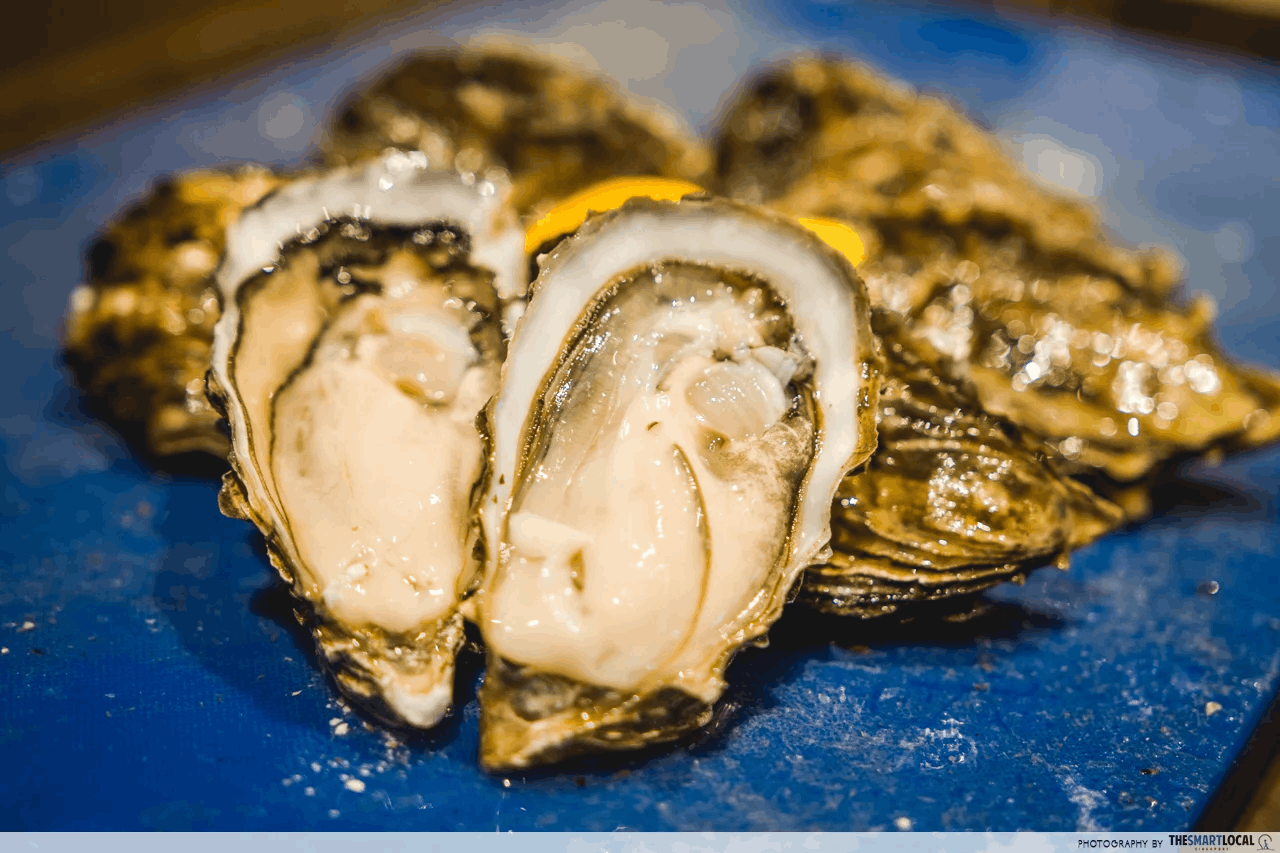
If you’re thinking of slurping on some oysters after a day of shopping, don’t stock up on them in JB to eat back home. These shellfish often carry bacteria or toxins without a proper cleaning, and can only be brought into Singapore from sources that meet SFA’s sanitation standards. Malaysia isn’t in this list, so you’ll have to shuck and eat your oysters before you cross the border back home, or chuck them in the trash at customs.
That being said, your seafood party plans won’t be completely dashed – fish products, frozen cooked crabmeat and frozen cooked prawn meat are still on the table. There’s a 5kg limit for all your seafood, which can include up to 2kg of the frozen cooked crabmeat and prawn meat.
Play it safe when shopping in JB & avoid bringing in these illegal items
Shopping in JB can be a great way to save money – just be aware of what you can and cannot bring back to Singapore. Avoiding a run-in with customs officers not only keeps you safe from fines but also saves you from having to do the walk of shame into their office. So, shop wisely and leave those restricted or illegal items behind to enjoy your trip stress-free.
Other JB guides:
Cover image adapted from: @billiecavapoo, @leekumkeeusa via Instagram, Eatbook
Originally published on 27th January 2025. Last updated by Andrea Chandra Putri on 10th April 2026.