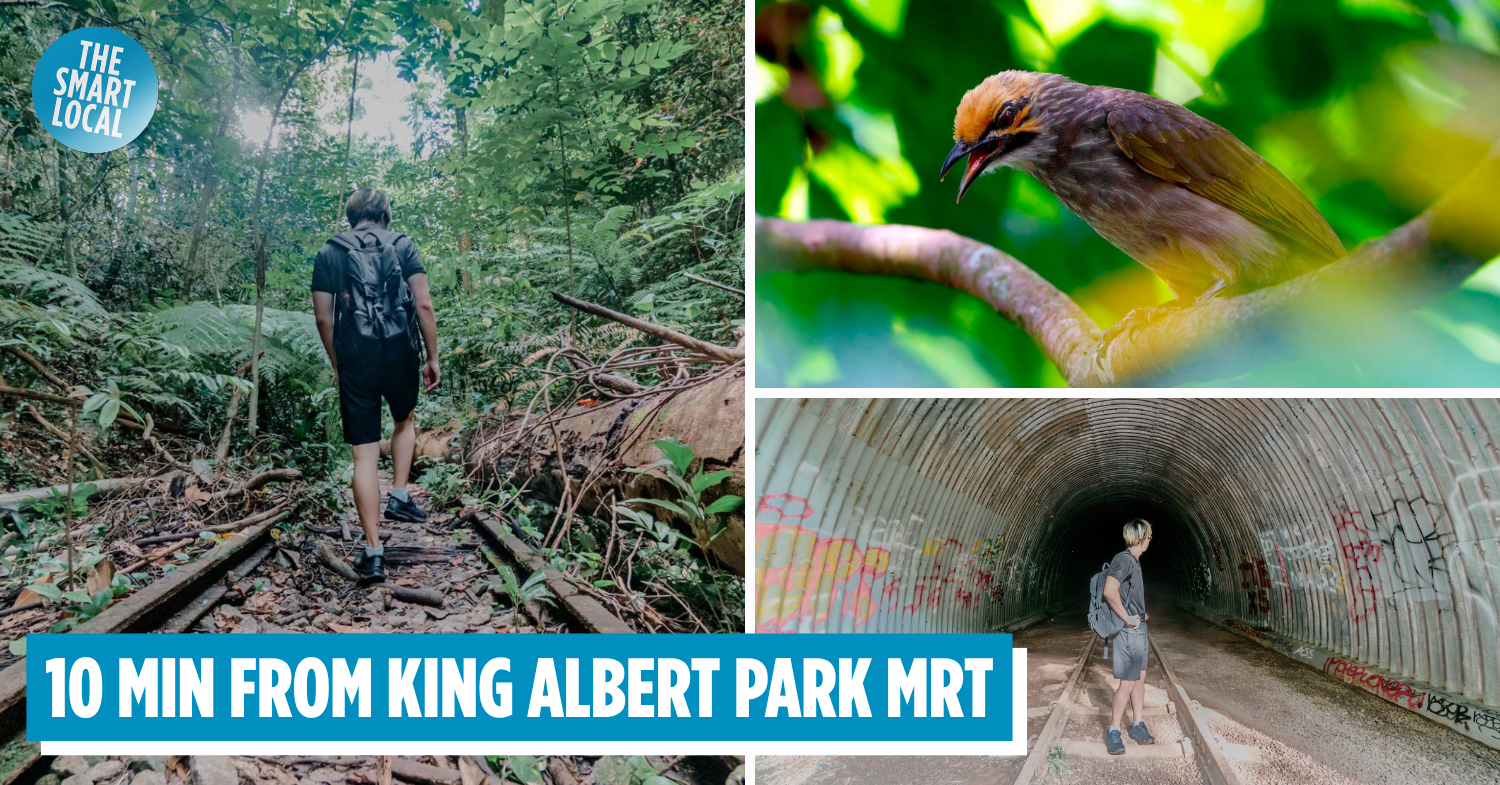

Maju Forest hiking trail in Clementi
With how land-scarce our Little Red Dot is, preserving our pockets of greenery where one can truly appreciate the wonders of Mother Nature is of utmost importance. So, when news regarding the redevelopment of the land surrounding Gillman Barracks and Maju Forest broke, the public outcry was nothing short of ringing.
As such, we paid a visit to Maju Forest for a first-hand look at what we might potentially be waving goodbye to for good should the existing plans be given the go-ahead. From spotting rare, endangered animals to appreciating the archaic remnants of the Old Jurong Line, here’s a guide to exploring the forest if you’d like a look-see yourself.
How to get to Maju Forest
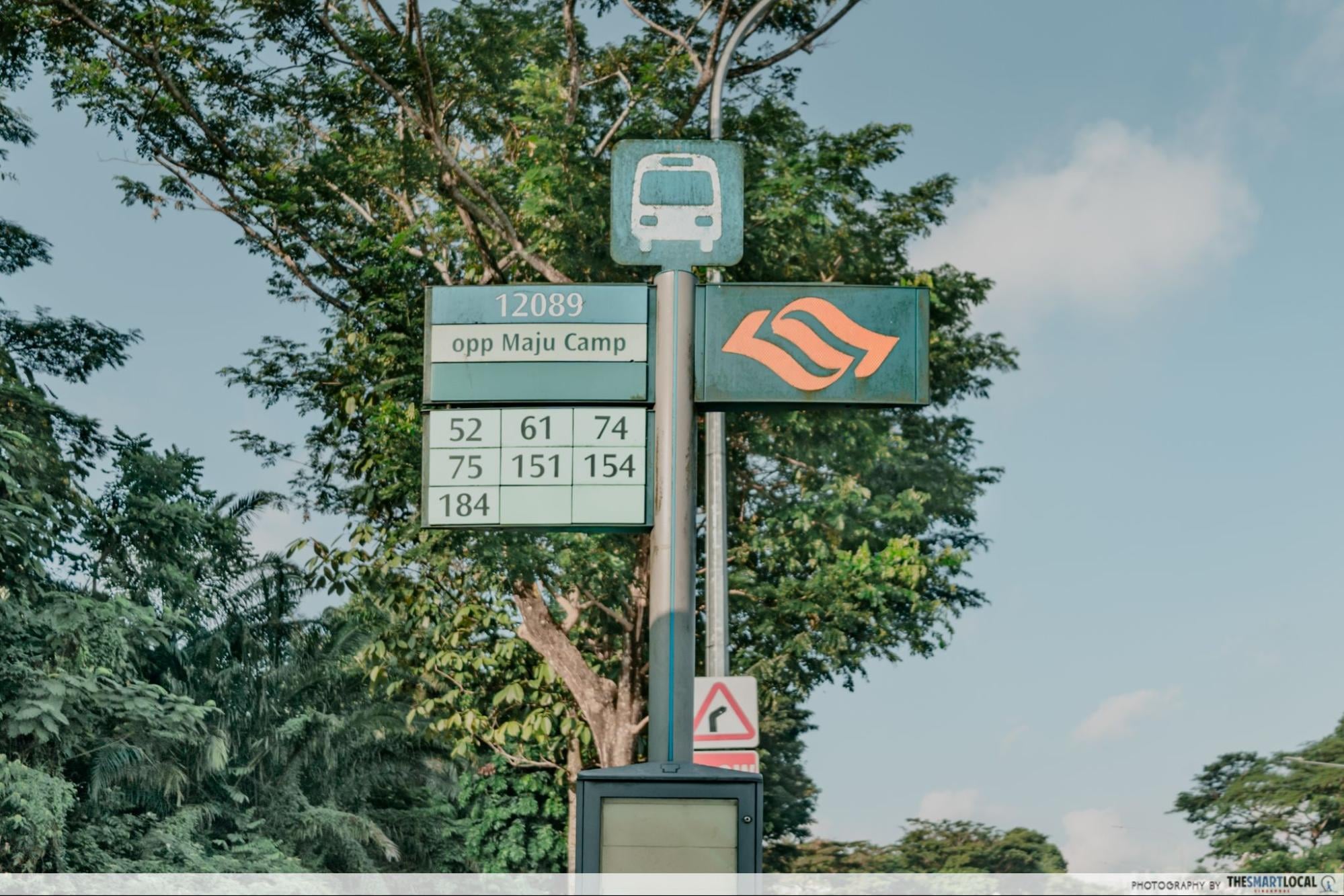 The Opp Maju Camp bus stop is just 5 stops away from King Albert Park MRT station.
Getting to Maju Forest shouldn’t pose too much of a challenge, as it’s not as ulu as you might think. Probably the most fuss-free way of getting there is to hop on a train to King Albert Park MRT station. Afterwards, exit the station via Exit A, board bus no. 74, 151, or 154 from the bus stop outside the station and alight at the Opp Maju Camp (stop ID: 42051).
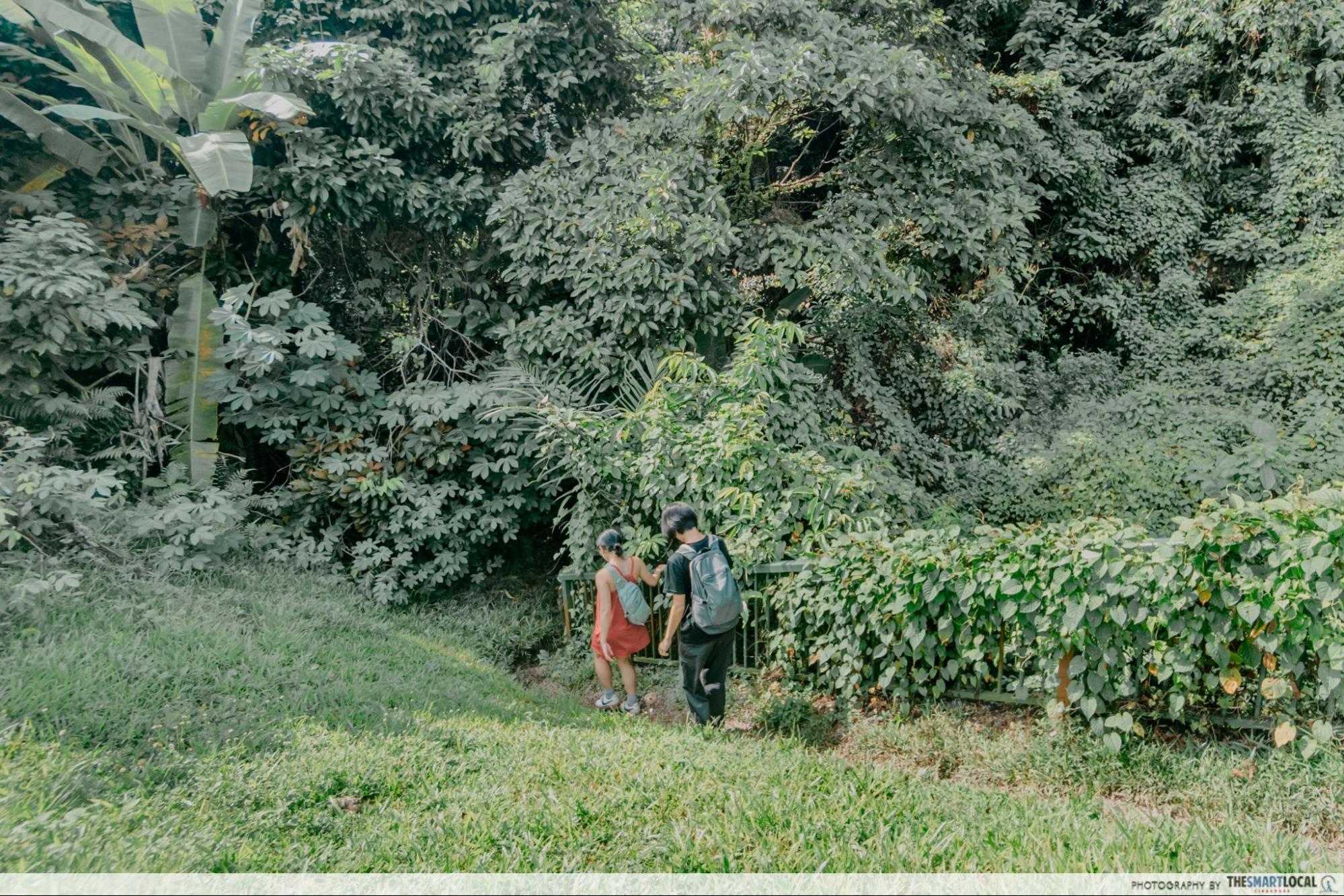
One end of the Maju Forest is right behind the bus stop, down a gentle hill. Safely make your way down while holding the nearby railing for support, and you’ll find yourself face to face with an abandoned railway tunnel that opens up to the forest.
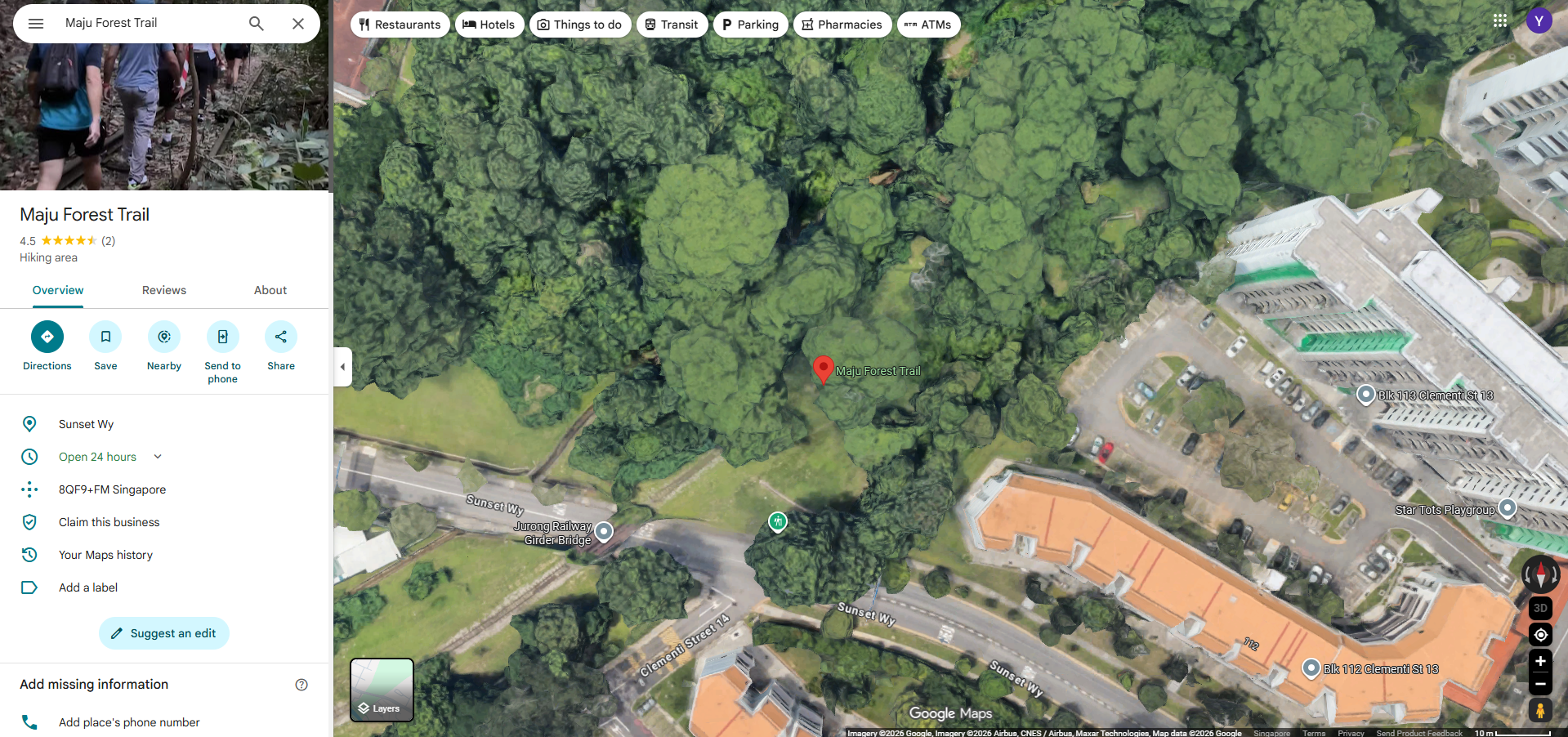 Image adapted from: Google Maps
For those driving or riding to Maju Forest, you can park your vehicle at the C24 open-air car park at Clementi Street 13 near Sunset Way. Parking rates here start at $0.60 per half-hour. Here, you’ll find another entrance into the forest, marked as “Maju Camp Trail” on Google Maps.
What to bring when visiting Maju Forest?

When it comes to preparing for a hike in Maju Forest, you’ll first want to equip yourself with the right footwear. While standard sports or hiking shoes with a good grip and ankle support will suffice, some sections of the forest are particularly muddy. As such, wear shoes that you don’t mind getting dirty.
As for what else to wear, we recommend wearing a cooling, dry-fit top and long pants. You can get away with wearing shorts, but you might brush your legs against the dense vegetation of the forest, and you’d be tempting the mosquitoes to feast away. A hat also comes in handy to keep the sun out of your eyes.
Essentials to bring along include a water bottle with at least 800ml of water, mosquito repellent to keep the mozzies at bay, and sunscreen for protection against the sun’s rays. Other items that you can consider packing include wet wipes to freshen up with after walking through the muddy portions of the forest, as well as a handheld fan to stay cool.
What to expect when hiking Maju Forest
How long does it take to complete the Maju Forest trail?
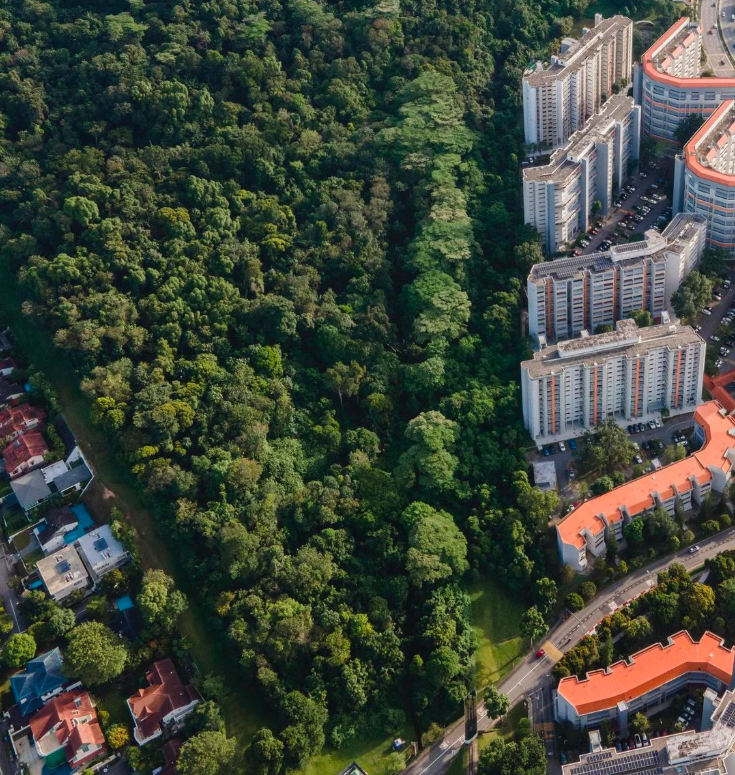
Image credit: @brice.li.12 via Instagram
Although the Maju Forest hike is a relatively short one, do note that the trail can prove to be daunting for some, especially those who have mobility issues like the elderly. For starters, the trail isn’t horribly long, measuring roughly 1.5km. Walking at a leisurely pace, we managed to explore the forest from one end to the other in about an hour.
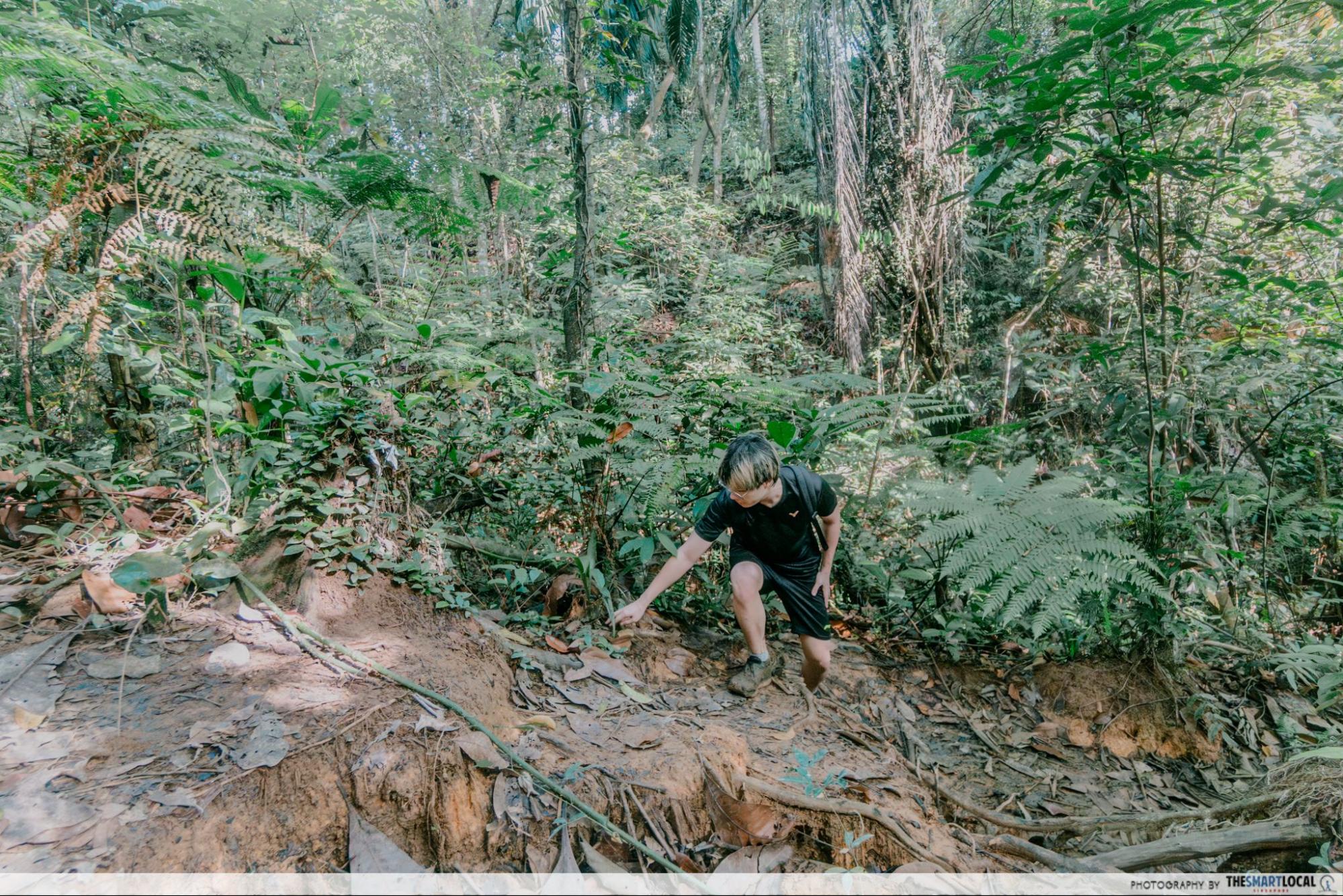
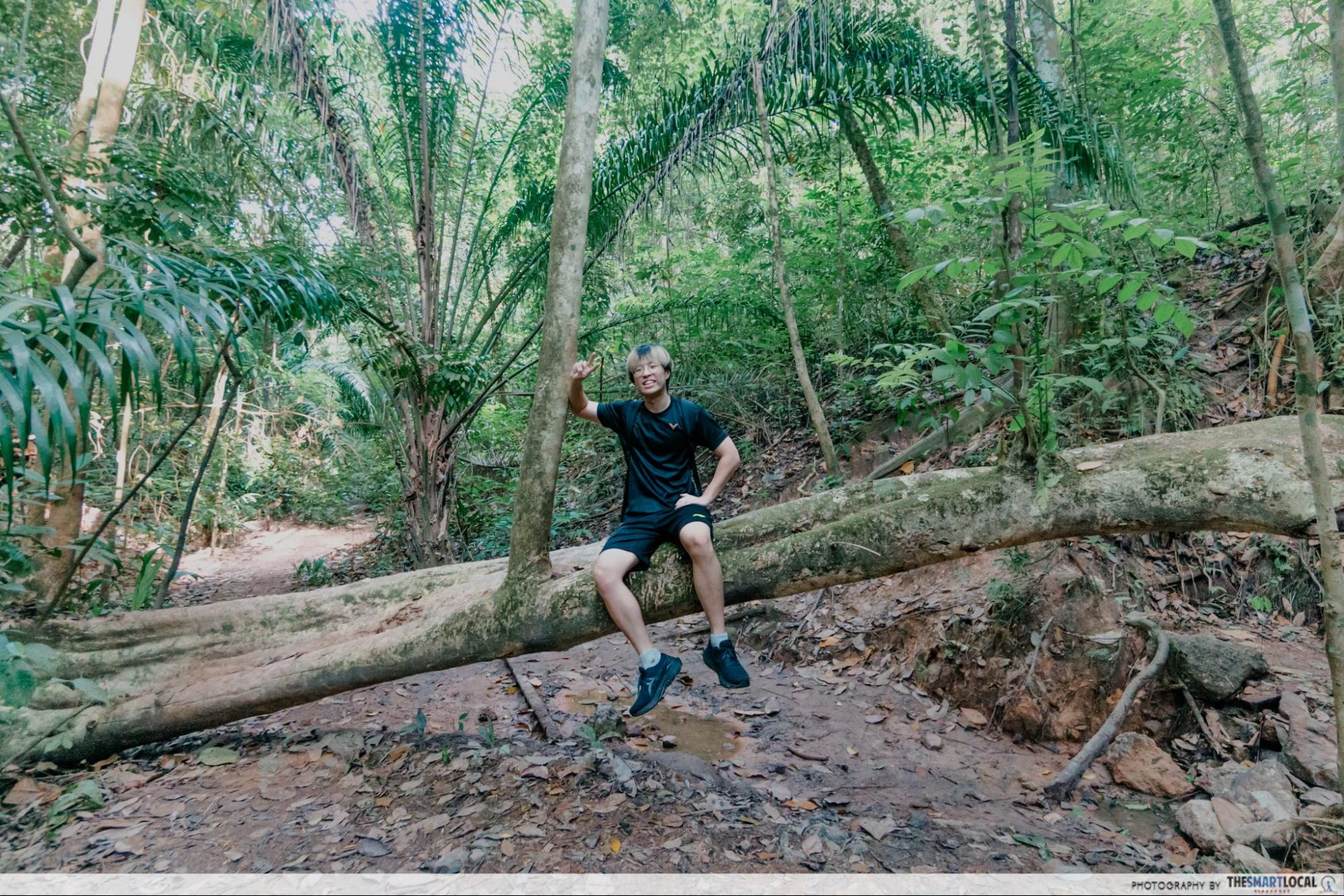
However, the forest does not have any clearly defined or levelled, paved walking paths to tread on. The bare forest floor might prove to be difficult to walk on, especially when it gets muddy and slippery after rainfall. This, coupled with the fact that obstacles like fallen trees and steep slopes obstructing the trail are aplenty, makes the hike somewhat challenging.
But if you’re still undeterred, read on for our first-hand experience of hurdling over logs, sinking into ankle-deep mud, all the while attempting to spot the forest’s wild residents.
Locating the forest’s entrance
While most hiking trails in Singapore have clear-cut signs put up to direct hikers to their start points, locating Maju Forest’s proved to be quite a doozy. After alighting at the Opp Maju camp bus stop, we tried looking for signs to point us in the right direction, but there weren’t any in sight.
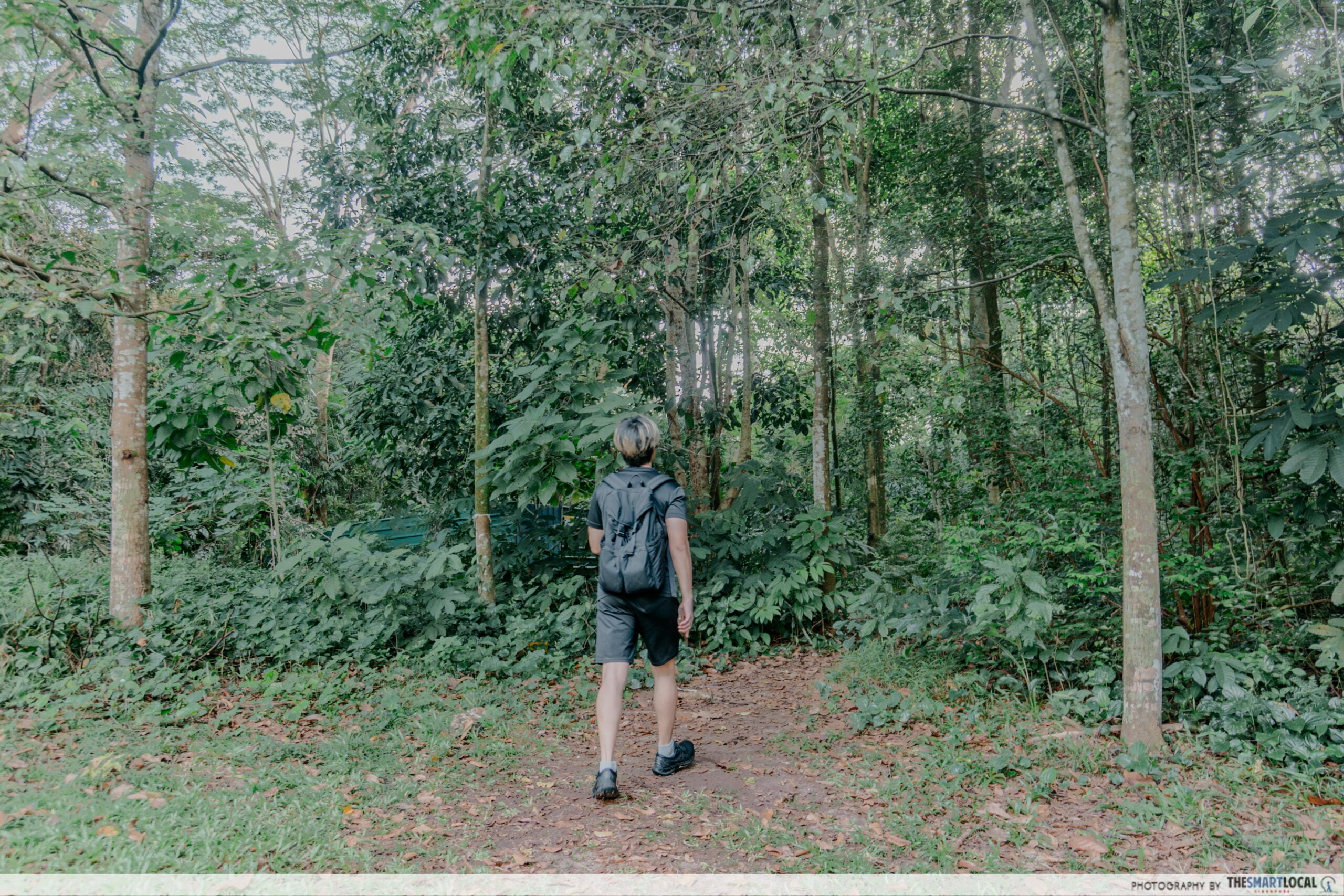 The grass patch opposite Clementi Street 14 that hides an entrance to Maju Forest.
Embarrassingly, we completely missed the slope behind the bus stop leading right to the train tunnel that connects to Maju Forest. After a good 10 minutes of navigating to Sunset Way, we stumbled across the forest’s other entrance. There weren’t any signs here either, but behind a grass patch hid a slit that cut into the foliage, and so our hike officially began.
Encountering our first obstacles
For the first 5 minutes or so, we could still make out the distant rumble of car engines from the nearby car park, which made trekking through the forest less daunting as civilisation was still within earshot. For now, the trail was easy to stick to – a single, narrow path carved out by the footsteps of many before us.
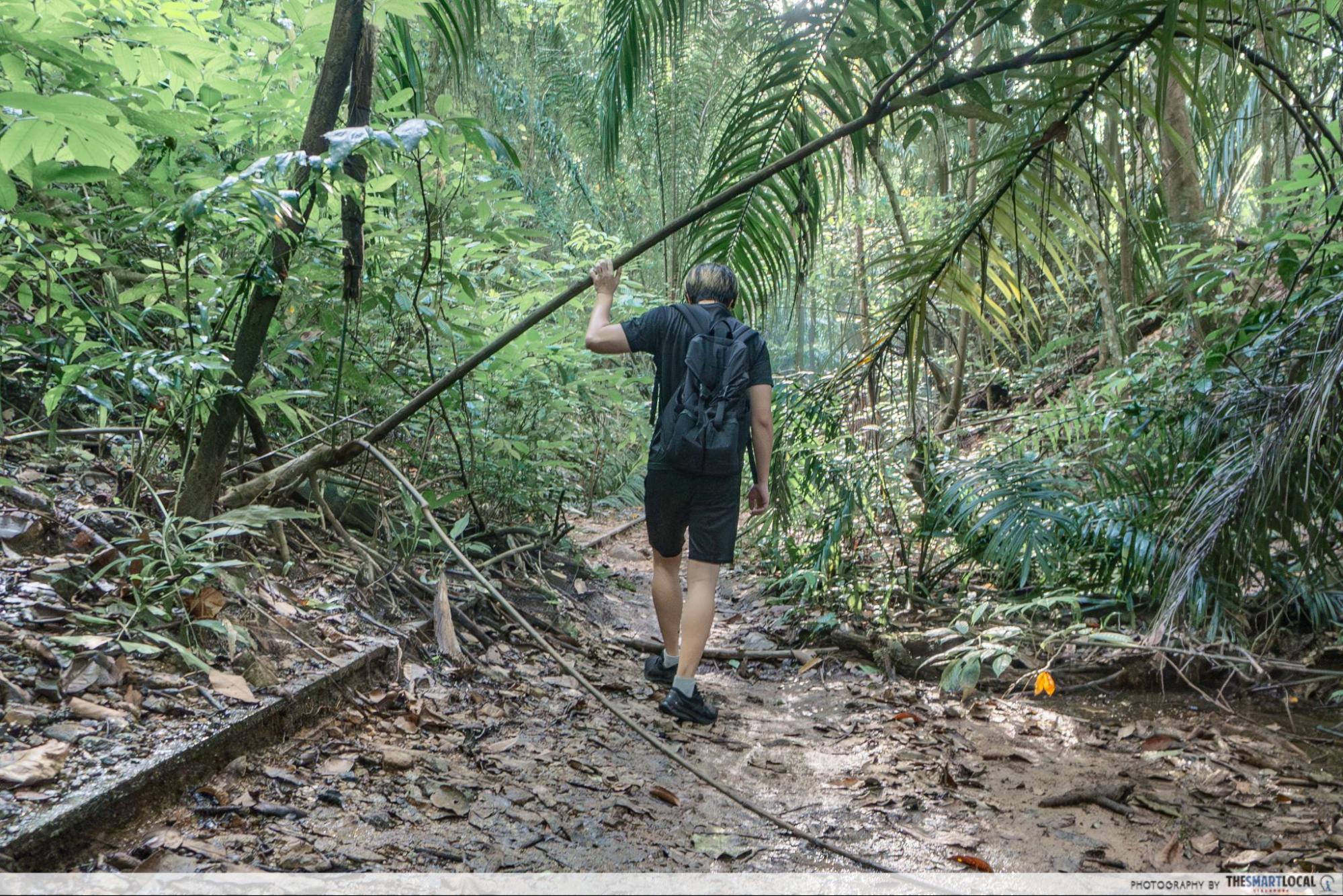
Honestly, this initial portion of the hike was enjoyable. The towering trees overhead shielded us from most of the sunlight, and even though we only set foot into the forest around 8.45am, it wasn’t overbearingly warm. Sure, it would perhaps be just as humid, but I imagine an expedition to the forest at the break of dawn would warrant a pleasantly cool experience.
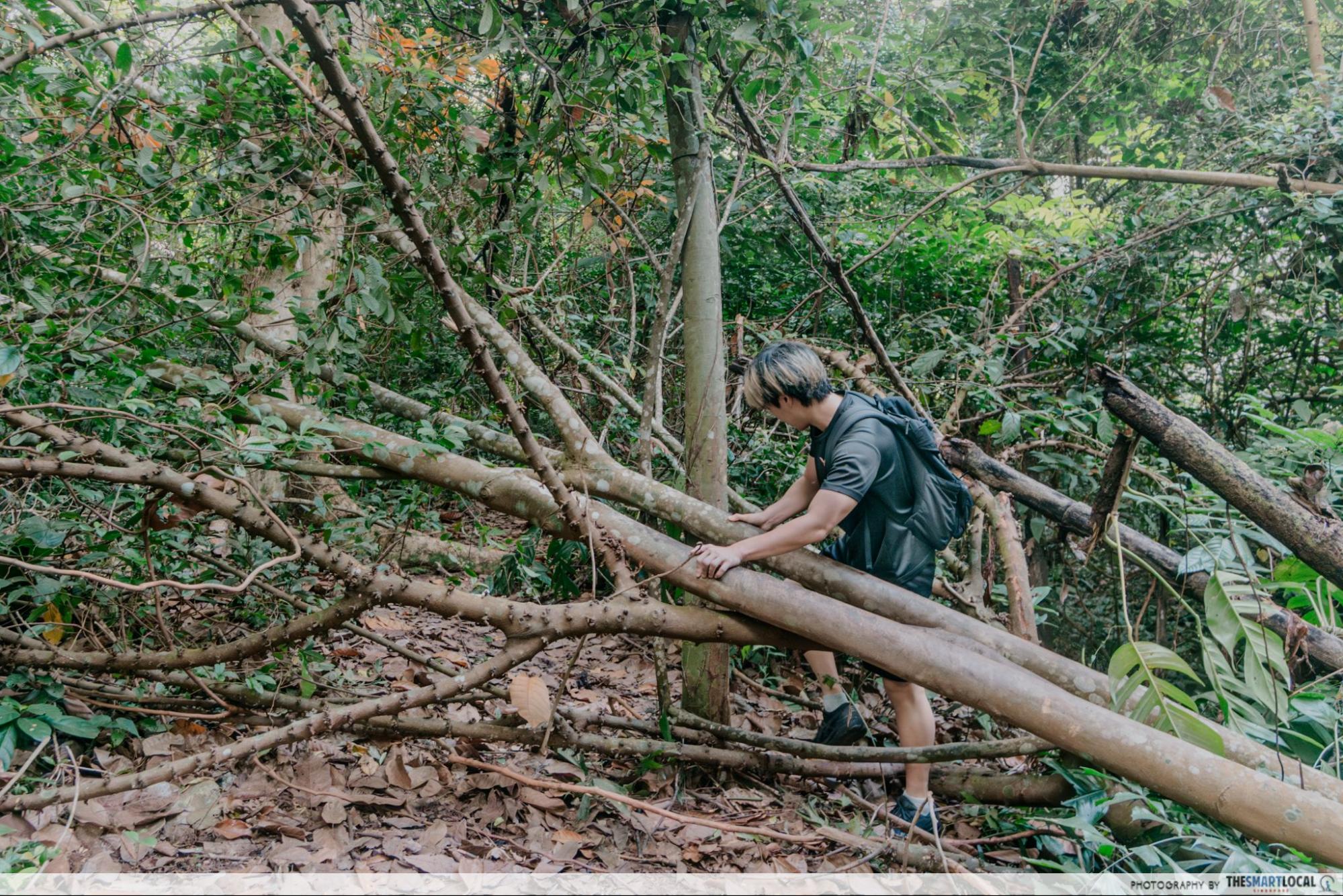
Then came our first few obstacles, literally. Fallen, dead trees, vines, and vegetation often encroached onto the path, which required us to climb over or duck under. These shouldn’t cause too much hindrance, but make sure you’ve got stable footing before attempting to clamber over them.
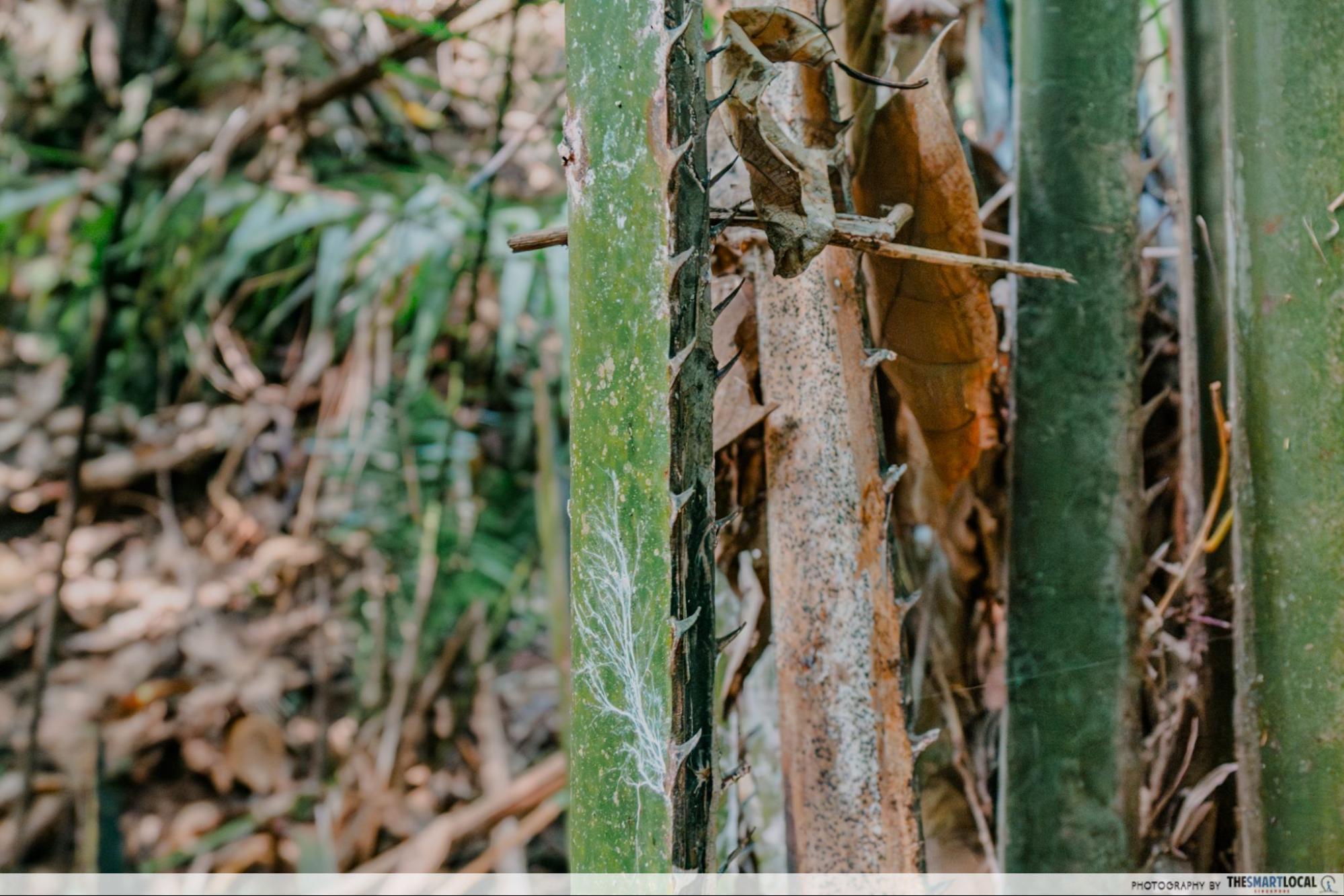
You’ll also want to watch what you hold onto for balance, as certain plants within the forest have thorns growing on their stems and branches, which can definitely do some damage to the unwary. Mosquitoes were also particularly abundant in the forest, so we kept ourselves on the move constantly to avoid becoming living blood bags.
Keeping our eyes out for rare plants & animals
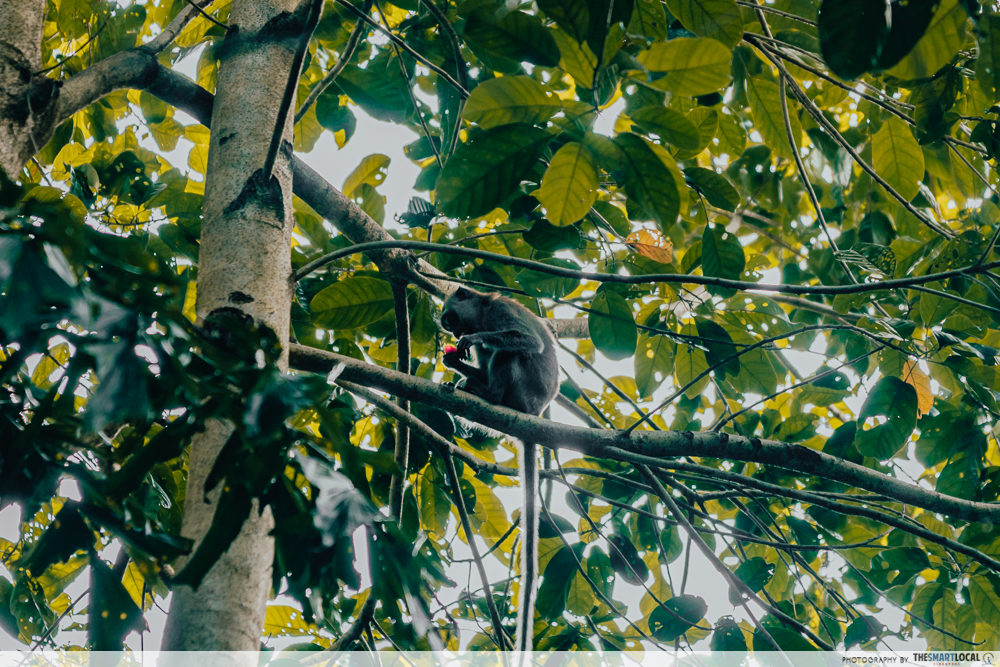
Apart from the unending assault from mosquitoes, not everything’s out to get you here in Maju Forest. The 23-hectare forest is home to a whopping 286 plant species and 113 animal species, 55 of which are of conservation significance. As such, you’ll want to keep an eye out for some of the rarer plants and critters that you won’t be able to find in your average neighbourhood park.
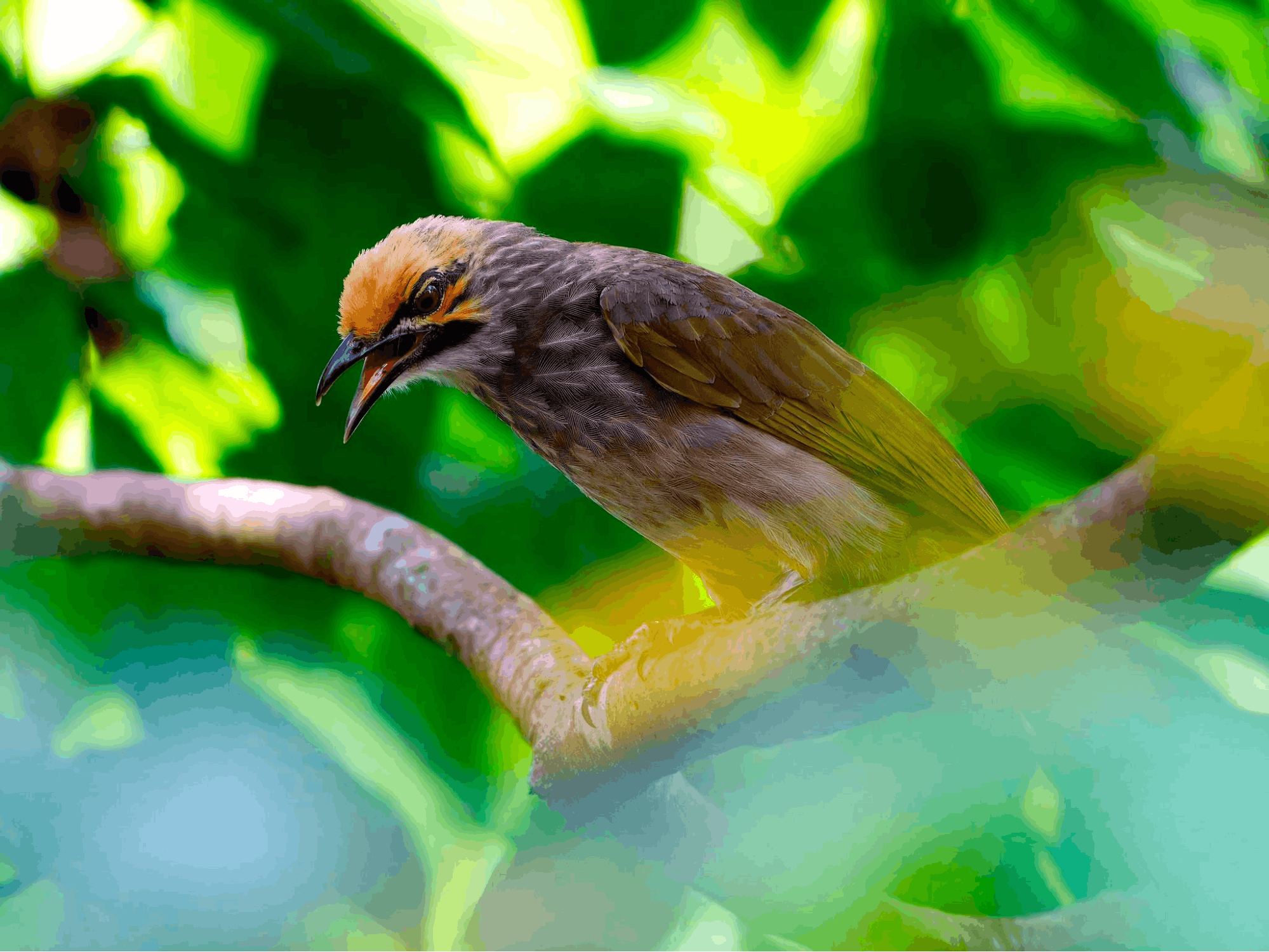 Image credit: Kow Hao Rui via Facebook
One animal that we most definitely heard but didn’t manage to catch a glimpse of was the straw-headed bulbul. A pair’s melodious chirps rang out throughout the forest as they flit from branch to branch, obscured from our camera’s gaze. Fewer than 1,700 of them remain worldwide, and one-third reside on the Little Red Dot, in forests like Maju Forest.
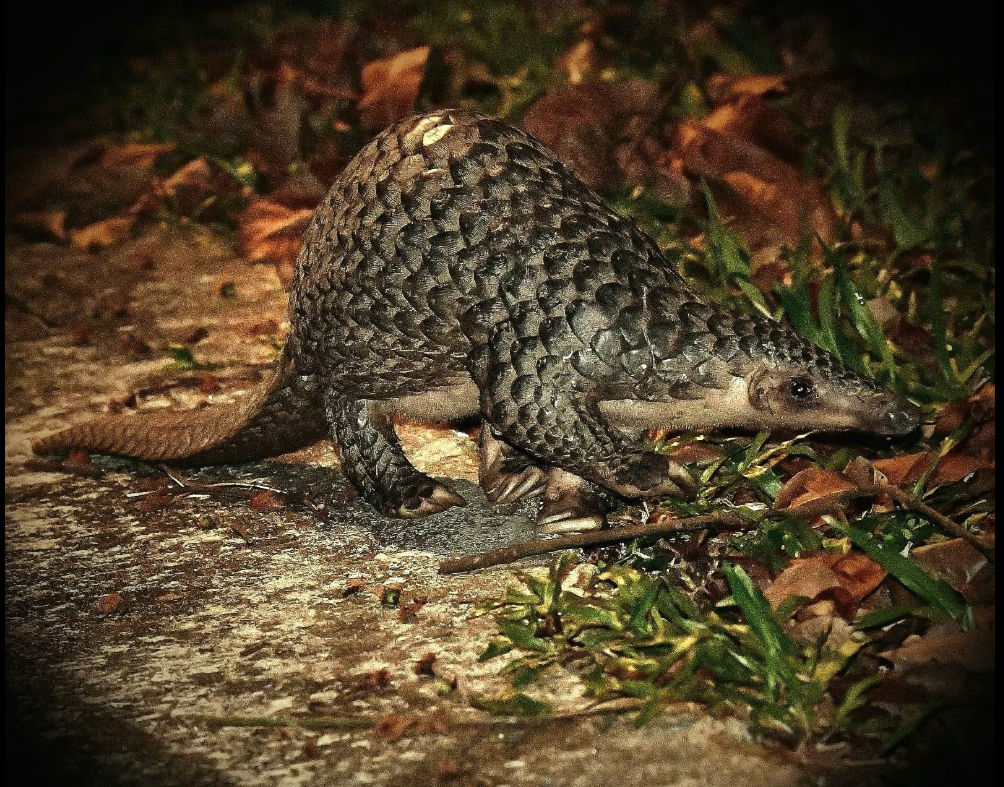
Image credit: John Lee via Facebook
Down on the forest floor lives another rare inhabitant of the forest, the Sunda Pangolin. This critically endangered mammal is the most trafficked animal in the world, and although it also calls Maju Forest its home, its skittish and nocturnal nature make it a rare sighting in the forest.
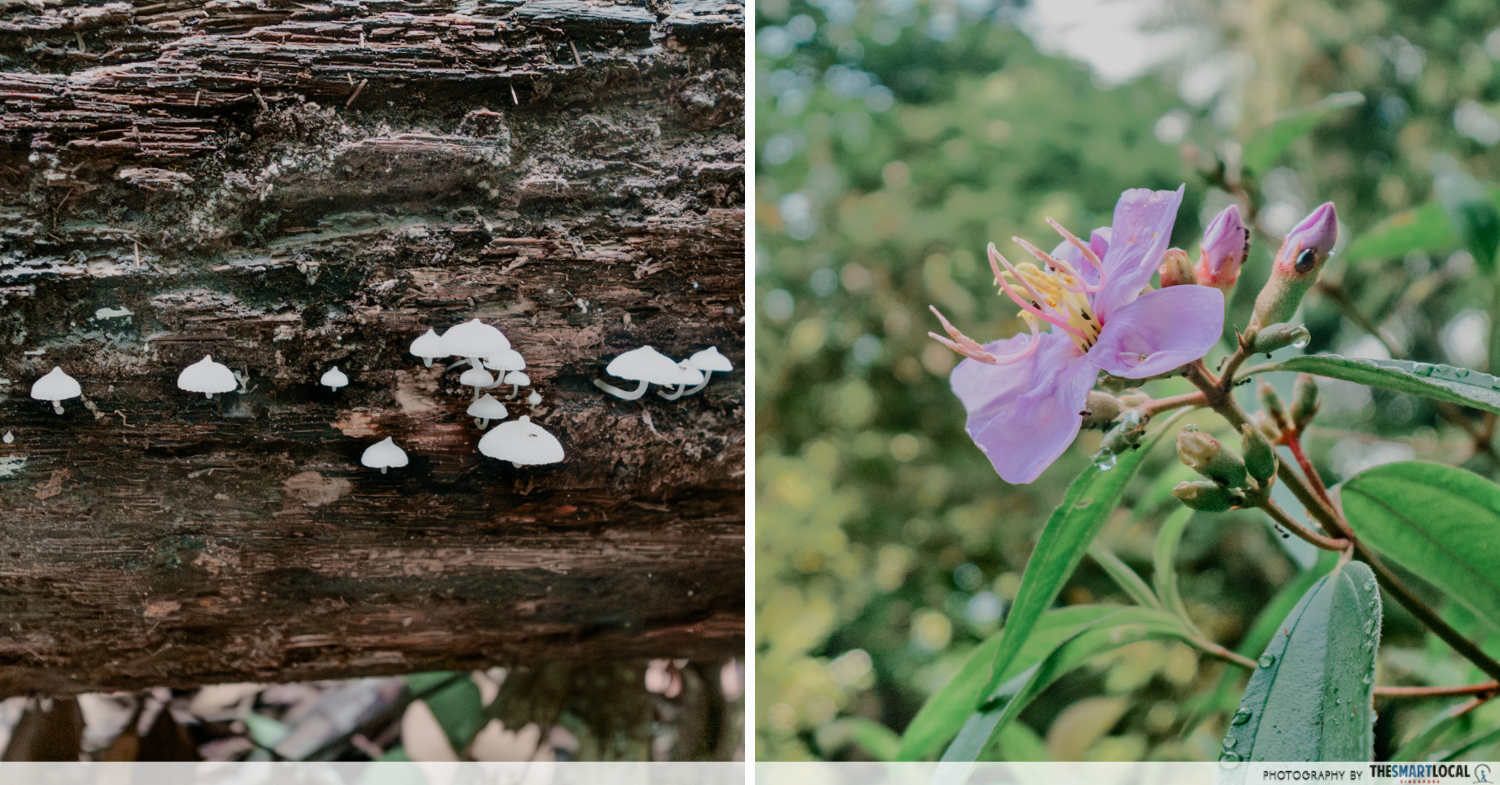 There are plenty of unique flora & fungi to add to your camera roll too.
Other species of animal that you can potentially spot in the wild in Maju Forest include the Buffy Fish Owl, Changeable Hawk Eagle, Long-tailed Macaque, Oriental Whip Snake, and Bamboo Bat. Unfortunately, we didn’t manage to spot any of the forest’s rarer animals on our visit, but perhaps you might fare better.
Following the tracks of the old Jurong Railway Line & a freshwater stream
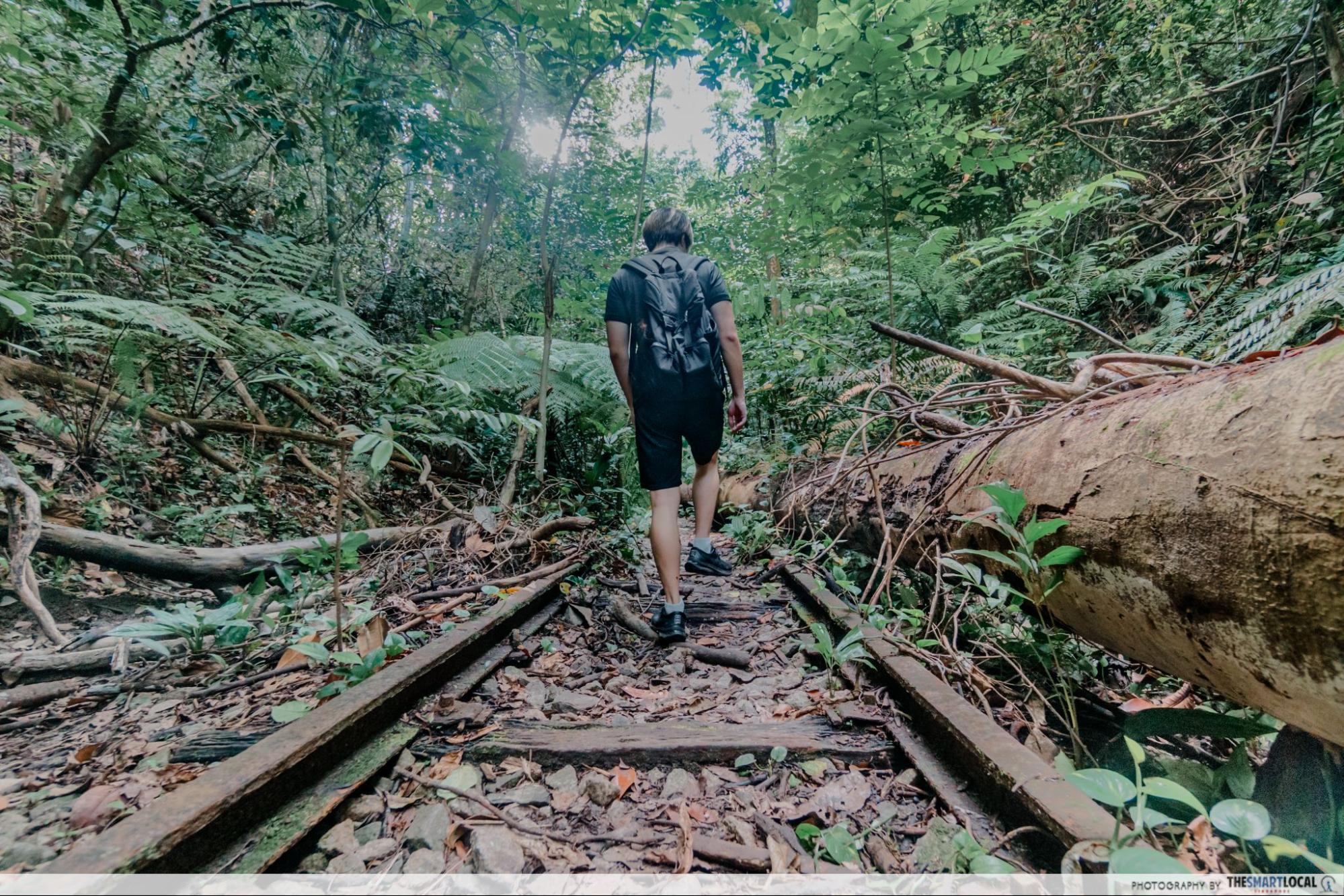
15 minutes into our journey, leaf litter and tree canopies stretched as far as our eyes could see. Apart from the stray plastic bag and occasional ribbon-marked tree, Maju Forest was virtually left untouched by our grubby human hands, which made for a pleasant surprise. And then we came across the distinct tracks of the old Jurong Railway Line.
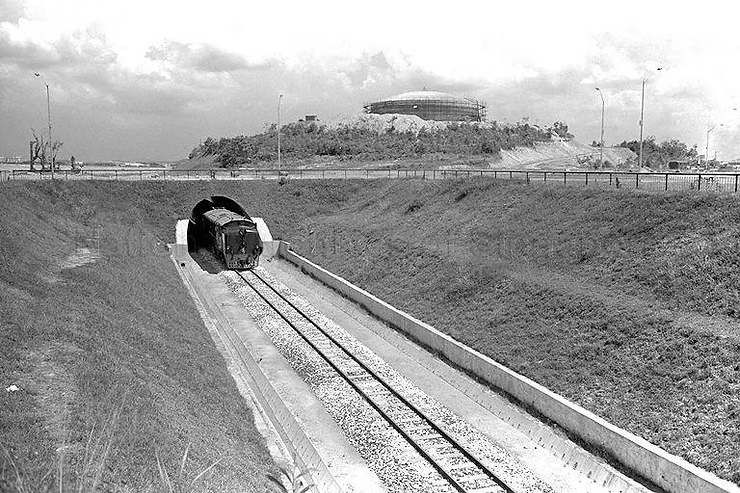
Image credit: National Archives of Singapore
No, it wasn’t a prophetic precursor to the Jurong Region Line, but a railway line constructed in the early 60s to transport raw materials and freight between Malaysia and the Jurong Industrial Estate. The 19.3km-long railway spanned from the now-defunct Bukit Timah Railway station to Shipyard Road in Jurong, and stayed in operation from 1966 to the mid-1990s.
The old Jurong Railway Line cut right through Maju Forest, and over the years, the tracks lay dormant as Mother Nature staked her claim. We followed these storied, moss-covered tracks to the best of our ability, skipping over huge tree roots and bumbling through vines in the process.
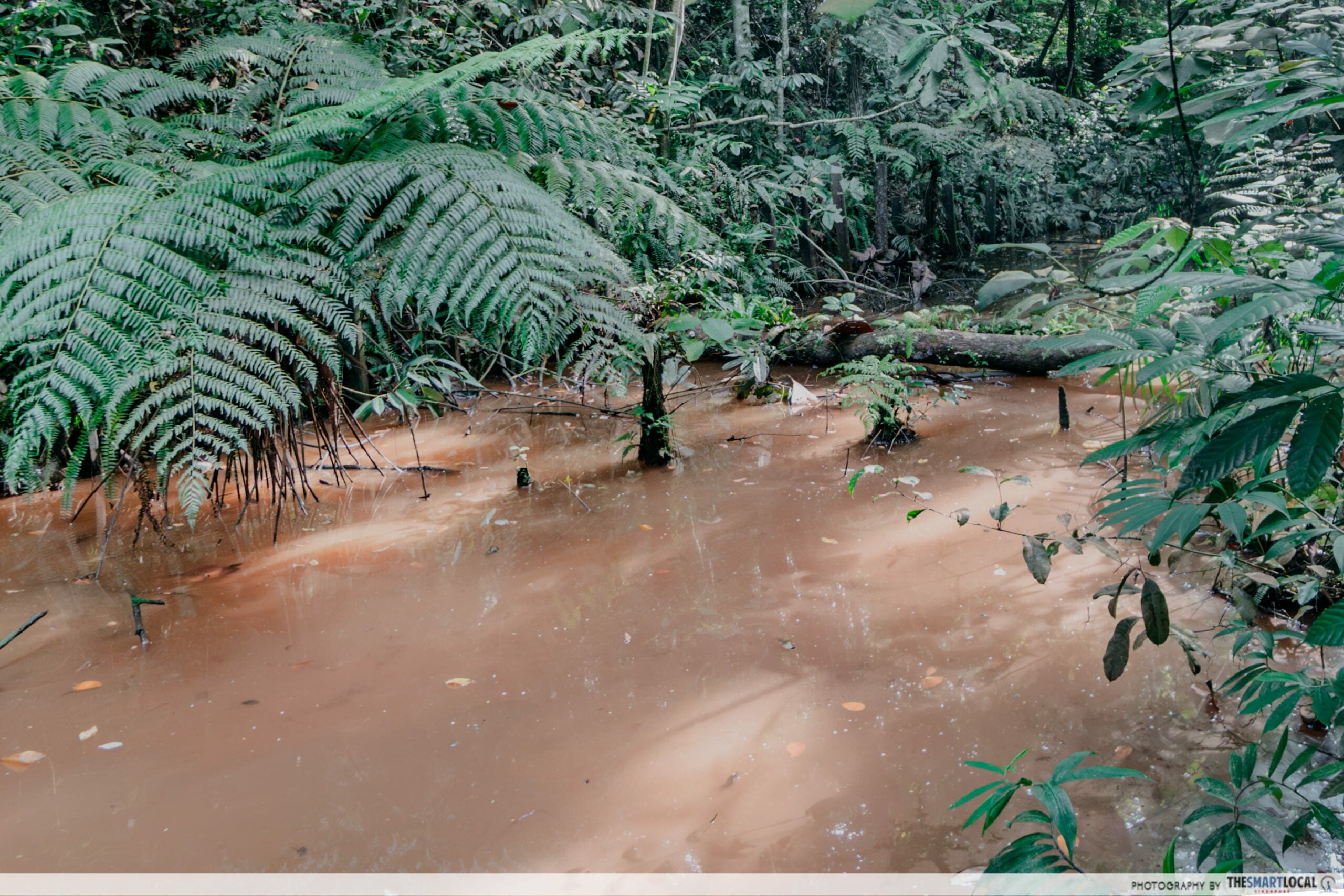 The stream also plays host to a variety of fauna, like freshwater crabs, frogs & aquatic insects.
Along the way, we also saw several bodies of water that appeared a little too large to be mere puddles. Turns out, a natural freshwater stream runs throughout Maju Forest, which is becoming quite uncommon to find in urban Singapore as it slowly becomes even more of a concrete jungle day by day.
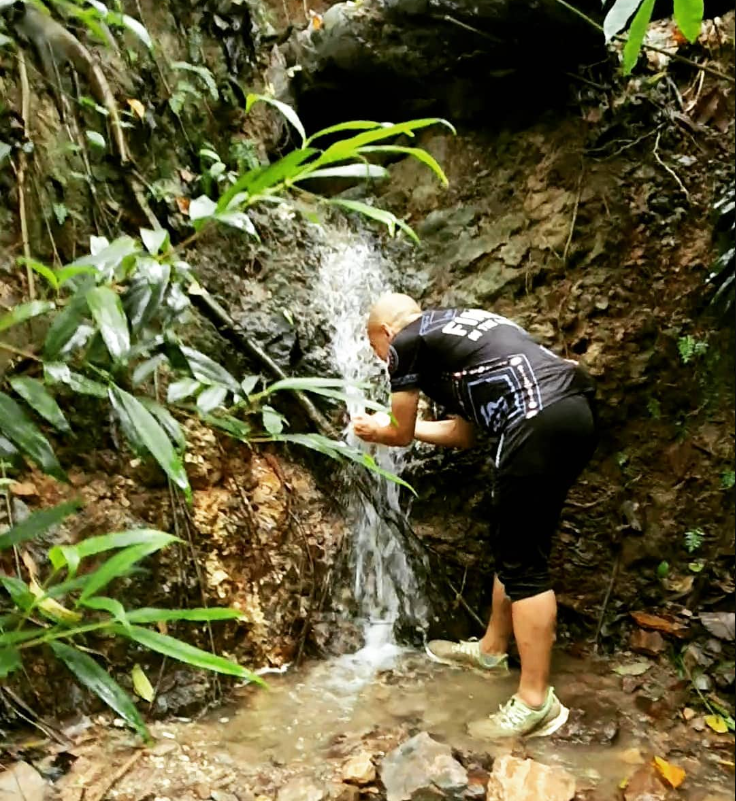
Image credit: @baldbrownboy via Instagram
If you visit the forest after a torrential downpour, you might get to wade around in shallow, flowing pools of water, or even encounter a mini “waterfall” gushing forth from an embankment. Once again, fortune didn’t favour us. Instead, we got to muck around in mud as we ventured deeper into the forest, a situation I did not expect to find myself in on a Monday morning.
Finally, we arrived at the abandoned railway tunnel, which we estimate to be a little under 100m long. If you recall, this is the same tunnel that sits at the back of the Opp Maju Camp bus stop, so if you’re alighting at that bus stop, this will be your starting point.
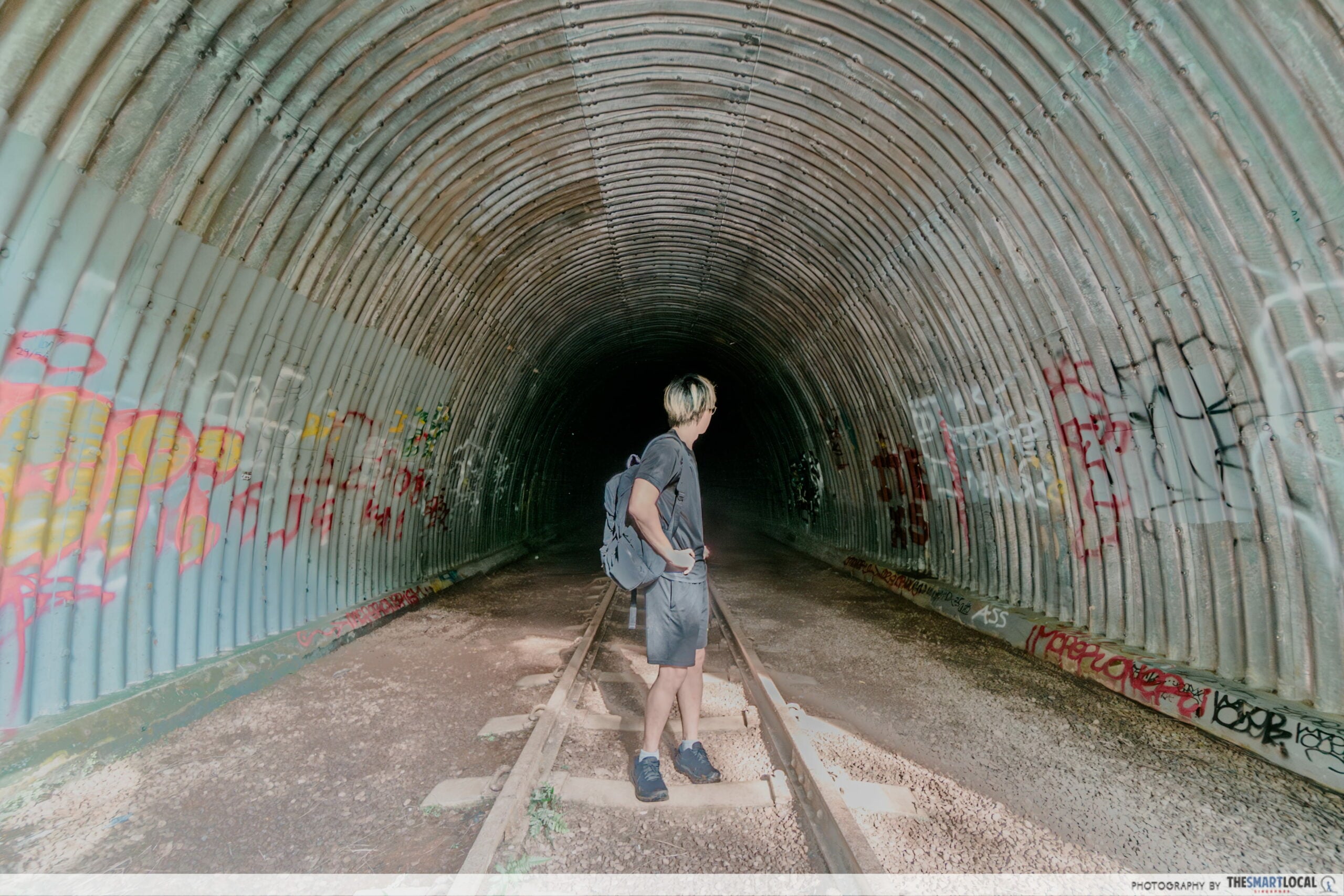
Regardless of which way you’re headed, the tunnel is one of the best preserved remnants of the railway line, along with the truss bridges at Sungei Ulu Pandan and Sunset Way. The tunnel lies right under Clementi Road and gets pretty dark towards the middle, so whip out your phone’s flashlight to make sure you don’t stumble and sprain an ankle.
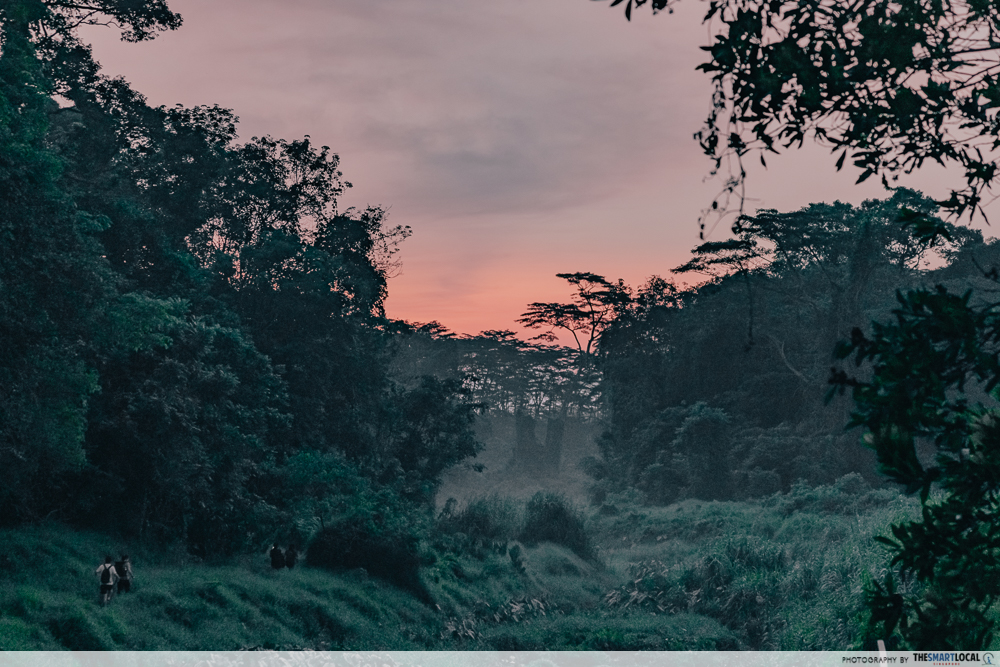
Clementi Forest.
Going beyond the tunnel transitions you into the neighbouring Clementi Forest, or you could follow our footsteps by making your way up the nearby slope to board a bus back into the comfort of society.
Visit the Maju Forest trail in its entirety while you still can
As we speak, a petition has been making its rounds with regards to the future of Maju Forest, urging the government to think twice before razing almost two-thirds of the forest to the ground for public housing.
Whether the ongoing hubbub will lead to a compromise that benefits both the government and nature lovers remains uncertain. In my opinion, losing a piece of land so intrinsically tied to the Little Red Dot’s identity as a Garden City is nothing short of disappointing. As such, do give the Maju Forest a visit to experience it in its verdant entirety before it’s far too late.
For more outdoorsy things to do in Singapore:
Photography by Ashley Hoon.
Cover image adapted from: Kow Hao Rui via Facebook