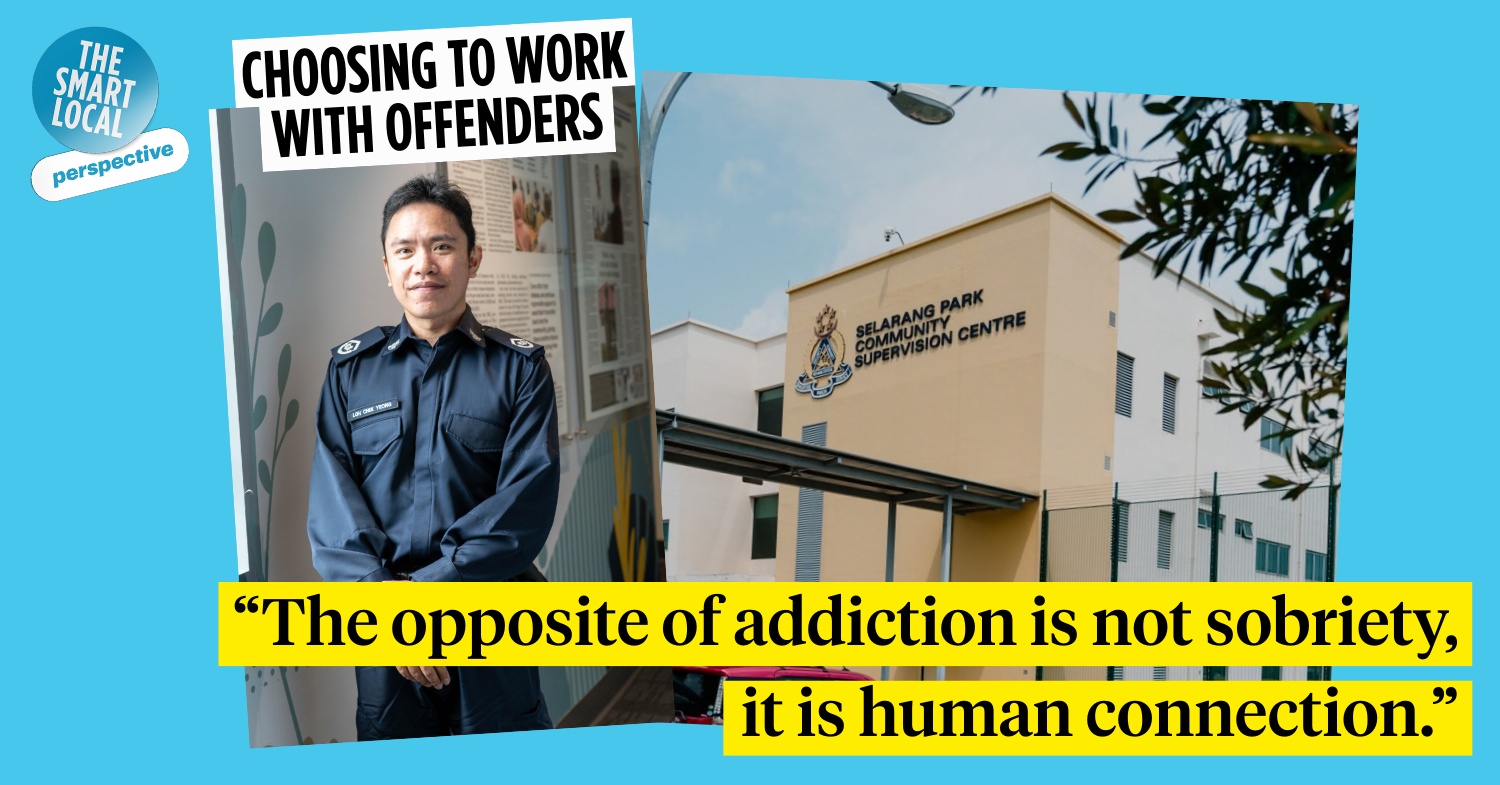

Working as a Reintegration Officer in SPS
It’s no secret that Singapore takes a firm stance on crime. But what happens after offenders serve their time? For many, life after incarceration comes with uncertainty – finding a job, rebuilding family ties, and learning how to navigate daily life again are just some of the hurdles one has to jump over shortly after becoming a free man.
Illuminating the way ahead are Reintegration Officers (ROs), the uniformed staff at Singapore Prison Service (SPS), who oversee and provide reintegration support to supervisees in the community. To understand the intricacies of the job, we sat down with Mr Loh Chee Yeong, 37, who has spent over a decade in SPS. From small wins that change lives to the professional boundaries officers must learn to draw, here’s what he’s learnt on the ground.
Table of Contents
- Working as a Reintegration Officer in SPS
- 1. Prison officers don multiple hats throughout their career
- 2. Family members are partners in rehabilitation
- 3. Reintegration isn’t just about getting a job
- 4. Beyond family members, rehabilitation requires all hands on deck
- 5. Balancing duty & personal life is crucial
- 6. Breaking stereotypes with empathy & accountability
- 7. Every engagement can make a positive impact
- Consider a fulfilling career with Singapore Prison Service
- Learn more about a career with Singapore Prison Service
1. Prison officers don multiple hats throughout their career
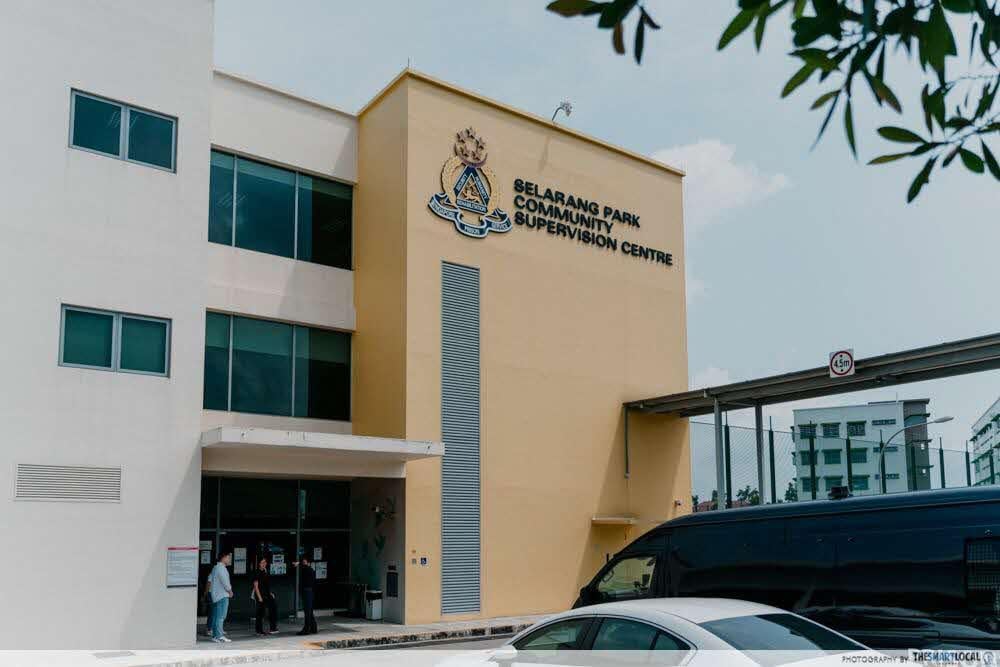
Under SPS’s rehabilitation and reintegration framework, inmates undergo different programmes depending on their risks and needs. To better prepare them for release, suitable inmates serving the tail-end of their detention will undergo Community-Based Programmes (CBP), which allow them to serve part of their remaining sentence in the community under supervision. This means prison officers do not just work behind bars; they support inmates from incarceration all the way through to aftercare in the community.
Mr Loh’s journey reflects this. He previously served as a personal supervisor within the Changi Prison complex before being seconded to Industrial and Services Cooperative Society Ltd (ISCOS), a social service agency that facilitates employment for ex-offenders.
Today, as an RO, he works closely with supervisees on CBP and supports them in their reintegration. Such job rotations expose SPS officers to different facets of SPS’s work, and for Mr Loh, each role reinforced his sense of purpose in helping individuals rebuild their lives.
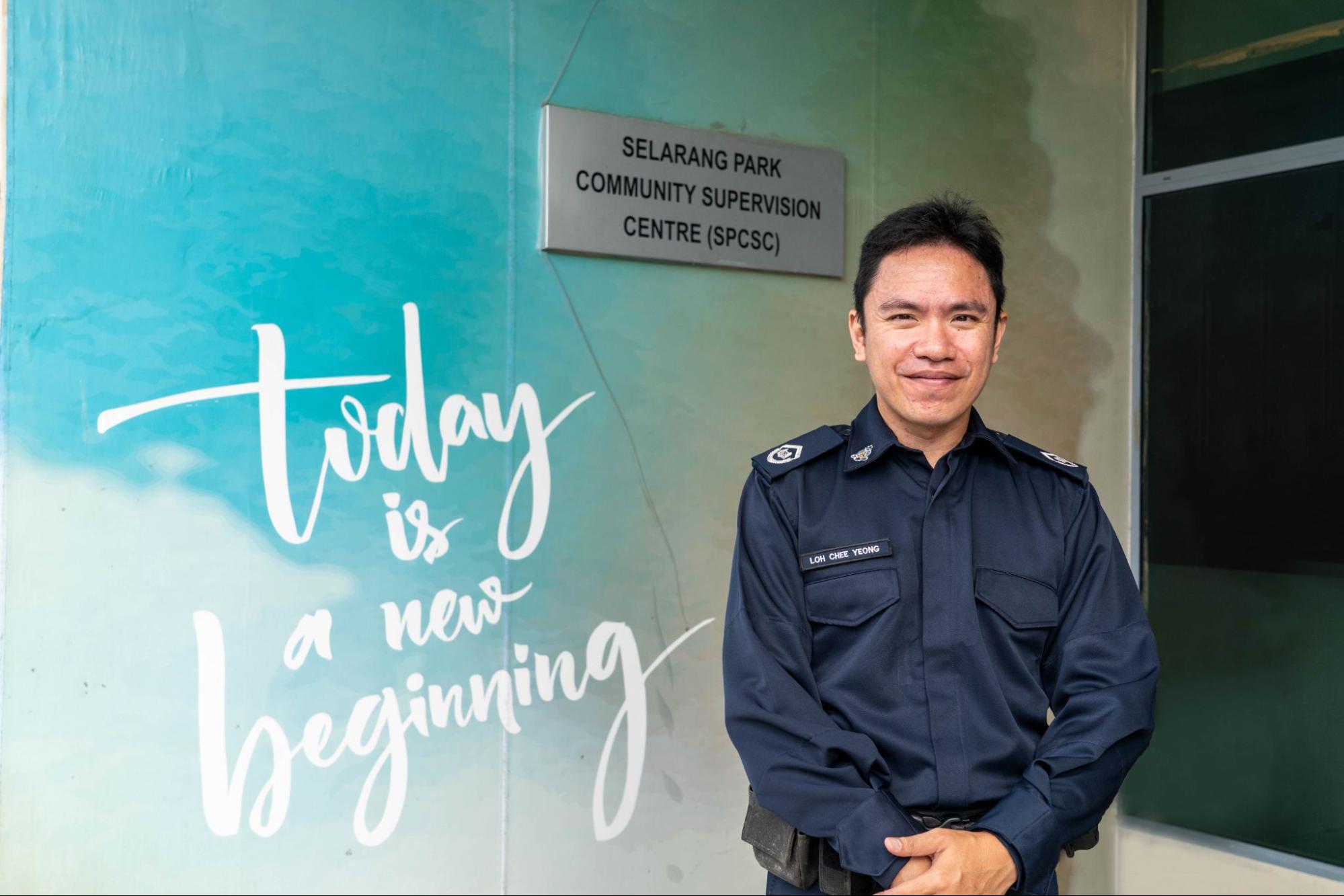 Mr Loh Chee Yeong’s interest in this field of work was sparked by a sociology module during his polytechnic days. In particular, he was drawn to deviant theories and was keen on helping troubled individuals turn their lives around for the better.
Image credit: Singapore Prison Service
“Our purpose is to help [ex-offenders] reintegrate into society.” Mr Loh said. But the shift from prison life to community living isn’t always smooth.
“The adjustment, the stress, the coming back into reality, and having to deal with financial problems, family challenges, marital issues – all these will come into play,” added Mr Loh. Supporting supervisees through these challenges is a core part of an RO’s role.
2. Family members are partners in rehabilitation
Recovery can be pretty tough for supervisees, and tapping into family connections will help them integrate back into the community faster.
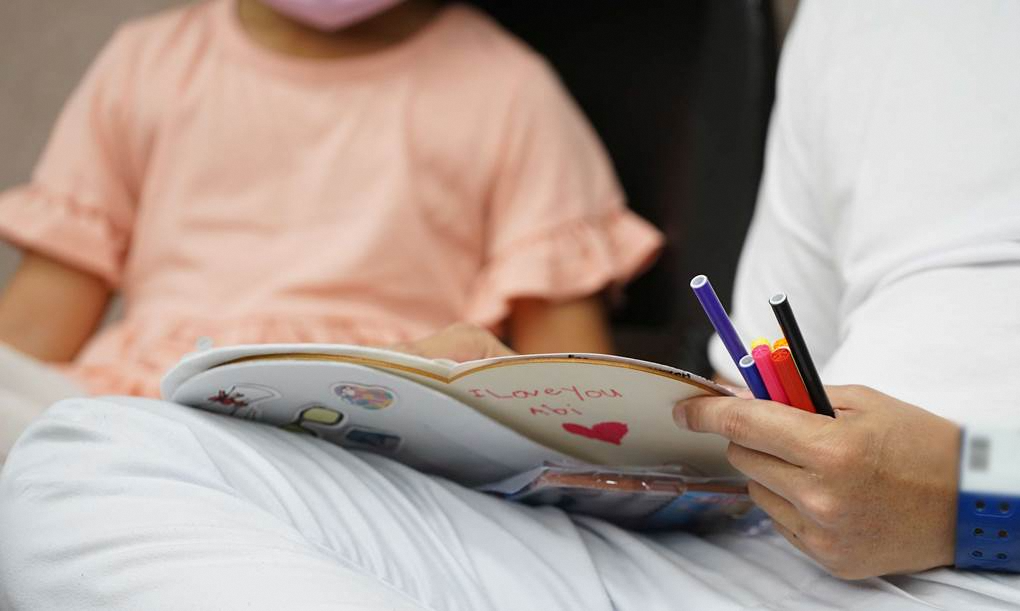
SPS partners with agencies to deliver structured family programmes in prisons.
Image credit: Singapore Prison Service
“We’ll reach out to the next-of-kin to seek their support, because family involvement is very important,” stated Mr Loh.
One supervisee he worked with was initially reluctant to return home under CBP due to strained family ties caused by years of drug abuse. What changed his mind? His daughter’s encouragement. With her support, and his own determination to stay drug-free, he managed to slowly rebuild relationships with his family.
“It’s the people that keep [the supervisees] invested in their journey and remind them not to go back to a life of drugs,” said Mr Loh.
For those whose families are unable or unwilling to reconnect, community partners step in. Volunteers from networks such as the Home Team Volunteer Network provide befriending support – a reminder that sometimes, having someone who believes in you can be just as powerful.
3. Reintegration isn’t just about getting a job
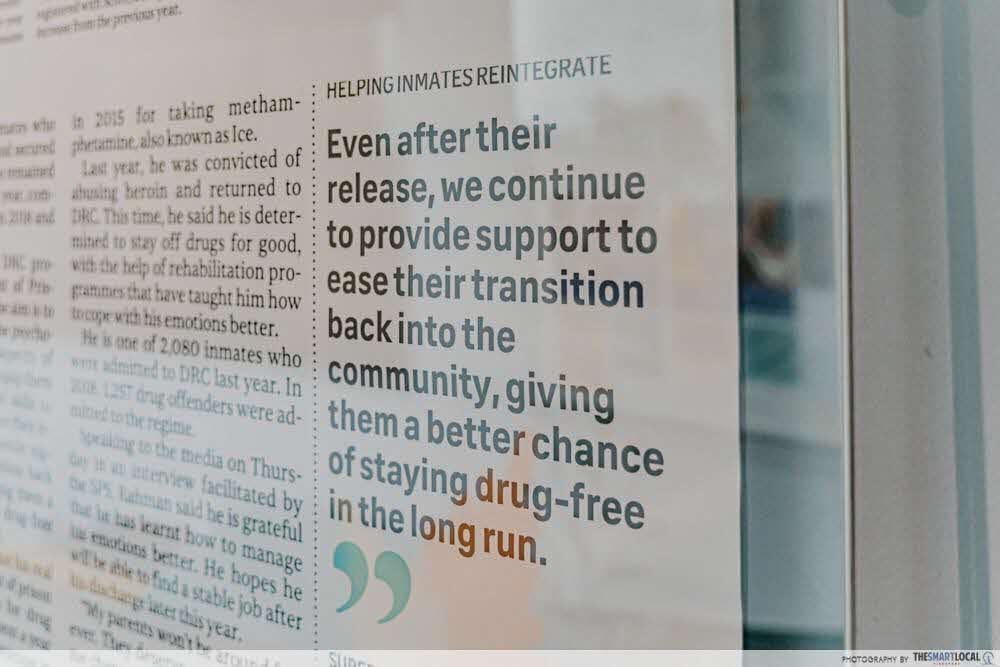
The primary role of an RO is to support supervisees in their reintegration journey alongside strong support from community partners.
Helping supervisees find work is important, but it’s only one part of the equation. ROs work closely with partners such as Yellow Ribbon Singapore to support supervisees in securing employment. Together with job coaches, regular check-ins are conducted to find out how supervisees are coping at work, and to help them to navigate challenges or adjust to structured routines.
They’ll also educate supervisees on important concepts that might be foreign to them, such as the necessity of having fixed savings, CPF contributions, and the benefits of a full-time job rather than a part-time one. Reintegration, after all, is about helping supervisees build sustainable, everyday routines – not just ticking boxes.
4. Beyond family members, rehabilitation requires all hands on deck
Not to take any credit away from the ROs, but successful rehab requires the efforts of the community as a whole. Mr Loh agrees, and he has quite the quote to back this up.
“The opposite of addiction is not sobriety; it is human connection,” said Mr Loh, quoting a TED Talk that deeply resonated with him.
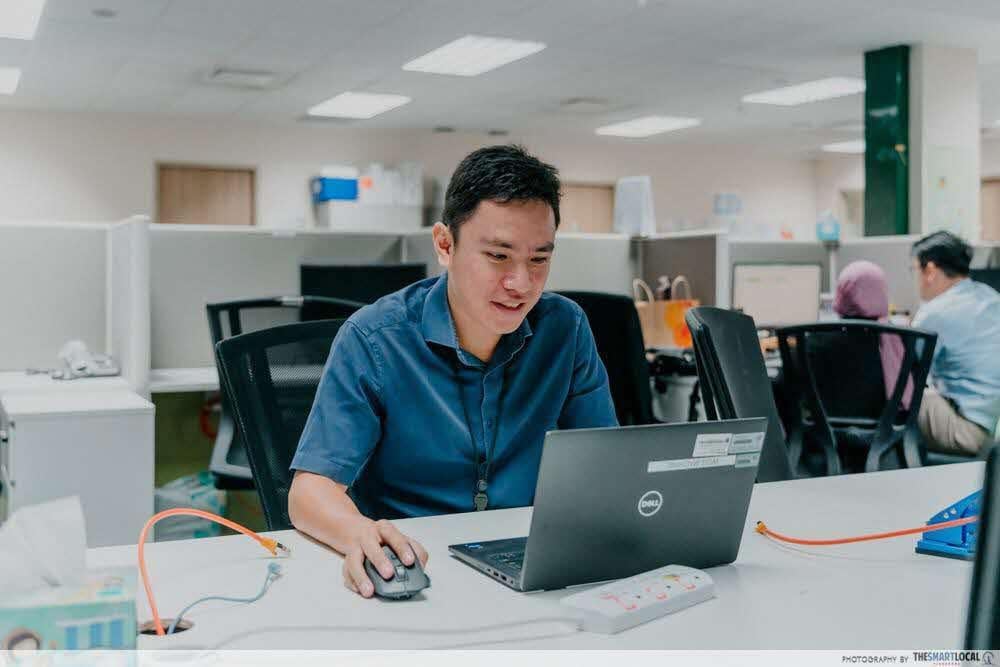
“Most ex-offenders turned to drugs to fill a need in their life, be it boredom, loneliness, or some deep-seated trauma. It’s a continuous journey to keep [themselves] positively connected to society,” said Mr Loh.
ROs play a coordinating role, linking supervisees to relevant support such as counselling, addiction treatment programmes, employment services, and community groups. “We refer them to the right channels so they can get proper support and treatment,” Mr Loh explained.
At the end of the day, preventing re-offending takes a collective effort, from family members to volunteers, employers, and community partners.
5. Balancing duty & personal life is crucial
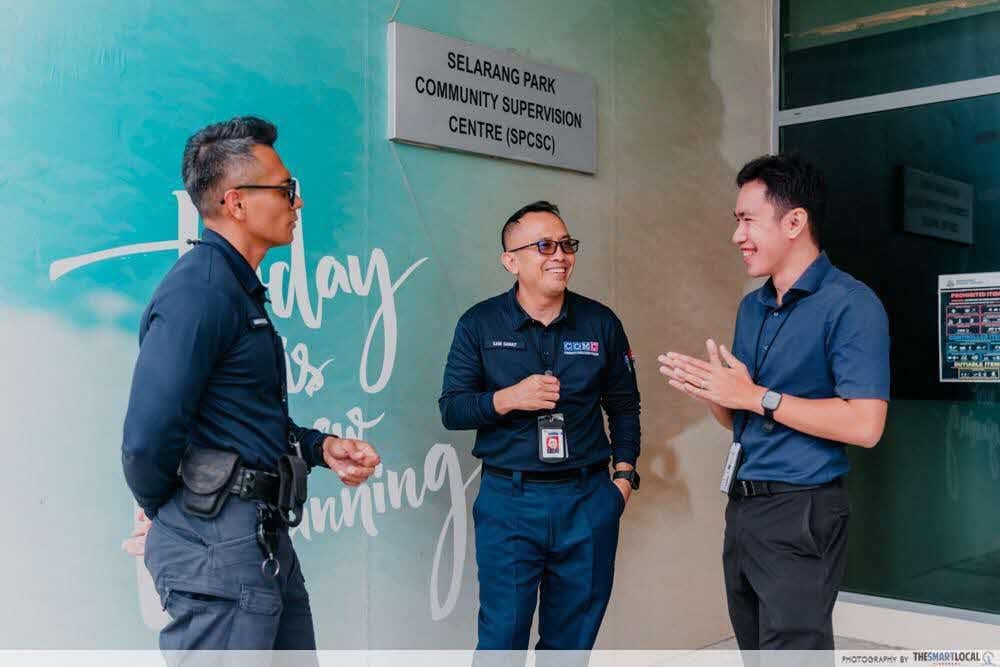
While Mr Loh sees most of his supervisees alone, he takes solace in knowing that he has a strong network of colleagues and supervisors to depend on for advice and support. This collaboration is crucial, especially when managing the unpredictable nature of their roles.
Given the nature of their work, supervisees or their family members may reach out to ROs even outside of working hours. Mr Loh shared that SPS has clear guidelines to help officers maintain proper work-life boundaries.
“There are certain hours we have to disengage, but of course, we don’t want to dismiss those who reach out to us,” said Mr Loh. Officers are trained to direct urgent cases to appropriate hotlines or agencies, and to re-engage them purposely during working hours.
Outside of work, Mr Loh enjoys spending time with his toddler and taking outdoor runs, finding small but important ways to recharge and stay grounded.
6. Breaking stereotypes with empathy & accountability
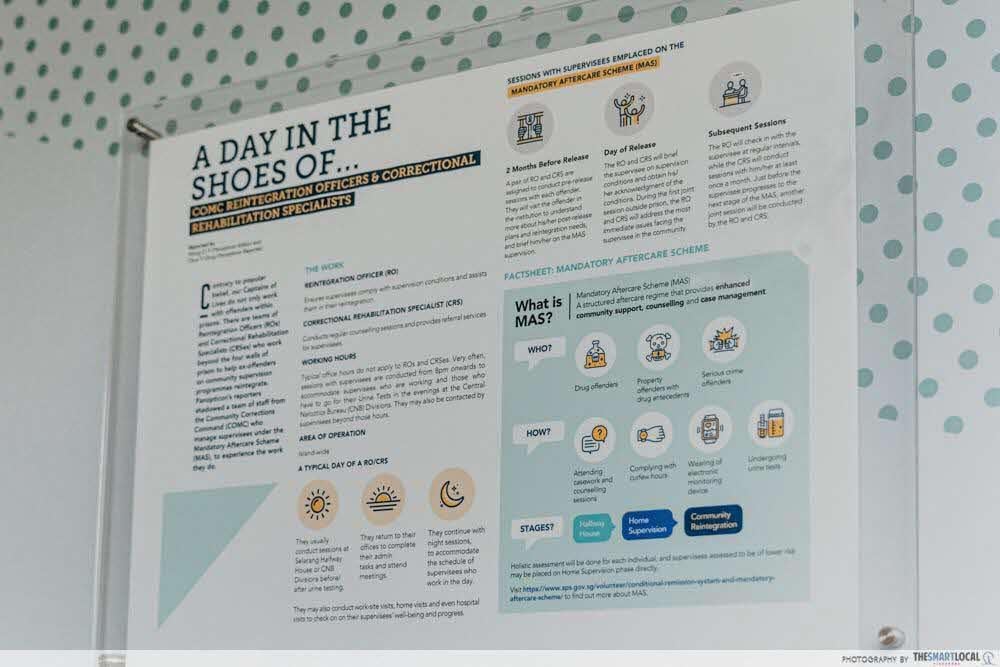
Since ROs work with supervisees from all walks of life, Mr Loh believes being open-minded is paramount to better empathise with supervisees who may come from diverse socio-economic backgrounds. “We have to understand that everybody is different and not default to harmful stigmas that society has labelled ex-offenders”, stated Mr Loh.
At the same time, empathy goes hand in hand with accountability. ROs support supervisees while also holding them responsible for their choices – a balance that helps foster personal ownership and long-term change.
7. Every engagement can make a positive impact
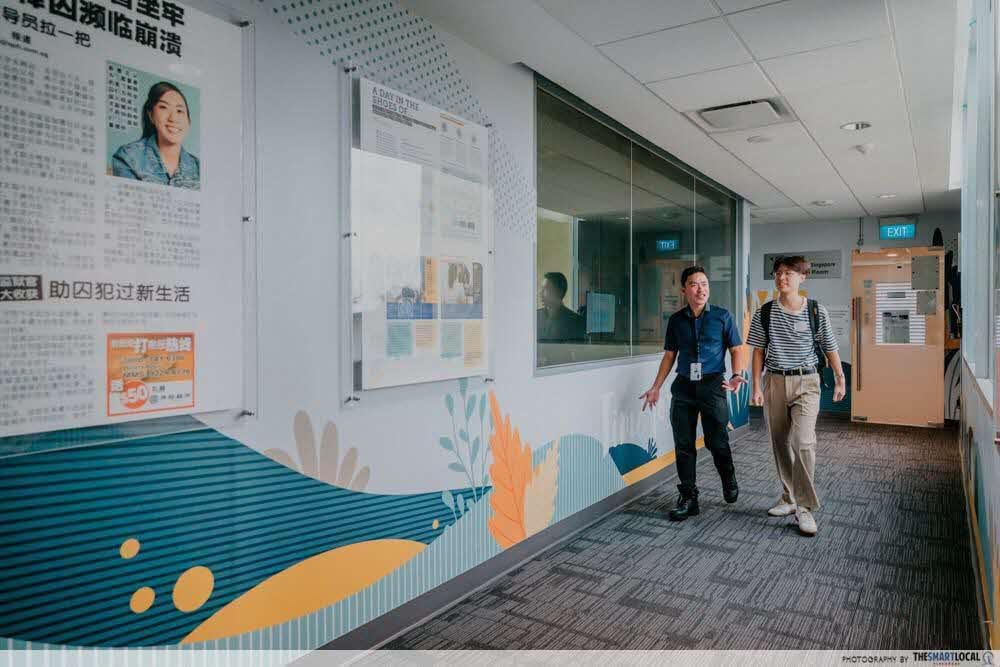
What keeps Mr Loh going? Seeing the quiet ripple effects of his work. He still receives text messages from former supervisees checking in on him and sharing updates about their lives. Bumping into them in public is also not uncommon. “When they come up to say hi, it tells me that, in some ways, I made a positive impact during that period of their lives,” he said.
Mr Loh recounts an encounter in public with an ex-offender whom he used to manage in prison. The ex-offender, who had been released for about a year at that time, was stressed that he couldn’t really secure any sort of long-term employment.
After a short conversation about possible pathways and not giving up, Mr Loh later bumped into him again, this time, to learn that he had started his own small business and is doing well. Mr Loh downplayed his part in this particular ex-offender’s drastic turnaround, but was glad that he could help, even if it was only through a short 10-minute chat. “These are the little things we do to try to share what we know, to impart our experiences, and hope they can make the best out of it,” he said.
Consider a fulfilling career with Singapore Prison Service
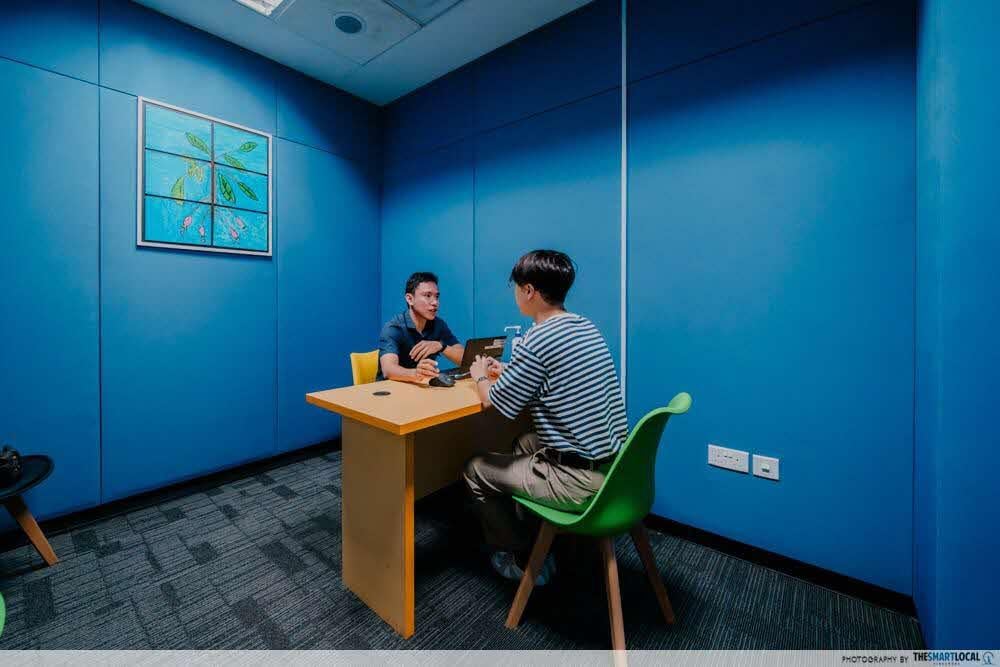
Mr Loh feels that he has grown immensely as a person through his career in the service. “I think I’ve become a lot more mature, a lot more understanding,” he said. Given how adept one has to be with interpersonal relationships, it should come as no surprise that the job is intellectually stimulating and requires a certain degree of emotional maturity.
Supporting ex-offenders in their journey of recovery is no easy feat, and not all cases culminate in a fairytale ending, that’s for sure. But for those that do, words cannot do justice to the fulfilment one gets from putting a life back on the right track; just ask the guy who’s been doing it for a decade now.
If you’re looking for a career that challenges you, promotes growth, and gives you the chance to make a tangible difference, SPS might just be the place; there’s also a sign-on bonus of up to $30,000 to boot.
Learn more about a career with Singapore Prison Service
This post was brought to you by Singapore Prison Service.
Photography by Shawn Loh.