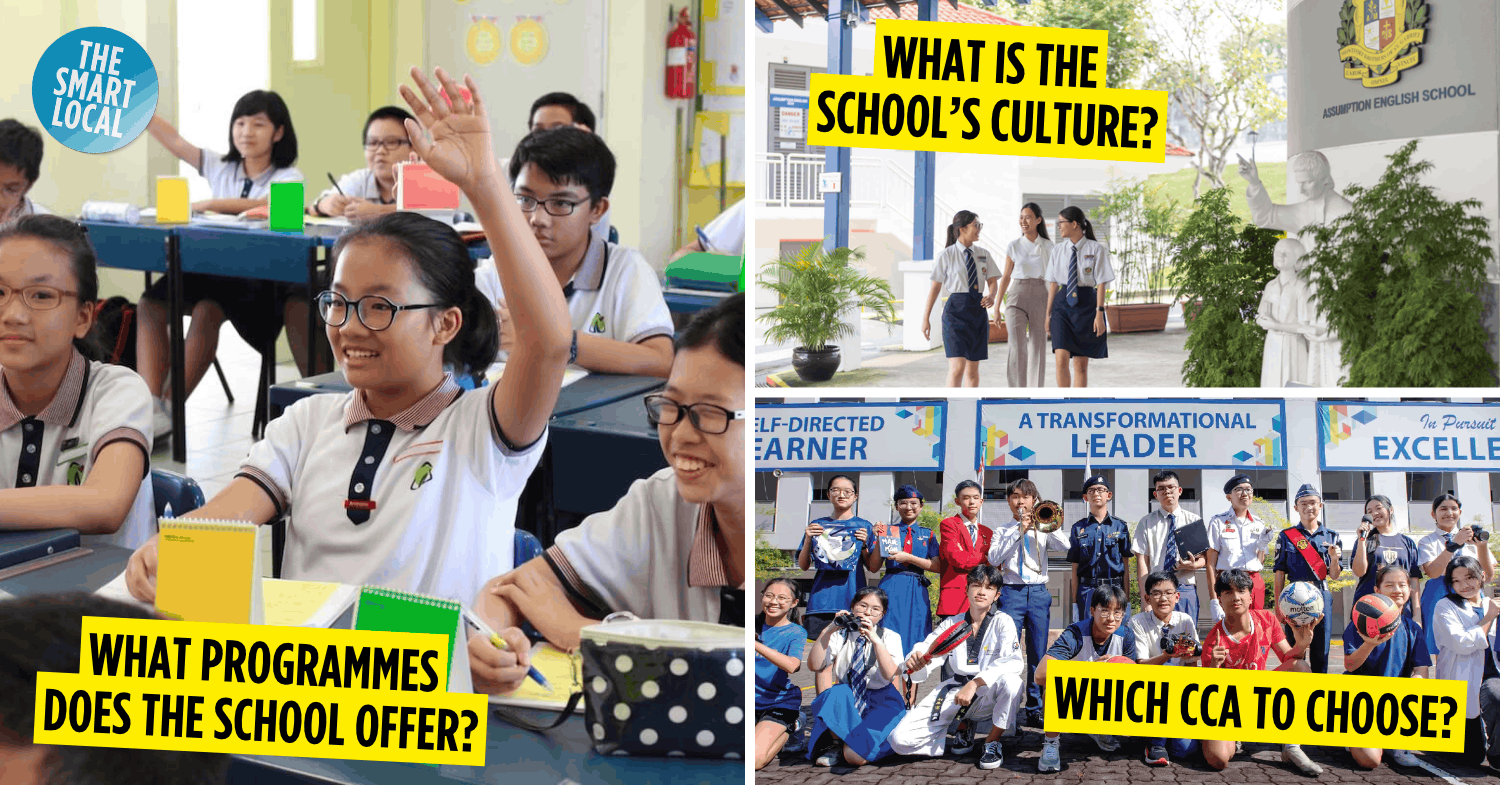

PSLE 2026
The wait is almost over for Primary 6 students, with PSLE results 2026 set to be released on 24th November 2026. But once the results are in, there’s another important decision to be made: choosing the right secondary school for the next chapter of their education.
From navigating the Secondary 1 (S1) Posting Exercise to shortlisting schools and attending open houses, there’s plenty for parents to keep track of. Here’s a guide to the important dates, application process, and things to consider before submitting your child’s secondary school choices.
Table of Contents
- PSLE 2026
- Important dates to take note of
- How to submit your secondary school choices through the S1 Portal
- Common S1 posting terms parents should know
- How to shortlist secondary schools
- What to look out for during secondary school open houses
- Involve your child in choosing their secondary school
- What should you do after S1 posting results are released?
Important dates to take note of
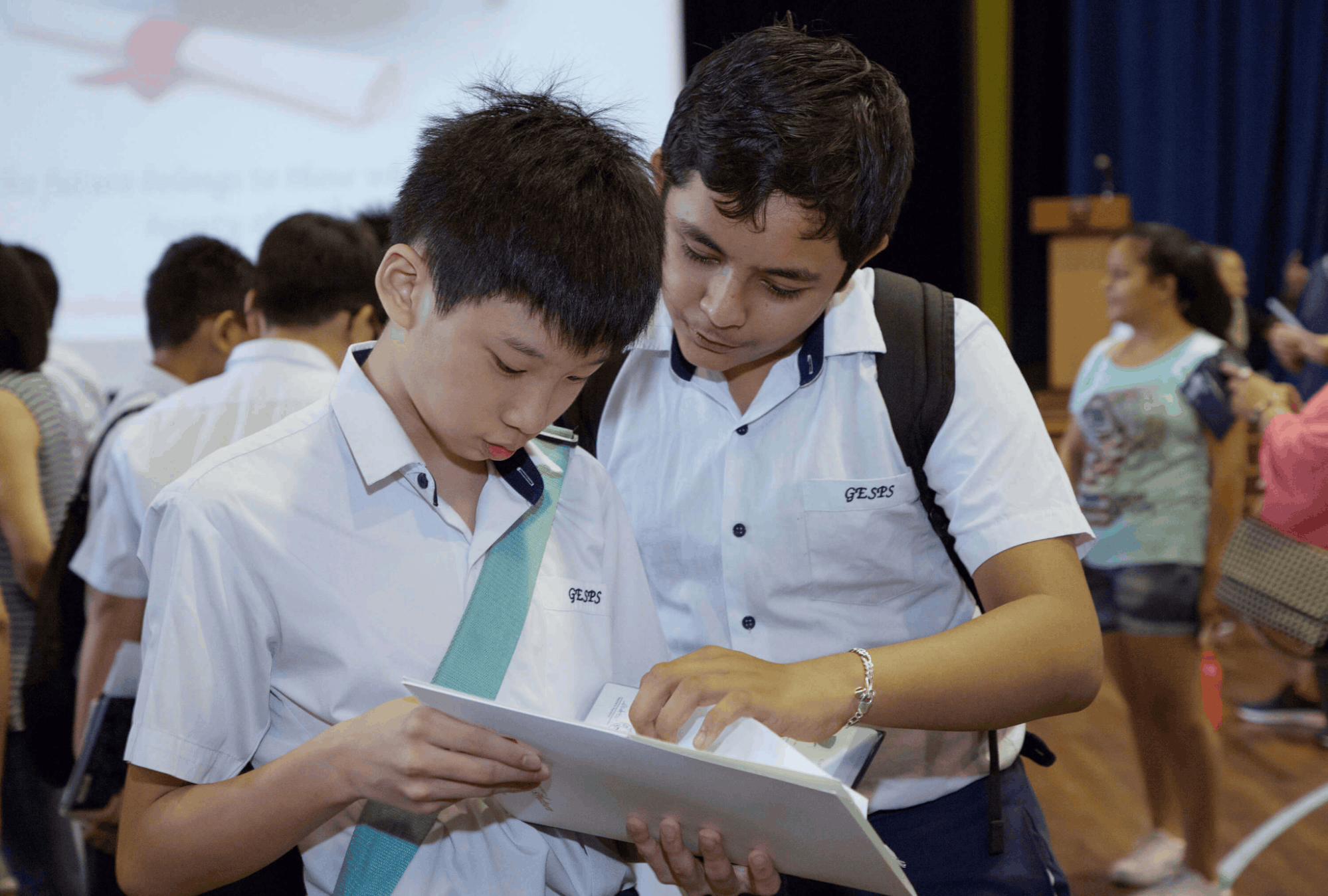
Image credit: Ministry Of Education
Before diving into school choices, it’s worth marking these important dates on your calendar. The S1 Posting Exercise begins on the same day PSLE results are released, so you will have a relatively short window to finalise yours and your child’s selections.
| Event | Date & time |
| PSLE results released | 24th November 2026, 11am |
| S1 school choice submission opens | 24th November 2026, 11.30am |
| S1 school choice submission closes | 30th November 2026, 4.30pm |
| S1 posting results release (tentative) | 18th December 2026 |
How to submit your secondary school choices through the S1 Portal
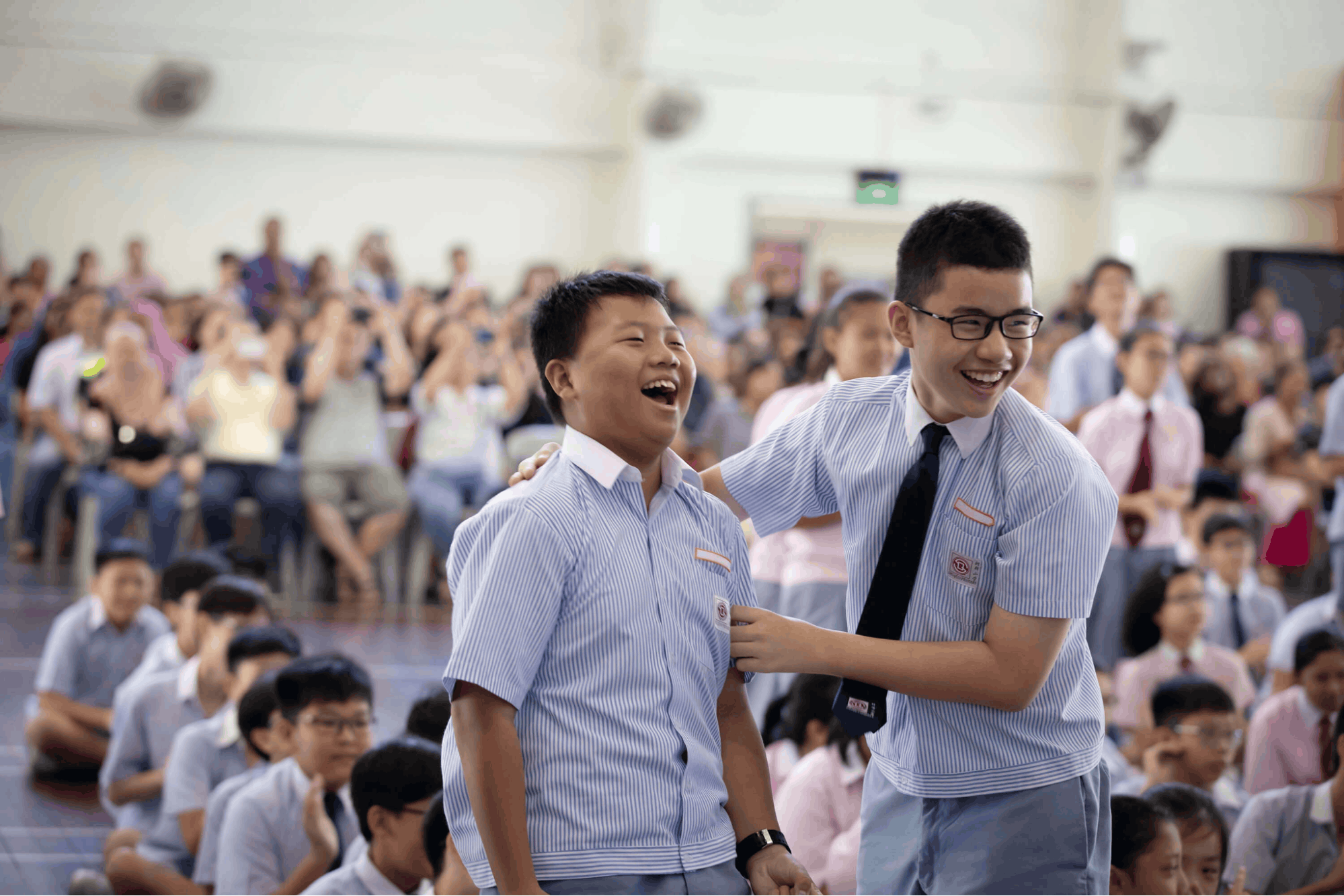
Image credit: Ministry of Education
Once your child’s PSLE results are out, the next step is to submit their preferred secondary schools through the S1 Portal. This official online platform, managed by the Ministry of Education (MOE), allows parents and legal guardians to complete the school selection process using Singpass.
The portal will be accessible from 24th to 30th November 2026, and will operate 24 hours a day throughout the submission period. However, do note that it closes at 4.30pm on the final day, so it’s best not to leave everything until the last minute.
Steps to submit school choices
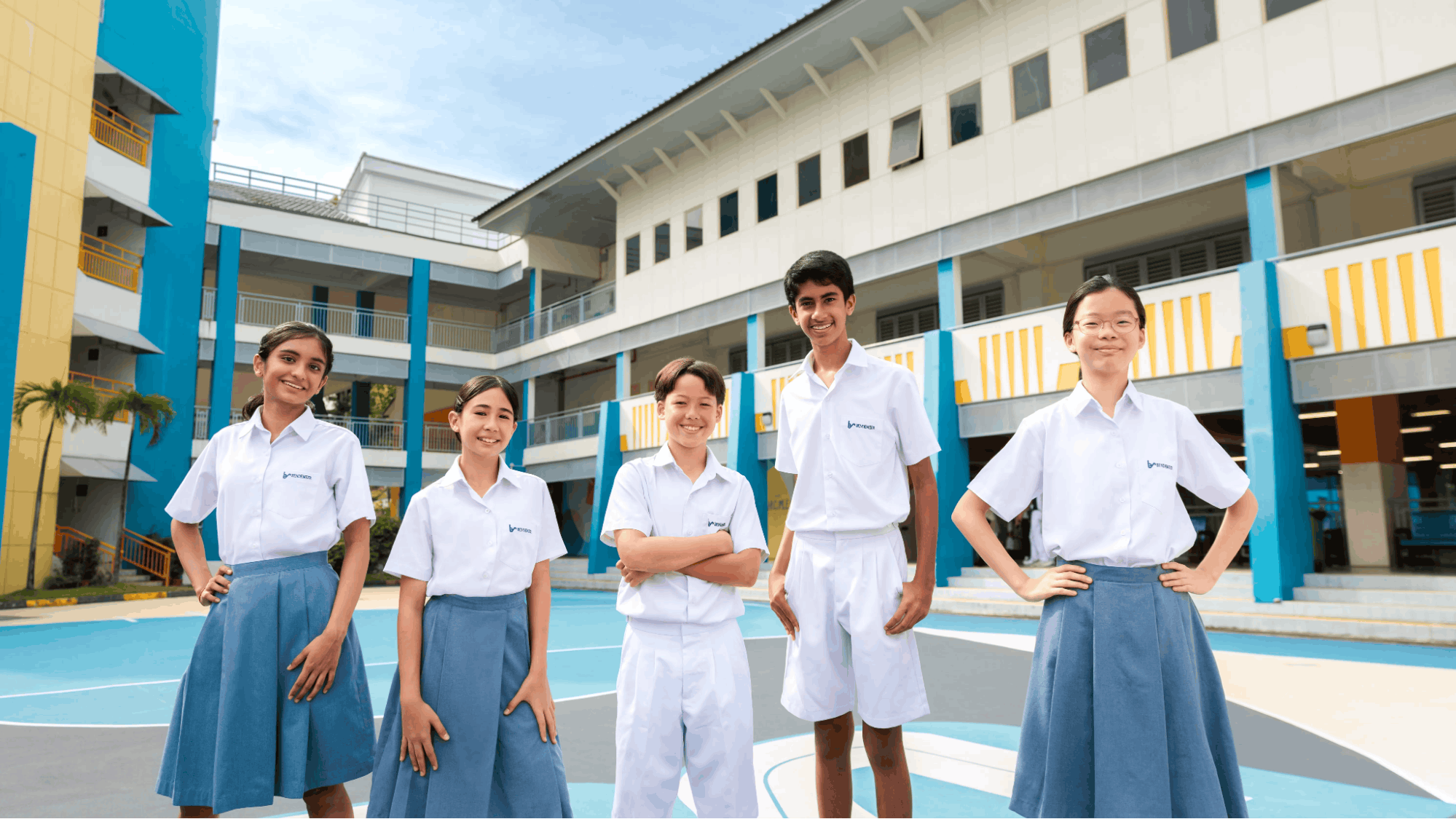
Image credit: Bendemeer Secondary School
- Select a Posting Group: If your child qualifies for 2 Posting Groups, choose their preferred group before proceeding. This selection will apply to all their school choices.
- Choose up to 6 secondary schools: List your child’s preferred schools in order of preference, starting with the one they most want to attend.
- Provide your contact details: Enter the necessary contact information so you can receive relevant updates regarding the posting exercise.
- Review your selections: Double-check your school choices, their ranking, and any applicable Third Language options before confirming your submission.
- Submit your choices: Complete the process by 4.30pm on 30th November 2026. Any changes to your selections must also be made before this deadline.
Parents who need additional guidance can refer to the official MOE S1 Portal User Guide for detailed instructions on navigating the platform.
What happens if you miss the S1 submission deadline?
Missing the submission window doesn’t mean your child won’t receive a secondary school placement. However, students whose parents do not submit their choices on time will be allocated to schools with remaining vacancies.
This allocation happens only after students who submitted their school preferences have been posted, so your child could end up in a school that wasn’t originally on your shortlist. To avoid undue stress, it’s worth submitting your choices well before the deadline.
Common S1 posting terms parents should know
Image credit: AEIS Exam Paper
If you’ve been researching secondary schools, you’ve probably come across terms like COP, Posting Groups, and affiliation priority. Understanding what these mean can help you make more informed decisions when narrowing down your options.
What is affiliation priority?
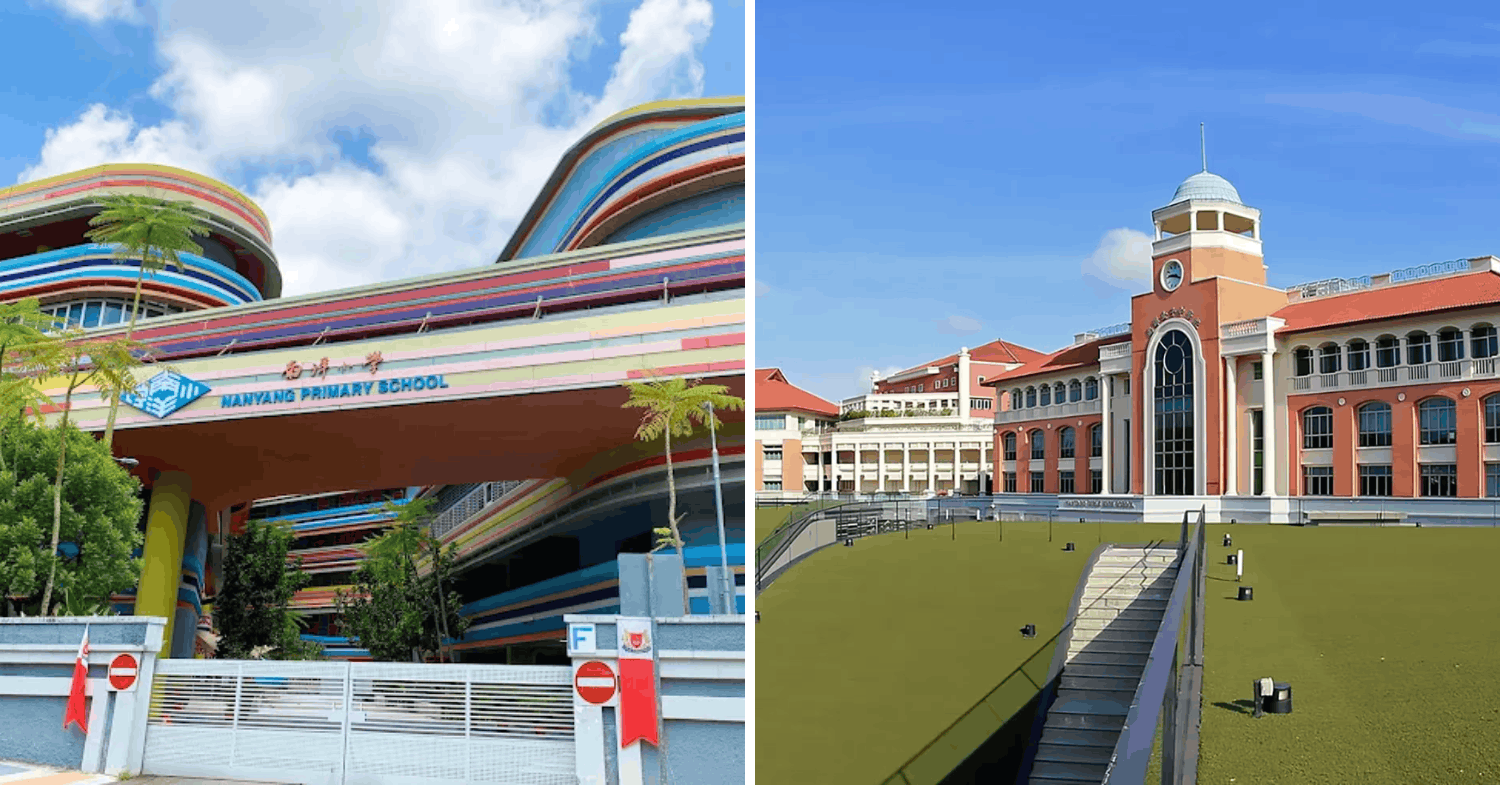
Nanyang Primary School (left) is affiliated to Nanyang Girls’ High School (right).
Image adapted from: U O via Google Maps, Nanyang Girls’ High School
Some primary schools are affiliated with secondary schools, allowing eligible students to receive priority during the posting process. However, this doesn’t automatically guarantee admission, as placements still depend on PSLE scores, available vacancies, and other admission requirements.
To qualify for affiliation priority, students must indicate their affiliated secondary school as their 1st choice. Parents should also check the school’s specific eligibility criteria before relying on this admission pathway.
What are posting groups?
Image credit: Lee Hsien Loong via Facebook
Under Singapore’s secondary school posting system, students are placed into Posting Groups 1, 2, or 3 based on their PSLE scores. These groups determine the posting process and guide the initial subject levels students can take in Secondary 1.
With Full Subject-Based Banding (Full SBB), students may also be able to take certain subjects at different levels according to their strengths and learning needs, rather than following a single fixed academic stream.
What is cut-off point (COP)?
A school’s cut-off point (COP) refers to the PSLE score of the last student admitted through a particular Posting Group. It’s a useful reference when shortlisting schools, but shouldn’t be treated as a guaranteed admission score.
COPs can change every year depending on factors such as demand and the performance of the student cohort. Even if your child’s score meets a school’s previous COP, admission isn’t guaranteed, as tie-breakers may still come into play.
What is the Integrated Programme (IP)?
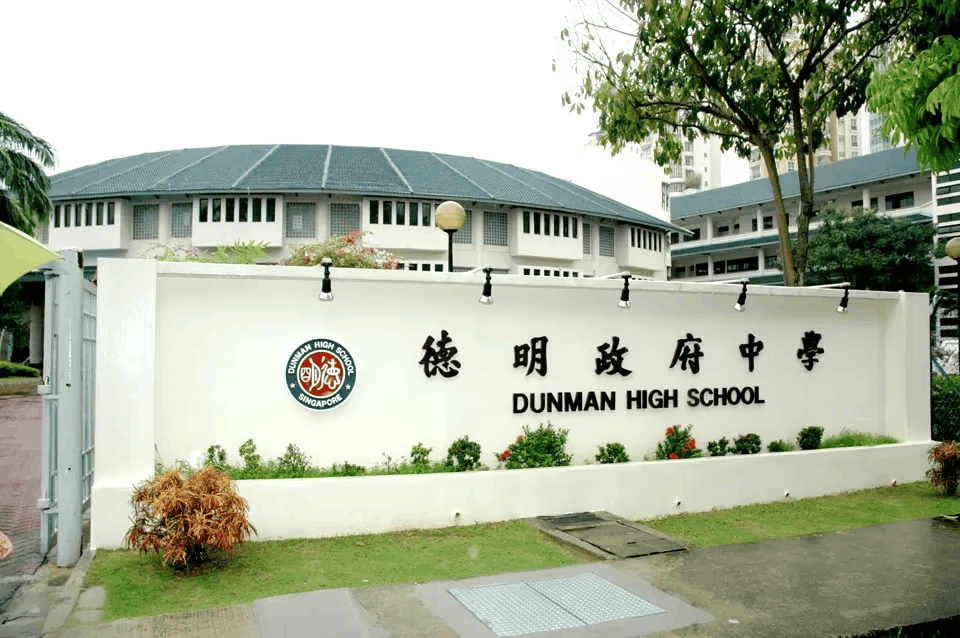
Dunman High School is one of the 17 schools in Singapore to offer IP.
Image credit: Dunman High School
The Integrated Programme (IP) is a 6-year educational pathway that allows students to progress through secondary and pre-university education without sitting for the Singapore-Cambridge GCE O-Level examinations.
Depending on the school, students may eventually work towards qualifications such as the GCE A-Level, International Baccalaureate (IB) Diploma, or NUS High School Diploma. The programme is available to students eligible for Posting Group 3.
These are the schools that offer IP:
| Year 1 institution | Final Qualification | Year 5 and 6 institution |
| Angle-Chinese School (Independent) | IB Diploma | Anglo-Chinese School (Indepndent) |
| Catholic High School | GCE A-Level | Eunoia Junior College |
| Cedar Girls’ Secondary School | GCE A-Level | Victoria Junior College |
| CHIJ St. Nicholas Girls’ School | GCE A-Level | Eunoia Junior College |
| Dunman High School | GCE A-Level | Dunman High School |
| Hwa Chong Institution (Secondary) | GCE A-Level | Hwa Chong Institution |
| Methodist Girls’ School | IB Diploma | Anglo-Chinese School (Indepndent) |
| Nanyang Girls’ High School | GCE A-Level | Hwa Chong Institution |
| National Junior College | GCE A-Level | National Junior College |
| NUS High School of Mathematics and Science | NUS High School Diploma | NUS High School of Mathematics and Science |
| Raffles Girls’ School | GCE A-Level | Raffles Institution |
| Raffles Institution (Secondary) | GCE A-Level | Raffles Institution |
| River Valley High School | GCE A-Level | River Valley High School |
| Singapore Chinese Girls’ School | GCE A-Level | Eunoia Junior College |
| St. Joseph’s Institution | IB Diploma | St. Joseph’s Institution |
| Temasek Junior College | GCE A-Level | Temasek Junior College |
| Victoria School | GCE A-Level | Victoria Junior College |
What are Special Assistance Plan (SAP) schools?
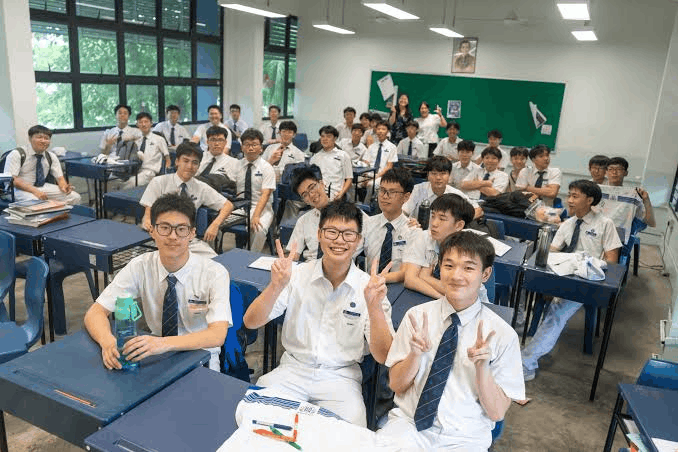
Maris Stella High School (Secondary) is a SAP school.
Image credit: Maris Stella High School via Facebook
Special Assistance Plan (SAP) schools place greater emphasis on bilingualism and bicultural education, particularly in Chinese language and culture. These schools offer students opportunities to develop a deeper appreciation of Chinese heritage alongside their academic studies. There are a total of 11 secondary SAP schools in Singapore.
Students must have taken both English and Chinese at PSLE to be eligible for admission. Parents should also consider their child’s interest in the language and cultural programmes offered before adding these schools to their list.
Here are the SAP secondary schools in Singapore:
- Anglican High School
- Catholic High School (Secondary)
- CHIJ St. Nicholas Girls’ School (Secondary)
- Chung Cheng High School (Main)
- Dunman High School
- Hwa Chong Institution
- Maris Stella High School (Secondary)
- Nan Chiau High School
- Nan Hua High School
- Nanyang Girls’ High School
- River Valley High School
How to shortlist secondary schools
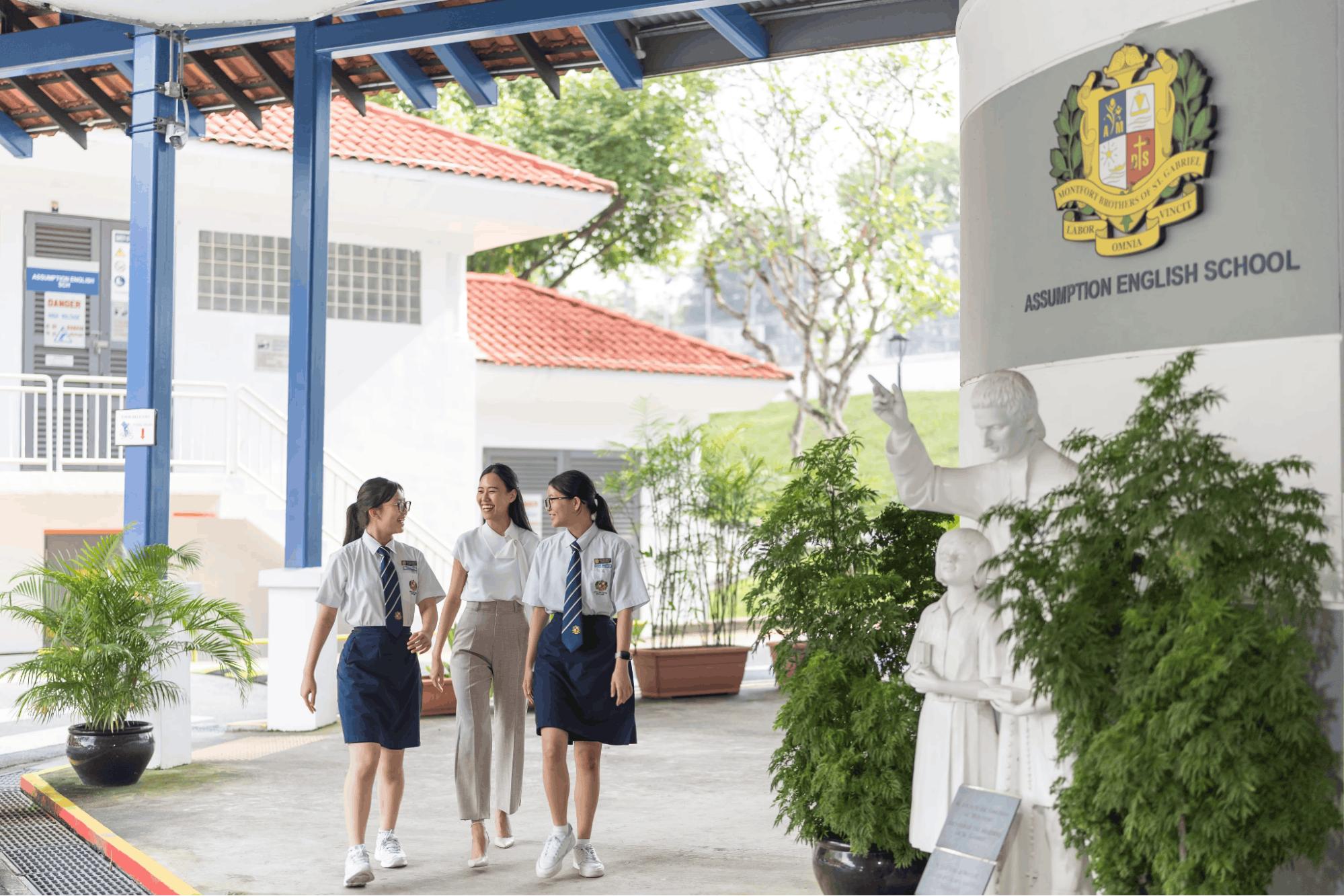
Image credit: Assumption English School
With so many secondary schools across Singapore, narrowing your options down to just 6 can feel like a challenge. Thankfully, MOE SchoolFinder makes the research process easier by allowing parents to search for and compare mainstream schools in one place.
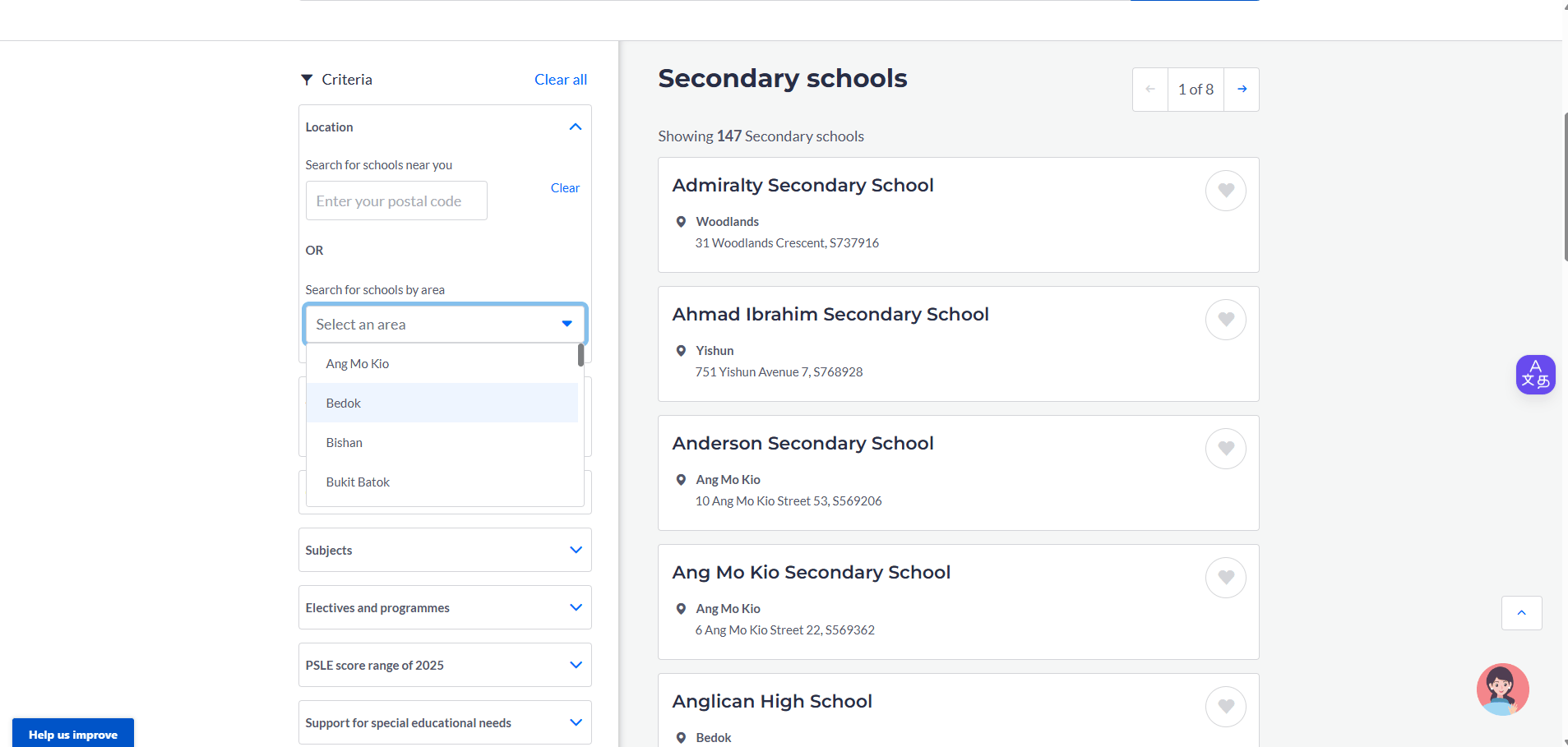
Screenshot from: MOE SchoolFinder
You can start by entering your home address or postal code to identify schools within a manageable travelling distance. From there, use the platform’s filters to find schools that match your child’s interests, academic strengths, and learning preferences.
Some useful filters include:
- Co-Curricular Activities (CCAs): Explore schools offering sports, performing arts, uniformed groups, and clubs that interest your child.
- Subjects and academic programmes: Compare subject offerings and specialised pathways, including the Integrated Programme (IP) and International Baccalaureate (IB).
- Special Educational Needs (SEN) support: Find out which schools provide additional resources and support for students with specific learning needs.
- School-specific programmes: Discover unique enrichment opportunities, learning experiences, and specialised initiatives offered by different schools.
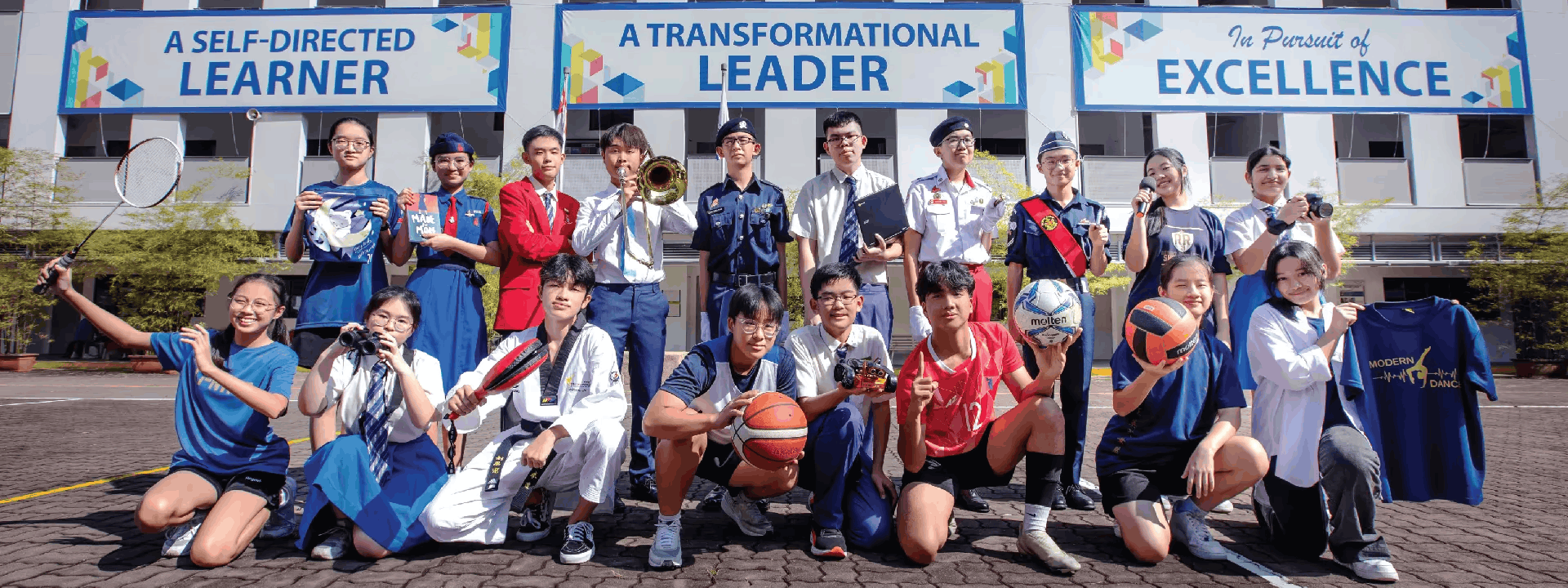
Image credit: Regent Secondary School
The platform also provides information on school locations, admission pathways such as Direct School Admission (DSA), and individual school profiles. Parents can use these details to create a shortlist before researching each school more thoroughly.
What if your child has received a DSA offer?
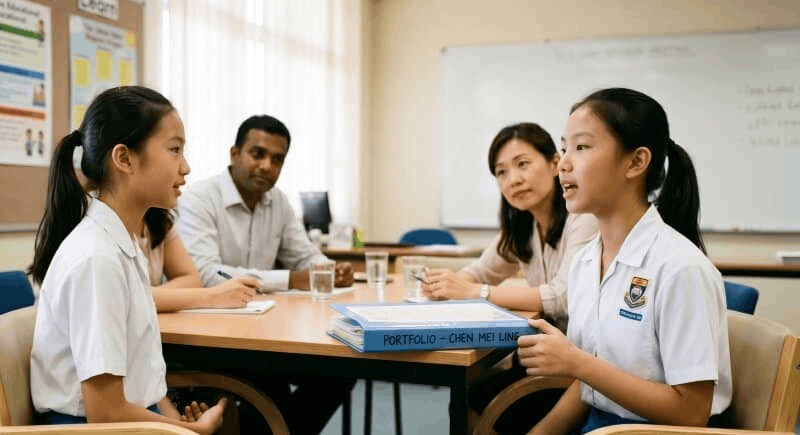
Image credit: Writers at work
Students who have successfully secured and been allocated a place through DSA, and meet the relevant PSLE eligibility requirements, will not be eligible to participate in the regular S1 Posting Exercise.
This is because DSA placements are binding, meaning students cannot submit a separate list of secondary school choices after accepting and being allocated a place.
Instead, parents should log in to the S1 Portal using Singpass to check their child’s DSA posting outcome. They can also complete any applicable selections, such as choosing a Posting Group or Third Language option.
For students whose DSA applications were unsuccessful, including those who remained on the waiting list without receiving an offer, the regular S1 Posting process still applies. Parents must submit their school choices by 30th November 2026, 4.30pm.
What to look out for during secondary school open houses
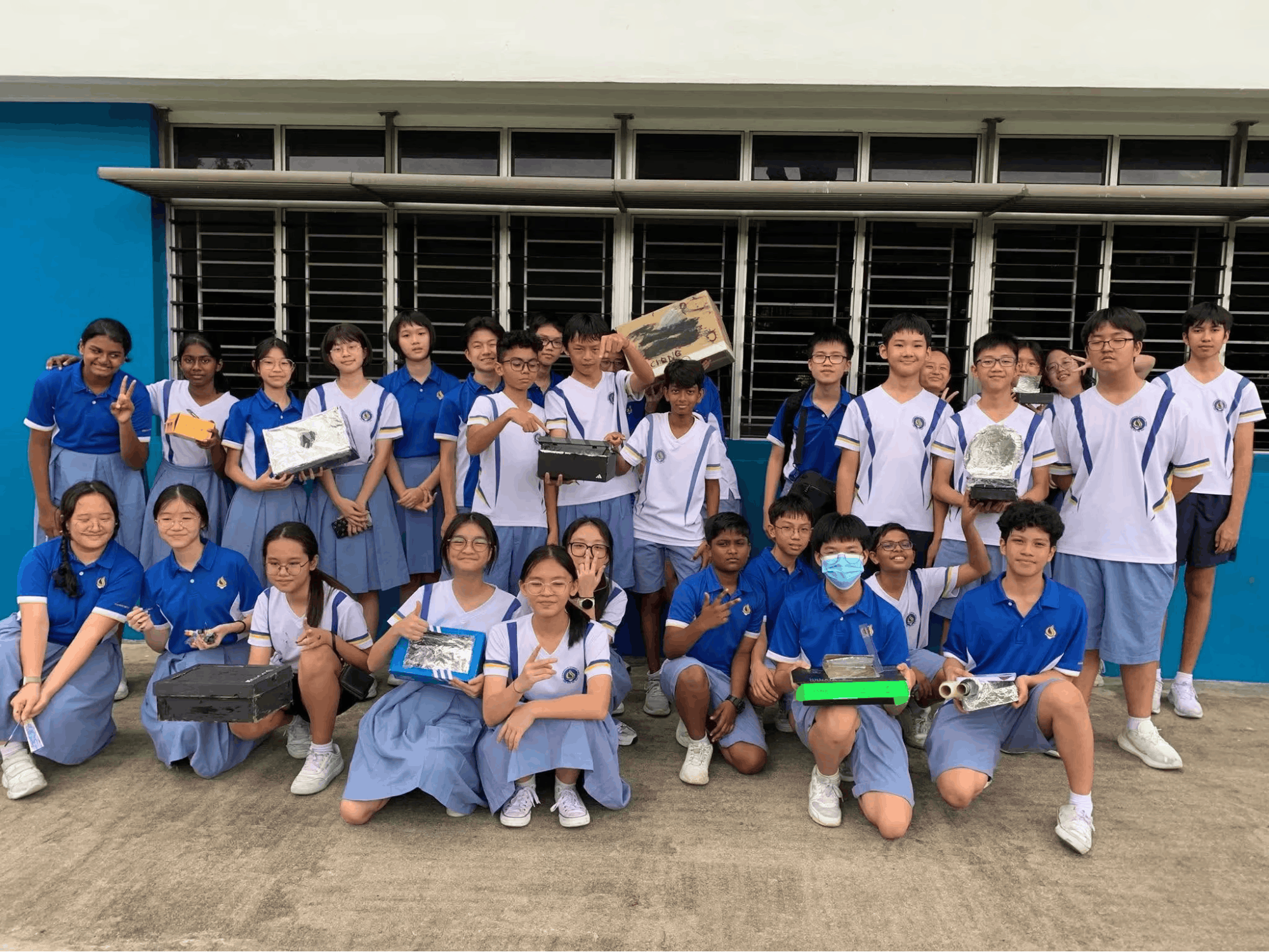
Image credit: Commonwealth Secondary School
School websites and brochures can tell you plenty about academic programmes and facilities, but visiting a campus offers a better glimpse into everyday student life. Secondary school open houses are a great opportunity for parents and children to explore the environment before making their final choices.
Beyond checking out classrooms and facilities, here are a few things worth paying attention to during your visit.
School culture & environment
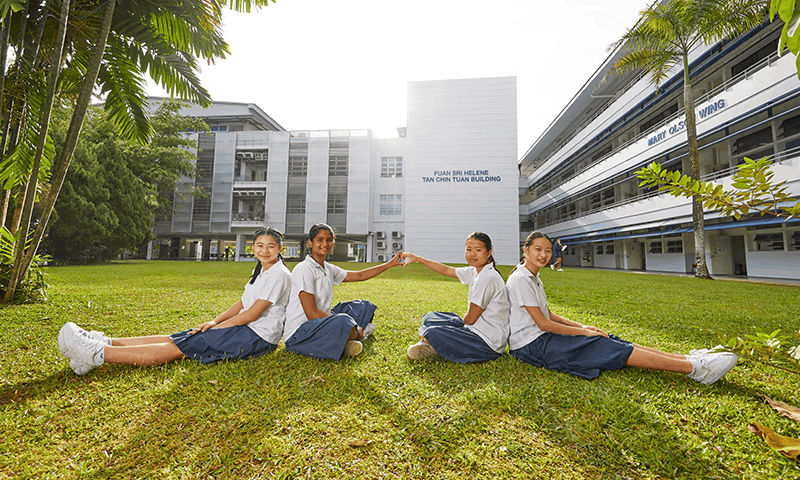
Image credit: Methodist Girls School
A school’s atmosphere can make a huge difference to your child’s secondary school experience. While exploring the campus, observe how students interact with their teachers and peers, and how comfortable they seem in their surroundings.
You can also speak to student ambassadors and teachers to learn more about the school’s learning culture, discipline, and student well-being initiatives. This is a good chance to find out how the school supports students who may need help adjusting to a new environment.
Curriculum & academic support
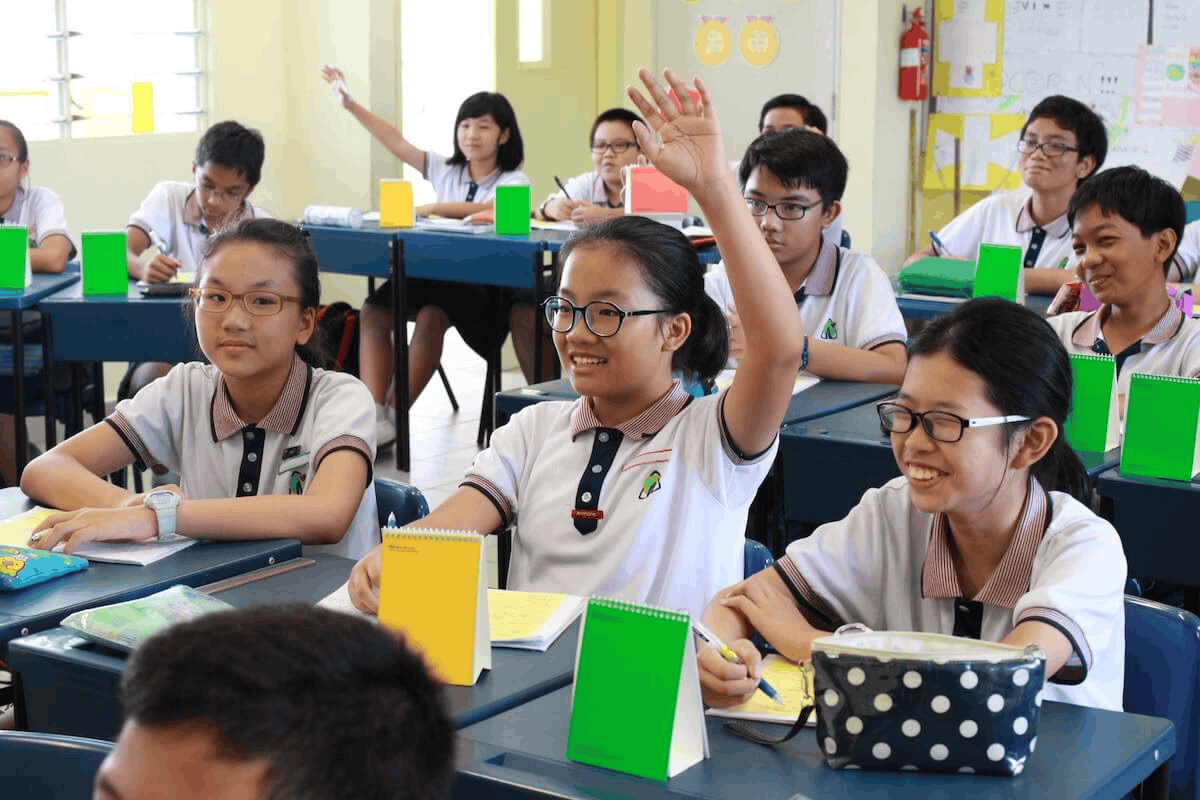
Image credit: Singapore International School Admission Consultant
Not all secondary schools offer the same subjects and enrichment opportunities, so take some time to explore their academic programmes. Look out for specialised offerings such as the Art Elective Programme, Bicultural Studies Programme, Music Elective Programme, and Regional Studies Programme, and any other relevant subjects like Principles of Accounts (POA).
Here’s a table summarising which schools offer which programmes:
| School | Programme |
| Bukit Panjang Government High | Art Elective Programme |
| CHIJ Secondary | Art Elective Programme |
| National Junior College (Secondary) | Art Elective Programme |
| Zhonghua Secondary School | Art Elective Programme |
| River Valley High School | Bicultural Studies Programme |
| Singapore Chinese Girls’ School | Bicultural Studies Programme |
| Crescent Girls School | Music Elective Programme |
| Tanjong Katong Girls’ School | Music Elective Programme |
| Temasek Junior College | Music Elective Programme |
| Cedar Girls Secondary School | Regional Studies Programme |
| Catholic High School | Music Elective Programme & Bicultural Studies Programme |
| CHIJ St. Nicholas Girls’ School | Music Elective Programme & Bicultural Studies Programme |
| Dunman High School | Music Elective Programme & Bicultural Studies Programme |
| Raffles Girls’ Secondary School | Music Elective Programme & Regional Studies Programme |
| Raffles Institution | Music Elective Programme & Regional Studies Programme |
| Anglo-Chinese School (Independent) | Music Elective Programme & Regional Studies Programme |
| Victoria School | Art Elective Programme & Regional Studies Programme |
| Hwa Chong Institution | Art Elective Programme & Bicultural Studies Programme |
| Nanyang Girls’ High School | Art Elective Programme & Bicultural Studies Programme |
It’s also worth asking how the school helps students manage the transition from primary school, particularly as subjects like Mathematics and Science become more demanding. Find out about remedial lessons, additional academic guidance, and enrichment opportunities for students who want to explore their interests further.
Travelling time & daily schedules
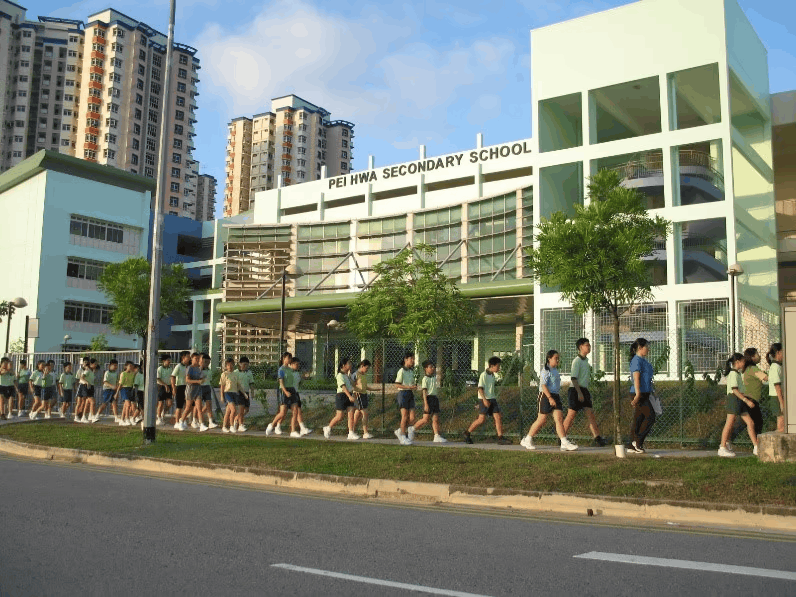
Image credit: MOE Heritage Centre
That school across the island might look appealing on paper, but a long daily commute can quickly become tiring. Consider how much time your child would spend travelling in the morning and after school, especially if they need to make multiple bus or train transfers. Students also often take up after-school tuitions or external classes and activities, so long travel durations can eat into that and exhaust the child.
During the open house, ask about the school’s usual reporting and dismissal times, along with how late CCA sessions, remedial lessons, and other after-school activities typically end. A manageable commute can give your child more time for rest, revision, and other hobbies.
Involve your child in choosing their secondary school
Parents Support Group.
Image credit: Riverside Secondary School
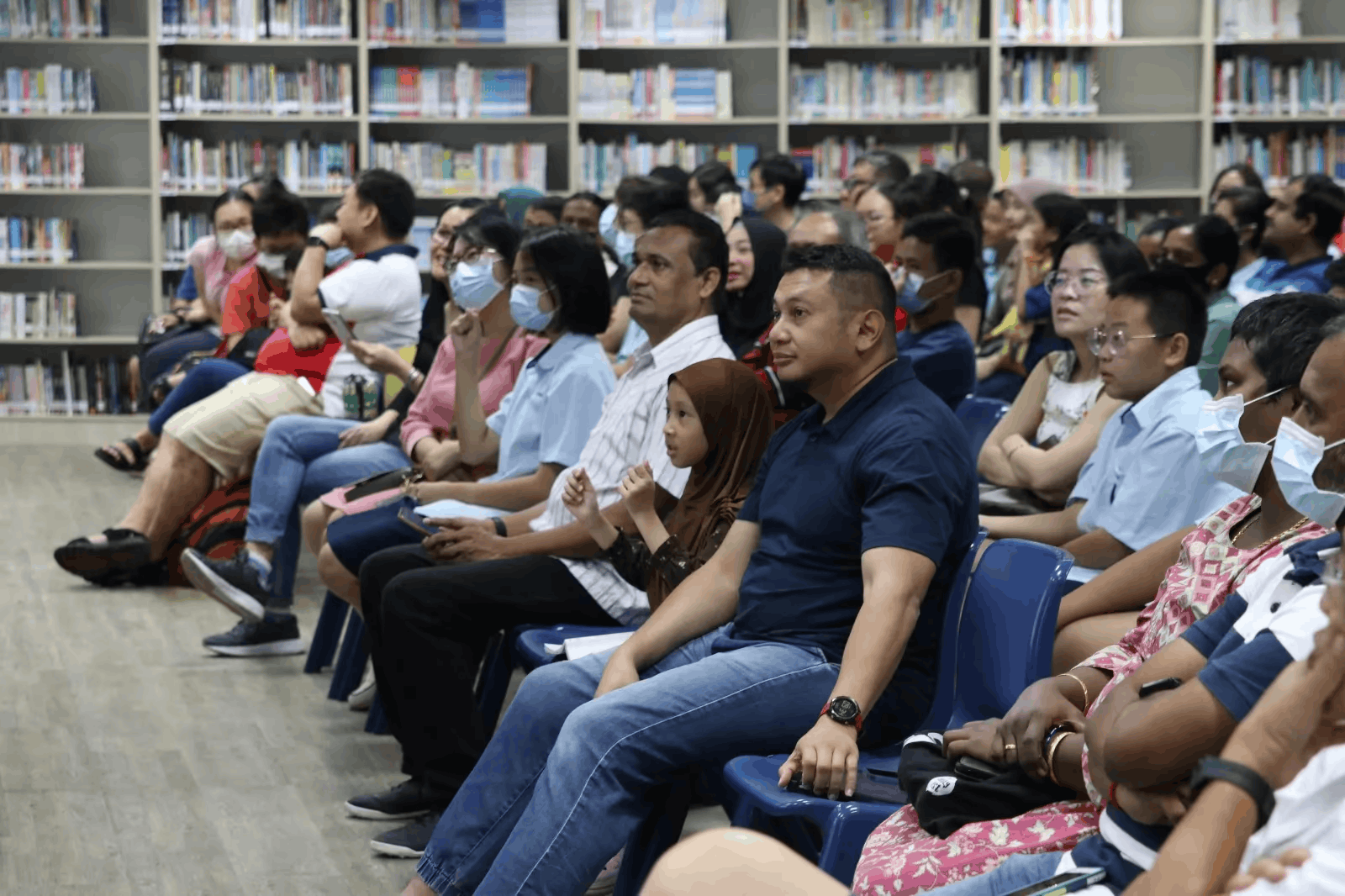
While parents naturally want to make the best decision for their children, your child will be the one attending the school every day for the next four years of their life. Giving them a say in the selection process can help them feel more excited and confident about the transition.
Start by having an open conversation about what they’re looking forward to in secondary school, along with any concerns they might have. They may be excited about joining a new CCA, for instance, but nervous about making friends or keeping up with schoolwork.

Image credit: Writers at work
You can also encourage them to think about their favourite subjects, hobbies, and personal strengths. Ask them to rank the following aspects of school life based on what matters most to them:
- School culture and learning environment: Do they prefer a particular teaching style or school atmosphere?
- Academic subjects and programmes: Are there specific subjects or specialised programmes they hope to pursue?
- Co-Curricular Activities (CCAs): Does the school offer activities that match their interests?
- Facilities and social spaces: Are there libraries, sports facilities, and other spaces that appeal to them?
- Distance from home: How comfortable are they with the daily journey to and from school?
Once you’ve discussed these priorities, use them to compare the schools on your shortlist. Rather than focusing solely on academic reputation or past COPs, aim for a school that supports your child’s learning needs, interests, and overall well-being.
Most importantly, make the final selection together. Being involved in the decision can give your child a greater sense of ownership over the next chapter of their education.
What should you do after S1 posting results are released?
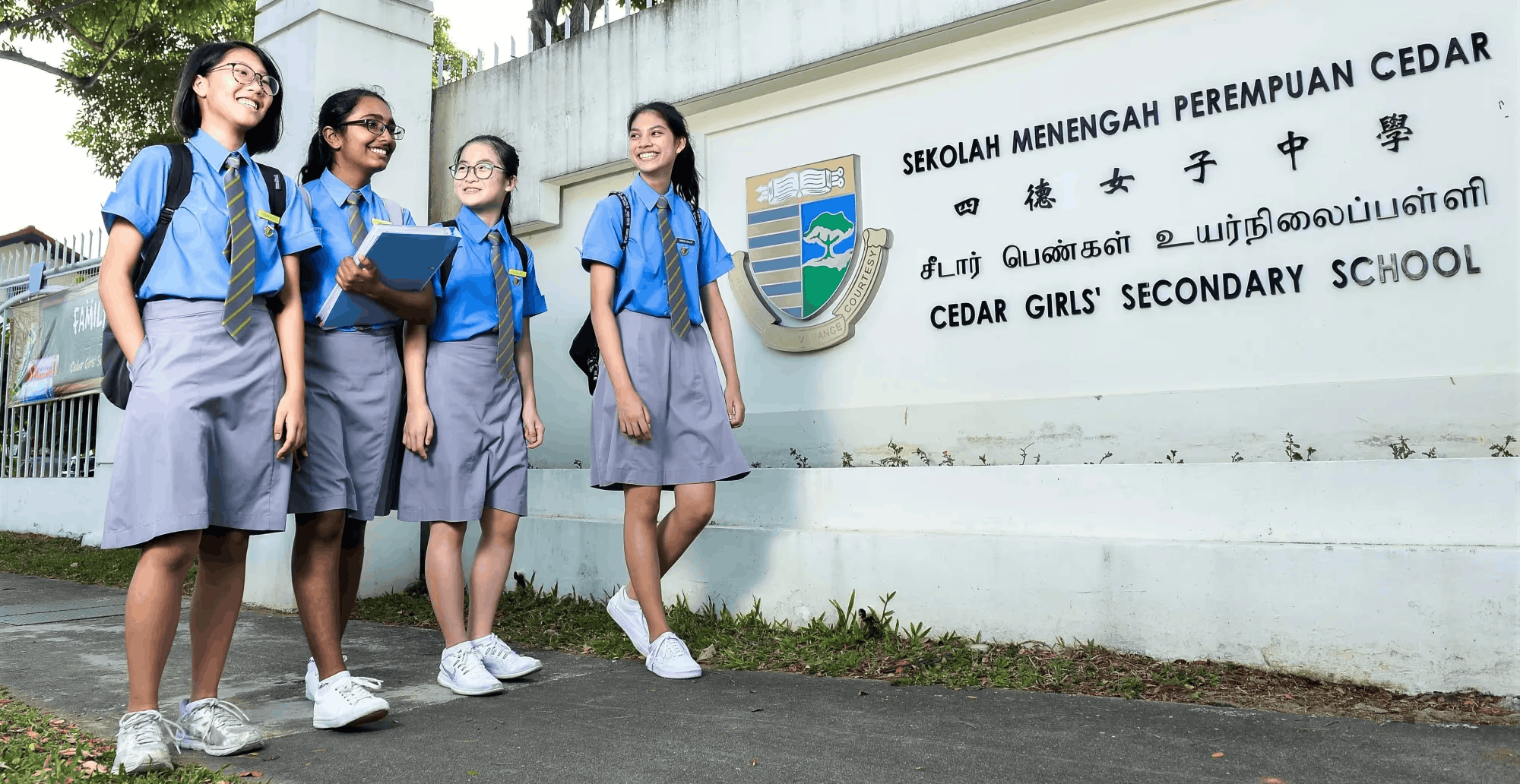
Image credit: Cedar Girls Secondary School
Once the S1 posting results are released, tentatively on 18th December 2026, parents can start preparing for the new school year. The next step is to visit your child’s allocated secondary school’s official website for instructions on registration and other administrative matters.
Keep an eye out for important information such as:
- Secondary 1 registration: Check for any registration procedures, required documents, and deadlines.
- School textbooks and uniforms: Find out where and when to purchase the necessary items.
- Secondary 1 orientation: Take note of orientation dates, activities, and reporting instructions.
- Other administrative requirements: Look out for school-specific forms, updates, and additional preparations.
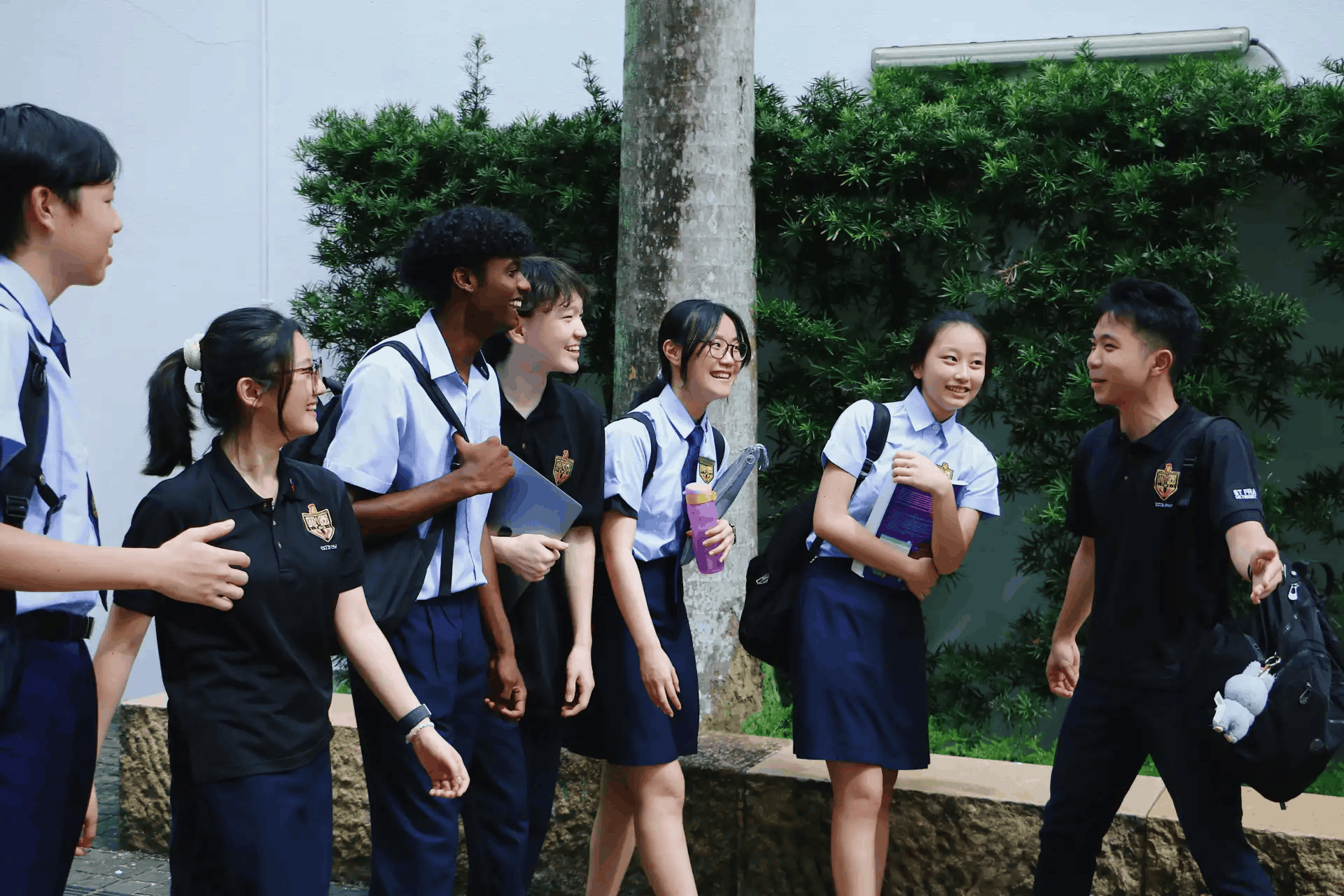
Image credit: St Francis Methodist School
As procedures may differ between schools, parents should regularly check official announcements from their child’s allocated secondary school. Getting these arrangements sorted early can help make the transition to secondary school a smoother one.
Choosing the right secondary school after PSLE results are out
PSLE results may be an important milestone, but they’re only one part of your child’s educational journey. Beyond academic performance, choosing a secondary school is also about finding an environment where your child can build friendships, explore new interests, and grow in confidence.
There’s still time to research your options, visit schools, and have meaningful conversations with your child. A little preparation now can go a long way towards helping them start secondary school on the right foot.
For more PSLE-related reads:
- New PSLE scoring system
- 9 iconic PSLE maths questions
- Shell is giving free care packs for PSLE season
Also read:
Cover image adapted from: Singapore International School Admission Consultant, Assumption English School, Regent Secondary School