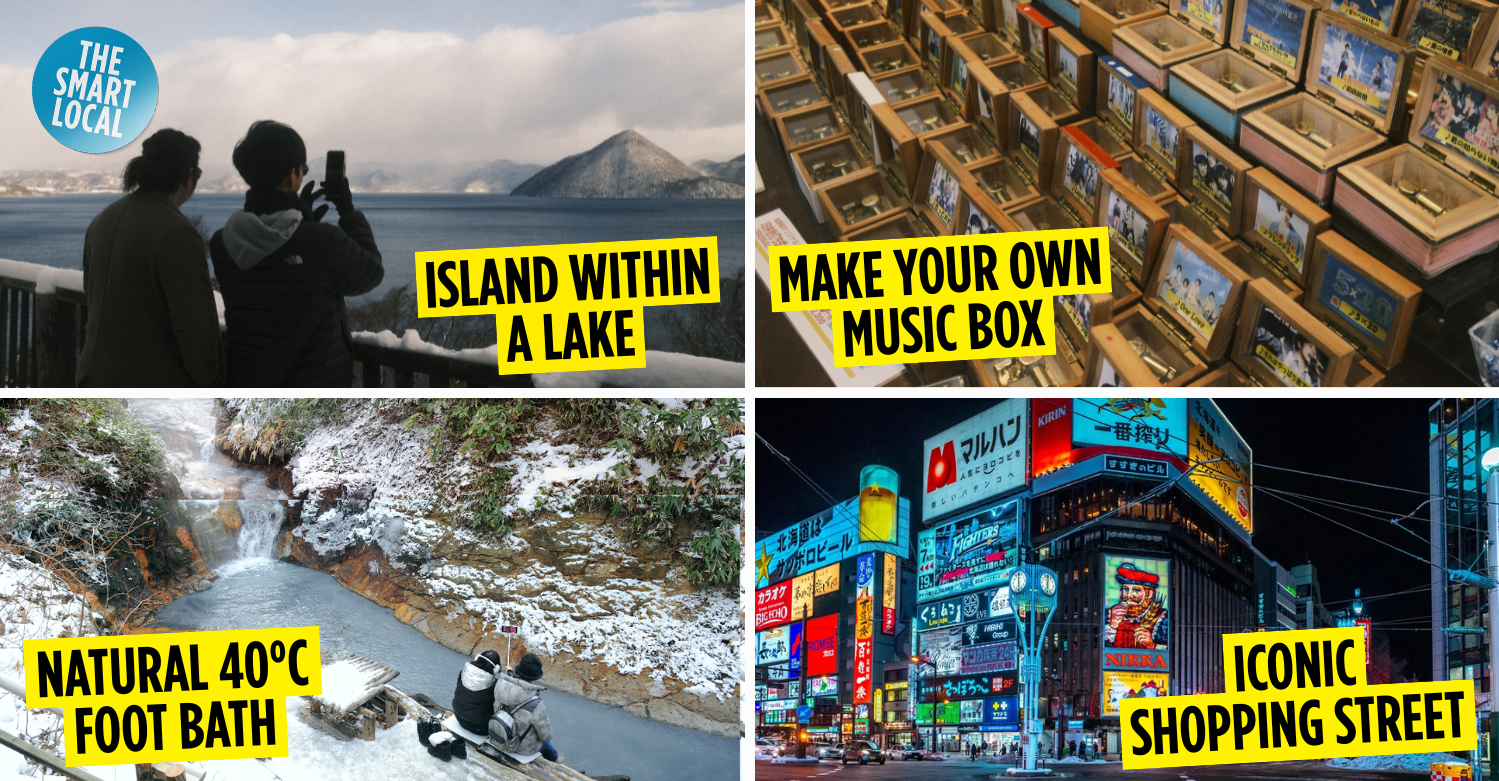

Winter Hokkaido road trip itinerary
When it comes to all-season getaways, Japan just can’t be beat; there’s a reason why families flock there en-masse once the holidays hit. A trip during the week-long March holidays unlocks vistas framed by falling sakura petals during cherry blossom season, while a mid-year vacay down south in the tropics of Okinawa is to die for.
As for winter, there’s no better place to spend days frolicking in the powder snow than Hokkaido. Known for its stunning volcanic peaks, inviting hot springs, and the freshest of seafood, the northernmost Japanese prefecture is especially enchanting once the first snowfall envelops all in a blanket of white.
I can attest to the land’s beauty, having just returned from a road trip of my own in Hokkaido. Should you be planning a wintry escape in the future, here’s my 9D8N Hokkaido itinerary, which saw me conquering frosted highways and scenic mountain passes for slightly over a week of snowy escapades.
Day 1: SG-Tokyo-Hokkaido
10PM
It took 4 months of planning, 2 winterwear shopping hauls, and 5 days of meticulously planned ALs, but the friends’ trip finally made it out of the group chat.
As with any holiday out of sunny Singapore, we started our journey at Changi Airport, by boarding an ANA flight bound for Tokyo at 10.20pm. We planned to spend some time exploring Hokkaido from the bottom up; we’re headed for Hakodate Airport, which meant we had to take a connecting flight from Haneda Airport.
6AM
After a light snooze amongst the clouds, we touched down in Tokyo at 6am, and although we nibbled on airplane refreshments, we were still famished. Our next flight into Hokkaido was about 4 hours away, and so we scoured the airport for sustenance.
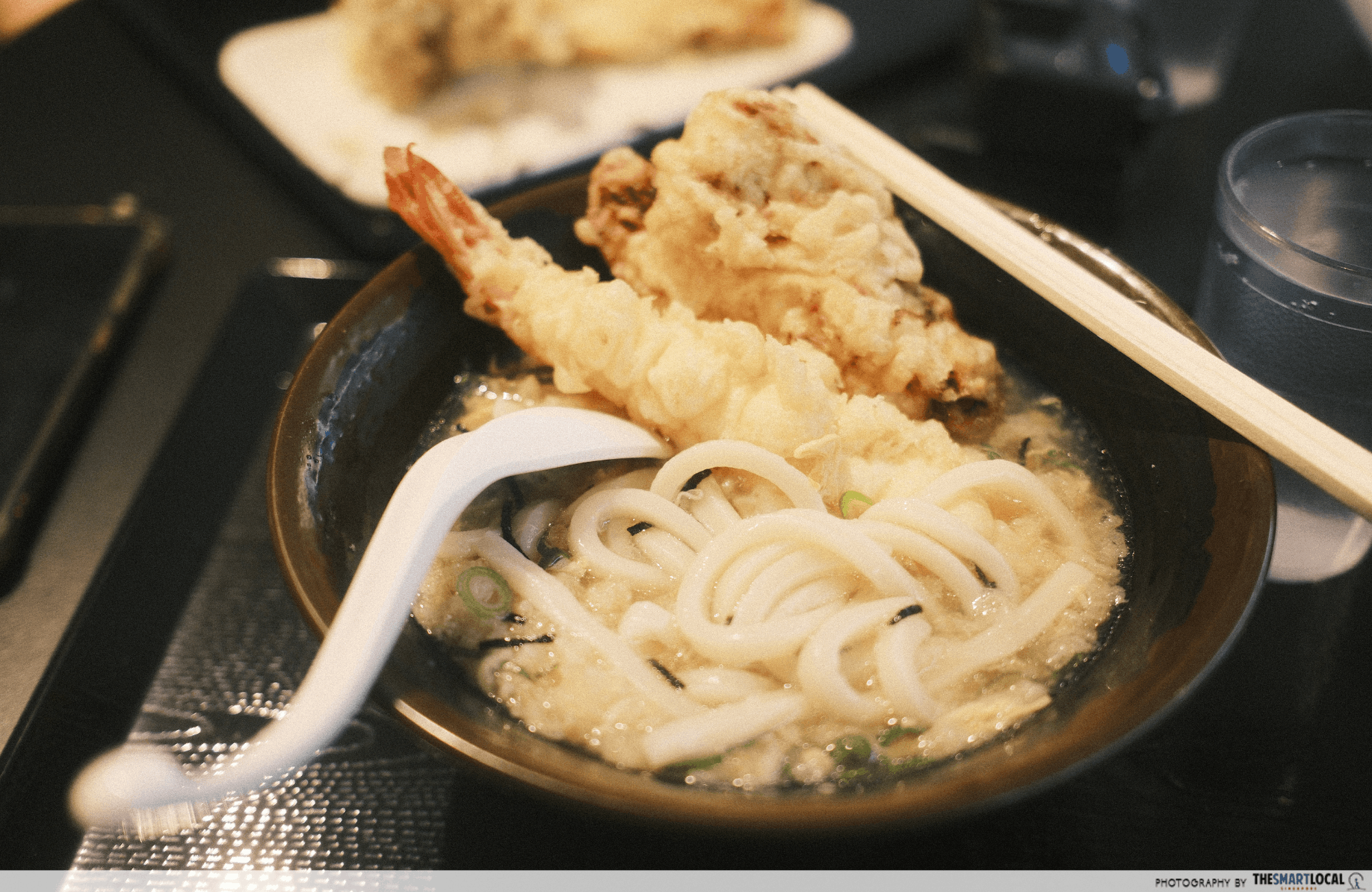
A handful of eateries opened at the break of dawn, and Marugame Seimen was one of them. It’s an udon chain where you can slurp up freshly-prepared noodles paired with various tempura dishes of your choice, and with prices starting as low as ¥290 (~S$2.39), our breakfast was decided.
 Sign Up with TSL Connect

11AM
The flight from Haneda to Hakodate Airport was short, lasting a little over an hour. After picking up our luggage, we had some time to spare before our appointment with Times Car Rental to collect our ride, so we stretched our legs by seeing what the airport had to offer.
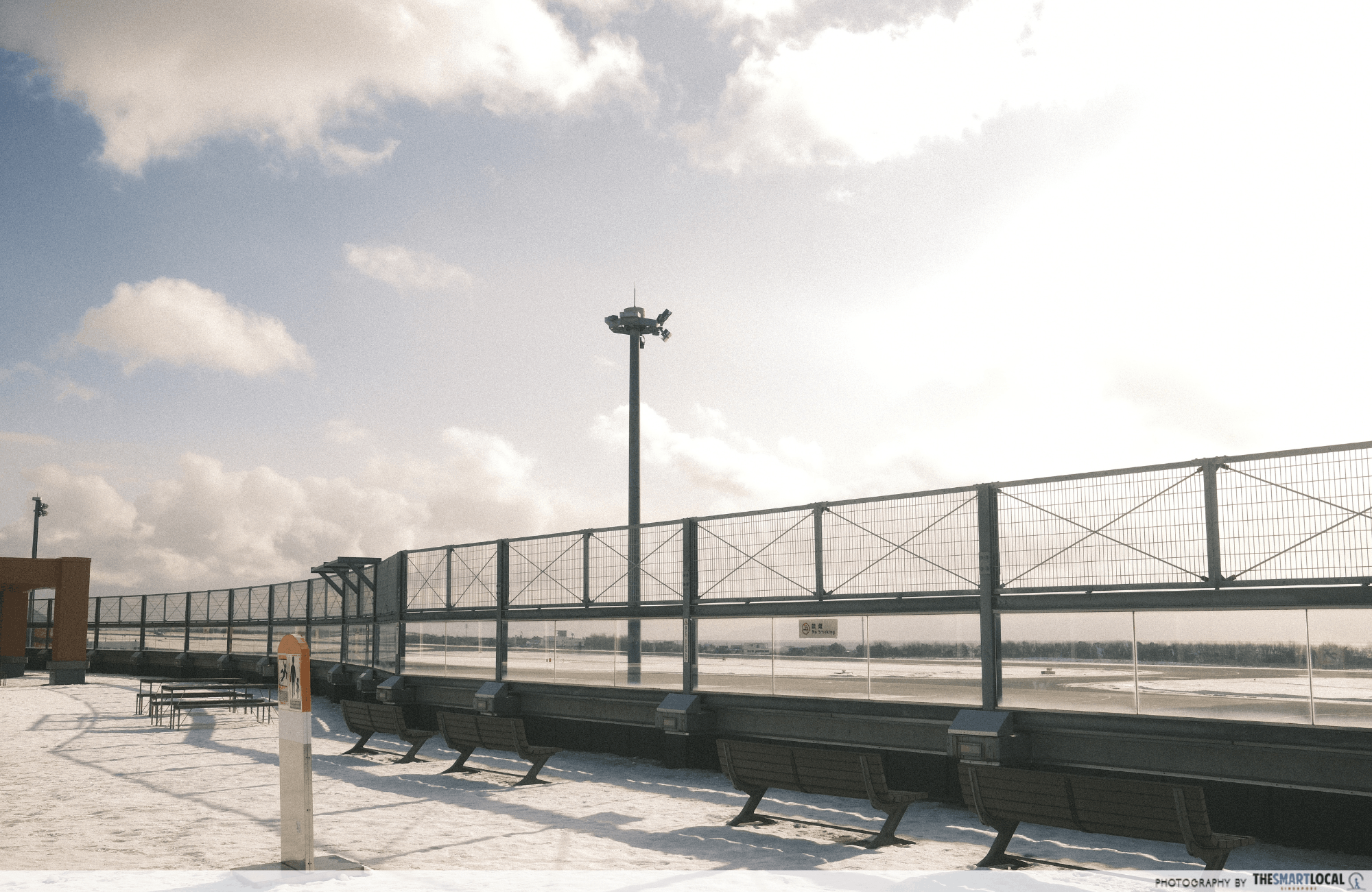
We swung by THE HAKODATE DEPART, a store which sold Hokkaido and Hakodate-exclusive omiyage AKA souvenir snacks, but we decided to purchase them towards the end of our trip so we didn’t have to lug around the huge tax-free shopping bags everywhere. On Level 3 lies an observation deck, complete with an outdoor section with benches for an unobstructed view of planes taking off in the snowfall.
2PM
Collecting our rental car was next on the agenda, and after a short phone call, a Times Rental Car staff drove over in a shuttle bus to ferry us to their store. After sorting out the paperwork and making payment, the staff gave us a rundown on how to operate the car, its features, and the traffic rules and regulations in Japan.
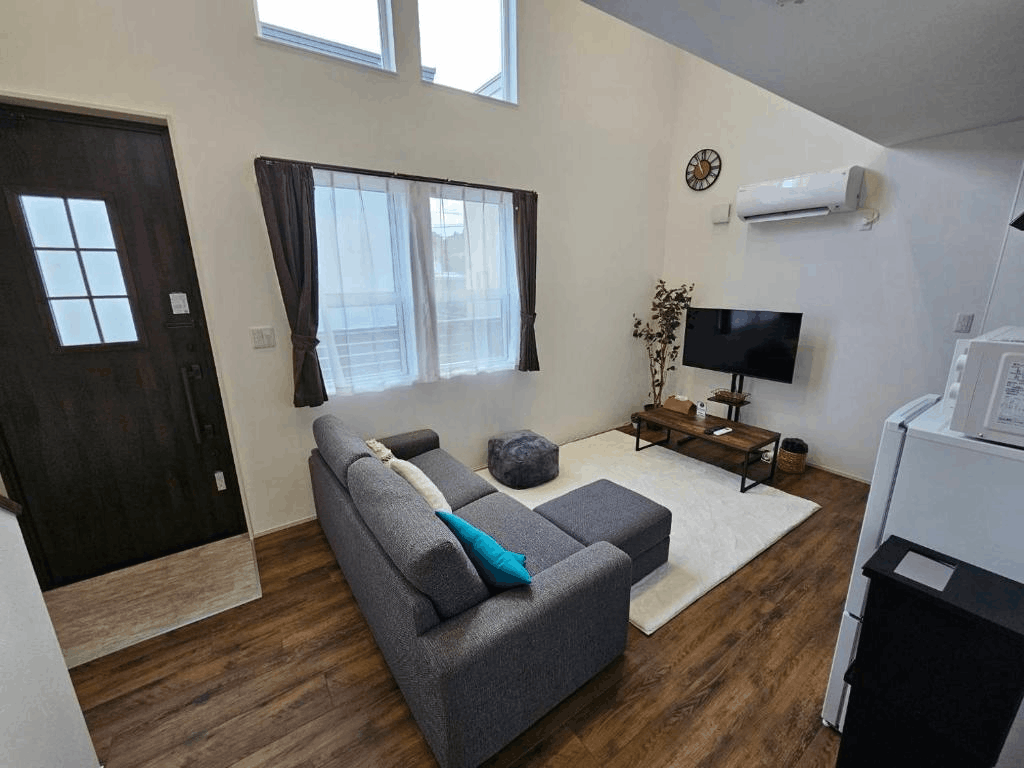
Image credit: Booking.com
Being the kiasu Singaporeans that we were, we took photos of any prior dings and defects that the staff pointed out on the vehicle, and just like that, we were good to go. First things first, checking into our accommodation for the night – an Airbnb called Onasyas B. It’s a simple, modern 1-bedroom stay located just an 8-minute drive from the airport, and with prices starting from S$119/night, we couldn’t really ask for more.
5PM
After settling down, we decided to head out to stock up on winter essentials. A 20-minute drive later, and we arrived at the Hakodate Showa Town Plaza, a group of shops which included the likes of UNIQLO, GU, and BOOKOFF. We also hit the Hokuren supermarket here to purchase snacks, drinks, and more importantly, heat packs.
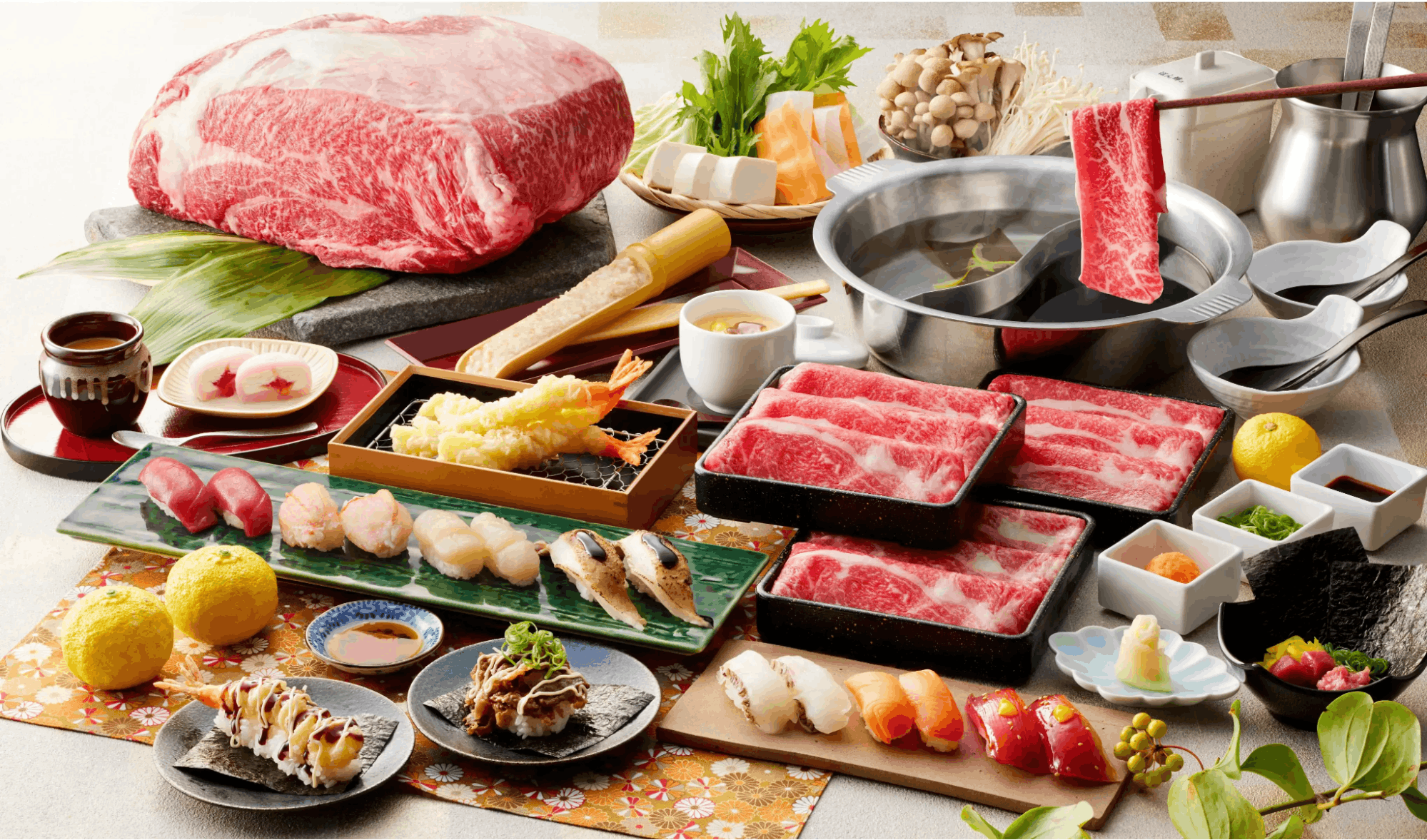 Image credit: Sushi and Shabu Shabu Yuzu An
For dinner, a hot, soupy meal appealed the most to us, and after a quick Google search, we settled on Yuzu An Hakodate. Their shabu shabu and sushi buffet costs ¥3,828/pax (~S$31.61), and we got to feast on free-flow wagyu beef strips cooked in 2 soup bases of our choosing, vegetables, and a huge range of seafood sushi. Orders are placed via a tablet, which conveniently has an English language toggle.
Day 2: Kanemori Red Brick warehouse & Mount Hakodate
8AM
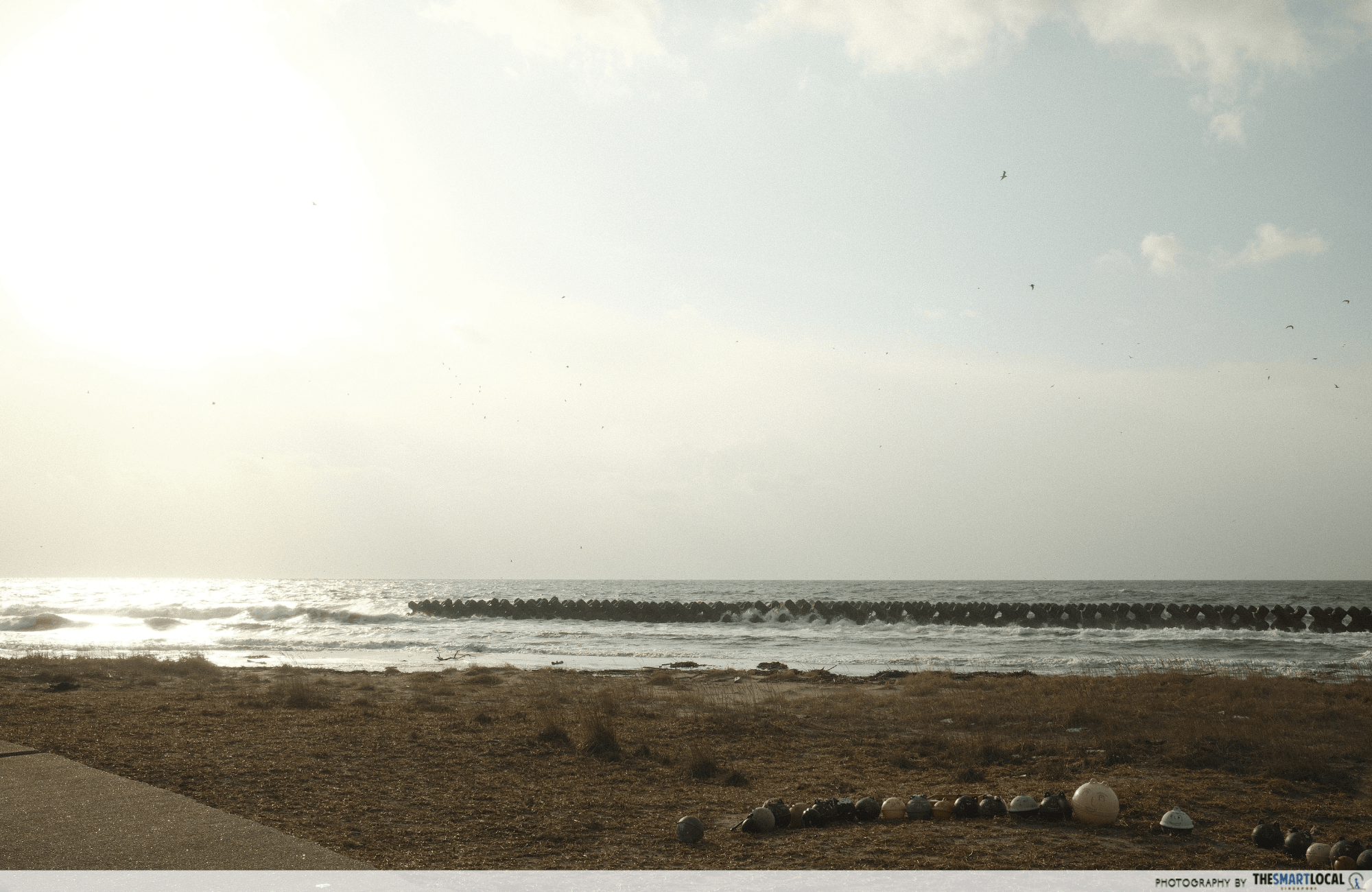
If you’re one to rise early for morning walks, you’ll be glad to know that the Hakodate coastline is just a 5-minute walk from our Airbnb. A stroll around the quiet neighbourhood was therapeutic, and although we would’ve stayed longer to soak in the sun, the gusting ocean breeze combined with the sub-zero temperatures said otherwise.
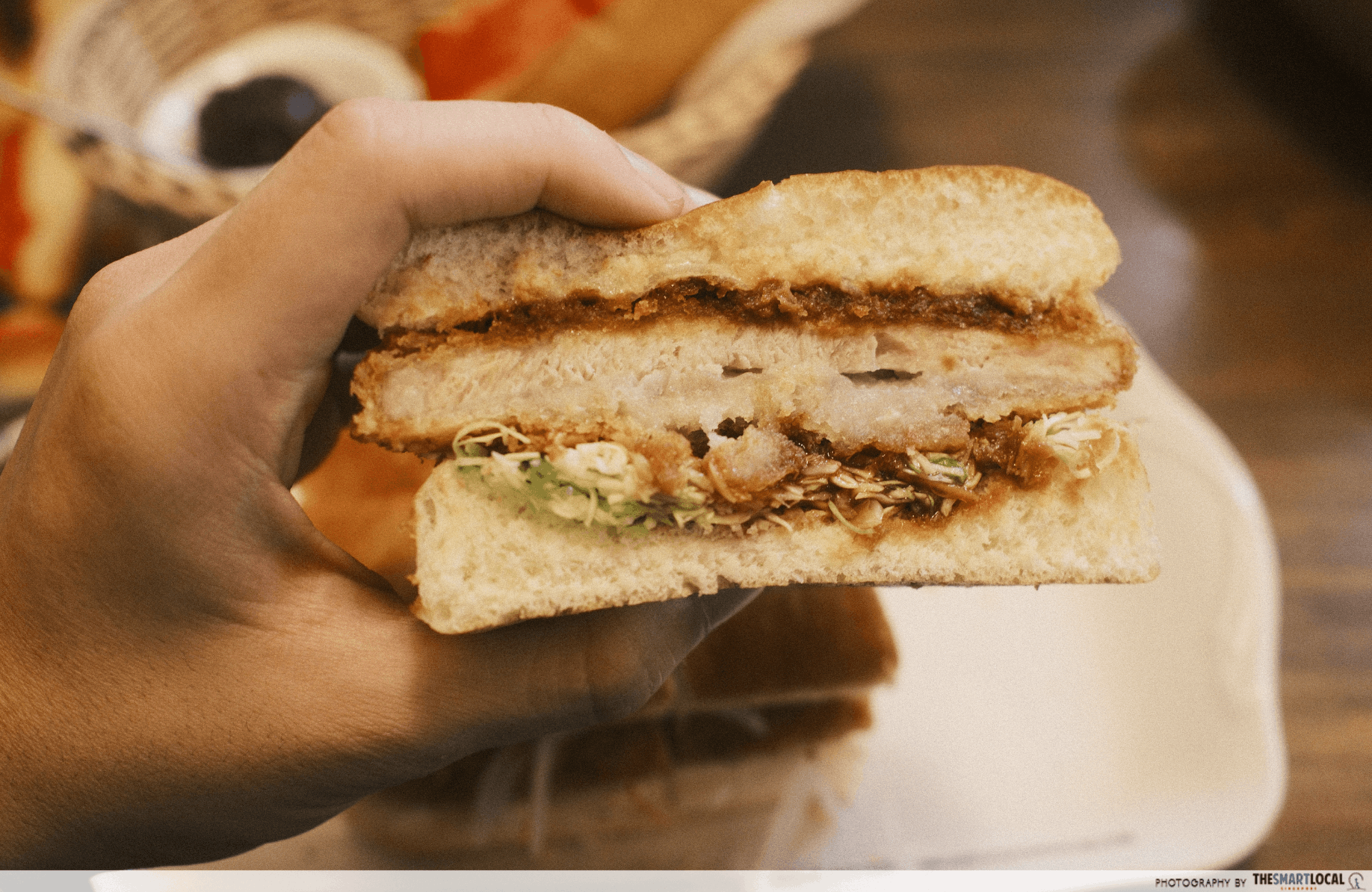
The morning munchies hit hard afterwards; we visited Komeda’s Coffee, a popular coffeehouse chain in Japan, and wolfed down a hearty pork cutlet sandwich (¥1,020, ~S$8.42) accompanied by iced coffee (¥660, ~S$5.45) and milk tea (¥580, ~S$4.79) for a pick-me-up. The drinks also came with buttered slices of bread of their own, so there was plenty to go around.
10AM
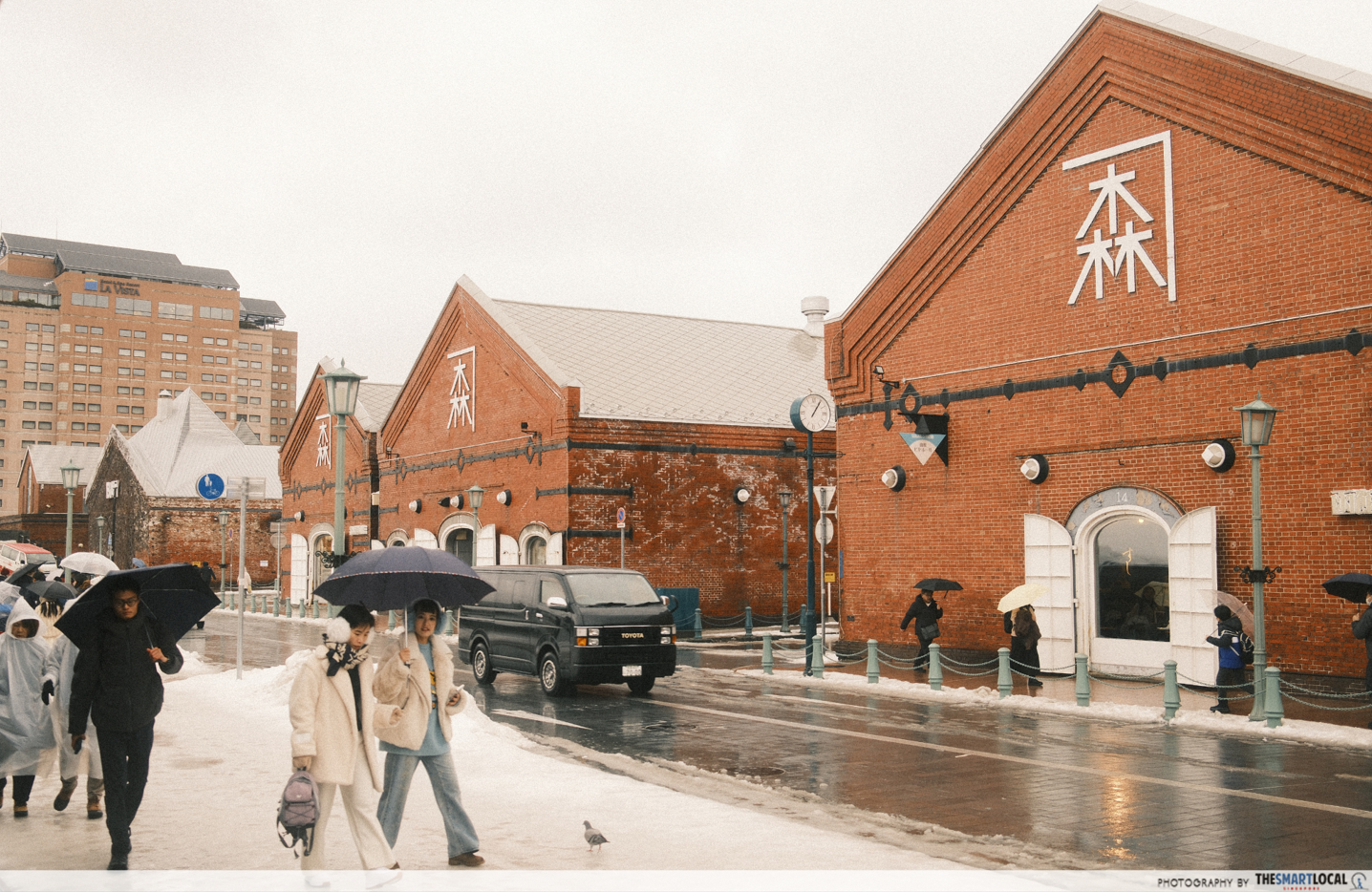
The Kanemori Red Brick Warehouse is a must-visit if you’re in Hakodate, and that was where we set our sights after breakfast. It’s not a singular building per se, but a cluster of commercial warehouses that first opened in 1887 to serve the port town of Hakodate. Today, it stands as a retail complex that houses many shops selling handmade goods such as delicate glass crafts, ceramic wares, and ocean-inspired jewellery just to name a few.
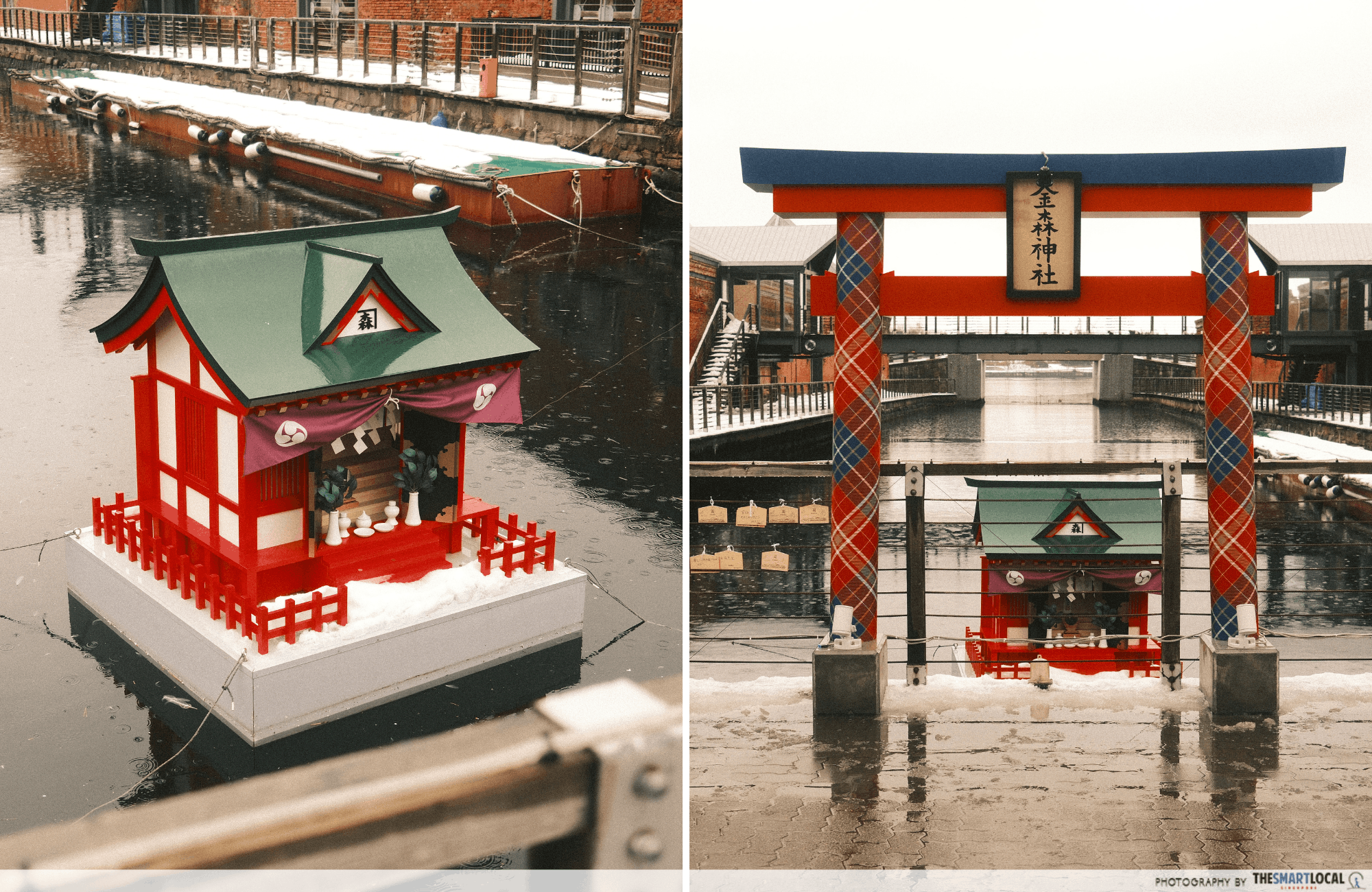
Nearby, a small shrine in the wharf bobbles above the gentle waves behind a torii gate, at which you can write prayers and wishes upon wooden plaques and secure them to a railing for ¥500 (~S4.13).
2PM
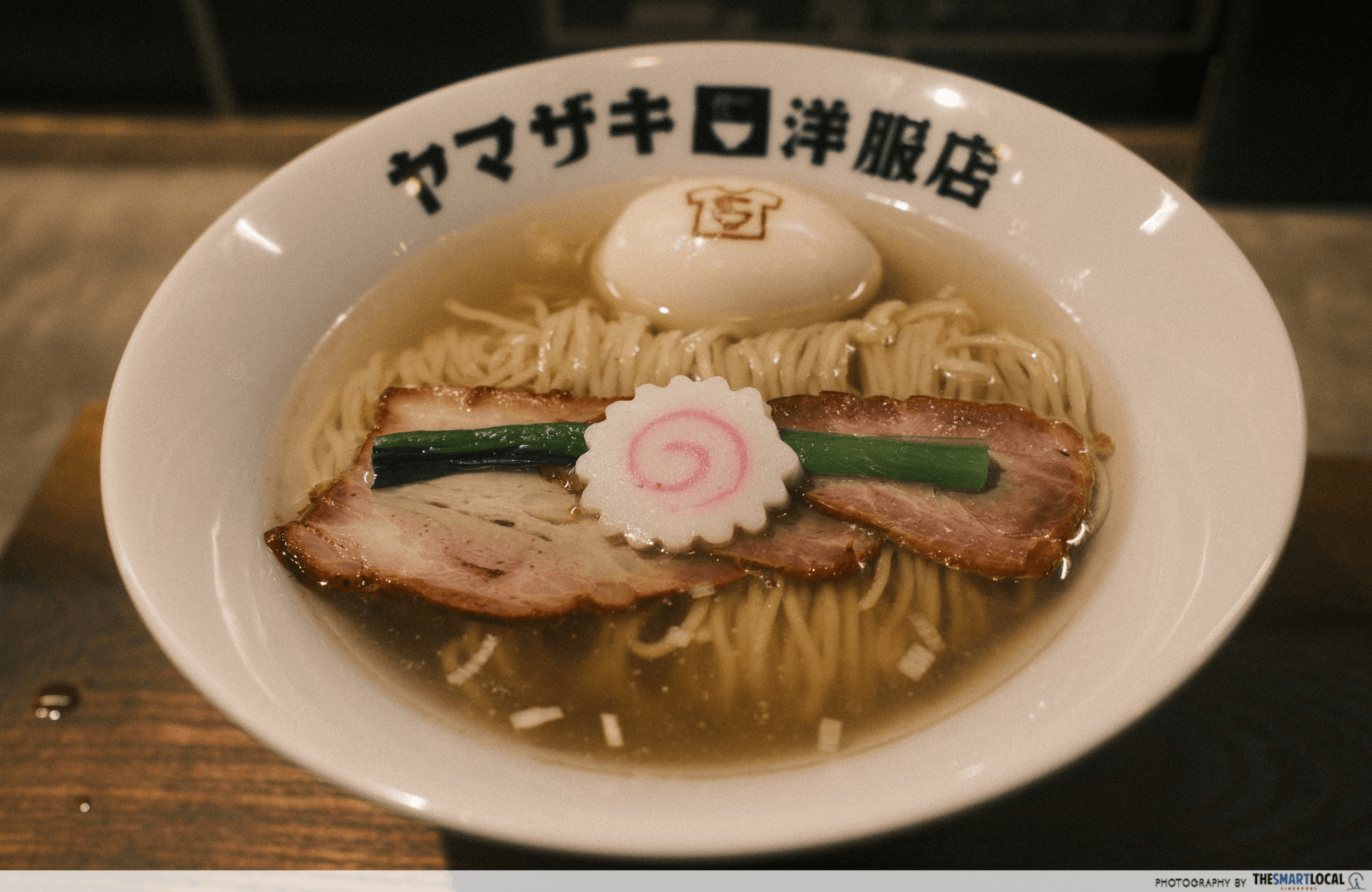
We ducked into a curious establishment called Yamazaki Clothing Store for lunch. Make no mistake; although you can’t shop for new threads here, they serve up yummy bowls of shio ramen from ¥1,200 (~S$9.91).
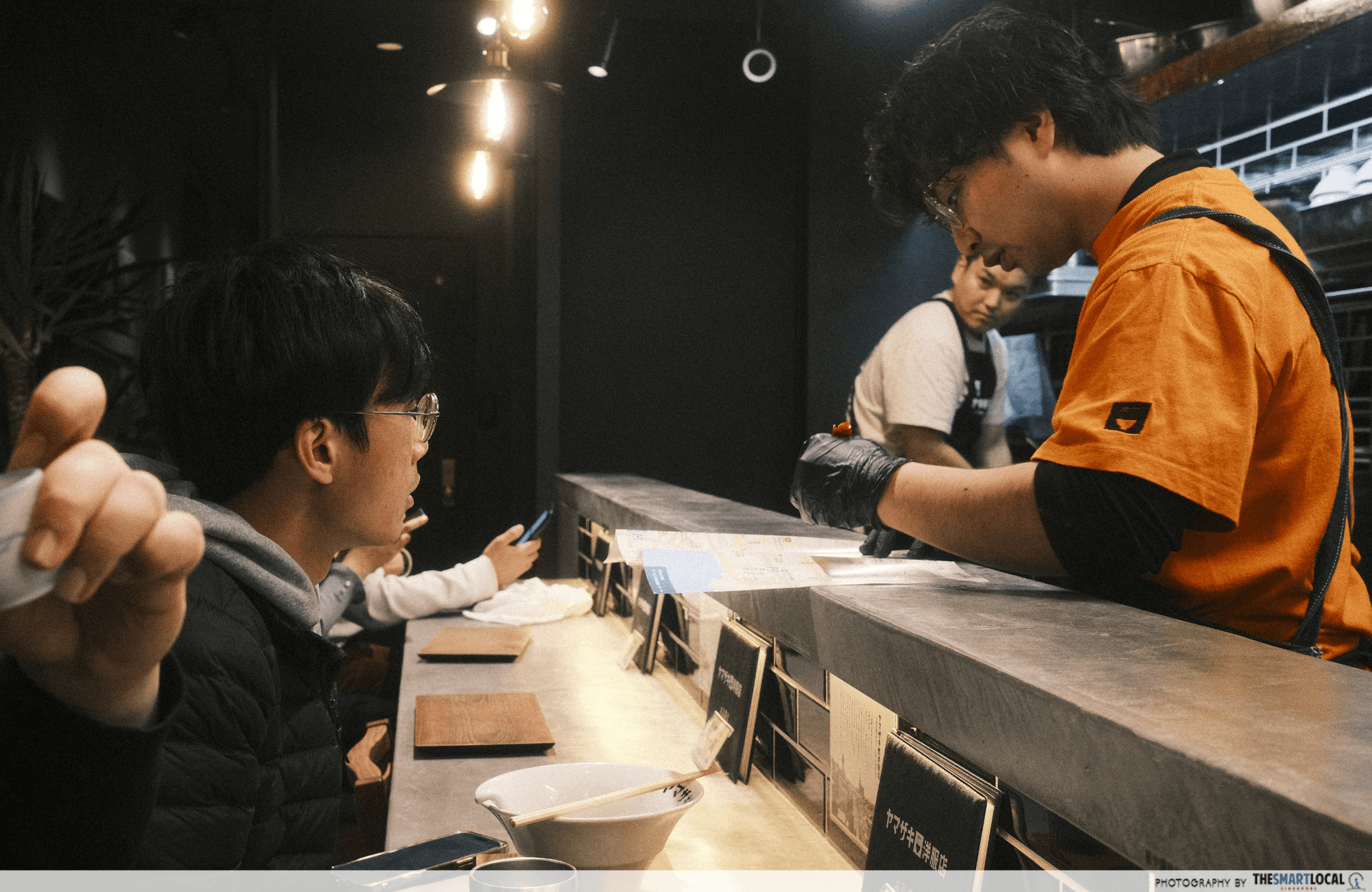 The staff went the extra mile to bust out a locality map and marked out places of interest for us to visit.
The wheat for the noodles, kelp used for the broth, and the roasted pork used for their dishes are all sourced directly from Hokkaido. We also appreciated the cosy ambience, as well as the friendly staff who weren’t afraid to chat up a storm to give recommendations on where to go next.
3PM
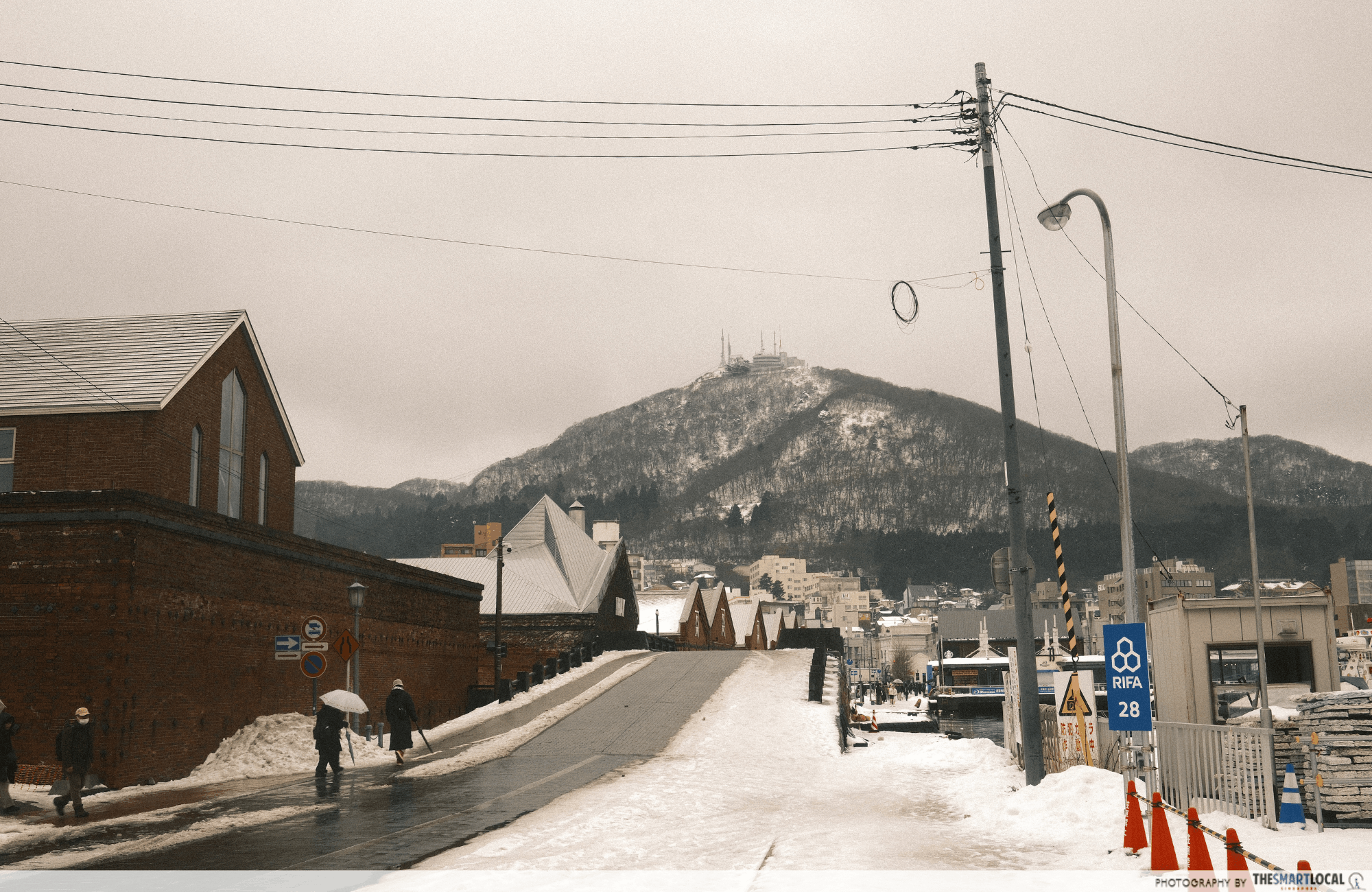 Mount Hakodate as observed from the streets below.
Unfortunately for us, the rain threw a wrench in our plans. We weren’t able to make the drive up to the Mount Hakodate Observatory due to road closures because of bad weather. Although we were able to catch a glimpse of its towering stature from street level, the view from above, overlooking the rest of Hakodate, would’ve been even more majestic.
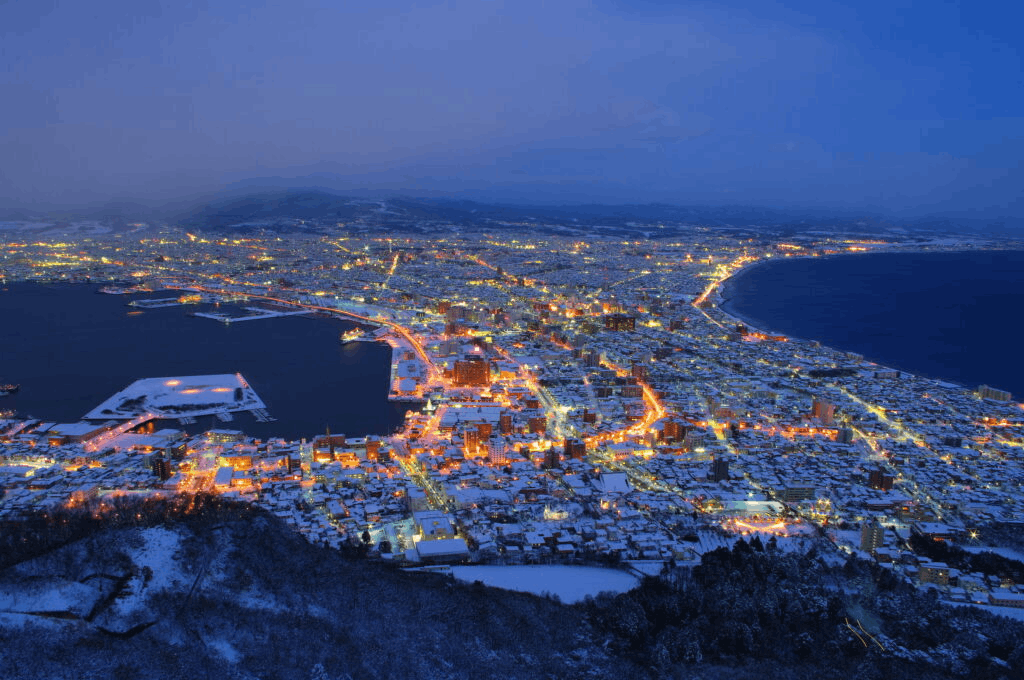
Image credit: Travel Hakodate
If you manage to ascend the mountain, it’s recommended that you reach the observatory around 4.15pm to catch the setting sun. For a more dynamic scene, you can also hitch a ride on the Mt. Hakodate Ropeway (¥1,800, ~S$14.84/adult). It’s a 3-minute cable car ride to and from the observatory; time it right, and you’ll be able to catch the city lights flick on when dusk falls.
Day 3: Lake Toya
10AM
We began our journey northwards; the massive Lake Toya was next up on our itinerary, and reaching it entailed a 2.5-hour drive, mostly done using one of the island’s many highways. The route we embarked on also brought us along the shores of Uchiura Bay, but the views during the drive on the winding mountainside roads were what proved to be the most awe-striking.
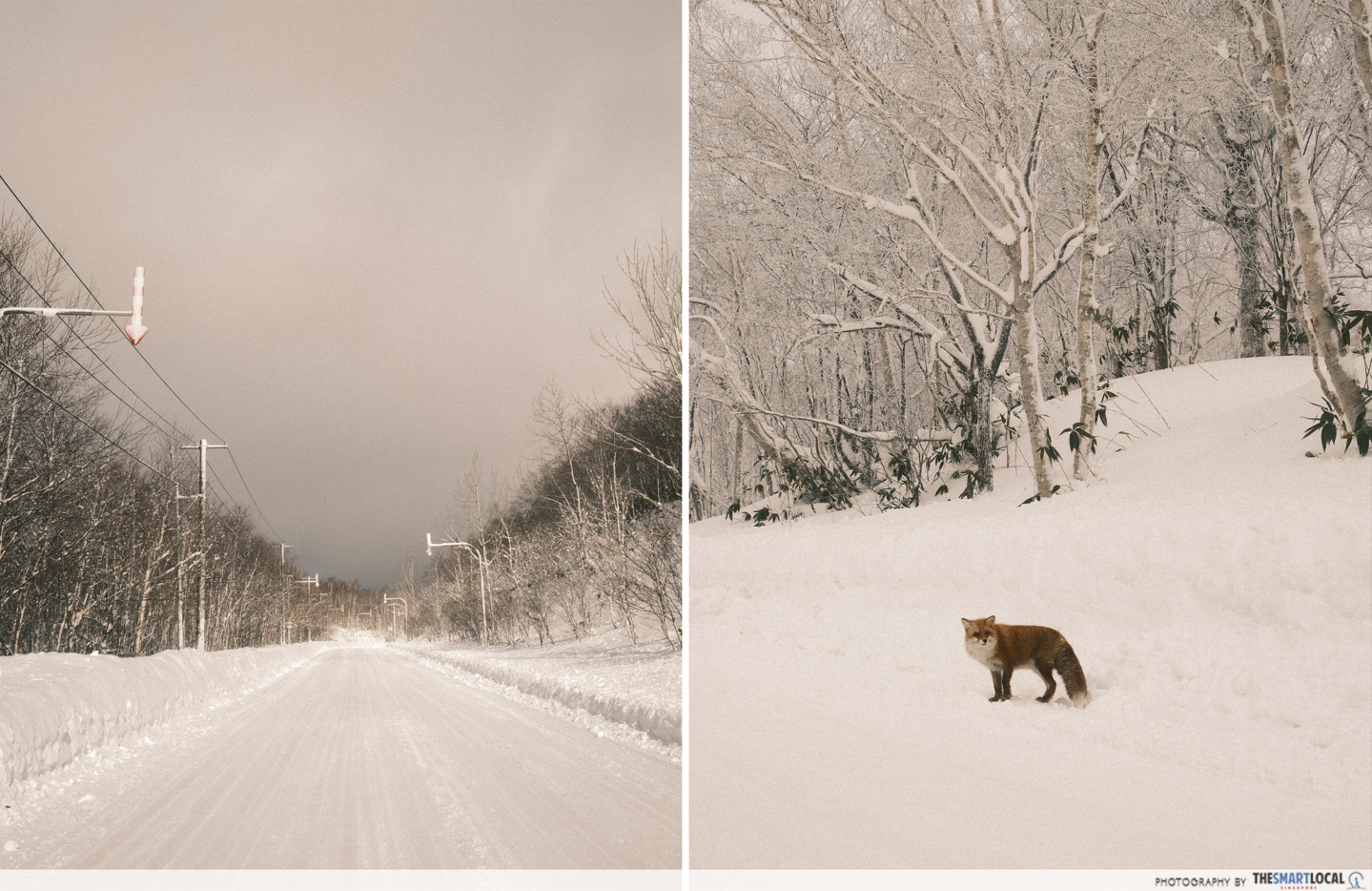
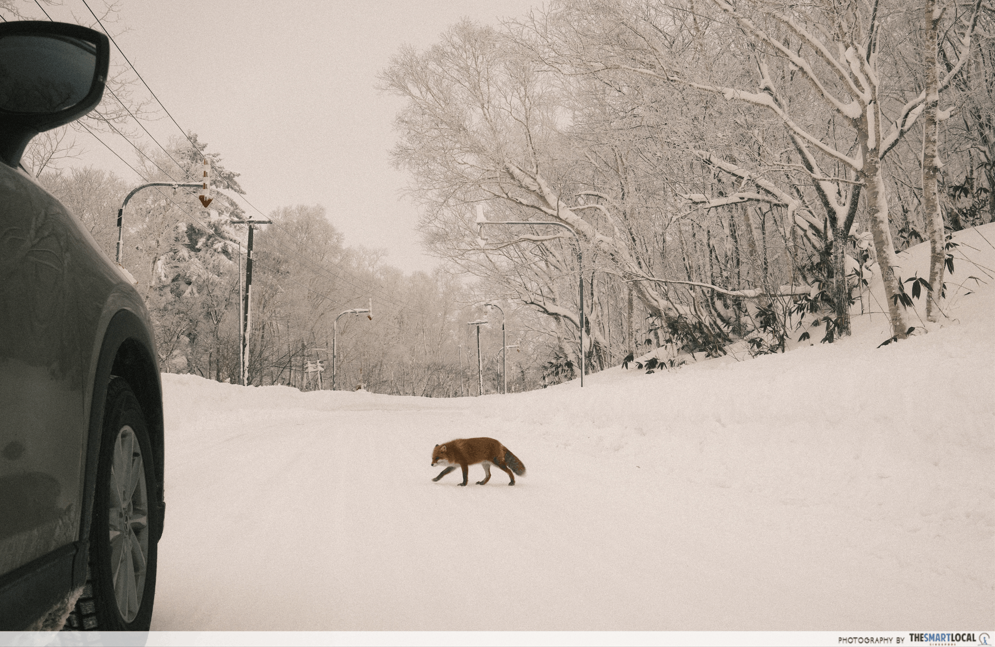
Picture this: a spotlessly white expanse of snow stretching as far as the eye can see, with roads flanked by dormant trees whose brittle branches swayed in the howling wind. Not all was lifeless though; the forests still stirred with wildlife that we had to actively keep an eye out for. We spotted the occasional family of deer prancing off to the side, and had to halt in our tracks for a curious fox intrigued by the rumble of our car’s engine.
1PM
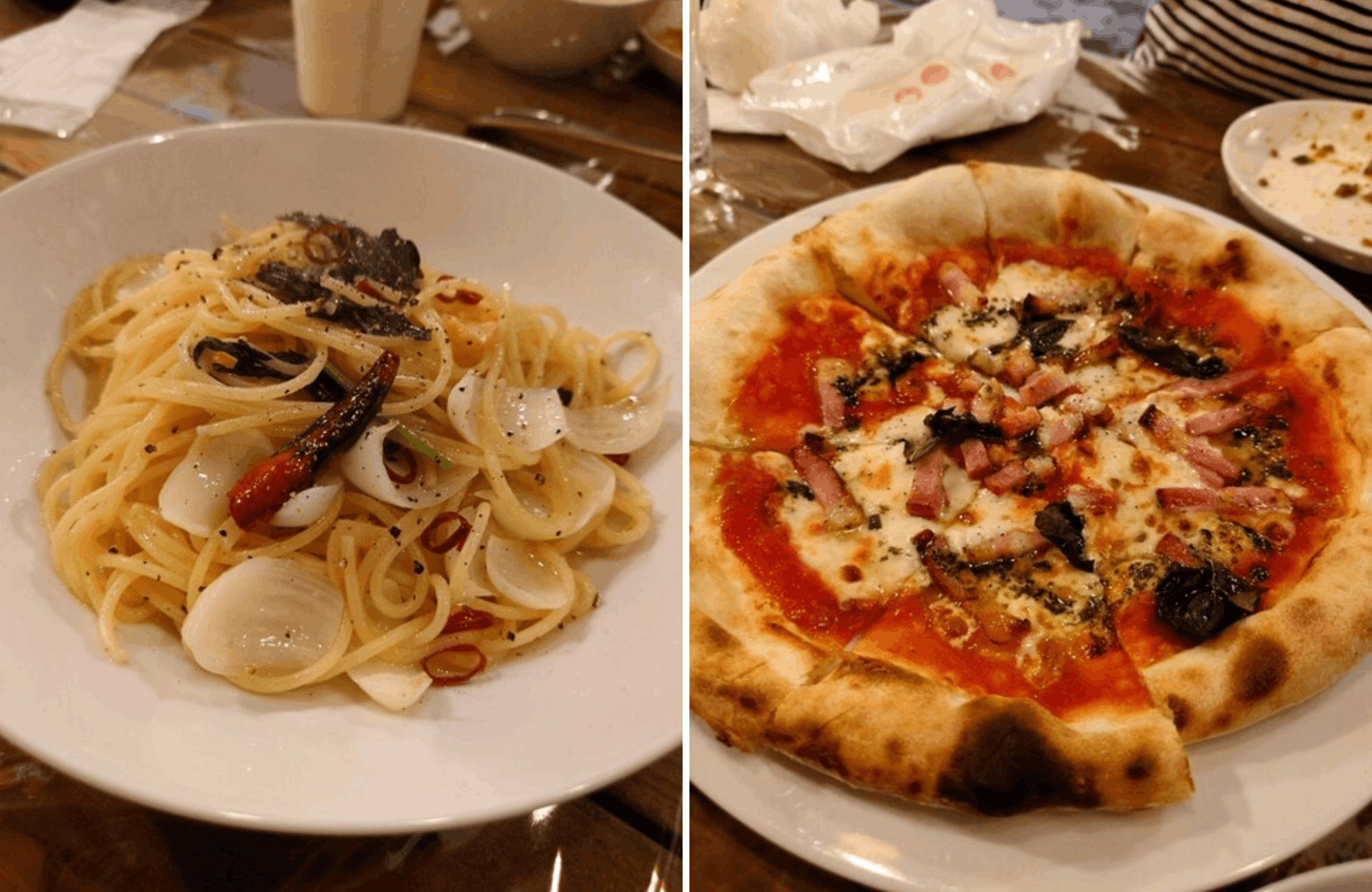 Their freshly-made pizzas were notably small, so order extras to share.
Image adapted from: Tabelog
After the lengthy drive, we arrived at Lake Toya at around noon, but we couldn’t drop off our luggage at our log cabin accommodation just yet as they only accepted check-ins after 3pm. To kill some time, we grabbed lunch at a humble Italian restaurant called Lagorto, and had our fill of pastas (from ¥1,150, ~S$9.48) and pizzas (from ¥1,050, ~S$8.66) made from Hokkaido-grown produce.
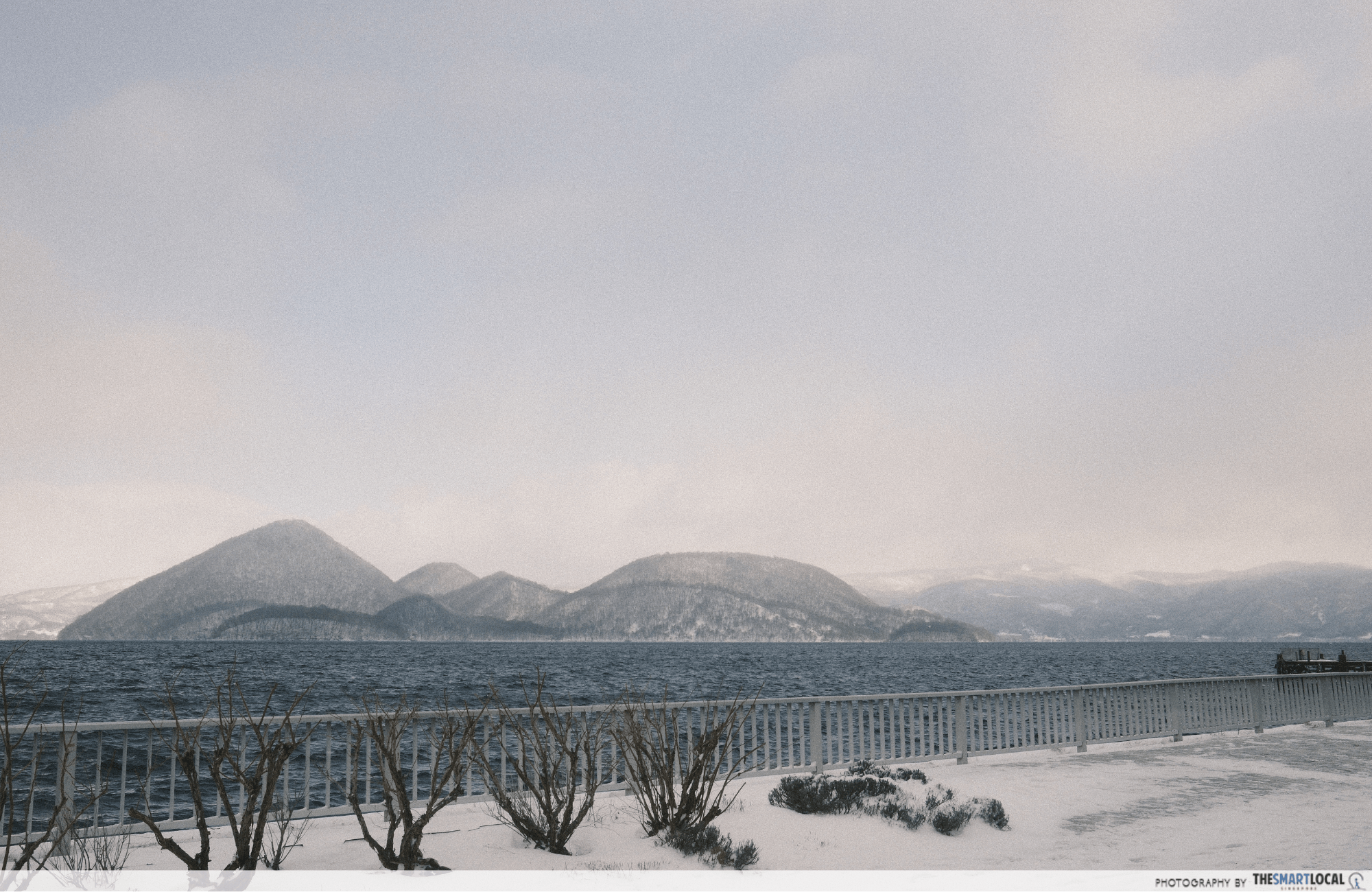
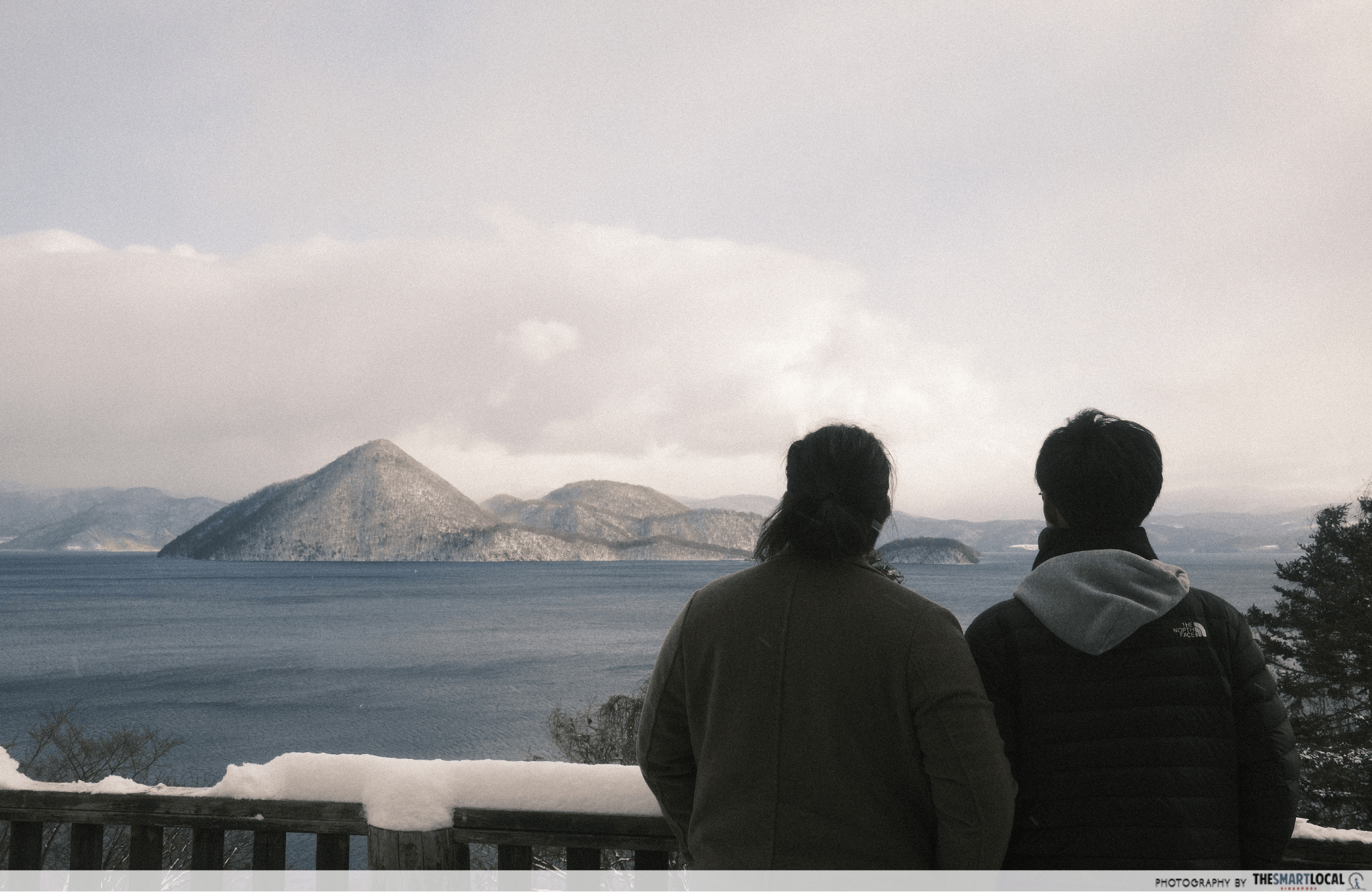
The post-lunch food coma hits like a truck, so a stroll by Lake Toya was in order. Born from a huge eruption 110,000 years ago, it’s a volcanic caldera lake that stretches over 10km at its widest. For comparison, Jurong Lake is the largest of its kind in Singapore, and it only has a surface area of 0.7km², compared to Lake Toya’s 70.7km².
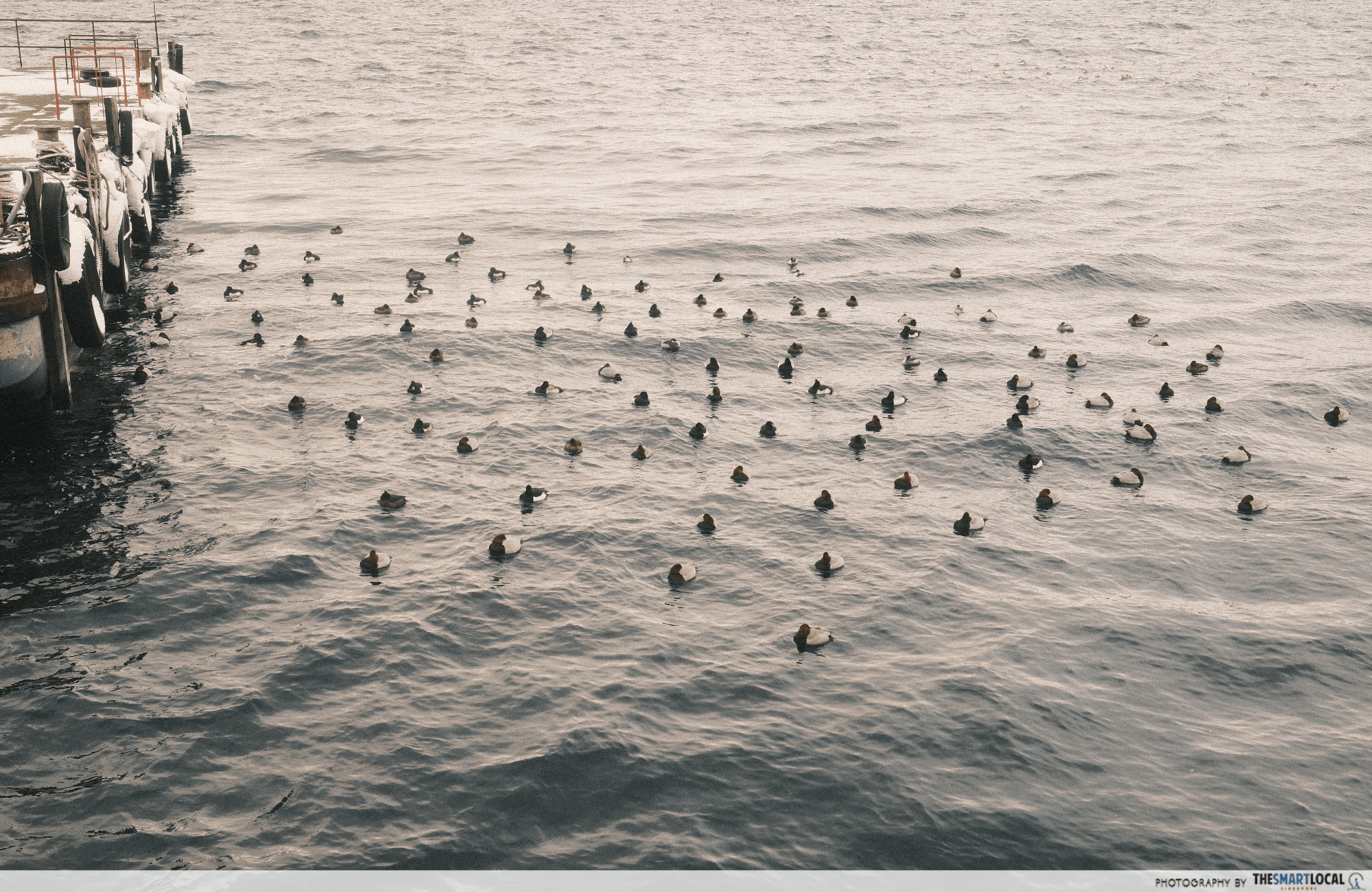
Unfortunately, Nakajima Island, the island that sits in the middle of the lake, is not open for tourists to visit during the winter. Likewise, other activities such as exploring the lake using swan-shaped paddle boats are not allowed during the harsh weather, but we did get to see an adorable paddling of ducks idling above the water.
3.30PM
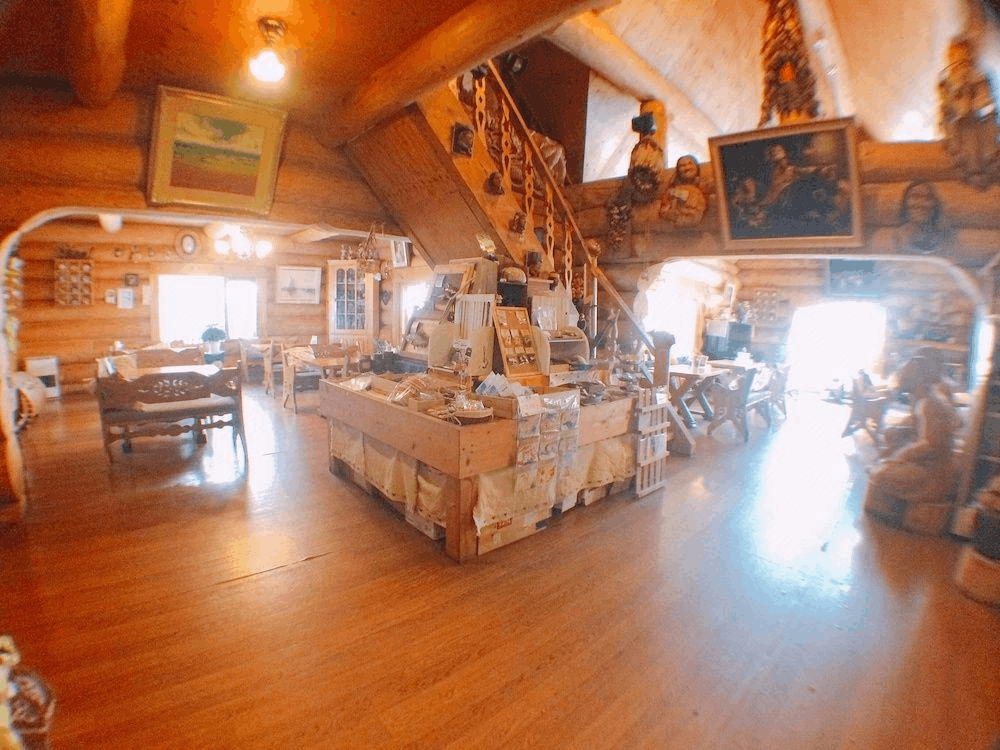
The check-in and dining area.
Image credit: Kitutuki Canadian Club
We checked into the Kitutuki Canadian Club (¥52,800, ~S$435.34/night) shortly after our jaunt at Lake Toya. It’s a log cabin-styled stay that sports a Canadian indigenous theme. This was by far the most costly accommodation for our trip, but we thought it was alright to shell out a little extra for a postcard-worthy panorama of Lake Toya.
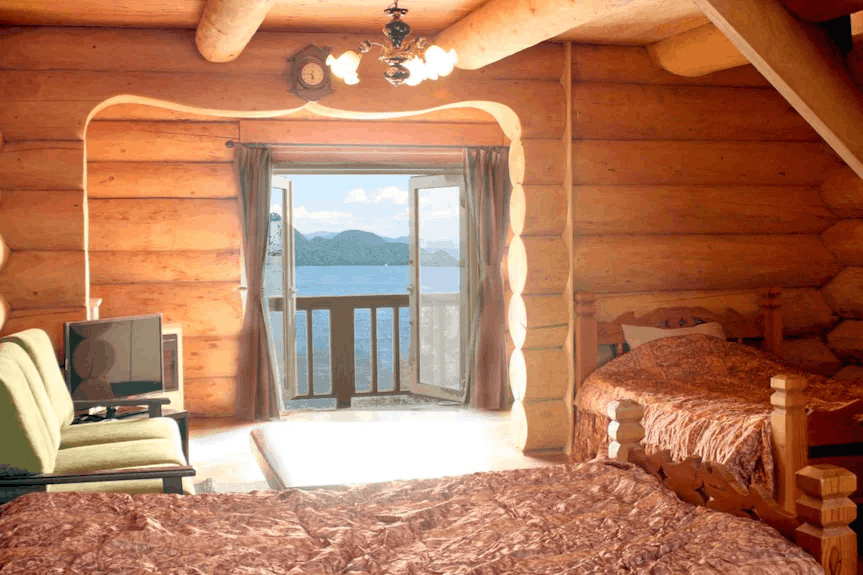
Image credit: Expedia
By the time we checked in, Lake Toya and its island were almost completely covered by fog and the dark of night, so the views had to wait. Our cosy log cabin was well-equipped to catch the sunrise though; it had a balcony overlooking the lake, and even a bathtub with a window that peers over the trees for a picturesque morning soak.
Day 4: Noboribetsu & Jigokudani Hell Valley
6.30AM
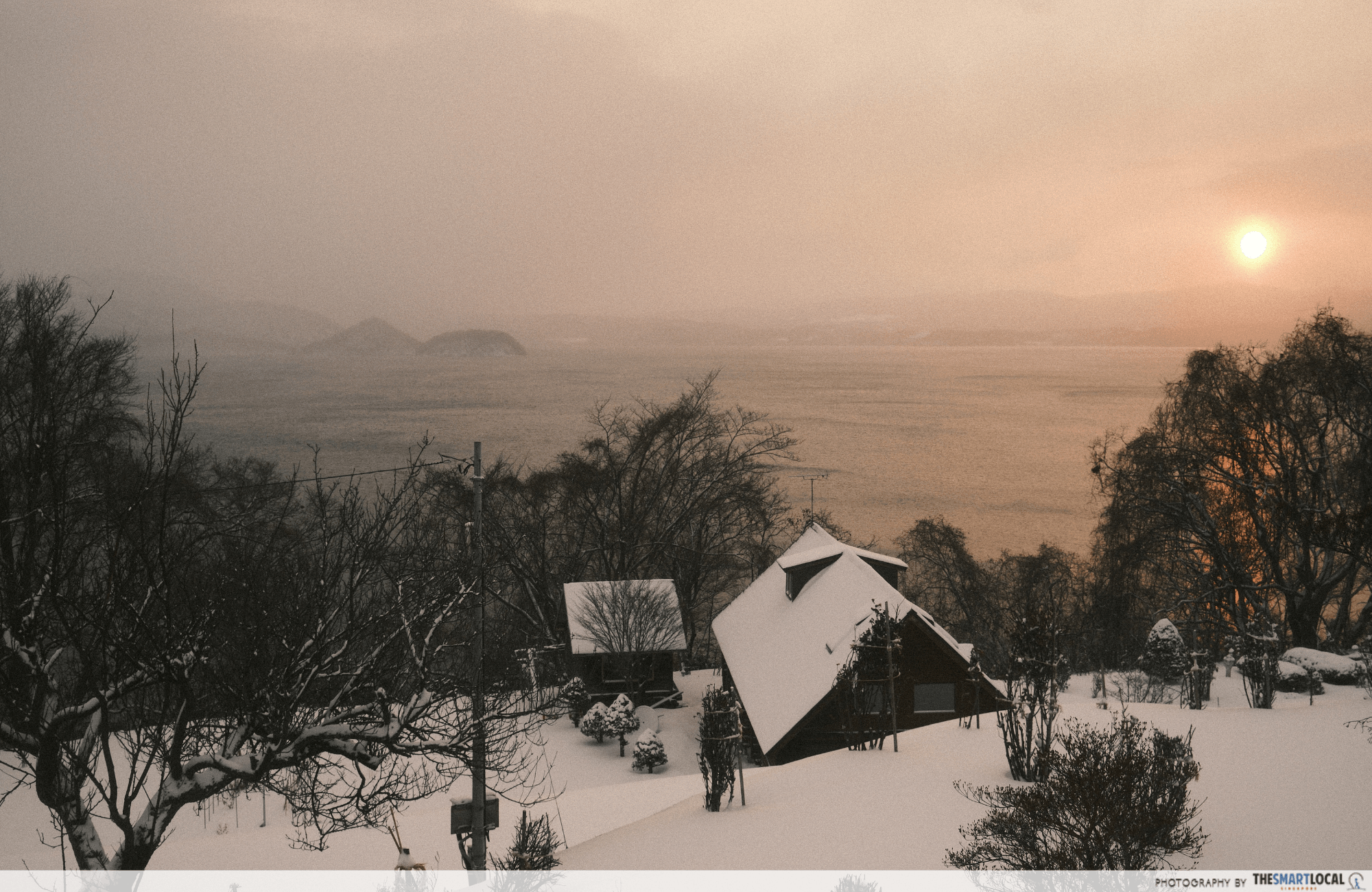
We paid good money to wake up to the birds chirping across Lake Toya, so you bet we set our alarms and woke up early. Although visibility wasn’t superb, the sunrise was still a spectacle, as golden streaks penetrated the foggy veil, shimmering and reflecting brilliantly off the deep blue lake surface.
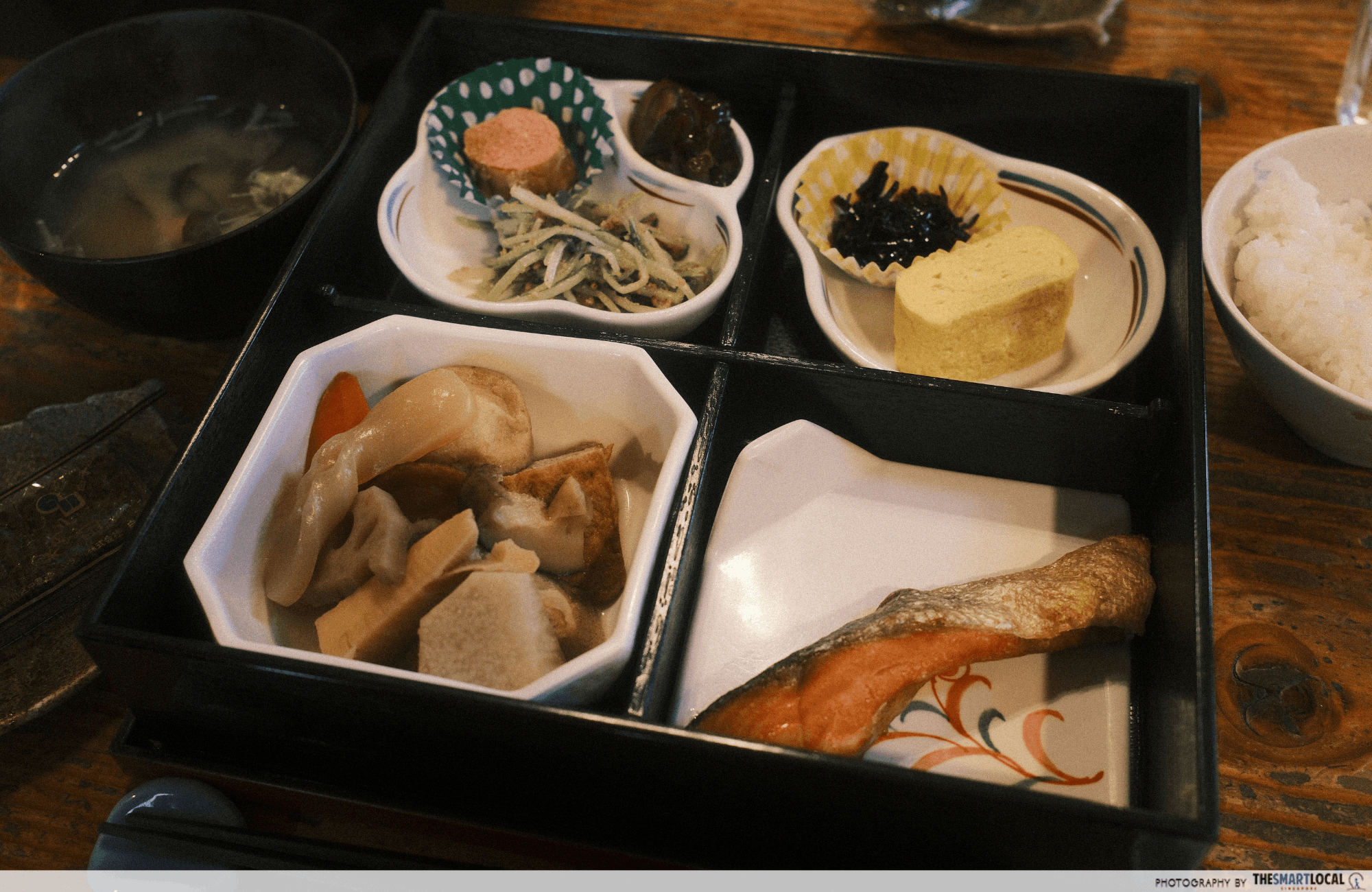
Our stay also came with a serving of traditional Japanese breakfast, which consisted of rice, seasonal vegetables, grilled salmon, tamagoyaki, miso soup, and a plate of fruits.
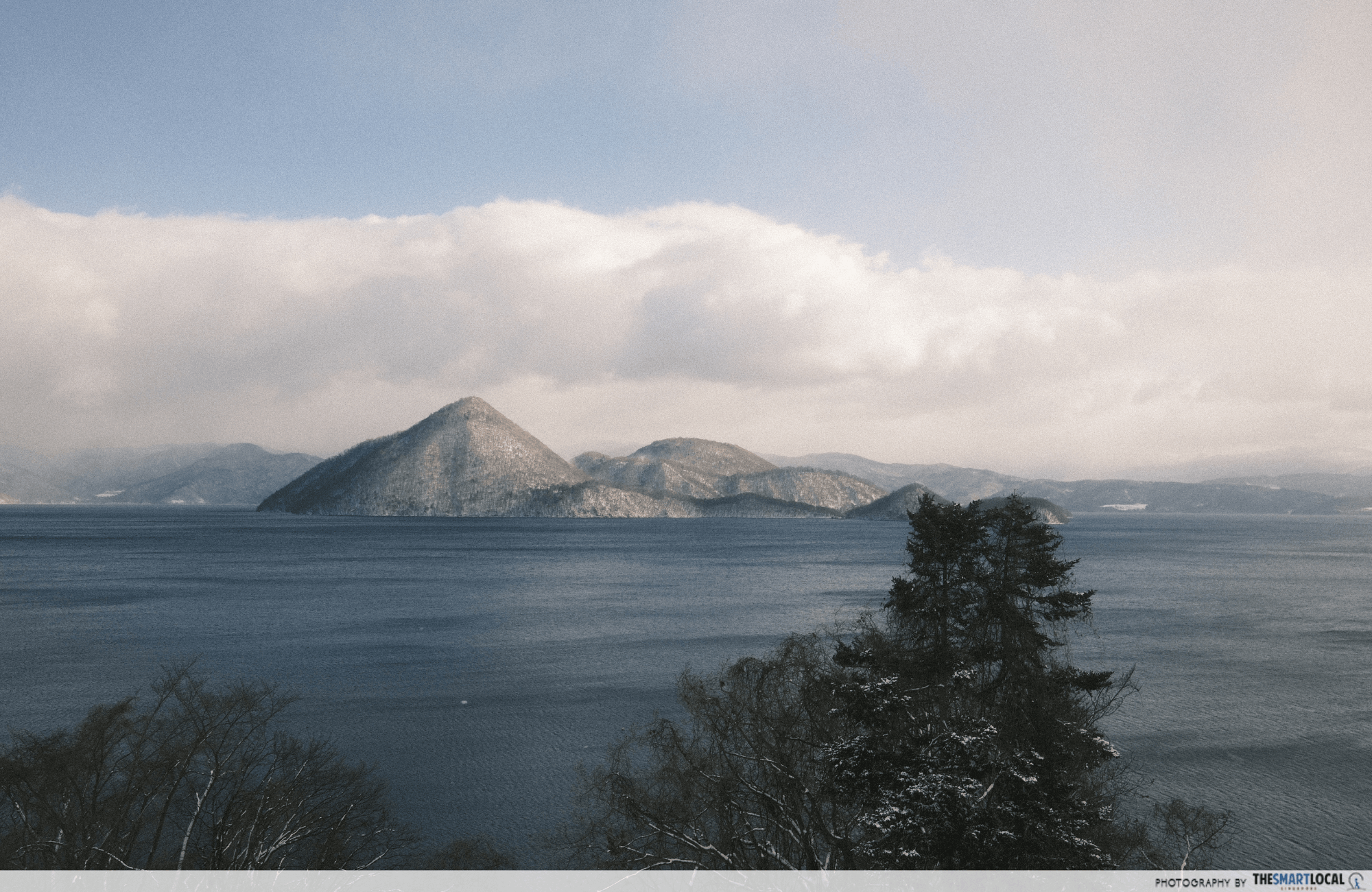
There’s also a balcony in the dining area, with arguably a better view of Lake Toya. Once we chowed down on breakfast, we stepped out to capture one last moment with the lake and all its grandeur.
9AM
We then set off for the Jigokudani Hell Valley in Noboribetsu which was roughly an hour’s drive away from Lake Toya. There are a couple of “hell valleys” throughout Japan, and although Noboribetsu’s don’t play host to the onsen-soaking snow monkeys found in Nagano, it was still a sight to behold.
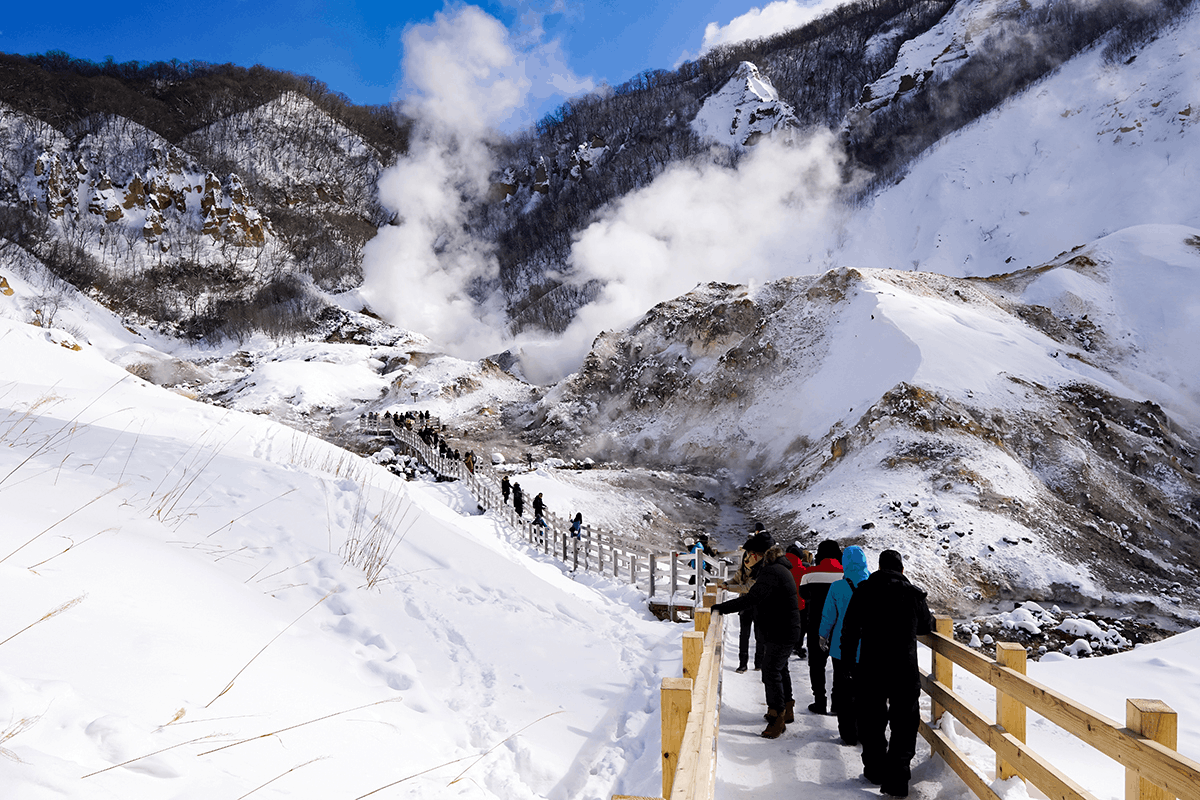
Image credit: Hokkaido Travel
Right from the get-go, you’ll catch a whiff of sulfur emanating from the ground. The eggy odour might be overbearing at first, but give it a while and you’ll acclimatise in no time. There’ll be a wooden boardwalk to follow which will bring you right to the heart of the valley, with plumes of steam wafting amongst the undulating terrain and sulphur-infused rivers that run yellow.
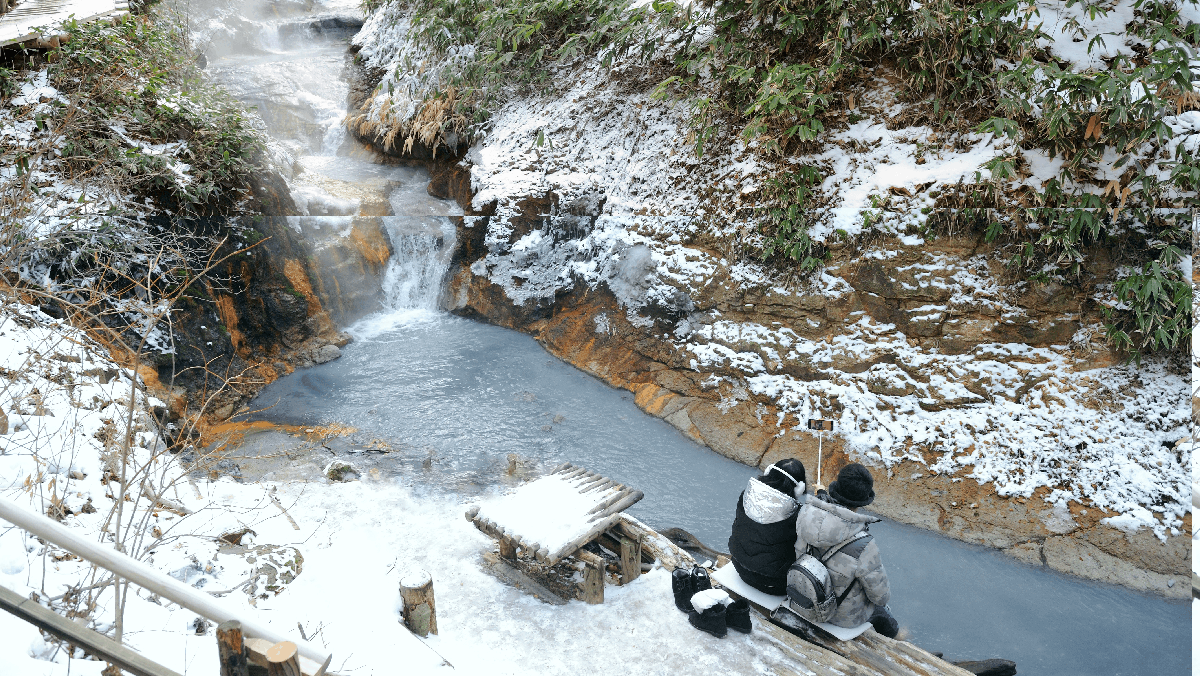
Image credit: Noboribetsu International Tourism and Convention Association
There were certain paths that were closed due to the wintry conditions, so our short visit took around 60 minutes on foot. Undoubtedly, you can’t leave without a stop at the various hot springs. You’ll pass by the Oyunuma River as you traverse the valley, and it serves as a popular foot bath where you can rest your weary soles or wade about in 40°C waters.
If you prefer a full-body soak, look no further than the Noboribetsu Onsen, arguably one of Hokkaido’s most famous hot spring resorts. We gave them a miss though, as we were content with the foot bath, but many have sung praises about the hot springs here.
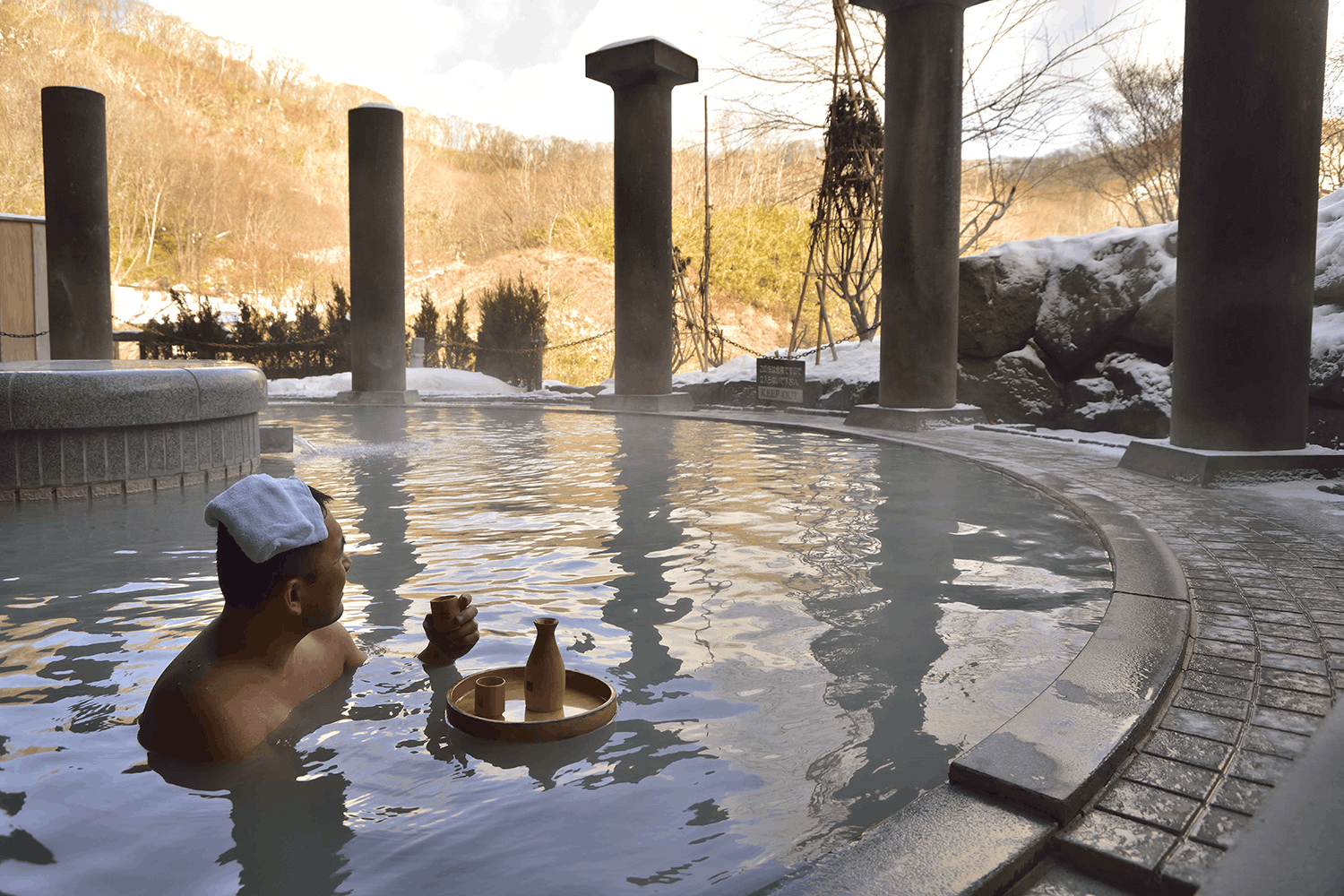 Image credit: Takimotokan
There are quite a number of types of onsens here, each supplying spring water infused with various minerals such as sulphur, salt, and iron that are said to treat certain ailments and rejuvenate the skin. Most of the establishments also have an outdoor bath, where you can enjoy the tranquil scenery as you kick back in the pleasantly warm waters.
12PM
Finally, it was time for us to make our way to Hokkaido’s capital, Sapporo. After a 1 hour 40 minute drive, we arrived at our lodging for the next few days, Premier Hotel -CABIN- Sapporo.
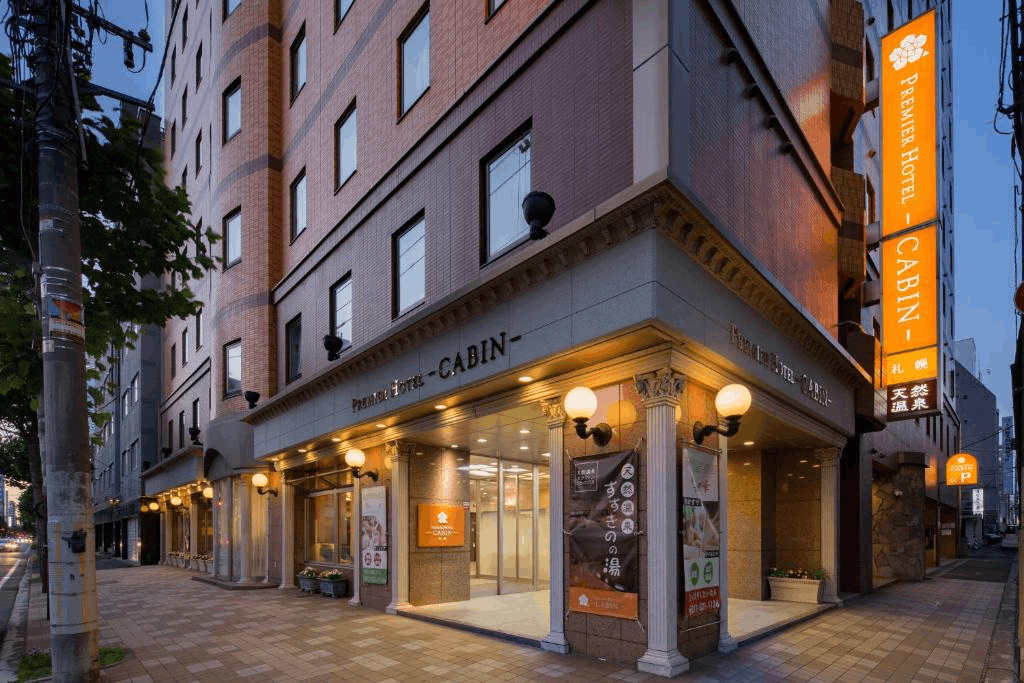
Image credit: Booking.com
Prices here start at S$114/night, which is quite the steal considering how close it is to the city centre; you even get access to the hotel’s onsen, in case you didn’t take a dip at Noboribetsu. Parking’s also free here, in the form of a nifty mechanical carpark.
5PM
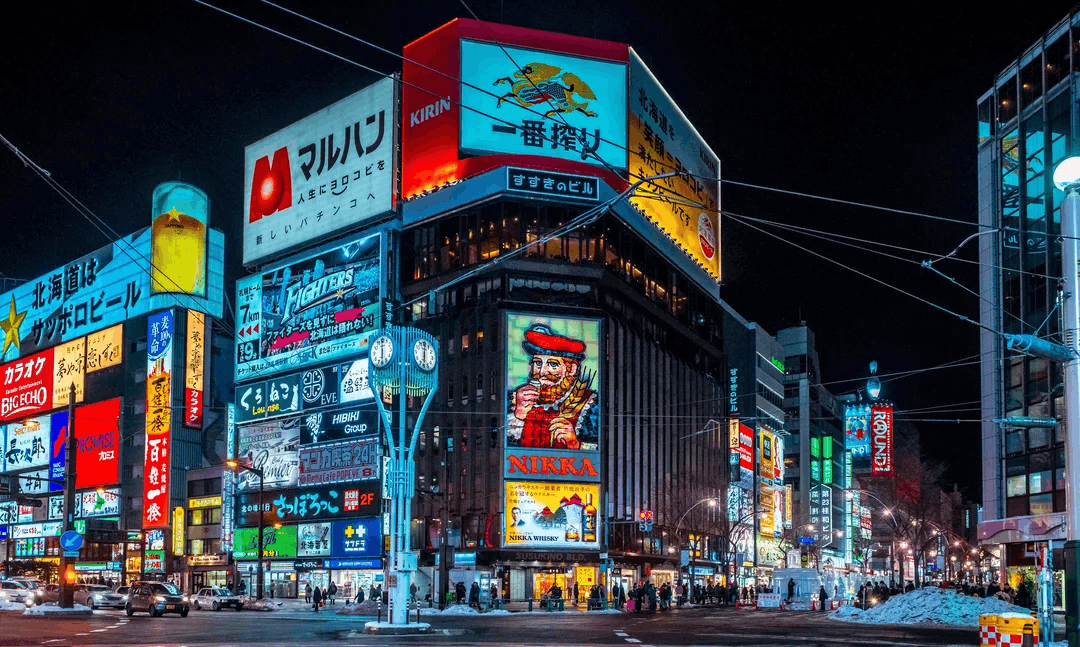
While Tokyo’s Dotonbori has the Glico man, Susukino has an icon of its own too; the Nikka “King of Blenders” sign.
Image credit: u/TeddySze via Reddit
After resting up for a bit and an obligatory konbini run, we headed out to roam the nearby Susukino shopping street at night. Even though it was snowing quite heavily, the streets were still teeming with tourists stopping by to snap a pic of the bustling city. For refuge from the snow, we patted ourselves down at the MEGA Don Quijote Sapporo Tanukikoji Honten store.
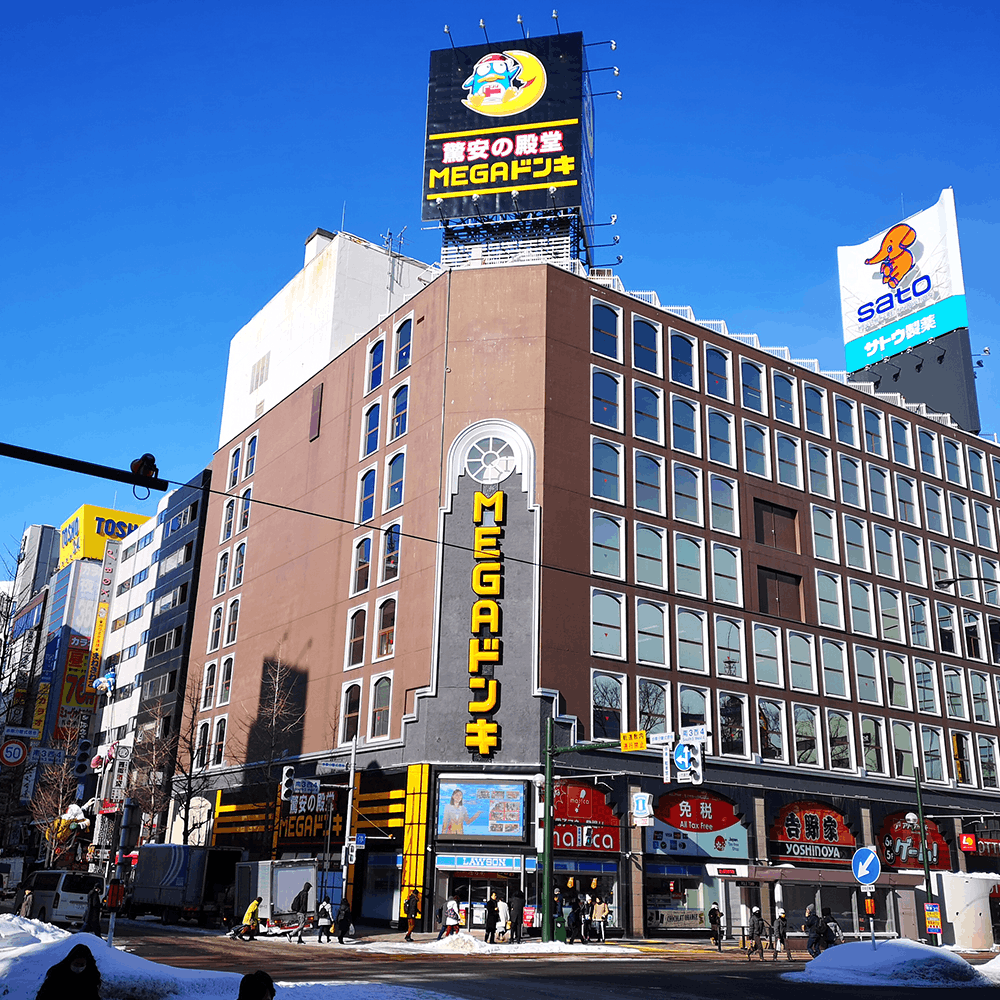
Image credit: MEGAドン・キホーテ 札幌狸小路本店 via Google Maps
Like its name suggests, it’s a huge, 8-storey Donki department store that sells pretty much everything you’d ever need and then some. If you’re planning to do some shopping here, bring along your passport to enjoy a 10% tax-free discount on your purchases when you rack up a minimum spend of ¥5,000 (~S$41.19).
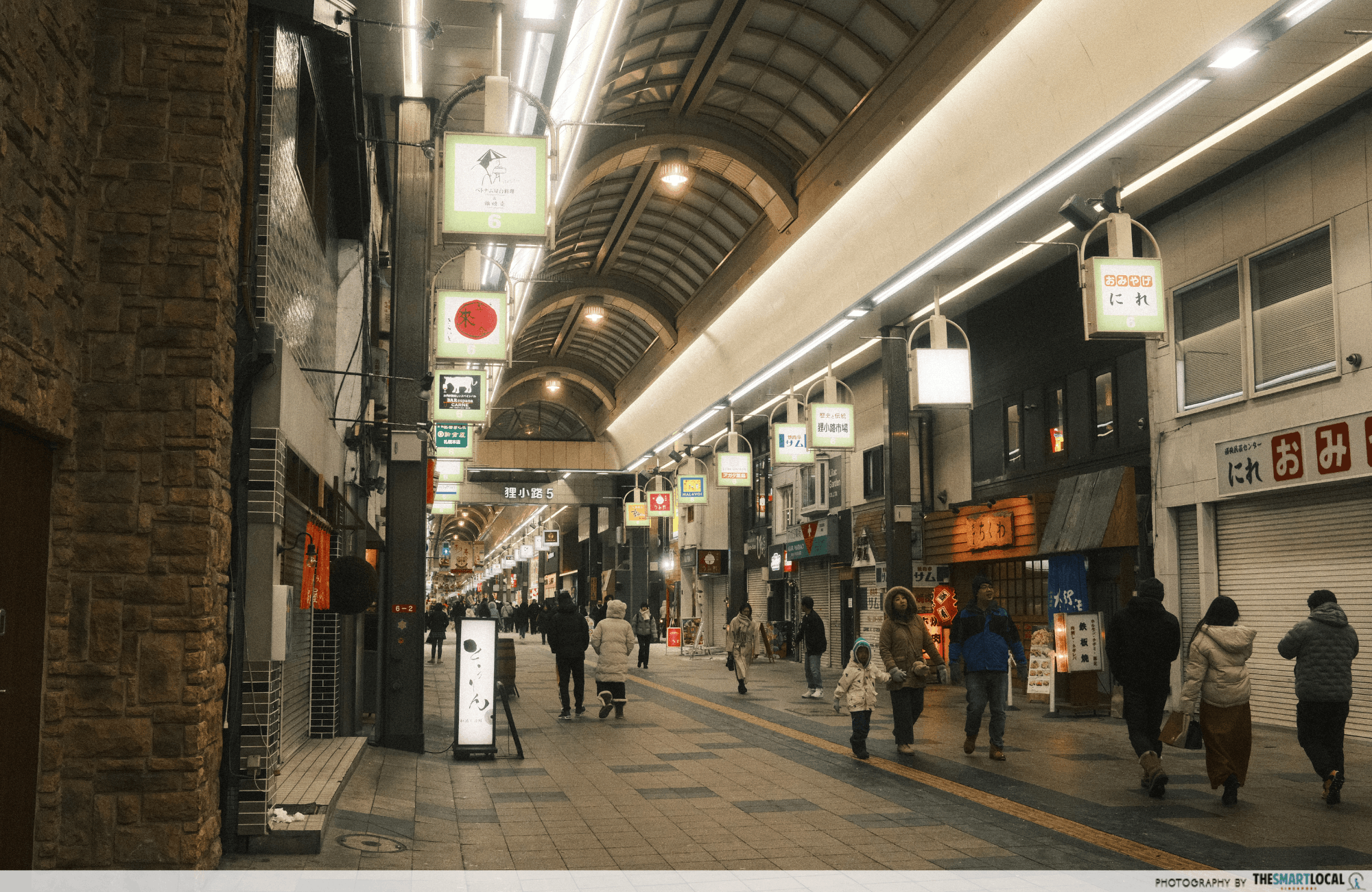
For even more protection from the elements, we had a look-see around the Tanukikoji Shopping Arcade, which is a 1km-long stretch of sheltered walkways that houses over 200 shops. The pedestrian-only shopping street is one of the oldest of its kind in Hokkaido, and you’ll find pharmacies, restaurants, bars, hobby shops, and even a maid cafe all clustered right here.
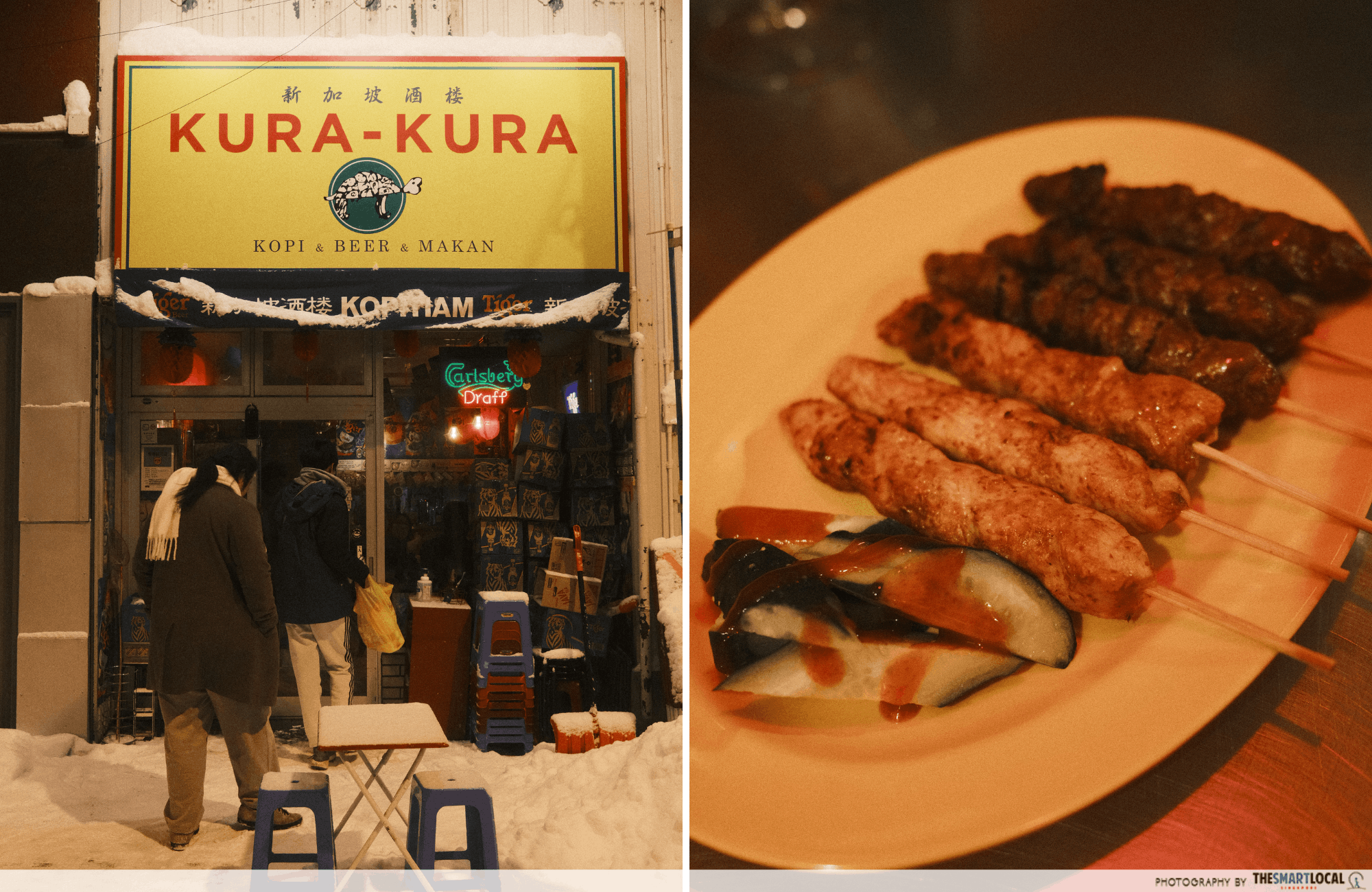
One establishment that stood out to us was a Singapore-themed izakaya called Kura Kura, whose strikingly yellow signboard promised, verbatim, Kopi, Beer, and Makan. Although the satay (¥1,683/6 sticks, ~S$13.86) left much to be desired, their selection of beers (from ¥770, ~S$6.34) collected from various parts of the world such as Sri Lankan Lion Stout, Delirium from Belgium, and of course, Singapore’s Tiger Beer, were delightful.
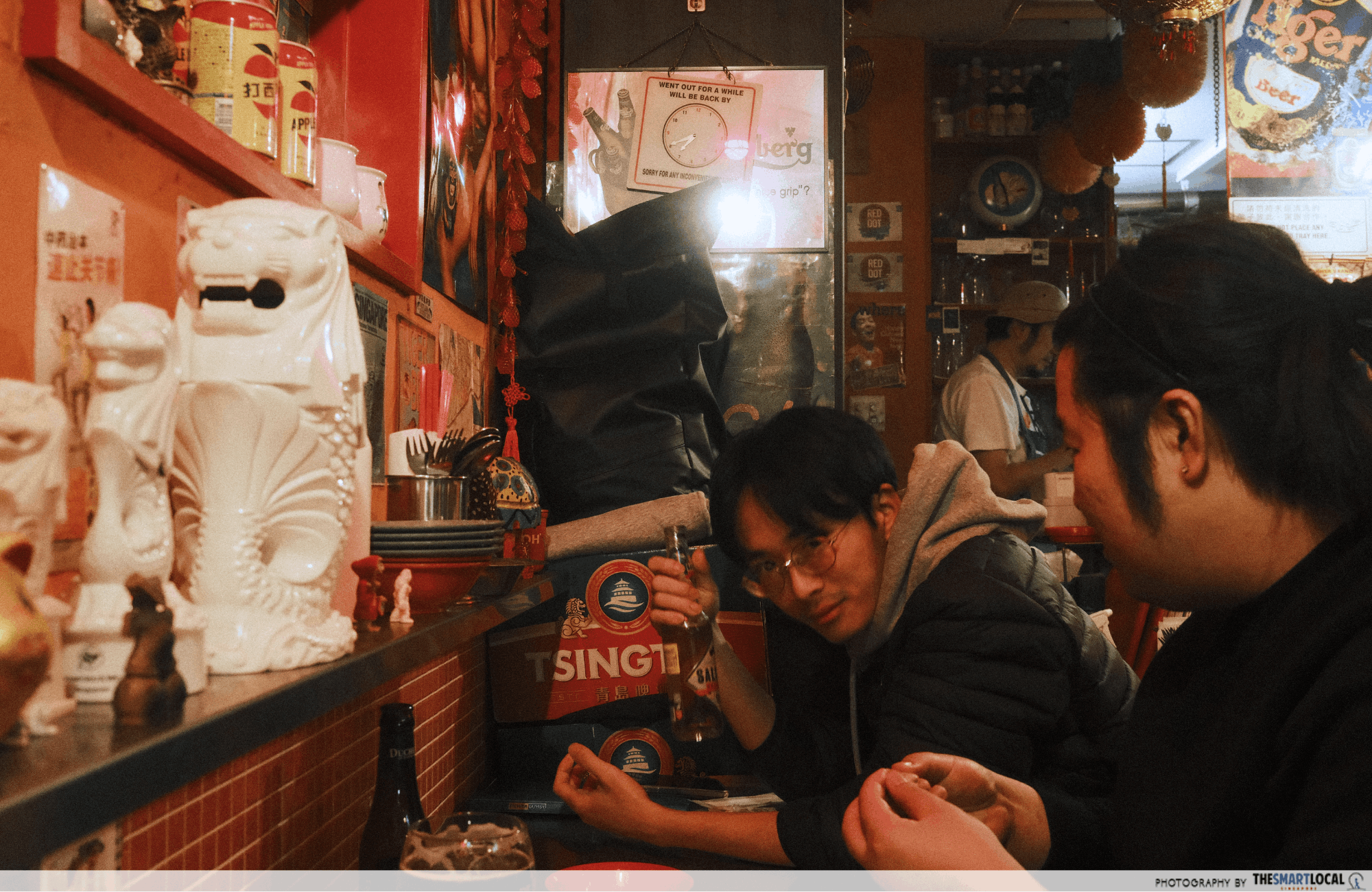
In between sips, we spotted quintessentially Singaporean artefacts such as Merlion statuettes, 4D and TOTO stubs, No Durians Allowed signs, and even the bowls they used mirrored those used in coffee shops back home. We spoke to the owner who’s apparently born and bred Japanese; turns out, he’s just a huge fan of our culture, to the point that he makes frequent trips to the Little Red Dot solely for leisure.
Day 5: Sapporo Curb Market, Hill of the Buddha & Shiroi Koibito Park
9AM
We were in the mood for Hokkaido’s famed seafood on day 5. We considered patronising the hotspot that is Nijo Market but we didn’t feel like contending with the potential crowd, seeing that it’s so close to the city centre.
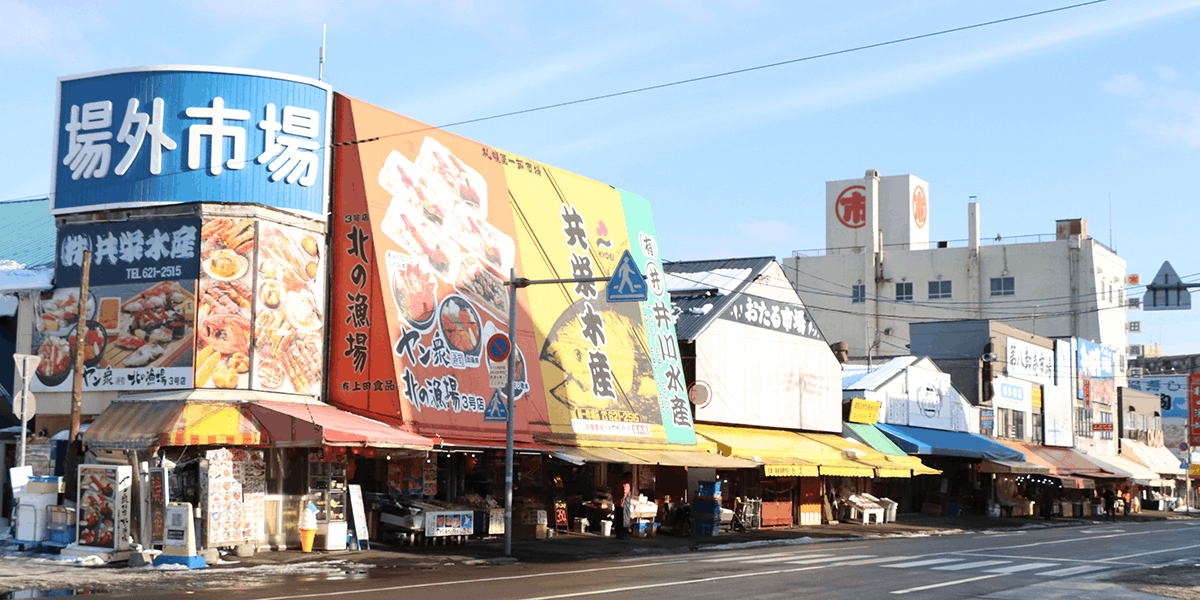
Image credit: Visit Sapporo
Thanks to our rental car, we were able to make the 20-minute drive to the less-populated Sapporo Curb Market. There are about 80 stalls to visit here, all pretty much selling the same thing – the most delectable of seafood. Think meaty king crabs, salmon roe that explode with flavour in the mouth, and scallops with shells the size of your hand.
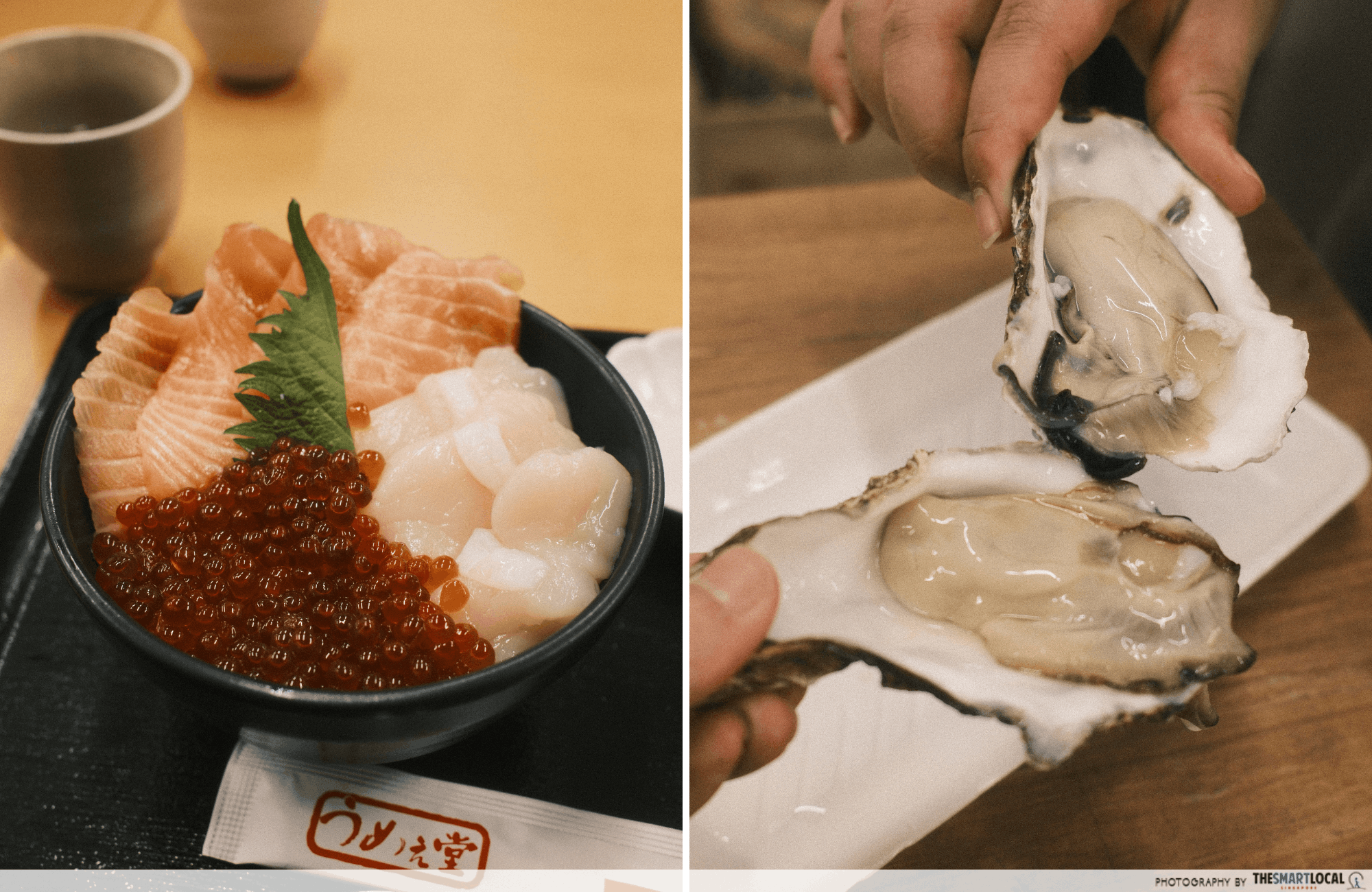
We sat at a roadside stall called Nemuro Sugiyama Fisheries and feasted on seafood bowls (¥2,070, ~S$17.04) filled with raw fresh seafood, along with shellfish like oysters (¥800, ~S$6.34) and scallops grilled with butter (¥870, ~S$7.17).
11.30AM
After we were stuffed full with seafood, we took a 40-minute drive to the Makomanai Takino Cemetery, where a slew of peculiarly familiar structures awaited. Entrance is free, but to no one’s surprise, we had to deal with heavy snowfall. Still, we managed to catch a glimpse of the steely group of over 30 Moai statues that the cemetery is known for.
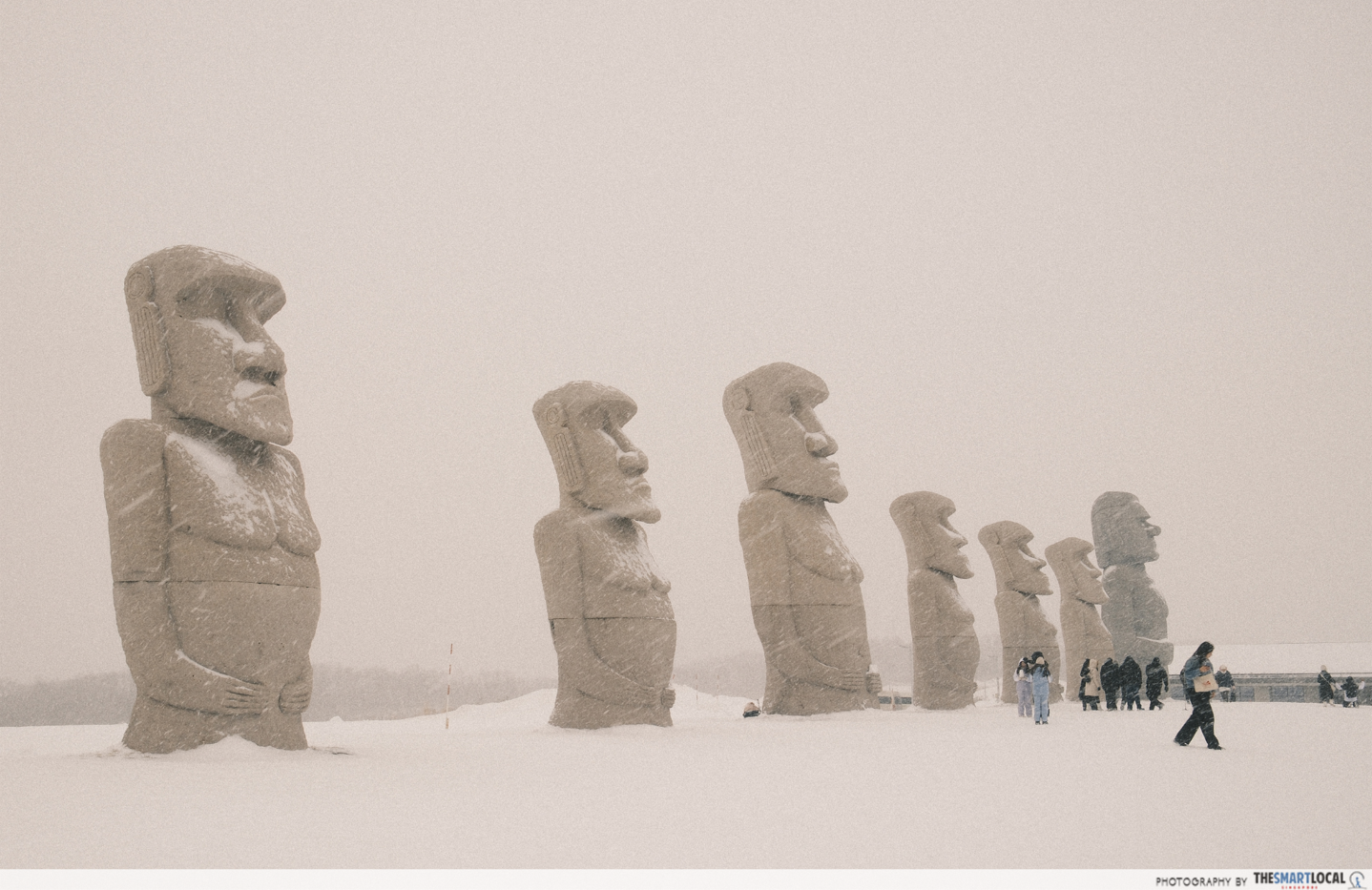
You’re not seeing things – these are replicas of the ones found on Easter Island. These were built in the 1980s to honour the spirits of the ancestors buried in the cemetery, and the tallest of the bunch stands at an impressive 9.5m tall, bringing about an air of respect and serenity.
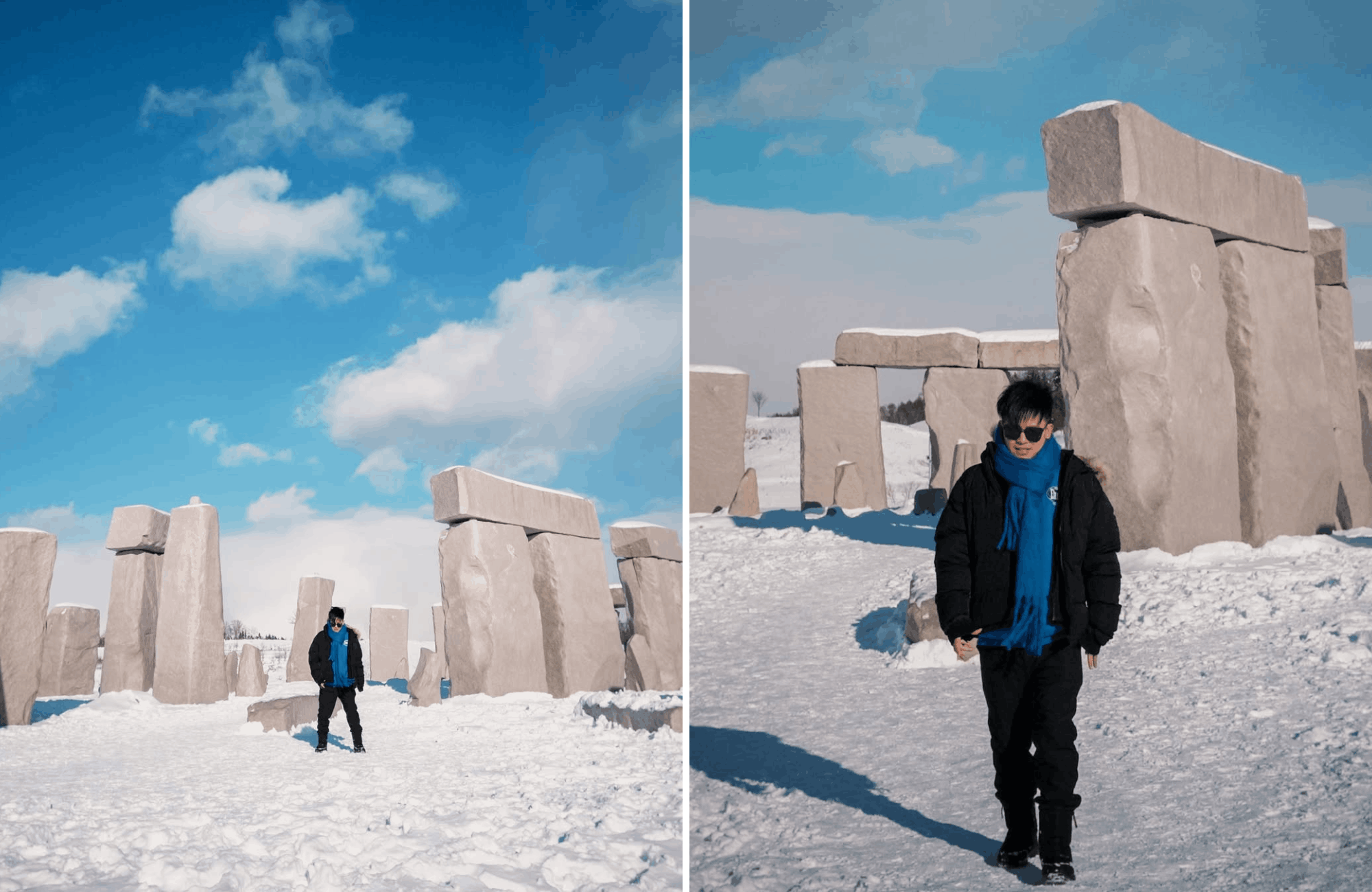 Image adapted from: @andy_cny via Instagram
A few minutes’ walk away lies another recreation of a famous landmark, this time from England. It’s a replica of Stonehenge; although it’s not built to scale, it’s still worth spending a few minutes here taking in the monolithic structures’ aura of spirituality.
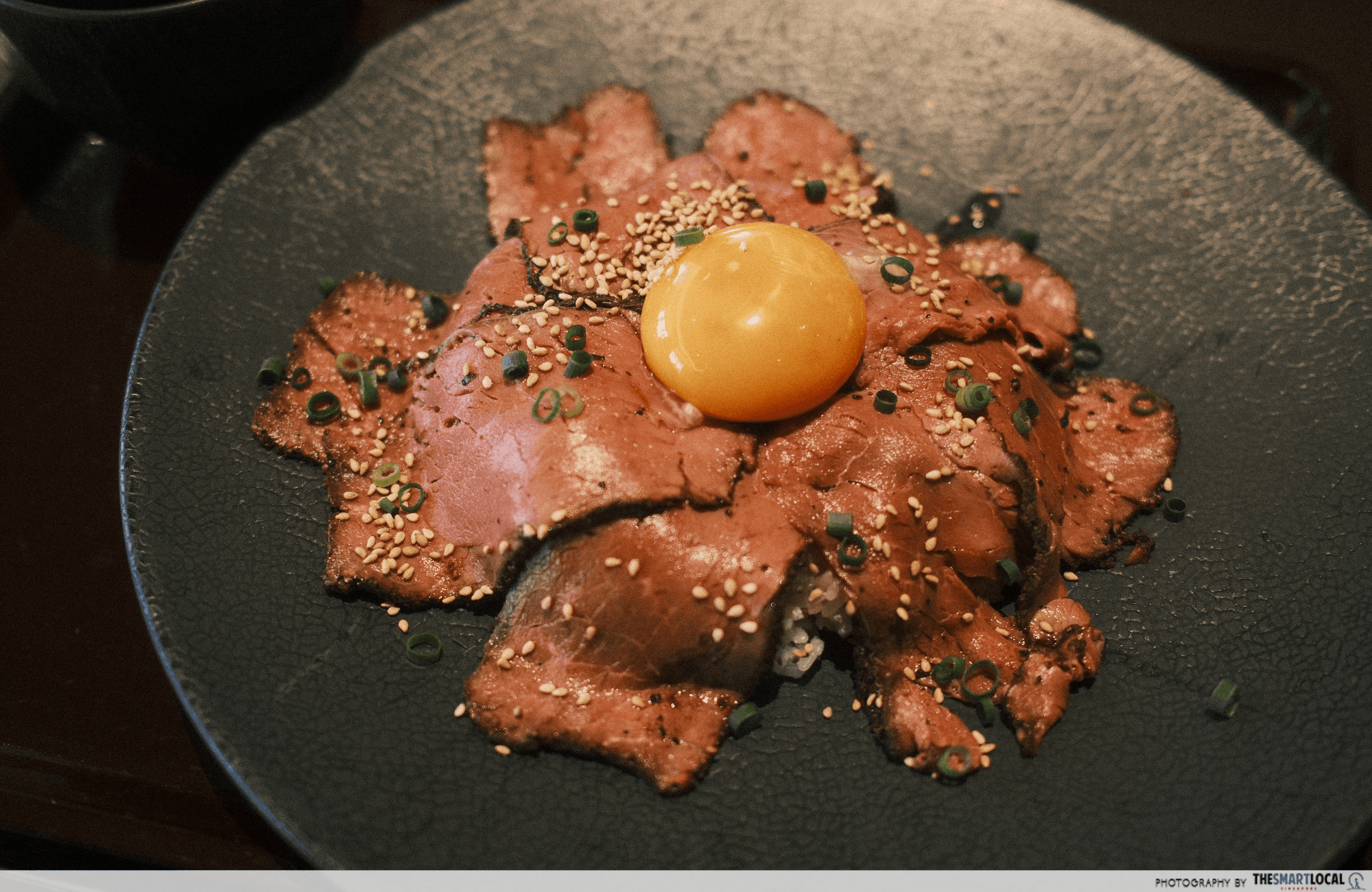
We took a little breather at the cemetery’s visitor centre, and after shaking off the shivering cold, we had lunch at the aptly named Restaurant Moai. Apart from a few Moai statue-themed items, their milk ice cream cones (¥450, ~S$3.71) were also selling like hotcakes, but we went for their roast beef bowls (¥1,600, ~S$13.18) that came topped off with a golden, runny egg yolk.
We saved the best for last, because there’s one more attraction to visit within the cemetery, the Hill of the Buddha.
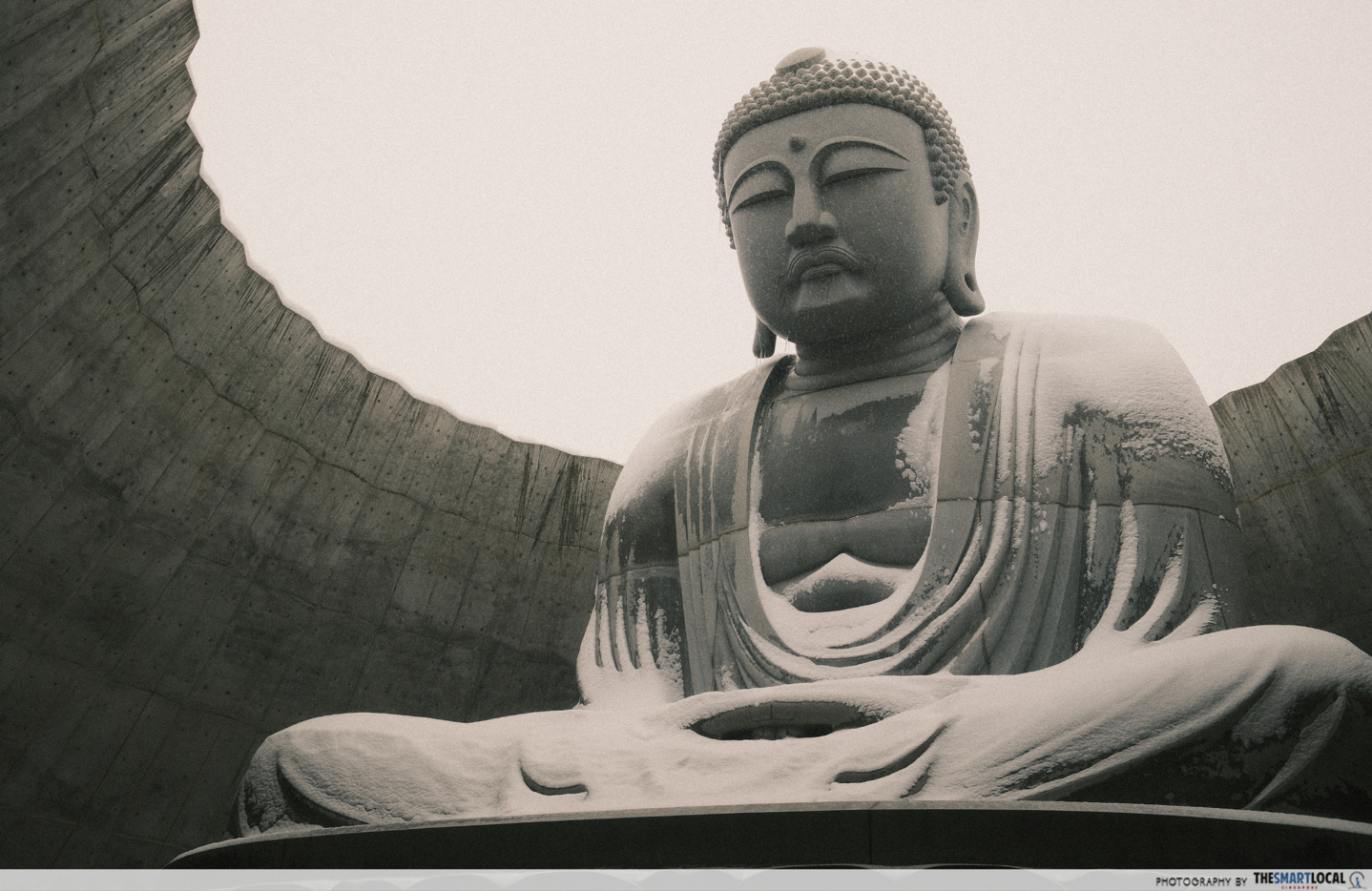
Tickets cost ¥500 (~S$4.12), and it’s one of the highlights of our entire trip. True to its name, it’s a giant statue of the Buddha that sits right in the middle of a mound with its top carved out, and to call it grand is an understatement. After making a complete round around the statue to observe it from every angle, draw a fortune slip to see if it’s your lucky day, or write down your wishes on wooden placards in hopes of them coming true.
5PM
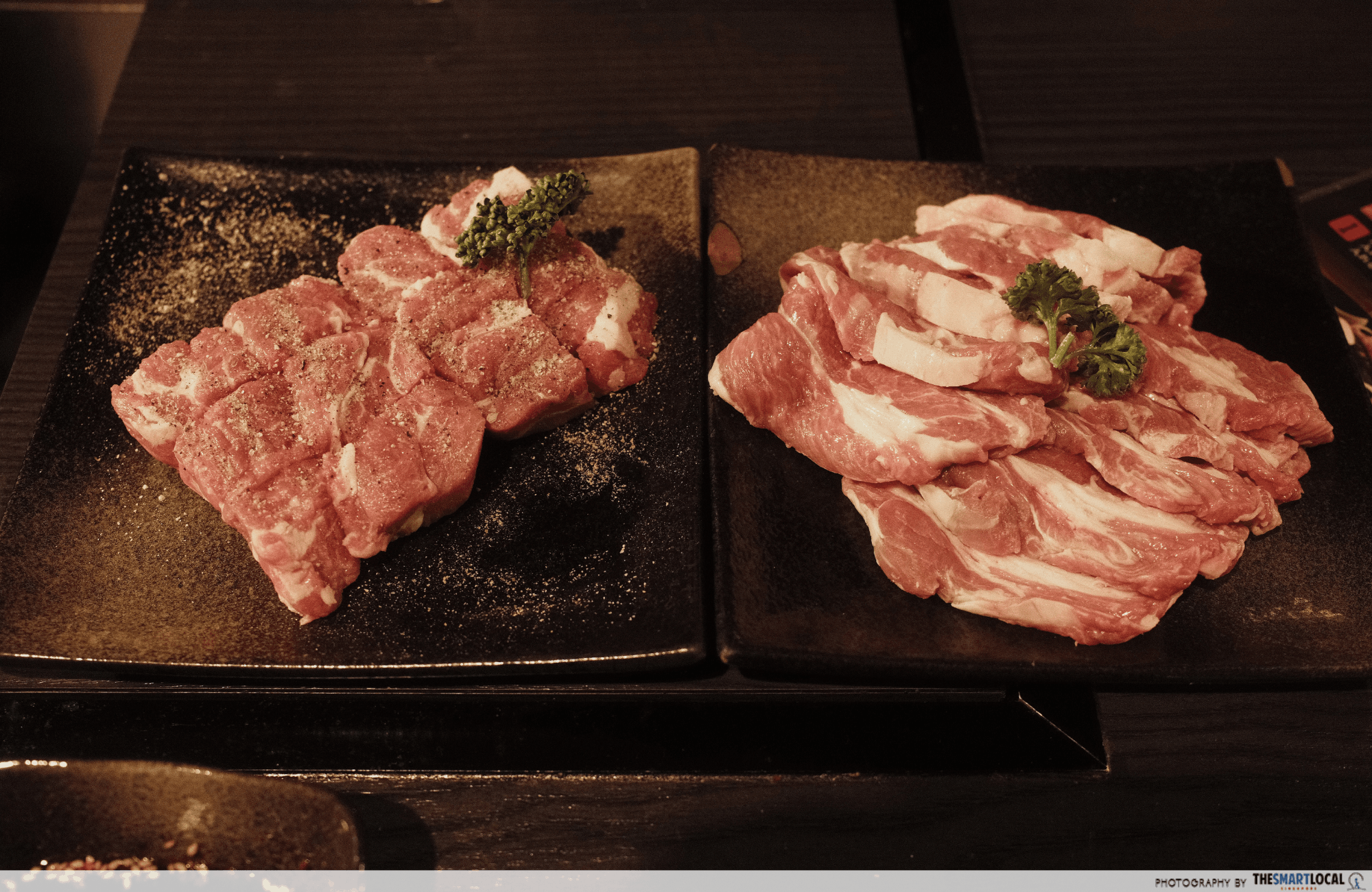 The meats were wonderfully seasoned; prepare them rare for an extra layer of flavour.
We took it easy for the rest of the day till dinner, and we only had eyes for one thing: Genghis Khan BBQ. Much like Hokkaido’s miso ramen and soup curry, it’s one of the island’s specialty dishes that you can’t quite get anywhere else, and we managed to find a joint in Sapporo city that wasn’t fully packed called Jingisukan Juttetsu.
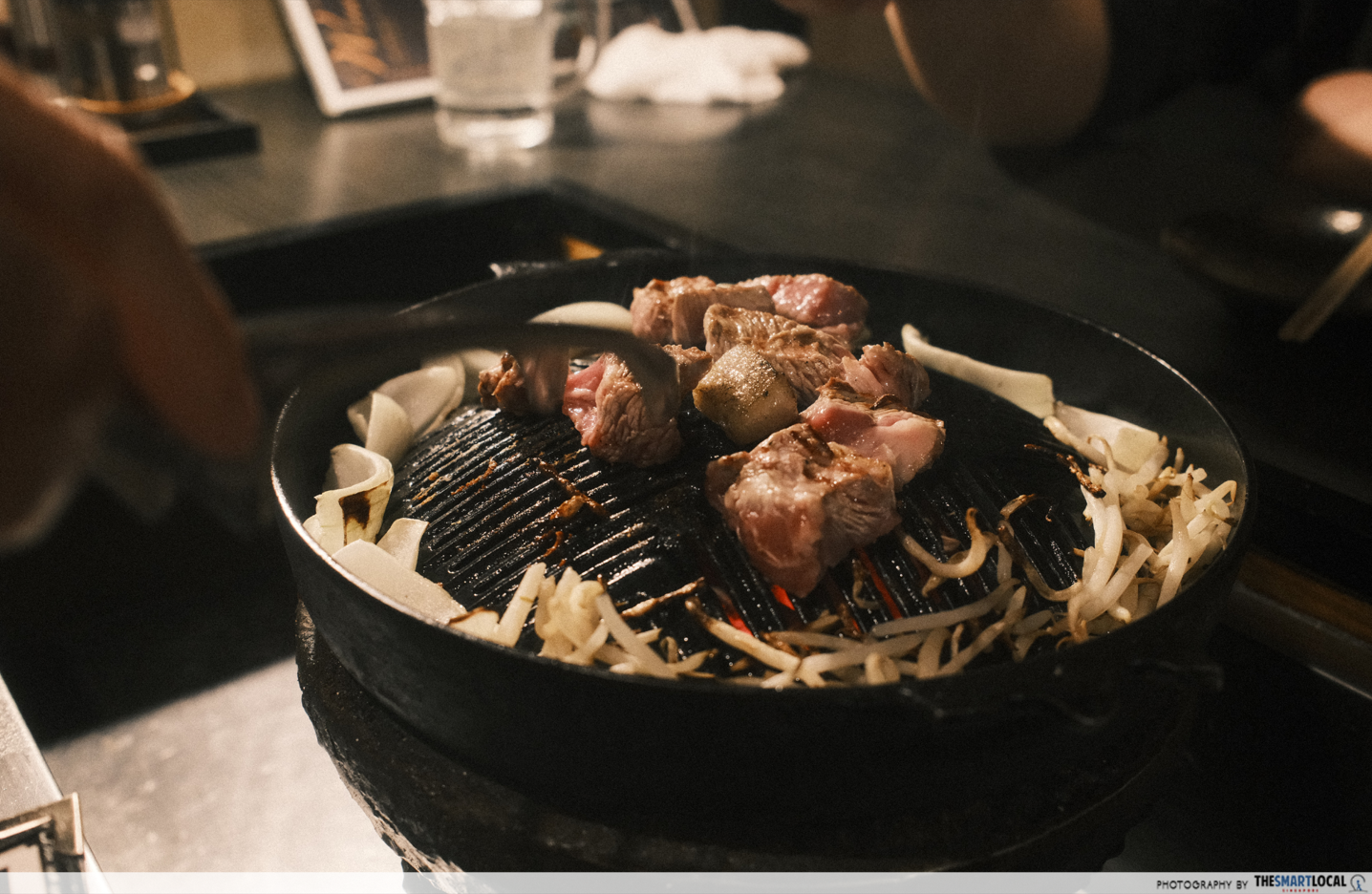
If you didn’t know, Genghis Khan BBQ is essentially a barbecue dish that features grilled mutton or lamb with various vegetables on the side, and although it sounds simple, it tastes heavenly, and works wonders in combating the effects of cold weather. Our BBQ sets didn’t come cheap, costing us ¥5,800 (~S$47.77) each, but as meat lovers, we couldn’t really complain.
Day 6: Sapporo Suwa Shrine, Pokemon Center & Shiro Koibito Park
10AM
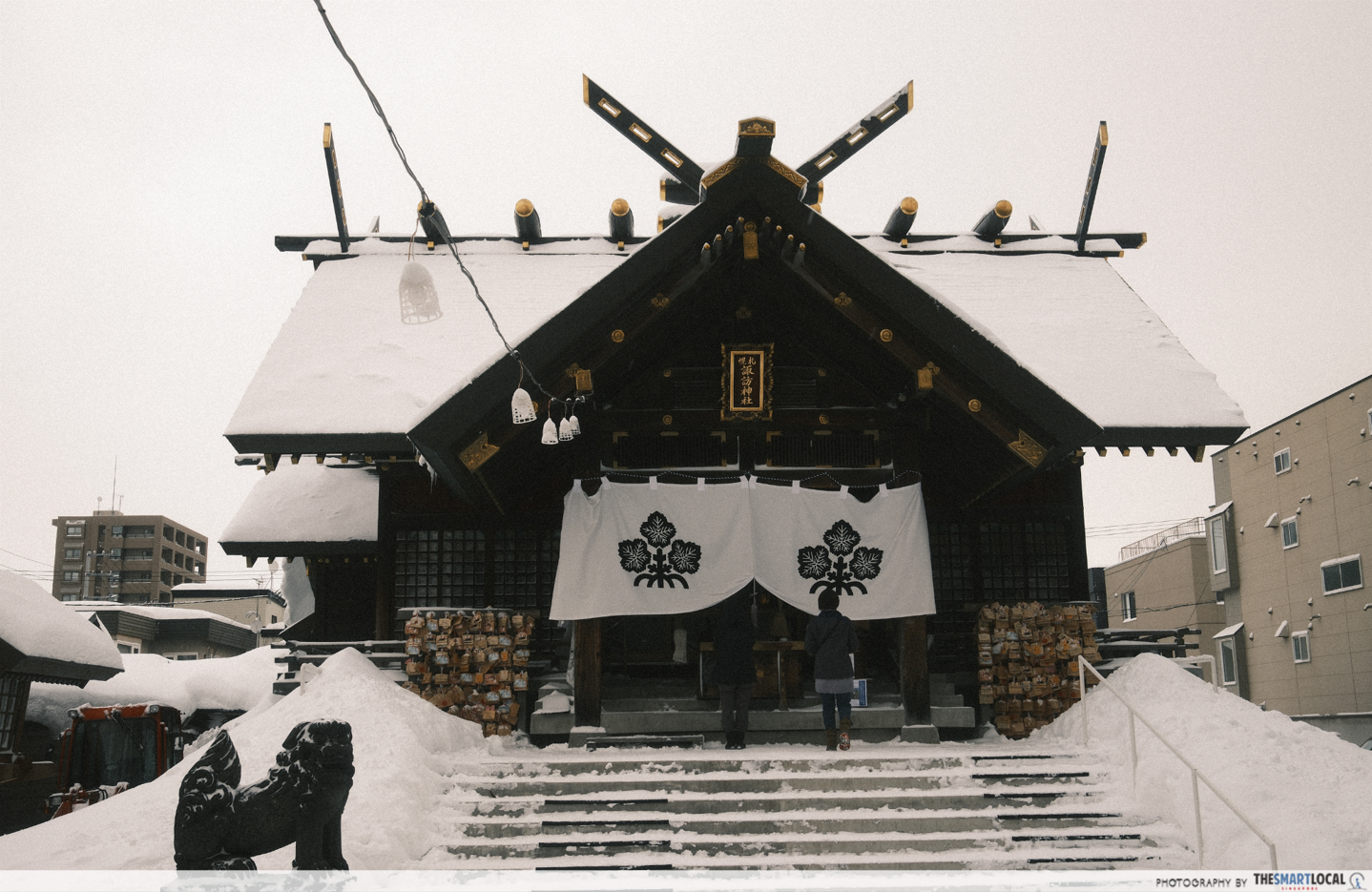
A Japan trip wouldn’t be complete without a shrine visit, so we paid a visit to the Sapporo Suwa Shrine on a bright snowy morning. As with any Japanese shrine, you can make your prayers here, first by tossing a coin in the offering box. Then, bow deeply twice, clap your hands twice, join your hands as you offer your prayers, and finish by bowing once.
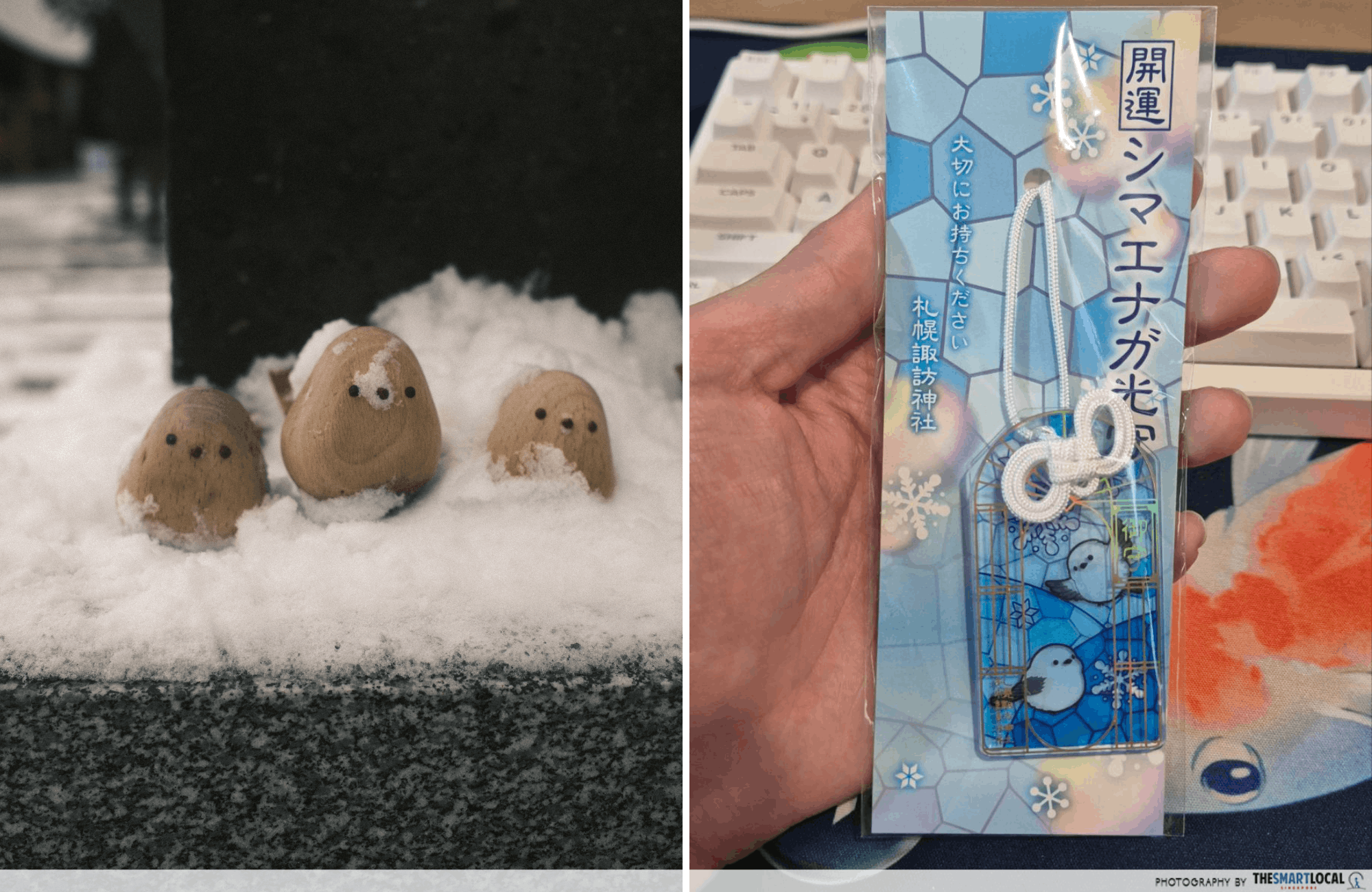
See if you can spot the wooden figurines peppered around the shrine of the shima enaga. Nicknamed the “snow fairy”, it’s a small, fluffy white bird that’s found exclusively in Hokkaido, and is somewhat of a mascot for the island. As a memento, you can purchase a unique shima enaga-themed omamori from the shrine’s on-site shop for ¥2,500 (~S$20.60).
12PM
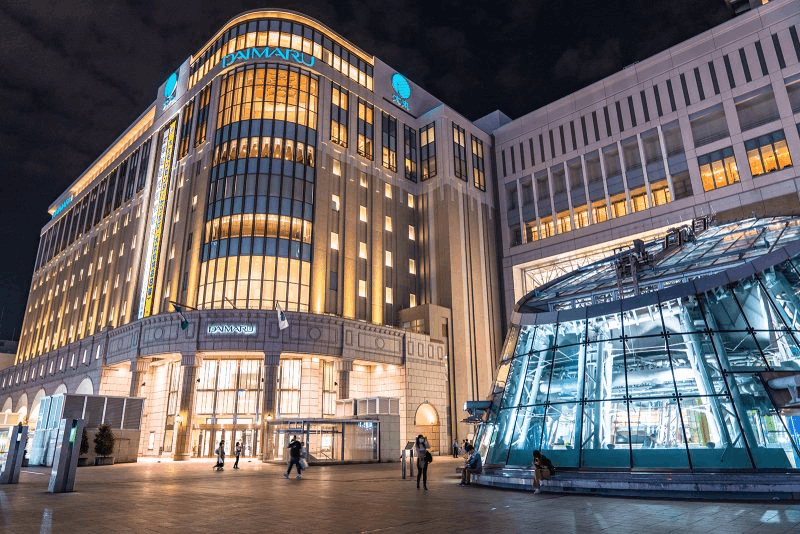
Image credit: Visit Sapporo
We then drove over to the DAIMARU Sapporo shopping mall for some retail therapy. Shoppaholics are sure to have a field day here; it’s filled to the brim with high-end brands like Louis Vuitton, Prada, and Saint Laurent, plus there’s a duty-free corner to save a pretty penny on big money purchases. However, we made a beeline for the Pokémon Center SAPPORO shop instead.
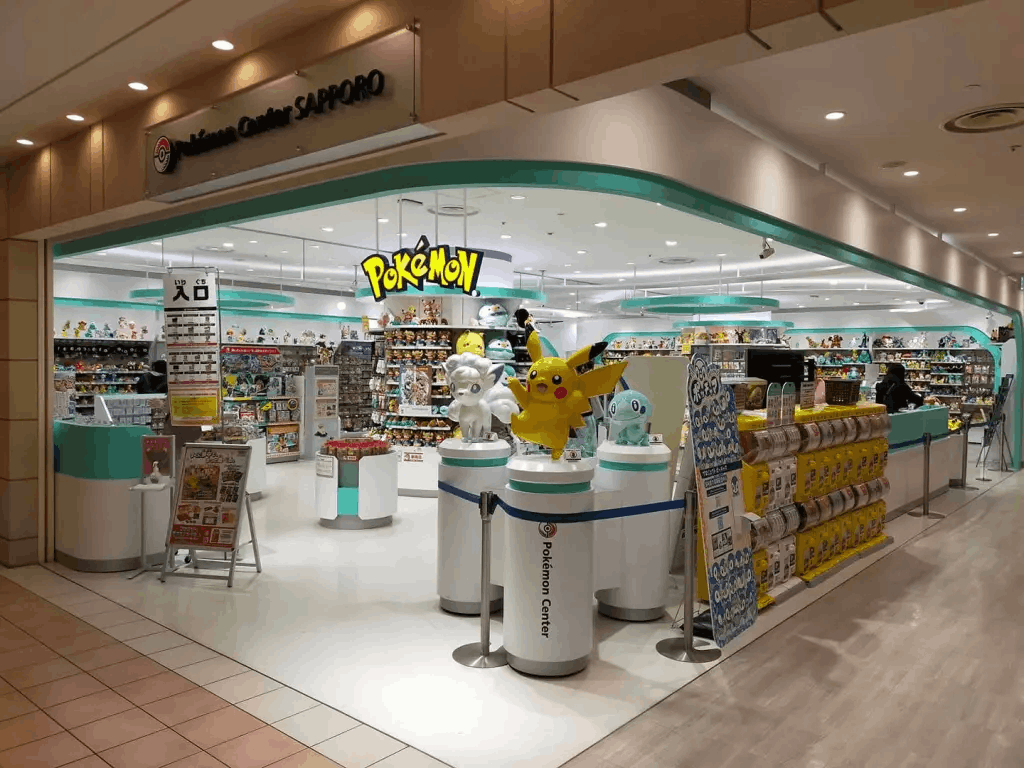
Image credit: Sapporo Language School
Just like the one in Jewel Changi Airport, it’s a haven for Pokémon fans, with merch of almost every character available; mind you, there’s over 1,000 of the little critters at this point. In particular, you might want to pick up plushies of Vulpix and its Alolan counterpart, as they’re the official Pokémon ambassadors of Hokkaido. You can also shop for trading card game products here, but keep in mind that the store imposes purchase limits on products like booster packs.
4PM
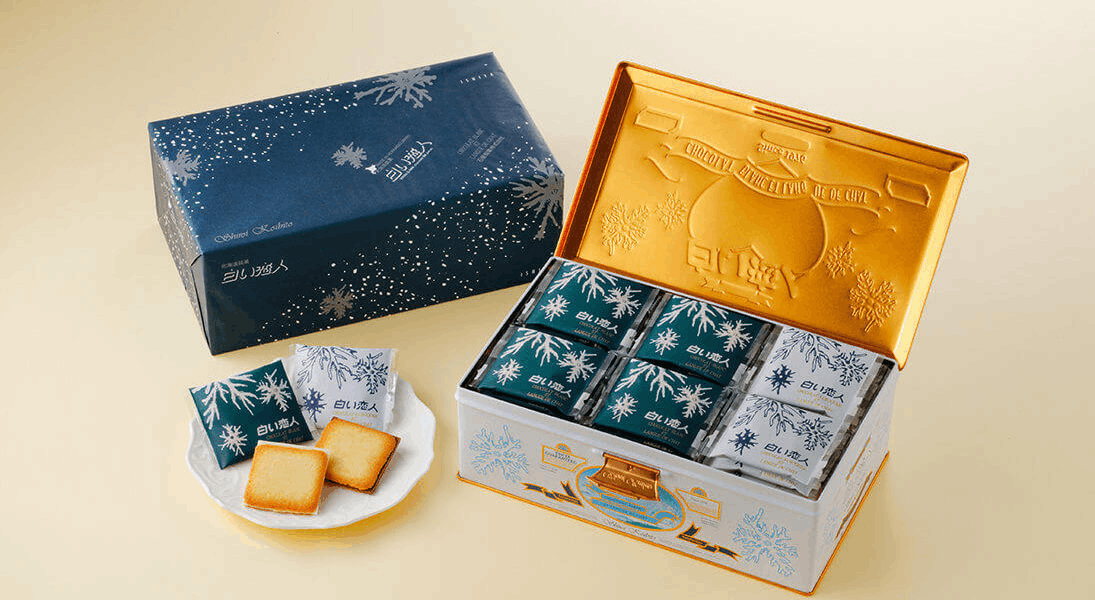
Image credit: Visit Sapporo
Hokkaido’s well-known for its wide variety of yummy souvenir snacks, and one of them is Shiroi Koibito, a snack that consists of white or milk chocolate sandwiched between butter cookies. It used to be a Hokkaido-exclusive back in the day, but due to its popularity, it has become widely available all over Japan.
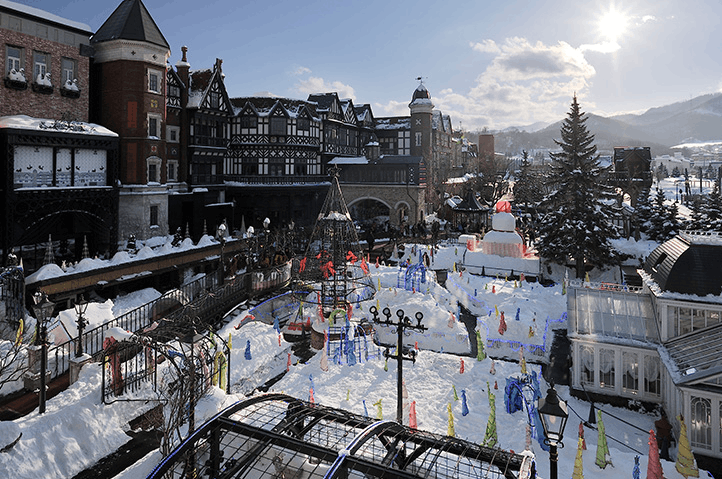
Image credit: 北海道中央バス 定期観光バス
You can visit the birthplace of these tasty confections in Sapporo at the Shiroi Koibito Park. It’s about a 30-minute drive from the city centre which our car made light work of, but still saw a steady stream of tourists visiting even when day turned to night. We headed indoors to visit the factory portion of the park first after purchasing tickets which cost ¥800 (~S$6.57), and come with a complimentary bar of chocolate.
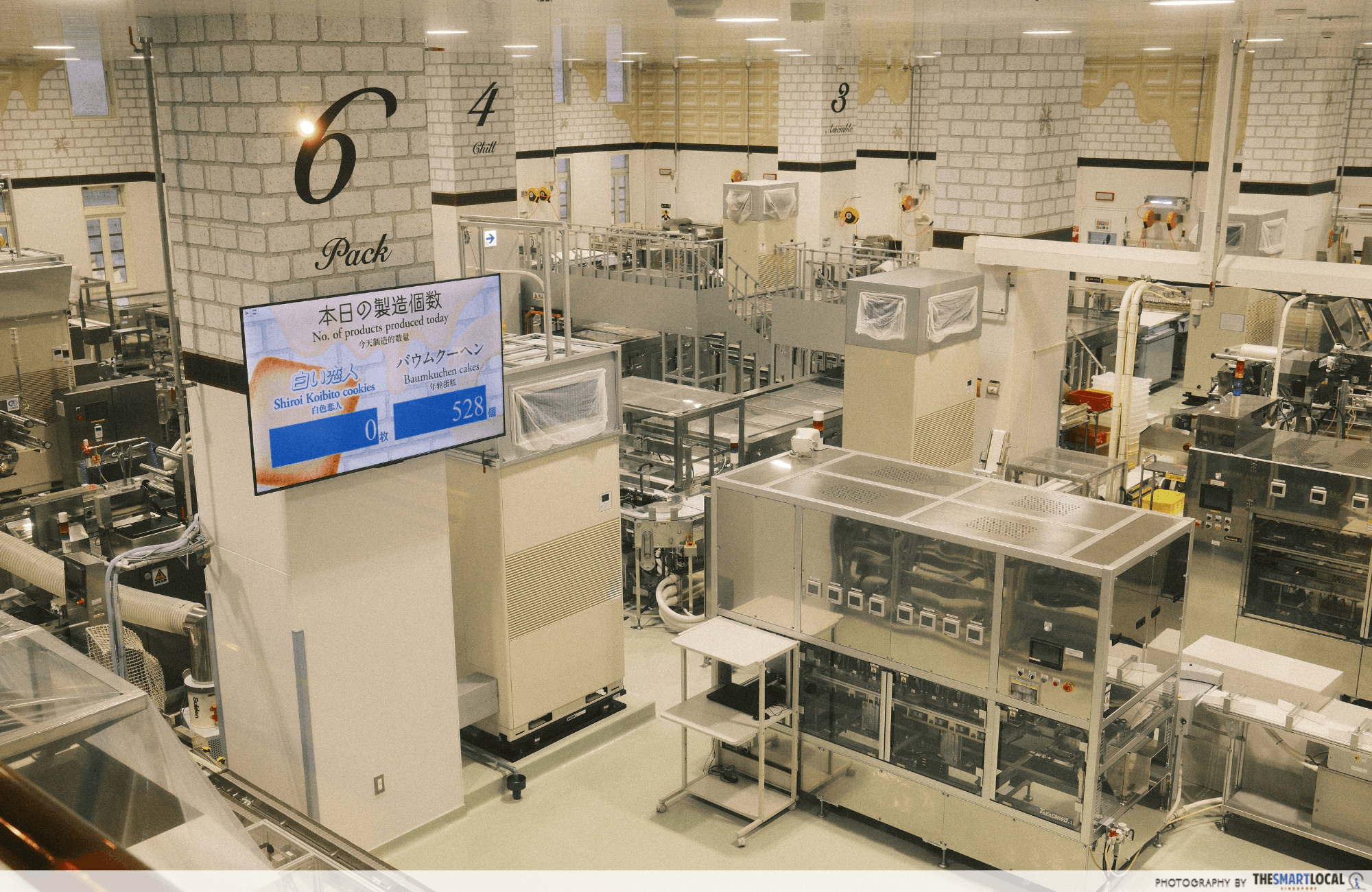
Here, you’ll be able to see the factory workers in action through a glass window. There’s also an interactive show you can sit in for, where you’ll learn about the history of chocolate-making and how various discoveries made by chocolatiers around the world literally shaped the very confectioneries we eat as a sweet treat.
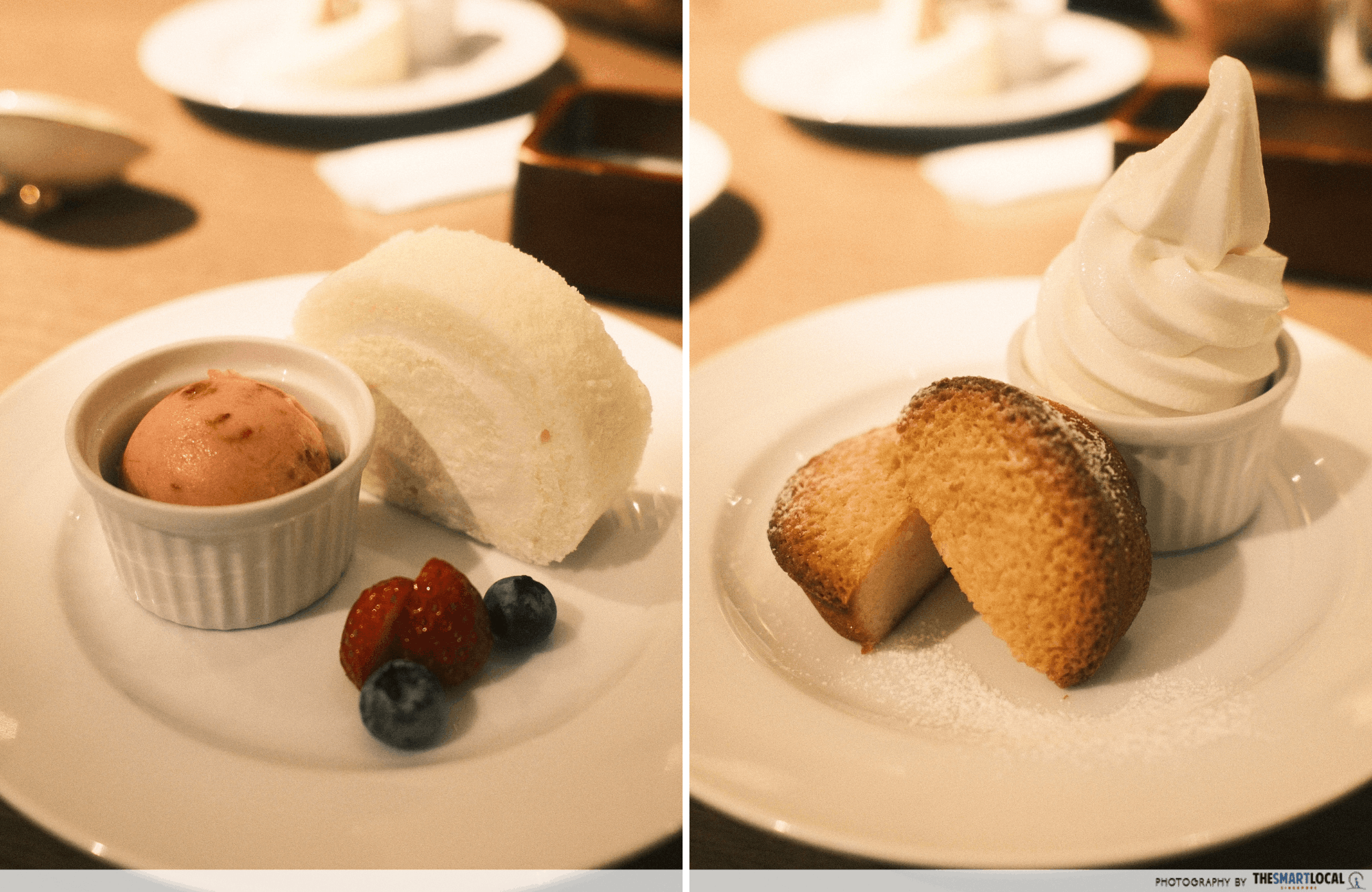
The Shiroi Koibito rolled cake (¥1,300, ~S$10.57) & I GÂTEAU-PLAIN (¥1,200, ~S$9.85) Drink Sets; these come with a strawberry sorbet & Shiroi Koibito soft serve respectively.
There’s also a small quiz rally with questions about Shiroi Koibito to complete as you tour the factory; fill it up with all the correct answers to redeem a free packet of the famed biscuits. Towards the end, enjoy a bite at the Chocolate Lounge OXFORD, an on-site cafe where we indulged in a slew of Shiroi Koibito-infused desserts.
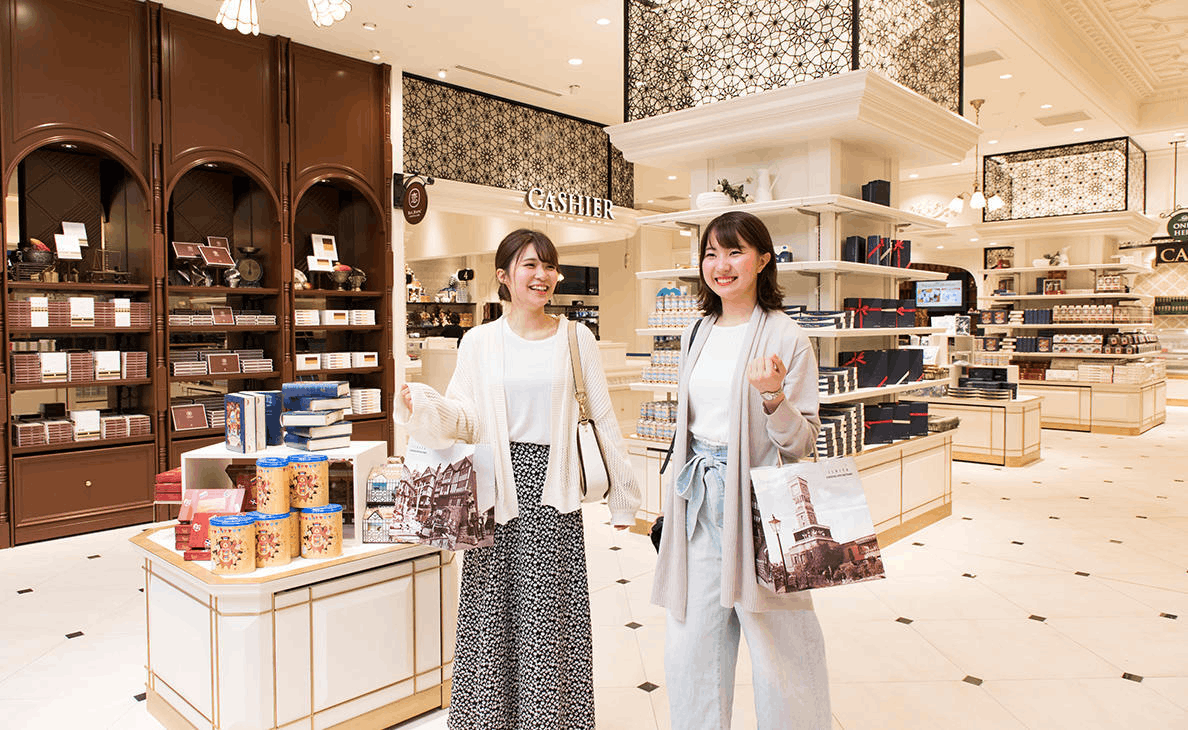
Image credit: Shiroi Koibito Park
Of course, you’ll also want to pop by the Shop PICADILLY gift shop to buy Shiroi Koibito goodies to bring back. Products we recommend splurging on include the 36-pack of Shiroi Koibito biscuits (¥3,456, ~S$28.36) which come nicely packaged in a beautifully-decorated metal tin, as well as plushies (from ¥770, ~S$6.32) of the chocolate brand’s purple cat mascots, Purumi and Ramaru.
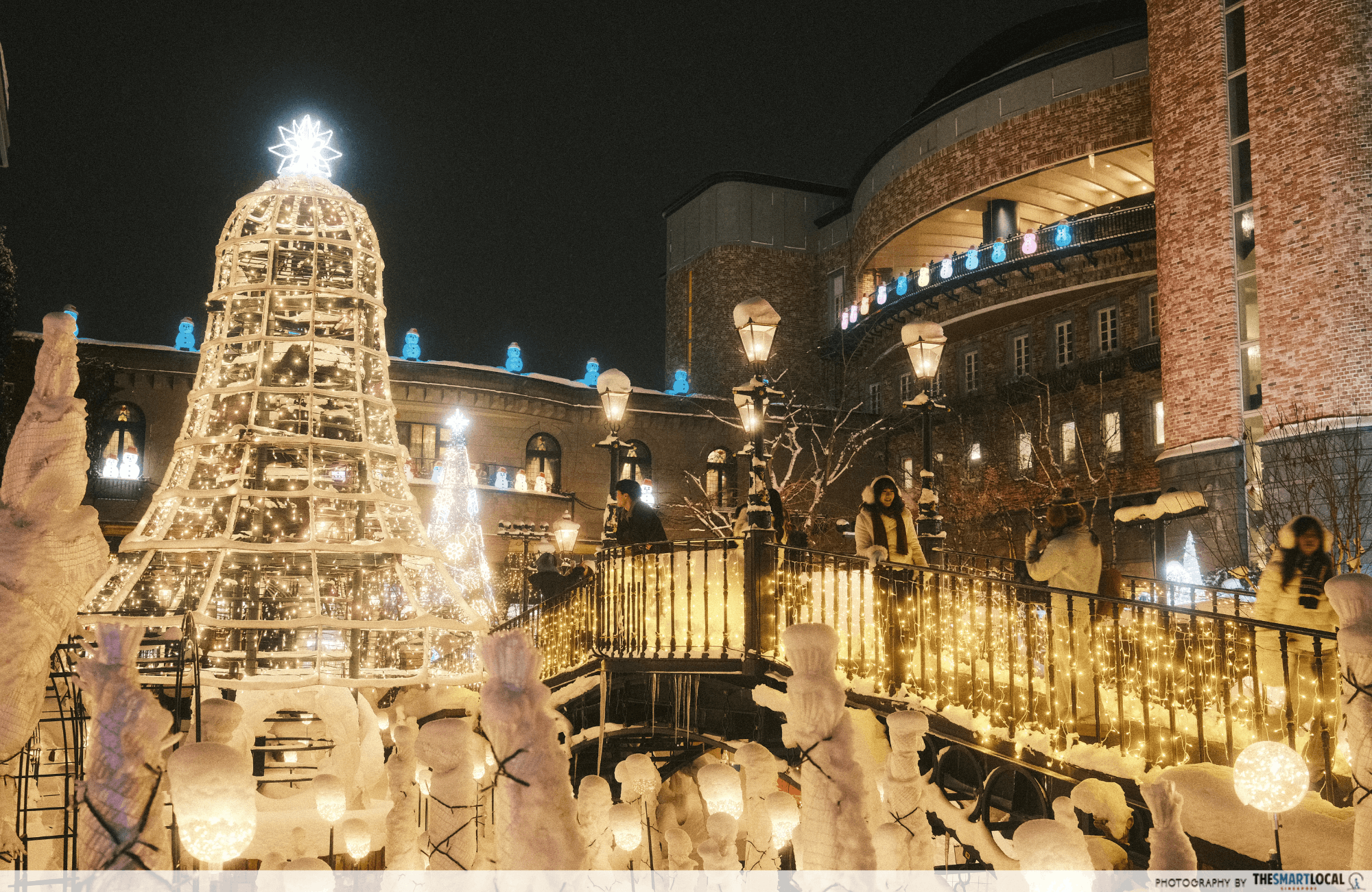
Once we were done filling up and checking out our shopping baskets, we were greeted with a spectacle stepping outdoors. The night was illuminated by the lights of the park, and coupled with the light snow, was a sight to behold. The lights turn on from 4.30pm onwards, and the park is open till 7pm for all to snap pics at.
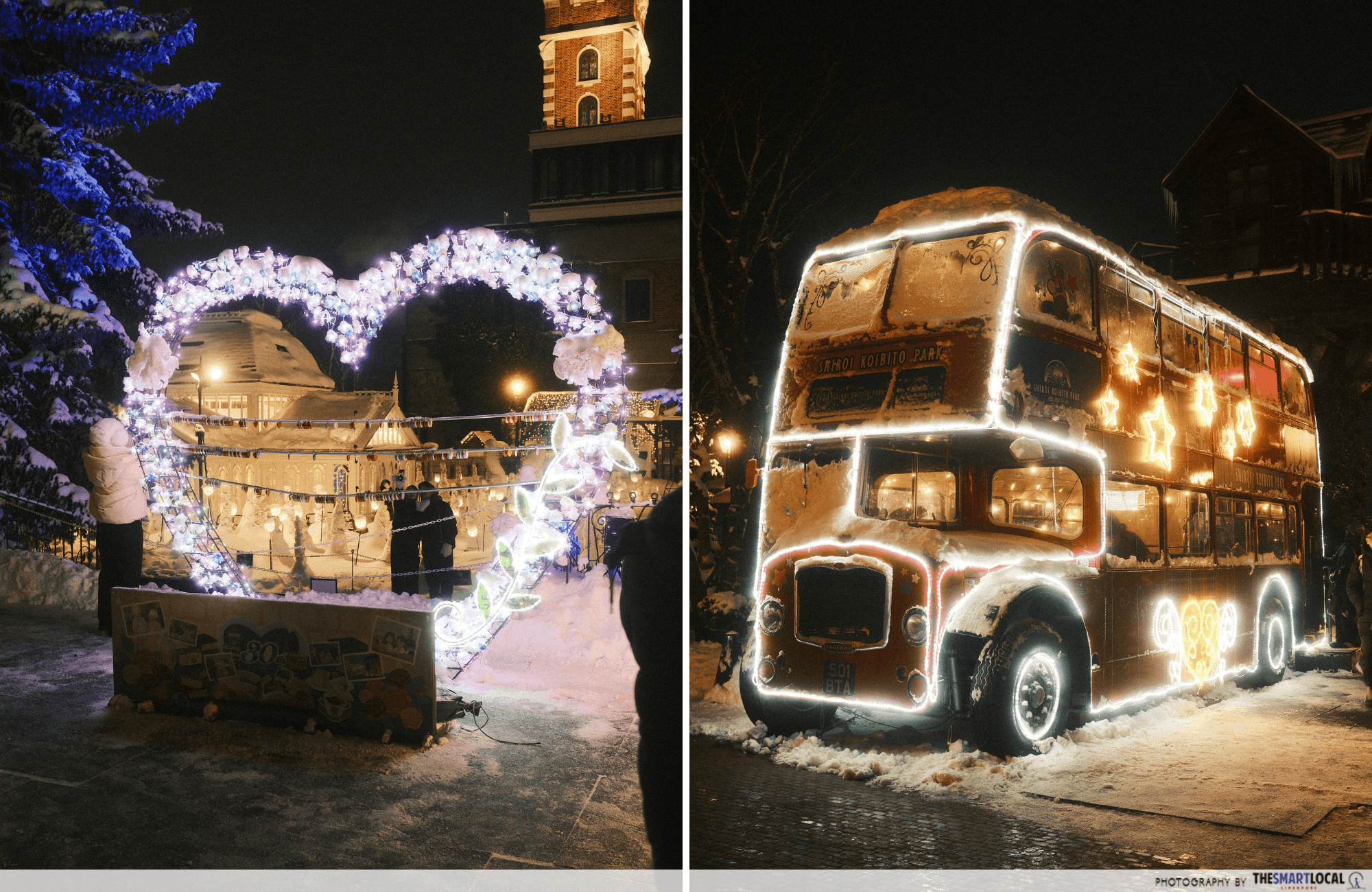
Some of the prettiest photo spots that really bring out the park’s European architecture and vibe include a bridge-like walkway, a heart-shaped wreath of lights, and a life-sized red bus reminiscent of the ones on the streets of London.
Day 7: Tomamu Ski Resort & Ice Village
8AM
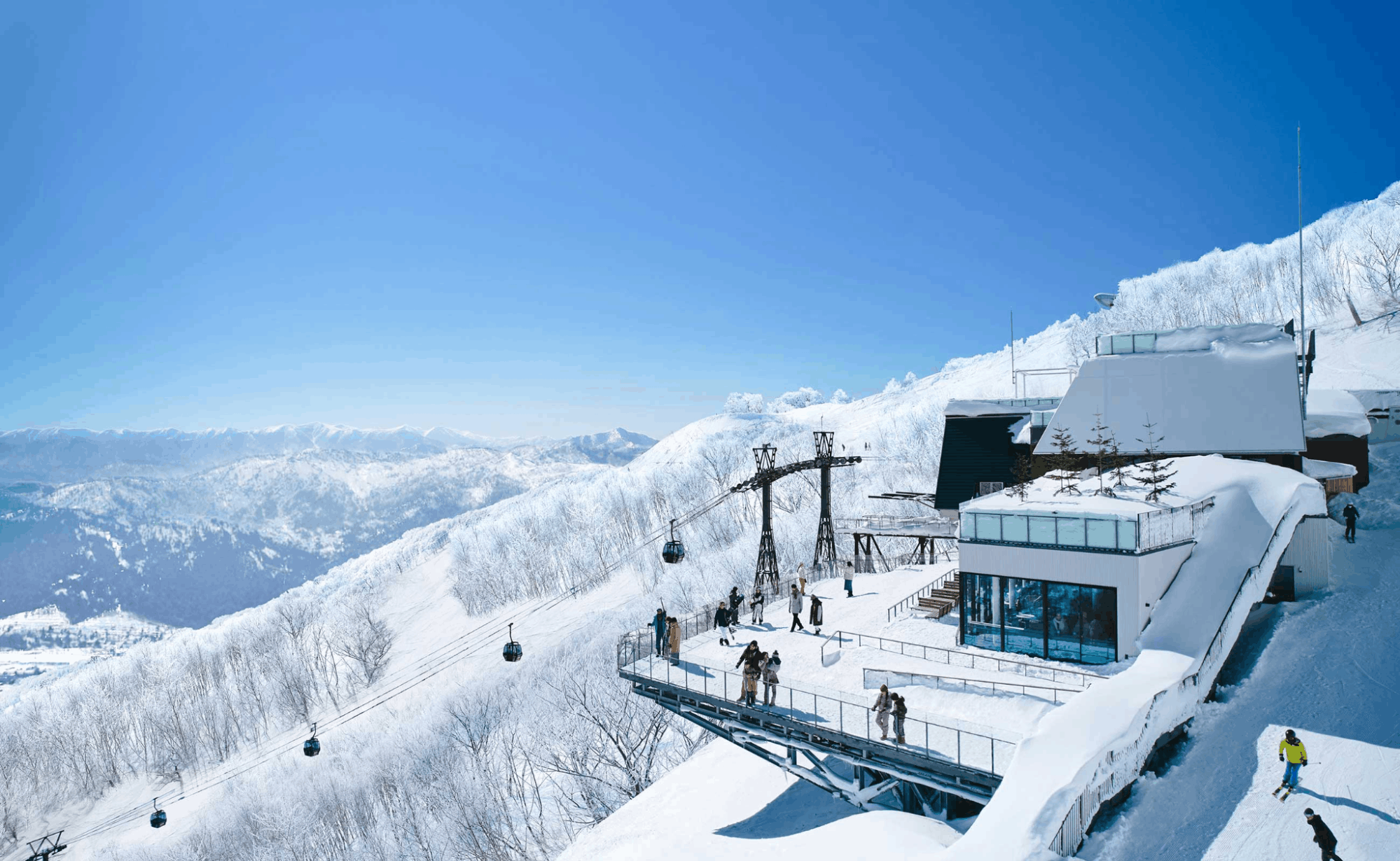 Image credit: Hoshino Resorts Tomamu
On day 7, we traded in the bustling city atmosphere for one that was more off the grid. We took a 2.5 hour drive further inland to the Tomamu Ski Resort. However, although it was peak season for winter sports, we gave activities like skiing and snowboarding a miss this time round, as a stay at the main resort, coupled with costs like equipment rentals and ski lift passes, were a tad out of our budget.
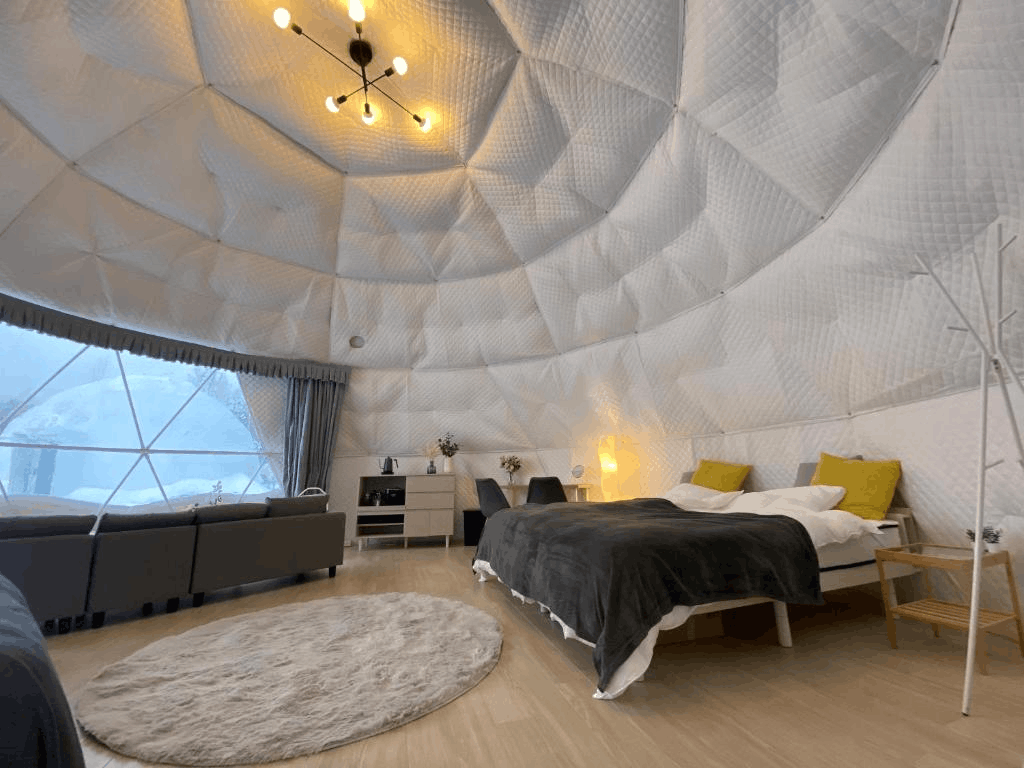
Image credit: Booking.com
Instead, we chose to spend a night at GLAMPING STAY TOMAMU (from S$294/night), a glamping-style accommodation, as we thought it would be quite the novel experience to “camp” out in the winter wilderness. We opted for a stay in one of their dome-shaped tents, which surprisingly kept us sufficiently warm during our stay and had a wide, arching window, great for views of the wintry outdoors.

12PM
We didn’t spend the rest of the day holed up in our rooms after checking in – we booked an ice-fishing (¥5,500, ~S$45.14) experience beforehand, organised by Tomamu Ski Resort. You don’t have to be staying with them in order to book any of the winter activities that they have listed on their Hoshino Resorts Tomamu website, which also includes snowmobile riding, curling, and forest hikes.
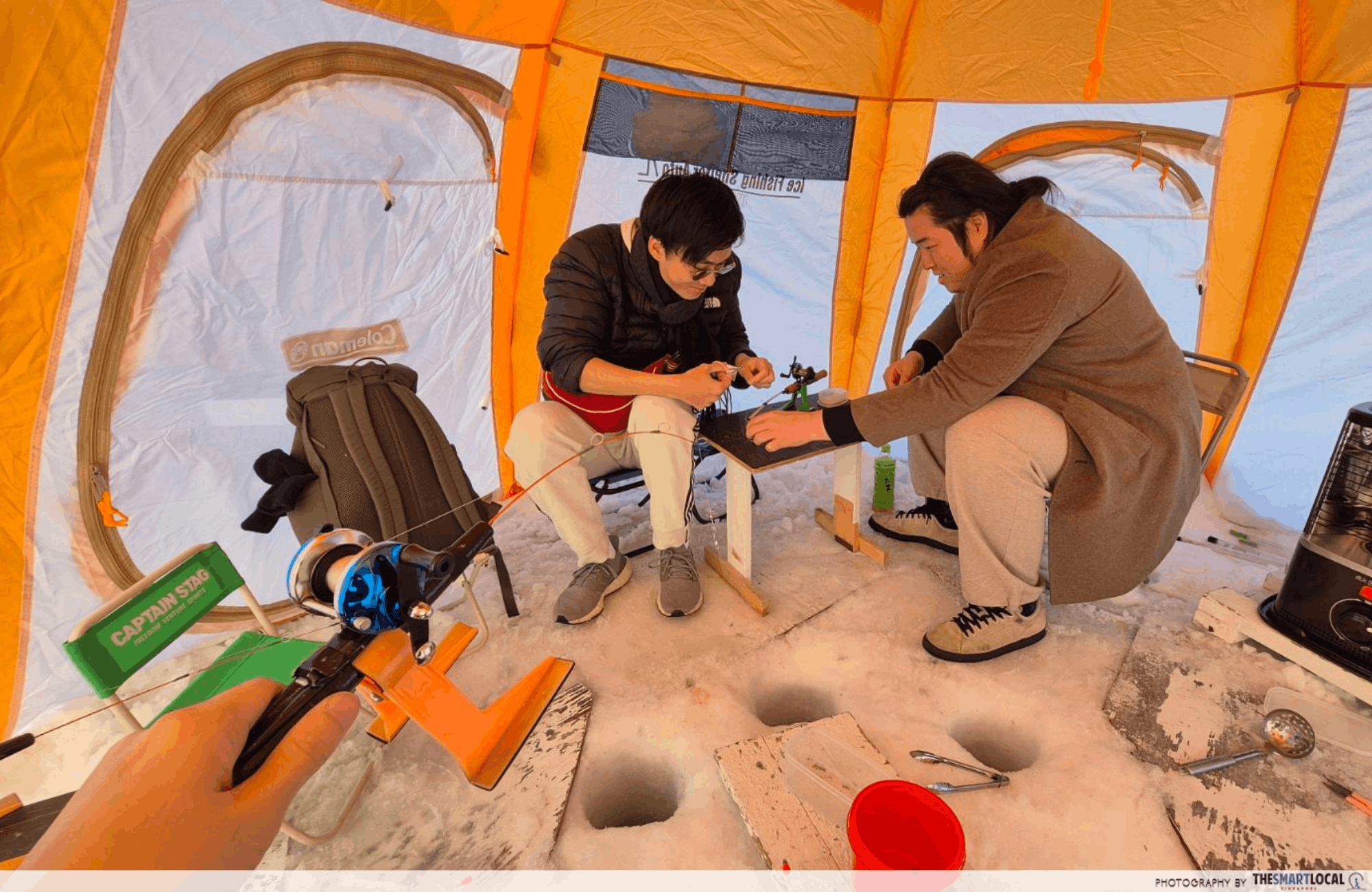
Transport to and from the resort’s private pond was also arranged for us, and the fishing itself was enjoyable, even for newbies like us with zero experience. The little tents they sat us in even came with a portable heater, and after being taught how to rig our baits and how to use the rods by our guide, we were left to our own devices.
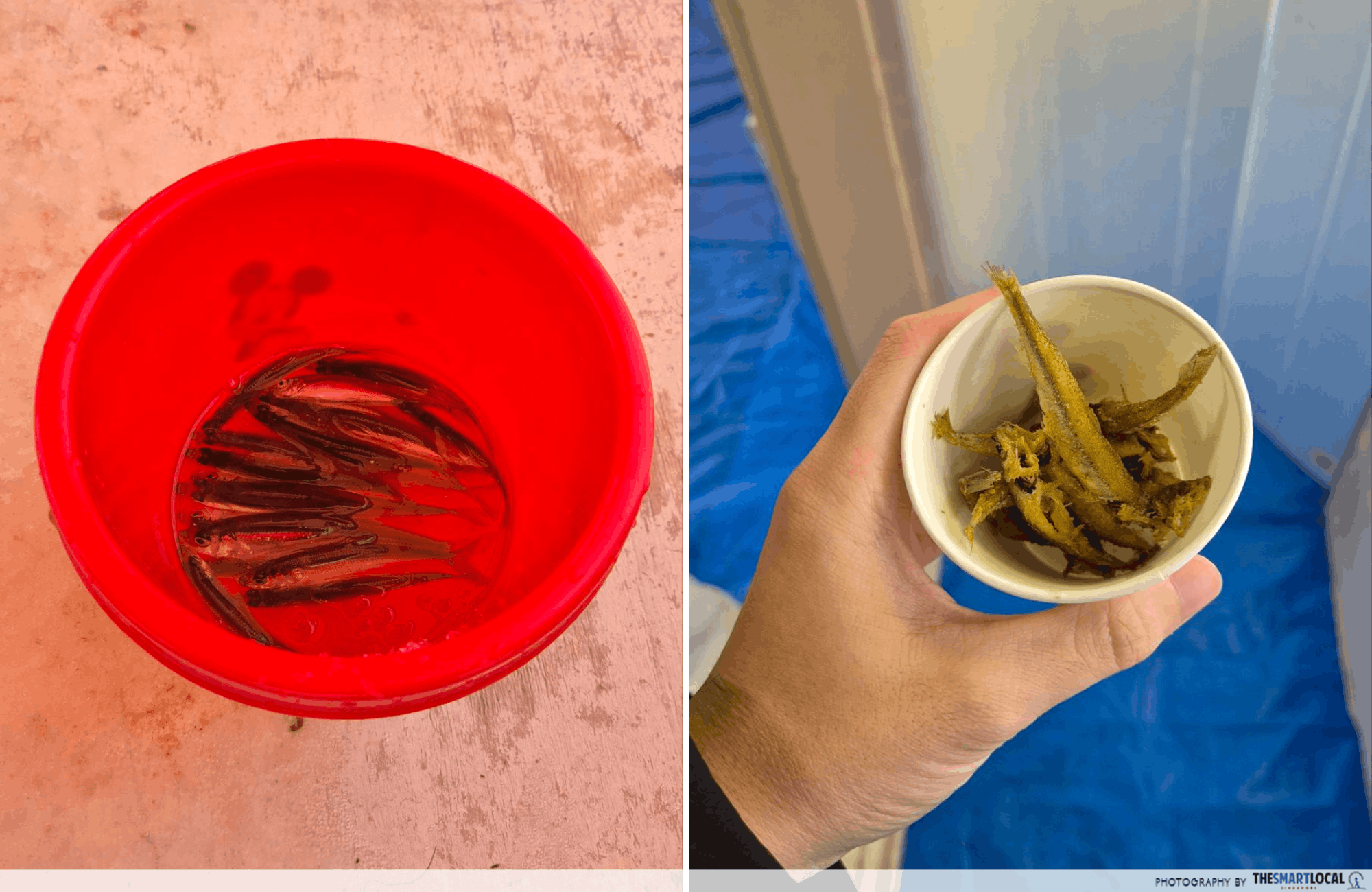 I would say we did pretty well considering our experience, or lack thereof, with fishing, let alone in frigid conditions.
After our time was up, our guide led us into an indoor resting area and fried up our catch for us to munch on. He even gave us a cup of fried fish that were originally frozen to compare with our freshly caught ones; the difference was stark upon first bite, as the fresh fish were noticeably more meaty.
5PM
For dinner, we had another one of Hokkaido’s must-trys: soup curry. It’s a thin, curry-like broth that’s not as thick as your typical serving of Japanese curry, and is usually served alongside chunks of vegetables as well as meat. Conveniently, there was a SOUP CURRY GARAKU outlet nearby, which is a chain that specialises in whipping up bowls of piping-hot goodness.
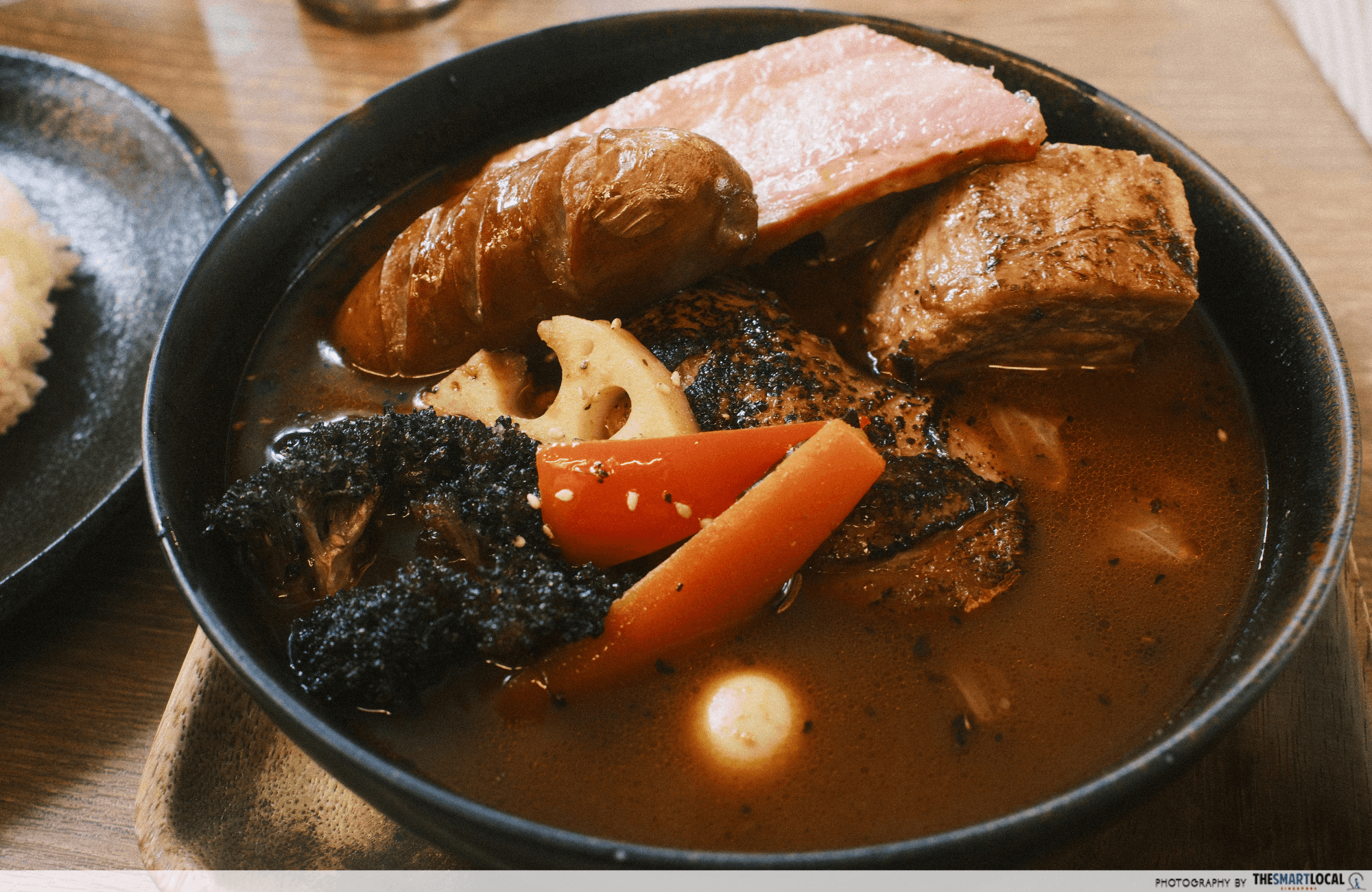
As we were feeling especially ravenous, we each went for Meat Festival Garaku Special Soup Curry (¥3,200, ~S$26.26), which contained a generous amount of meats like chicken leg, thick-cut bacon, and braised pork drenched in a savoury, umami-rich soup curry broth. You can also customise your spice levels and amount of rice served along with your dishes.
6PM
Another picture-perfect attraction can be found at Tomamu Ski Resort, the Ice Village. Admission costs just ¥600 (~S$4.92), and you’ll be privy to scenes that were seemingly ripped straight from Disney’s Frozen.
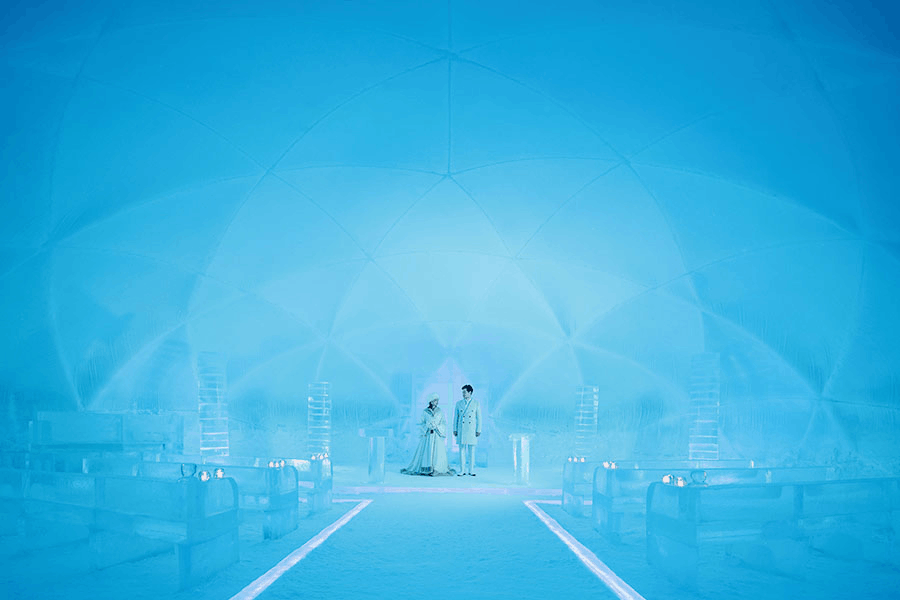
Image credit: Hoshino Resorts Tomamu
For starters, on the path towards the village, you’ll come across an Ice Chapel that’s only open at the peak of winter. Everything within it, from the altar, cross, and pews, is made from solid ice, and it’s also available for booking for actual wedding ceremonies too.
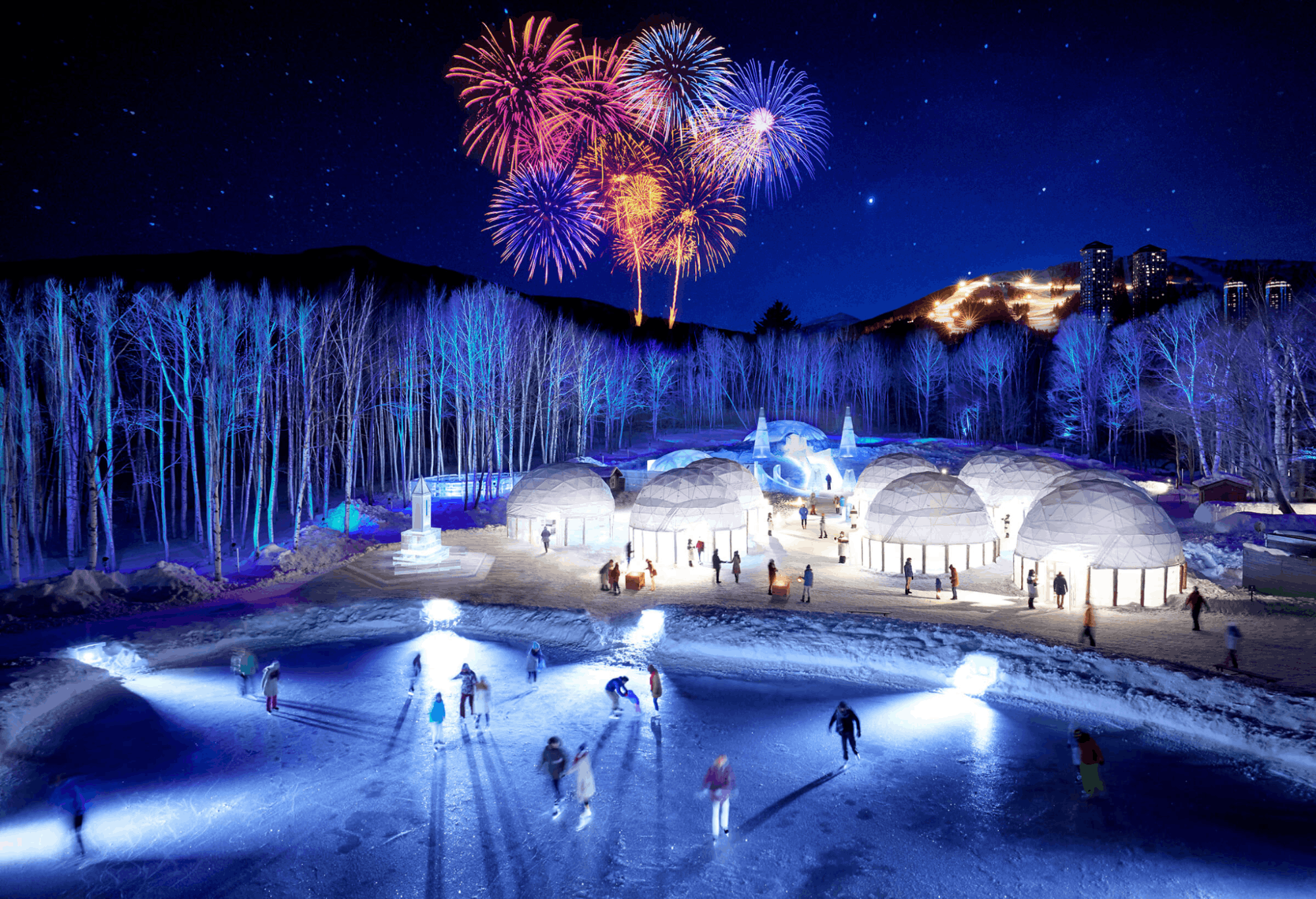 Image credit: Hoshino Resorts Tomamu
We came across the Ice Village further up ahead, as dreamy blue floodlights lit up the path ahead. There’s an ice skating rink that has ice skate rentals if you’d like to try your hand at gliding across the ice, as well as ice slides which elicited squeals of excitement from children and adults alike.
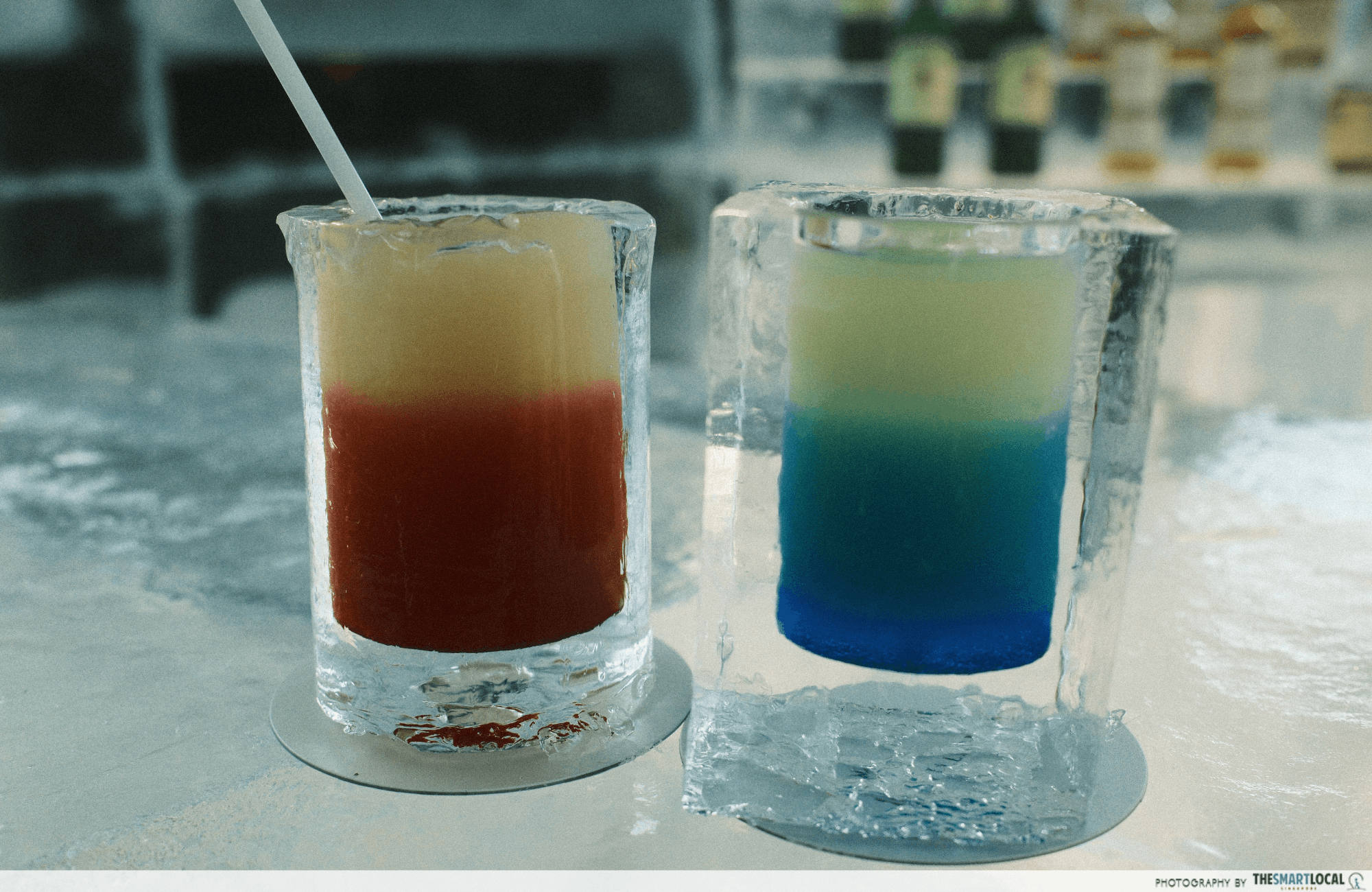 Put on your gloves to grasp the ice cups, as they’re extra slippery.
After walking around for a bit, we stopped by the Ice Bar for a quick tipple. The bar counter and chairs were all sculpted from ice, and the drinks here start from ¥1,500 (~S$12.31). Their menu boasts both alcoholic and non-alcoholic concoctions and interestingly, drinks come served in hollowed-out blocks of ice that double as cups.
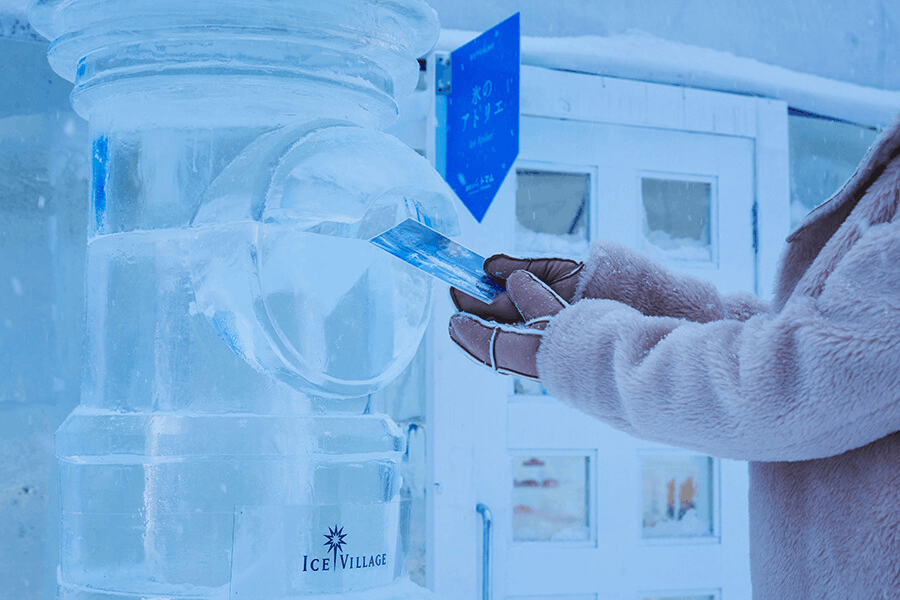
Image credit: Hoshino Resorts Tomamu
Other attractions here include an Ice Post Office, where you can drop postcards (250, ~S$2.05) in a mailbox crafted from ice to mail anywhere in the world. If you’re extra hungry, grab a bite at the Ice Restaurant which has dishes like chilled Ice Ramen and hot cheese fondue. You can also roast marshmallows (¥500, ~S$4.10) at the fire pits outside, as well as find out how chilly it is at the giant Ice Temperature Tower.
Day 8: Otaru & Sankaku Market
10AM
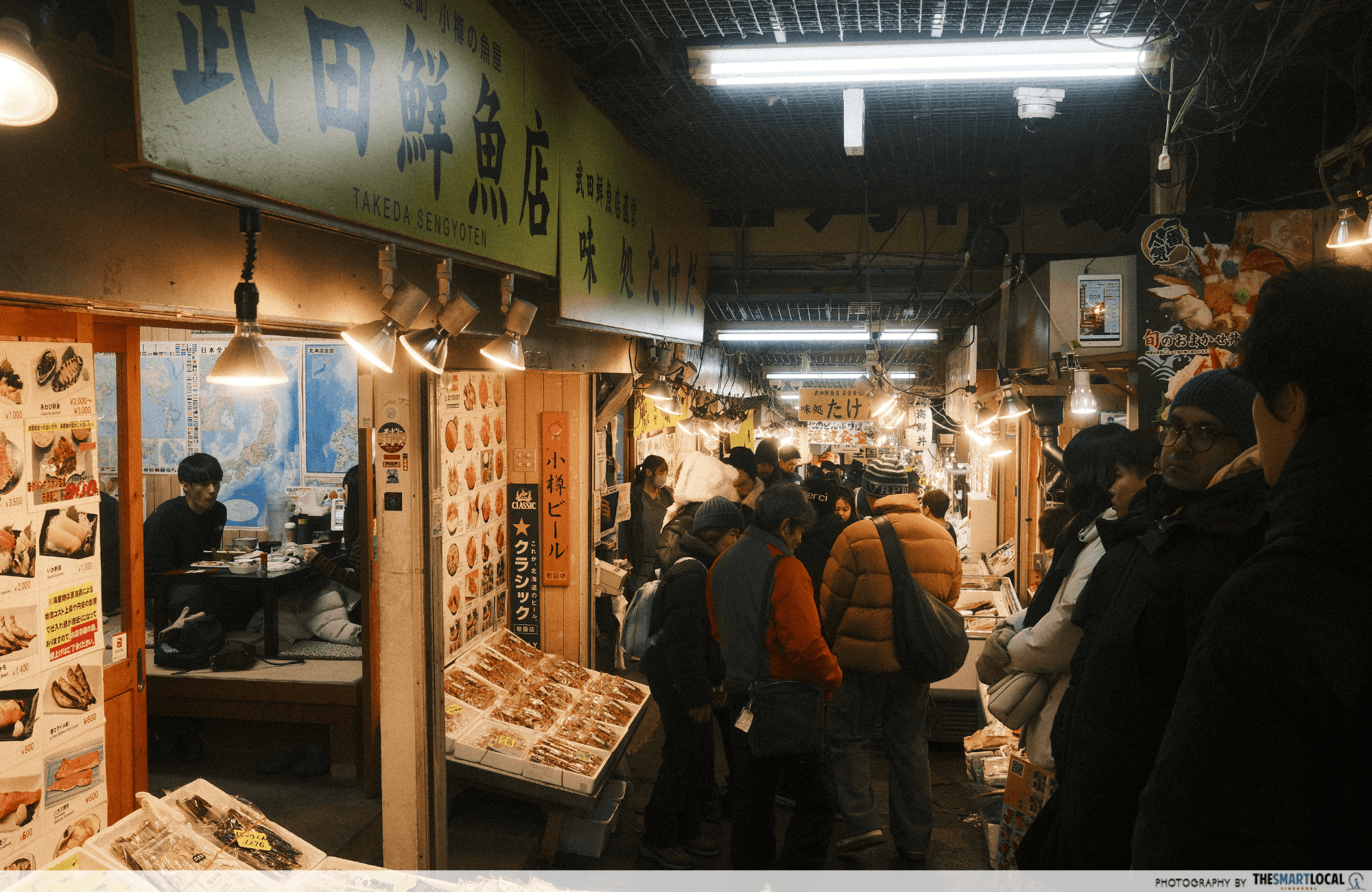 The morning crowd at Sankaku Market.
Otaru has to be an automatic inclusion within any Hokkaido itinerary, and so we drove about 50 minutes up to the quaint port town from Sapporo city. But first, breakfast. Being located so close to the Sea of Japan, the town’s seafood is top-notch, and we just had to have a taste for ourselves at the nearby Sankaku Market.
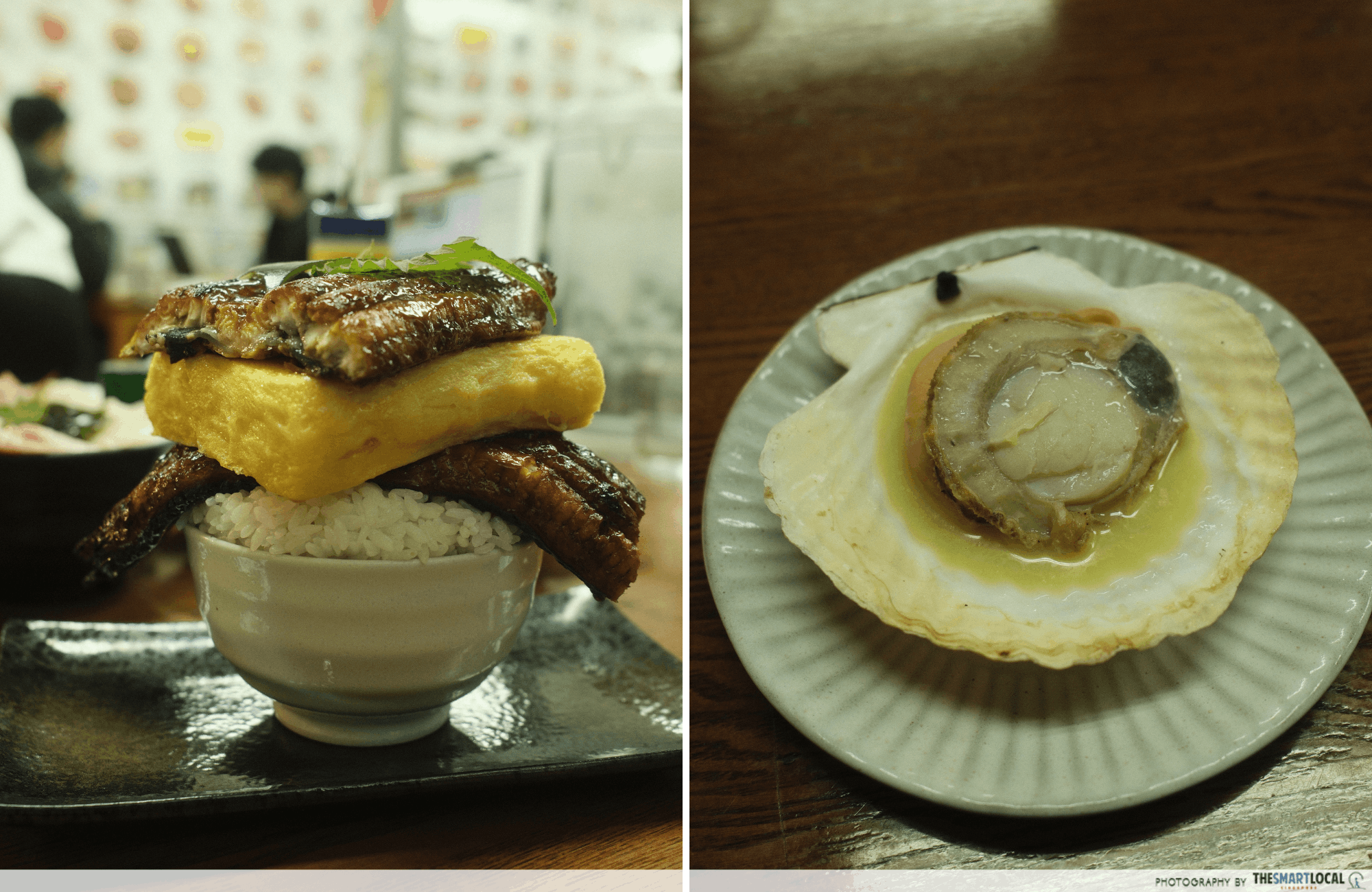
We ordered seafood rice bowls to share amongst ourselves at a stall called Ajidokoro Takeda, and the dishes that won our palettes had to be this towering unagi and tamagoyaki rice bowl (¥3,800, ~S$31.19) and the biggest grilled scallops (¥800, ~S$6.57) we’d ever seen.
12PM
If you’re one to enjoy shopping for souvenirs, Otaru has got it all. Its streets are lined with small shops selling all sorts of interesting trinkets and baubles, and one type that we were looking out for was music boxes.
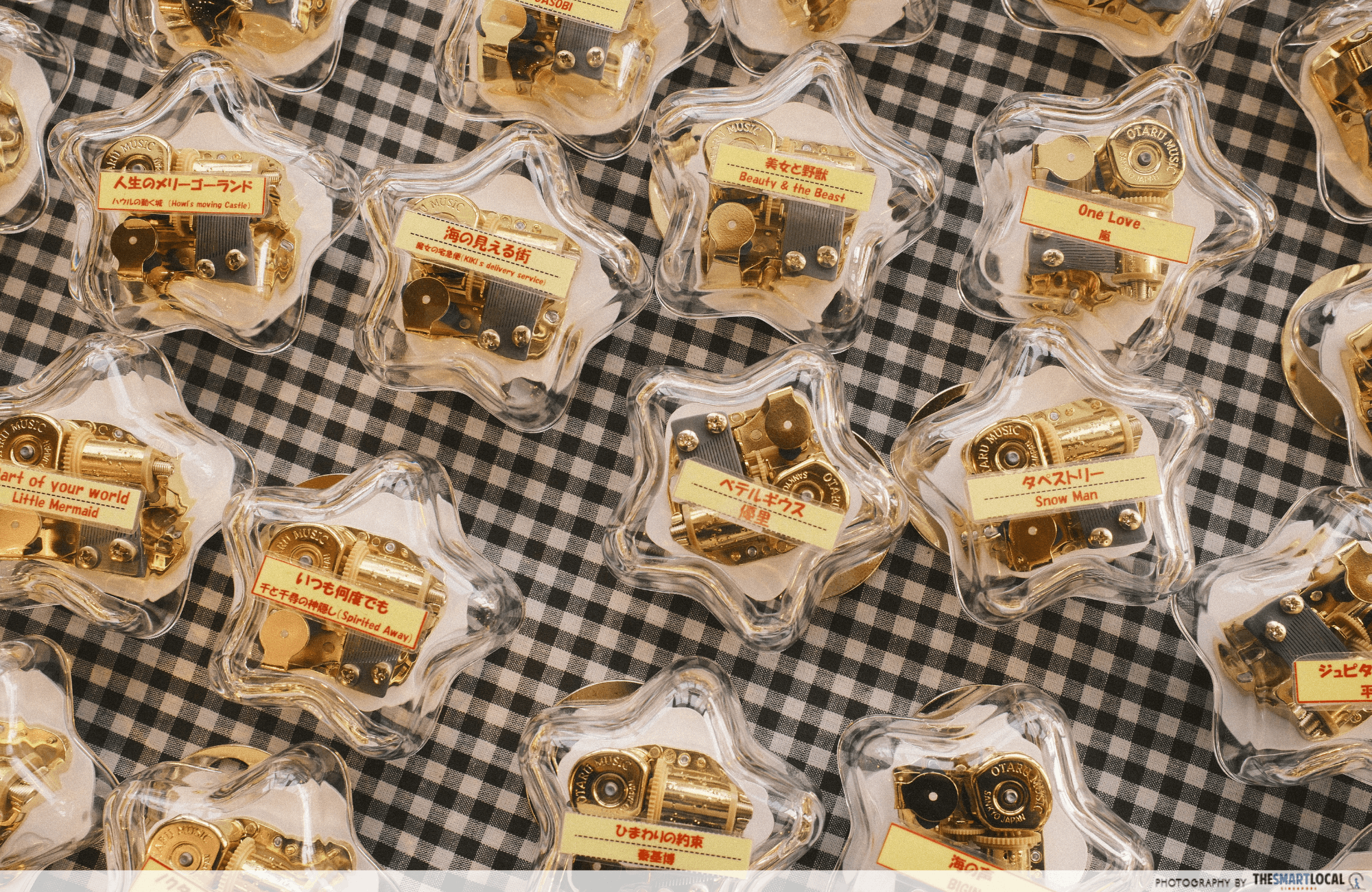
We stepped into Music Box Laboratory Kaimeiro, and were greeted with the delicate plucking of the wonderful handheld devices. There were literally hundreds of music boxes to wind up to have a listen to yourself, and their range of songs was mighty impressive – from K-pop, to anime OSTs, to English titles, to Disney classics.
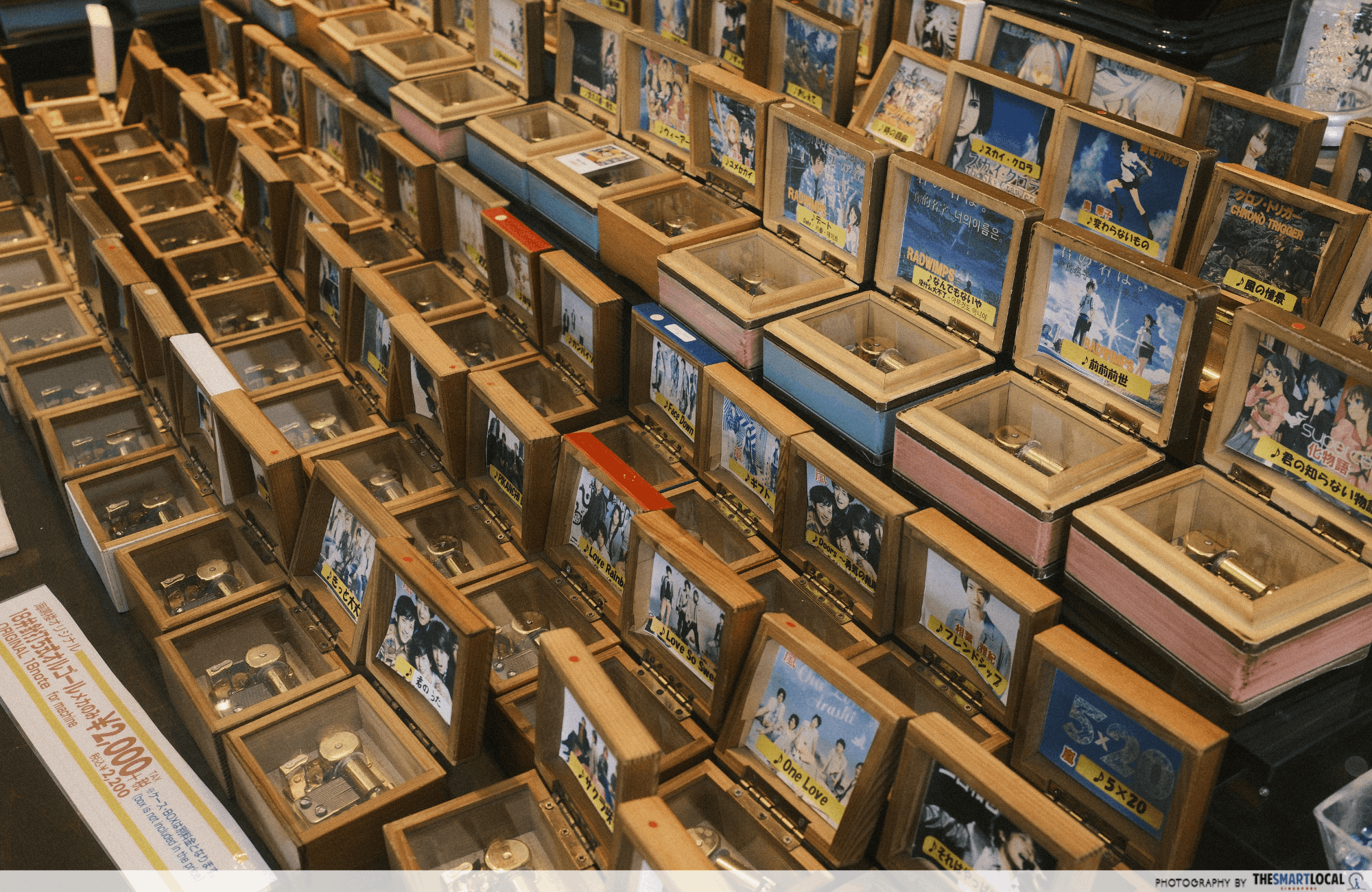
We first picked out our songs; I chose the iconic Merry Christmas, Mr Lawrence for myself and Merry-Go–Round of Life for my Studio Ghibli-loving girlfriend. Then, we got to choose a box to house the mechanism that would play our desired songs. In total, each music box cost me ¥3,900 (~S$32.01).
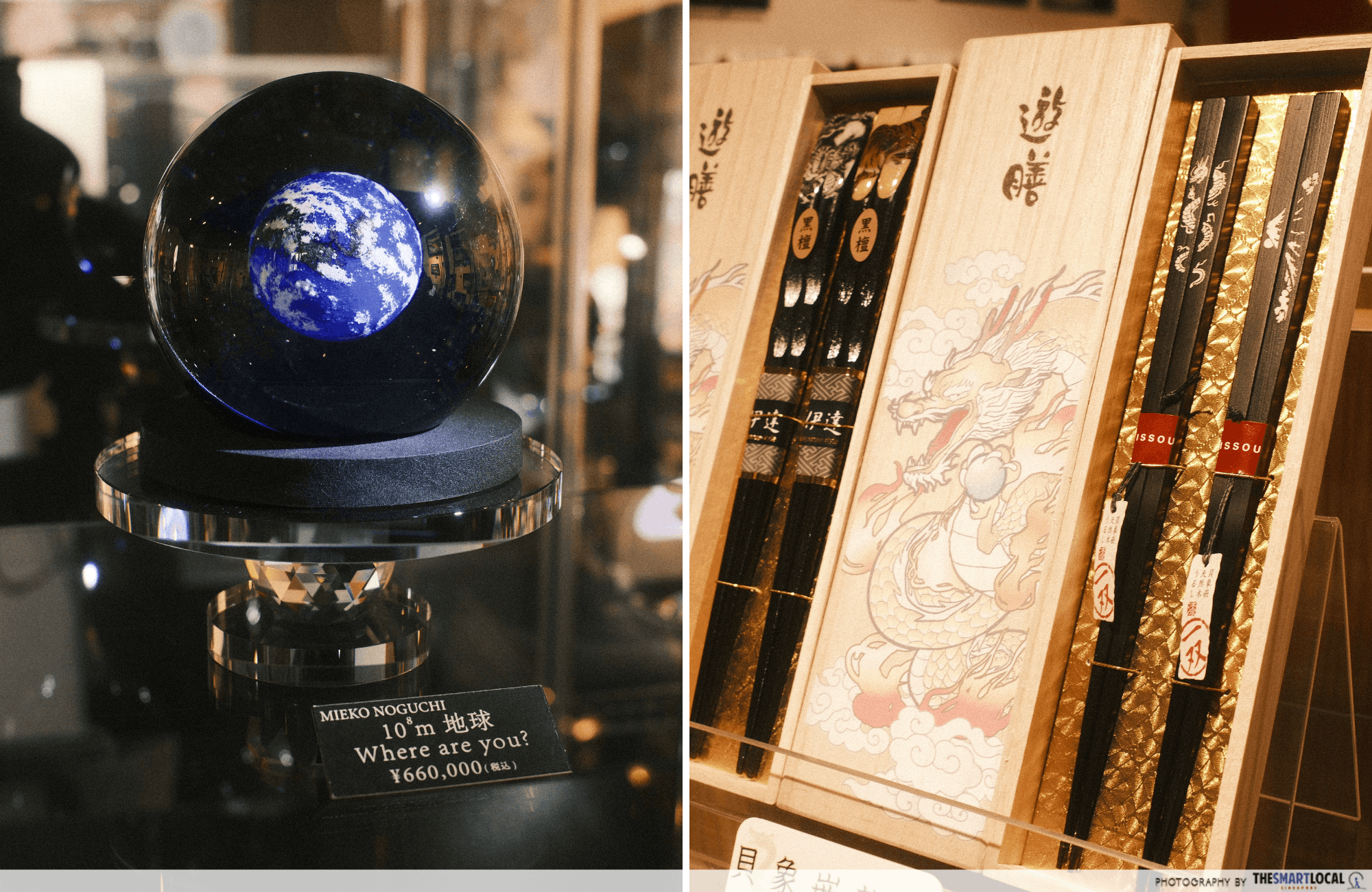
Another store that captivated us was Taishogarasu Uchu, which dealt in masterfully-crafted glassware, with thought-provoking pieces stretching into the hundreds of thousands of yen. Down the road, we headed into Yuzen Chopsticks to shop for gifts that we could more realistically take home with us. Pairs of intricately-designed chopsticks lined their shelves, and gift sets that came with a sturdy, wooden box cost around ¥3,000 (~S$24.62).
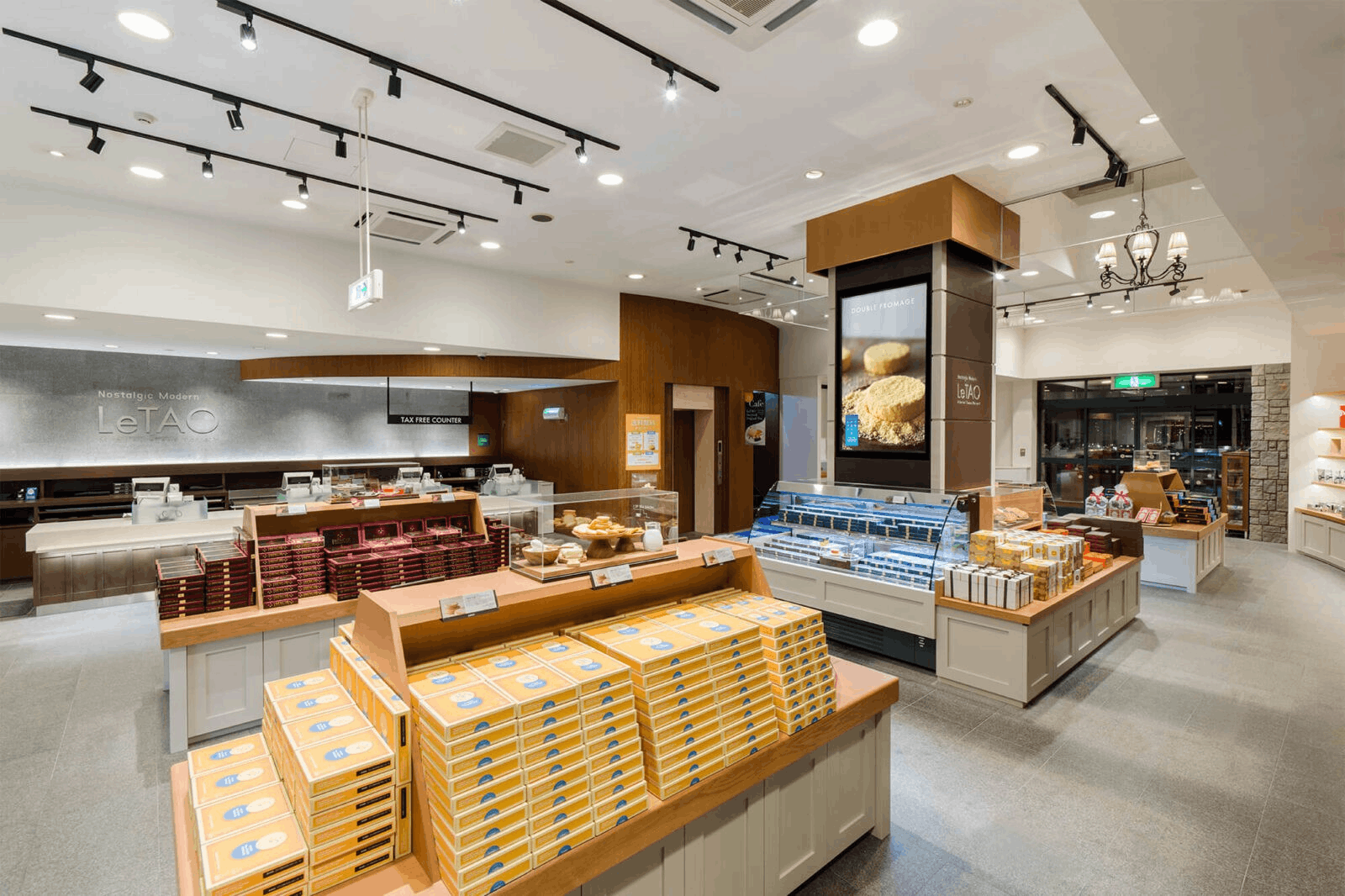 The LeTAO Main Store in Otaru.
Image credit: Hokkaido A4JP
If you can’t get enough of souvenir snacks after being won over by Shiroi Koibito biscuits, you can most definitely buy a stockpile of them at Otaru. Some that I just knew I had to buy after tasting samples were LeTAO’s milk-flavoured Otaru Rue Ironai Fromage cookies, and Rokkatei’s Marusei Butter Sandwich sweets.
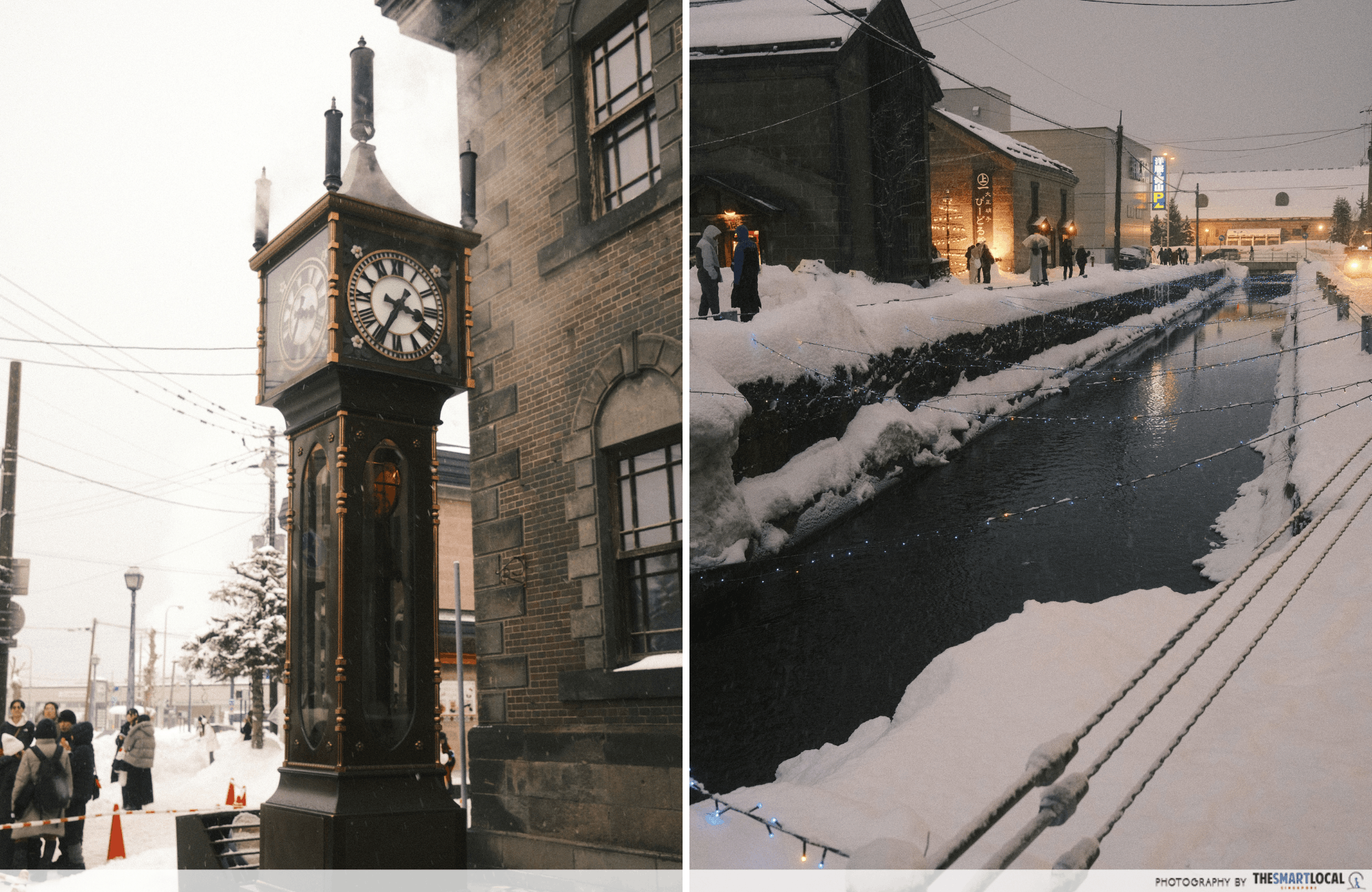
As you roam the streets of Otaru, listen closely, and you might catch the melodic chiming of the town’s famous steam-powered clock. You’ll also want to catch the canal lights as they turn on once it gets dark, giving the waterways major Venetian vibes.
6PM
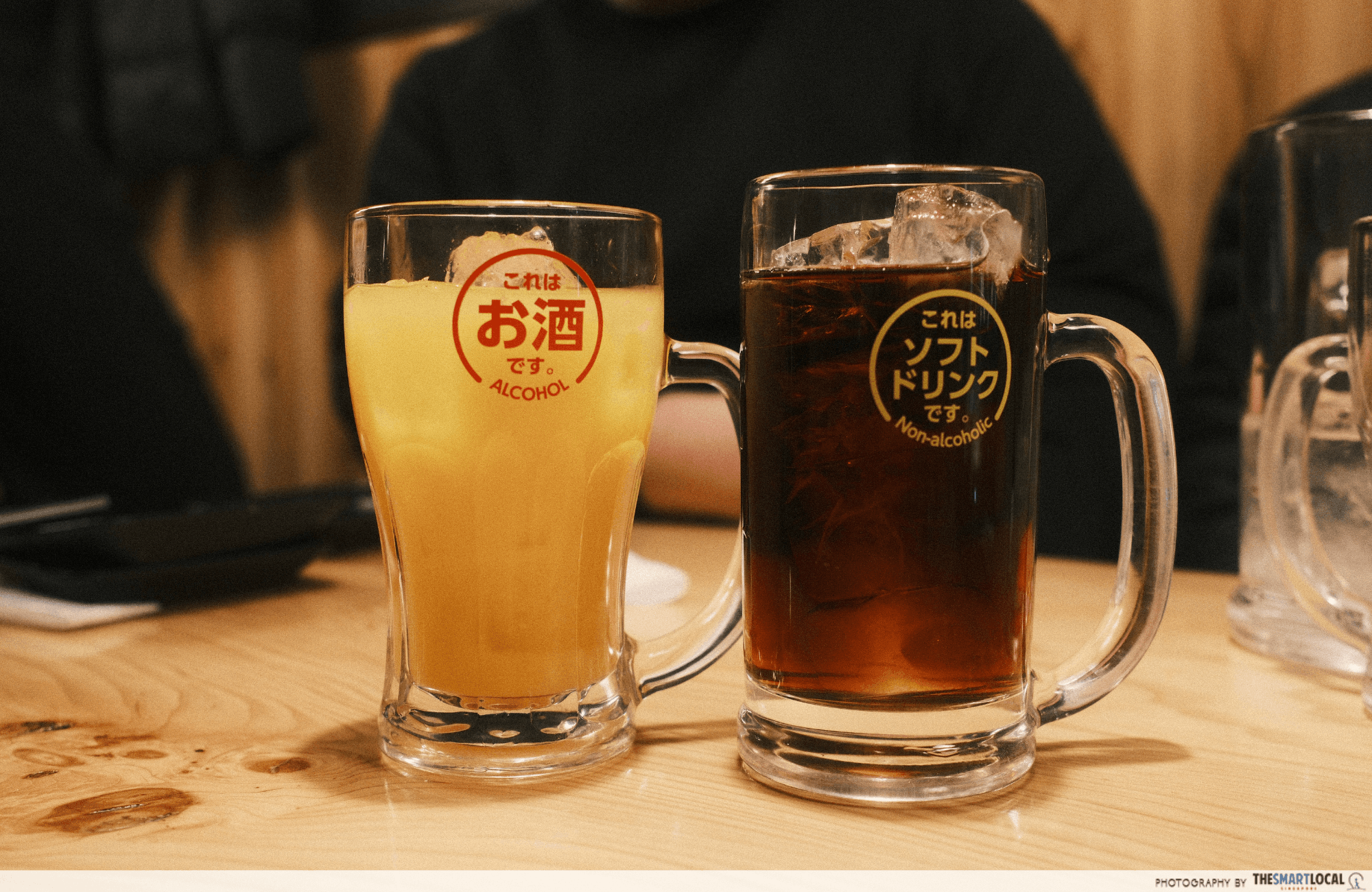 Remember, no drinking and driving.
We spent the whole day trudging in the snow in Otaru, so you can bet we were properly hungry come nighttime. We chose to dine at Torikizoku back in Sapporo, a popular yakitori chain that’s known across Japan for its affordable skewers and alcoholic drinks, all costing ¥390 (~S$3.20) each.
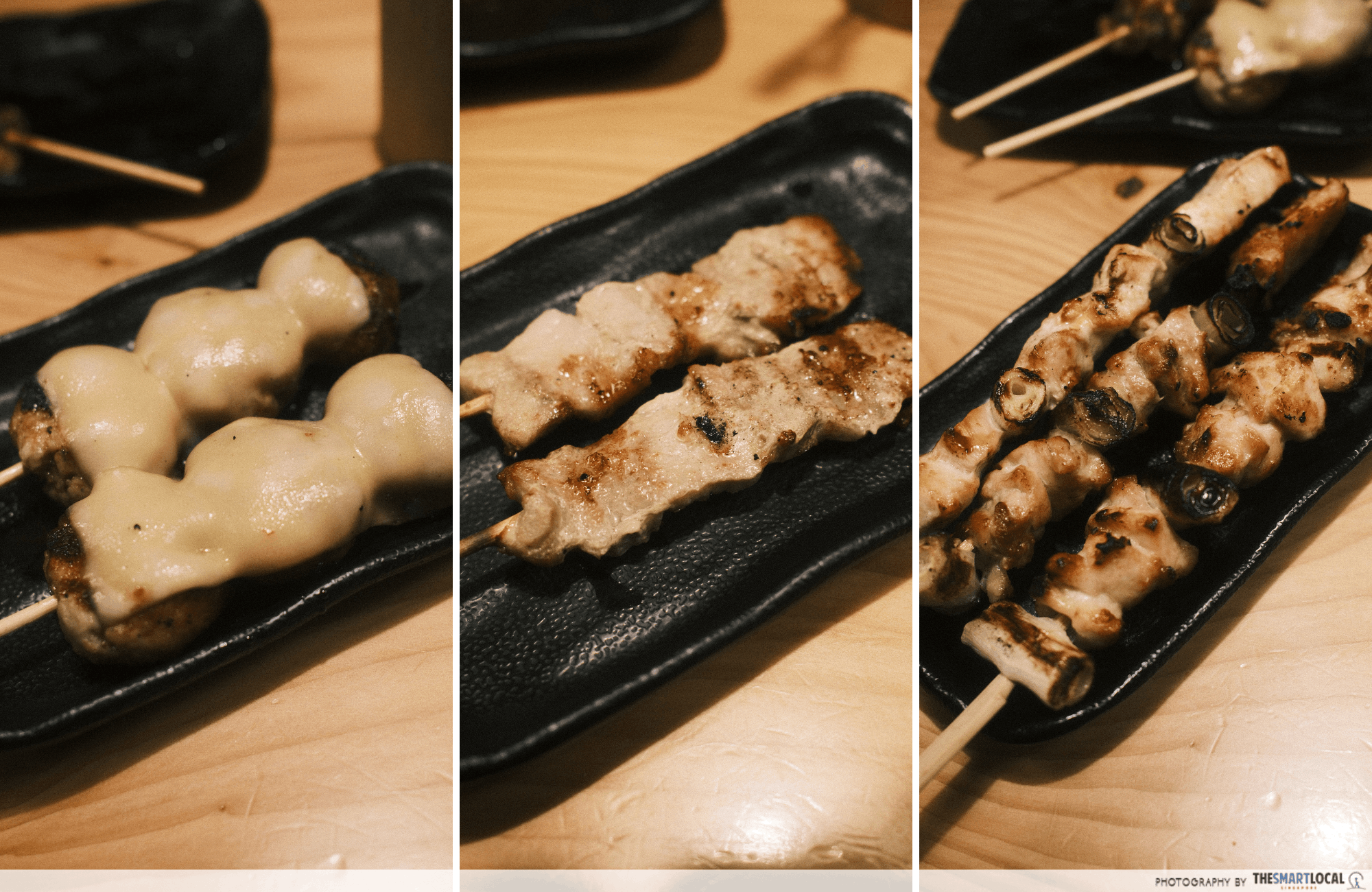
We called ahead of time to reserve our seats, and thankfully we did, as their Susukino outlet was packed with corporate folks looking to destress with meaty bar bites and post-work drinks. As for us, we knocked back glasses of refreshing Lemon Sours in various flavours, while feasting on skewers of grilled meatballs, chicken skin, neck, and breasts, beef strips, pork belly, and mochi.
Day 9: Chitose
10.30AM
Alas, after a good 8 days in the cold, it was time to return to the furnace that is Singapore. We used most of the morning of our last day to catch up on some sleep and to figure out how to securely stuff as much of our Hokkaido haul as possible into our check-in luggage. We then hopped into our car and drove to Chitose city, which was about 45-minutes away.
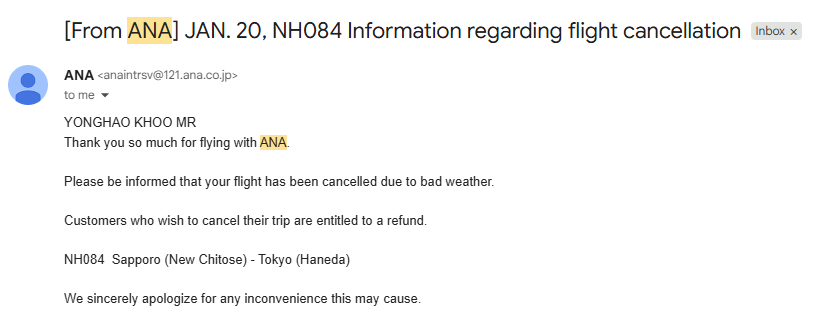
The worst news you can get when preparing to return home from any vacation.
Image credit: Khoo Yong Hao
Our domestic flight from New Chitose Airport to Haneda Airport was scheduled at 9.25pm, and as such, we had the entire day ahead of us to do some last-minute shopping – or so we thought. A blinding snowstorm was forecast to engulf the island later that evening, and sure enough, we got an email from ANA at 12pm sharp informing us that our flights would be cancelled.
12PM
We headed straight to the airport, first to return our rental car which went smoothly, and to see if we could get seated on an earlier flight. Thankfully, there were seats for a Tokyo-bound flight that was taking off at 2.20pm, and after getting our boarding passes, we quickly made our way to the boarding gates.
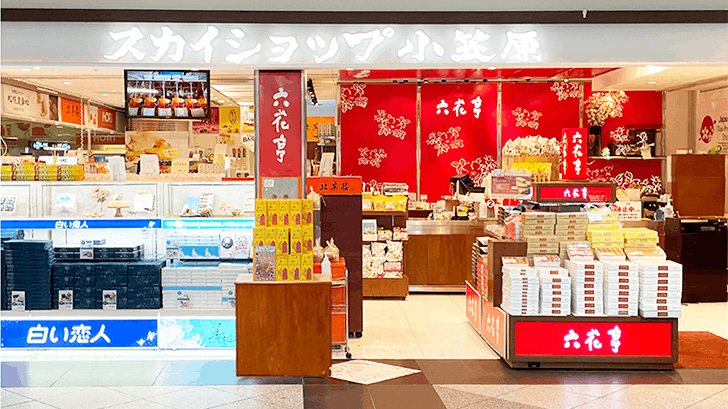
Sky Shop Osagawara in New Chitose Airport.
Image credit: New Chitose Airport
Unfortunately, we didn’t get to explore New Chitose Airport as we were rushing off to catch our flight. It’s arguably one of the best places to shop for Hokkaido-exclusive souvenirs as there were quite a number of shops selling them by the boxes – all tax-free of course – such as Sky Shop Osagawara and SnowShop.
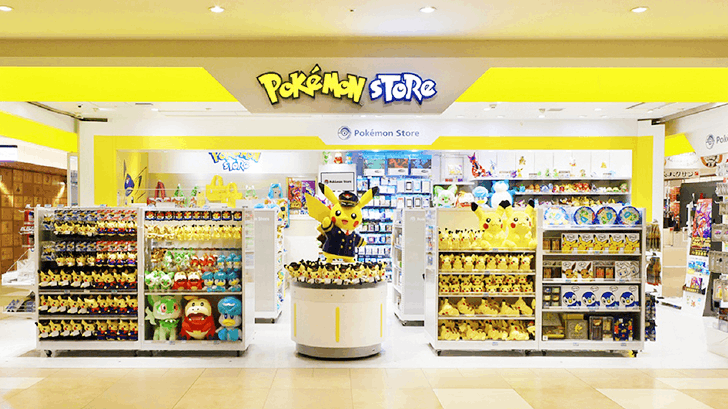
Image credit: New Chitose Airport
If you didn’t visit Sapporo’s Pokémon Centre, there’s a smaller one here too if you’d like to rip open some packs before your flight. Back at home, Jewel Changi Airport’s Gundam Base received much fanfare when it was announced to open this February, and you can find Hokkaido’s flagship outlet on level 4 of New Chitose Airport
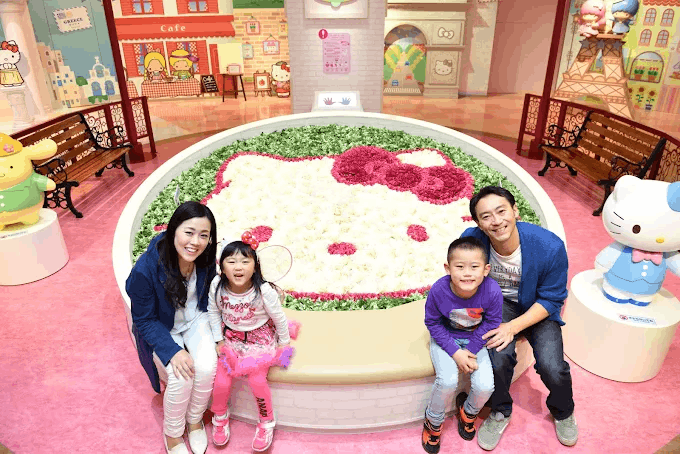
Image credit: ハローキティ ハッピーフライトvia Google Maps
But even if you’re not planning on doing any shopping at the airport, you can hit up its other amenities should you have some time on your hands. There’s a theatre also on level 4 where you can catch the latest blockbusters at, as well as the aviation-themed Hello Kitty Happy Flight (¥800, ~S$6.57) play area on level 3 for the little ones to run amok in.
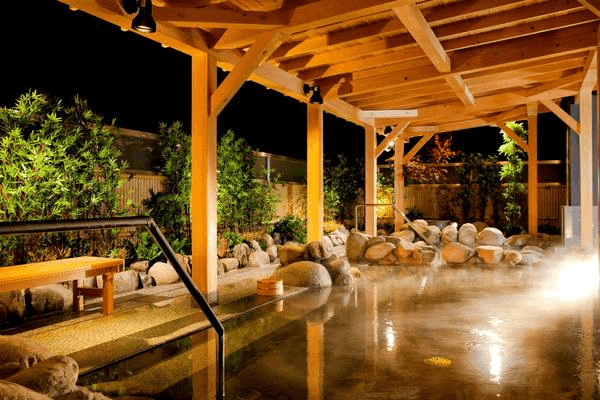
Image credit: Japan Travel by NAVITIME
There’s even an onsen (from ¥1,300, ~S$10.67) within the airport for both pre and post-flight soaks that’s open for 23 hours daily. They also provide Thai aroma treatment and massage services here, to soothe any knots caused by sitting in economy for hours on end.
As for us, we didn’t have the luxury of time to truly appreciate New Chitose Airport and all its conveniences, and before we knew it, we were touching down at Haneda Airport after an hour in the air. Nonetheless, we were grateful we didn’t have to spend an additional night stranded in Hokkaido, and safely landed back on Singapore soil at around 7am the next morning.
How to get to Hokkaido from Singapore?
 Hakodate Airport.
Image credit: HOKKAIDO LOVE!
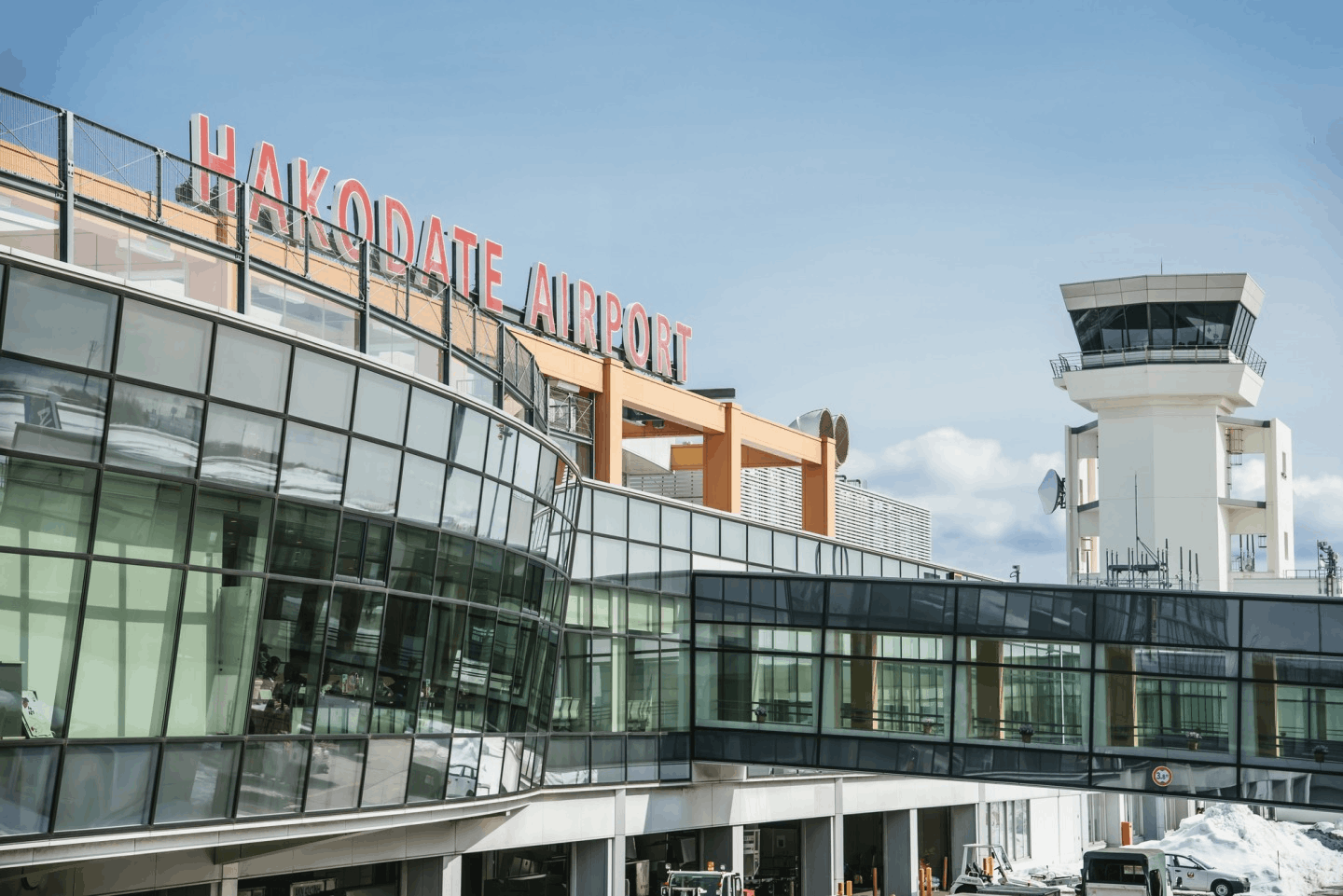
Getting from Singapore to Hokkaido during winter isn’t difficult at all, if the weather permits that is. Firstly, there are a couple of airports you can land at, such as Hakodate Airport on the Southern end, the centrally-located Asahikawa Airport, the Kushiro Airport near the Eastern coast, and the island’s biggest and busiest airport, New Chitose Airport.
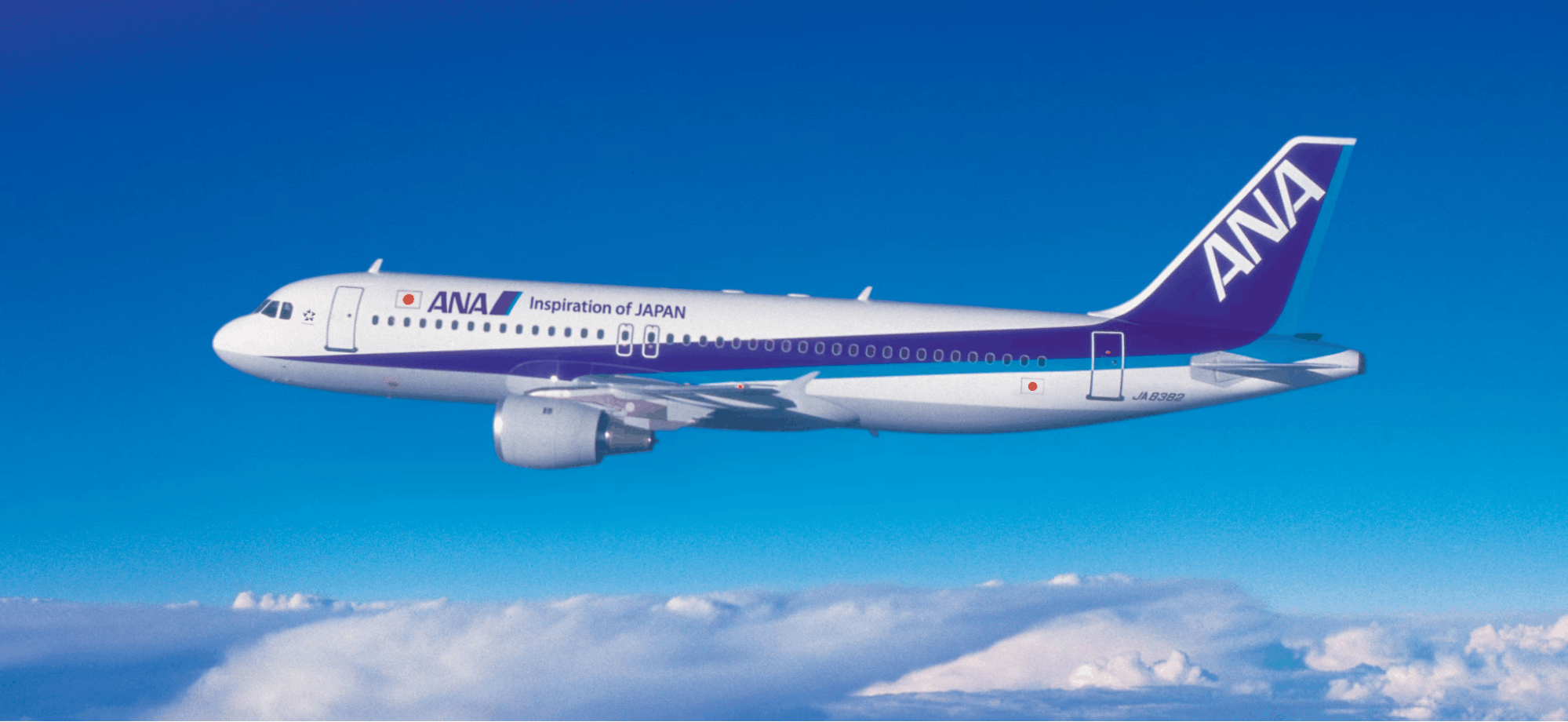 Image credit: ANA
However, you’ll have to take a connecting flight to reach these airports, most often done domestically from Haneda or Narita Airport in Tokyo. Airlines that fly this route include SIA, ANA, and JAL. You can also opt to take connecting flights from other airports outside of Japan too; Cathay Pacific has layovers in Hong Kong, and Scoot, in Taiwan.
Round-trip flights from Singapore to Hokkaido that include stops cost S$800 on average during the peak of winter season in January, but if you book your tickets early, we’ve seen prices dip to S$605 on low-cost carriers like Scoot. With layovers, you’re looking at a travel time of around 10 hours to 14 hours, depending on where in Hokkaido you decide to land.
 New Chitose Airport.
Image credit: Hokkaido Guide
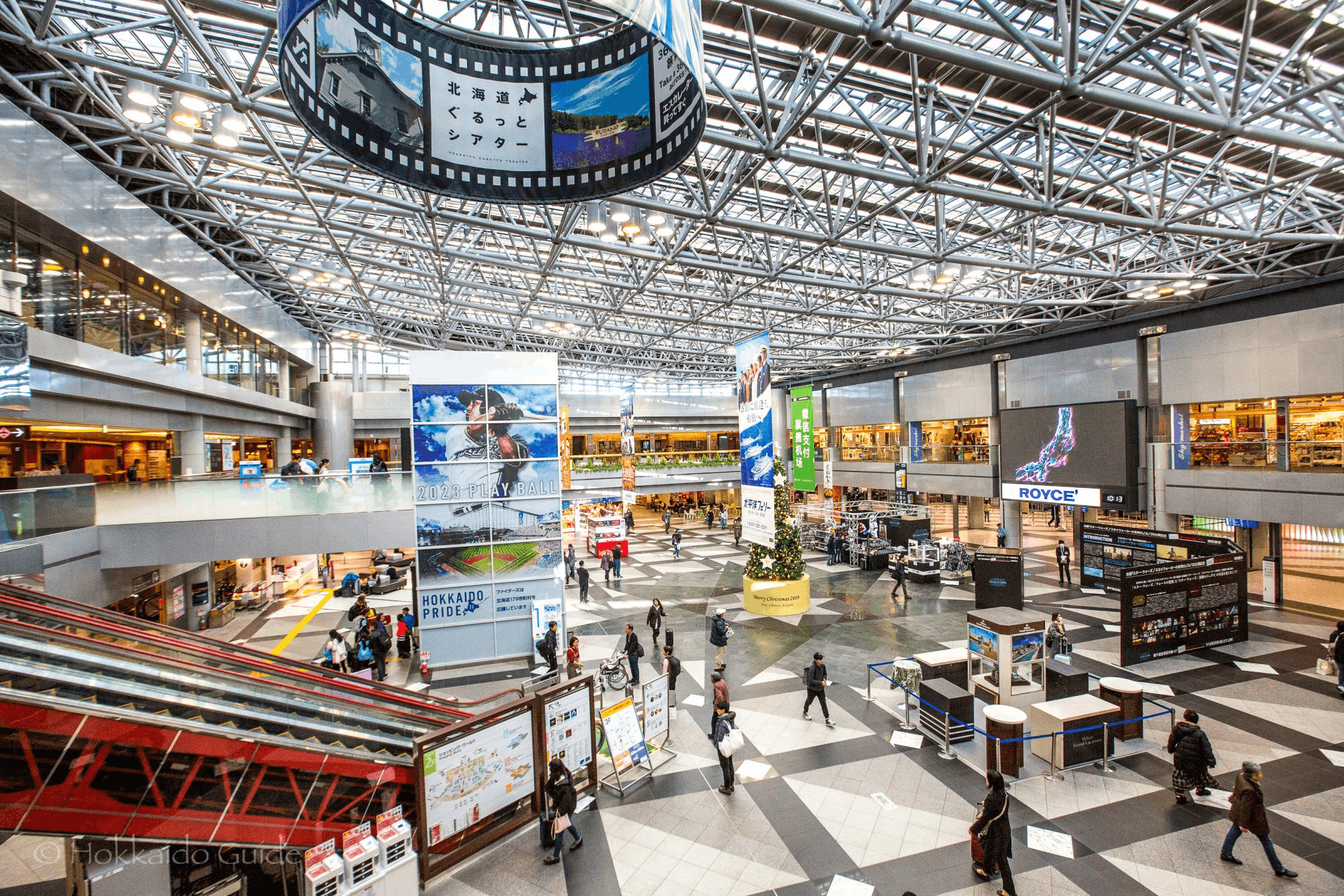
Alternatively, you can choose to fly in directly to Sapporo city’s New Chitose Airport, albeit at much steeper airfares. To our knowledge, only SIA and ANA fly straight from Singapore to Sapporo, and the 7 hour 15 minute-long flight will typically set you back around S$1,320, and that is if you book your flights way ahead of time.
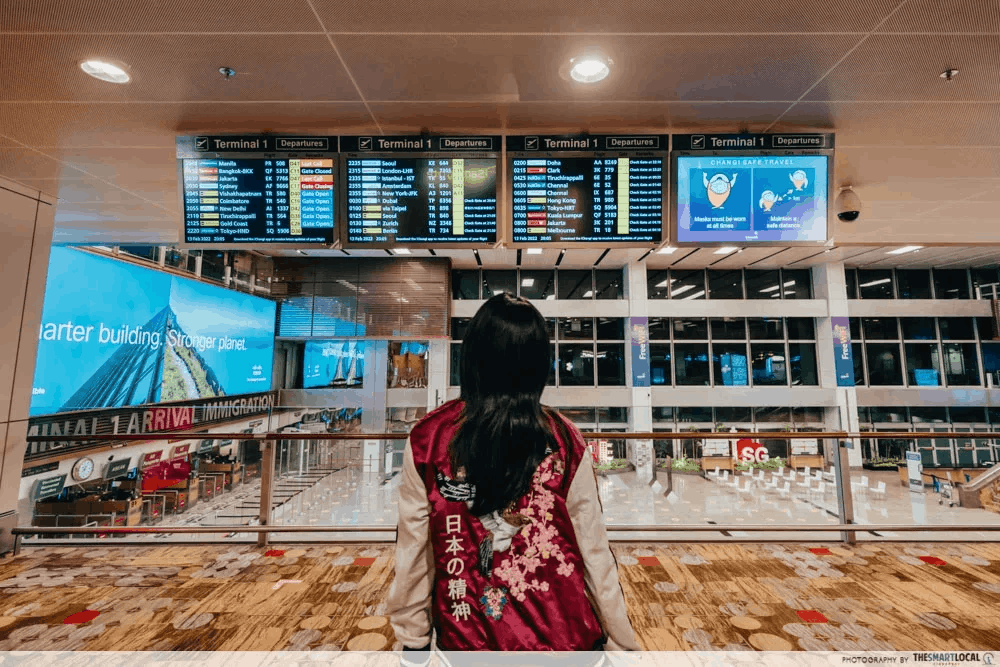
However, you’ll want to mentally steel yourself for flight delays and even cancellations when travelling to Hokkaido during the winter. Due to heavy snowfall, they’re not uncommon at all; in fact, my return flight was cancelled on my recent visit.
What to pack when visiting Hokkaido in the winter?
As someone who has never seen real snow, let alone travelled to a winter destination, packing for Hokkaido was a real doozy, as the daily averages were well below freezing. If you’re also not well-versed in braving the biting cold, here are some winter-specific items I would bring along in hindsight, so you won’t be left unprepared for the weather.
| Item | Where to buy | Notes |
| UNIQLO HEATTECH inner wear | UNIQLO | – Buy both the top and bottoms, go for the Extra Warm version
– Consider buying in Japan as it’s about 30% cheaper there after factoring in tax-free discounts |
| Scarf & hat | Winterwear stores, UNIQLO | – If buying from UNIQLO, consider buying in Japan for lower prices |
| Heat pack | Convenience stores & supermarkets in Japan | – Look up “magma heat pack” on Google, that’s the one you want to look for in Japan; very hot to the touch after leaving in your pocket for a few minutes
– Can buy the stick-on ones to stick on your innerwear on your back and on your feet to stay even warmer – Tried the ones from Daiso Singapore, but they weren’t nearly as warm |
| Waterproof, non-slip shoes | Winterwear stores | – You’ll be walking on snow/ice a lot, so water is bound to seep into your shoes if they aren’t waterproof
– Walking around with cold and wet toes is no fun – Ice is super slippery so having non-slip shoes is essential, especially for children/older folks |
| Lip balm & moisturiser | Pharmacies | – Helps keep lips and face moisturised in the cold and dry weather |
| Face mask | – Protects face from the strong winds | |
| Sunglasses | Eyewear stores | – Protects eyes from the light that reflects off the snow & ice
– Especially helpful for drivers |
Check out our list of winter apparel shops in Singapore to easily get your items, and the best down jackets that will keep you warm and toasty.
What to know about renting a car in Hokkaido?
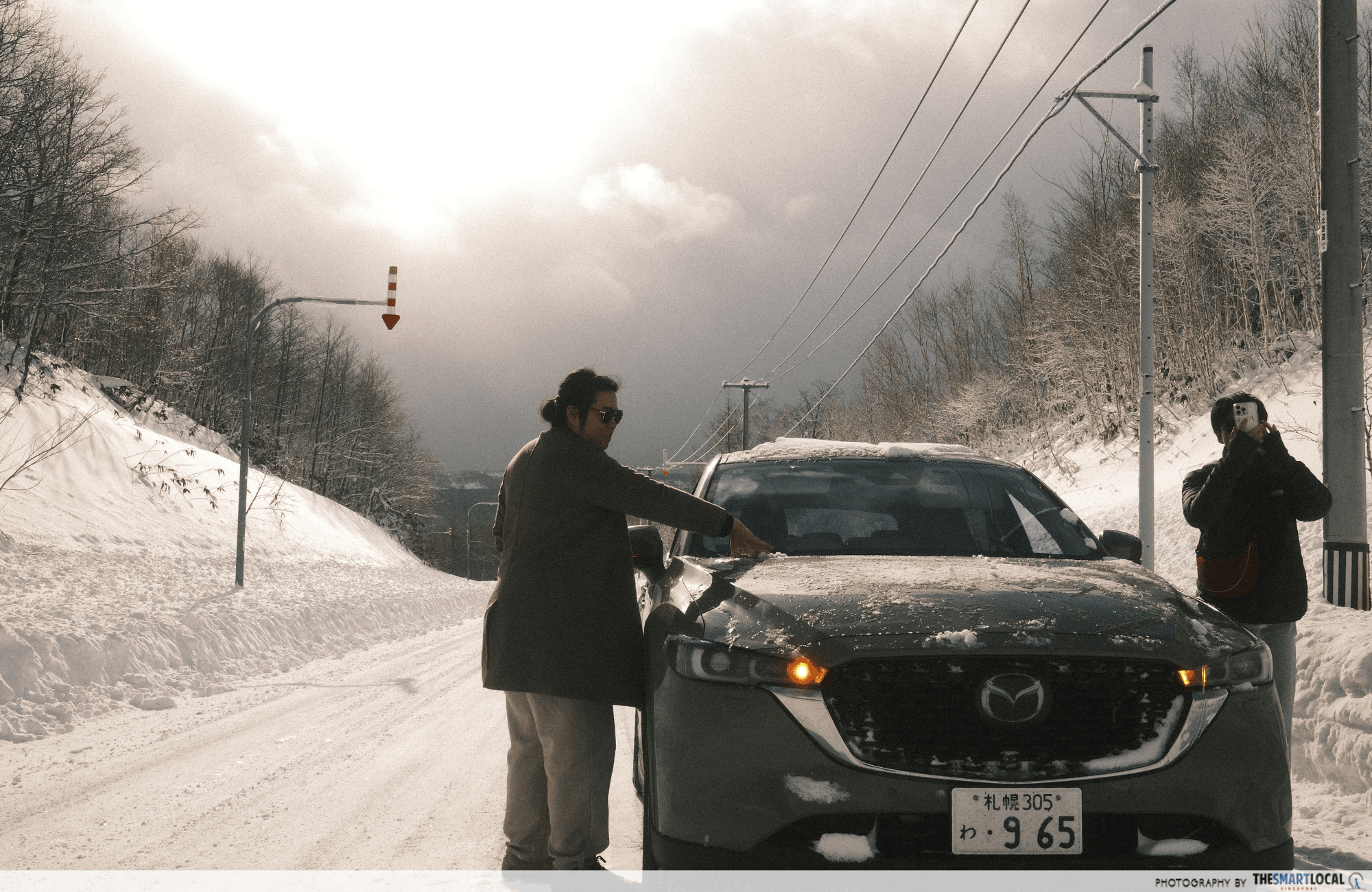
Renting a car is not a must when touring Hokkaido; there are public buses and trains you can hop on to get around the island. But, we decided to explore the snow-cloaked landscape with a set of wheels of our own, as we thought the convenience was well worth it. Here are a couple of pros and cons of renting a car for your Hokkaido holiday:
Pros:
- More private travelling experience as compared to taking public transport
- Can transport luggage and shopping bags conveniently
- Access to more remote locations that may be difficult to reach using only public transport
- Can stop for beautiful sights at observatories and rest stops along the way, especially in mountainous and coastal areas
Cons:
- Driving in icy conditions could be scary especially for inexperienced drivers
- Extra things to factor into travel budget, like car rental costs, petrol, insurance, parking fees, snow tyres
- Having to look for parking can be troublesome

Image credit: Times CAR RENTAL
There are quite a few car rental companies you can choose from when renting a car in Hokkaido, but we settled on Times Car Rental as they had reasonable rates, and they had locations near the airports we were stopping by. We made a booking with them about 3 months in advance, and had no trouble navigating through their website which was properly translated in English.
We rented a Mazda 3 sedan for the entirety of our trip which comfortably sat 3 of us plus all our luggage, and our total cost came out to be ¥123,468 (~S$1,017.99), which we paid when collecting the car. Do note that it was mandatory for us to put on snow tyres due to laws in Hokkaido, and we went with their most premium car insurance add-on for peace of mind, which incurred additional costs.
Don’t forget to ask the staff for an ETC (Electronic Toll Collection) Card. It’s essentially a credit card-like cash card that allows you to make fuss-free toll payments when driving on Hokkaido’s highways.
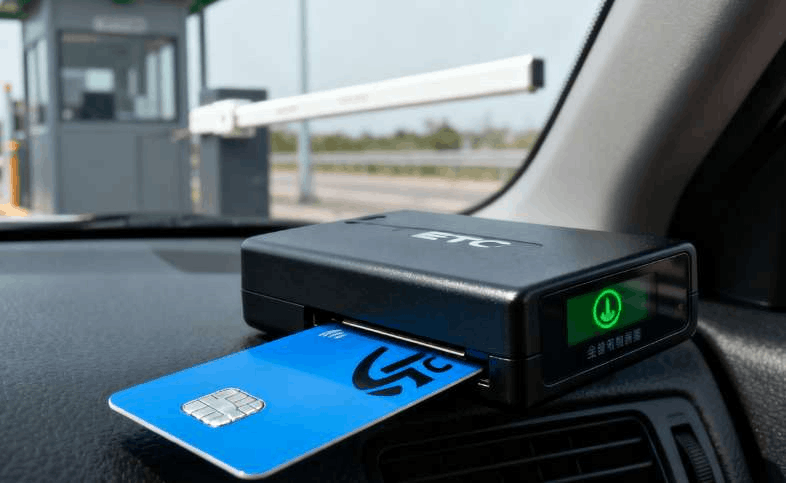
Image credit: Trip.com
We were also given the option to purchase a Hokkaido Expressway Pass which would’ve given us unlimited access to the highways depending on the number of days we bought the pass for. But, after doing the math, it was cheaper for us to pay the highway tolls with an ETC card on a per-use basis, so we did not end up paying extra for the pass.
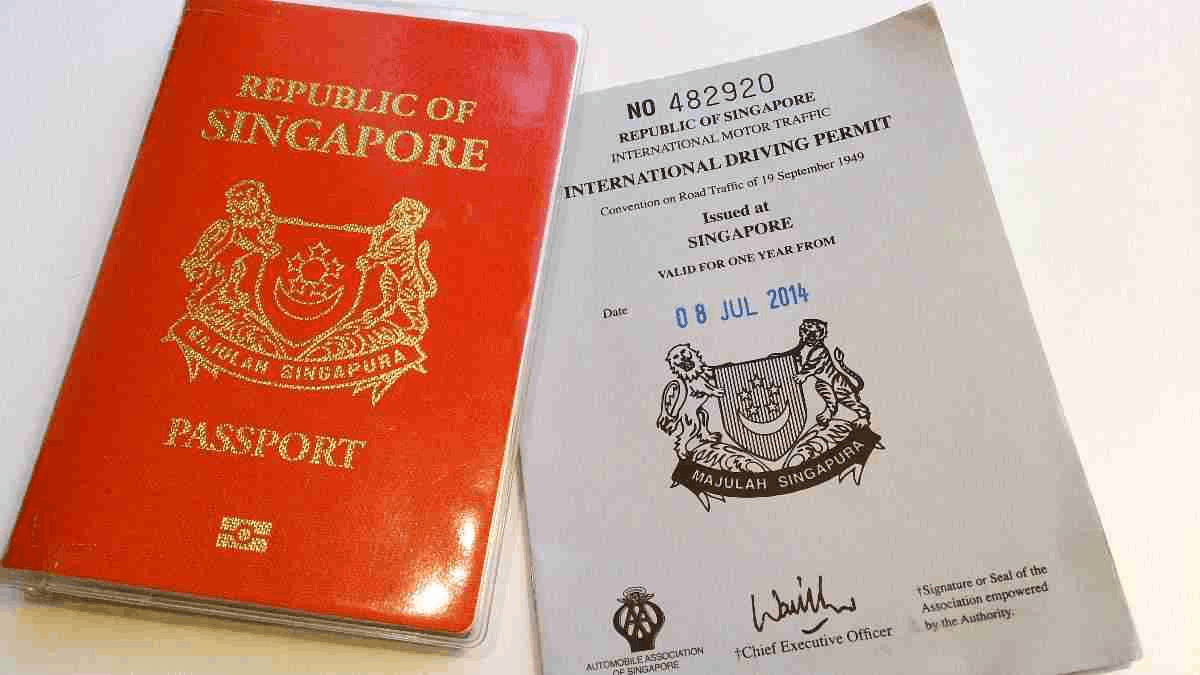
Image credit: Motorist SG
Also, remember to apply for an International Driving Permit (IDP) in Singapore, as you’ll need it to rent a car in Japan. You can apply for a year-long IDP online via the Automobile Association of Singapore website for just S$20. Alternatively, you can head down to any of their 3 offices for more urgent applications; they can process one for you in less than 30 minutes.
The act of driving in Hokkaido is an experience in and of itself, especially for urbanites living in Singapore like ourselves. Picturesque views overlooking distant peaks and ebbing waves are aplenty, but you’ll want to be extra cautious when driving in areas that have iced-over; here are some things to note when you take to the roads in Hokkaido in the winter.
- Vehicles in Japan are all right-hand drive, which means you are required to drive on the left side of the road, just like in Singapore.
- Do not speed; your vehicle can skid on icy roads even with snow tyres.
- Daylight is in short supply in the winter months; it starts turning dark around 3.30pm, and the streets and highways in Hokkaido aren’t as well-lit as in Singapore. Do most of your driving during the day if you’re uncomfortable with driving in low-light conditions.
- Wear sunglasses for better visibility during the day; the light reflected off the snow and ice can reduce visibility by quite a bit.
- Watch out for wildlife sprinting onto roads in rural areas, like deers and foxes.
- Opt for an All-Wheel Drive (AWD) vehicle if possible for better traction in the cold weather.
- There is plenty of parking even in the city; consult Google Maps to find the nearest one. If you’re parking overnight, be sure to locate a car park with an “upper limit (最大料金)” sign to avoid overpriced parking fees. The sign indicates that there’ll be a cap on how much you can be charged for parking.
Embark on a Hokkaido road trip the next time winter comes around
I definitely had my reservations coming into this trip, mostly because of sub-zero temperatures I would have to endure and the fear of having to drive over sleet-covered roads. However, these qualms were quickly dispelled after we got to experience firsthand the winter wonderland that is Hokkaido.
For more things to do in Japan:
- Seasonal flowers in Japan that aren’t cherry blossoms & where to find them
- PokéPark Kanto Pokémon theme park in Tokyo
- Guide to Mount Fuji from Tokyo
Photography by Khoo Yong Hao.
Cover image adapted from: