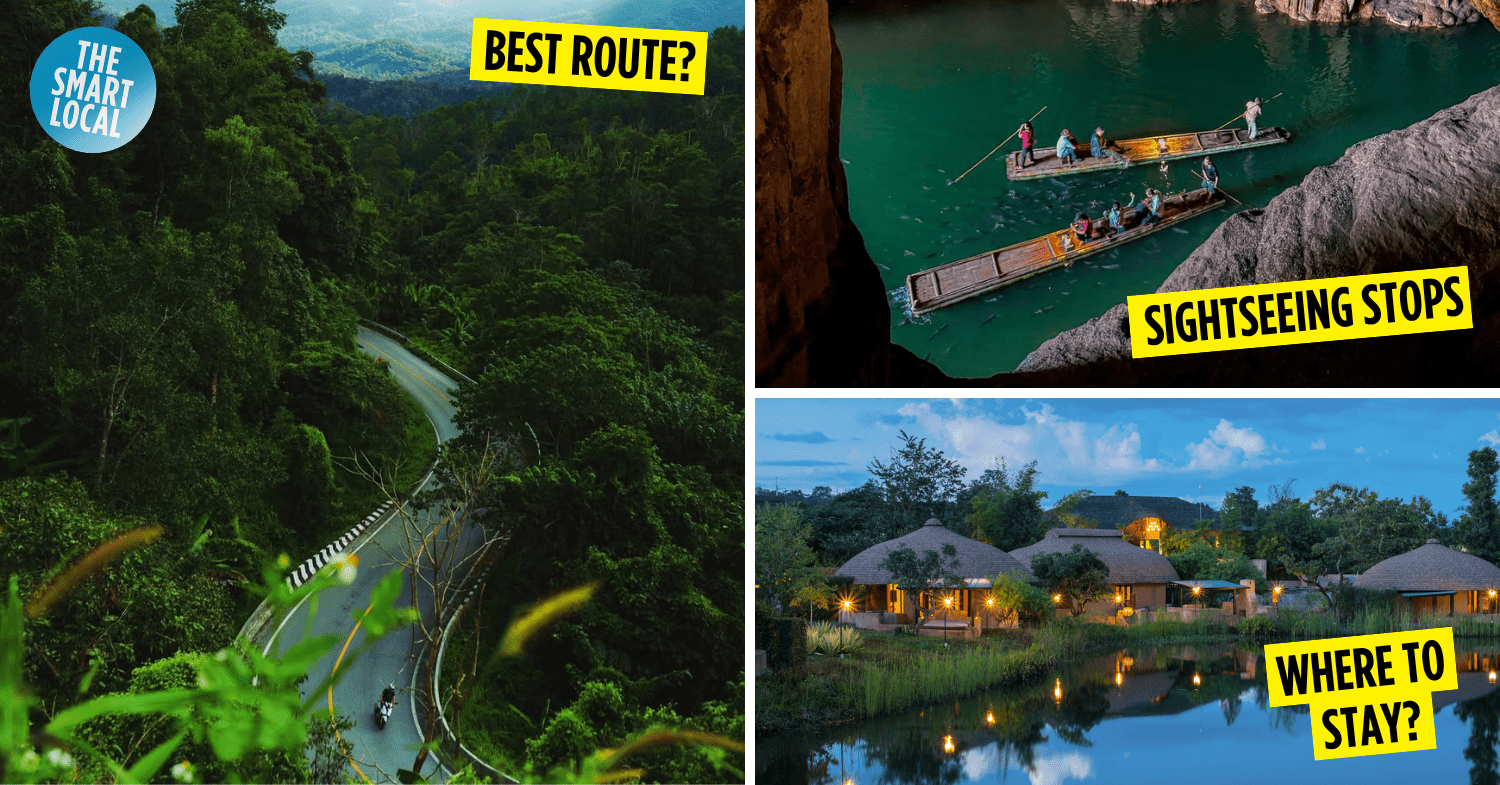

Mae Hong Son Loop biking guide in Chiang Mai, Thailand
When it comes to epic biking routes in Southeast Asia, the Mae Hong Son Loop is one that pops up time and again – and for good reason. This 600km circuit through Northern Thailand is a rite of passage for adventurous travellers on 2 wheels, offering hairpin turns, scenic highland views, and charming towns like Pai and Mae Hong Son along the way.
Starting and ending in Chiang Mai, the loop takes you through misty mountains, remote villages, and natural hot springs, with plenty of roadside cafés and waterfalls to fuel your journey. Whether you’re planning a 3-day road trip or a slow 7-day cruise, here’s everything you need to know to take on the Mae Hong Son Loop.
What Is the Mae Hong Son Loop?
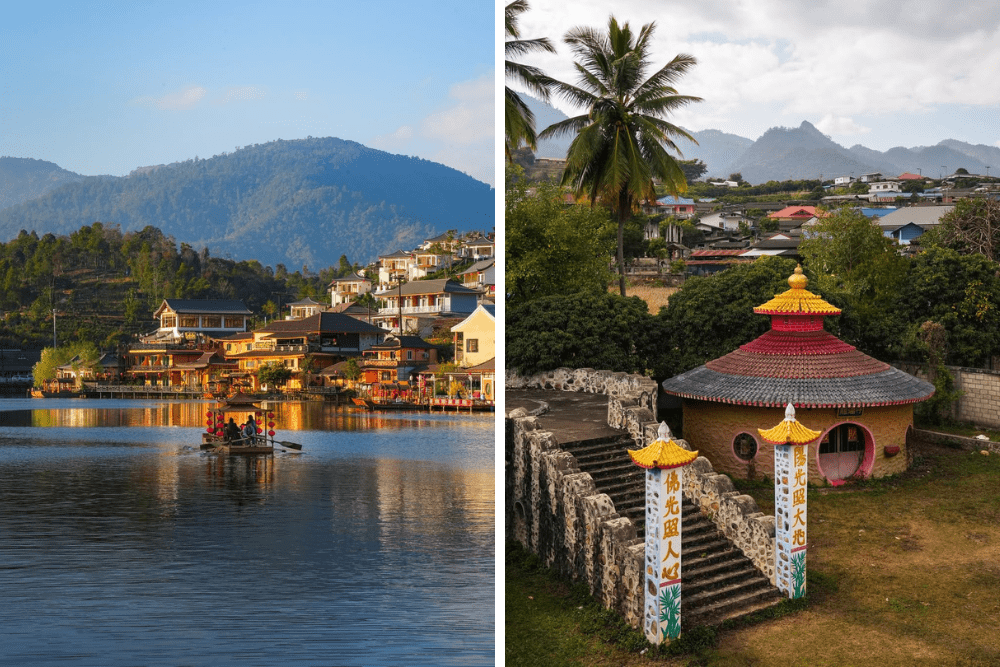
Image adapted from: @charoundtheworldd via Instagram
The Mae Hong Son Loop is famous for its dramatic switchbacks. There are 1,864 curves that wind through jungles, hill tribe settlements, and peaceful mountain towns. But don’t be fooled by the scenic landscapes: steep inclines and tight bends make this a moderately challenging bike ride, especially for first-timers.
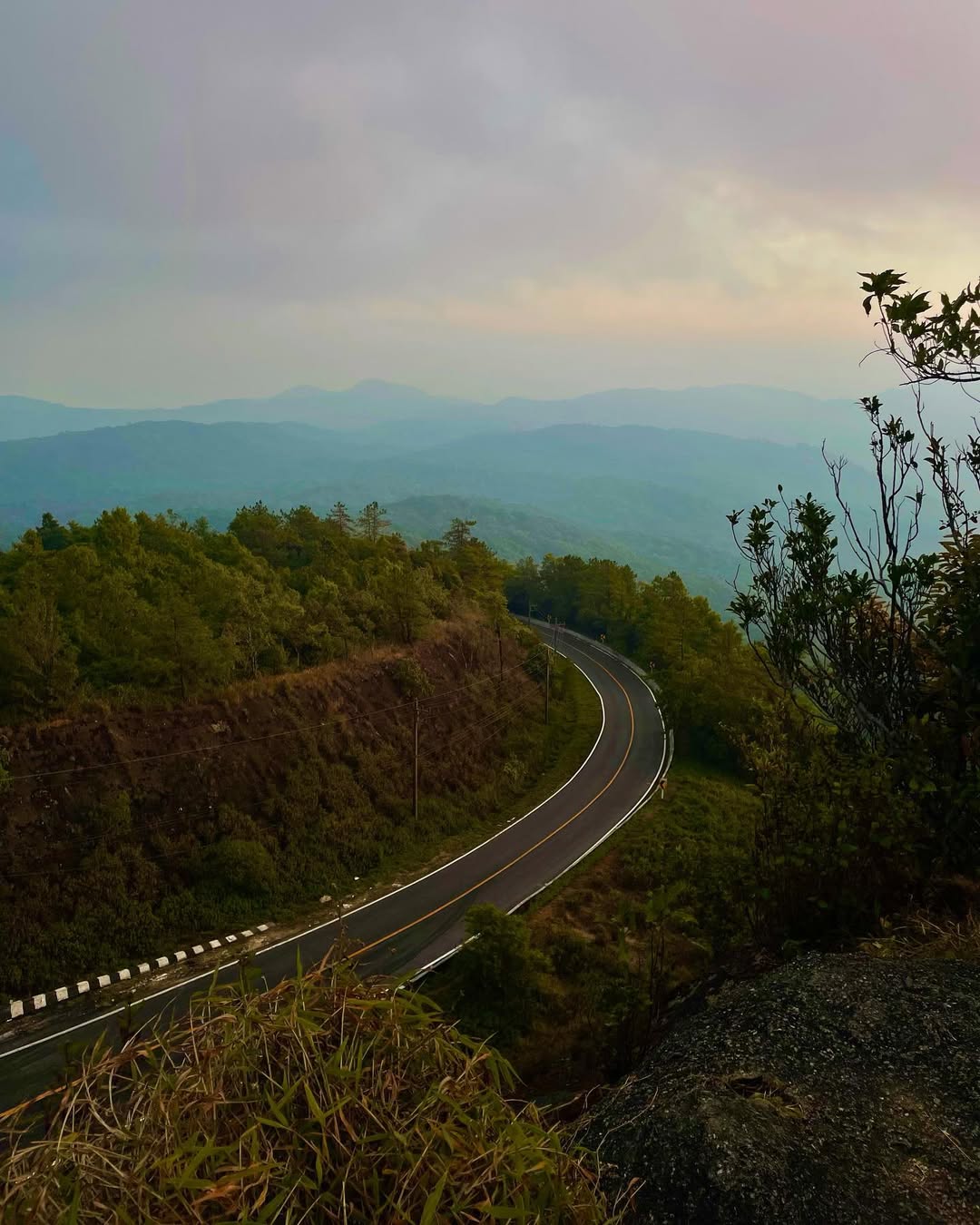
Image credit: @adinakreij via Instagram
That said, it’s doable for beginners, as long as you’re cautious and well-prepared. Just make sure to get your paperwork in order. To legally ride a motorbike in Thailand, you’ll need an International Driving Permit (IDP) issued in your home country, along with your regular licence. Do note that this must be arranged before you arrive in Thailand, so plan accordingly.
While the route is famous amongst bikers, it is also doable via car and bicycle, although we’d only recommend the latter for expert cyclists.
Where to start the Mae Hong Son Loop?
Image credit: Peter Borter via Unsplash
Most travellers kick things off in Chiang Mai, where you’ll find plenty of rental shops, gear options, and pre-loop fuel. From here, you’ve got 2 ways to tackle the ride: clockwise or counter-clockwise. Each offers a slightly different vibe.
Going clockwise (Chiang Mai → Mae Sariang → Mae Hong Son → Pai → Chiang Mai) is often the go-to route for first-timers. The initial stretch from Chiang Mai to Mae Sariang is relatively flat, giving you a good warm-up and a chance to get used to your bike before facing the more challenging, winding roads near Pai on day 3.
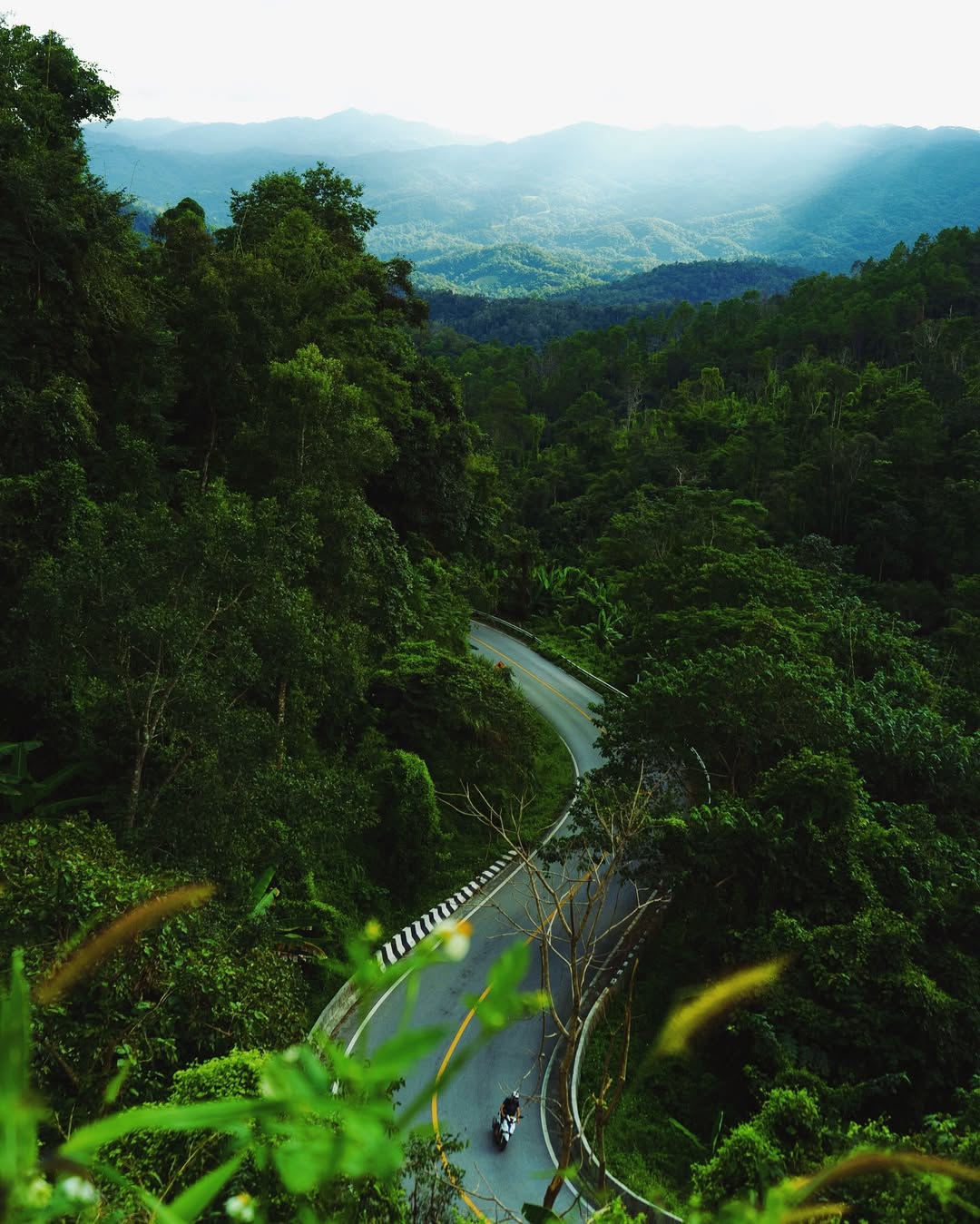
Image credit: @justinreedolsen via Instagram
If you’re feeling confident and want to dive straight into the drama, the counter-clockwise direction (Chiang Mai → Pai → Mae Hong Son → Mae Sariang → Chiang Mai) starts strong with the famously twisty road to Pai. Some riders prefer getting the most intense curves out of the way while their energy is at its peak.
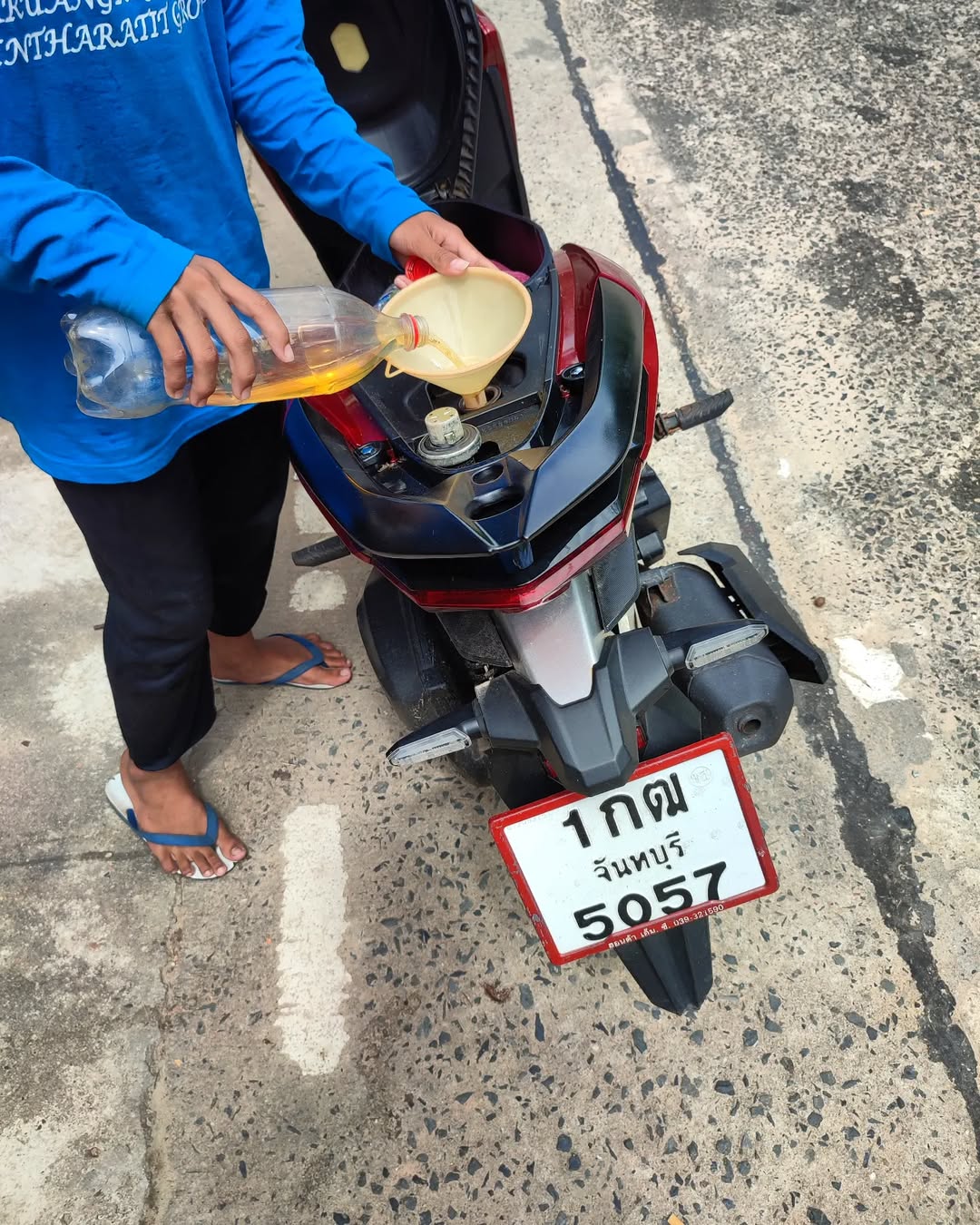
Sometimes, you can find villagers selling bottles containing petrol by the road.
Image credit: @mickydingdong via Instagram
Whichever route you choose, a little prep goes a long way. Always fill up your tank in major towns like Chiang Mai, Pai, Mae Hong Son, and Mae Sariang as petrol stations can be few and far between in rural areas. It’s also smart to carry a small spare fuel bottle in case of long stretches or dry pumps during peak travel season.
And don’t forget about cash: grab some in Chiang Mai before you set off. While towns like Pai and Mae Hong Son do have ATMs, villages in between might not, so it’s better to be safe than sorry.
The route & key stops along the way
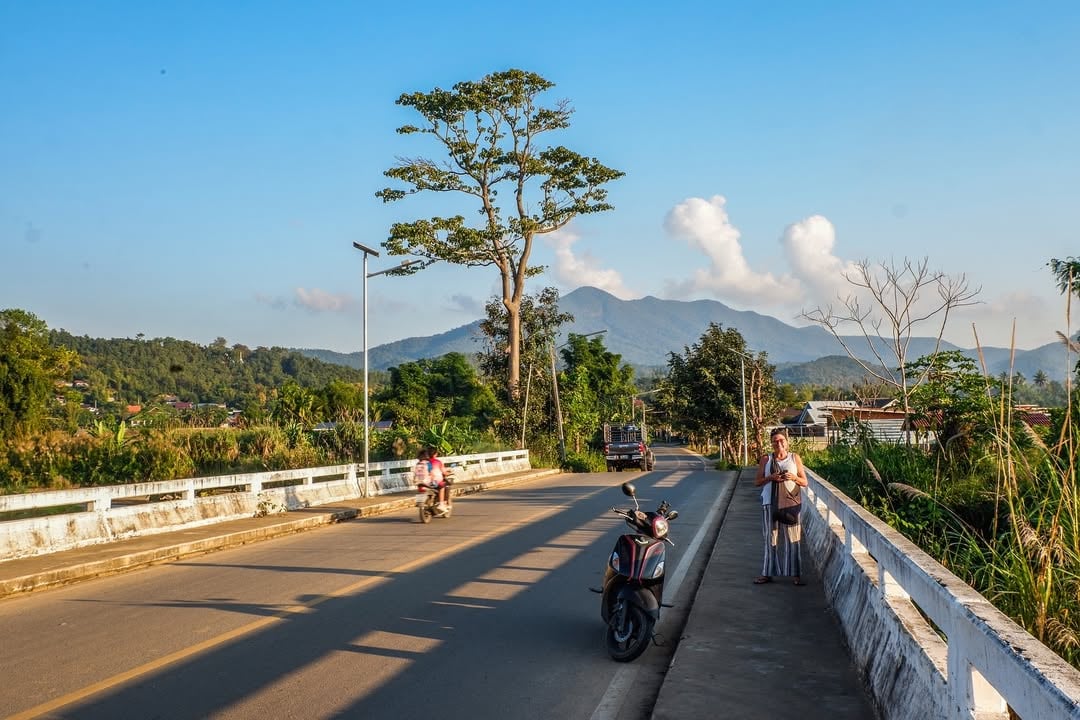
Image credit: @elcoriano71 via Instagram
For this article, we’ll start with the more popular route going clockwise. You’ll head to Mae Sariang first, before heading to Mae Hong Son, Pai, and back to Chiang Mai.
Chiang Mai → Mae Sariang (~180-190km)
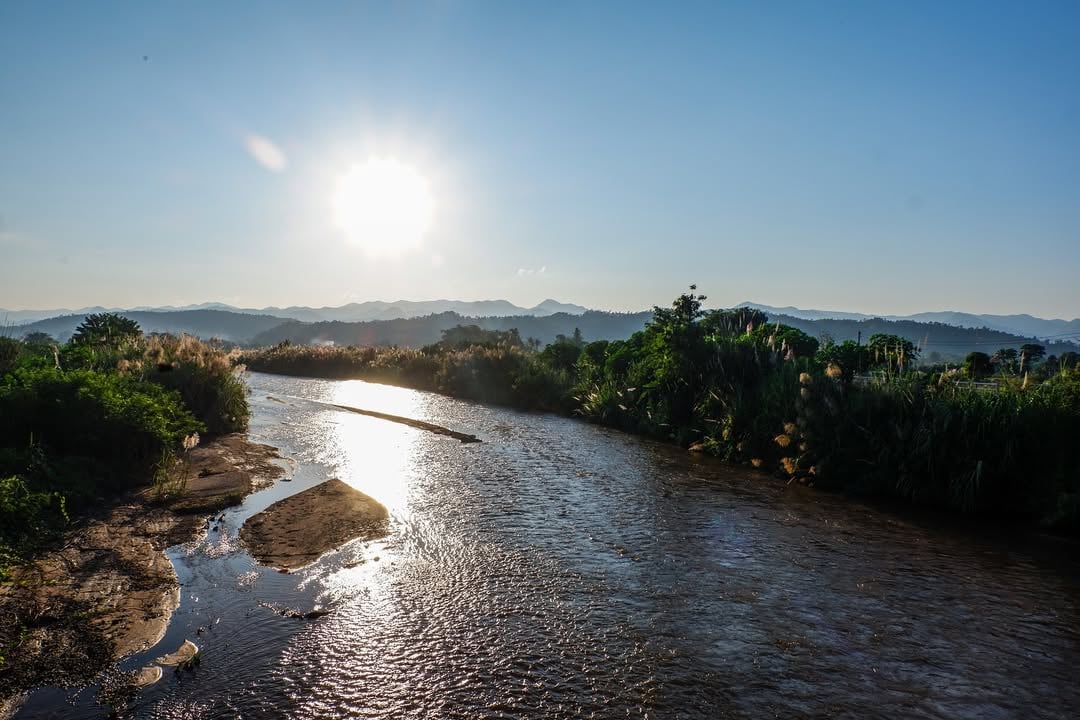
Image credit: @elcoriano71 via Instagram
The route from Chiang Mai to Mae Sariang starts on less twisty roads, a gentle warm up before the more serious bends begin. Roll through Hot District, a peaceful village, and admire views of the valley. You might also want to sneak in a detour to Ob Luang National Park for canyon views and a short leg-stretcher.
Mae Sariang → Mae Hong Son (~160-165km)
Leaving Mae Sariang, the curves pick up and the mountain views open out. You’d want to pace yourself and top up fuel when you can. Enjoy quiet riverside stretches before rolling into Mae Hong Son town for lakeside temples and night market snacks.
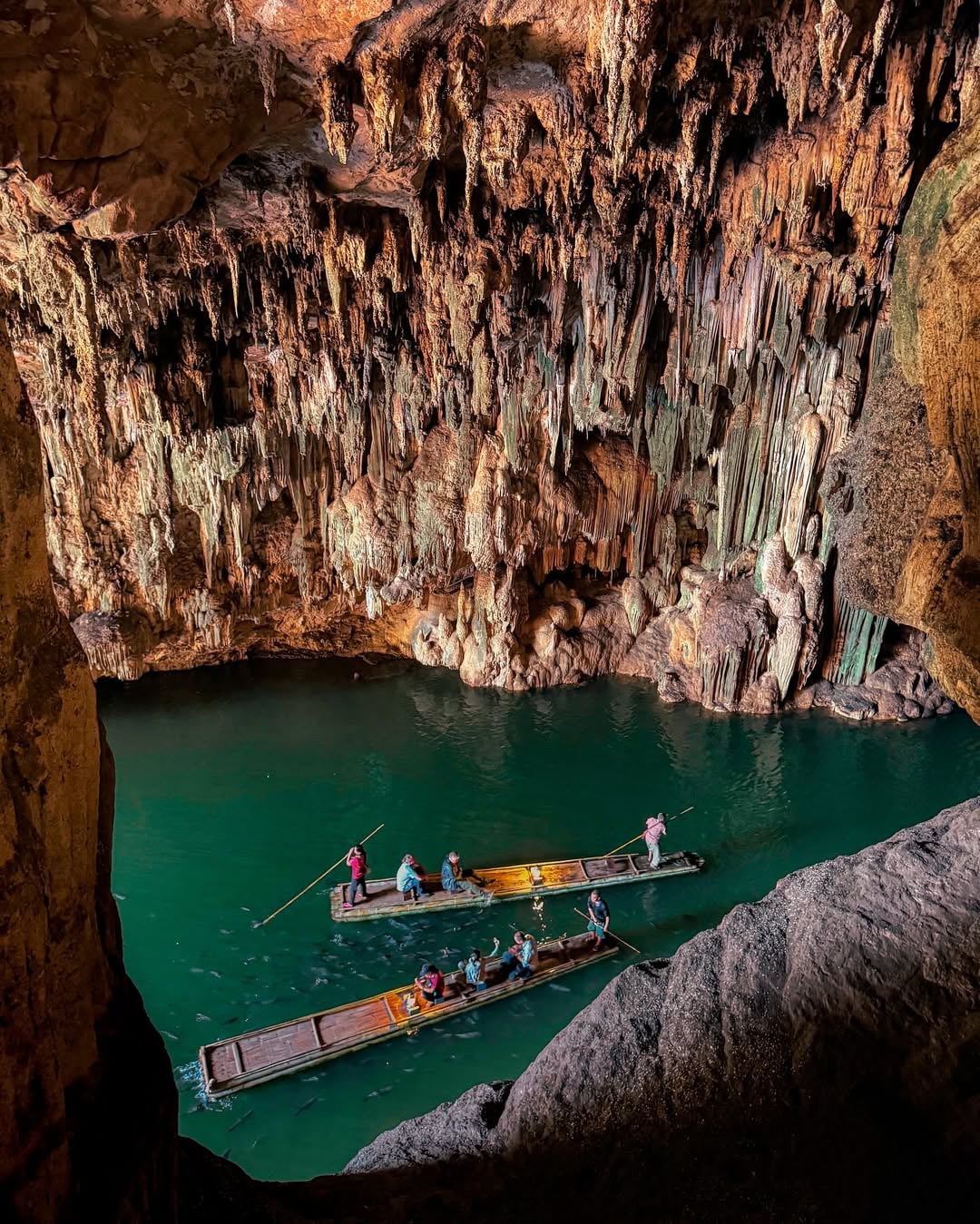
Image credit: @charoundtheworldd via Instagram
Fun fact: Mae Hong Son is often referred to as “the city of three mists” because it is surrounded by high mountains, has a cold temperature, and is covered with mist throughout the year in all 3 seasons.
Mae Hong Son → Pai (~100-110km)
Mae Hong Son to Pai is a shorter but iconic leg with tight switchbacks and big scenery. Don’t forget to stop at Tham Lod Cave near Soppong and catch Pai Canyon near sunset once you’re in town.
Pai → Chiang Mai (~130km)
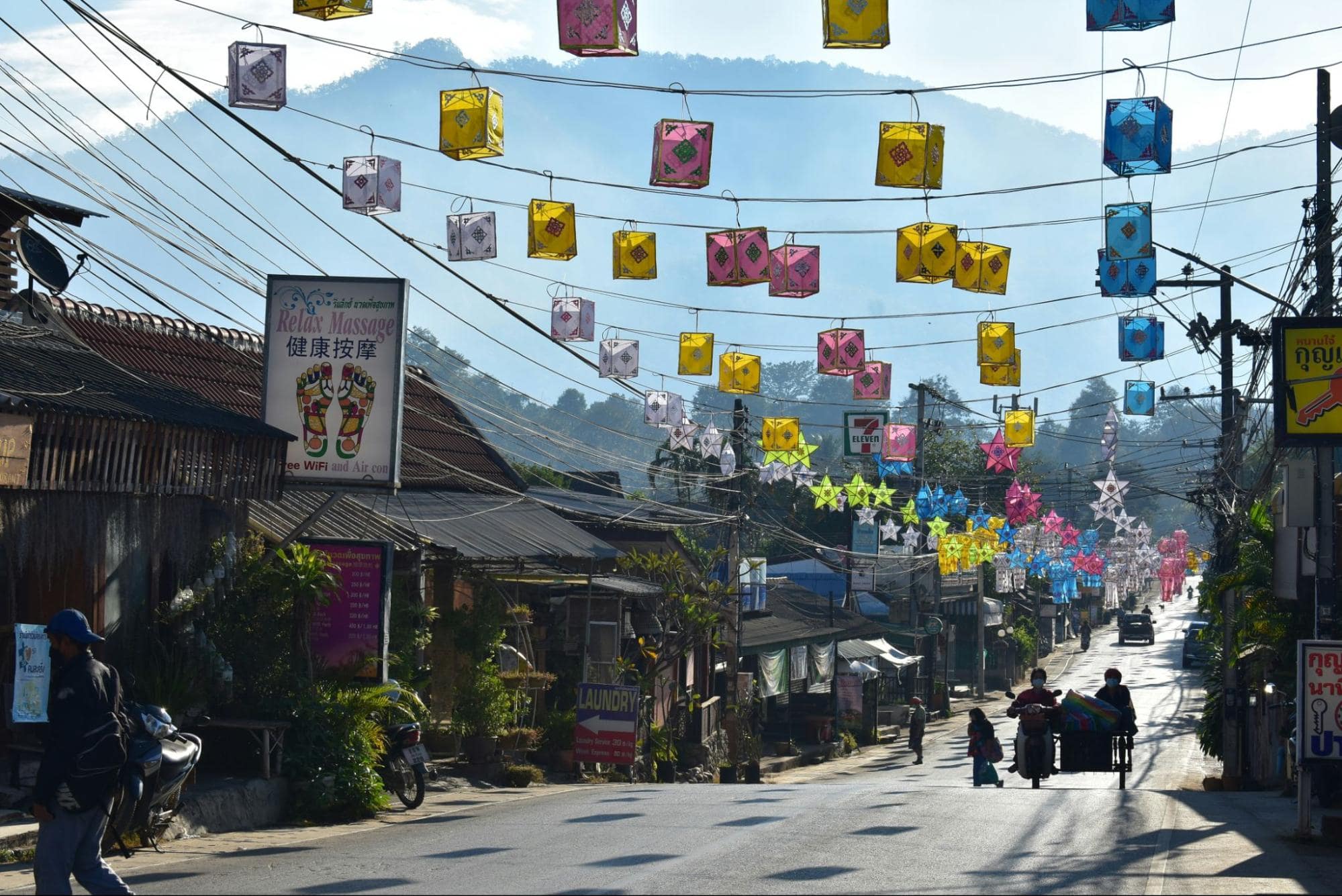
Pai.
Image credit: Polina Kocheva via Unsplash
Once you get to Pai, give it a day or two to explore. This little mountain town pairs laid-back, boho vibes with big nature: cheap guesthouses, a buzzy night market, cosy cafés, hot springs, waterfalls, and plenty of trails if you’re itching to trek.
When it’s time to roll out, the ride back to Chiang Mai is a greatest-hits reel of bends and viewpoints. Take it easy on the descents, pull over for the panoramas, then reward yourself with a bowl of khao soi back in the city.
How long does it take to ride the Mae Hong Son Loop?
The Mae Hong Son Loop typically takes 4-7 days, depending on how fast you ride and how much exploring you want to do. If you don’t have much AL to burn, you can also do a quick 3-day version, which covers Chiang Mai, Pai, and Mae Hong Son. Those who prefer slow travelling can stretch it out, adding an extra night in Pai or Mae Hong Son.
Where to stay along the loop?
Depending on how many days your adventure is, you can pick where you want to stop along the loop. In Chiang Mai, base yourself in the Old City or Nimman. Both areas have loads of bike-friendly hotels and guesthouses, easy food options, and mechanics nearby if you need a quick tune-up before hitting the road.
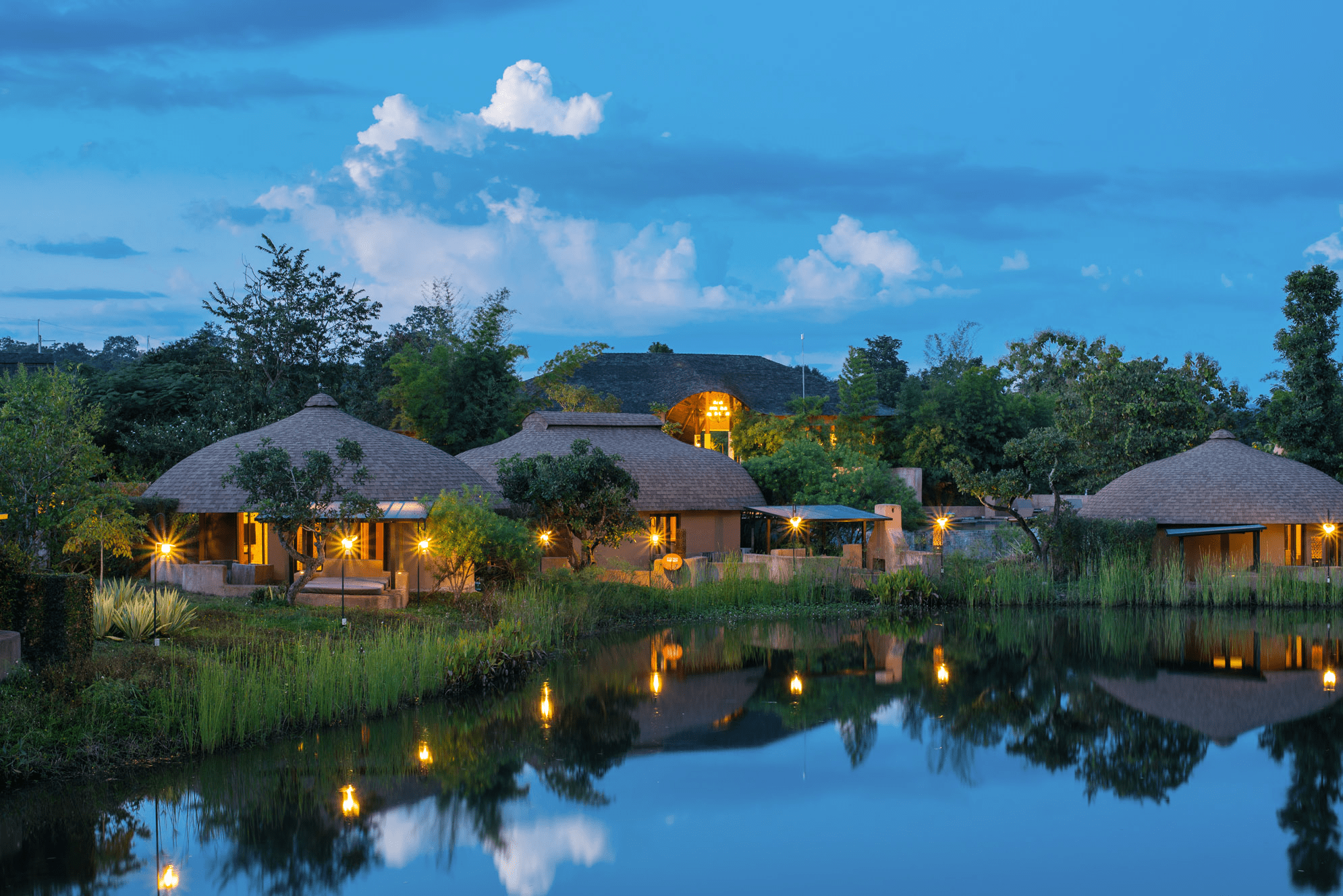
Montis Resort in Pai.
Image credit: Montis Resort
In Pai, options run the gamut – from backpacker hostels and riverside bungalows to cute boutiques off Walking Street. If you’re here to soak, hot-spring resorts sit about 10-15 minutes outside town and make a chill end to a bendy riding day.
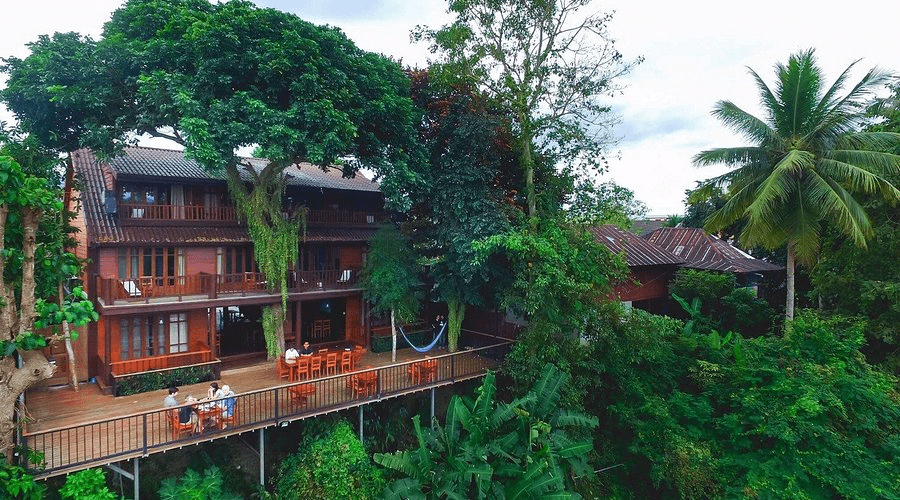
A homestay surrounded by nature in Mae Sariang.
Image credit: Riverside Hotel
Mae Hong Son is all about calm around Jong Kham Lake: think lakeside hotels, quiet teak guesthouses, and mid-range stays near the night market. Further south, Mae Sariang keeps it simple with riverside inns and homestays; many include secure bike parking and hearty local breakfasts.
Consider Khun Yuam as an optional midway stop if you’re breaking the ride. You can stay at small motels and family-run guesthouses here.
Bike rentals in Chiang Mai
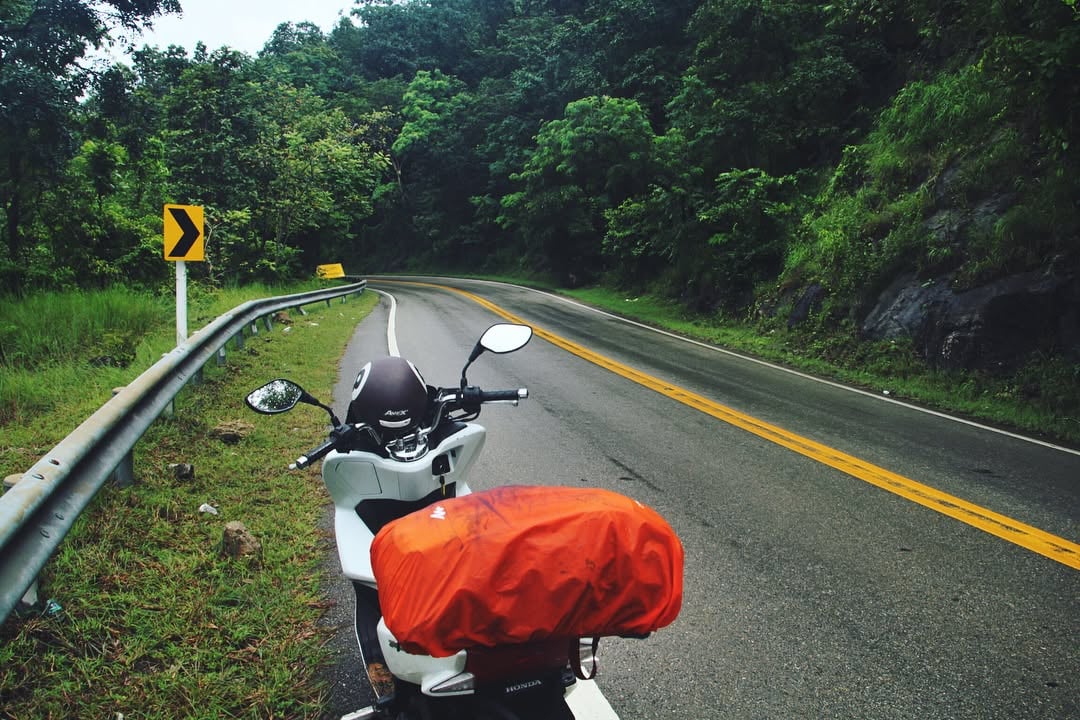
Image credit: @reasonate_creatives via Instagram
Before you hit the Mae Hong Son Loop, you’ll need a trusty set of wheels. Chiang Mai has no shortage of bike rental shops – Cat Motors, Mango Scooter Rental, and Pop Big Bike are popular choices with reliable fleets and solid reviews. Pop Big Bike is ideal if you’re eyeing a more powerful ride, like a touring or road bike.
Types of bikes & what to rent
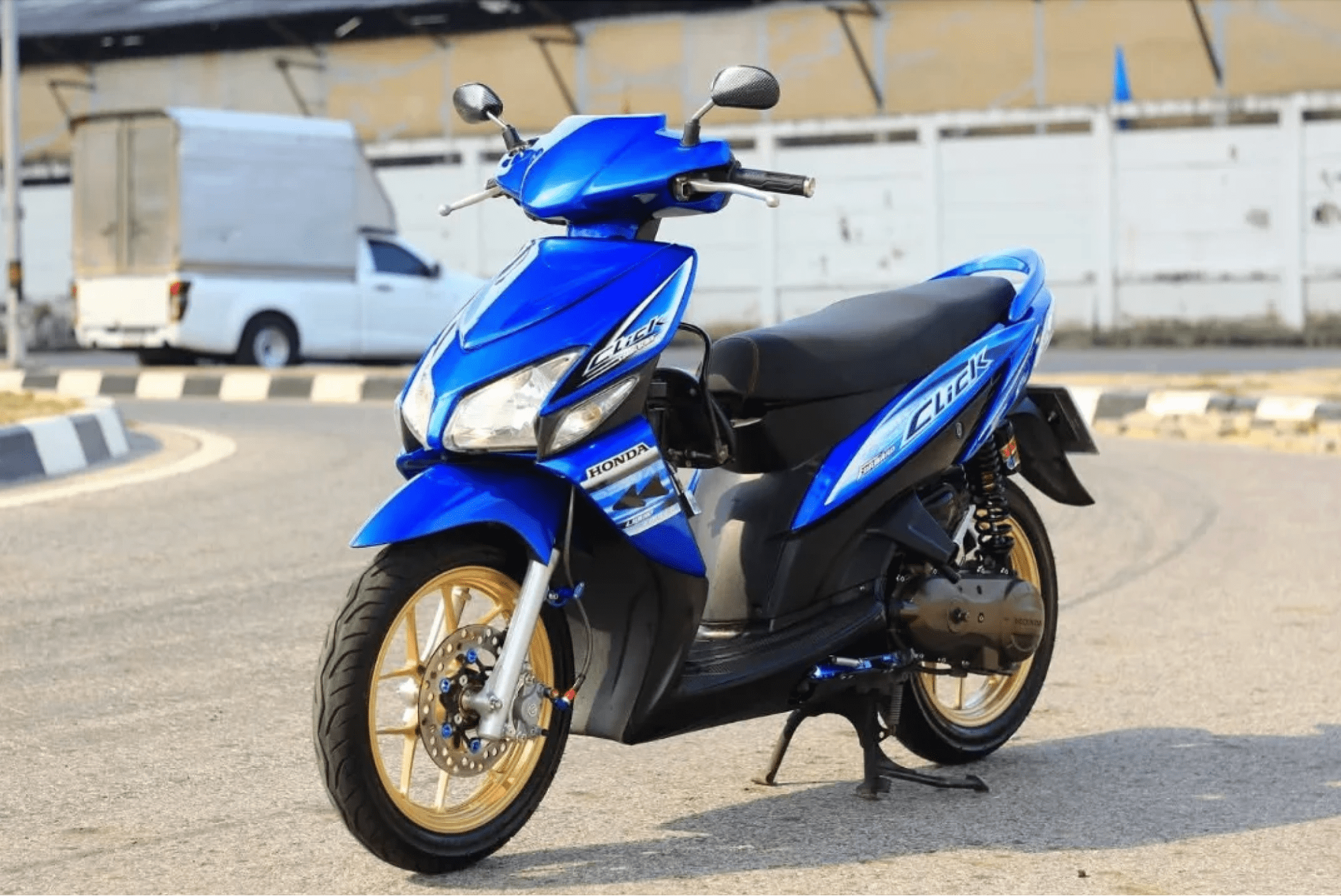
Honda Click.
Image credit: @th.societymotobike.id via Instagram
Most riders opt for a 125cc automatic or semi-automatic bike – like a Honda Click or Wave. These are often beginner-friendly and more than capable of handling the loop’s terrain. But if you’re experienced or riding two-up with luggage, you might prefer a touring or adventure-style bike for added comfort and power.
Daily rental rates
You can expect to pay:
- THB 150-300/day (~S$5.95-$11.89) for scooters (Honda Click, Yamaha Mio, etc.)
- THB 600-1,200/day (~S$23.79-$47.57) for big bikes (Kawasaki Versys, Honda CB500X, etc.)
Some shops offer discounts for multi-day or weekly rentals, so ask before booking.
Insurance & deposit
Many rental shops include basic insurance, but it’s often limited to damage to 3rd parties, not the bike itself. For peace of mind, look for full coverage options – or at least excess reduction – and always read the fine print.
Shops usually require a passport copy and a THB 2,000-10,000 (~S$79.29-$396.45) cash deposit or passport as collateral. However, we do not recommend the latter – opt for a shop that allows a cash deposit instead.
What to check before riding
Before you ride off into the mountains, take a few minutes to inspect your bike.
Check that the tyres have proper tread and are fully inflated, the brakes are responsive, and all lights and indicators are working as they should. Make sure the oil level is topped up – especially important for longer journeys like the Mae Hong Son Loop.
And here’s an important tip that could save you from unnecessary disputes later on. Don’t forget to take note of the starting mileage and snap a few photos or a video of the bike’s condition.
Helmets & protective gear
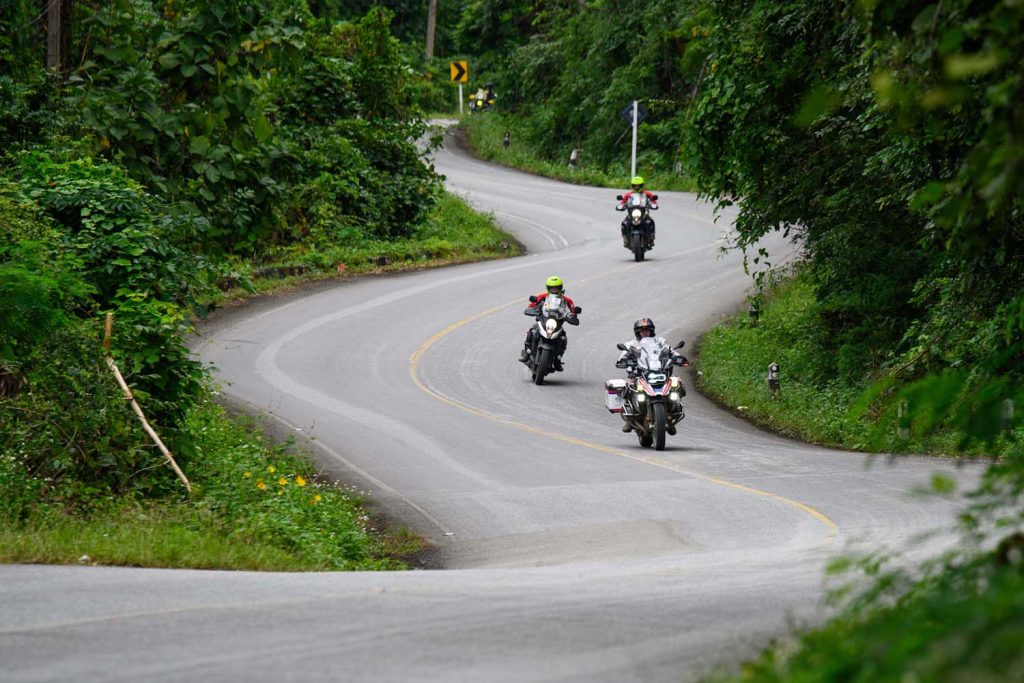
Image credit: @bigbiketouringco via Instagram
By law, you’ll need to wear a helmet – and for good reason. Most rental shops include a basic helmet, but the quality varies. If you’re planning a multi-day ride, consider bringing your own helmet or renting a better one with a visor and good fit for better protection. Some shops also rent knee guards, gloves, and jackets for extra protection.
What to pack & road safety tips
Pack light and smart: poncho or rain jacket, sunscreen, lip balm, gloves, a sturdy phone mount, power bank, basic first-aid, snacks/water, and offline maps as mobile signal can get patchy. Keep luggage compact – saddlebags or a small tail bag beat a giant backpack for balance.
Top up fuel whenever you hit a major town, watch for fog, wet leaves, and sharp curves, and ride only in daylight if you can.
Yes, you can ride pillion with luggage – just pack light and strap bags securely to racks or saddlebags. Aim for a ≥150cc bike because 125ccs can struggle with two-up weight on steep twisties, and stash big suitcases in Chiang Mai if you’re unsure since stacked bags will affect handling through those endless corners.
Make plans to ride the Mae Hong Son Loop in Chiang Mai
That wraps the ultimate guide to Thailand’s Mae Hong Son Loop. Of course, everyone has different preferences on how they’d like to experience it. So, feel free to choose your own adventure.
The best time to go is between November and February, when the weather is dry, cool, and the views are at their clearest. That’s the best time to make the most of your ride. And if you’re winding down after, there are plenty of photogenic cafes in Chiang Mai to chill at.
More to do in Thailand:
- Largest POP MART store in Bangkok
- Liab Duan Danneramit Night Market in Bangkok
- Sleeper train from Bangkok to Chiang Mai
- Harborland Waterpark in Bangkok
Cover image adapted from: @justinreedolsen via Instagram