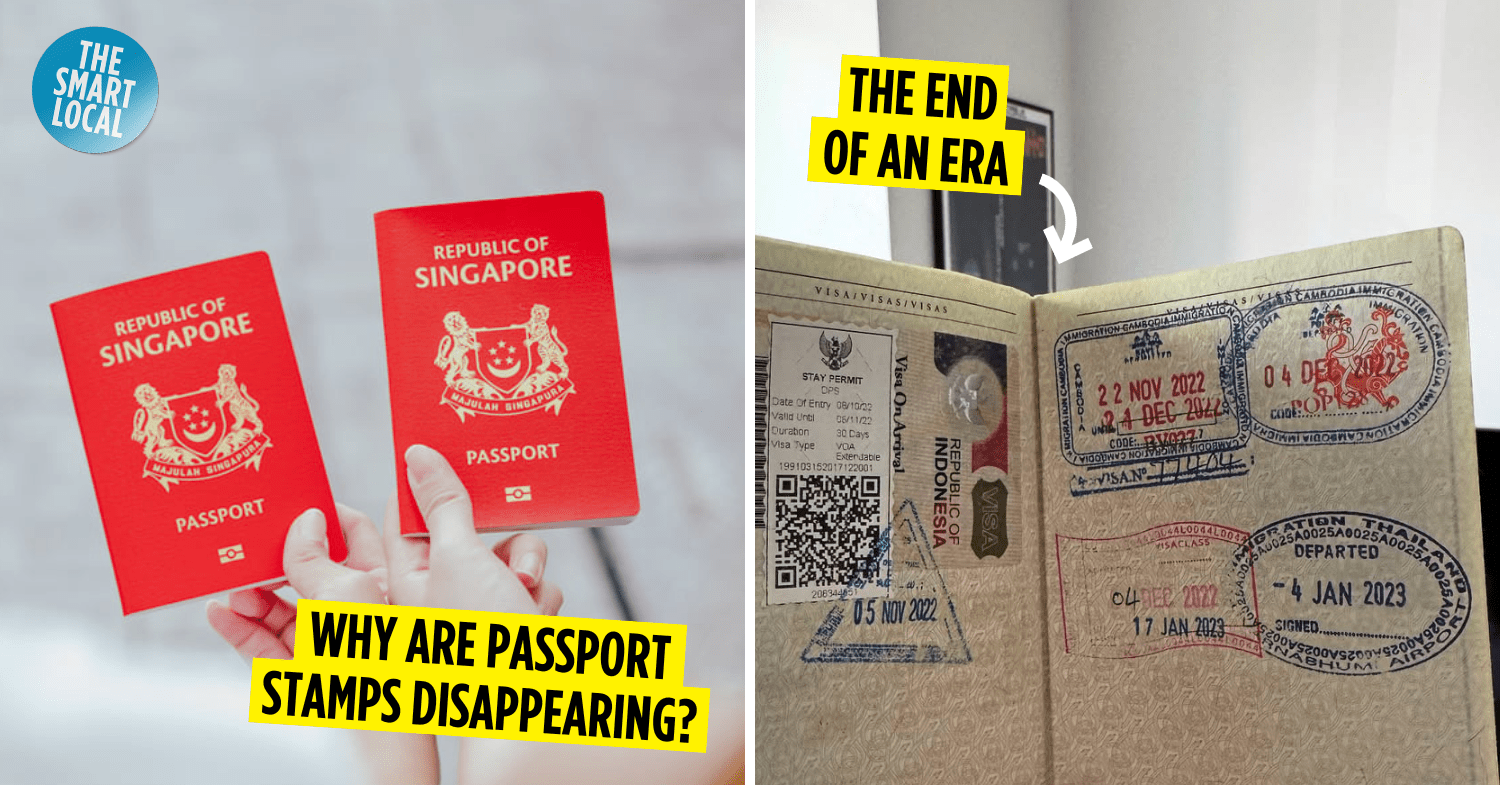

All about passport stamps
I don’t know about you, but for me, one of the tiny joys of travelling has always been getting a passport stamp. While clearing immigration can be stressful, there’s just something satisfying about that little mark, almost like a badge of honour of having travelled widely.
But frequent travellers might have noticed something missing in recent years. Those passport stamps are slowly disappearing, and no, it’s not because you’ve been sneaking past borders – it’s part of a bigger shift in how the world travels today.
Why are passport stamps disappearing?
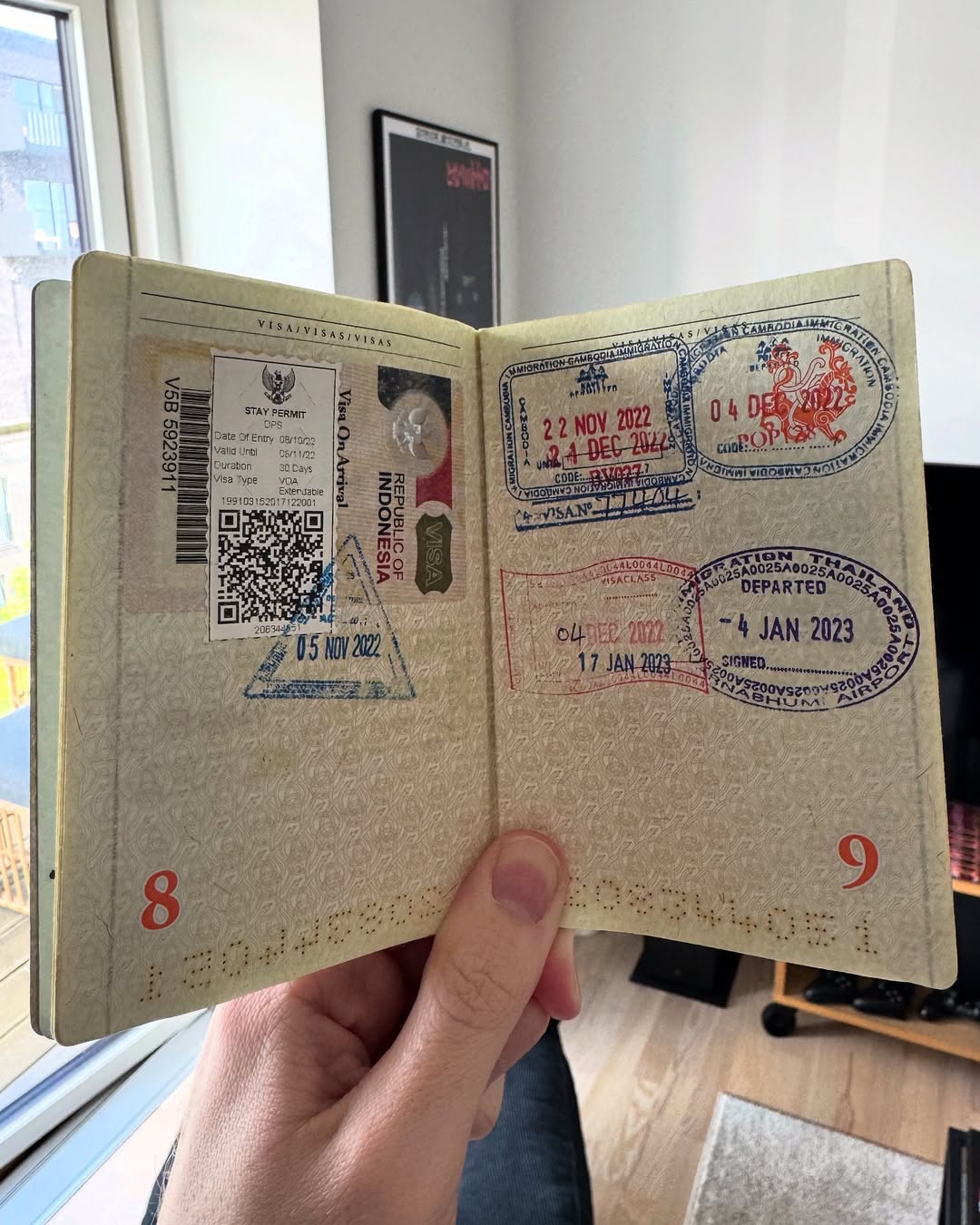
Image credit: @anders.jpg via Instagram
Many countries are phasing out passport stamps in favour of digital alternatives for the sake of making travel smoother, faster, and more secure. Furthermore, e-gates and biometric scanners can now scan your passport, compare it against databases, and let you through automatically, so there’s no need for a stamp.
Here at home, Singapore has already made the switch – foreign visitors on short-term passes no longer have their passports stamped since 2022. Instead, they’re issued electronic visit passes, or e-Passes, which make immigration clearance safer and quicker, according to ICA.
Europe isn’t far behind either. Since 12th October 2025, 29 European countries have begun replacing passport stamps with the new Entry/Exit System (EES). While the rollout will be gradual, full implementation is expected by April 2026.
Here’s the full list of European countries that are saying goodbye to passport stamps:
- Austria
- Belgium
- Bulgaria
- Croatia
- Czechia
- Denmark
- Estonia
- Finland
- France
- Germany
- Greece
- Hungary
- Iceland
- Italy
- Latvia
- Liechtenstein
- Lithuania
- Luxembourg
- Malta
- Netherlands
- Norway
- Poland
- Portugal
- Romania
- Slovakia
- Slovenia
- Spain
- Sweden
- Switzerland
Why are passport stamps a big deal to some?
For many travellers, each passport stamp told a story and acted as proof that you’d actually been somewhere, survived the flight, navigated the queues, and maybe even gotten lost a few times.
It was also a tradition – some people still keep expired passports as keepsakes just to flip through the pages and admire those colourful stamps that are unique to each country.
Sadly, with digital passes taking over, it does feel like the end of an era. Although digitalisation makes travelling easier, there’s a part of us that misses the simple thrill of seeing a fresh stamp land on a blank page. Honestly, I even miss the tiny frustrations as well, like when the immigration officer squashes it a bit too much or stamps it too senget.
How are travellers coping with the change?
They try asking for a passport stamp
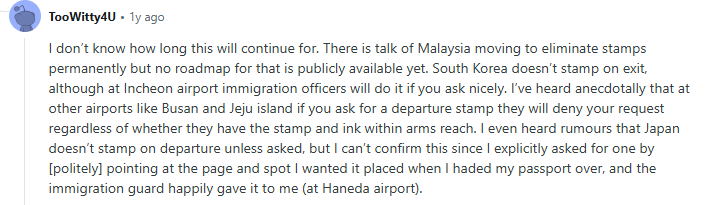
Screenshot from: Reddit
If you still want that chop, all hope isn’t lost. Some travellers have shared on Reddit that if you ask nicely, an immigration officer might just grant you a stamp for old times’ sake. Of course, it’s not guaranteed – a few have also reported being rejected.
At the end of the day, there’s no harm in trying your luck. But just remember that this may only work if you’re going through a manned counter and not an e-gate, as no amount of pleading will persuade a robot to stamp your passport.
Reminisce about old passport stamps
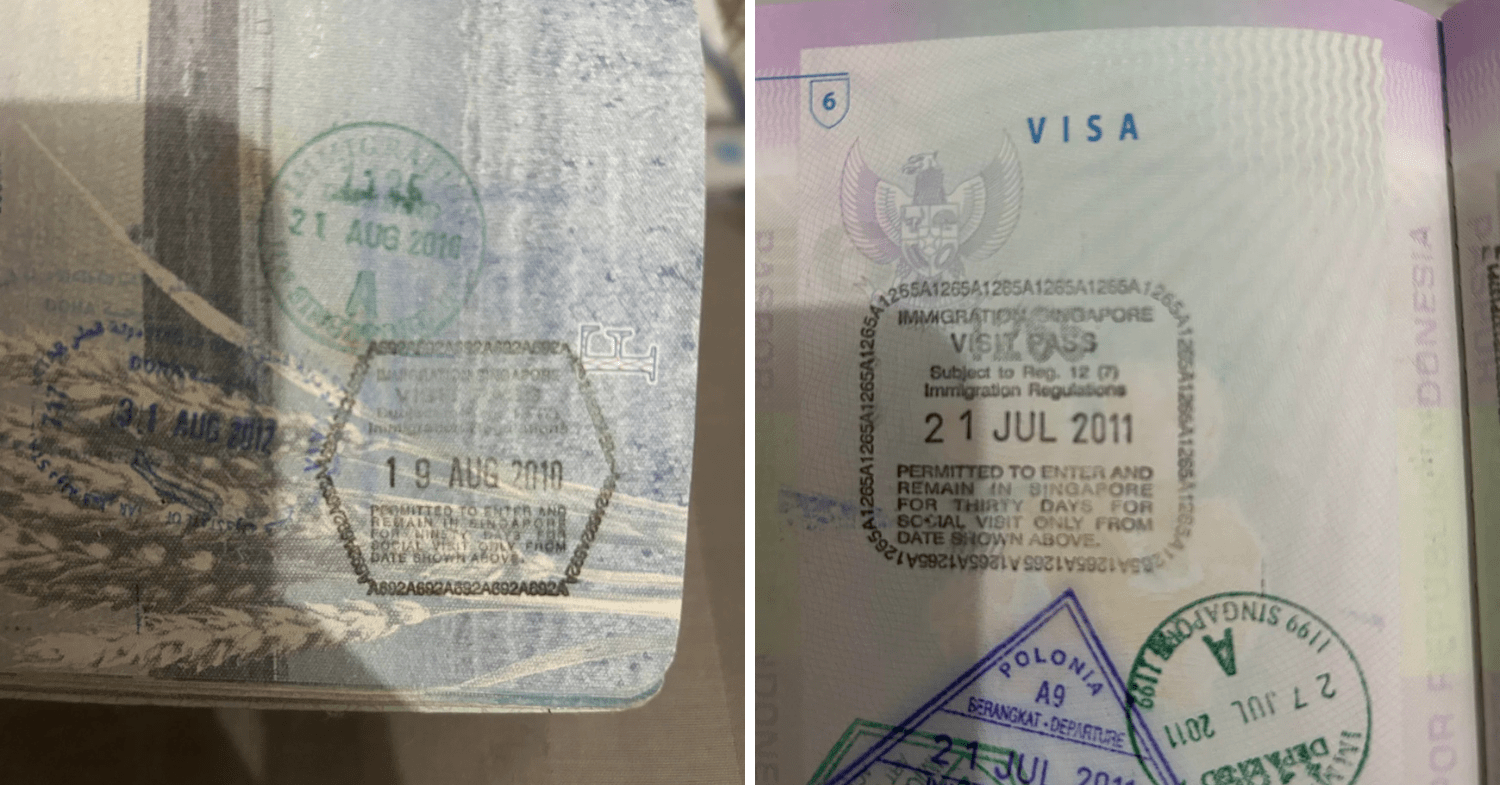
Passport stamps issued in Singapore back in the day.
Image adapted from: @nategho via Reddit
The disappearance of passport stamps has sparked a wave of nostalgia. On Reddit and other social media platforms, users have been sharing photos of their old passports filled with stamps from all over the world.
So if you’re on the younger side and never really got to experience the joy of getting your passport chopped, or just want to take a walk down memory lane, you can easily search online to see what these stamps used to look like.
Only travelling to countries that still stamp passports

Screenshot from: Reddit
Some travellers are taking things to the next level and have decided they’ll only visit countries that still stamp passports. Talk about commitment. It sounds a little extreme, but it’s also a reminder that travel isn’t just about getting from point A to B; it’s about collecting memories.
That said, it’s not very realistic – the world’s going digital, whether we like it or not. Even if your passport pages stay clean, just know that the real memories are in your camera roll and the people you meet along the way.
Which countries still issue passport stamps?
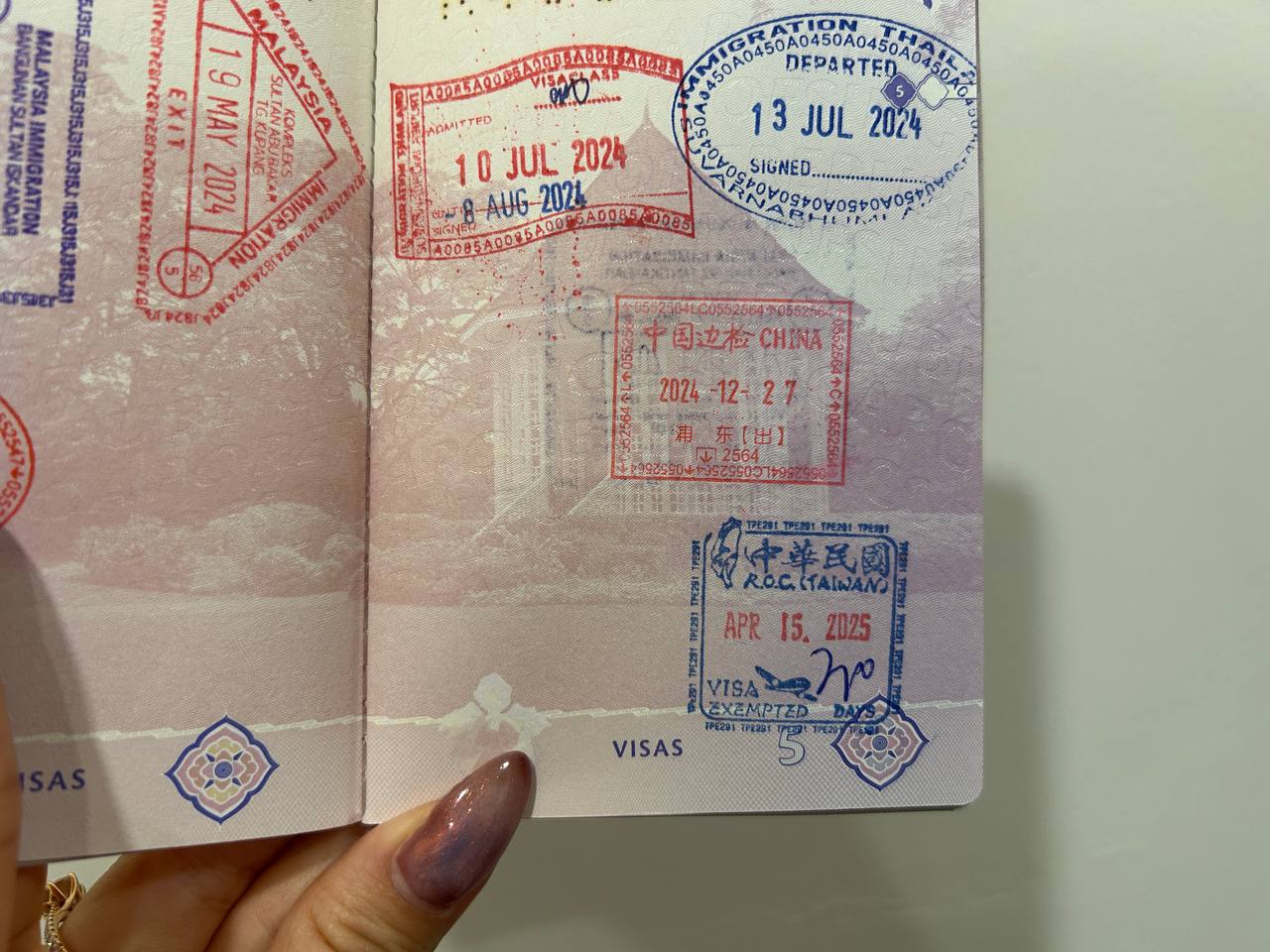
Image credit: Wei Yin
There are 195 countries in the world, so we obviously can’t cover all of them. But here are a few popular destinations among Singaporeans that haven’t gone fully digital just yet: Thailand, China, Taiwan, Malaysia, and Japan.
It’s not always guaranteed, though. Different airports within the same country may have their own practices, and if you’re using an e-gate, then you won’t get a stamp. Most Singaporeans would already know this all too well from crossing over to JB – those e-gates at Malaysia’s customs may be convenient, but they don’t come with a chop.
If you die-die want a stamp, you’ll have a higher chance if you go through a manned counter instead, but be prepared to queue, as it usually takes longer.
Will passport stamps make a comeback?
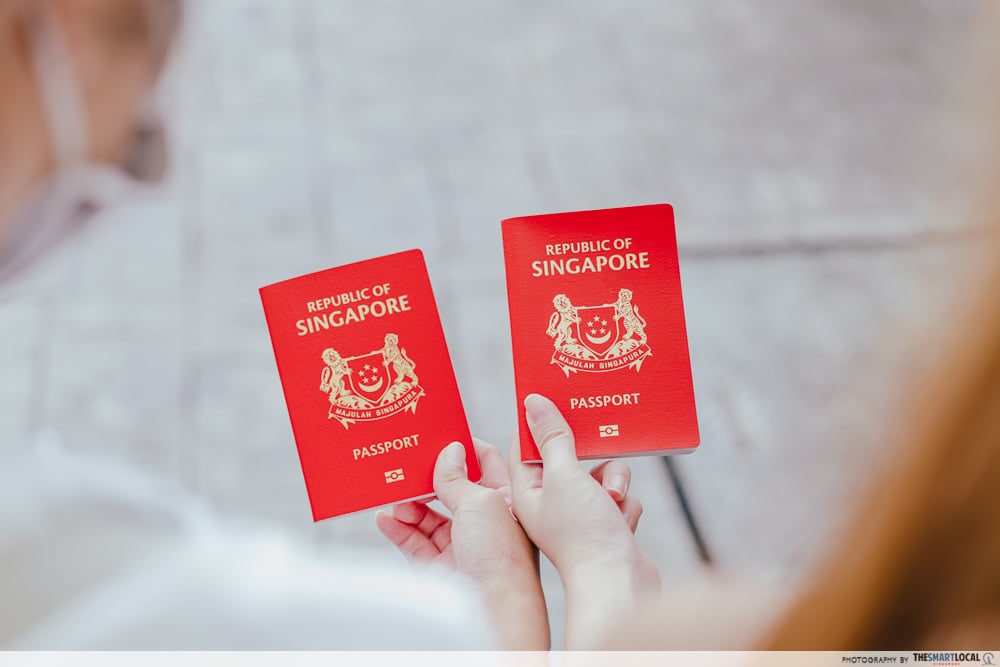
As much as we’d love to see it happen, it’s unlikely that passport stamps will return. The world’s moving towards a future where physical stamps might one day be a thing of the past. But the silver lining is that this shift isn’t happening instantly – some countries will take longer to go fully digital, so you can still expect to get a few stamps here and there for now.
In the meantime, we’ve got fun stamp rallies, and perhaps this is one of the reasons that the activity is gaining popularity in Singapore.
Treasure every passport stamp you get while they still exist
Passport stamps are becoming uncommon, almost like opening a secret surprise in a blind box. When you do get one, make sure to treasure it, because in a few years, these colourful souvenirs might be as rare as a limited-edition collectible.
More travel guides:
- Money-saving tips for group travel
- Guide to public holidays overseas
- Guide to submitting Taiwan’s online arrival card
Cover image adapted from: @anders.jpg via Instagram