

Getting to Mount Fuji from Tokyo
You’ve seen it on postcards, in anime, and even in your friends’ Japan travel dumps – that snow-capped peak towering over lakes and quaint towns. Mount Fuji is the icon of Japan, and seeing it IRL just hits different. The good news is, you don’t need to travel far to catch a glimpse, as it’s only a few hours from Tokyo.
So if you’re one of those Singaporeans who cannot resist adding Fujisan to your itinerary, here’s a handy guide to visiting the Mount Fuji area from Tokyo.
Table of Contents
- Getting to Mount Fuji from Tokyo
- How much time should I spend at Mount Fuji?
- When’s the best time to visit Mount Fuji?
- How to get to Mount Fuji from Tokyo?
- By train
- By bus
- By car
- How to get around the Mount Fuji area?
- Where to go for the best views of Mount Fuji?
- 1. Arakurayama Sengen Park
- 2. Fujisan Yumeno Ohashi
- 3. Lawson Kawaguchiko Station
- 4. Gotemba Premium Outlets
- 5. Fuji-Q Highland
- Where to stay in the Mount Fuji area?
- 1. HOTEL MYSTAYS Fuji Onsen Resort
- 2. Hotel Clad
- 3. Wakakusa no Yado Maruei Ryokan
- How to check Mount Fuji’s visibility?
How much time should I spend at Mount Fuji?
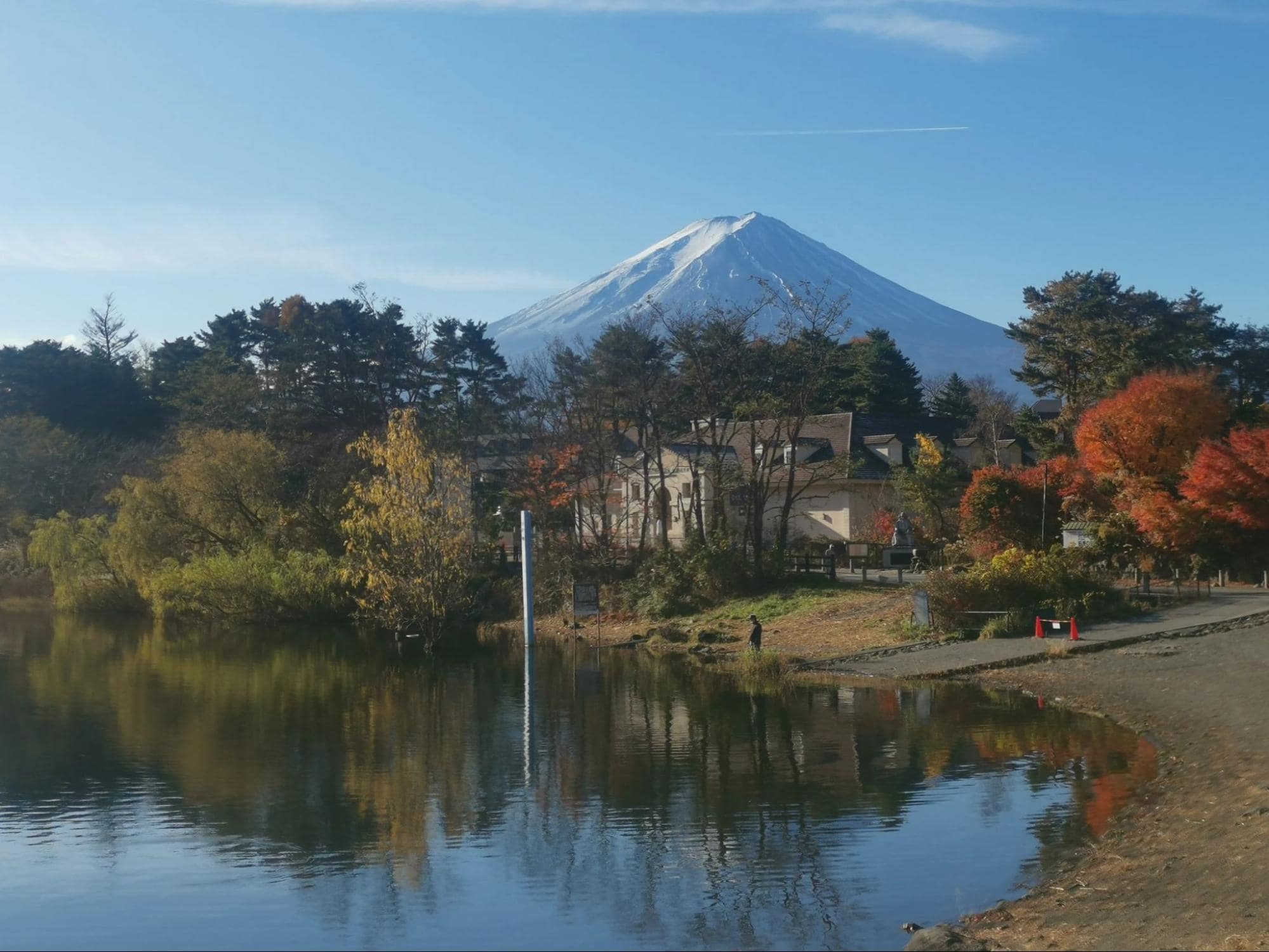
Image credit: Joni W via Google Maps
A day trip to Mount Fuji from Tokyo works for those tight on time – you’ll be able to squeeze in a few scenic spots around the area, and still make it back to the city by night.
However, staying overnight is recommended for a more relaxing trip and to have a higher chance of actually seeing the mountain. Fun fact: Fujisan can be a little shy – clouds often hide it, and it’s not visible all day long.
Most people spend around 3D2N to fully soak in the sights, or at least 2D1N to explore the main spots without feeling rushed.
When’s the best time to visit Mount Fuji?
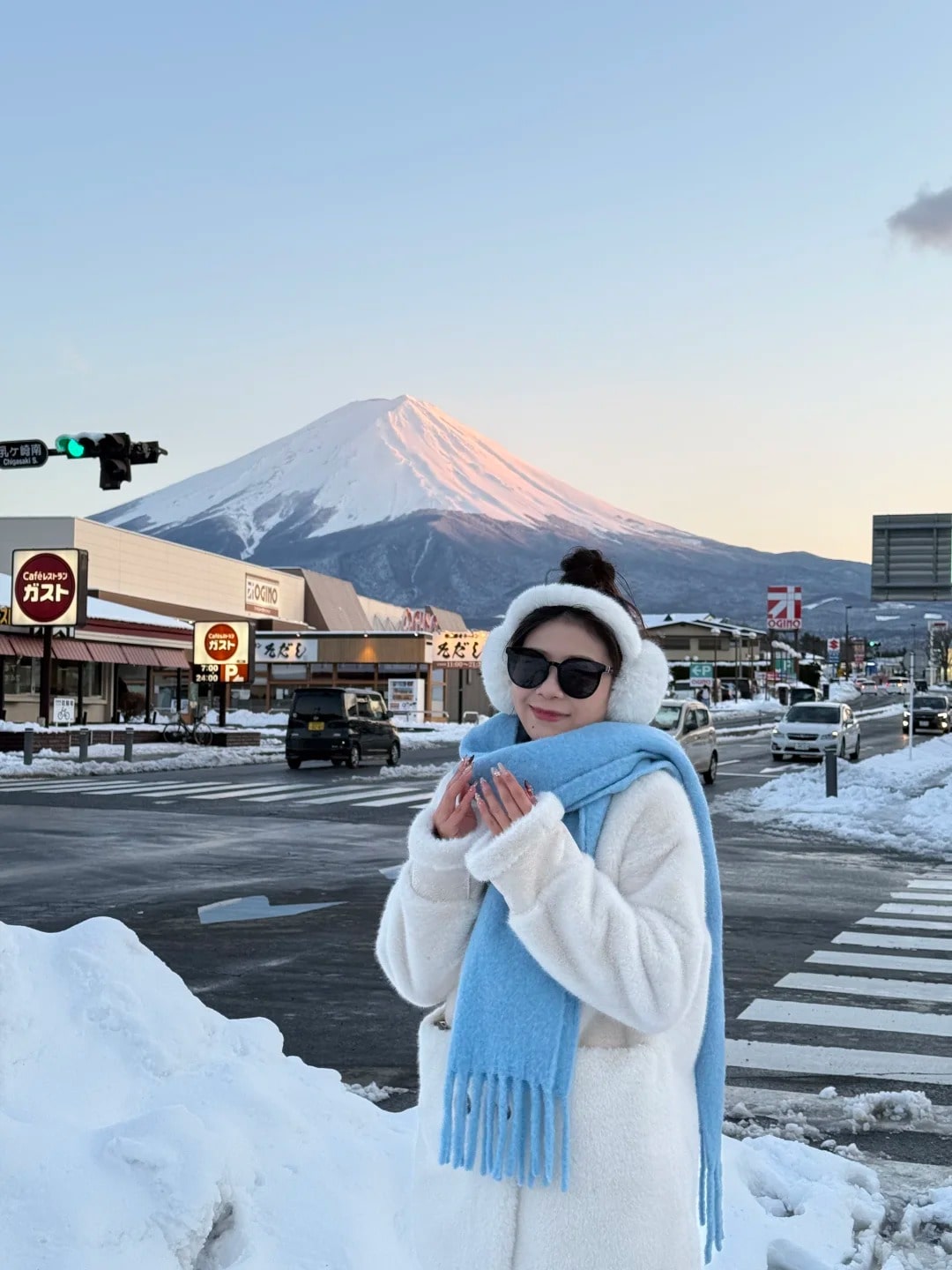
Image credit: @無敵小神仙 via RED
The best months to visit are between November and February, when the skies are clearest and visibility is at its highest. But this period is also peak season, so expect higher prices for accommodation. Hotels and ryokans with Mount Fuji views also tend to get snapped up fast, which means you’ll have to book months in advance for that stunning view from your window.
How to get to Mount Fuji from Tokyo?
There are a few options, but we recommend picking one that best matches your travel style and how much you’re willing to spend.
Note: Prices are accurate at the time of writing, and are subject to change.
By train
Even by train, there are a few ways to get there, and we all know navigating Japan’s rail system can be a bit intimidating. That’s why we’ve rounded up some of the most common train routes from Tokyo to Mount Fuji instead:
Fuji Excursion Limited Express
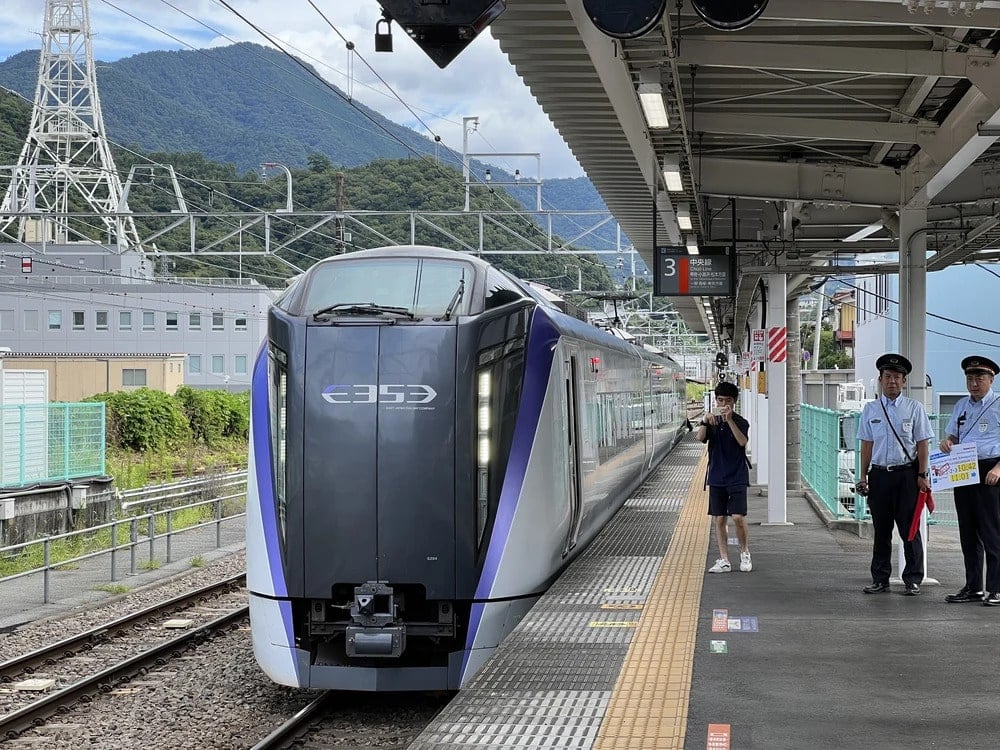 Image credit: Klook
The Fuji Excursion Limited Express is the only direct train service connecting Tokyo with the Mount Fuji area, so no transfers needed, and defo no stress.
You’ll board at Shinjuku Station and arrive at Lake Kawaguchi – one of the most popular starting points for Fuji adventures – in about 2 hours. Tickets on Klook start from S$35.94/adult and S$18.90/child for a one-way trip.
Note that you don’t have to strictly get off at Lake Kawaguchi – the train also stops at Shimoyoshida Station, Mount Fuji Station, and Fuji-Q Highland, making it easy for you to customise your trip.
Get tickets for the Fuji Excursion Limited Express.
JR Limited Express & Fujikyu Railway
Alternatively, hop on the JR Limited Express “Kaiji” train from Shinjuku Station to Ōtsuki, then transfer to the Fujikyu Railway and ride all the way to Kawaguchiko Station. The whole journey will take about 2 to 2.5 hours.
Tickets for the JR Limited Express can be purchased on Klook, with prices starting from S$20.98/adult and S$11.40/child. According to some Redditors, you don’t have to stress about booking Fujikyu Railway train tickets in advance – they can easily be bought on the day itself at the station at ¥1,170/adult (~S$9.91) and ¥590/child (~S$5).
Get tickets for the JR Limited Express.
By bus
Highway Bus
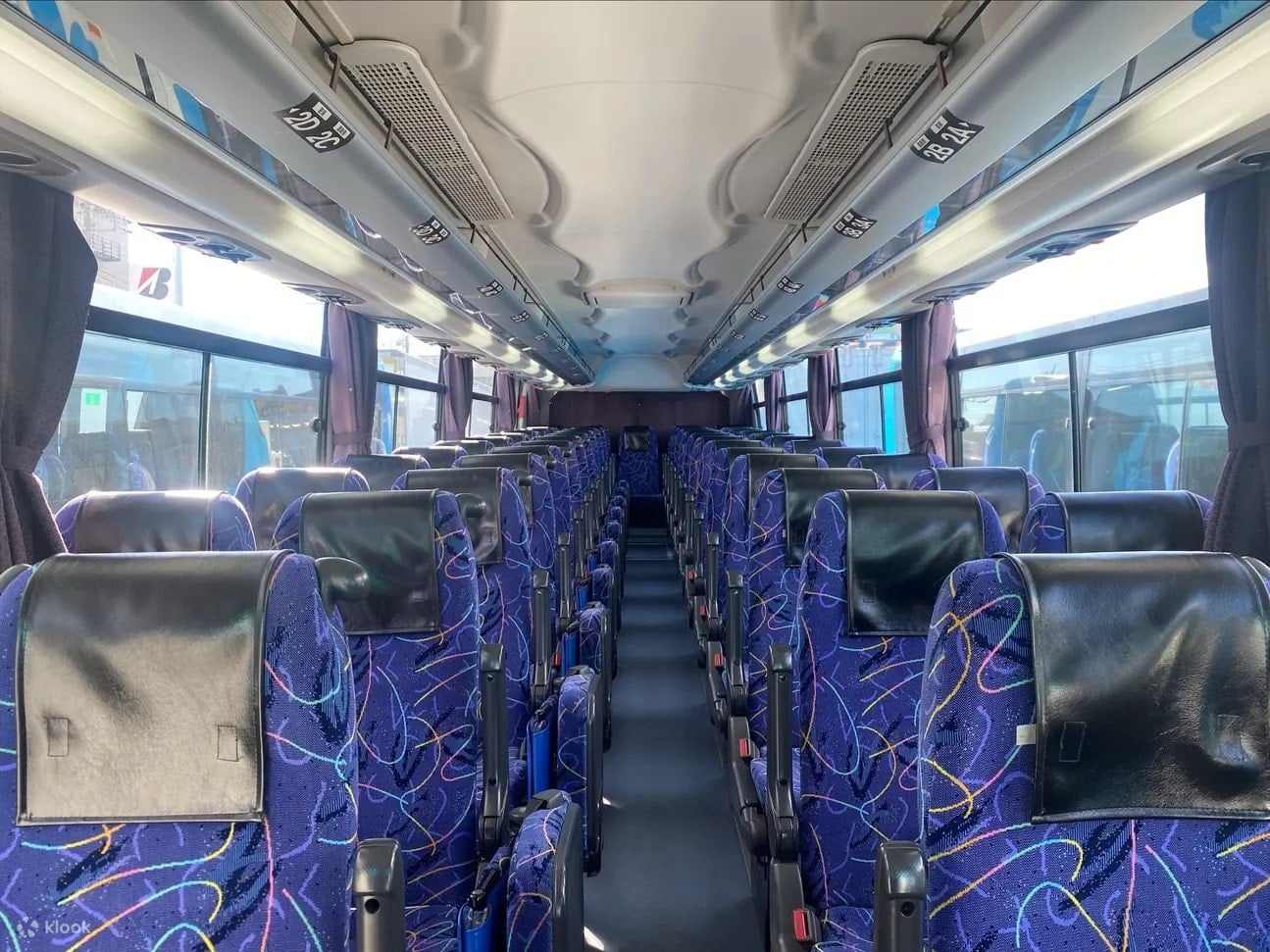
Image credit: Klook
The Highway Bus is one of the most popular ways to get from Tokyo to Mount Fuji, as it’s a direct service that takes you straight to the Fuji area. You’ll reach Kawaguchiko Station in under 3 hours, with stops at Fuji-Q Highland and Fujisan Station if you’d rather start your trip somewhere different.
Buses depart from convenient spots like Tokyo Station, Akihabara, Shibuya, Ikebukuro, and even Narita Airport. This is also a great pick if you’re travelling with family or young kids, since you can just sit back and nap your way there. Prices start from S$19.29/adult and S$9.65/child – one of the more affordable options on this list.
Get tickets for the Tokyo to Mount Fuji Highway Bus.
By car
Travelling to Mount Fuji from Tokyo by car will give you comfort, speed, and the freedom to stop wherever catches your eye. Of course, that flexibility comes with a higher price tag – petrol, tolls, and car rental all add up – but if you don’t mind spending a bit more for convenience, it could be worth it.
Chartered car service
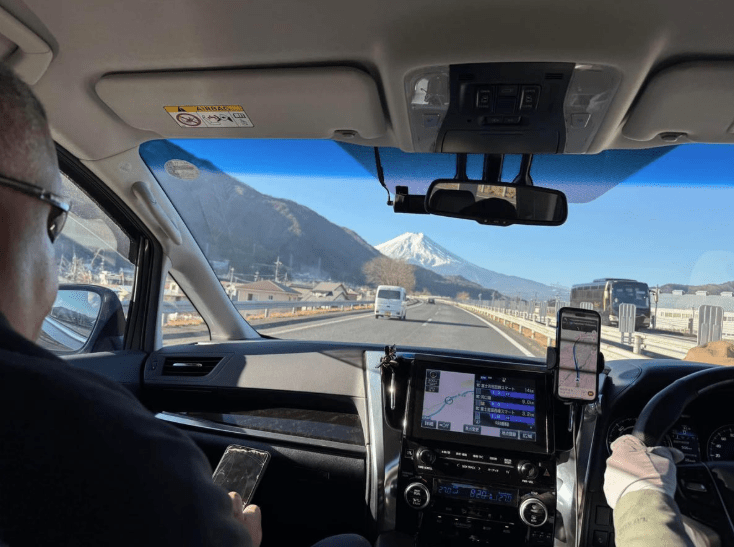
Image credit: Klook User via Klook
Those who can’t drive, or just prefer to chill and let someone else do the navigating, can consider a chartered car service. Most packages include round-trip transfers, toll and petrol fees, and a driver for around 10 hours a day, so you’ll get to explore at your own pace without worrying about parking or directions.
The Mount Fuji Classic Route Day Tour on Klook lets you customise your own itinerary. Prices start from around S$506.05/3 pax in a 5-seater car – not too shabby once you split the cost among everyone.
But there’s a catch – most chartered car services come with a standard service time. If your trip runs longer, you’ll need to top up for overtime charges. It’s a small trade-off for comfort and convenience, but still something to keep in mind.
Book the Mount Fuji Classic Route Day Tour.
Car rental
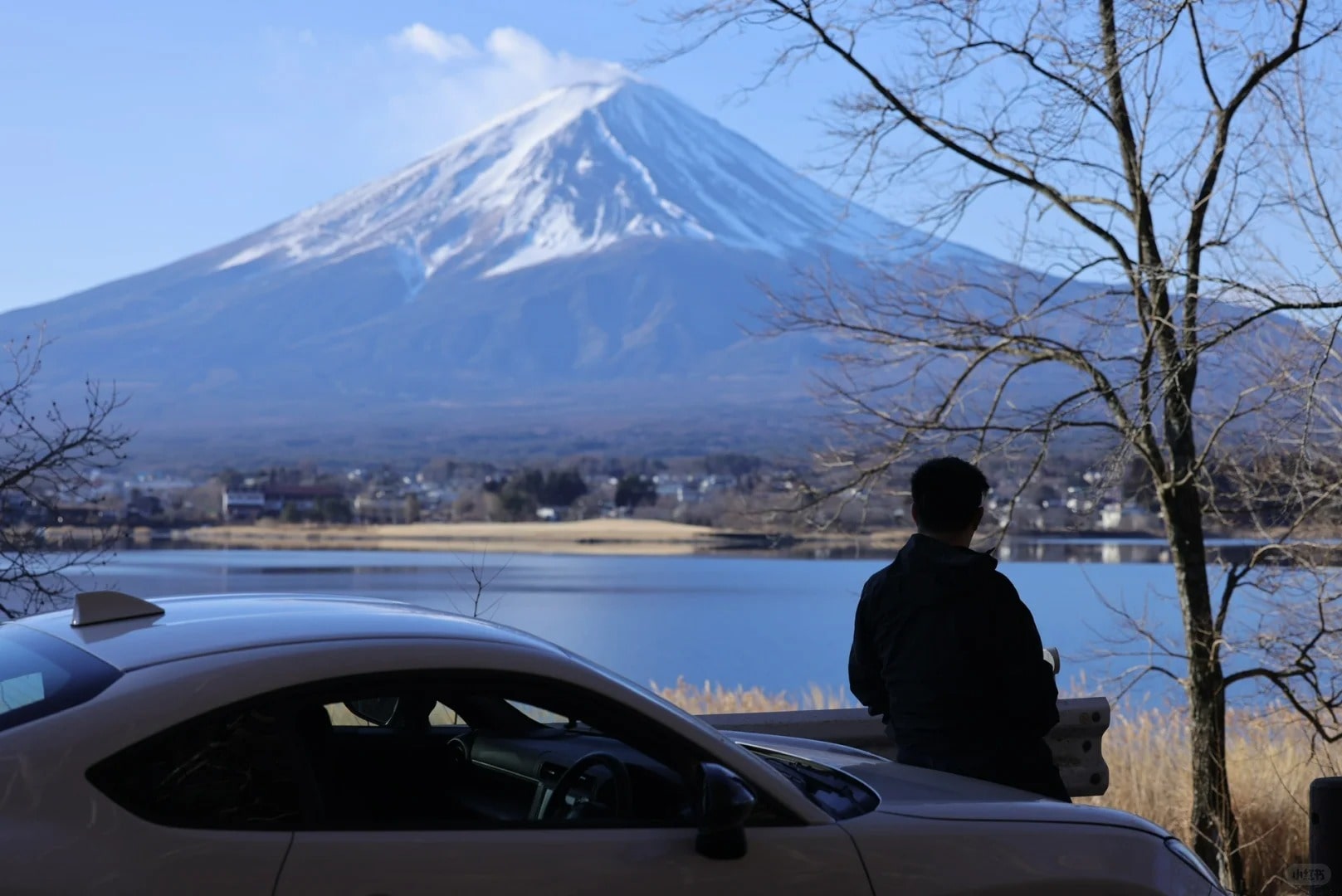
Image credit: @Chicheng via RED
However, if you can drive, renting a car is one of the best ways to explore the Mount Fuji area. Japan drives on the left side of the road, with the steering wheel on the right – just like in Singapore – so it won’t take long to get the hang of things.
Car rental prices start from around S$47.06/day for a basic 5-seater on Klook. Do note that tolls, petrol, and insurance aren’t included, so you’ll have to factor those into your budget.
The drive from Tokyo Station to Lake Kawaguchi takes roughly 1 hour and 45 minutes, and having your own set of wheels means you’ll get to make pit stops and spontaneous cafe breaks as and when you feel like it.
How to get around the Mount Fuji area?
If you’ve booked a chartered car service or plan to rent a car, you’re all set. But for the rest of us, there are rental bicycles and local buses to help you hop between lakes, towns, and all the photo spots. These are the more common ways to get around, and we’ll break them down below.
Omni Bus
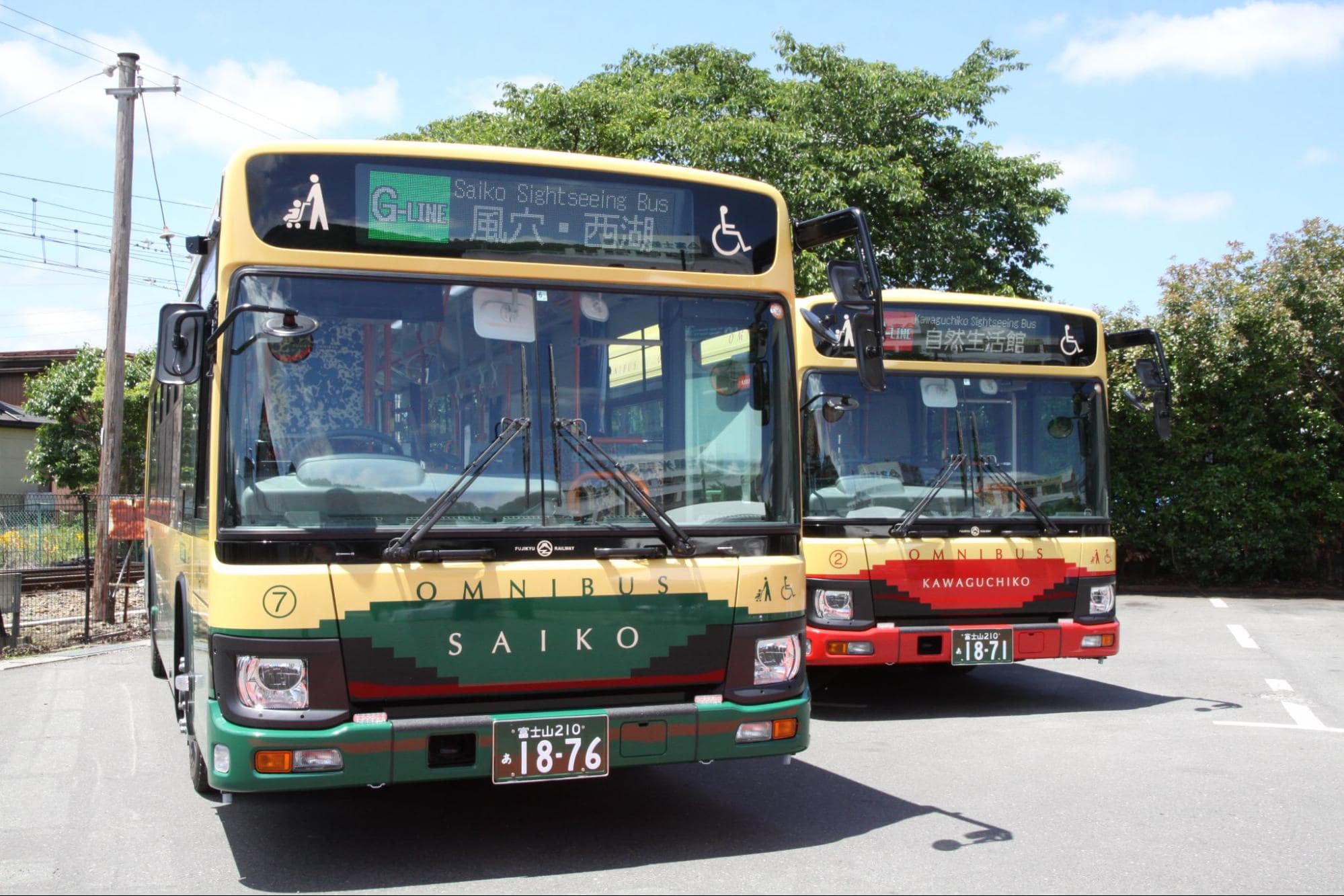
Image credit: Fuji Five Lakes Tourism Federation
There are 3 main Omni Bus sightseeing routes, each easy to spot by colour – red, blue, and green – and all depart from Kawaguchiko Station.
Red Line is the most popular route, taking you to crowd favourites like the Mt. Fuji Panoramic Ropeway (S$8.49) and Oishi Park for IG-worthy views. Meanwhile, the Blue Line heads out to Lake Shojiko and Lake Motosuko, 2 of the scenic Fuji Five Lakes. Lastly, the Green Line brings you to attractions like the Aokigahara Forest and Saiko Iyashi-no-Sato Nemba, where you’ll get to stroll through a traditional Japanese village.
In terms of frequency, the Red Line runs most often, followed by Green, then Blue. You can tap in easily using transportation IC cards like Suica, so there’s no need to fumble for coins or buy separate tickets. Or purchase a 1-Day Pass at ¥1,500/adult (~S$12.74) and ¥750/child (~S$6.37), which gives you unlimited rides on all 3 buses.
Purchase a 1-Day Pass.
Bicycle rental
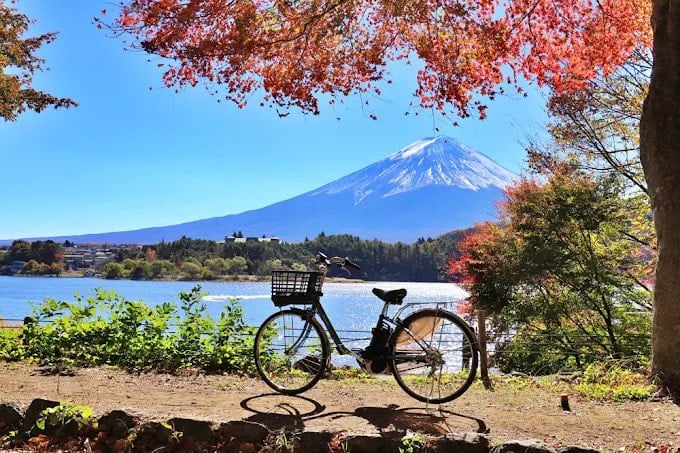
Image credit: 富士観光トラベル via Google Maps
Most travellers begin their Mount Fuji adventure from Kawaguchiko Station, and one of the easiest ways to get around is by renting a bicycle. Fujikanko Travel Agency is just a 2-minute walk from the station and offers affordable bike rentals to help you explore the area without having to wait for the next bus.
The store is open from 9am to 6pm, and you can take your pick from 3 types of bicycles:
| Type | Per hour | Per day |
| Normal bicycle | ¥500 (~S$4.25) | ¥2,500 (~S$21.23) |
| Electric bicycle | ¥600 (~S$5.10) | ¥3,000 (~S$25.48) |
| Deluxe electric bicycle | ¥700 (~S$5.95) | ¥3,500 (~S$29.73) |
They also offer luggage storage from ¥500/item (~S$4.25) – super convenient if you plan on travelling light for the day.
 Sign Up with TSL Connect

Where to go for the best views of Mount Fuji?
There are so many spots to catch Fujisan in all her glory – I mean, just look at the Fuji Five Lakes. It can be a little overwhelming, but we’ve done the homework for you and listed down the must-visit spots, especially for first-timers, that’ll give you those iconic Fuji views.
1. Arakurayama Sengen Park
Famous Mount Fuji viewing spot complemented by a pagoda
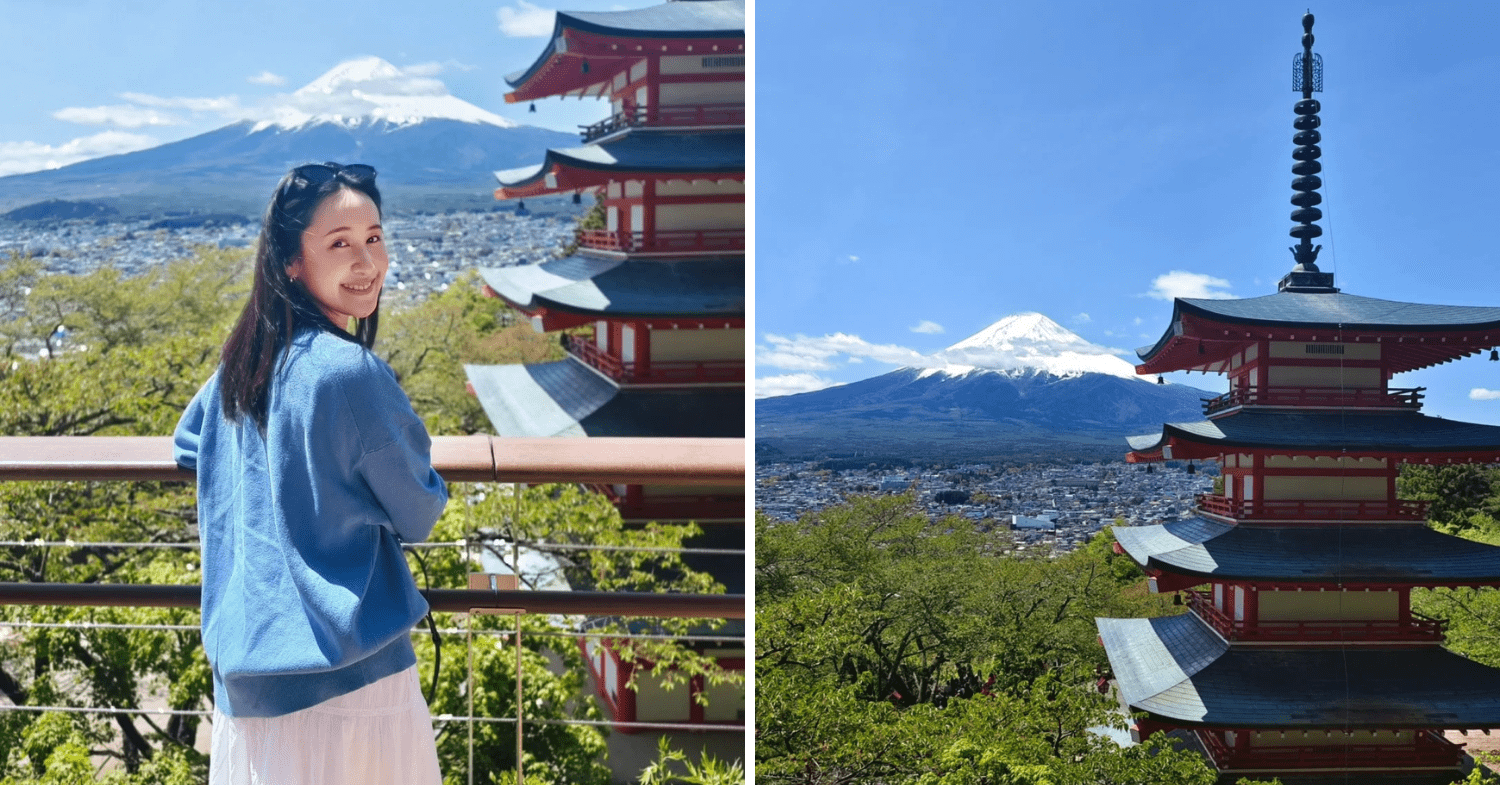
Image adapted from: @愛吃鬼CC via RED
Arakurayama Sengen Park is where you’ll find that Mount Fuji plus pagoda shot you’ve seen on Instagram. Climb up 398 steps to reach the observation deck, and you’ll be treated to stunning views of Chureito Pagoda framed perfectly by Mount Fuji in the background.
Don’t worry if the stairs look intimidating – those who have conquered them recommend taking it slow and enjoying the scenery on the way up – it makes the climb much more manageable. Most visitors spend 15 minutes to an hour getting to the top, and complete the full trail in about 1 to 2.5 hours.
2. Fujisan Yumeno Ohashi
Mount Fuji view from a bridge
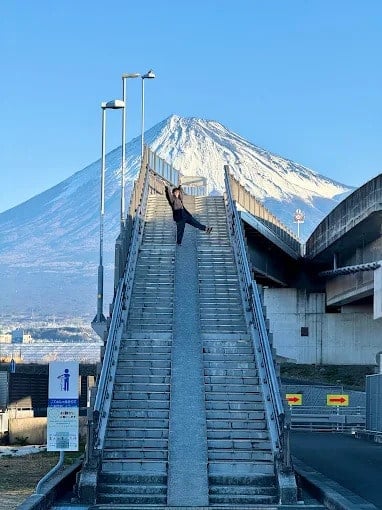
Image credit: ゆたか via Google Maps
For a breathtaking view of Mount Fuji from a bridge, head to Fujisan Yumeno Ohashi, also known as the Dream Bridge. Just take note that the location is a little further out – you might want to add this spot to your itinerary only if you’re driving.
The bridge also sits in a quiet residential area, so do everyone a favour and don’t be a public nuisance while snapping your photos. And don’t park in the neighbourhood – there’s a designated parking spot right below the bridge for exactly that reason.
Don’t say we never warn you: be prepared for a bit of a wait – there’s usually a queue for photos, and you’ll need to climb a flight of stairs to get the perfect angle. Remember to plan your poses in advance, and make sure your boyfriend or friend knows their role so you don’t accidentally hog the line.
Pro tip: Check the weather before heading out. You’ll want a clear day to see Mount Fuji – otherwise, your trip to Fujisan Yumeno Ohashi might be a bit of a disappointment, since there’s really not much else around.
3. Lawson Kawaguchiko Station
Viral photo spot right outside a convenience store
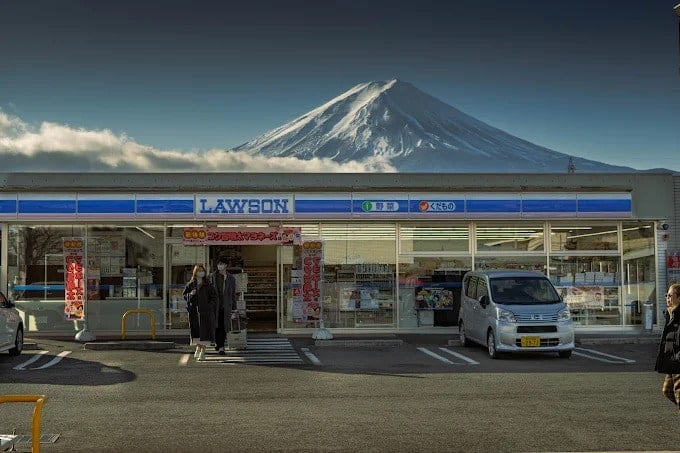
Image credit: Boom The Good Man via Google Maps
Yes, you read that right – one of Mount Fuji’s most viral photo spots is right outside a convenience store. The Lawson Kawaguchiko Station outlet is just a 3-minute walk from the station, making it easy to pop by for a quick stop before you visit other attractions.
But it’s usually crowded, and you might find yourself queuing for your turn to snap a pic. A hack is to arrive super early, around 7.30am, and you’ll likely get the place to yourself. While you’re there, grab some snacks from Lawson before heading off.
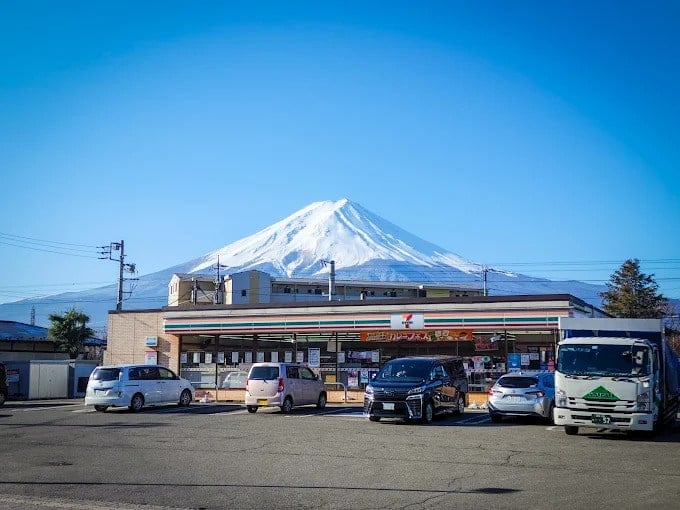
Image credit: PaPaGreat Journey via Google Maps
Pro tip: If the queue is too long, wander over to the 7-ELEVEN Kawaguchiko Station East Store, just 8 minutes away. You’ll still get equally stunning Fuji shots, but with maybe half the crowd.
4. Gotemba Premium Outlets
Shopping with a side of Mount Fuji view
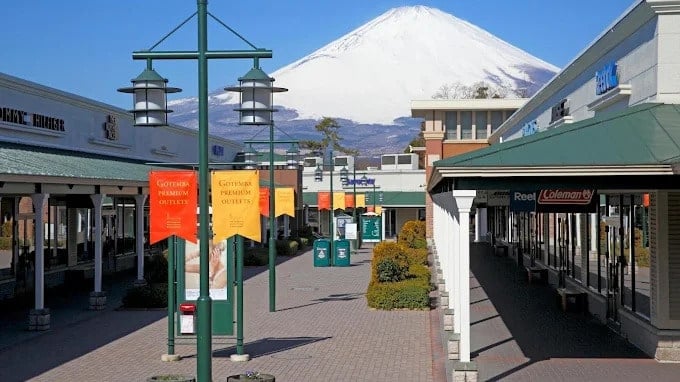
Image credit: 御殿場プレミアム・アウトレット via Google Maps
When driving towards the Mount Fuji area, make Gotemba Premium Outlets your first pit stop. You’ll get to shop brands like Celine and Onitsuka Tiger, but of course, the real star here isn’t the shopping – it’s the Mount Fuji backdrop. Catch glimpses of Japan’s most famous mountain while hopping between stores, and don’t forget to take photos of the mountain sitting perfectly between 2 rows of stores.
Some buses can send you to the mall too, so don’t worry, even if you can’t drive. Choose to hop on the non-direct bus service from Kawaguchiko Station No. 6 Bus Stop at ¥1,750/adult (~S$14.85) and ¥880/child (~S$7.47) one-way. This bus takes a sightseeing route, with stops at Fuji-Q Highland and Oshino Ninja Village, among others.
Or take the direct service bus from the same bus stop, which brings you directly to Gotemba Premium Outlets, with only 1 stop at Fuji-Q Highland. One-way fares for this route are priced at ¥2,000/adult (~S$16.97) and ¥1,000/child (~S$8.48).
Take note that reservations are not required for the non-direct service, and fares can be paid when boarding the bus. For the direct service, you’ll have to purchase tickets in advance on the Sekitori website at a discounted price of ¥1,850/adult (~S$15.70) and ¥930/child (~S$7.89).
5. Fuji-Q Highland
Theme park with thrilling rides
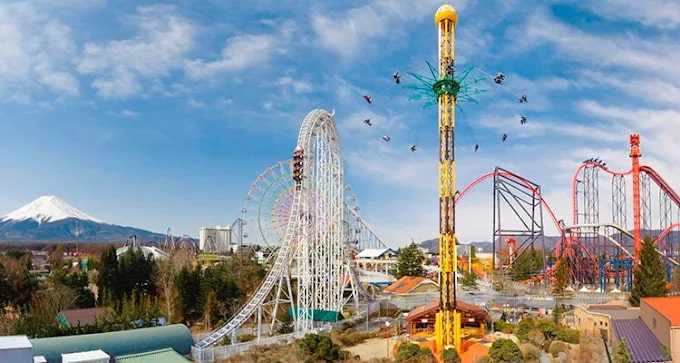
Image credit: スイカ via Google Maps
Universal Studios Japan is great, but Fuji-Q Highland is on another level. This theme park is located at the foot of Mount Fuji, so you’ll, of course, get gorgeous views of the mountain while you’re screaming your lungs out on some of the most thrilling rides.
It also holds multiple Guinness World Records for its roller coasters, including Takabisha, one of the world’s steepest roller coasters with a 121° drop. A 1-Day Pass costs S$58.49 for adults, S$54.25 for youths aged 12 to 17, and S$38.99 for children aged 6 to 11.
Get tickets to Fuji-Q Highland.
Where to stay in the Mount Fuji area?
If you’re planning to stay the night in the Mount Fuji area, make sure to book your accommodation well in advance. Hotels, ryokans, and Airbnbs with Fujisan views are extremely popular, especially during peak periods in autumn and winter.
1. HOTEL MYSTAYS Fuji Onsen Resort
Near Fuji-Q Highland & Lake Kawaguchi
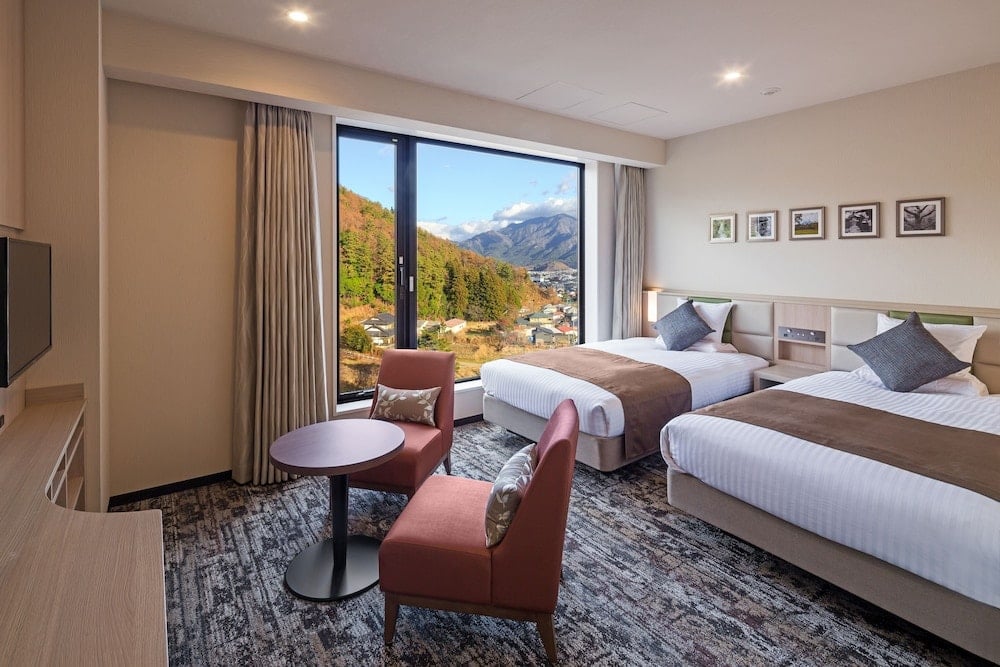
Image credit: Klook
HOTEL MYSTAYS Fuji Onsen Resort is a great base for exploring the area, as it’s just a 7-minute drive from Fuji-Q Highland and a 13-minute drive from Lake Kawaguchi. You’ll be able to retreat to a comfy room within minutes after a full day of sightseeing. A Standard Double room starts from S$177.37/night.
Some rooms even come with Mount Fuji views right from your window, so if you want to admire the mountain at every possible moment, you’ll want to book those.
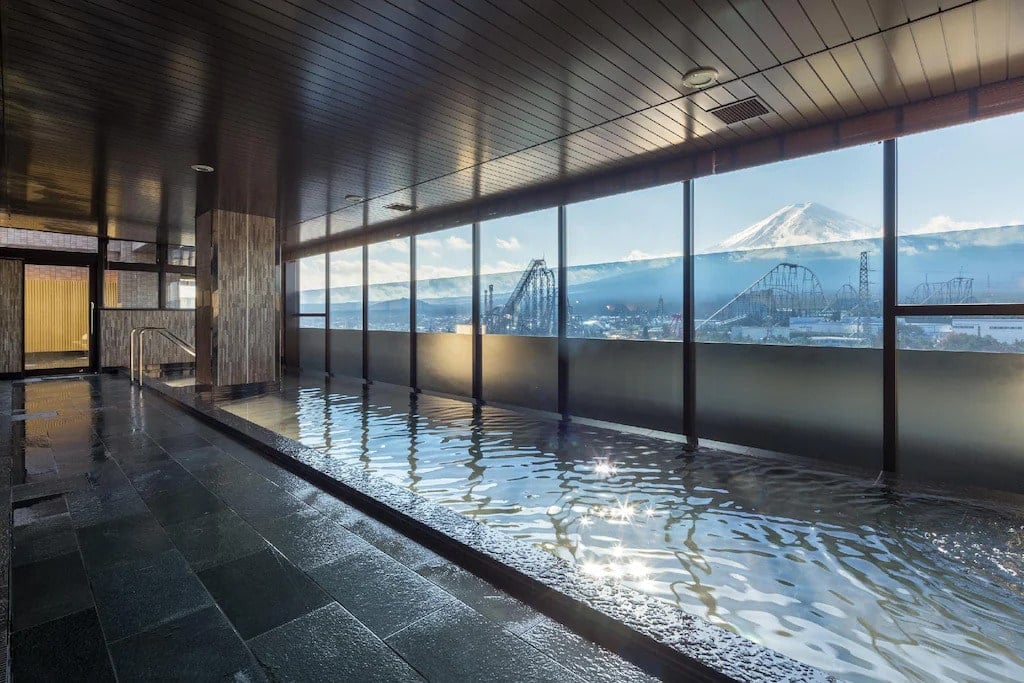
Image credit: Agoda
There’s even a public onsen for hotel guests, where you can soak your fatigue away while taking in views of Mount Fuji and the rides at Fuji-Q Highland in the distance.
Book HOTEL MYSTAYS Fuji Onsen Resort.
2. Hotel Clad
Minimalist aesthetic with Mount Fuji view
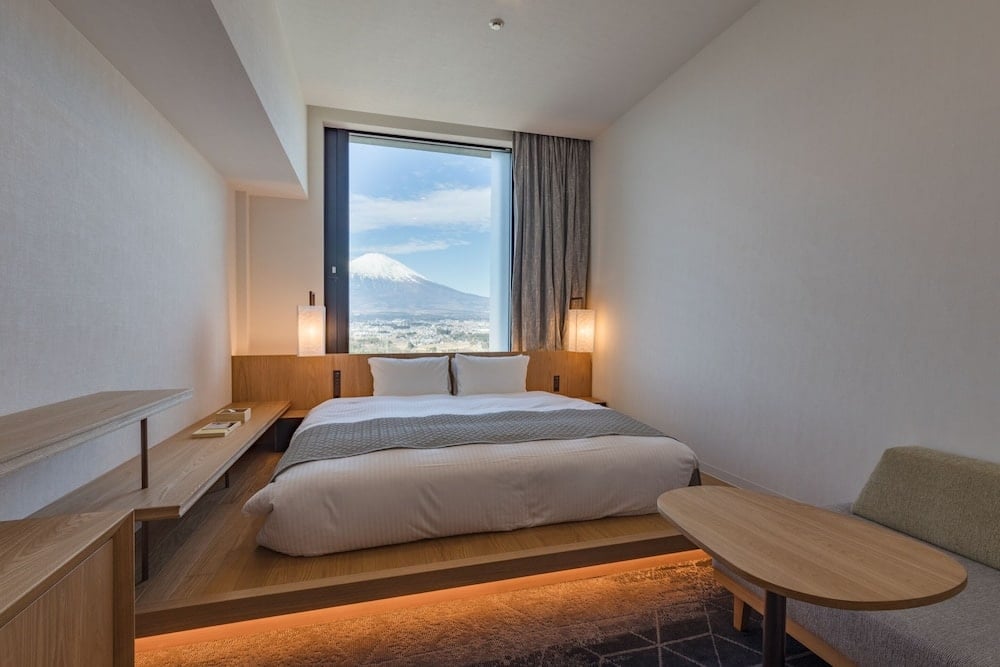 Image credit: Klook
Although it’s a little further out from the main Fuji attractions, Hotel Clad is still well worth the stay, especially if you’re a sucker for that clean, minimalist, MUJI-esque aesthetic. The hotel is just a 2-minute drive from Gotemba Premium Outlets, so it’ll be easy-peasy to sneak in a quick shopping trip whenever the urge hits.
The Twin Room with Mount Fuji View starts from S$553.86/night – a little on the pricier side, but you’re really paying for comfort, design, and Fujisan views. There are cheaper alternatives within the same hotel if you don’t really need to be waking up to views of the snowcapped mountain.
Book Hotel Clad.
3. Wakakusa no Yado Maruei Ryokan
Ryokan-style hotel
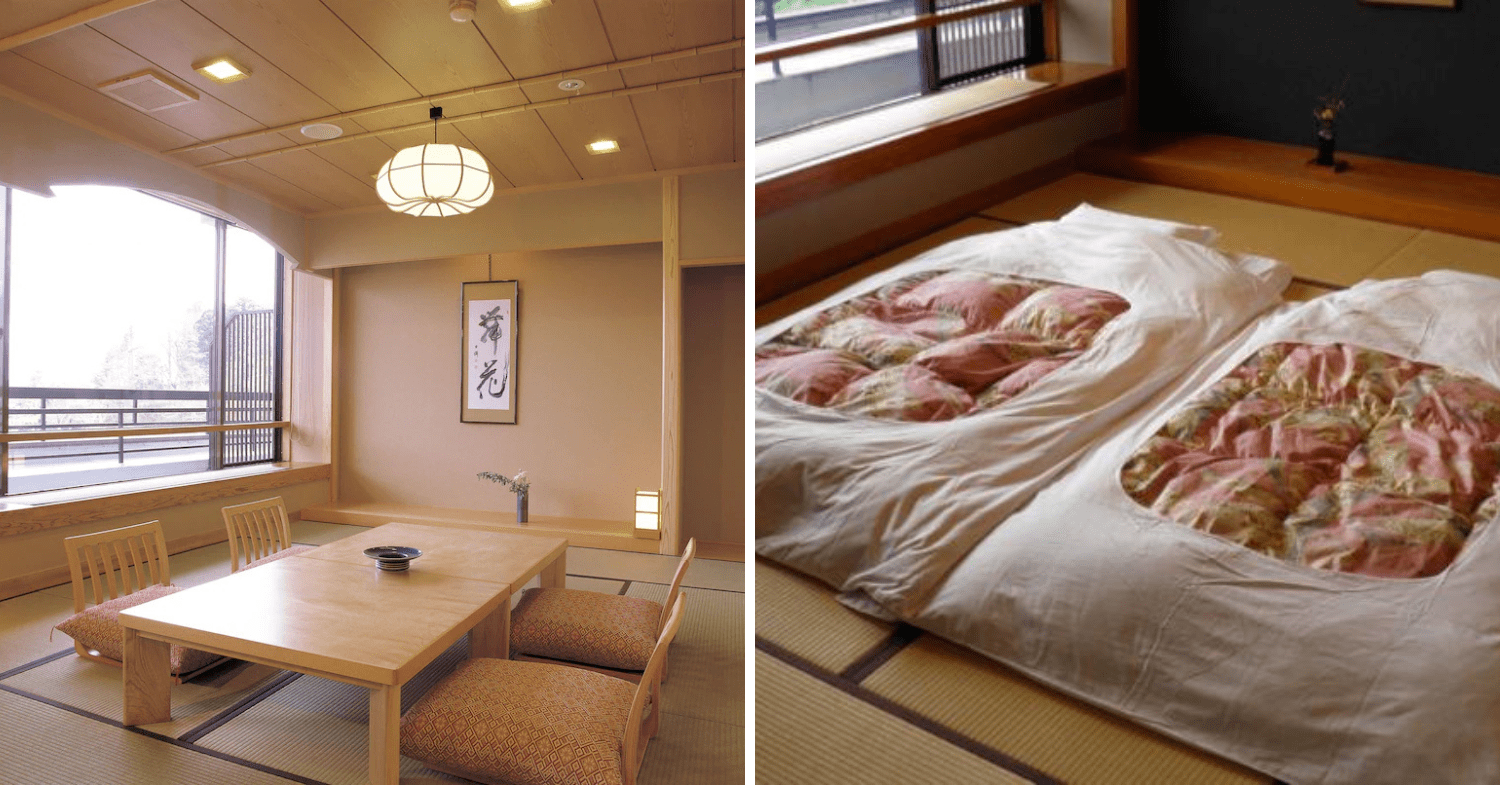
Image adapted from: Klook
Ryokans in Japan tend to be pricier, and Wakakusa no Yado Maruei Ryokan is no exception. A Japanese Style Room for 2 starts from S$532.63/night, but what you get in return is a whole lot more space than your typical hotel room.
You’ll have a separate living area, and instead of a regular bed, you’ll sleep on a futon laid out on a tatami mat floor for the full traditional experience. And yes, you’ll also get Mount Fuji views from the ryokan.
It’s definitely a splurge, but if you’re after a taste of old-school Japanese hospitality, this is one to bookmark.
Book Wakakusa no Yado Maruei Ryokan.
How to check Mount Fuji’s visibility?
Screenshot from: SeeMtFuji
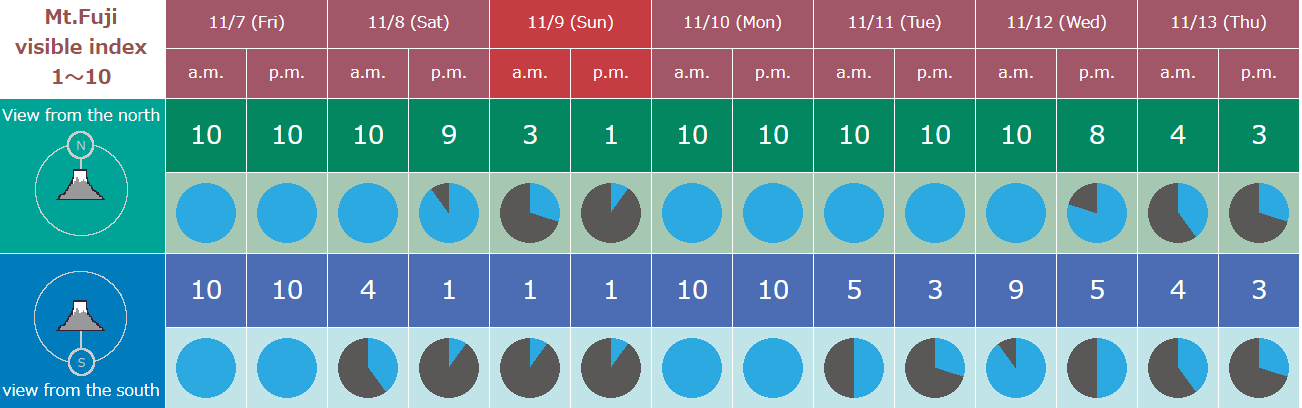
Mount Fuji is a bit of a diva – some days she shows up, other days she hides completely behind clouds. So before you make the trip, it’s worth checking whether she’s in the mood to make an appearance.
You can do that easily with sites like SeeMtFuji, which gives you a 1-week forecast of Mount Fuji’s visibility in the day and in the evening. On a scale of 1 to 10, the higher the number, the higher the possibility of seeing Mount Fuji. Or check live cameras like Skyline Webcams for real-time footage of Mount Fuji’s visibility.
Alternatively, check the weather app on your phone and keep an eye out for clear skies.
Pro tip: Mornings tend to be less cloudy, so plan your Fuji photo ops early in the day.
Bookmark our guide & plan your Mount Fuji trip from Tokyo with ease
This iconic mountain is absolutely worth the detour from Tokyo. Now all that’s left to do is pray for clear skies so you’ll have bragging rights.
More Japan-related articles:
- Guide to the upcoming JESTA application
- FamilyMart’s first clothing store in Tokyo
- Kirby-themed trains in Japan
Cover image adapted from: @無敵小神仙 via RED, Klook