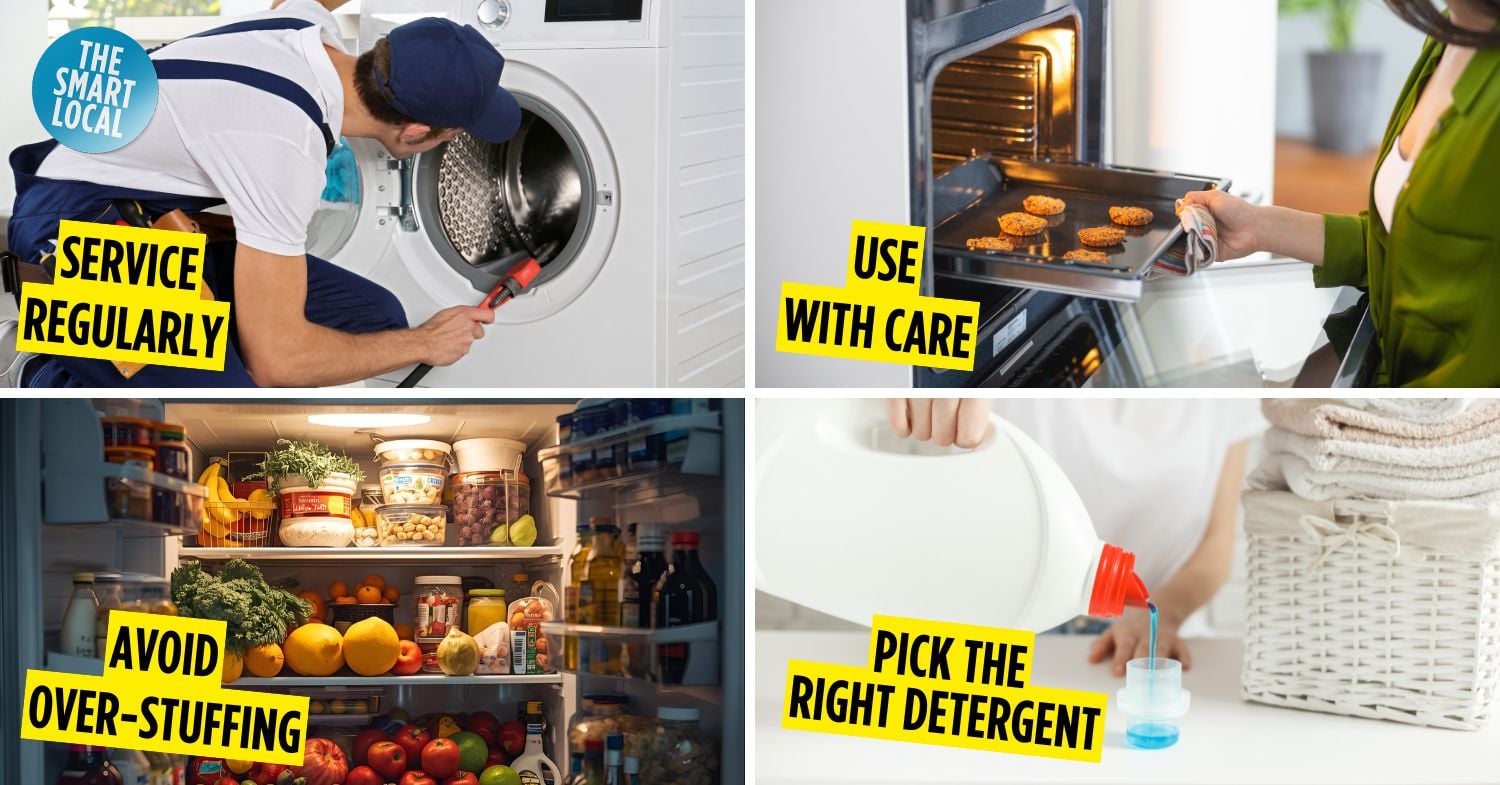

Ways to reduce e-waste at home
The truth about modern appliances is that they are not made to last very long, and it’s often more cost efficient to replace, rather than repair, them. However, this gives rise to a bigger problem: e-waste – one of the fastest-growing streams of solid waste in the world according to the World Health Organisation (WHO), containing toxic materials and producing toxic chemicals if improperly recycled.
Set aside factors beyond the consumer’s control, such as planned obsolescence and increasingly complex technology, and you’ll have to admit: we put our appliances through very hard use. But as with all things, we can take steps to make our home appliances last longer, so we don’t have to spend money on new ones, and to do our part to reduce e-waste.
1. Turn off your electronic gadgets when not in use
Leaving them on 24/7 reduces their lifespans
 Image credit: Canva Pro
Hands up if you’re guilty of leaving your computer or TV on standby mode in between uses. News flash: not only does this consume what’s known as phantom power, it also impacts the longevity of your appliances.
Even in standby mode, the appliances are still running, which means that they’re still susceptible to electrical stress, and heat is still being generated within the appliances. This continued heat and stress load on the machine eats away at its parts, albeit at a slower pace, leading to accelerated degradation. Turning your appliances off when they’re not in use allows them to completely cool down in between uses, and catch a break.
2. Avoid overpacking your appliances
Stuffing your washing machine or fridge puts unnecessary strain on the motors
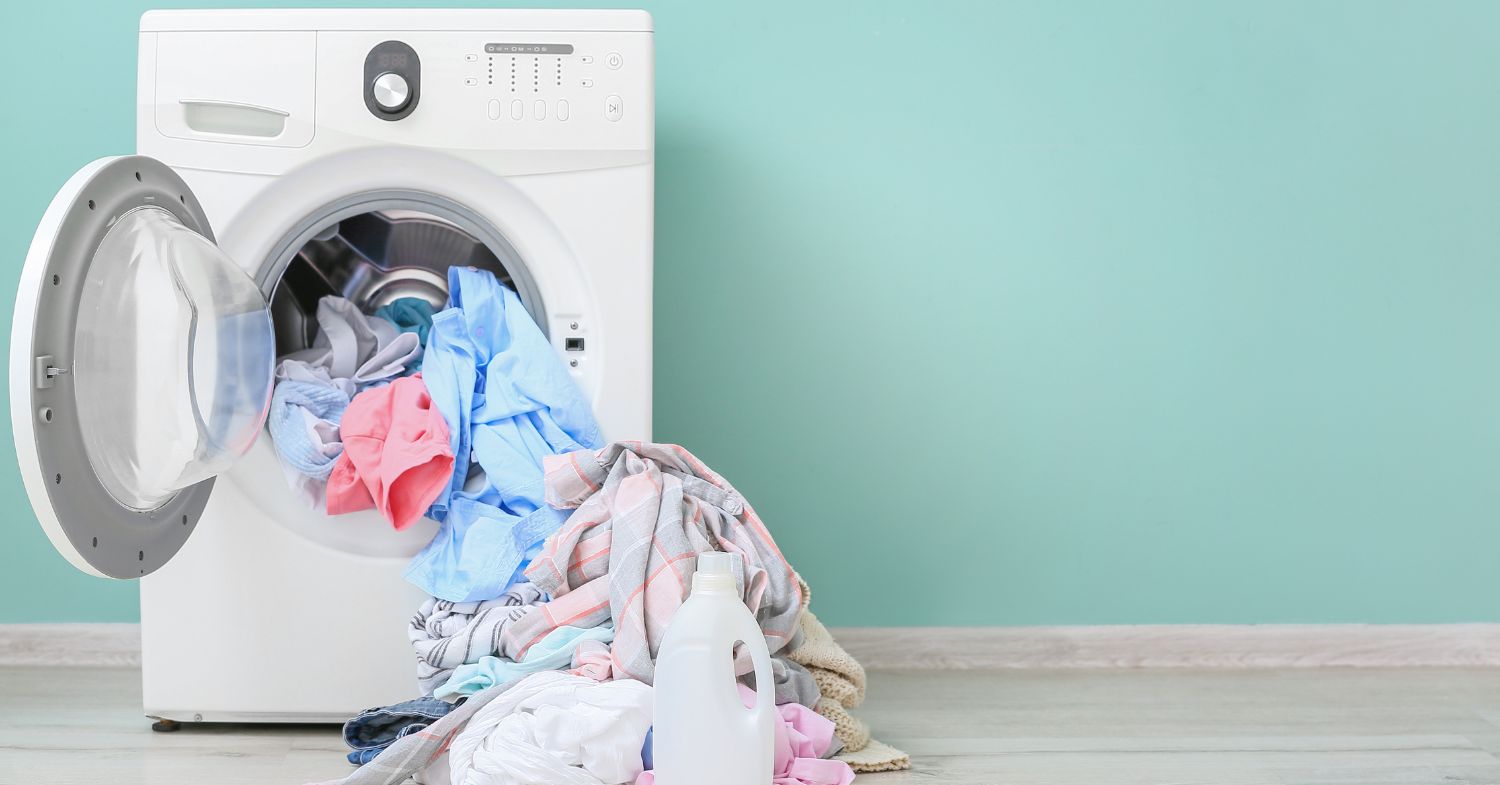 Image credit: Canva Pro
Overload any machine, and it’s bound to break down. This goes for the appliances we use at home too – in particular, the washing machine, fridge, and if you have one, the dryer too. It’s more straightforward to see why the washing machine and dryer would meet an early demise; their motors have to work harder to spin the drums, and the extra weight and agitation causes strain on the machines.
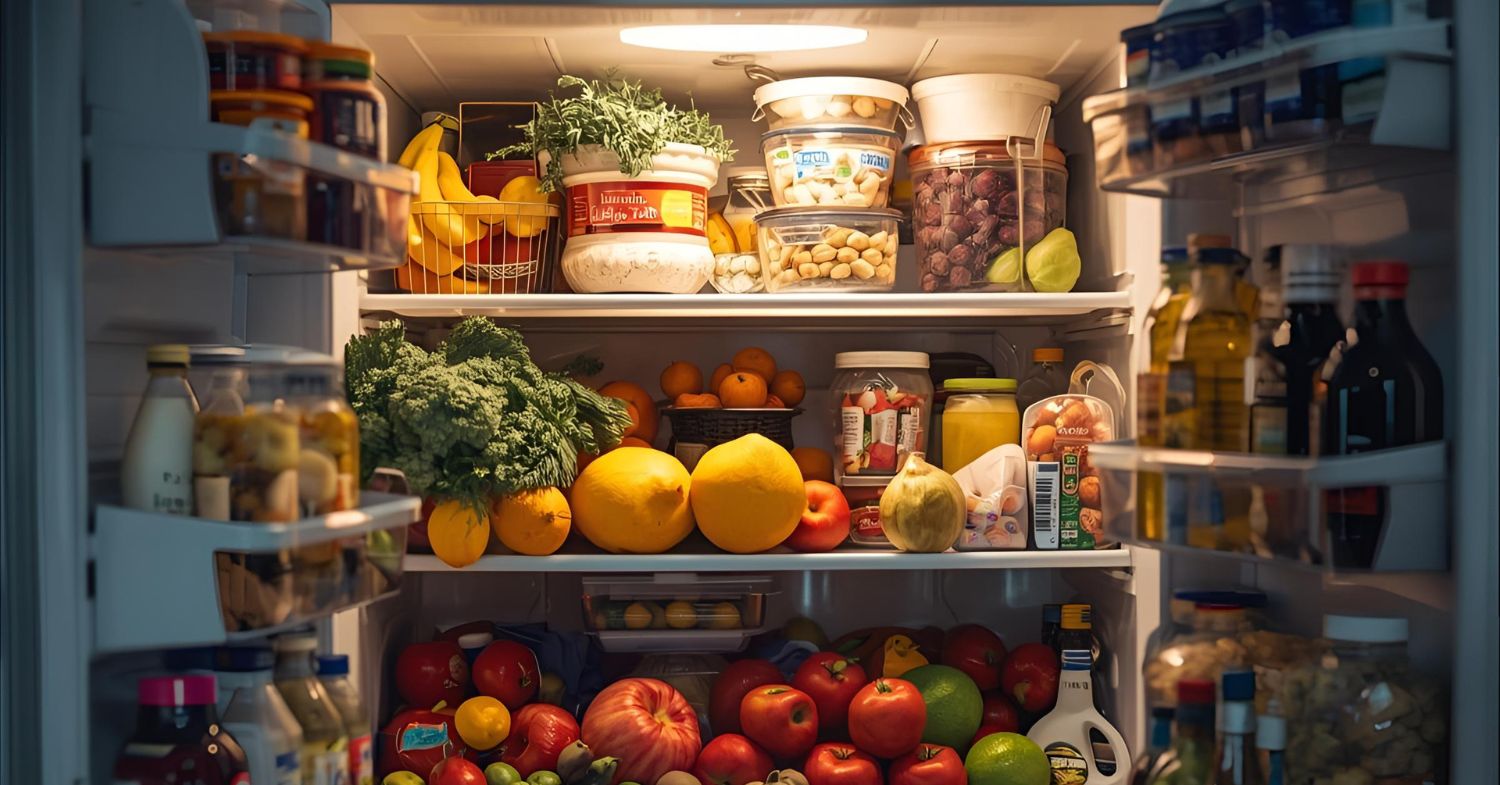 Image credit: Canva Pro
Then, you have your household refrigerator and freezers. It’s tempting to maximise the space on every shelf, but stuffing your fridge full to the brim blocks the air vents at the back of this appliance, and gets in the way of the airflow within. In case you didn’t know, this circulation of air is what keeps your fridge at a constant temperature, so when it’s too crowded inside, the compressors have to work harder.
However, do note that just as a too-full fridge can overwork its motors, a fridge that’s left empty is also not recommended. Air, as opposed to solid items, loses its cold much faster, so it’s extra sensitive to changes in temperature, for example when you open the fridge. With every temperature fluctuation, its internal thermostat is reactivated, putting the compressors to work. It’s recommended that you put jugs or bottles of water in the fridge at the very least, rather than have it empty.
3. Regularly clean your appliances
Dirt & dust can cause blockages & build-up
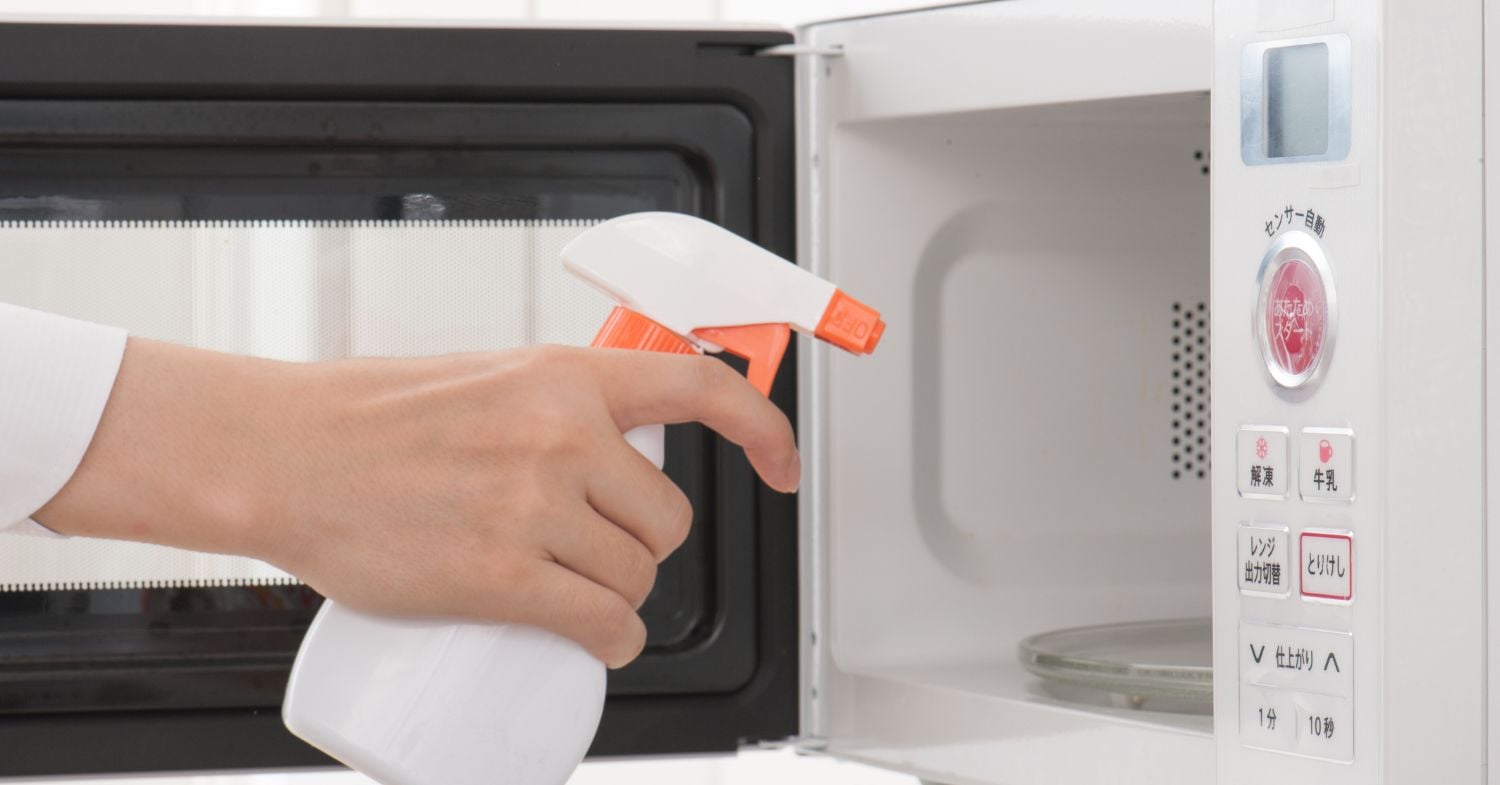 Image credit: Canva Pro
When we say “regularly clean your appliances” we don’t just mean their exteriors. This goes beyond the aesthetics, instead referring to their insides. The accumulation of dust, dirt, and debris over time can clog up parts of your appliances, such as the air vents and filters, causing them to work harder.
Where cooking or food is involved, in appliances like your stove, oven, microwave, cooker hood, and dishwasher, the build-up of grease and bits of food does the same. It also extends to your washing machine and dryer, where drainage ports and drums will be put under pressure when you don’t clear them of lint and soap scum regularly.
Not only do some of these blockages cause premature wear and tear, but they also become fire hazards, and lead to increased energy consumption.
4. Service your appliances routinely
Worn-out gaskets & parts cause appliances to break down sooner
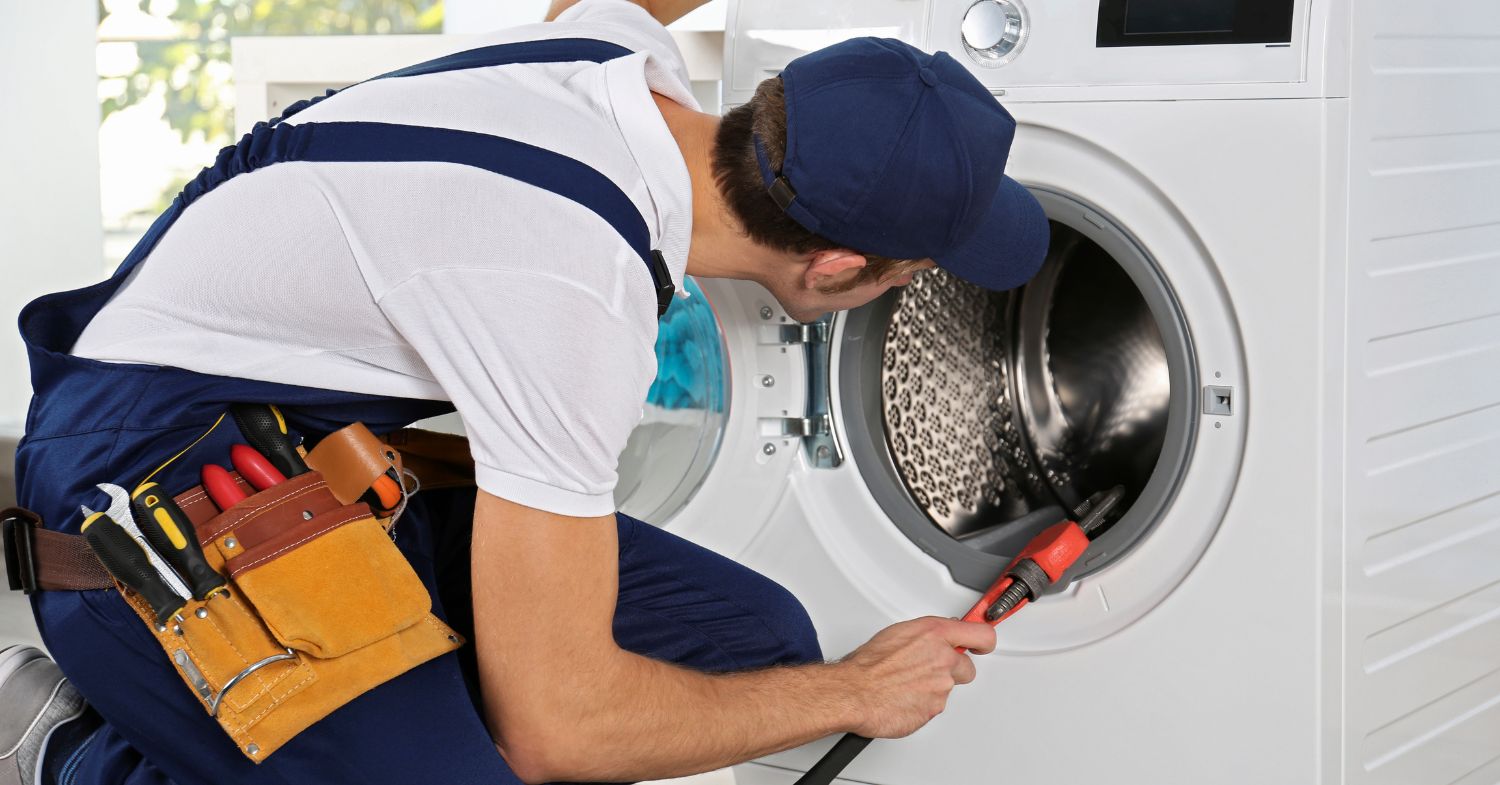 Image credit: Canva Pro
Just as a fraying bag strap snaps sooner than an undamaged one, worn-out parts cause your home appliances to reach end-of-life with more haste. With routine servicing of your appliances, you’ll be notified of gaskets and parts that are wearing out, and need to be replaced. It also ensures that your appliance is running optimally, which all in all, will help to extend its shelf life.
It may seem like a small fix to replace just one part of your appliance, but it stops the problem from snowballing into a larger one, or in the worst case, a complete breakdown, which then means you’ll have to buy a replacement.
5. Use the correct detergent & quantity
Residue can reduce efficacy & spoil the appliance
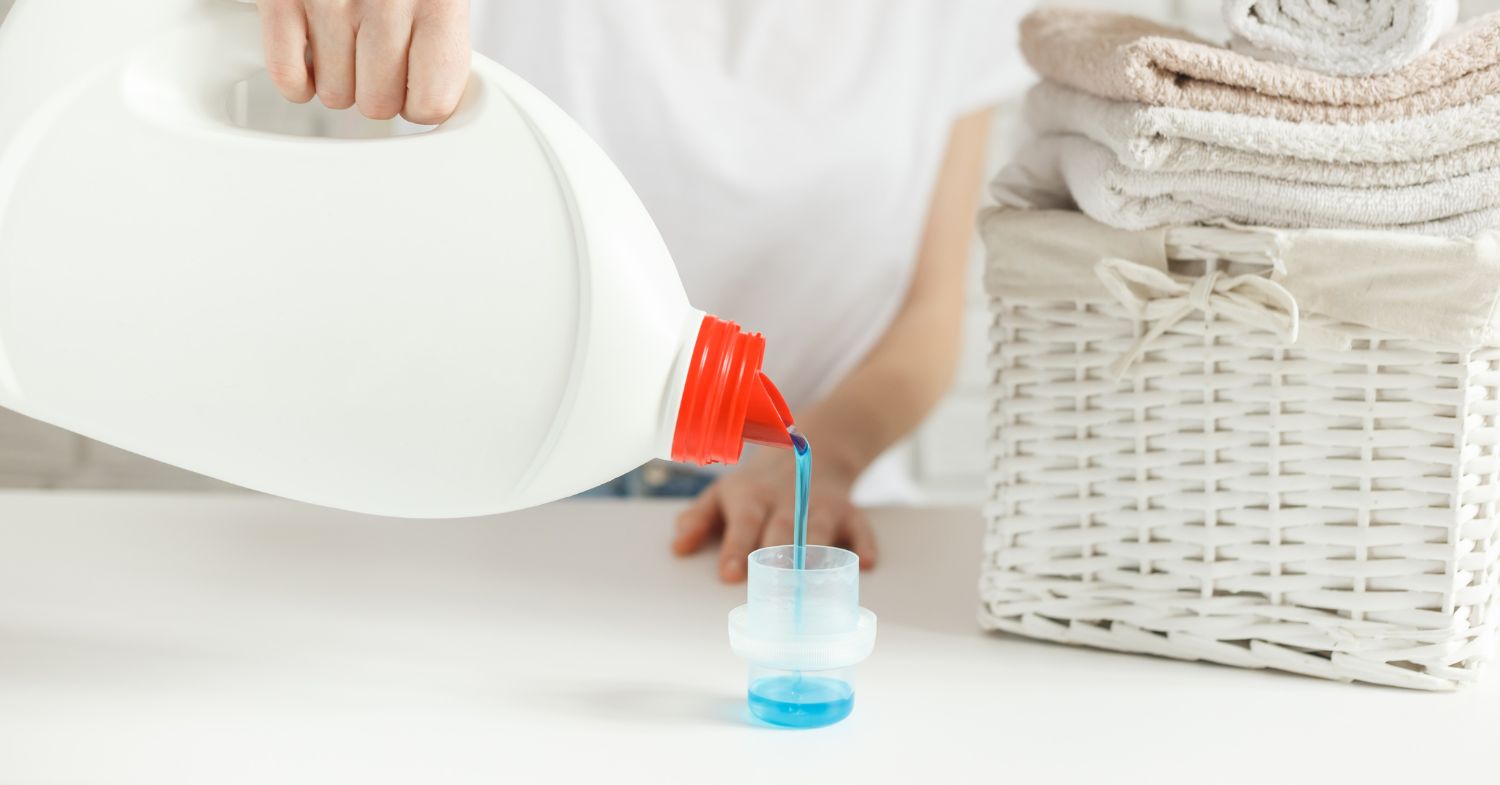 Image credit: Canva Pro
Your washing machine may be the first thing that comes to mind, but there are other household appliances that also require the use of detergent, such as electric mops dishwashers. It’s very important to adhere to the recommended amounts of detergent you should add to these appliances, because using more detergent doesn’t mean your appliance is cleaner.
Washing your clothes with too much detergent can lead to residue on the washed clothes that feels sticky, and might irritate your skin. P.S.: On the contrary, using too much soap reduces its efficacy, so your clothes don’t actually end up fresher.
Similarly, the excessive soap suds during the wash cycle, as well as the remaining residue, will collect and clog up the machine. This can also happen when you use the wrong detergent – ICYMI, front-loading and top-loading washing machines use different detergents.
For those of us who have dishwashers, this means that you can’t put your liquid dish soap into the machine, because it suds up differently as compared to a dishwasher-specific soap. And as for electric mops, it’s necessary to rinse out the parts between use, since the soap residue will clog them up – even if you did use the right amount.
6. Treat appliances with care
Rough use can lead to premature wear & tear
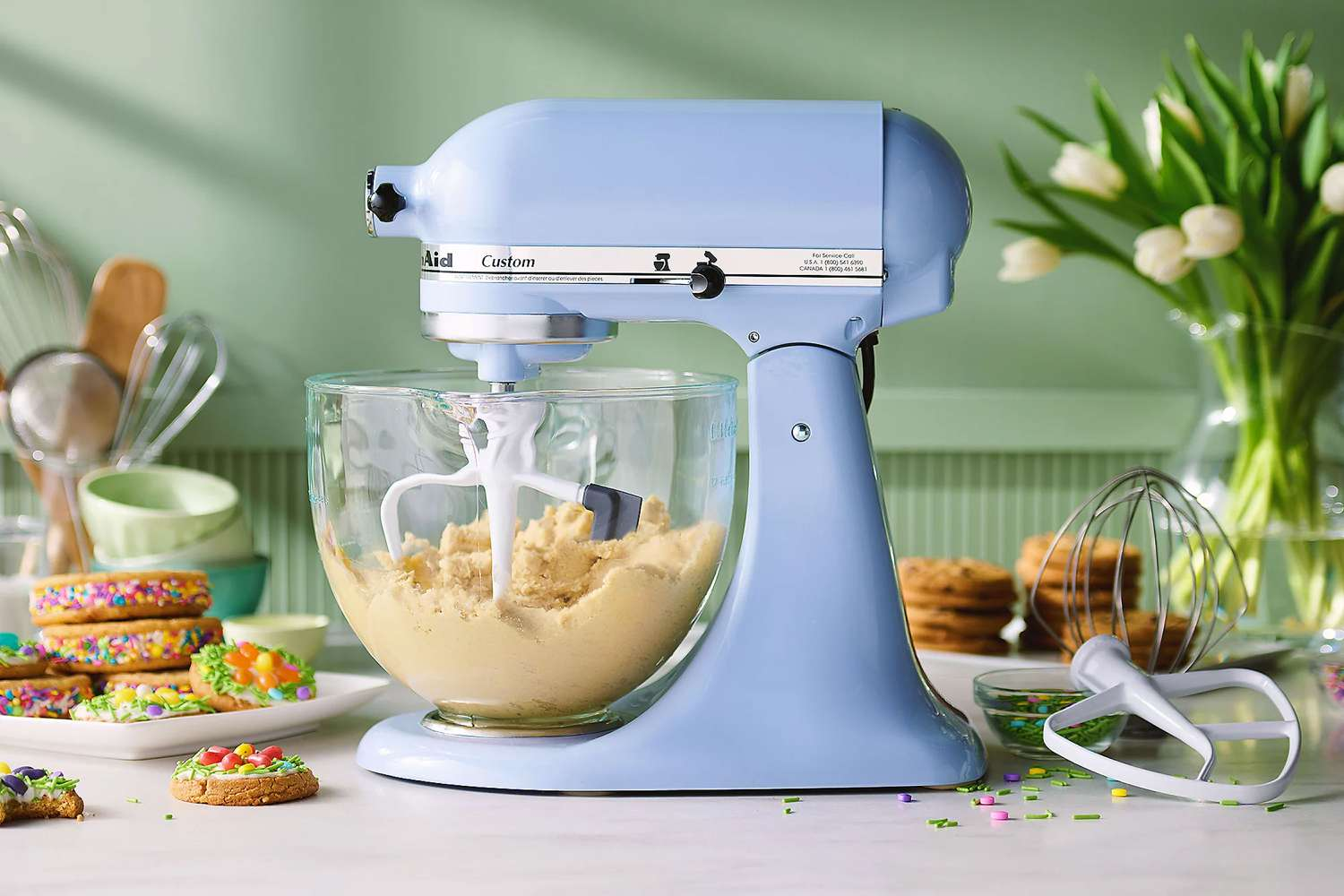 Image credit: Kitchenaid
A most fundamental way to ensure your home appliances don’t meet a premature end is to use them with care. Just as regular maintenance, as stated above, can keep them in good condition, the way you use them does help them to serve you for longer.
Slamming your refrigerator and washing machine doors, frequently using your stand mixer or food processor till they overheat, or violently yanking the plugs out of the sockets can all cause premature wear and tear, and shorten the lifespans of your appliances. This isn’t to say you should treat them like they’ll break at any moment, but they would definitely thank you for not smacking them around, and give you the value you paid for.
7. Turn on your oven at least once a week
Prevent moisture collecting on heating elements
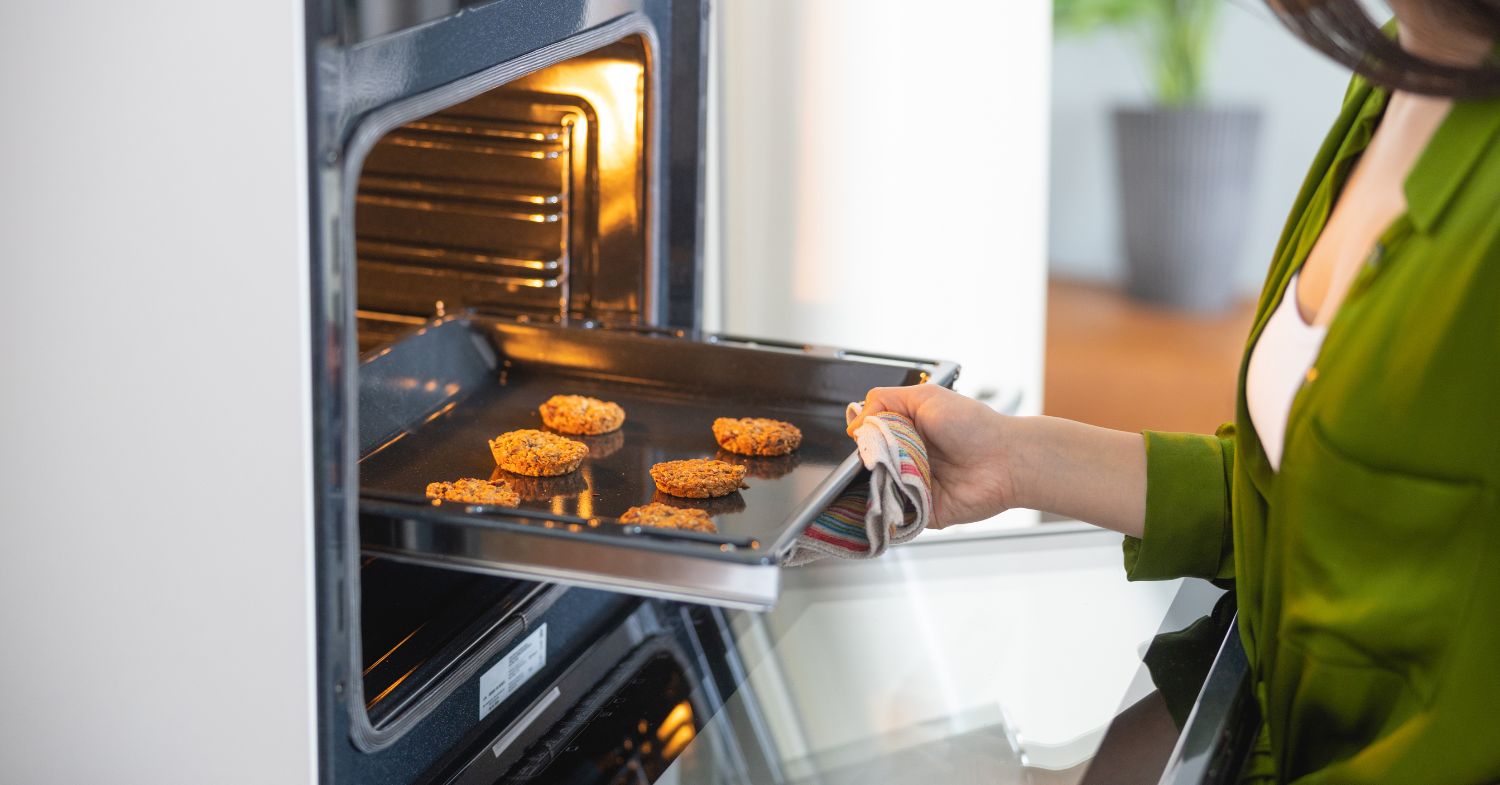 Image credit: Canva Pro
Moving on to more appliance-specific measures, we start with the oven, which might come already built-in with your flat. Even if it is a white elephant in your kitchen, eclipsed by the convenience of an air fryer, you ought to turn it on at least once weekly – especially in Singapore.
Our humid climate causes moisture to accumulate on the heating elements in the oven. After long periods of unuse, this moisture will inevitably cause the oven – and maybe even the house – to trip. By turning on the oven regularly, the heating element will be able to evaporate off any moisture that has collected. This protects the oven from constantly tripping, which in turn saves it from an early end, since every time it trips, it’s an electrical overload on the appliance.
If you’re just turning the oven on without cooking in it, switch it on, and set it to a low temperature of about 50°C for 15 minutes, before gradually turning up the heat to 150°C for another 5 minutes or so, just to allow more moisture to evaporate.
8. Defrost your freezer regularly
Frost build-up causes increased power consumption & shortens its lifespan
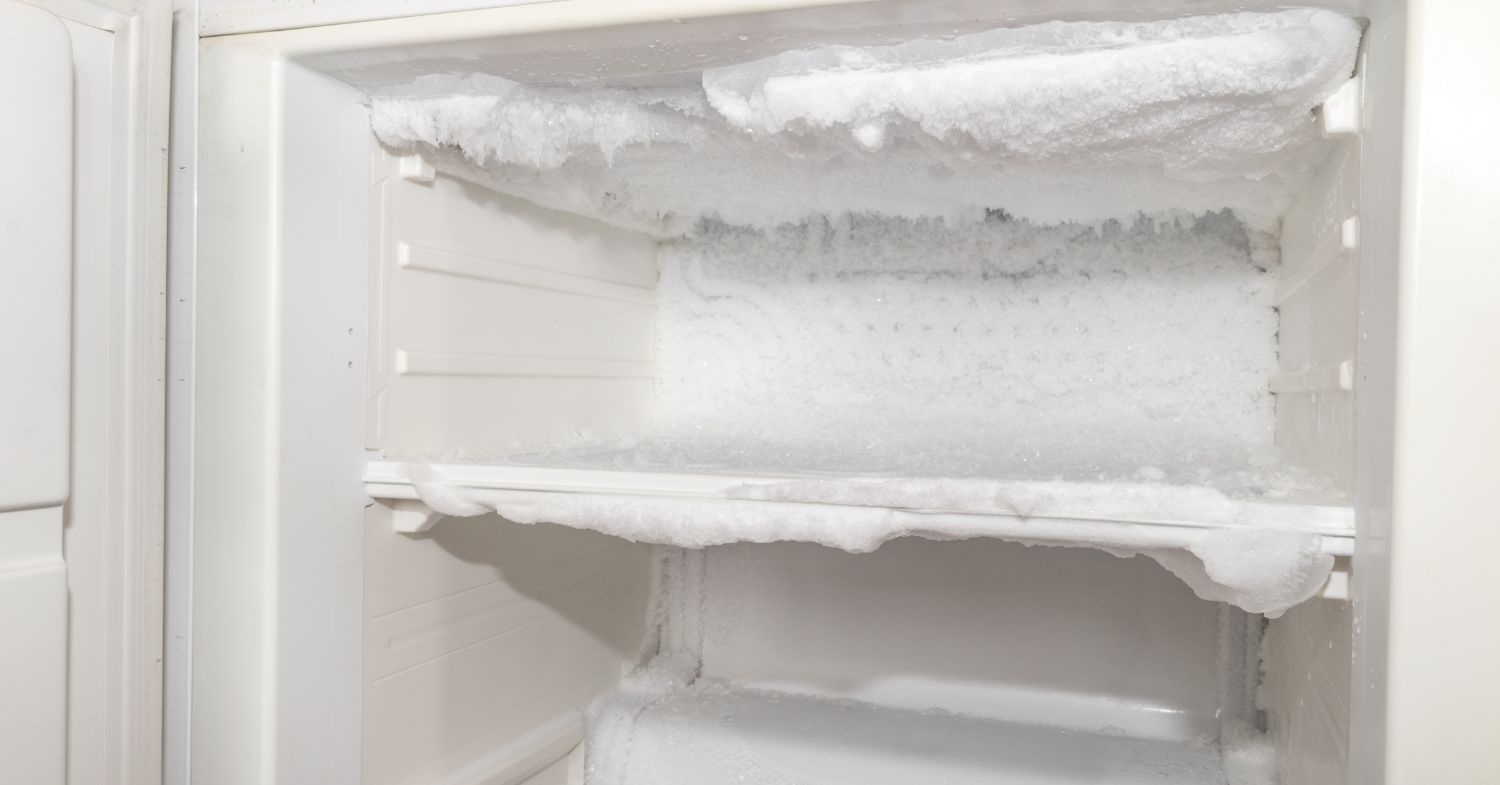 Image credit: Canva Pro
Then, there’s the freezer, which we’ll admit is very shiok to stand in front of with the door open. Unfortunately, that’s one sure way to contribute to the frost build-up in that compartment of your fridge. When there’s warm, moist air in the freezer, it turns into cold water droplets which freeze on the walls, shelves, air vents, and even in the evaporator coils that you can’t see. In our climate, this would definitely happen every time you open the freezer.
Firstly, the frost build-up causes increased electrical consumption as the freezer works harder to maintain the temperature in spite of the blocked air vents. If left untreated, the cooling fan and coils might get damaged, perhaps even beyond repair. More immediately, there’s also the reduction of storage space, potential of freezer burn on your food, and even a foul smell.
Other than positioning your freezer away from heat sources and not stuffing it too full, you should consider defrosting it at least once a year, unless there’s a build-up of frost that’s more than 7mm thick.
Recycle your e-waste responsibly
Think about it: prolonging the lifespan of your electronic appliances means less need to shop for new ones, and less hassle when it comes to disposing of and installing new ones. Not only do you save money, you will also find yourself saving on time, effort, and headaches just by taking better care of your appliances. Plus, you’ll also be doing your part to reduce the environmental impacts of electronic waste.
Of course, there will come a time when you have to replace your old appliances, and that’s where you can also play an important role in protecting our world – schedule an appointment with ALBA, NEA’s appointed e-waste operator, to pick up your bulky e-waste like refrigerators, washing machines, dryers, and TVs from your home. Otherwise, drop off your unwanted electronics such as household batteries, power banks, mobile phones and light bulbs in the e-waste bins located across Singapore.
Download the ALBA STEP UP app to find your nearest e-bin and e-drives, and drop your e-waste off to earn points and redeem vouchers too.
International E-waste Day 2025
This year, International E-waste Day 2025 is happening on 12th October, with the National Environment Agency (NEA) and ALBA E-waste commemorating it at Bedok Town Square from 11.30am-5pm. Be one of the first 500 to register for this event, and receive a limited-edition gift bag.
This year’s theme for IEWD 2025 is Step Up E-waste Recycling, which aims to encourage us to recycle our e-waste habitually. With improved accessibility to collection points, and the STEP UP app making it extra easy to locate the e-waste bins nearest to us, we can’t make any excuses about how inconvenient it is to recycle.
Learn more about e-waste recycling in Singapore through interactive booths, and hear about what’s being done to tackle this growing problem. Find out how to make a difference at home and at work, and sign up for workshops including a Keycap Keychain Workshop, and Upcycling Bags for Bulky E-waste Workshop. There will also be lucky draws and games throughout the day that are open for all to participate in.
Sign up for IEWD 2025 here
This post was brought to you by the National Environment Agency (NEA).
Cover image adapted from: Canva Pro