

New dialect film screening rules in Singapore
When Dear You hit cinemas a few months back with its Teochew dialogue, it sparked a heated debate over just how much space dialect films should have on the big screen in Singapore. After months of discourse, the cap on dialect film screenings in SG will finally be lifted from September 2026 – although, of course, there are still a couple of strings attached.
Here’s everything you need to know about Singapore’s new dialect film screening rules.
So, what exactly is changing from September 2026?
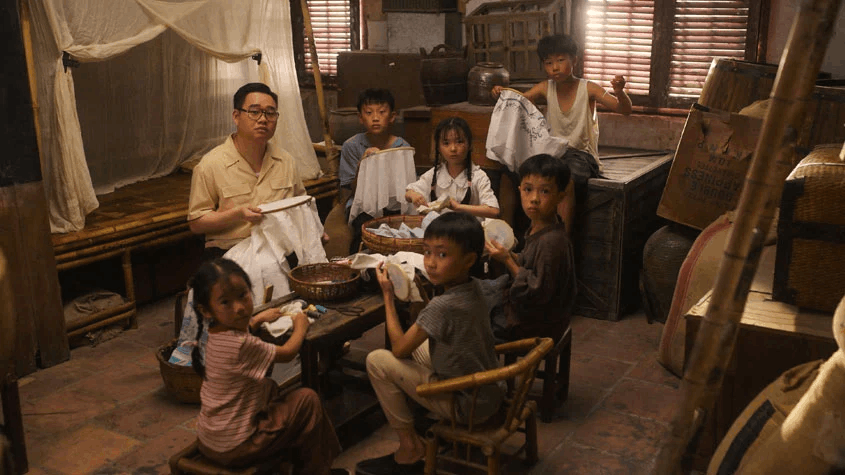
Image credit: Golden Village
Prime Minister Lawrence Wong announced during his National Day Rally speech that films in dialect can be screened without a limit, as long as a Mandarin-dubbed version is available.
According to the Ministry of Digital Development and Information (MDDI), the film must also have Chinese subtitles – this applies to films that are either entirely in dialect or contain predominantly dialect content.
The changes aren’t limited to cinemas either – restrictions on dialect content will also be removed for subscription TV.
These updated guidelines for films and subscription TV will take effect from September 2026, giving dialect films a little more room to breathe on Singapore’s screens and viewers more opportunities to catch them.
Why is Singapore changing the rules now?
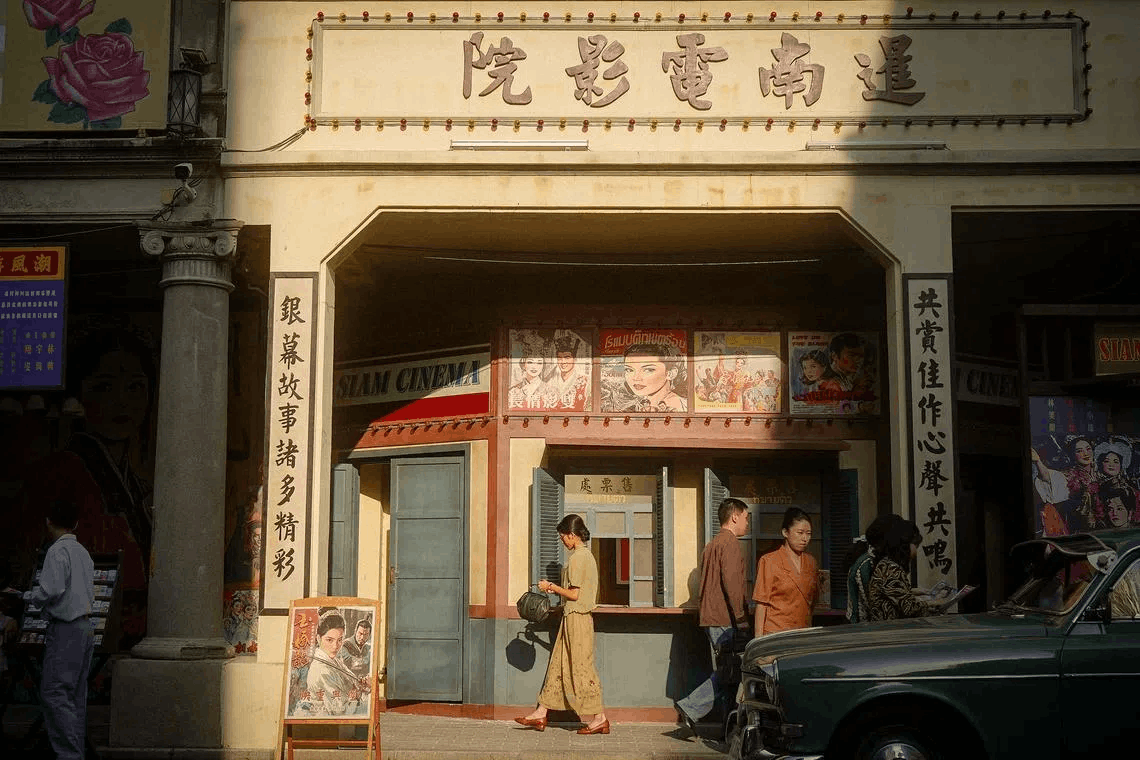
Image credit: Golden Village
This is where Dear You comes in.
The film, which was filmed mostly in Teochew, became the unlikely catalyst for a much bigger conversation about dialects, culture, and what gets a place on Singapore’s screens. When it first hit cinemas, most of its screenings were Mandarin-dubbed versions, while the original 10 Teochew screenings sold out quickly. Additional screenings were eventually added after audiences showed there was clearly demand for the original version.
There was plenty of discussion online about whether dialect films should have more room in Singapore’s cinemas, and whether audiences should have a say in which language they get to watch them in.
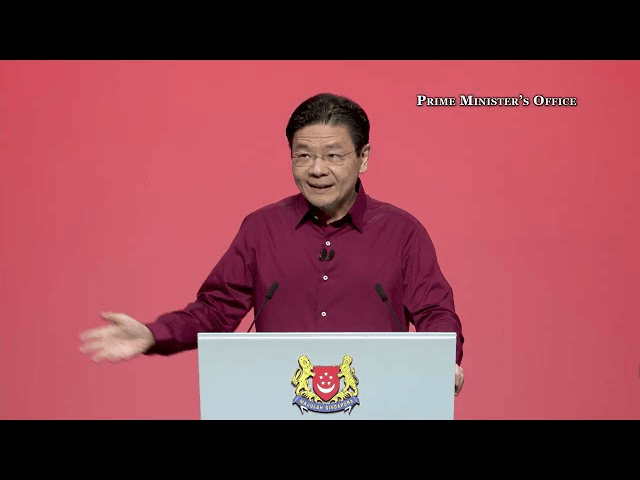
Image credit: Prime Minister’s Office Singapore
Dear You was even specifically referenced by PM Wong during his National Day Rally speech. He noted that “many see dialects as a cultural heritage worth preserving” and said he agreed, adding that “even as we promote the use of Mandarin, we can also make more room for dialects” before announcing the new rules.
What does this mean for Singapore moviegoers?
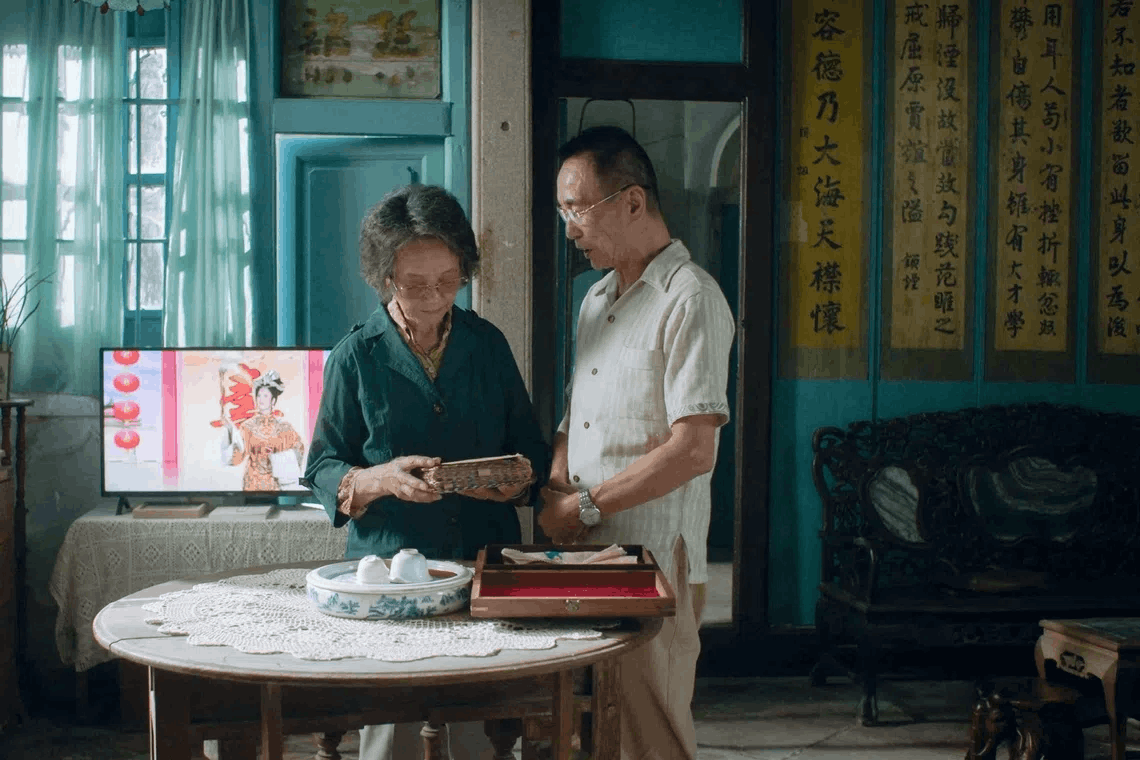
Image credit: Golden Village
For starters, you may no longer have to chiong for tickets the moment a dialect film drops or resort to paying scalper prices just to catch a film in its original dialect.
And Mandarin is still very much part of the equation. Films that qualify for the relaxed rules must have a Mandarin-dubbed version available, while the dialect version must also come with Chinese subtitles.
So the policy change doesn’t reverse SG’s longstanding emphasis on Mandarin, but strikes a balance between keeping Mandarin at the heart of our language policy and giving our dialects more space to be enjoyed on the big screen.
Here’s to more dialect films on Singapore’s screens

Image credit: Golden Village
This may seem like a small policy change, but it gives dialects another place to live, and another generation a chance to hear them, understand them, and maybe even fall in love with them.
And if it also means we no longer have to fight for the handful of original-language screenings when the next Dear You comes along, well, that’s a pretty nice bonus too.
More on Singapore’s culture:
- The Violinist movie – award-winning SG animated film
- Things that were banned in SG but now legal
- Preparing for P1 now vs then
Cover image adapted from: Golden Village