When all we see are soaring skyscrapers and hurried businessmen rushing from place to place, it’s hard to remember that Singapore was and is so much more than our glitzy CBD – we’ve come a long way from the early days of our nation.
There’s an important portion of our society that remains largely unsung – the people behind the dying trades and sunset industries of Singapore, who are working hard in the name of passion and preserving our heritage. We’ve found 8 tradesmen and tradeswomen across Singapore, who are still braving the odds in our highly competitive environment and holding on tight to their craft.
Here’s what’s left and where to find them.
Table of Contents
Back in the day, traditional cobblers would repair shoes and service footwear along the road and at the side pavements. You can still find some in Chinatown and around Raffles Place, but their numbers are few.
Yee Ah Seng, AKA Simei Cobbler, is one of the last remaining few street cobbler businesses in Singapore. His business is situated near Simei MRT station for convenience, so if your shoes are a little worse for wear, drop by for a fixing up that’ll be cheaper than your usual Mister Minit.
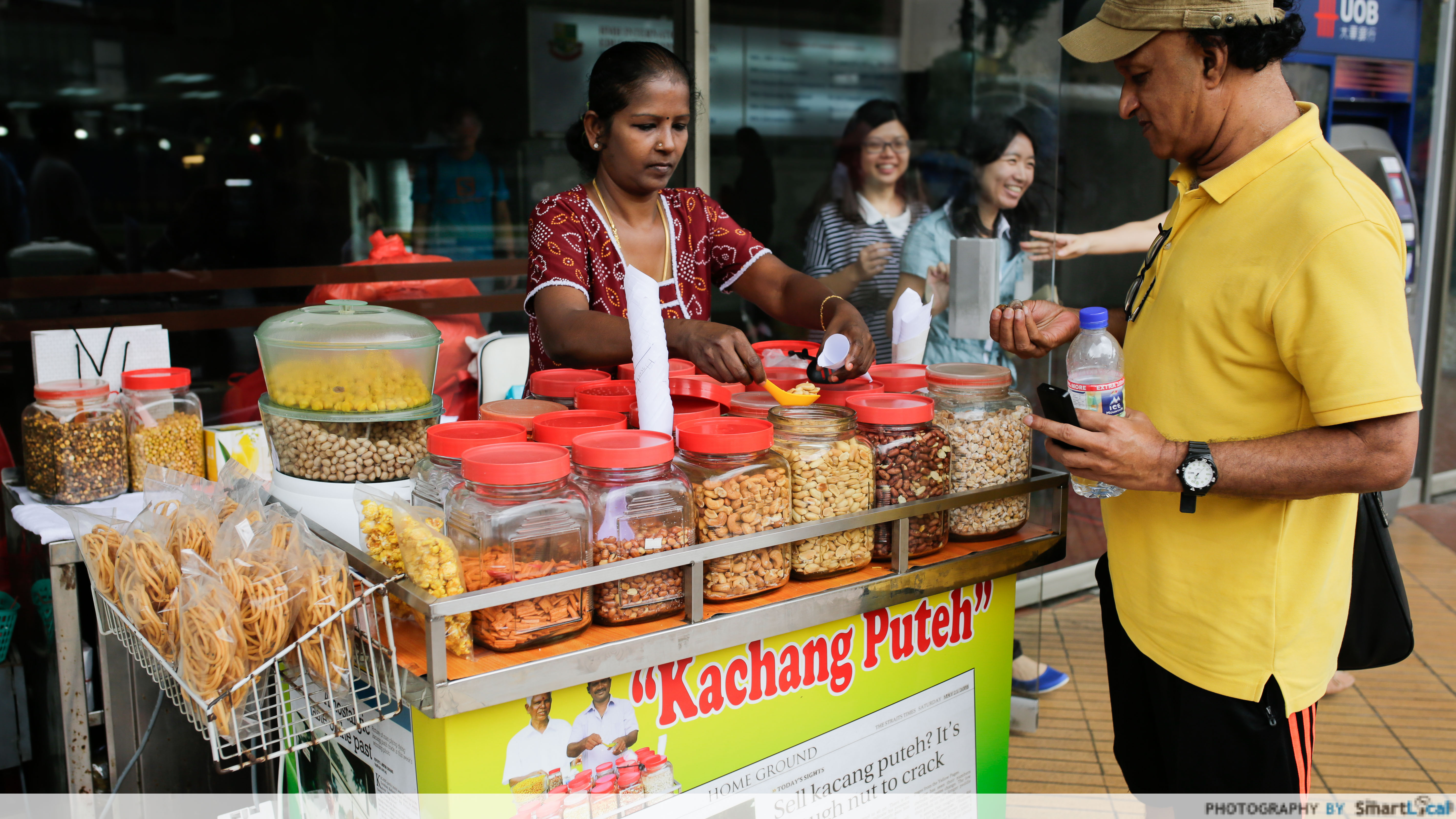
Development in Singapore has happened so rapidly that many of us don’t even realise how nearly all the kacang puteh sellers have disappeared. During its heyday in the 60s-80s, there were kacang puteh peddlers galore, and they were found mostly outside schools and cinemas. Even kids from the 90s would probably remember being able to buy these paper cones of nutty goodness from almost anywhere.
Today, the only stall left is operated by Mr. Amirthaalangaram Moorthy and his wife, Vasantha, at Toa Payoh Bus Interchange. It was previously located outside Peace Centre before the mall was shuttered for demolition. Thankfully, Moorthy has now found a permanent space to operate his kiosk.
Image credit: Christian Chen via Unsplash
There are only 13 ice cream vendors in Singapore – a far cry from the many carts we used to see around back in the day near MRT stations, schools, and HDB void decks. These days, 7 remain in Orchard Road while the rest are distributed over other miscellaneous locations.
Some of these proprietors include Uncle Jimmy Traditional Ice Cream On Wheels in Lavender and Uncle Chieng Traditional & Wafer Ice Cream in Orchard.
These might very well be the last ice cream uncles and aunties we see – their licences to operate are personal and non-transferable, and applications for new licences are not open. Hopefully, there’ll be a way to preserve this integral part of Singaporean culture and heritage. In the meantime, let’s cherish these times while we can.
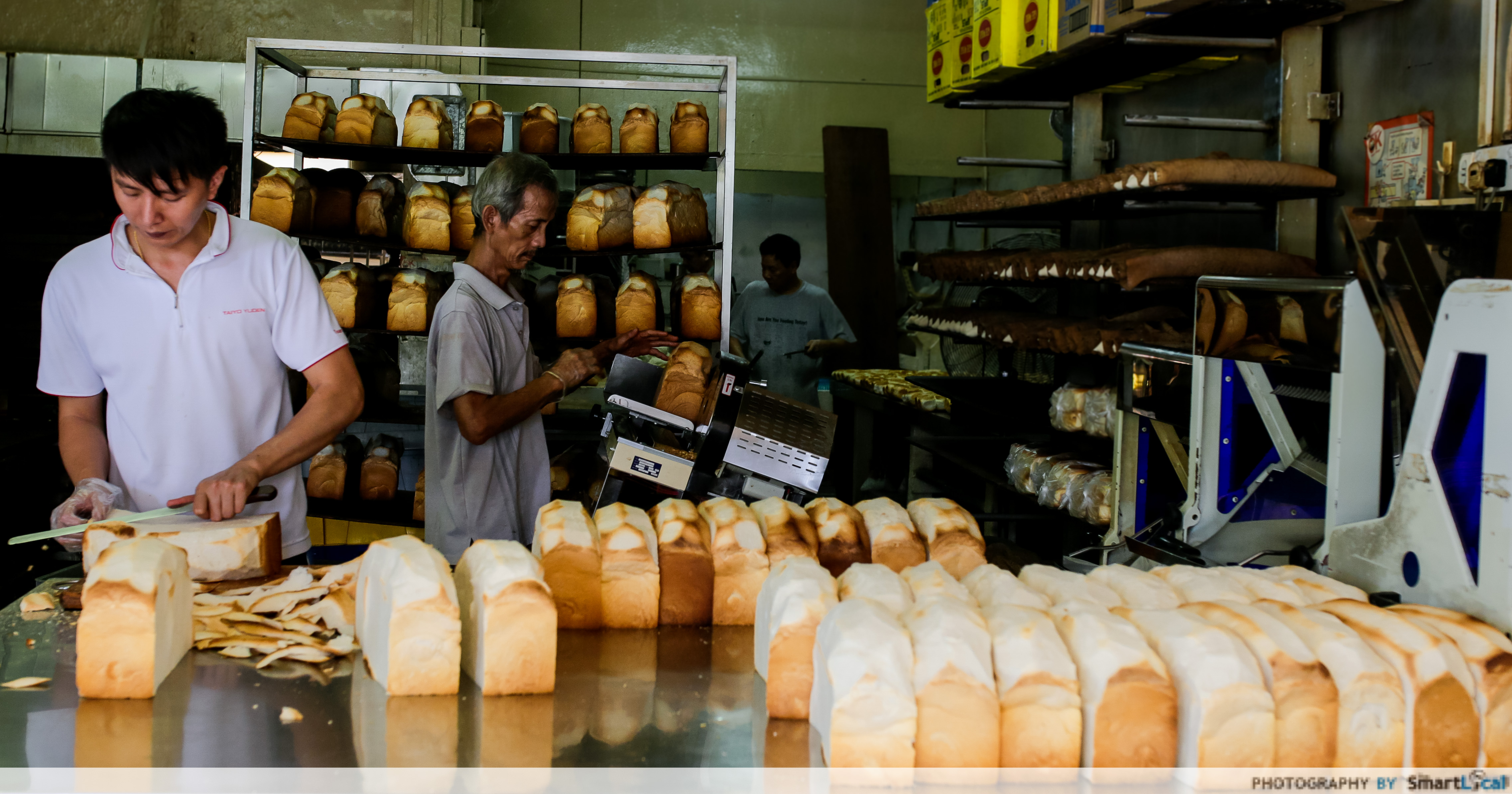
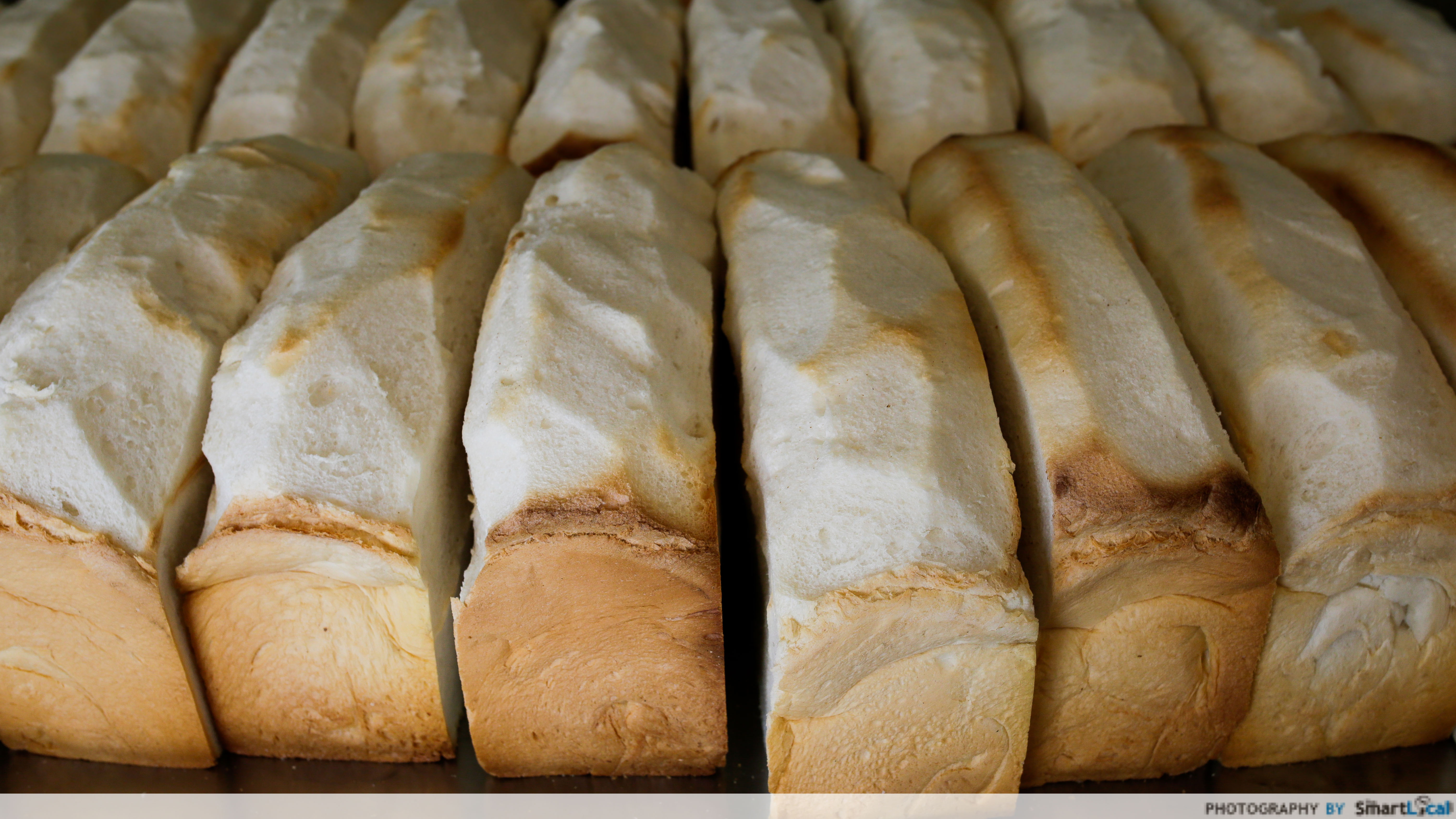
Sing Hon Loong Bakery, also known as Ghee Leong, is one of the few remaining traditional bakeries in Singapore where bread is being handmade from scratch. In the 1970s, there used to be more than 200 such bakeries, but that number has dwindled significantly since.
Not only is it open until 11pm, but a plain loaf of bread will only set you back $2.20. For 50 years and counting, Sing Hon Loong Bakery has been baking fresh bread for its customers – let’s hope the streak keeps going!
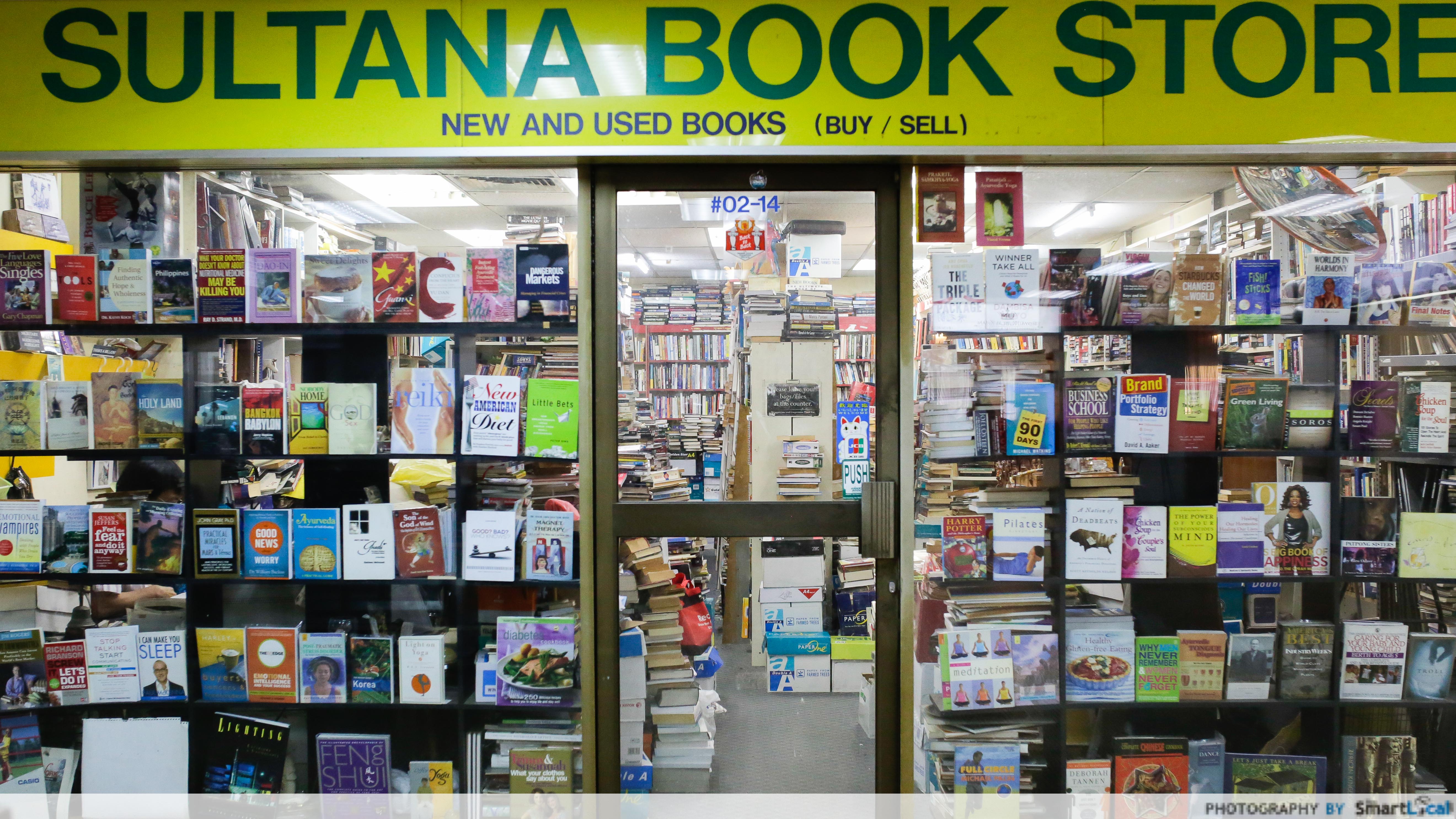
With the confluence of e-books, mega bookstores, and rising rent, the physical secondhand bookstores are also in decline. The decreased demand for hardcopy books and rising rental costs have been significant challenges for these types of stores.
Sultana Bookstore was a local staple but closed for good along with Peace Centre in 2024. If you’d still like to peruse pre-loved books, you can find other secondhand bookstores around Singapore like Ana Book Store at Far East Plaza and a few more at Bras Basah Complex.
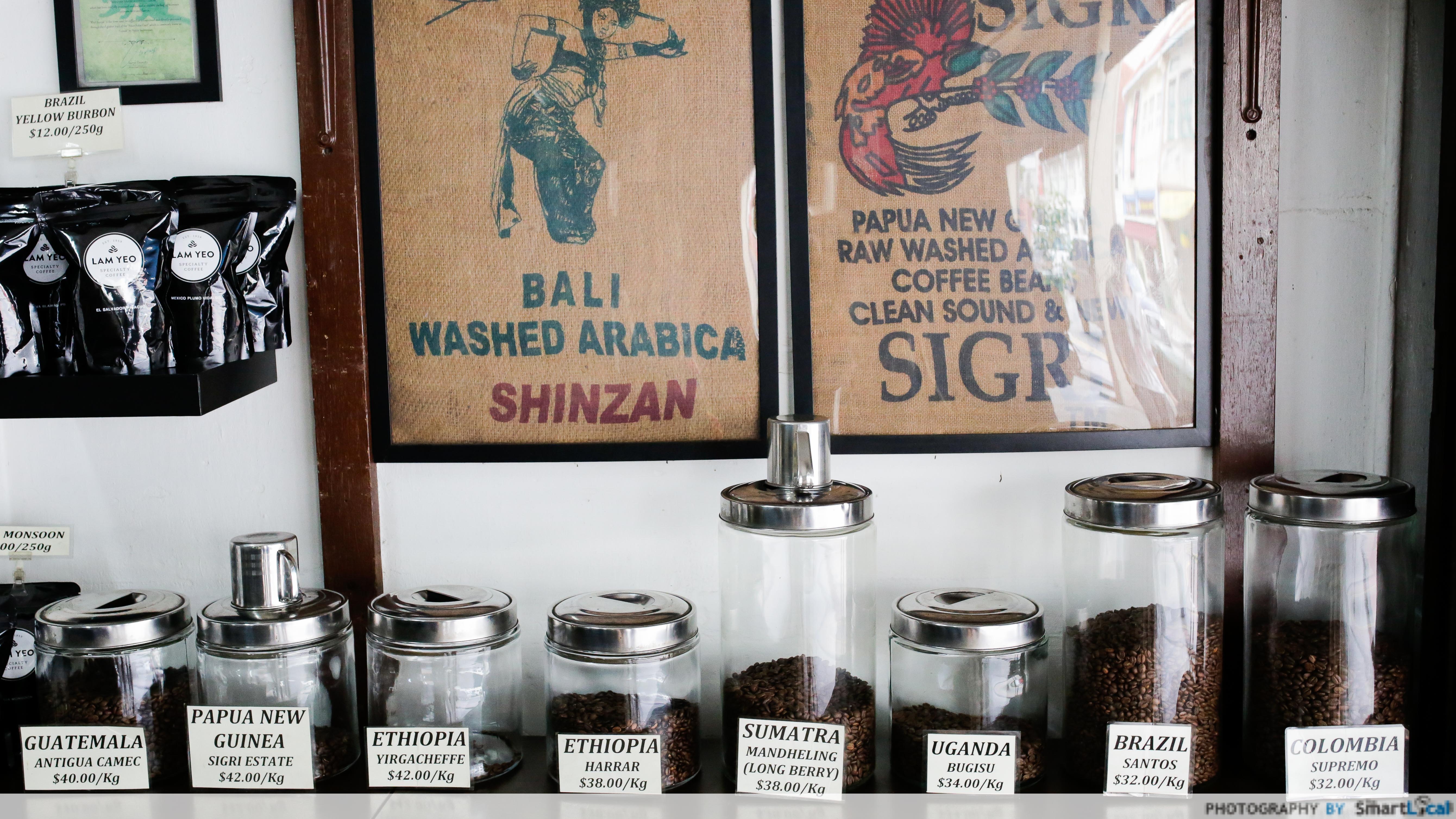
With scores of huge international coffee franchises and hipster cafes dominating the market, traditional coffee powder grinders such as Lam Yeo Coffee Powder Factory are hard to come by. They are among the few remaining shops roasting and grinding coffee beans the traditional Singaporean way.
Mr. Tan Peck Hoe is currently the third-generation owner of Lam Yeo, which incidentally means Nanyang in Hokkien. His grandfather started the business in 1959, and nothing much has changed since. Its vintage charm is so authentic and unpretentious, and the shop even keeps its original door from all those years ago!
Mr. Tan says there are challenges faced such as rising costs and changing tastes and preferences of customers. To keep up, he’s diversified the business by importing gourmet coffee beans from all over the world, while still placing emphasis on their 10 signature classic blends that are said to be super flavourful and aromatic.
Maybe it’s time we put that cup of Starbucks down and acquaint ourselves with some old-style Singaporean coffee.
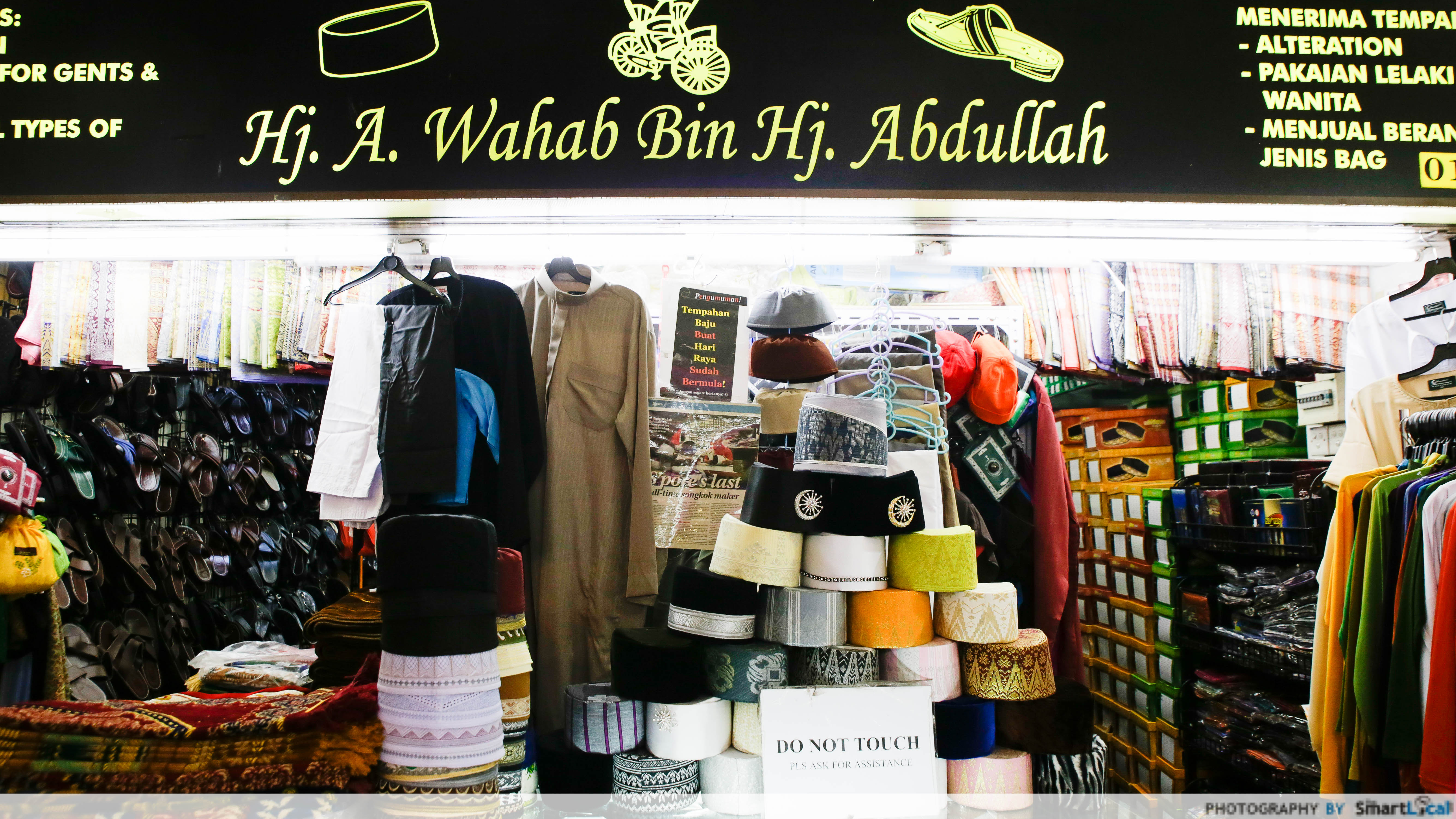
Mr. Hj Abdul Wahab Bin Abdullah is the last full-time songkok maker in Singapore. He’s been in the business of making and selling the songkok, a traditional headdress worn mostly by Muslim males, for more than 40 years. He started learning how to make songkoks from his father at the age of 7, and he opened his first shop at the old Geylang Serai Market when he was 22.
The art of songkok making is a tedious process that requires hours of accurate measuring and patient sewing. The trade’s high degree of labour intensity and competition from cheap imports render songkok making an unpopular profession among young Singaporeans.
With such knowledge, it was comforting to learn that Mr. Abdul Wahab’s children are currently learning the trade. It’s a heartening reminder that our culture can live on if the young are passionate and willing to preserve it.
Find out more about Songkok SG.
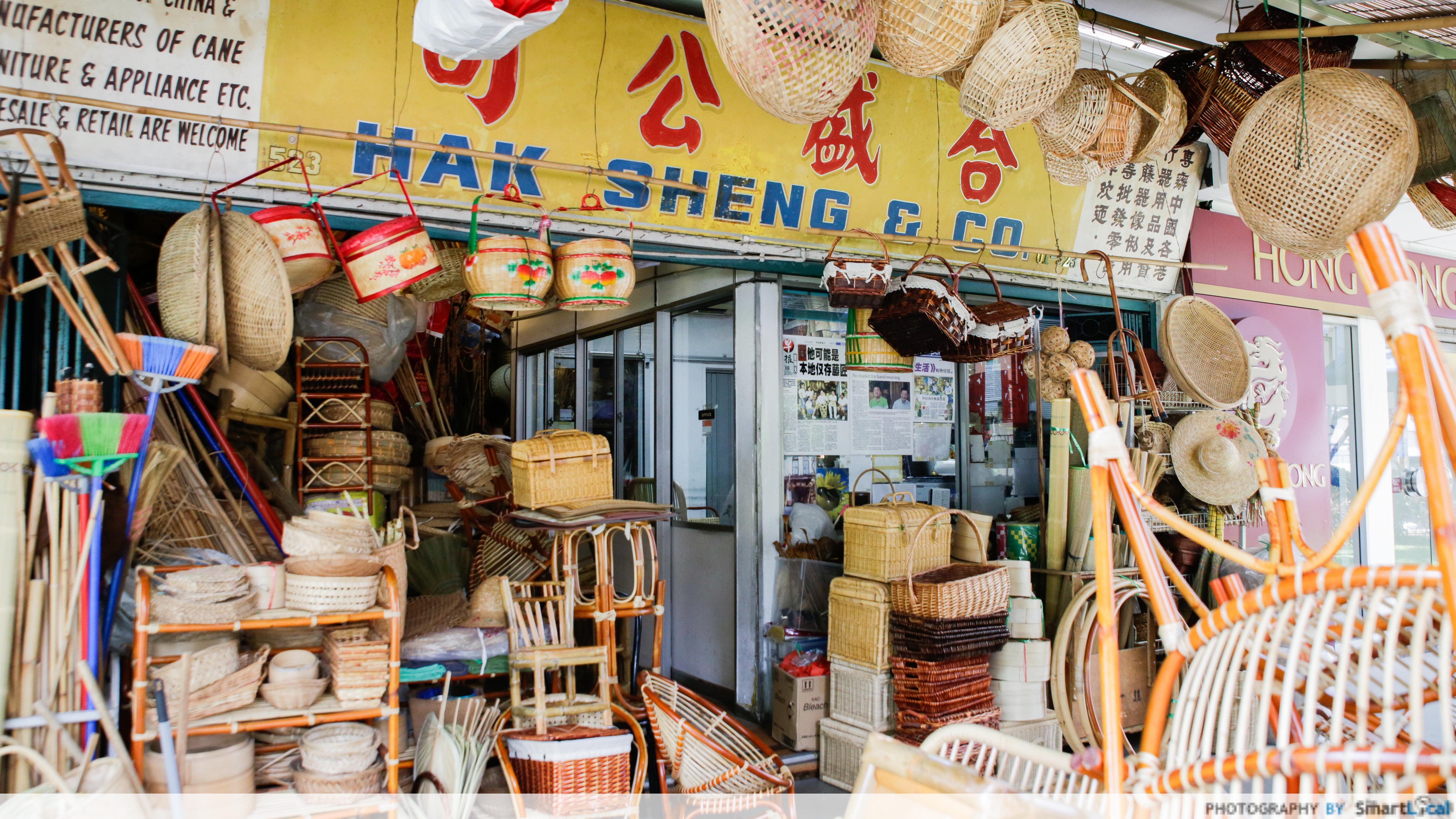
The founder of rattan and bamboo company Hak Sheng & Co is among the last rattan weavers in Singapore.
Mr. Goh Kiok Seng started the company in 1969 in Lavender Street, and moved to its current location in Kallang Bahru in 1977. During the trade’s glory days in the 70s, business was flourishing due to the constant need for cheap and durable rattan products.
Today, many products have been replaced by cheaper plastic materials and modern machinery. When Mr. Goh’s son took over the business in 1994, he worked to diversify it by bringing in cheaper imports from overseas. While rattan weaving has been rendered impractical over the years, the store has yet to lose its nostalgic charm. Rattan chairs, wedding baskets, and food trays of yesteryear continue to adorn the shop, upholding the memory of simpler times.
Image adapted from: @chong_kaijie via Instagram
A well-made signboard is believed to usher in good luck for the Chinese community, so signboard makers found abundant business in the many Chinese merchants in early Singapore. It wasn’t just shop owners who were eager to commission signboards – temples, clan associations, schools, and even private homes all wanted in on some extra prosperity.
The decline of the trade can be attributed to several factors – the lack of successors to the craft, the availability of machine-made signs, and shifting customer tastes are some of the reasons. These days, Yong Gallery is the only traditional Chinese signboard maker left in Singapore.
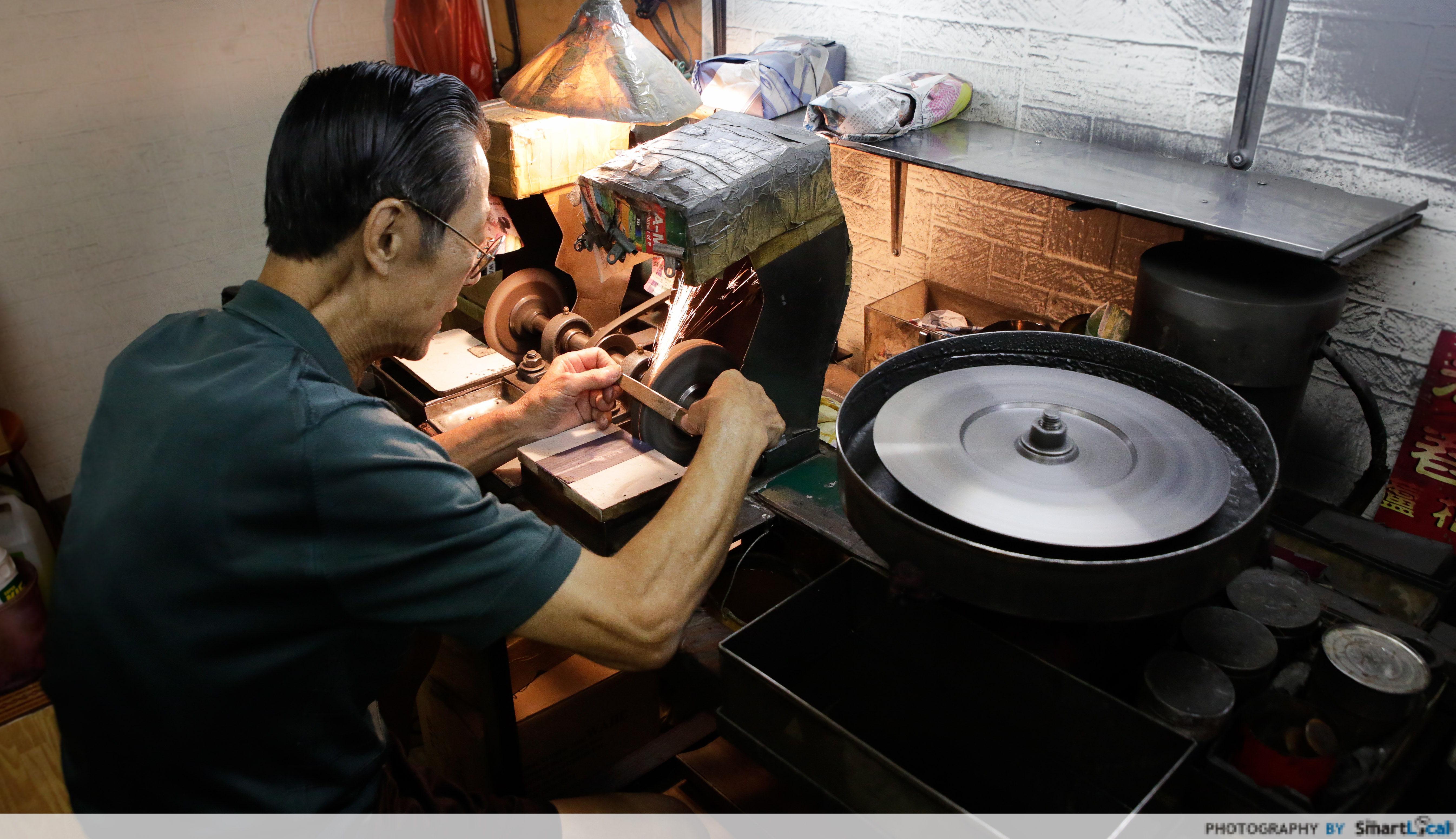
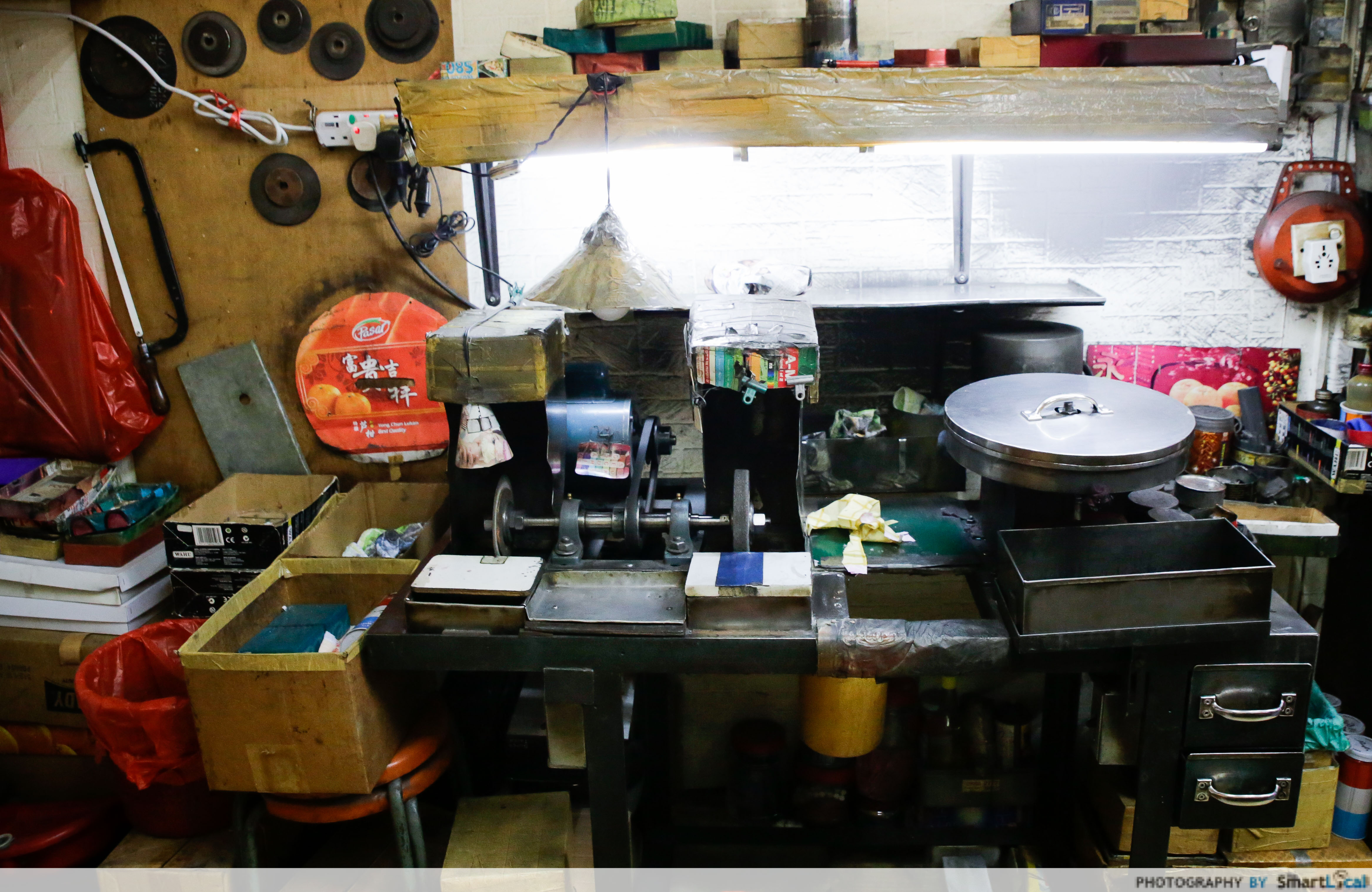
Cheng Siang Hwa was one of the few remaining blade sharpeners in Singapore before it closed. Mr. Cheng took over the shop from his uncle in 1964, though the process was not without trial and pain. He endured years of abuse from his uncle, but he pulled through and was rewarded with a highly profitable skill in those times.
Mr. Cheng ran the shop with his wife, and most of his regular customers were barbers looking to repair and sharpen their tools. Other than blade sharpening, Mr. Cheng also sold a whole range of grooming products, some of which he carved and made from scratch.
Like many other traditional trades, the biggest challenge is competing with the rapid influx of cheaper mass-produced imports. People are able to buy new products when their blades wear out, leaving the services of these tradesmen unprofitable.
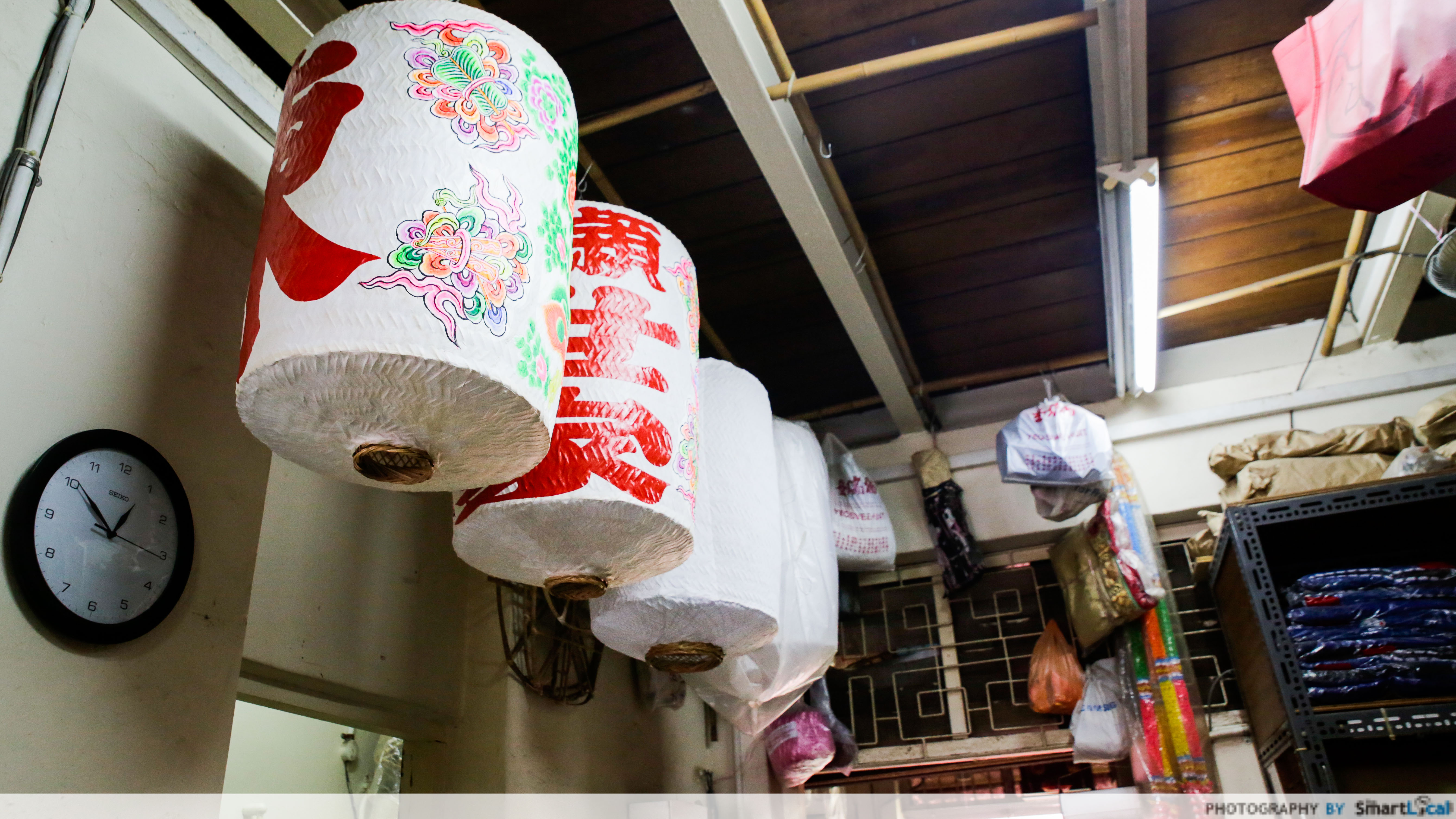
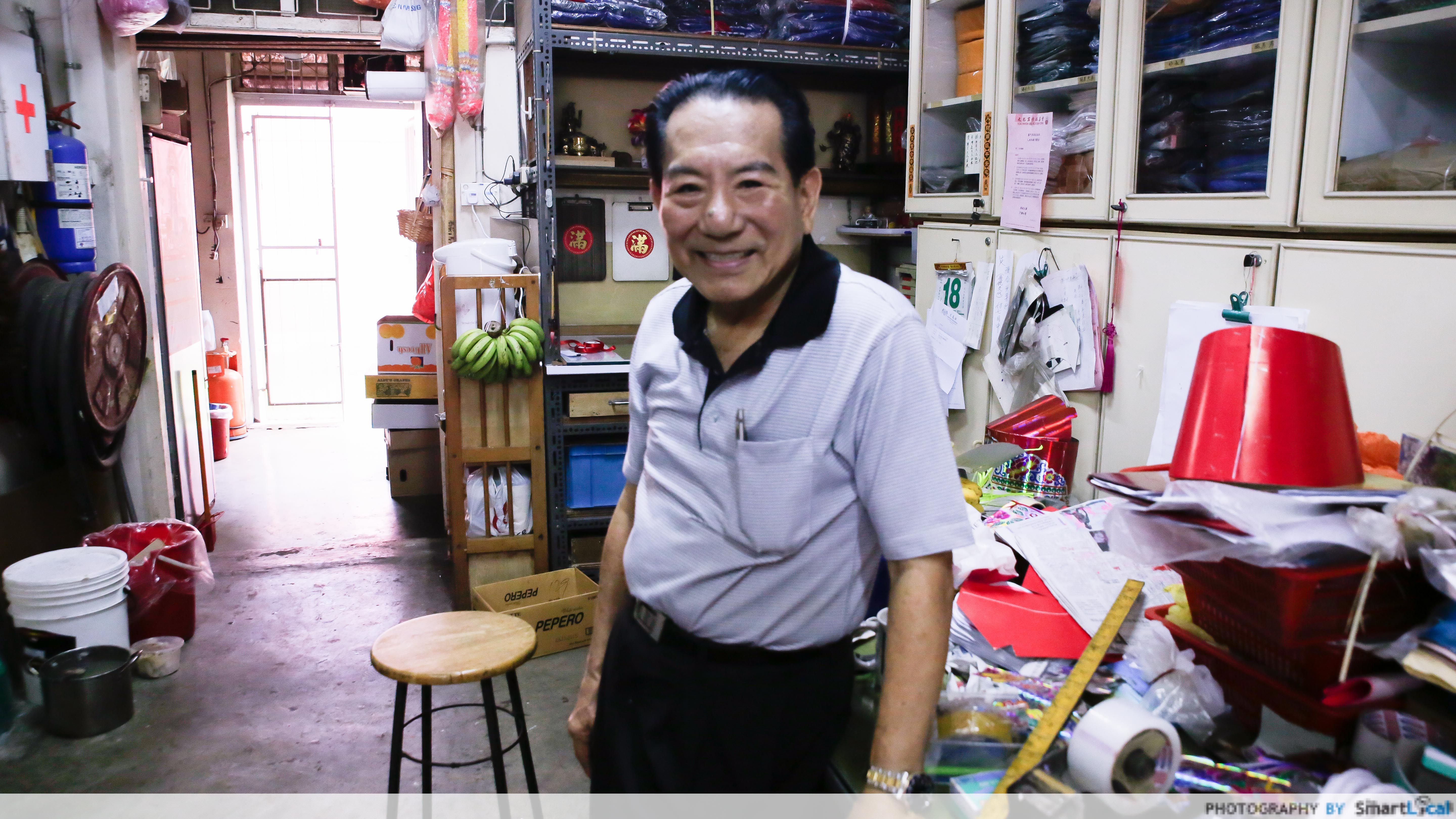
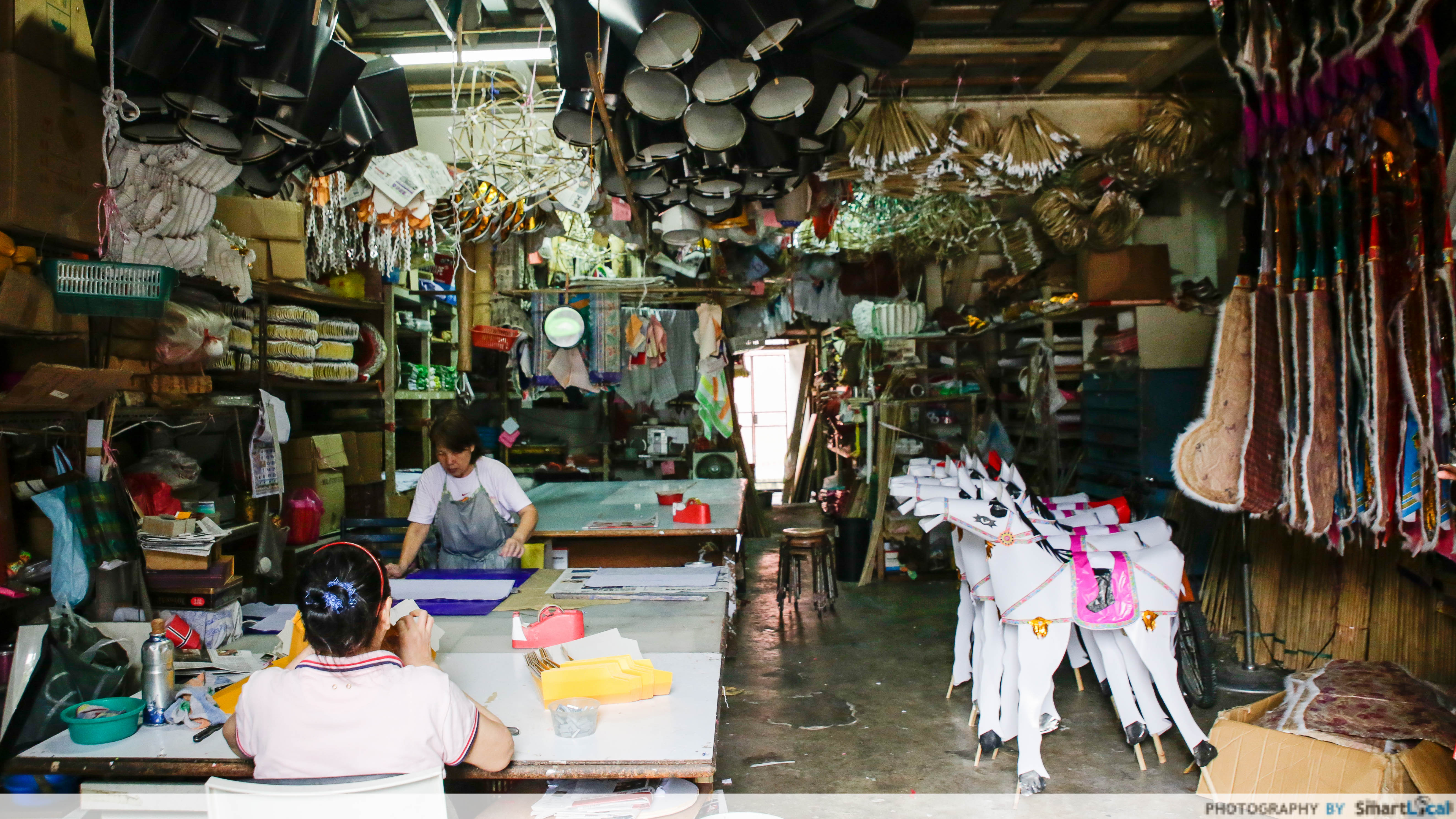
With 63 years of practice, Yeo Swee Huat Paper Agency owner Mr. Yeo Hung Teo was the last traditional lantern craftsman and painter in Singapore who focused on Teochew Chinese images and motifs. These lanterns are mostly used as offerings during the Chinese festivals, especially the Hungry Ghost Festival. His lantern designs weren’t just limited to Chinese characters and also included grand dragons, fierce tigers, and colourful flowers.
Mr. Yeo studied art, but left school when school fees became too much of a financial burden. He joined the company his late father founded, Yeo Swee Huat Paper Agency, and refined his skills along the way till he eventually took over.
Yeo Sweet Huat Paper Agency closed for good in July 2022 after more than 6 decades of hard work. Their artisanal works may be no more, but their cultural legacy will remain in Singapore’s heritage.
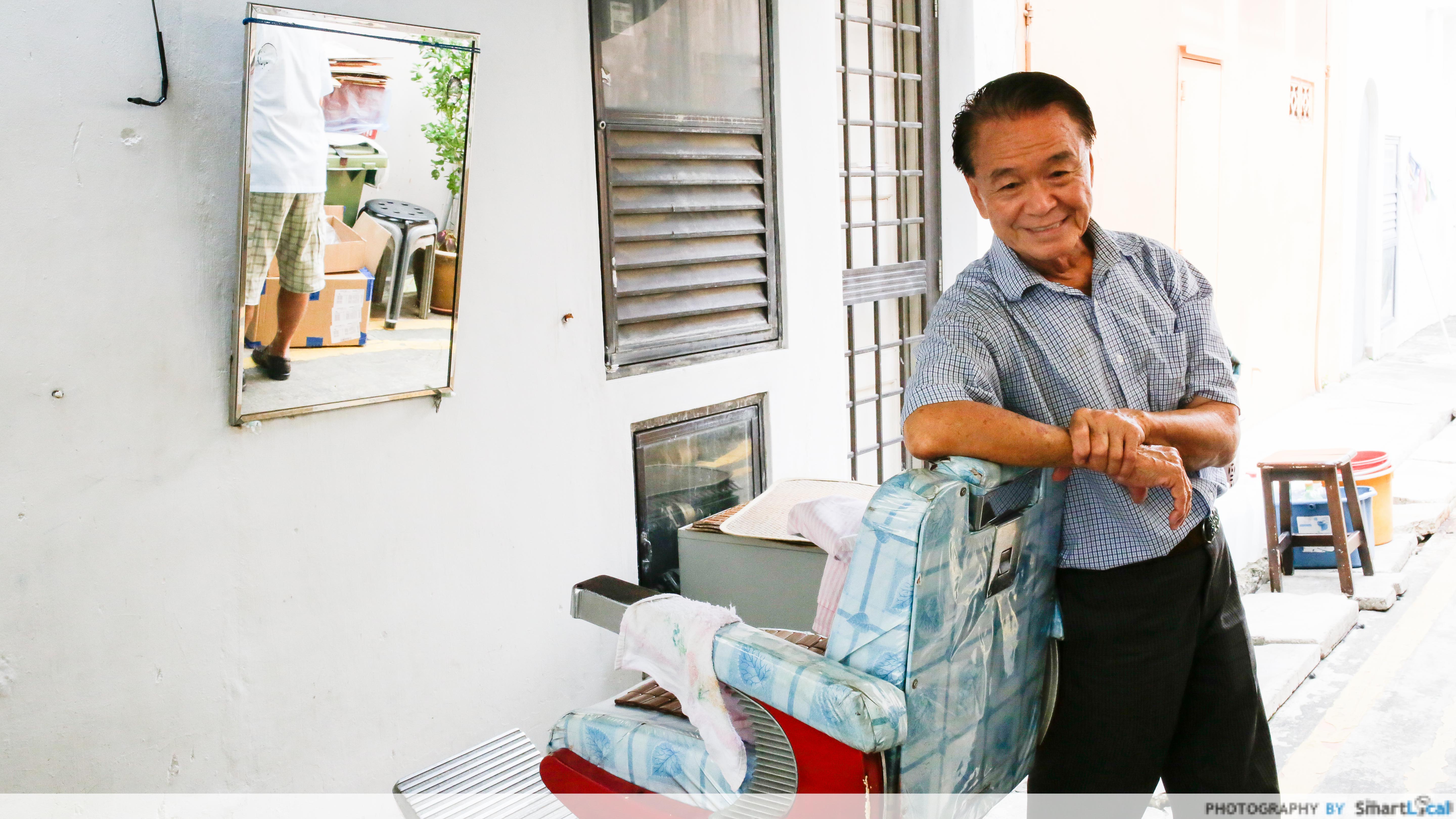
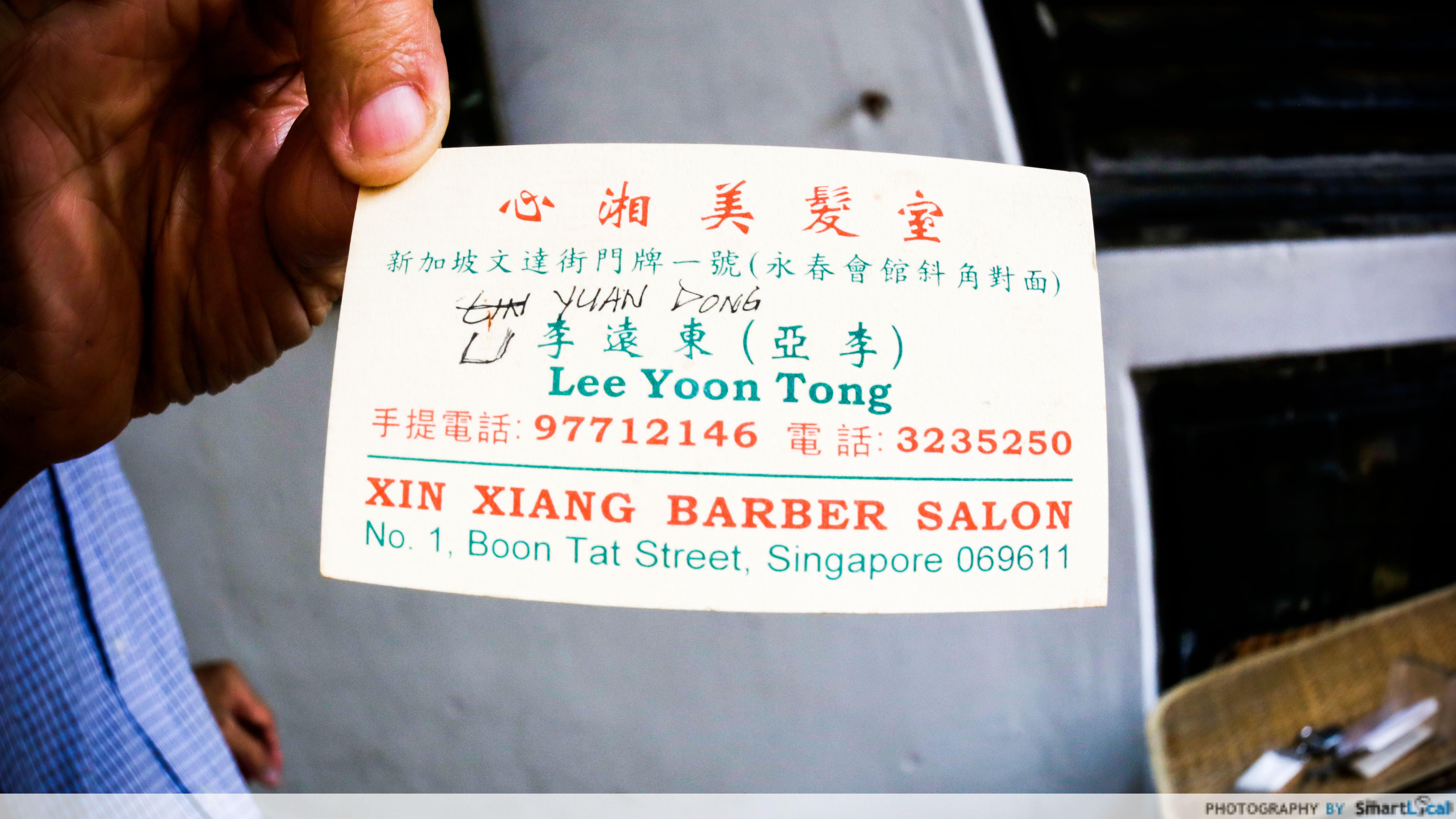
Pictured is Mr. Lee Yoon Tong, one of the last few roadside barbers in Singapore before he passed away in 2020.
Unlike the other trades on this list, the dying trade of the roadside barbers has truly been lost in Singapore. Our last roadside barber, Mr. Tan Boon Kee, retired in 2022 at the age of 77.
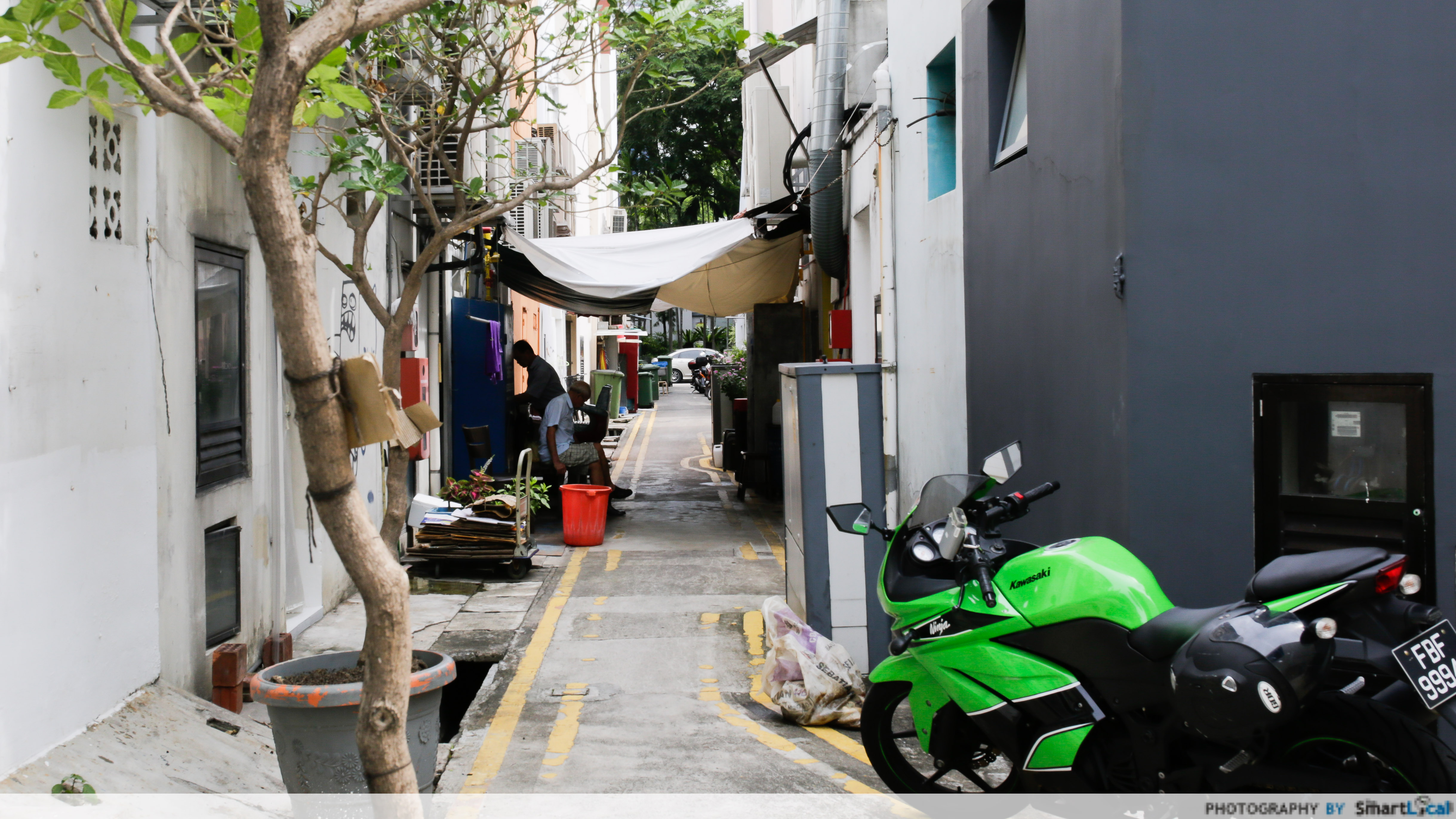
Mr Lee’s makeshift barber shop
These barbers used to be a much more common sight in Singapore back in the 1950s, found all over our streets and back lanes in the “Barber Street” of Bugis. They operated their businesses under makeshift tents and sheds made from wooden planks and awnings, and also offered services like ear cleanings, beard trimming and shaving, and general facial care.
Times change, and people have to keep adapting to keep up with globalisation and development. It’s sobering to know that these traditional trades might be rendered fully obsolete in the face of modernity, as seen by those that have already been lost. We have to hope that some sort of balance can be achieved to allow for traditional trades to survive in this competitive climate.
For more reads on local culture:
Cover image adapted from: @chong_kaijie via Instagram
Original article published on 10th June 2015. Last updated by Adriel Ang on 7th August 2025.
Punggol feels like Singapore’s favourite child right now.
Some of these buildings have been around since before Singapore gained independence.
Here are all the best things to do this weekend in Singapore.
Nespresso x Blue Bottle Coffee pop-up When cult coffee brand Blue Bottle Coffee opened in…
Includes tips on how to reduce your income tax.
The only guide you'll need.