
Singapore’s new traffic rules
Whether you’re a seasoned driver or have just gotten your licence, there are a few changes to Singapore’s traffic rules worth taking note of.
With road fatalities reaching a 10-year high in 2025, the Traffic Police are tightening regulations to discourage reckless driving and improve road safety. From stricter demerit point thresholds to lower drink-driving limits, these changes could mean heftier penalties for motorists who flout the rules.
Here’s a rundown of the new and upcoming traffic rules in Singapore, what they mean for drivers, and when they kick in. Changes to the demerit points system start on 1st January 2027, while the amended Road Traffic Act, passed in Parliament in August 2026, will take effect on a date yet to be announced.
1. Drivers can face suspensions with fewer demerit points from 2027
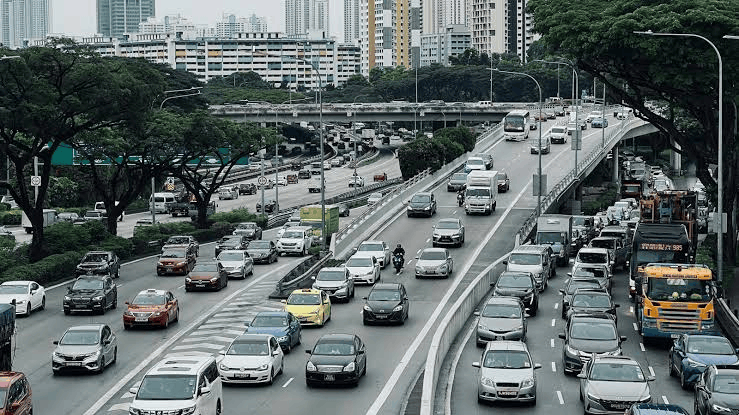
Image credit: Sky Media
If you’ve been driving for a while, chances are you’re familiar with Singapore’s Driver Improvement Points System (DIPS). There’s a change to it coming that you’ll want to pay attention to, especially if you’ve accumulated a few demerit points.
From 1st January 2027, non-probationary drivers, or those who have held their licences for more than a year, will face suspension after accumulating 18 demerit points within 24 months, down from the current 24-point threshold.
To put that into perspective, getting caught speeding and beating a red light within 24 months will get you 6 and 12 points respectively for a total of 18 points, and that’s enough to get you suspended.
Certain serious offences, such as dangerous driving and exceeding the speed limit by more than 50km/h, will also have their demerit point penalties adjusted from 24 to 18 points to align with the revised suspension threshold.
However, the good news is that motorists won’t be immediately disadvantaged by the revised thresholds. On 1st January 2027, there’ll be a one-time deduction of up to 6 demerit points for non-probationary drivers and 1 point for probationary drivers, based on their existing records.
2. New drivers face stricter licence revocation rules
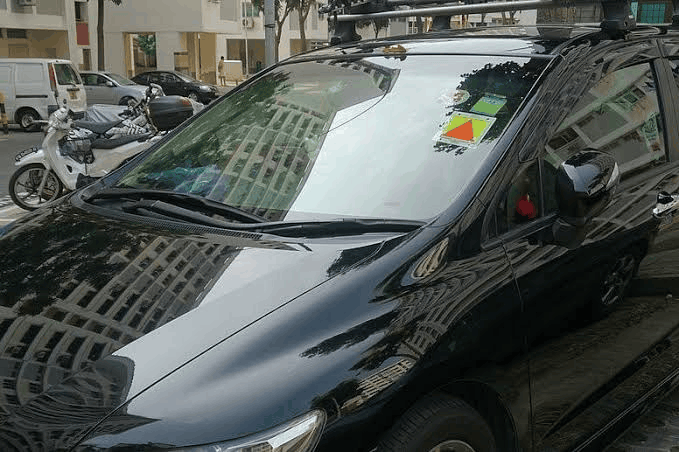
Image credit: Sime Motors Singapore
Drivers who have held their licences for less than a year are considered probationary drivers, and they’re subject to a stricter set of rules. Currently, accumulating 13 demerit points during the probationary period will result in licence revocation. From 1st January 2027, this threshold will be lowered to 12 points.
If you’re wondering what the difference between a licence suspension and revocation is, a suspension means you’re temporarily prohibited from driving for a specified period, while a revocation means your licence is cancelled.
This means probationary drivers who have their licences revoked will have to go through the process of obtaining a driving licence again, including passing the necessary tests.
3. Merely holding your phone while driving could land you in trouble
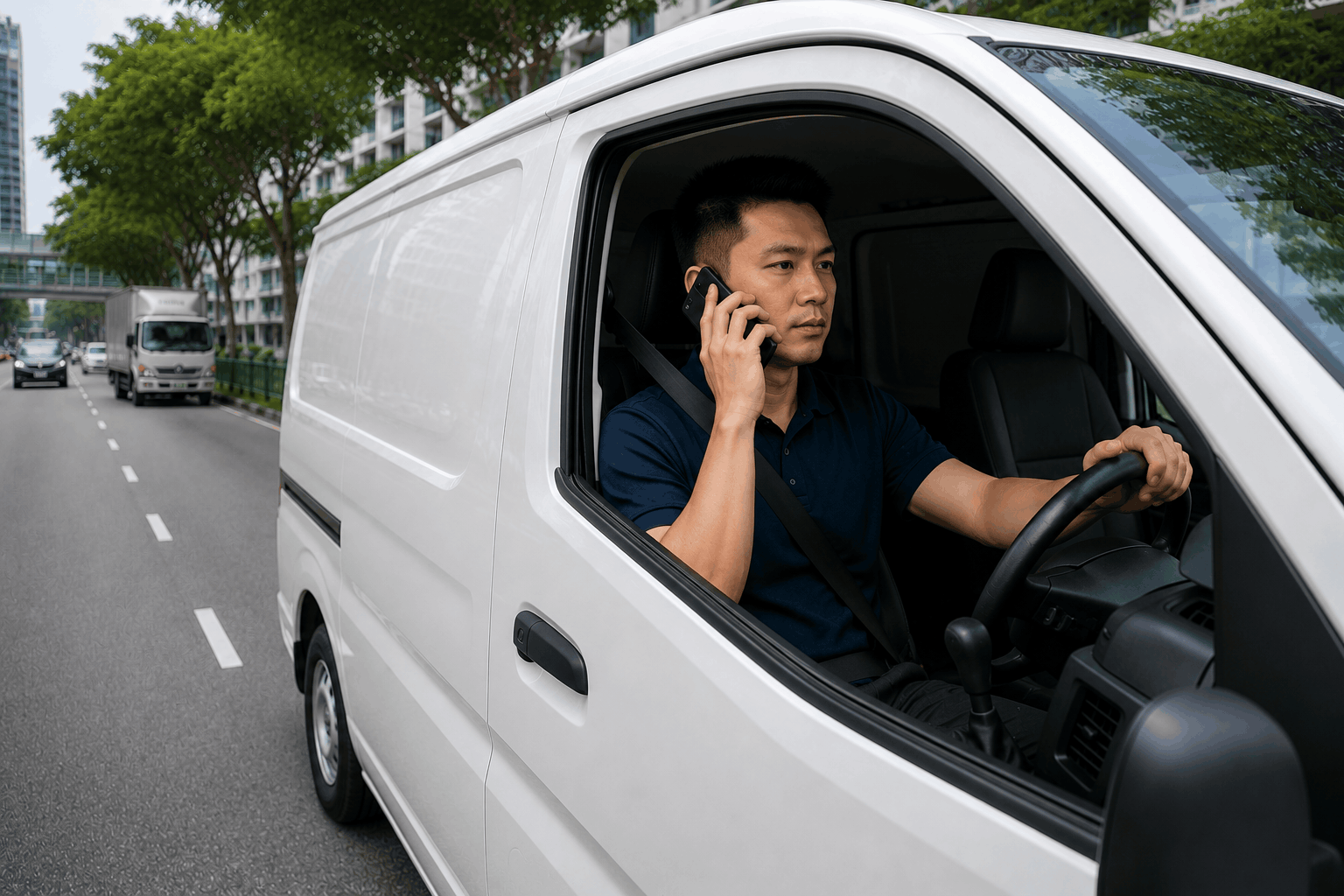 Image credit: Skylink Holdings
We’ve all been tempted to check our phones when a notification pops up. Under the amended traffic laws, simply holding a mobile communication device while your vehicle is moving will constitute an offence, even if you’re not actively using it. Currently, authorities have to prove that drivers are operating their phones, such as texting while holding them and driving.
It’s not just mobile phones. Other mobile communication devices, including tablets and smartwatches, fall under the amended rule too.
That said, drivers can still use properly mounted devices, such as a phone secured to a dashboard holder, for navigation. Holding a device while the vehicle is stationary is also not an offence.
The change will also allow the Traffic Police to enforce the rule using cameras and photographic or video evidence submitted by members of the public. However, this rule has not come into effect yet, and the date has also not been announced.
As for the penalties, first-time offenders can face a fine of up to $1,000, imprisonment of up to 6 months, or both. Repeat offenders may face a fine of up to $2,000, imprisonment of up to 12 months, or both.
4. Lower drink-driving limits in Singapore

Image credit: Adobe Stock
If you usually have a drink or two before driving home, it’s time to rethink that habit. Singapore is lowering its legal drink-driving limits by more than half, meaning even a single beer could put you over.
Under the revised limits, the drink-driving limit in Singapore for breath tests will drop from 35 micrograms to 15 micrograms per 100ml of breath.
Similarly, the blood alcohol limit will be reduced from 80mg to 30mg per 100ml of blood. The revised limits will bring Singapore more closely in line with countries such as Japan, South Korea, and Taiwan, which have stricter drink-driving regulations.
In addition to the lowered limits, traffic police officers will be able to use portable, evidential-grade breath analysers to obtain alcohol readings at the scene, rather than conducting a subsequent test at a police facility.
The Ministry of Home Affairs is also working with the Sentencing Advisory Panel to develop guidelines that could recommend jail for first-time offenders with very high alcohol levels.
5. Longer suspension periods for repeat traffic offenders
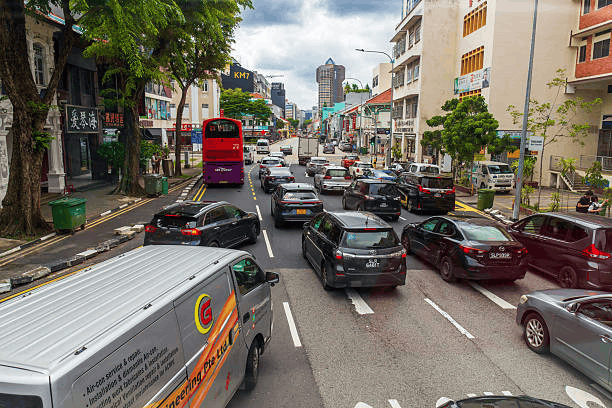
Image credit: iStock
From 1st January 2027, the first suspension period for non-probationary drivers will increase from 12 weeks to 4 months. A second suspension will last 6 months instead of the current 24 weeks, and a third suspension will last 2 years instead of the current 1 year. All suspensions after that will last 5 years.
There’s still a way for first-time suspended motorists to shorten their suspension period, though. Drivers can attend a 1.5-day DIPS Retraining Course, which will allow them to reduce their first suspension from 4 months to 6 weeks.
However, this option will only be available for the first suspension. Those who are suspended for a second or subsequent time will no longer be eligible.
Another change to take note of is the discontinuation of the Safe Driving Course (SDC). Previously, eligible motorists who attended the course could have 4 demerit points removed from their driving records. Offer letters for the course stopped on 1st August 2026, and the course will be discontinued from 1st January 2027.
If you’ve already received an offer to attend the SDC, you’ll have until 31st December 2026 to complete it.
6. Harsher penalties for dangerous driving causing serious injuries
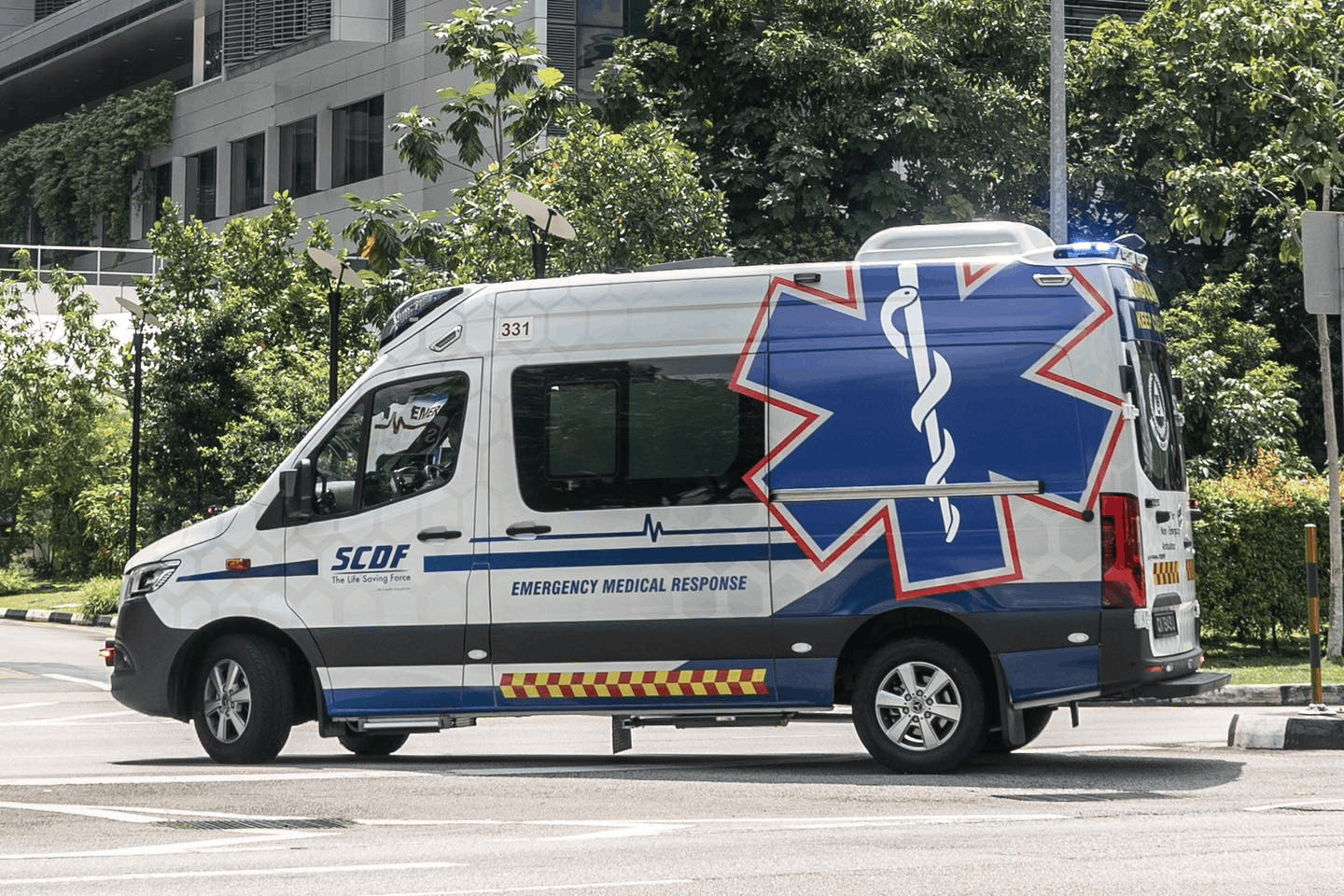 Image credit: SCDF
Dangerous driving doesn’t just put motorists themselves at risk, as it can also have consequences for other road users. To address this, Singapore is introducing harsher penalties for dangerous driving offences that result in grievous hurt, such as serious injuries with lasting consequences.
Under the amended laws, first-time offenders convicted of dangerous driving causing grievous hurt will face a maximum imprisonment term of 7 years, up from the current 5 years. Repeat offenders will face a maximum of 13 years’ imprisonment, an increase from 10 years.
The amendments also introduce a new offence of purposeful endangerment using a vehicle, which targets motorists who deliberately use their vehicles to endanger others and cause death or grievous hurt.
Offenders can face up to 15 years’ imprisonment, with possible caning, a fine, and lengthy driving disqualification. In particularly serious cases, offenders may also face lifetime disqualification from driving, unless the court determines that there are special reasons not to impose it.
7. New offence for driving with prohibited drugs in the bloodstream
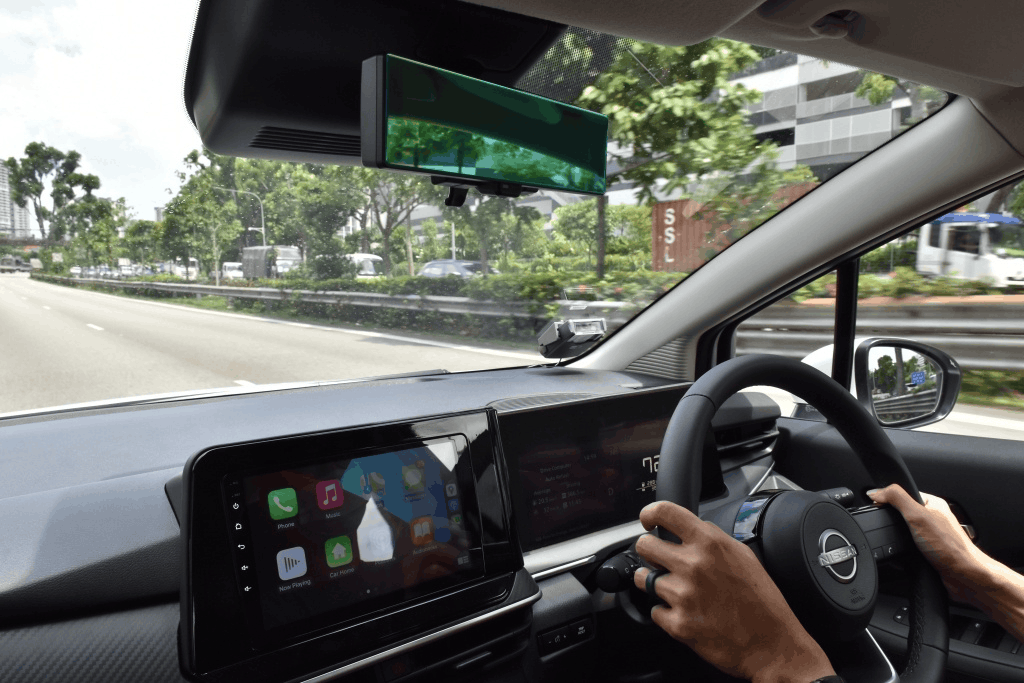 Image for illustrative purposes only.
Image credit: AloRide Motorbike Rental
When we think of driving under the influence, alcohol is probably the first thing that comes to mind. However, under the amended traffic laws, drivers can be penalised for having specified controlled drugs, intoxicating substances, or psychoactive substances in their bloodstream, even if they don’t appear visibly impaired.
Previously, enforcement for drug-related impaired driving generally required authorities to establish that the driver was incapable of properly controlling the vehicle.
What’s more, the offence applies regardless of the quantity detected. There’s an exception if the drug was taken under a legal medical prescription and the driver didn’t know it could affect their driving ability.
However, drivers who are impaired by medication or other substances and are unable to properly control their vehicles can still be held liable under existing laws.
FAQs
Can I hold my phone while waiting at a red light?
The amendment targets holding a mobile communication device while the vehicle is moving. The Ministry of Home Affairs has stated that drivers may hold their devices when the vehicle is stationary. However, motorists should remain attentive to traffic conditions.
Can I still use Google Maps while driving?
Yes, as long as your phone is properly mounted. Using a mounted device for navigation is not prohibited by the announced amendment. However, drivers should set their routes before driving and avoid becoming distracted.
Can I drink one glass of wine before driving?
There is no guaranteed safe amount. Alcohol levels depend on individual factors, so motorists are advised not to drink at all if they intend to drive.
How can I check my demerit points in Singapore?
Motorists can check their driving licence information and demerit points through the Singapore Police Force’s e-Services portal.
Stay on the right side of Singapore’s new traffic rules
Whether you’re driving to work every day or only getting behind the wheel on weekends, it’s worth familiarising yourself with these changes before they take effect. A little extra caution goes a long way towards keeping everyone safe.
For more on traffic in Singapore:
- 8 free apps and sites to track real-time Causeway traffic
- Mini road safety park for kids in Singapore
- History of the iconic Road Safety Park at ECP
Cover image adapted from: iStock, AloRide Motorbike Rental