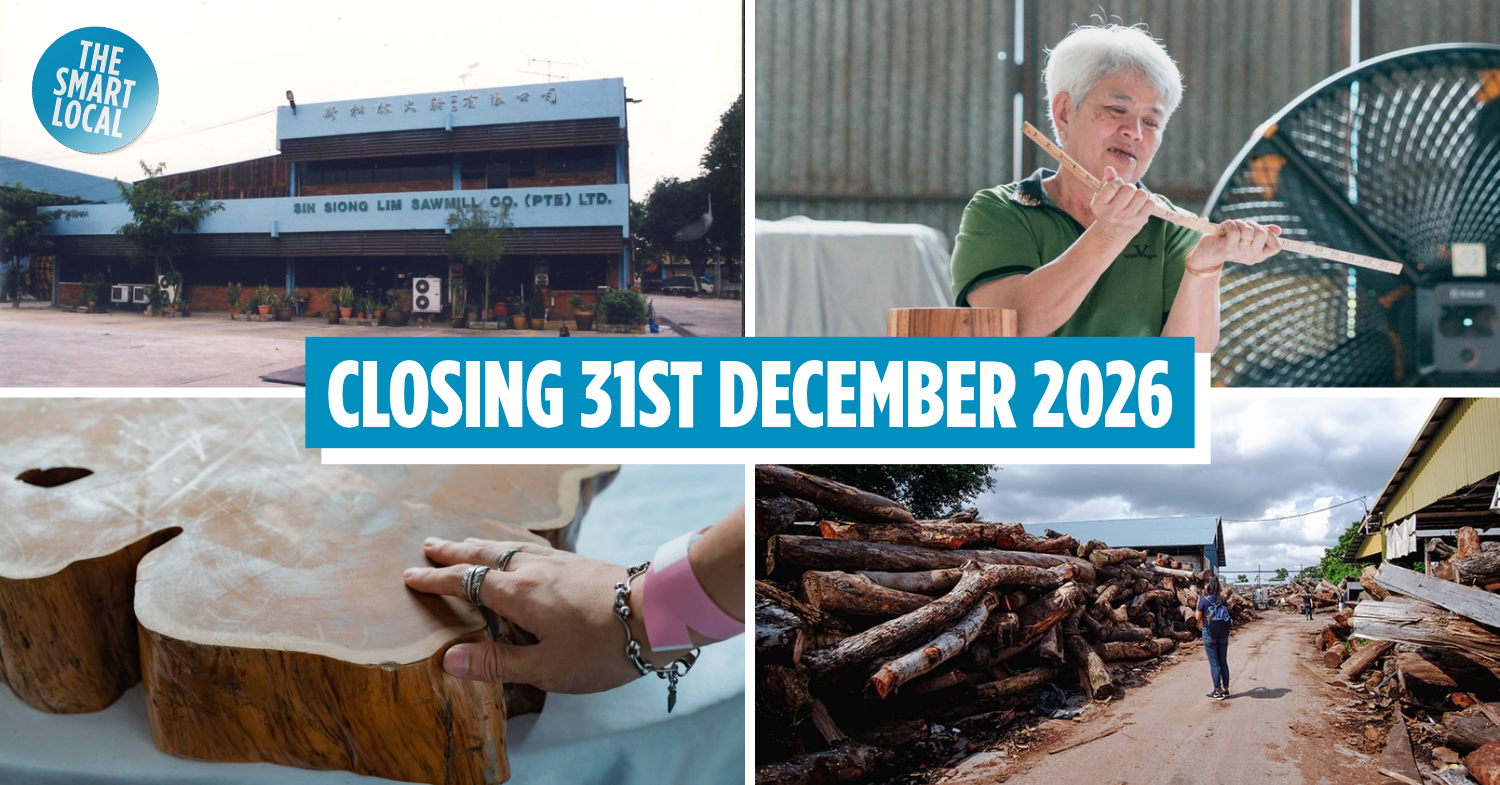

Sin Siong Lim Sawmill in Sungei Kadut
While we might be colloquially known as the Little Red Dot, perhaps the moniker of “Garden City” is more apt when it comes to describing the sights in sunny Singapore. Take a look around, and you’ll find that the neatly manicured carpet of greenery extends even to the far reaches of the island, all thanks to proactive tree planting efforts in the 60s.
But as nature has intended, even the most colossal of trees cannot outlast the inevitable: the forward march of time, and in our land-sparse country’s case, urbanisation. So, in a metropolis so abundant with flora, where do the felled, leafy giants go? Enter Sin Siong Lim Sawmill, Singapore’s last operating sawmill.
The facility has been processing wood for well over a century, but they’re unfortunately being forced to shutter on New Year’s Eve. As part of OH! Open House’s Departures programme, we were able to swing by the sawmill for a last look; here’s what we saw and learnt, from massive machinery to their impressive expertise in dealing with local lumber.
Where is Sin Siong Lim Sawmill & how can I visit it?
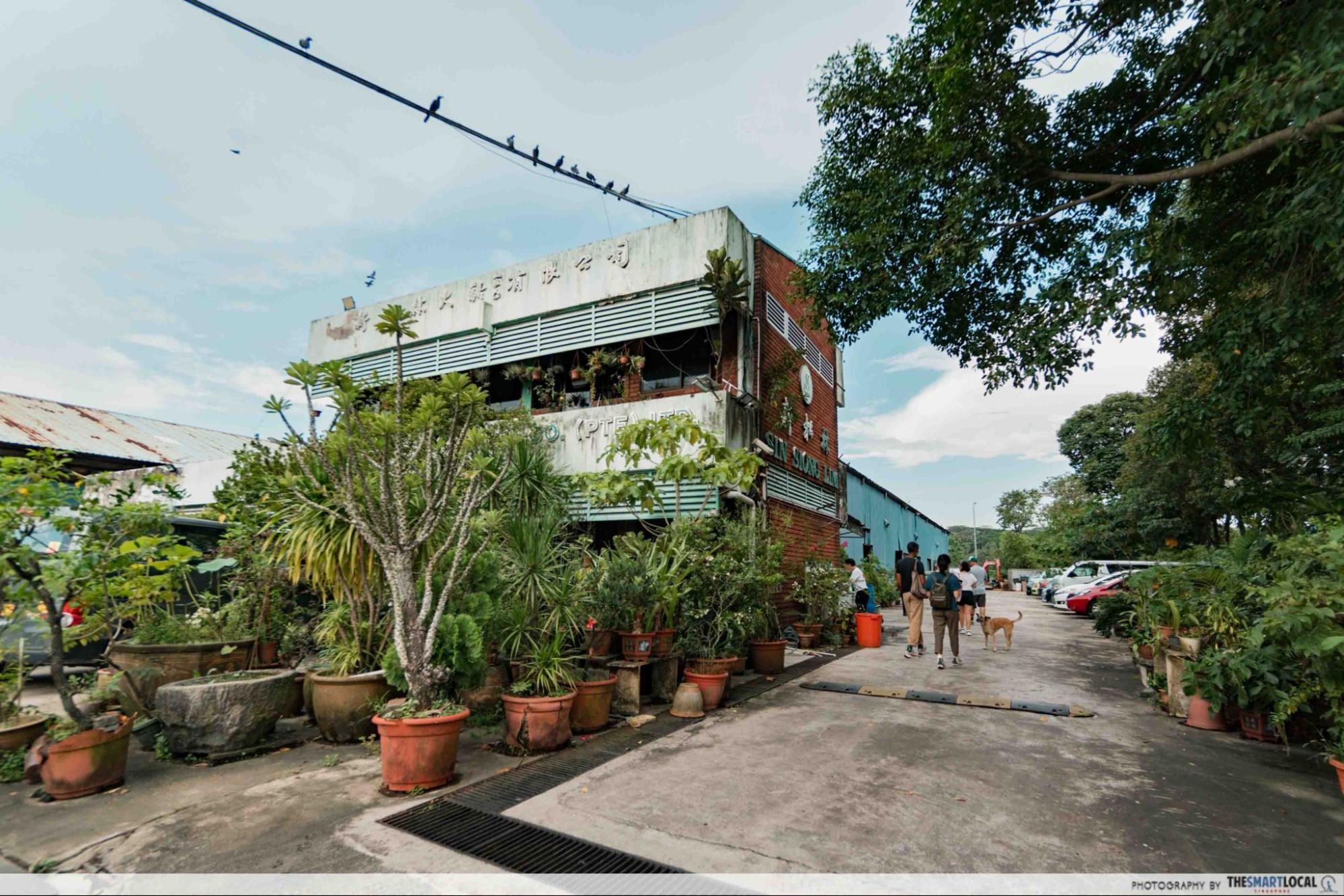
Sin Siong Lim Sawmill is located in the Sungei Kadut Industrial Estate in Kranji. It isn’t terribly difficult to get to, as it’s just a 4-minute walk from a nearby bus stop. However, since it’s an operational industrial facility, the sawmill is not open to the public for walk-in visits.
However, organisations occasionally hold tours that give the public a rare glimpse into facilities like Sin Siong Lim Sawmill. In OH! Open House’s case, they not only provide educational tours through their Departures programme, but also partner with local artists who give their take on the history and significance of these spaces through creative installations.
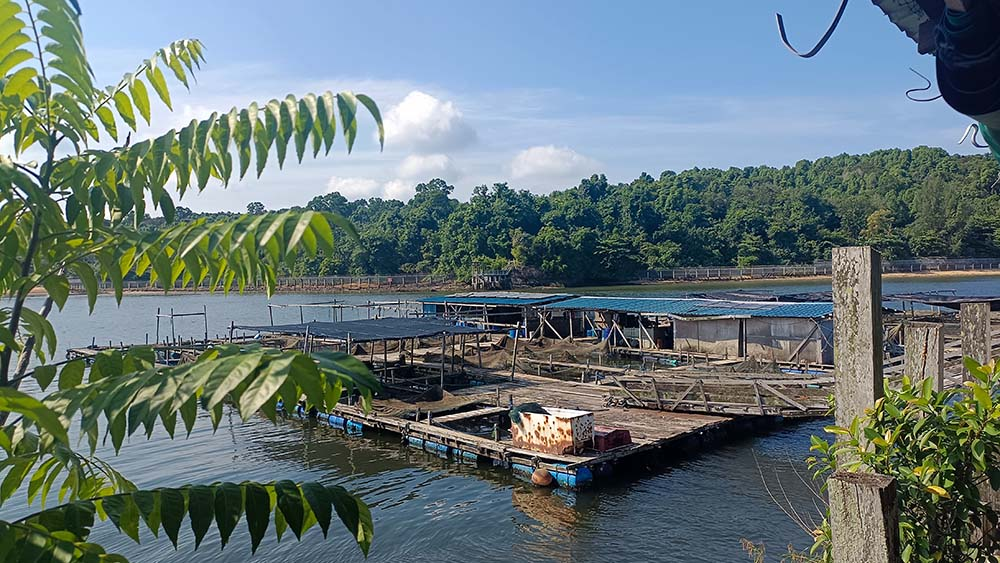
Image credit: Roots
The latest edition of Departures featured visits to Sin Siong Lim Sawmill, while their pilot programme spotlighted Kelong E63, one of Singapore’s last working kelongs before it ceased operation in 2025. You can keep tabs on the OH! Open House’s website to sign up for upcoming tours, or give them a follow on Instagram or Facebook for more updates.
History of Sin Siong Lim Sawmill
It all began with Mr Lim Woon Khuan, a man with a zest for entrepreneurship who had arrived in Singapore from China in the early 1900s. After stints at a provision shop and shoe store, he then found work at Sin Siong Lim Sawmill, then known as Siong Lim Sawmill, and was eventually handed the reins.
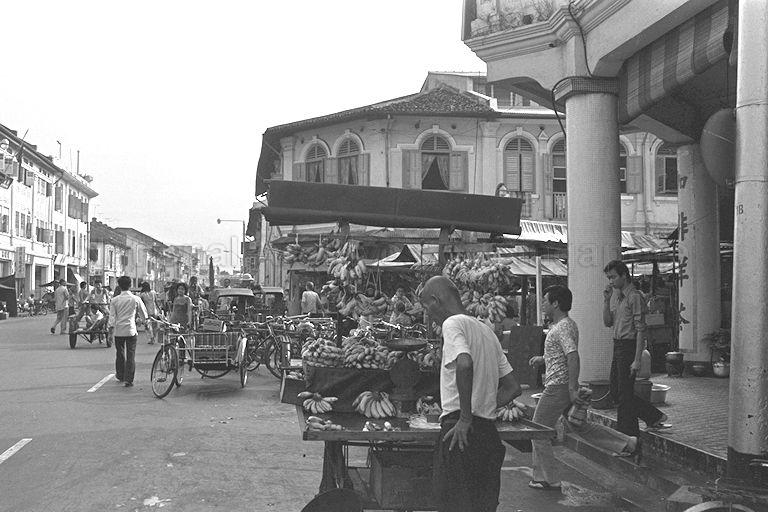
What Syed Alwi Road looked like in 1972.
Image credit: National Archives of Singapore
The sawmill dates back to 1912, making it well over a century old. Interestingly, it wasn’t always relegated to the recesses of the North; it was originally located along Syed Alwi Road in Jalan Besar, an area which was also home to slaughterhouses, factories, and other industrial businesses.
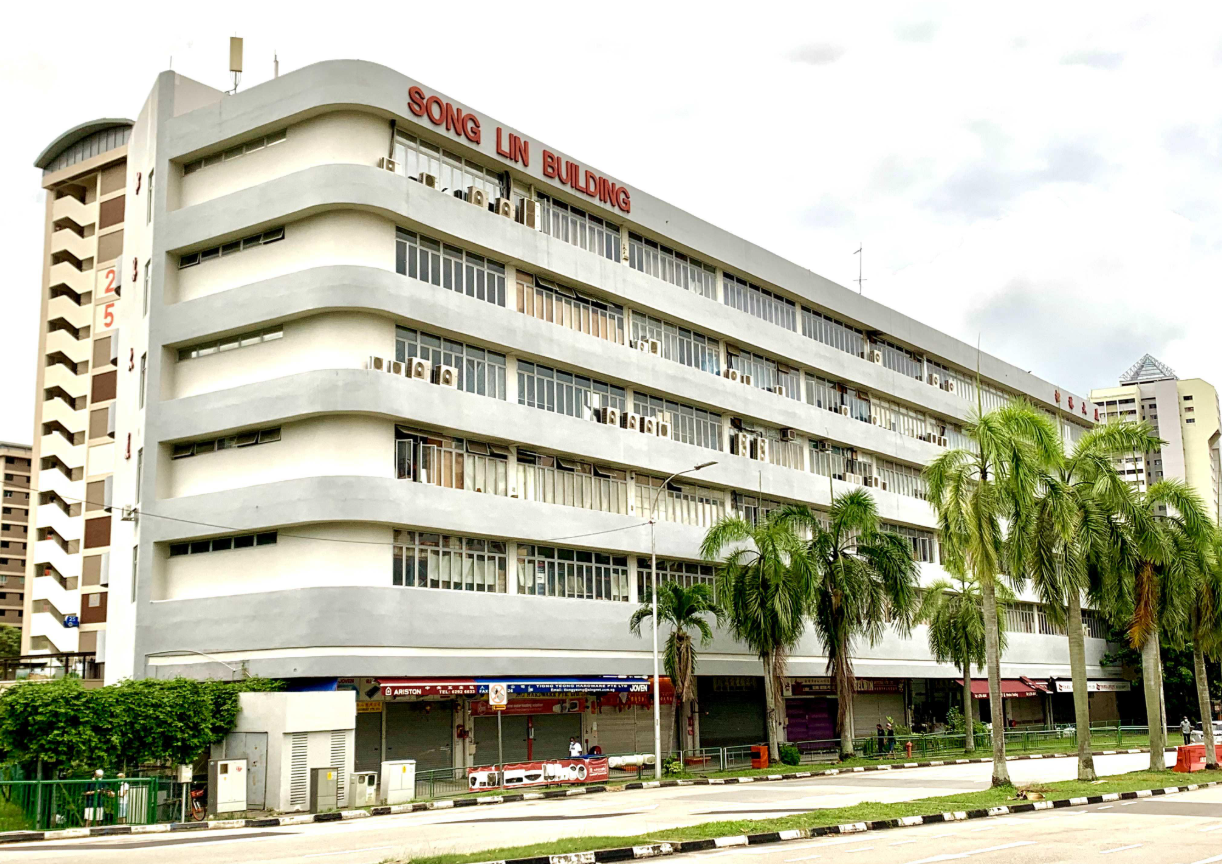
The Song Lin Building at Syed Alwi Road, which stands at the site of the former Siong Lim Sawmill.
Image credit: Streetdirectory
The old sawmill premises withstood the storm that was WWII, and were used as an internment camp and screening centre to weed out anti-Japanese resistance during the war. In 1975, the sawmill then shifted operations to Sugei Kadut, where it still stands today.
Originally, the sawmill imported most of its wood, first from Sarawak, and then from Peninsular Malaysia. But the rising shipping costs and regional export restrictions of the 80s proved to be too strong a double whammy, and so Sin Siong Lim Sawmill had to look elsewhere closer to home for its supply of lumber.
How does Sin Siong Lim Sawmill operate today?
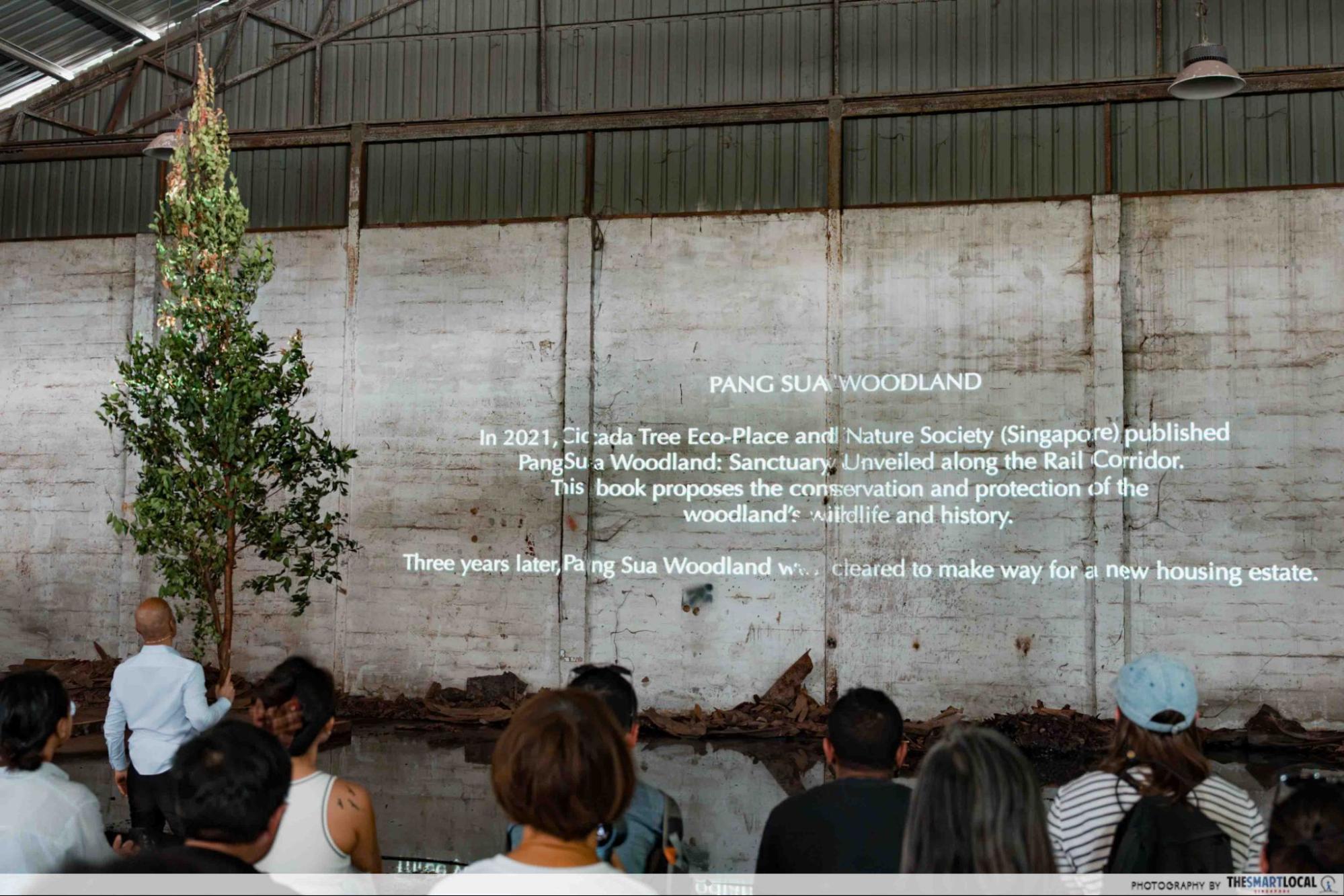
Our visit to Sin Siong Lim Sawmill began with a showing of local contemporary visual artist Robert Zhao Renhui’s short film, Someone Will Come For You (2026). Screened within one of the sawmill’s lofty warehouses, the film juxtaposes the wails of mother nature against the buzz of chainsaws, as scenes of feeding birds and workers dissecting trees from branch to branch play out.
Accompanied by narration that was chanted rather than spoken, the film could prove a tad too avant-garde for the layman, but its underlying message remained resoundingly clear. If the recent plans to urbanise forested areas like Maju Forest, Gillman Barracks, and Tengah are anything to go by, the future of our local flora and fauna appears regrettably bleak.
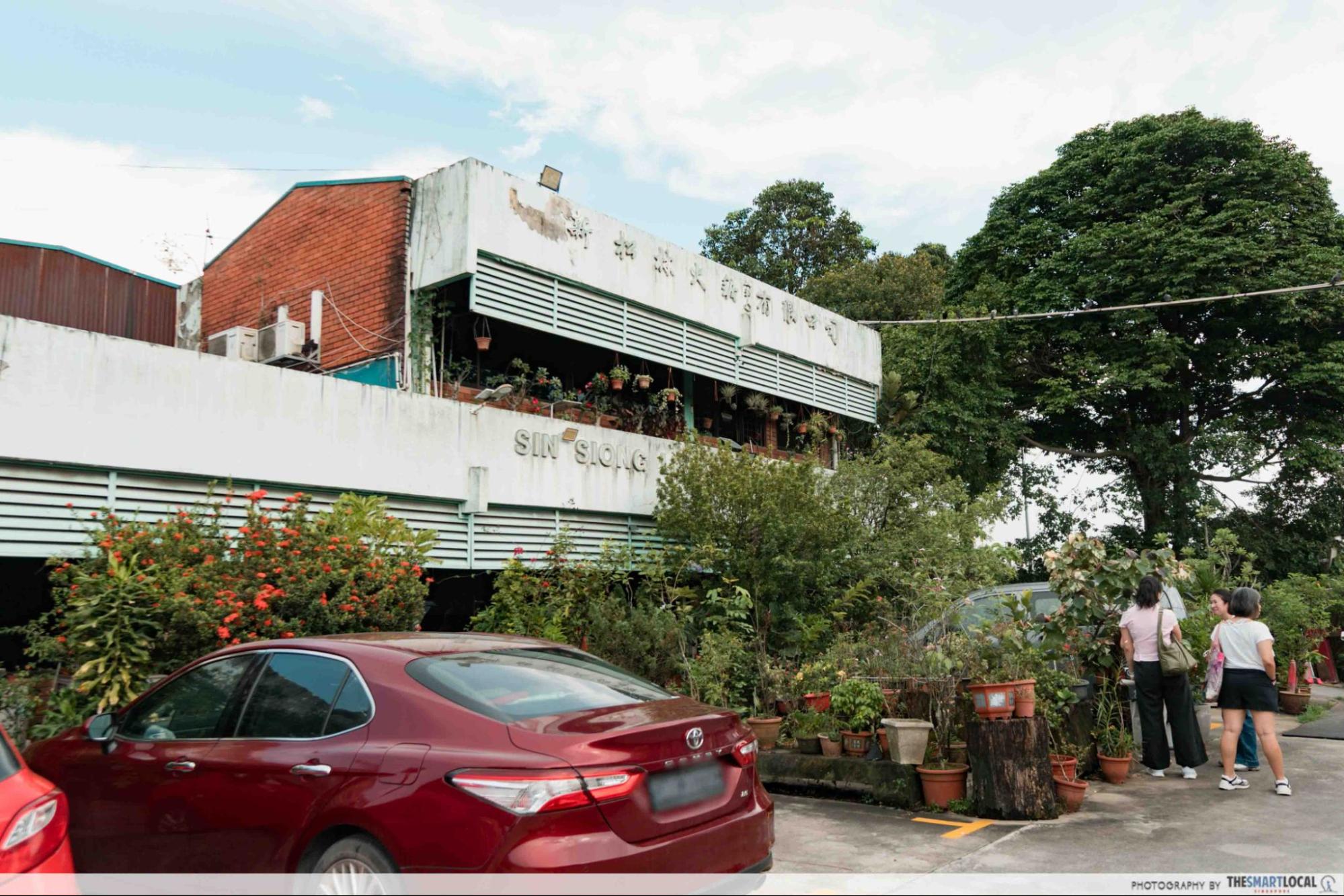
Rampant deforestation’s one thing, but therein lies another quandary: what do we do with all the green waste in its wake? That’s where businesses like Sin Siong Lim Sawmill come in. Following their change in MO, the sawmill tapped into their decades’ worth of experience and became the de facto destination in Singapore for repurposing felled trees into usable timber.
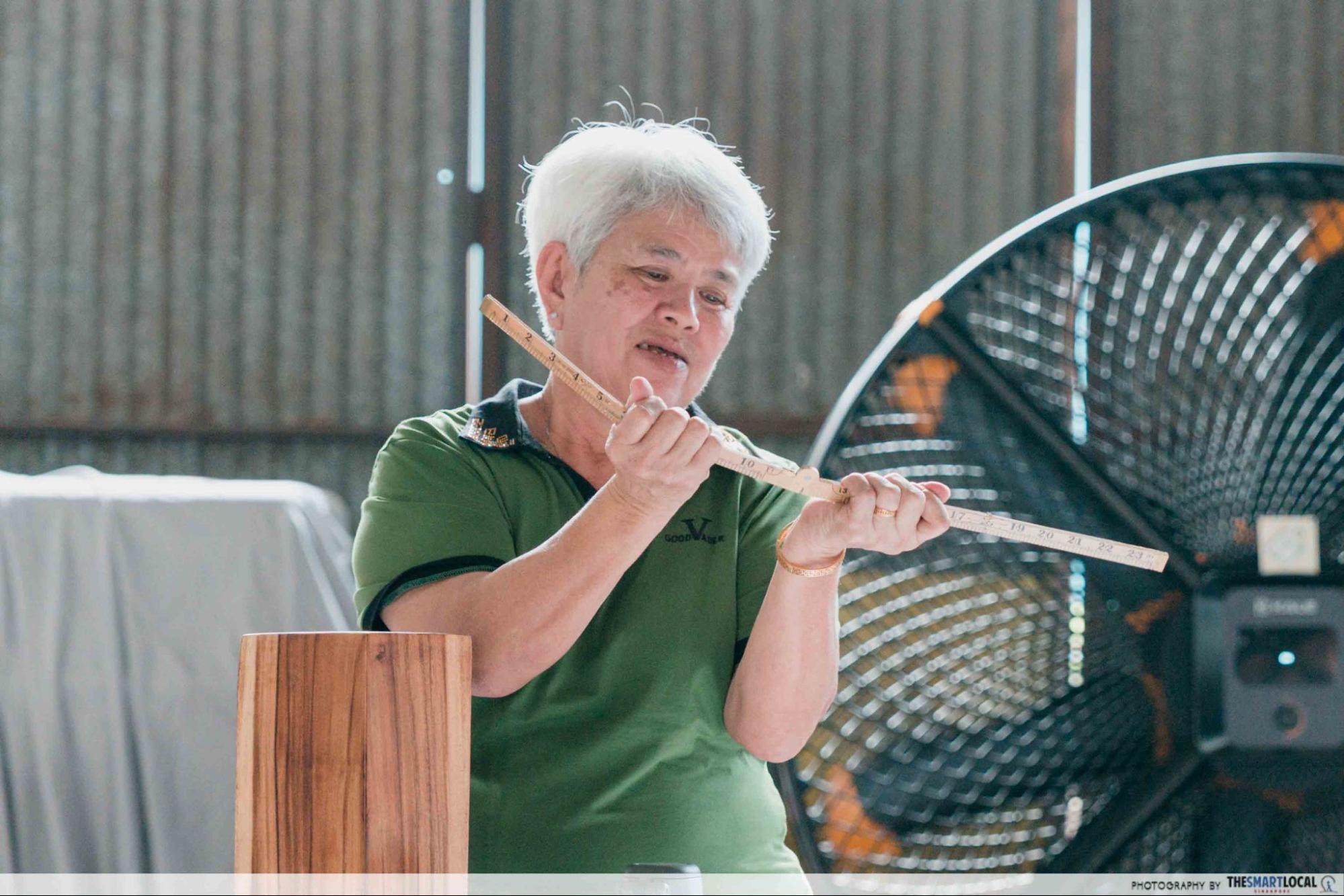 Ms Lim showing the crowd a special ruler that they used back in the day to measure pieces of wood.
We then got to speak to Ms Lim Woon Khim, a second-generation owner of the sawmill who runs it alongside her siblings, during an intimate sharing session with other visitors. The 70-year-old was roped into the business full-time since she was 17, and throughout our short time together, she exuded nothing but unyielding passion for the trade.
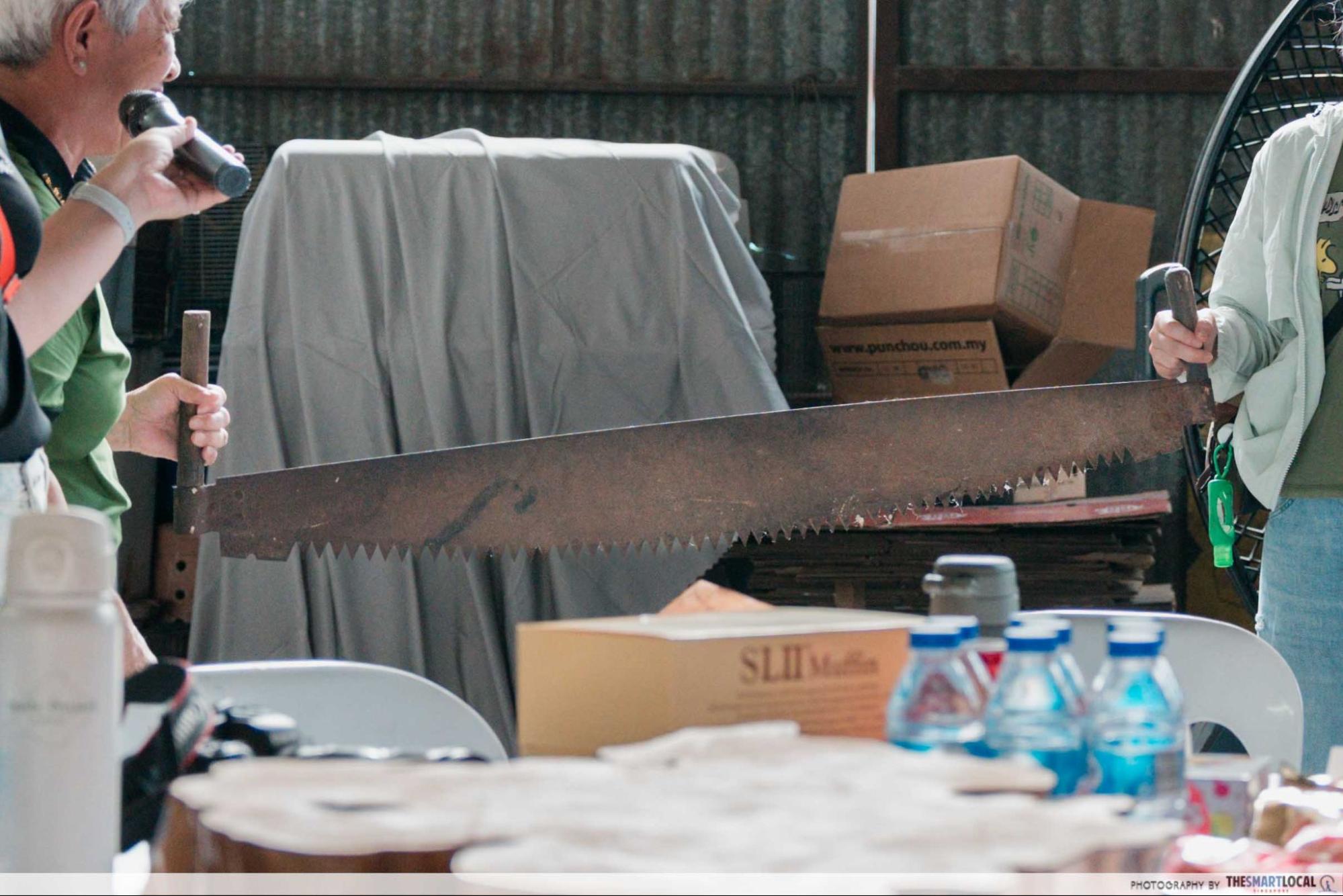
Her wisdom showed; she could effortlessly identify local tree species, along with their properties, what their wood is best used for, and the right methods to process them. She also brought out a couple of tools from the days of yore, including an 80-year-old saw that the sawmill’s workers had to toil with before the advent of modern machinery.
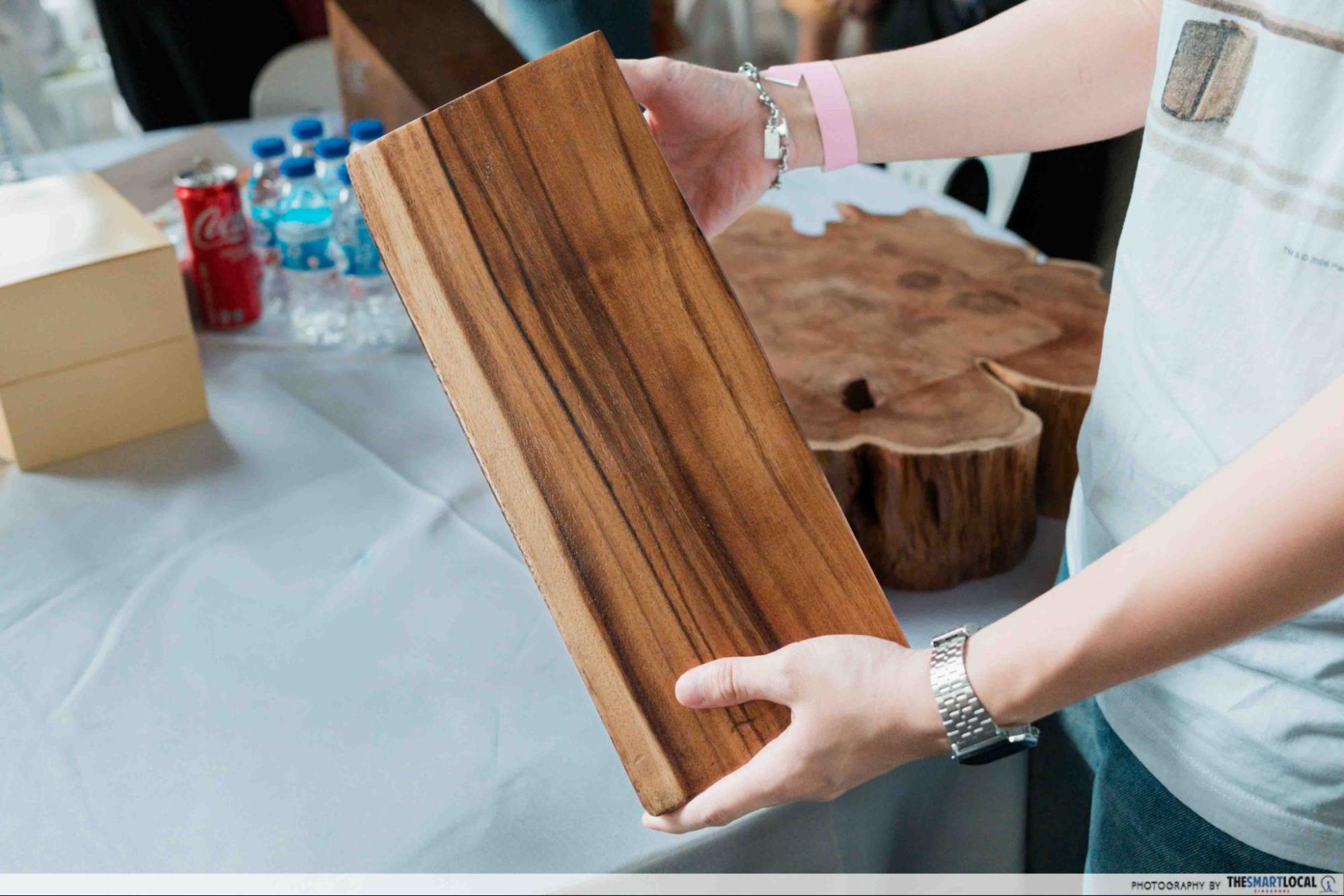 Wood from a rain tree.
For example, she shared that the wood from rain trees, the most widespread species of tree in Singapore, is most commonly used to make tabletops. But if they are not treated with a special termite treatment oil, the lil’ buggers will chew right through them.
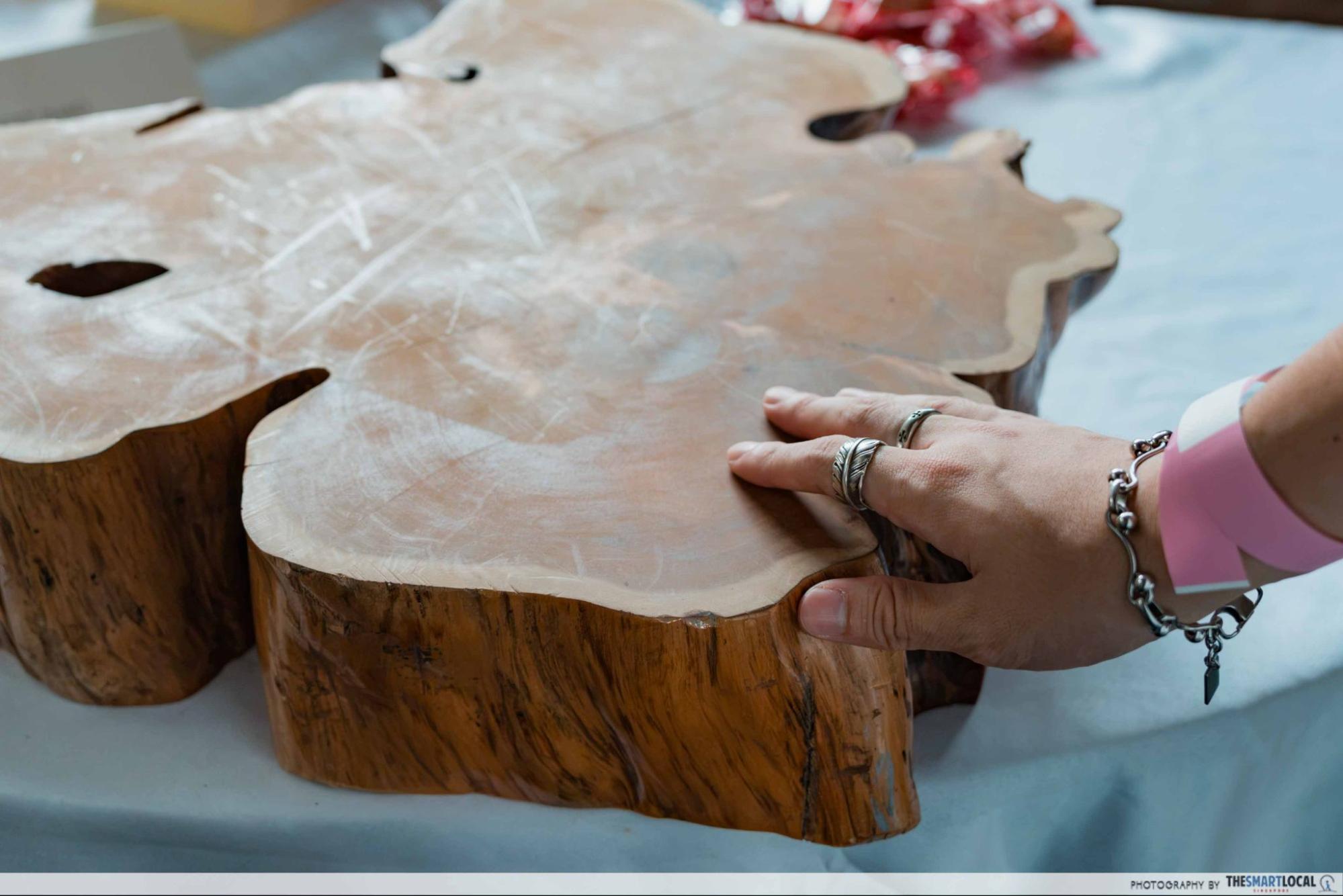
There were also a few wood samples on display, including a piece of sandalwood, that, according to Ms Lim, could fetch a whopping price of $20,000/kg. However, much of what the sawmill produces doesn’t go towards crafting designer furniture; instead, their main customers are shipyards, as they supply them with sturdy wooden blocks to support vessels during repairs.
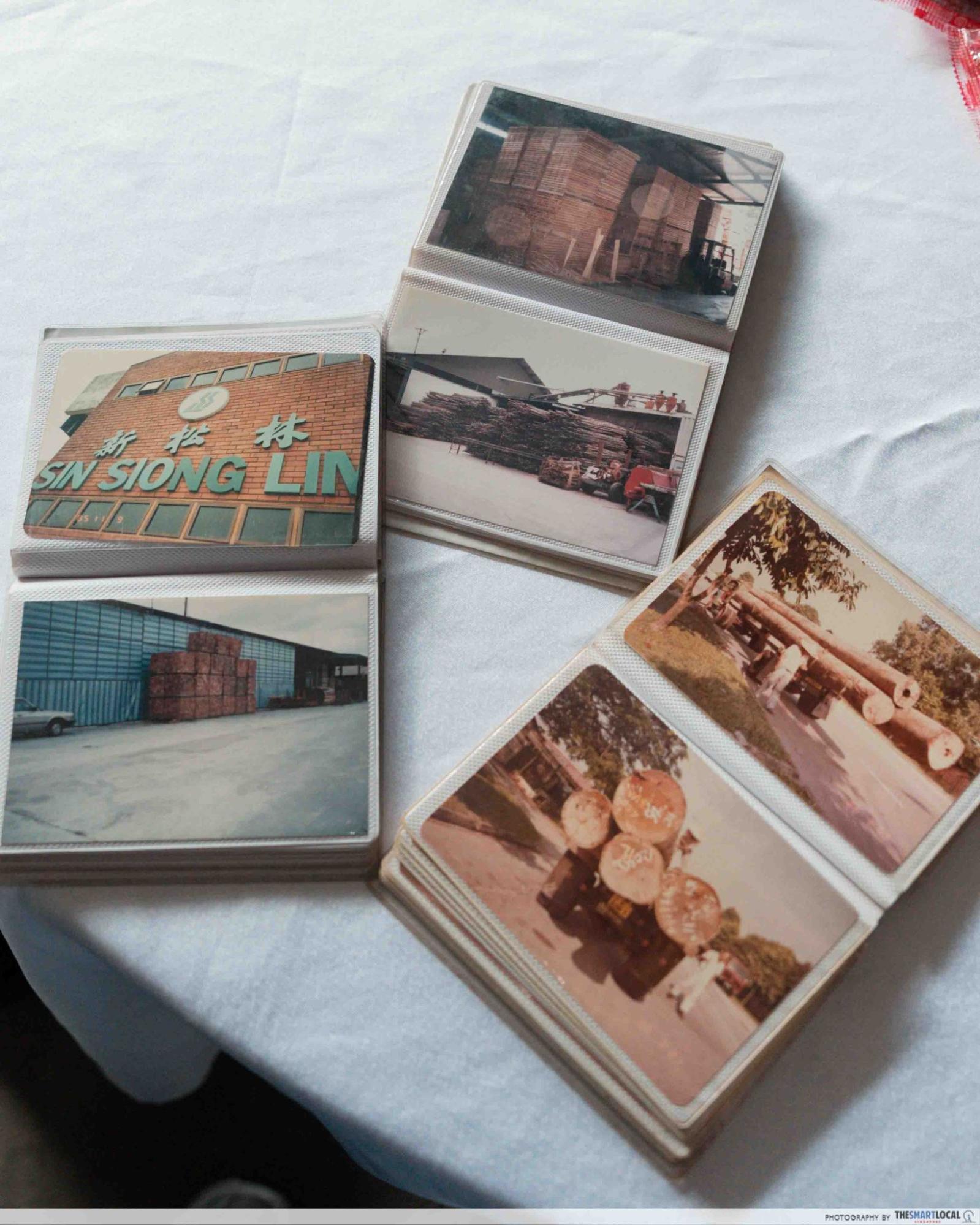 Old pictures of the sawmill, some dating back to the 1980s.
Of course, Ms Lim has her grievances when it comes to the shuttering of the sawmill. She justifiably lamented about absurd overheads, and when asked if she was planning to pivot to another industry, she said she had no plans to do so. Sadly, the sawmill’s reputation as one of the best in the business has lost its lustre over the years; not because of waning standards, but because it’s the last of its kind on the island.
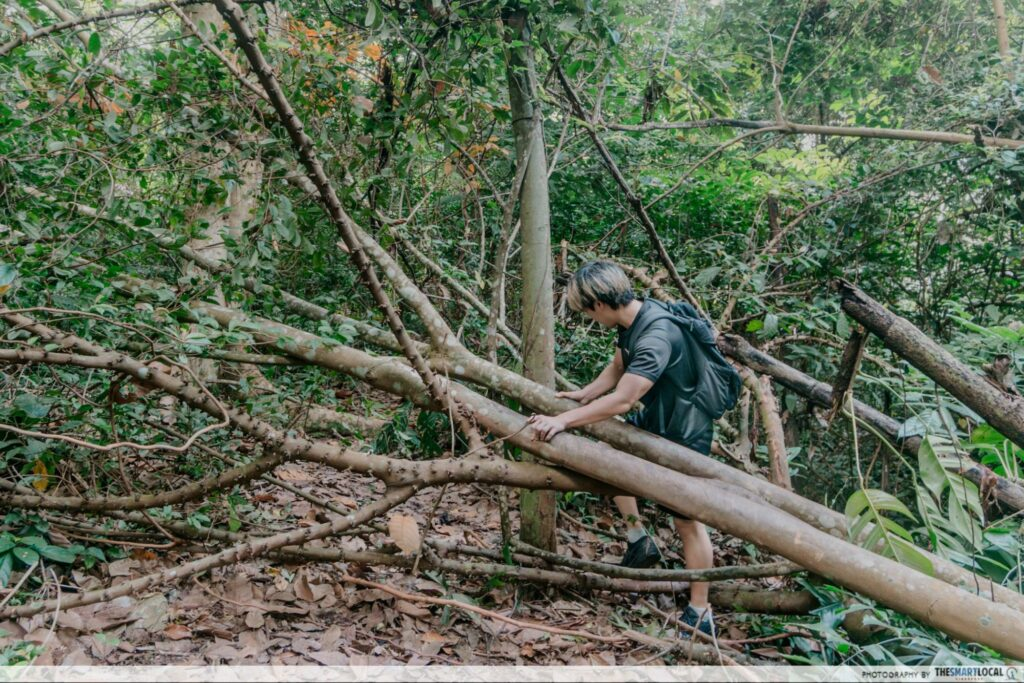
Fallen trees in Maju Forest – felled naturally, or as a result of human intervention?
With the sawmill gone come 2027, Ms Lim foresees problems cropping up when urbanisation projects call for the disposal of felled trees on a large scale. On top of being a huge waste of raw wood, getting rid of trees by the truckloads ethically will incur costs in the tens of thousands per day for landscaping companies, who might turn to unscrupulous methods to do so instead.
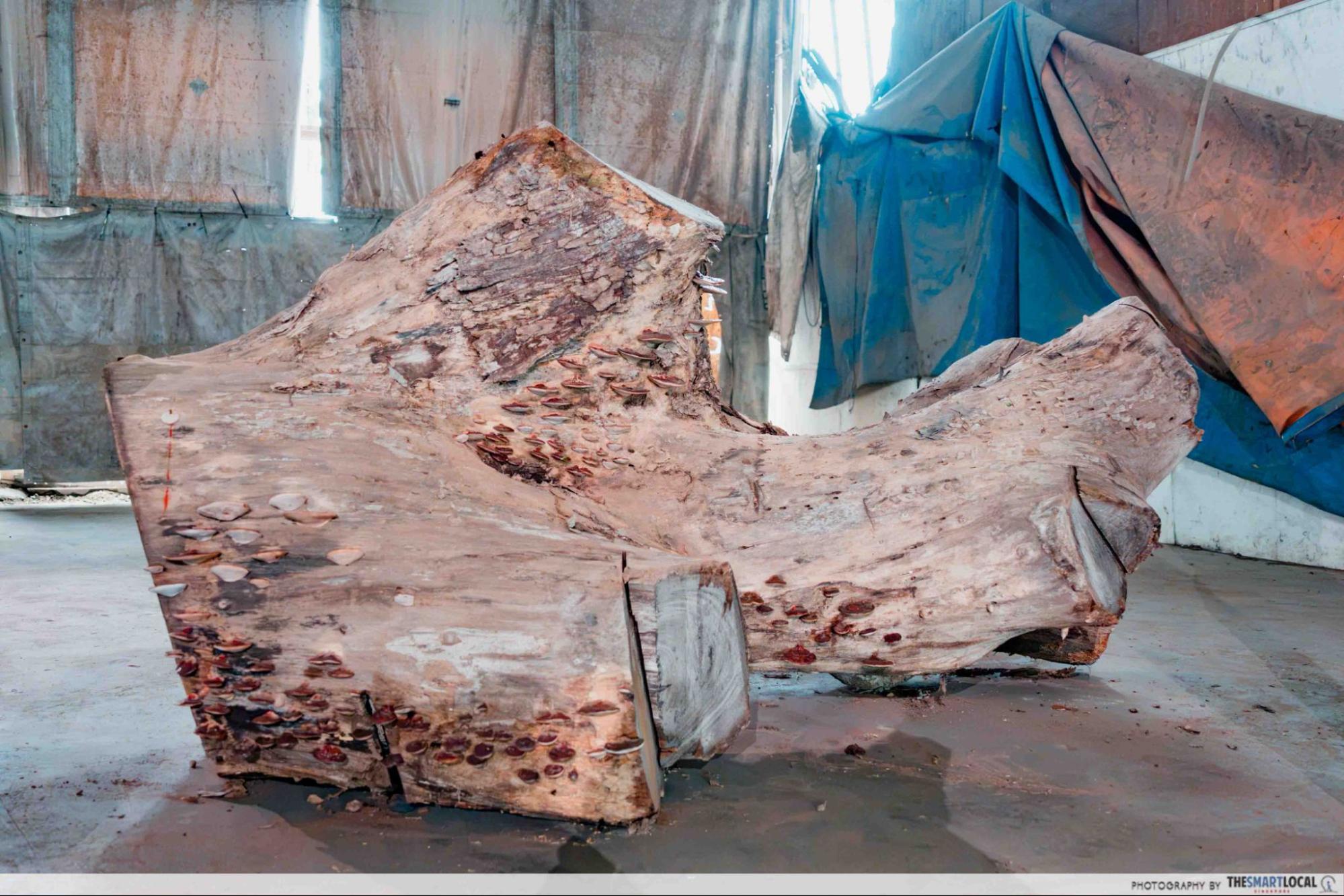 The Wound is made from a fallen tree trunk that Choo and Zhao have observed together over 4 years.
Also part of the programme was homegrown sculptor and ceramicist Lewis Choo’s The Wound art installation. While Zhao’s work spotlights uncertainty and decay, Choo’s taps into the possibility of what a dead tree can continue to support – in this case, lingzhi fungus made from ceramic.
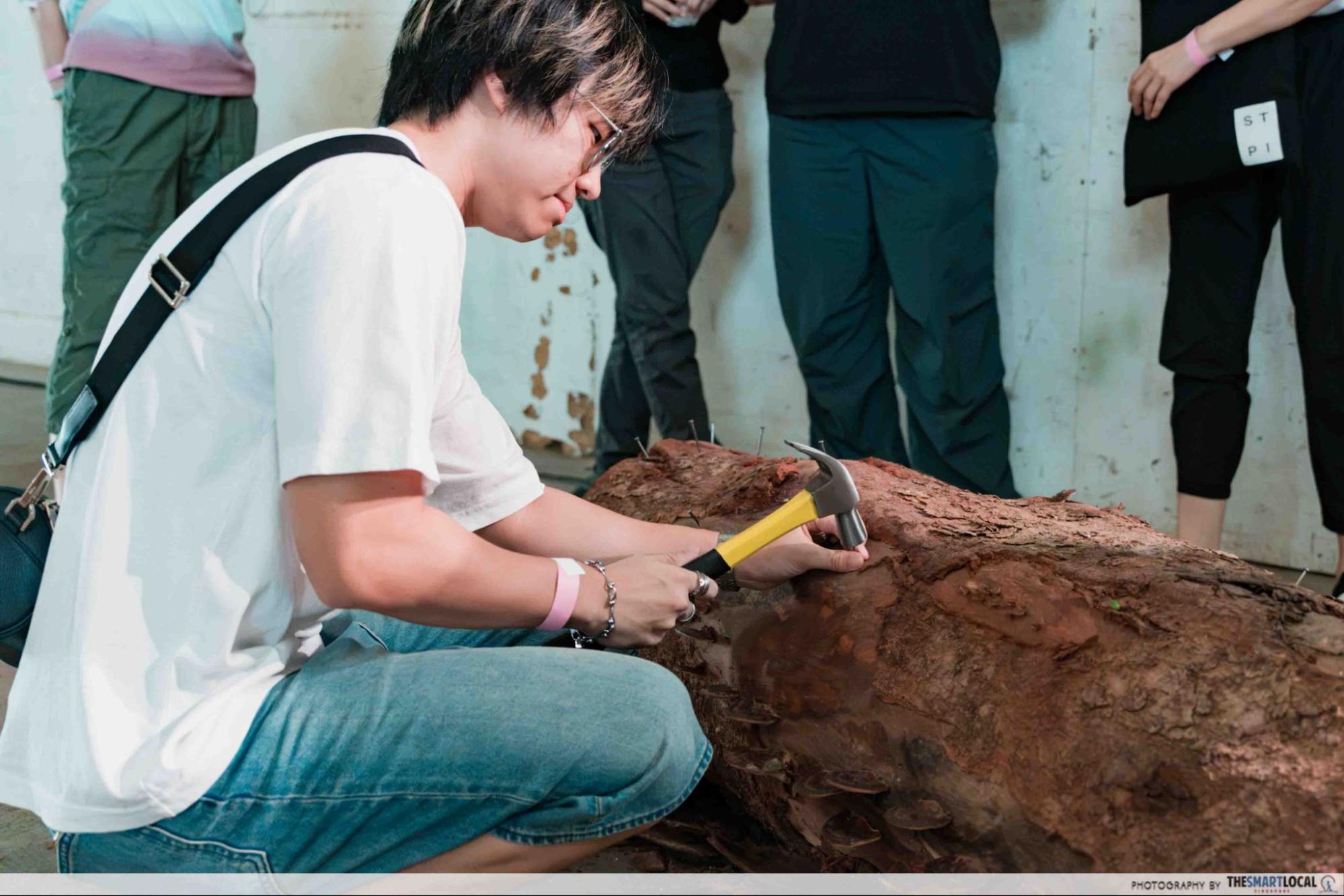
We were also able to get hands-on with this one; there was another log set aside, riddled with small holes that we were asked to drive nails through. If you ask us, it’s a nod to the human tendency to blight everything, especially the very earth we stand on, with our cold, steely touch.
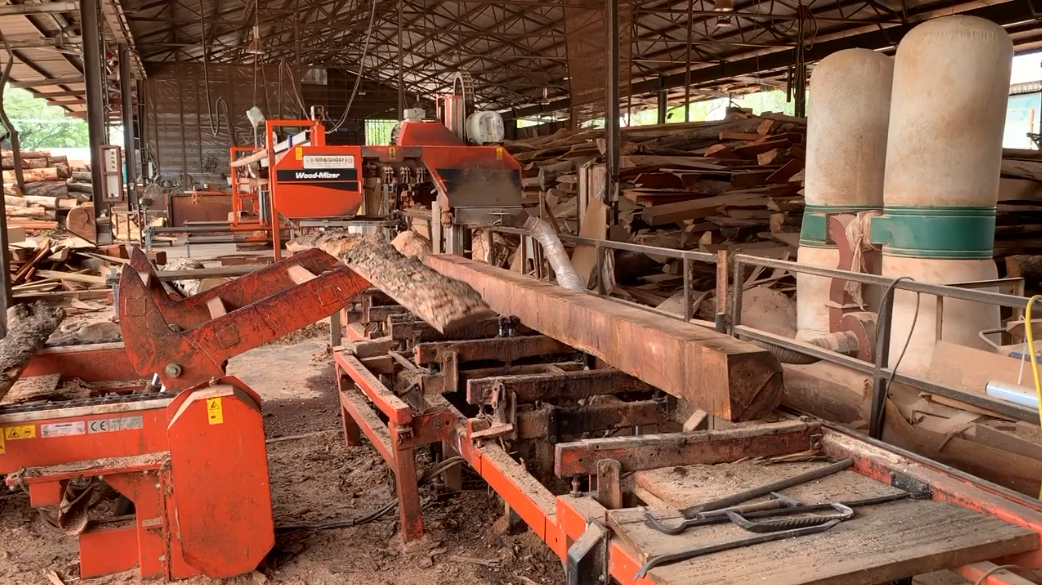
Image adapted from: Modern Forest via YouTube
Finally, we were given the opportunity to catch the various sawmill machinery in action. As everything whirred into motion, Ms Lim explained that they used to rely on a machine that required 4 workers in total to man. Equipped with a 4-inch blade, it was used to cut trunks and larger pieces of wood into smaller, regular-shaped blocks.
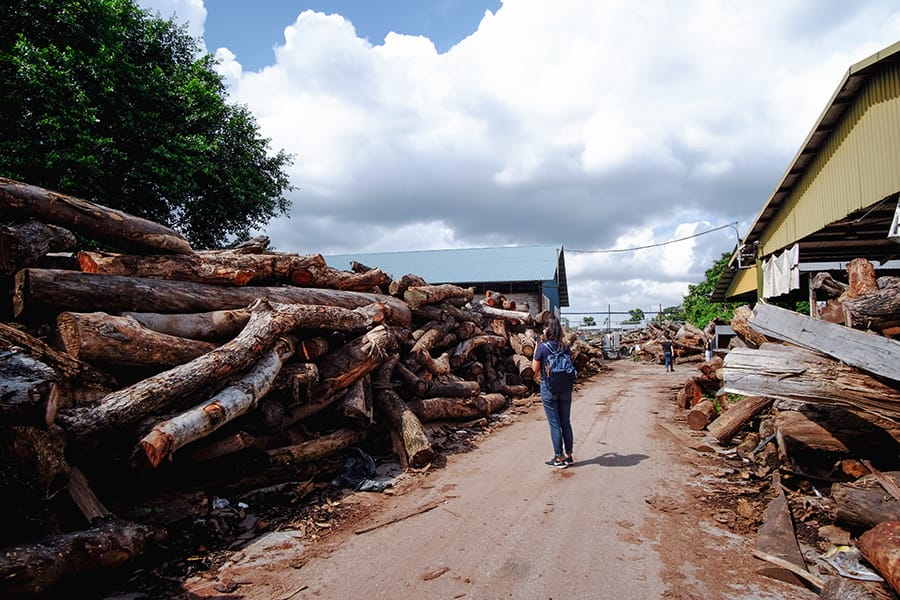
Image credit: WOOD 2020
Over the years, the sawmill then brought in an upgraded machine from Europe, which set them back a hefty $80,000. However, this one only required 1 person to operate and used a 1-inch blade that was much safer and less prone to breaking off, potentially becoming an airborne workplace hazard.
Remembering Sin Siong Lim Sawmill & its rich history
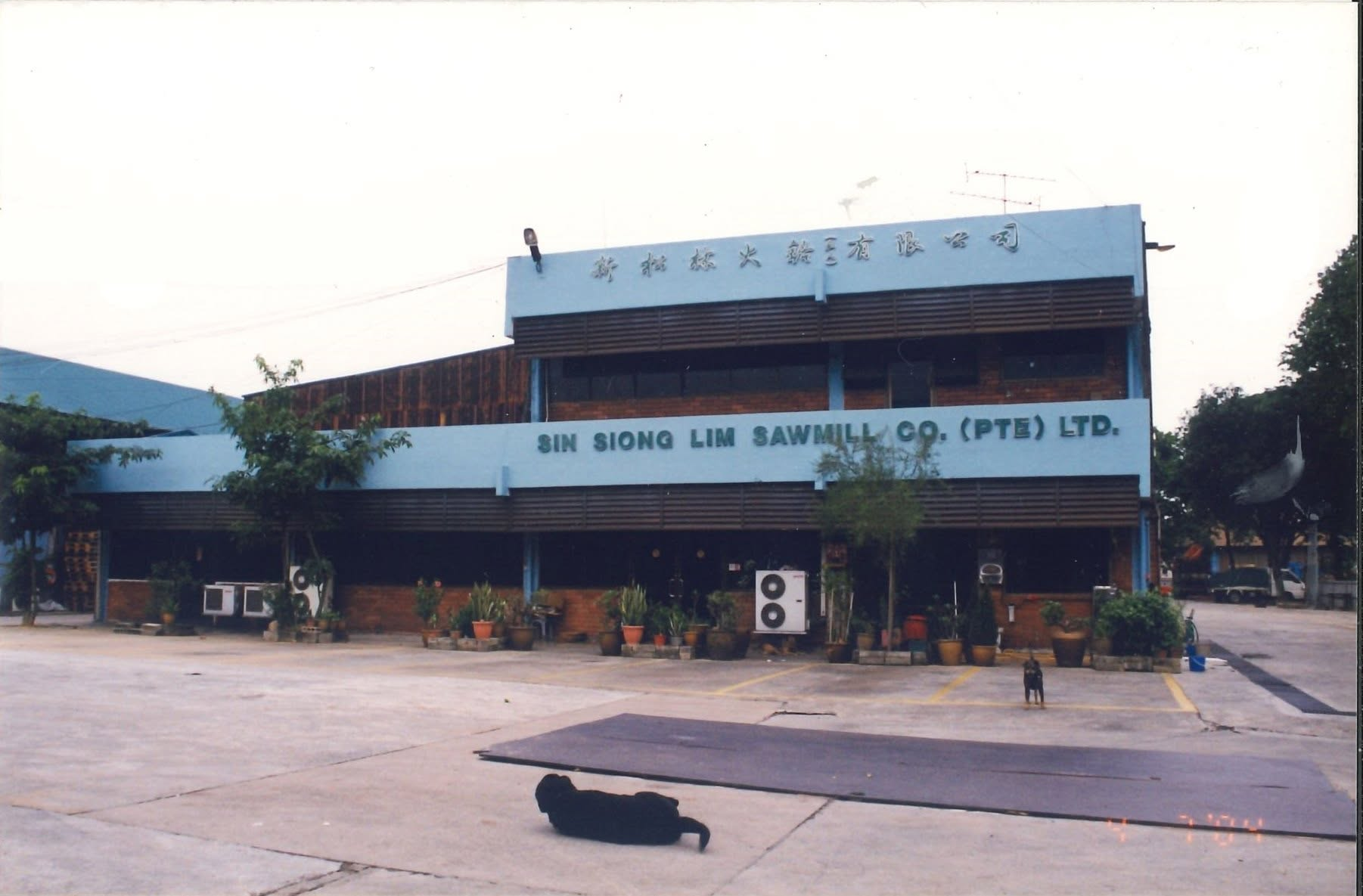 Image credit: Sin Siong Lim Sawmill Co. Pte Ltd via Facebook
As of writing, Sin Siong Lim Sawmill’s fate is tragically set in stone. They were bestowed a second wind in the form of a lease extension when the pandemic hit, but their time has run out. With further extensions off the table, their last day of operation falls on 31st December 2026, bringing a century’s worth of sawmilling history to a close.
Fortunately, their storied past and time-honoured traditions do not go unforgotten, thanks to the likes of OH! Open House. Their tours of Sin Siong Lim Sawmill might be over, but their efforts to preserve the legacy of Singapore’s lesser-known spaces and disappearing trades continue – you’re more than welcome to tag along for their next excursion.
Learn more about OH! Open House’s Departures programme
For more guided tours in Singapore:
- Walk with Hantu: Sembawang ghost tour by Supernatural Confessions
- Industrial Relics & Wartime Secrets tour by Hidden Heritage Tours
- River of Life kayak tour by Punggol SAFRA
Photography by Chloe Chan.
Cover image adapted from: WOOD 2020, Sin Siong Lim Sawmill Co. Pte Ltd via Facebook