

Destination wedding costs for guests
One of your closest friends just invited you to her wedding in Bali, and you RSVP yes before you’ve even finished reading the invite. You budget for the flights and call it a day. Spoiler alert: the flights are the easy part. There’s still the hotel, the guest outfit, the angbao, and the small fortune that disappears into beach clubs and late-night Grab deliveries.
So how much does it actually cost to be a guest at a destination wedding? We asked over a dozen people who’ve flown out for a friend or relative’s big day to tally up how much they spent, down to the last matcha latte. We also asked what happened when things didn’t go according to plan, because with a wedding, the date isn’t moving for anyone. Here’s the breakdown, plus their tips for keeping the bill in check:
Destination wedding costs at a glance
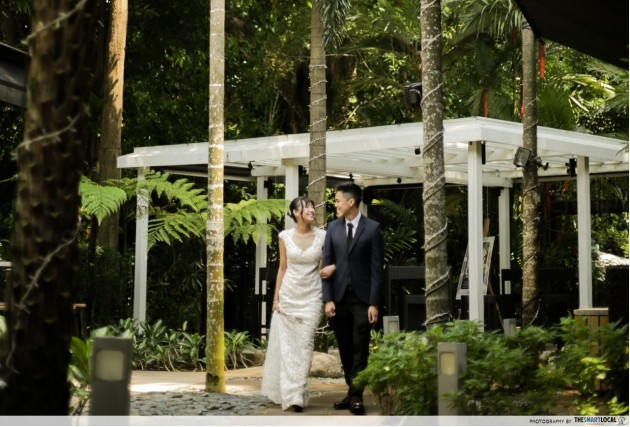
| Trip length | What guests spent per person |
| Weekend (2-3 days) | ~$570-$1,230 |
| 3-5 days | ~$800-$1,200 |
| A week or more | ~$1,500-$2,800 |
The guests we spoke to spent anywhere from about $570 for a weekend in Malaysia where the couple covered their stay, to $2,800 for a 12-day trip in Melbourne. 7 of the 13 who flew from Singapore spent under $1,250 each.
The biggest bills, though, came from the longest trips rather than the furthest destinations. 2 guests managed weekends in Perth and Sydney for $1,100 or less.
One thing to note, all figures are per person, include gifts, and are the guests’ own estimates. So, treat them as ballpark figures rather than an exact price list.
What the table doesn’t show is how much of that money is locked in before you even leave Singapore. Flights and accommodation made up the bulk of most guests’ spending, and both are usually paid months ahead. Many of the cheapest options, like promo fares and discounted room rates, come with little to no refund if your plans change.
Take a 4-day wedding trip to Bali as an example: a $400 return flight, 3 nights at a resort for $600, a $150 outfit and a $300 angbao. That’s about $1,450, and $1,000 of it is prepaid and potentially non-refundable. It’s worth keeping track of how much you’ve committed upfront, particularly if your bookings are non-refundable or expensive to change.
Here’s where the money went:
1. Return flights: $160 to $1,200
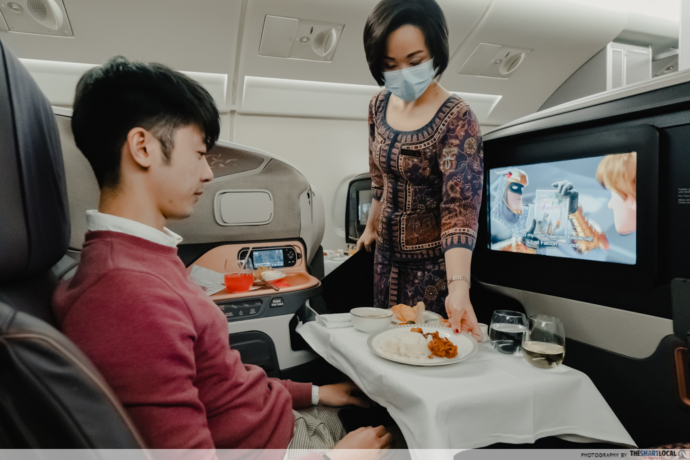
Along with accommodation, flights took up the biggest share of most guests’ budgets. Return flights within the region cost between $160 for Malaysia and $500 for Sri Lanka, while Australia ranged from $300 for Perth to $1,200 for Melbourne.
And contrary to popular belief, distance isn’t the whole story. One guest flew to Perth for less than what another paid to get to Bali, so timing and a bit of luck matter as much as the map.
Money-saving tip: Destination wedding invites usually get sent months, and even more than a year, in advance. Book as soon as the date is confirmed and set fare alerts in the meantime. Misha, 33, locked in her flights to Kota Kinabalu 5 months ahead. She probably saved a significant amount of money as compared to those who waited till a few weekends before the trip to book a flight.
Before you pay for the cheapest fare, though, check what it costs to change it. Budget fares are often non-refundable, and change fees can cost almost as much as the ticket itself. A slightly pricier fare with free date changes can work out cheaper if there’s any chance you’ll need to move your flight. Aim to land at least a day before the ceremony too, rather than the morning of.
What if your flight gets cancelled the day before the wedding?
This is the scenario every destination wedding guest dreads. Your flight gets cancelled, or delayed so long that you’ll miss the ceremony. Unlike a regular holiday, you can’t just shift everything by a day. The wedding starts at a fixed time, with or without you.
Getting there on time usually means scrambling for the remaining seats on the next flight out, or switching airlines altogether, at last-minute prices. Depending on availability, booking a replacement flight at the last minute could cost significantly more than your original ticket, especially if you’re travelling as a family.
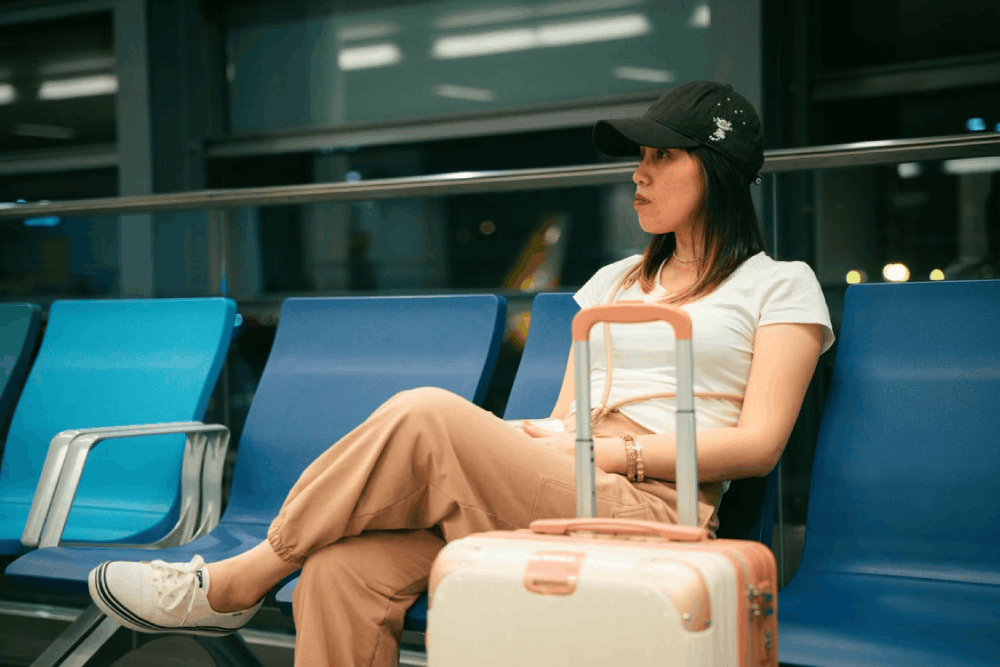
Image credit: Pexels
Most travel insurance plans come with a travel delay benefit, but it typically pays out based on how long you were delayed. That compensates you for the waiting, but doesn’t help you get to the wedding.
That’s the gap DirectAsia Voyager Travel Insurance’s optional Special Events Add-On is designed to fill. If an eligible public transport disruption affects your journey to a booked special event, it can reimburse the cost of replacement public transport, plus applicable rebooking fees, so you can still get there at the next earliest time. Coverage goes up to $2,500 per insured traveller.
If the disruption means you can’t make it at all, the add-on may reimburse your eligible event booking or ticket cost instead, up to the same $2,500 limit. Only one of the 2 benefits is payable for the same event. Under the policy, a special event is one that starts at a scheduled time and lasts no more than a day. This could include weddings, concerts, and other booked one-day events, depending on the circumstances and what’s covered under the policy.
2. Accommodation: $0 to $1,200
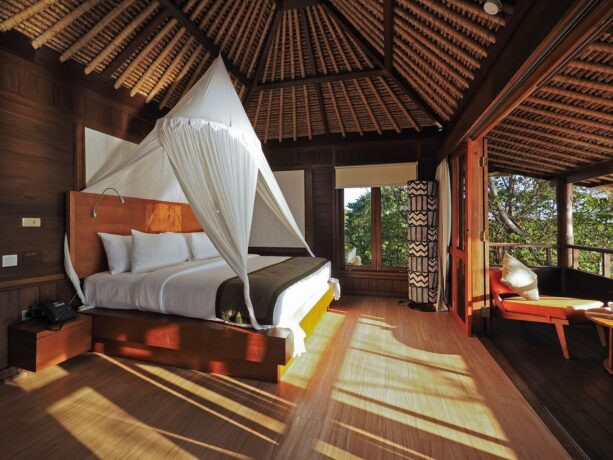
Image credit: @themenjanganbali via Instagram
Accommodation is where budgets diverged the most. Guests whose couples covered the stay paid nothing, but even they had to fork out accommodation costs for any nights beyond the main event. One guest paid $400 for a single extra night at a wedding resort on the Perhentian Islands in Malaysia.
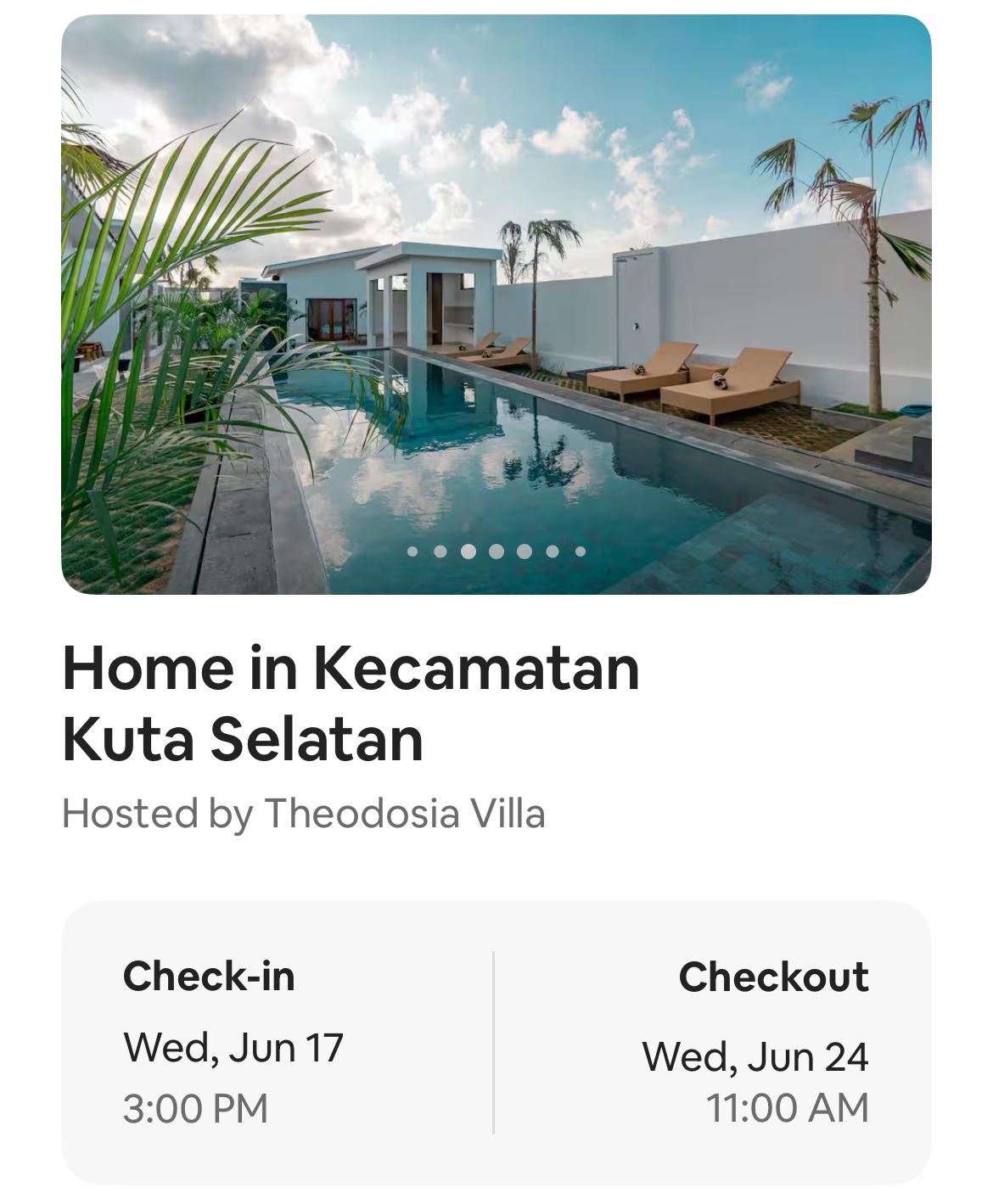
The clearest example came from Bali. Saffy, 30, paid $287 for a week in an Airbnb villa about a 10-minute drive from the venue in Uluwatu. Then there’s Max, 32, who was also in Bali for a different wedding. Like Saffy, he stayed away from the venue. But he booked a resort and paid about $850 for his week on the island.
Screenshot provided by: Saffy
“A lot of guests will book a stay at the wedding venue, but those are usually luxury resorts and can cost significantly more a night,” says Saffy. “I believe in treating yourself – so that’s perfectly fine! But if you’ve got a smaller budget, locally-owned villas in places like Bali often cost less.”
Where you book matters as much as how much you pay. Rooms in the couple’s wedding block and resort promo rates are often non-refundable, or only refundable until a cutoff date weeks before check-in. Airbnb hosts set their own cancellation policies too, which range from flexible to strict.
This is also where changes to your plans may hit hardest. A guest who has to cancel could lose the entire stay. One who has to push their trip back by a few days may end up paying for nights they never use, then forking out again for new ones. For many guests, accommodation is the single biggest prepaid amount on the line.
Money-saving tip: Stay near the venue rather than at it, or split a room or villa with other guests. Before booking extra nights, check the duration that the couple is covering. Compare the refundable rate against the non-refundable one too, because the difference is sometimes small enough to be worth paying for the flexibility. If you choose a non-refundable booking, keep a copy of the cancellation terms and your receipts. These could come in handy if you need to make an eligible insurance claim.
3. Local transport: $0 to $250

Getting around was the smallest expense for most guests, usually under $150. Couples often arrange airport and venue transfers, so several guests paid nothing at all. The highest figure was $250, for a week in Melbourne.
Alex, 35, is going to a wedding in Ninh Binh, about a 2-hour drive from Hanoi. “The couple is providing shuttle cars from the airport in Hanoi to Ninh Binh, which really helps – because the alternative would’ve been booking a private transfer, or one of those shared vans that tourists take between both destinations.”
Money-saving tip: Ask whether transfers are provided before you book your own. If they aren’t, split rides with other guests going to the same venue.
4. Food & drinks: $40 to $750

We’re not going to lie. For most of us, food is the most important thing on our Maslow’s hierarchy of needs. So, it’s a confirmed spend no matter what. Among the wedding guests we asked, meals ranged from $40 at an all-inclusive resort wedding to $750 over 12 days in Melbourne. Couples usually covered the wedding-day meal, and sometimes welcome drinks, but everything else was up to the guests.
This category is also the easiest to underestimate. Saffy first estimated her food spend at around $150 for a week, especially since the couple covered a welcome meal. Once she added up the bars, Grab deliveries, juices, and protein smoothies, it came to $250.

Image credit: @mrssippybali via Instagram
“I don’t really budget for food – and while I’m in Bali I want to check out all the cafes and beach bars,” she says. “Lots of Singaporeans will say, “Wah so affordable ah!” when they’re here. But if you’re treating yourself to fancy cafes every day, it’s quite shocking once you tally it all up.”
Money-saving tip: It’s easy to get carried away when you’re overseas. Set a daily food budget and stick to it, especially if you’re staying on after the wedding, or heading there a few days ahead of the event.
5. Wedding outfit: about $100-$200 if you buy new
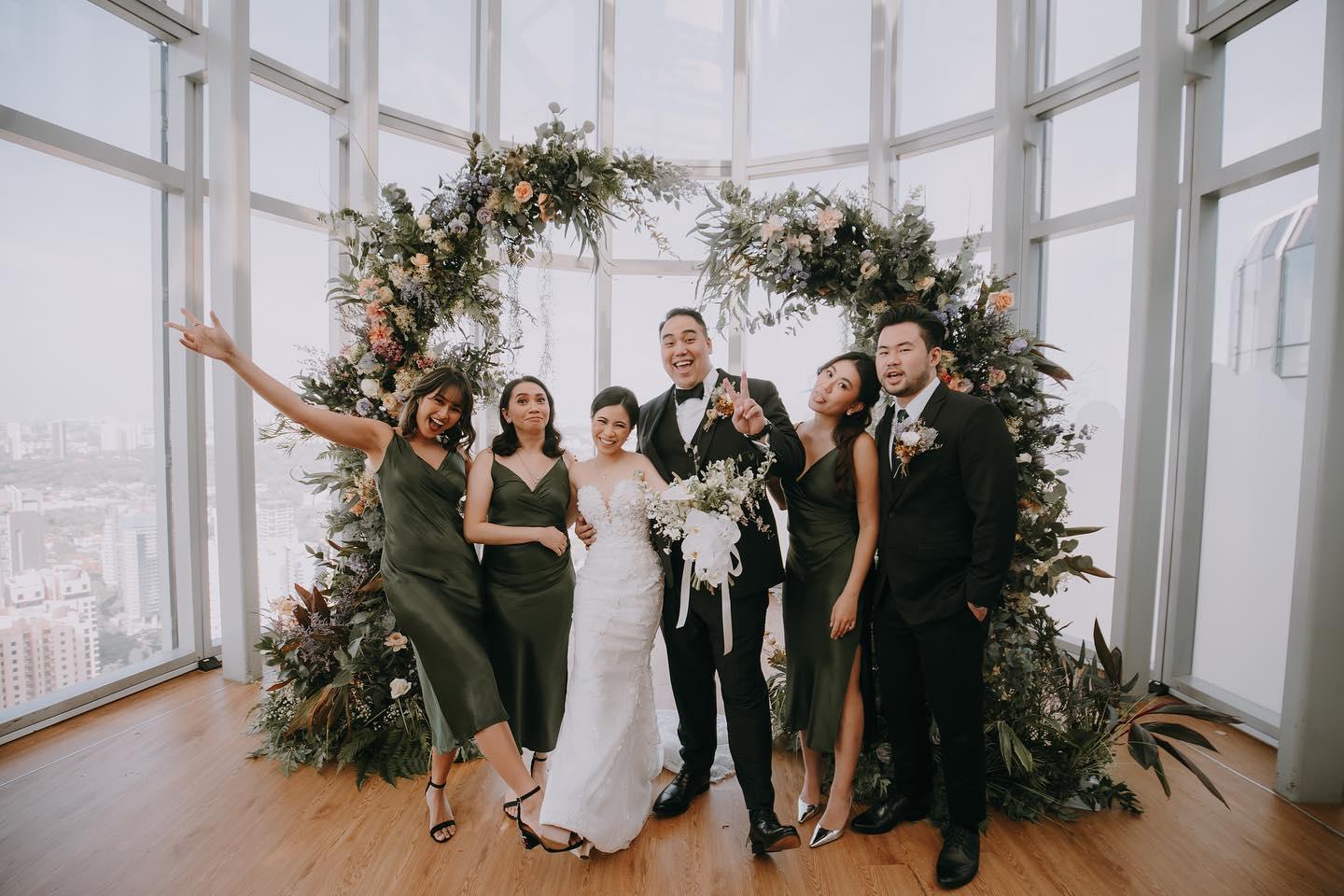
Image credit: @mannaweddings via Instagram
It’s easy to forget that you need something to wear to the wedding itself, especially if there’s a dress code. And god forbid you’re invited to a black-tie event cause the couple is ballin’.
Misha, who went to a wedding at Shangri-La Tanjung Aru in Kota Kinabalu, hadn’t budgeted for her outfit. She ended up spending about $100 on a dress and heels last minute. However, she added that she found the heels for just $20 on Carousell.

Her advice was to skip the new outfit altogether. “Just have one or two you wear on rotation. You don’t need a different outfit for every wedding, unless there’s a dress code. Outfit repeating is cool.”
Money-saving tip: Shop your own wardrobe first. If you do need something new, check Carousell or rental platforms before paying full price. And if you’re going to a black-tie event, check out rental platforms that specialise in formal wear, so you don’t have to purchase something mega fancy that you might not need to wear again anytime soon.
6. Wedding gift or angbao: $0 to $400
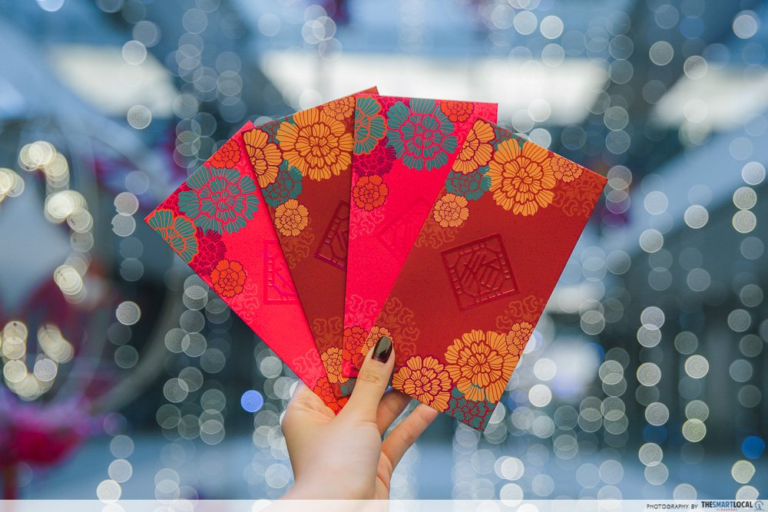
Gifts ranged more widely than any other category. Guests at weddings where the couple covered their stay and meals tended to give more, between $288 and $400. Others gave between $100 and $300.
A few gave nothing, at least not on the day. One guest was a student at the time. Meanwhile, Doreen, 29, is holding off for now. The couple whose wedding she attended are Singaporean and plan to move home in a few years. “We figured it’d be better to get housewarming gifts for them when they move back,” she says.
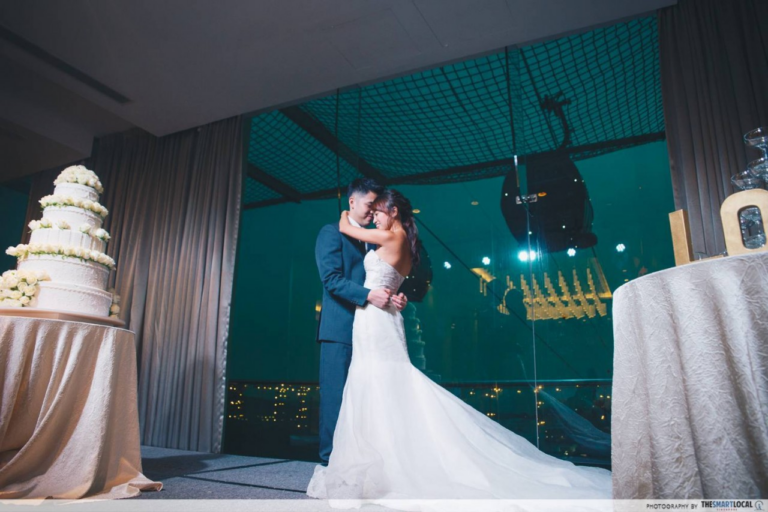
Some couples take the guesswork out of it. Max’s friends made it clear they’d never turn down a gift, but they knew guests were already paying for flights and accommodation. If a gift was beyond someone’s budget, a card with a personal note was more than enough.
Money-saving tip: There’s no fixed rule for destination weddings. Factor in what you’ve already spent to attend, and if you’re unsure, check what mutual friends are giving. Your gift doesn’t have to be handed over at the wedding itself, either.
7. Travel insurance: around $20 to $50 for a short trip in Asia
For a short trip within Asia, most single-trip plans currently cost around $20 to $50 after discounts. Longer trips and destinations further afield cost more.
80% of the guests we spoke to bought travel insurance, and Saffy was glad she did.

A sinus infection, and her doctor’s advice not to fly, meant she had to push her Bali trip back by a few days. She still made it to the wedding but missed a pre-wedding event. Her replacement flight cost about $100 more than her original booking, but she claimed back the original fare from her travel insurer with a doctor’s note. Because she had booked her Airbnb only a week before the trip, her accommodation wasn’t affected.
Not every disruption ends in a claim, though. Doreen’s airline moved her return flight from Sydney a day earlier, which cut her trip short and left her with a non-refundable hotel night worth about $130 to $150. She had travel insurance but didn’t claim, and admits she was quite happy to head home early anyway.
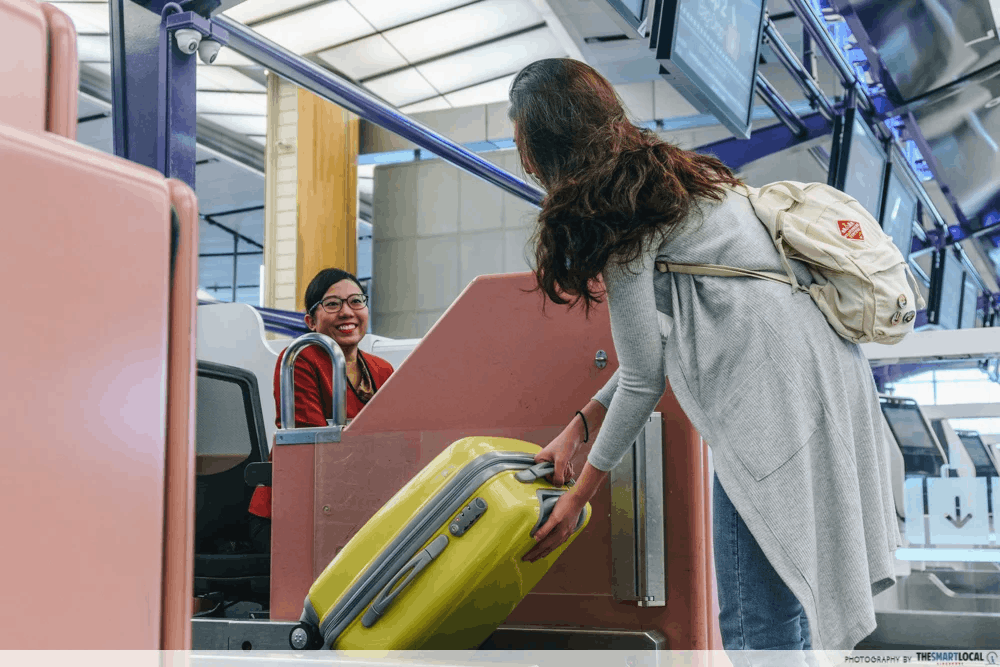
Notice that Saffy’s trip wasn’t cancelled. It was postponed, and that distinction matters more than you’d think. Some travel insurance plans come with a generous headline cancellation limit but apply separate, much lower sub-limits for postponement and other disruptions. So even if your policy says you’re covered for thousands, what you can actually claim for rescheduling could be a lot less, if anything at all.
Cancellation and disruption coverage usually comes bundled into fixed plan tiers, so you only get a few preset limits to choose from. But a 3-day wedding in KL and a 12-day family trip to Melbourne involve very different sums of money, and on a tiered plan, they could end up with the same cover. This is where DirectAsia Voyager Travel Insurance does things differently.
Voyager lets you choose your cancellation and disruption cover; anywhere from $1,000 all the way to $20,000, in $1,000 increments. A solo guest who has prepaid about $1,000 for a 4-day Bali trip can select a limit close to that amount. Meanwhile, a family of 4 with $8,000 in combined travel expenses can consider how much cover each traveller needs, rather than being restricted to a few fixed coverage options.
Eligible cancellation, postponement, and disruption expenses are also assessed within the same overall limit you’ve selected, rather than separate, lower sub-limits. So if you choose $3,000 of coverage and end up postponing instead of cancelling, you’re still working within that $3,000, subject to the policy’s terms and conditions. Coverage applies only to the events and conditions set out in the policy, so read what’s included before you buy.
Money-saving tip: Remember that prepaid tally from earlier? Add up everything you’ve paid that you can’t get back, like non-refundable flights, accommodation, and pre-wedding activities, and set your coverage close to that figure. This can help you choose a coverage limit that better reflects your travel needs, rather than simply relying on a fixed amount. If your plans change, check your policy wording before writing off the cost.
Travelling with parents or kids? Check everyone’s medical cover
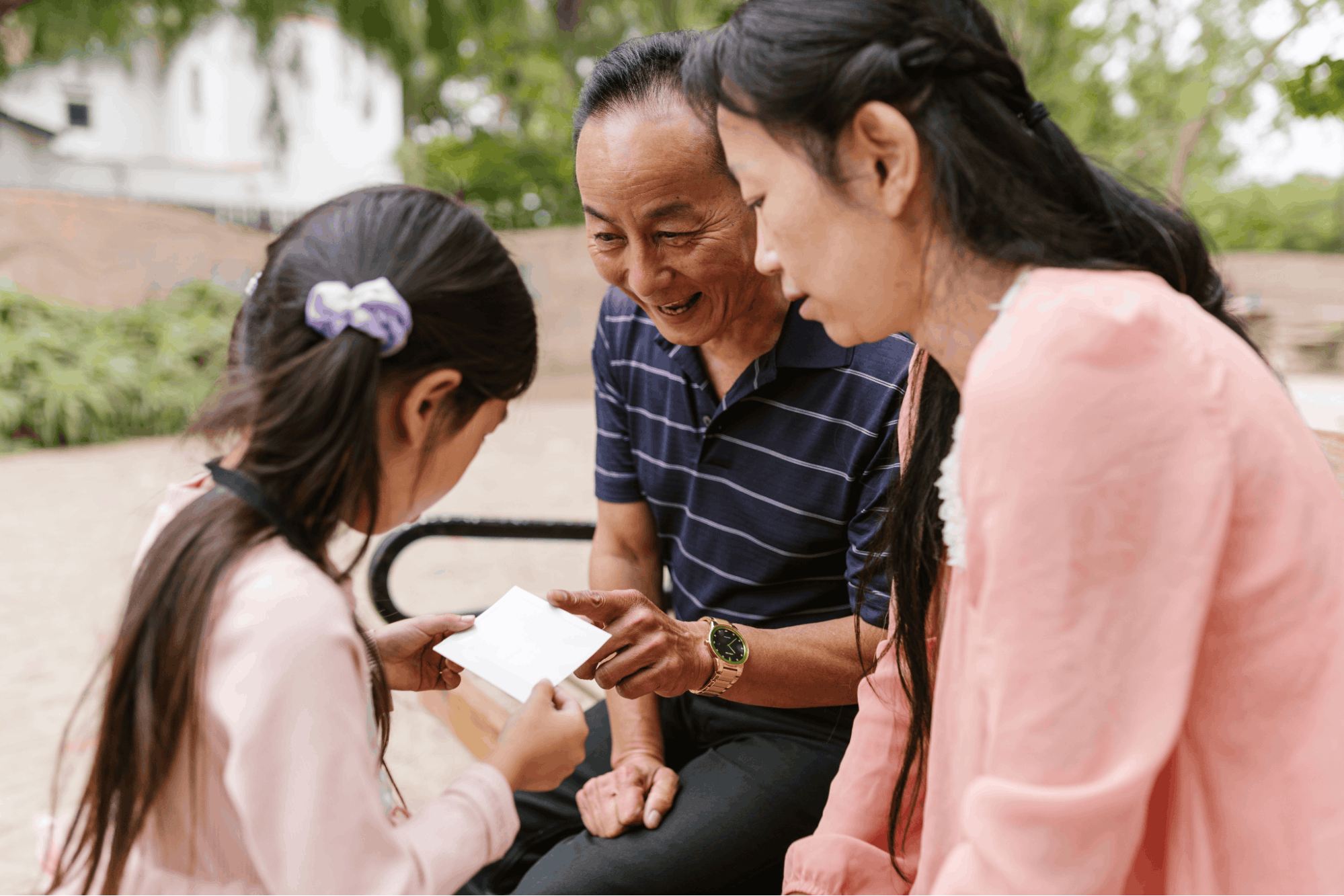
Image credit: Pexels
Destination weddings are often a family affair, with parents, grandparents, and little ones flying in for the big day. What many people don’t realise is that some travel insurance plans reduce the overseas medical limit for children and seniors.
This matters because medical treatment for children or seniors may involve specialist care or longer hospital stays, with costs that can add up quickly. A fall on the slippery steps of a hillside villa, or a toddler’s high fever after a long flight, can lead to overseas medical bills that add up quickly.
With DirectAsia Voyager Travel Insurance, every eligible traveller aged 15 days to below 81 gets the same selected overseas medical limit, regardless of age. $500,000 is the standard, with the option to increase it to $750,000. That way, your 75-year-old dad and your 2-year-old niece get the same level of medical protection as you do.
Budgeting for a destination wedding
Flights, accommodation, and angbaos are the easy parts to budget for, because you know roughly what they’ll cost the moment you RSVP. What’s harder to plan for is everything that could change between booking and the big day, from a cancelled flight to a kid who suddenly falls sick. A little preparation before you travel can help you manage unexpected expenses and avoid unnecessary financial setbacks:
- Keep a record of your prepaid, non-refundable expenses as you make your travel arrangements
- Compare refundable and non-refundable rates for flights and accommodation
- Fly in at least a day before the ceremony
- Ask the couple which nights, meals, and transfers they’re covering
- Match your cancellation and disruption coverage to what you’ve actually prepaid
- Make sure everyone travelling, including and especially kids and older parents, has the medical coverage they need
Sort these out before you fly, and you can focus on what you flew all that way for: celebrating the happy couple as they get united in matrimonial bliss.
Discover DirectAsia Voyager Travel Insurance and get a quote
This article was brought to you by DirectAsia.
Terms, conditions, eligibility requirements, limits and exclusions apply. Please refer to the policy wording on DirectAsia website for full details of coverage. Protected up to specified limits by SDIC.
Cover image adapted from: @themenjanganbali via Instagram